Background

The Minarets of Herat: Echoes of Timurid Splendor

Discover the majestic Minarets of Herat, remnants of the Timurid dynasty, showcasing Islamic architecture and Afghan resilience.

★★★★★4.4 (235)

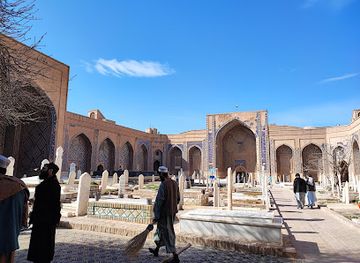
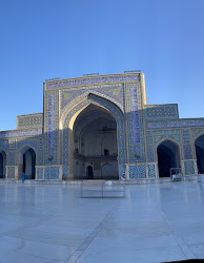
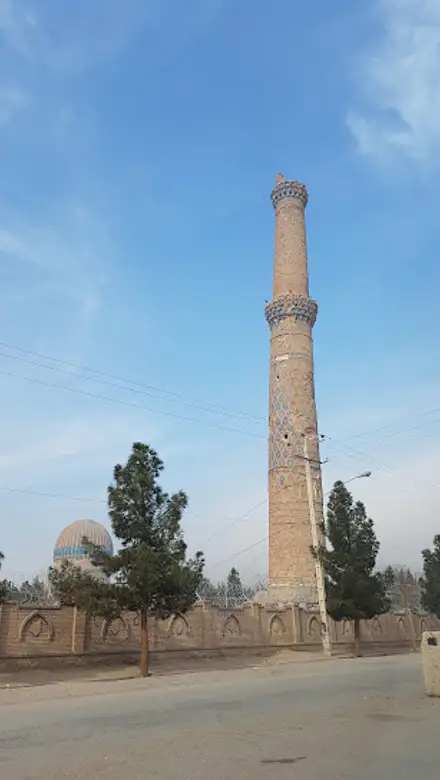
The Minarets of Herat, locally known as Manar Ha, are the surviving testaments of the once-glorious Musalla Complex, reflecting the city's pivotal role during the Timurid dynasty [6, 8]. These elegant minarets stand as a profound connection to Afghanistan's rich history and artistic heritage [8].

Plan your visit

A brief summary to مناره‌های هرات (‌MANAR Ha)

Opening times, essentials, and a few local tips gathered into one calmer, easier-to-scan planning section.

Plan your visit

📍
955P+PG7, AH1, Herat, AF

Explore places near مناره‌های هرات (‌MANAR Ha)

    See all →

    Unlock the Best of مناره‌های هرات (‌MANAR Ha)

    Find tickets, tours with entry, and experiences available for this location.

    Buy tickets

    No tickets available

    Book tours with entry

    No tours with entry available

    Book tours without entry

    No tours without entry available

    Getting There

    Walking

    The Minarets of Herat are located in the city of Herat and are easily accessible by foot from many points in the central city. From the Herat Citadel, walk approximately 1.5 kilometers east along the main road. The minarets will be visible on the left-hand side. No costs are associated with this approach.

    Taxi

    Taxis are readily available throughout Herat. A short taxi ride from the city center to the Minarets of Herat typically costs between 150 to 300 AFN [9, 12, 16]. Negotiate the fare before starting your journey. The ride should take approximately 5-10 minutes, depending on traffic.

    Local tips

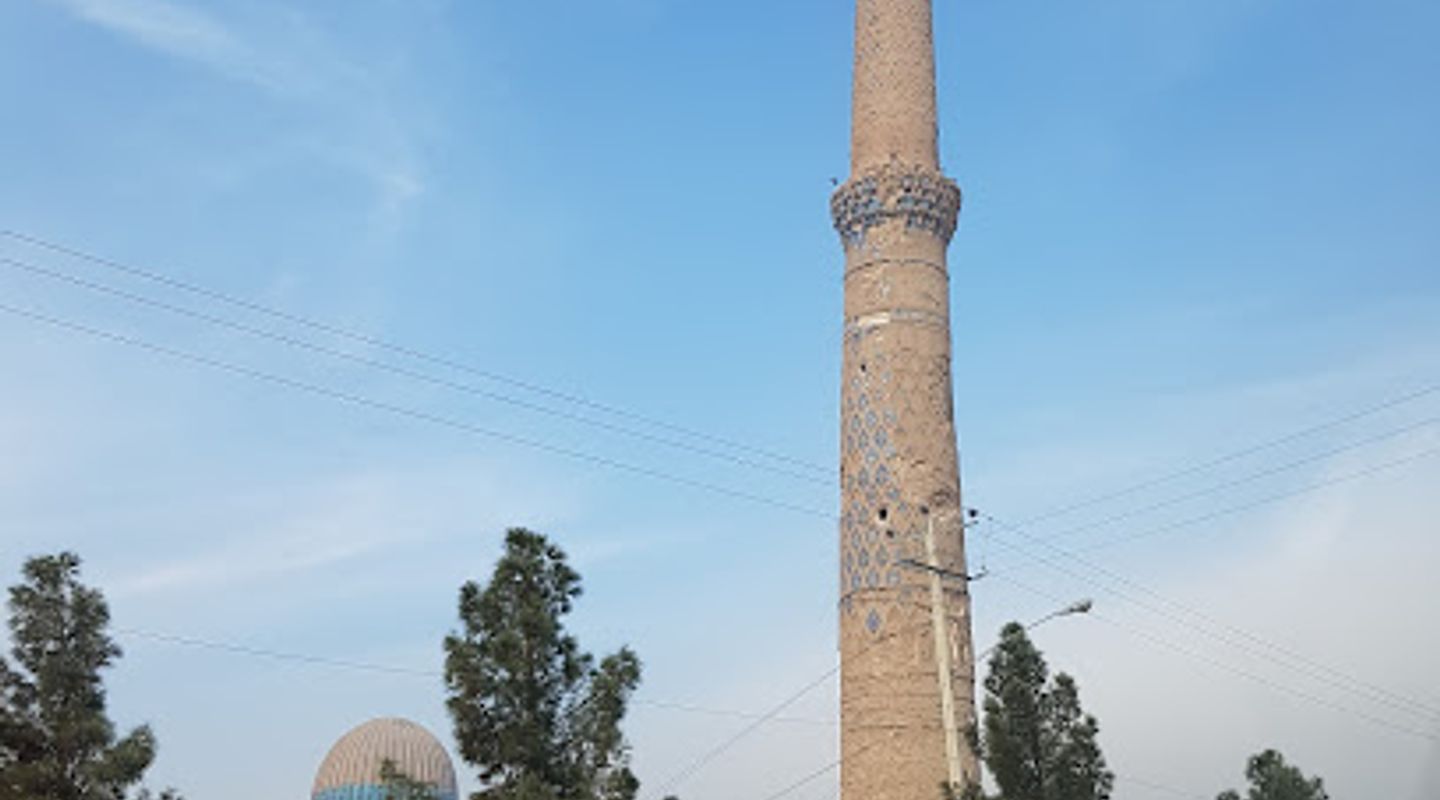
    Explore the intricate brickwork and tile mosaics that adorn the minarets, showcasing the exquisite artistry of the Timurid period [6].
    Visit during daylight hours to fully appreciate the architectural details and capture stunning photographs of the minarets against the Herat skyline [8].
    Take a moment to reflect on the rich history and cultural significance of the minarets, which have stood as silent witnesses to centuries of Afghan history [5, 6].

    Discover more about مناره‌های هرات (‌MANAR Ha)

    The Minarets of Herat are not merely historical relics; they are silent storytellers, narrating tales of empires, artistry, and the ebb and flow of time [6]. These elegant minarets, piercing the Herat skyline, are the surviving testaments of a magnificent Islamic complex, the Madrasa of Gawhar Shad, built in the 15th century during the Timurid dynasty [6]. Once numbering around twenty, only five remain standing today, bearing witness to centuries of turbulent history, natural decay, and human conflict [6, 10, 11].The Timurid era, under the rule of Shah Rukh and his wife Gawhar Shad, marked a golden age for Herat [6]. The city blossomed into a vibrant center of art, literature, science, and architecture, attracting scholars and artisans from across the Islamic world [6]. Gawhar Shad, a patron of the arts and a woman of great influence, initiated the construction of the Musalla complex in 1417 AD, which included a grand mosque, a madrasa (theological college), and several minarets [6, 7].The minarets, soaring to impressive heights of approximately 55 meters, were adorned with intricate brickwork, glazed tile mosaics, and elaborate geometric patterns [4, 6, 7]. These decorative elements reflected the sophisticated artistic sensibilities of the Timurid period, blending Persian and Islamic architectural styles [6]. The Musalla complex served as a center for learning, religious practice, and community gathering, embodying the cultural and spiritual heart of Herat [6].Over the centuries, the Musalla complex suffered significant damage due to earthquakes, wars, and political upheaval [6]. In the late 19th century, during the Second Anglo-Afghan War, British forces deliberately destroyed parts of the complex to prevent its use by Afghan forces [6]. This act of destruction resulted in the loss of several minarets and other structures, leaving only a fraction of the original complex intact [6]. Today, the remaining minarets stand as poignant reminders of Herat's glorious past [6]. Despite their dilapidated condition, they continue to inspire awe and admiration for their architectural beauty and historical significance [6]. The minarets are constructed of baked brick and decorated with intricate geometric patterns and calligraphy [6].The minarets are not only architectural marvels but also symbols of Herat's cultural identity and resilience [6, 8]. Efforts are underway to preserve and restore the remaining minarets, with international organizations and local authorities working together to stabilize the structures and protect them from further damage [6]. These efforts include repairing cracks, replacing damaged bricks, and consolidating the foundations [6]. The restoration work is being carried out with great care and sensitivity to preserve the authenticity of the minarets and their historical character [6].
    Mobile App
    Get the app

    Your all‑in‑one travel companion app

    Explore expert travel guides, compare and book tours, experiences, hotels, and more—all from the palm of your hand. Download now for seamless trip planning wherever your wanderlust takes you.

    File:Section of Kandahar at night in 2011.jpg - Wikimedia Commons

    More about Arachosia

    Discover Arachosia, Afghanistan's ancient treasure, where history and culture merge among stunning landscapes and remnants of a bygone era.

    Tell me more about Arachosia

    Select Currency

    Choose the currency you want prices to display in.