Pul-e Kheshti Mosque, Bactria Travel Guide
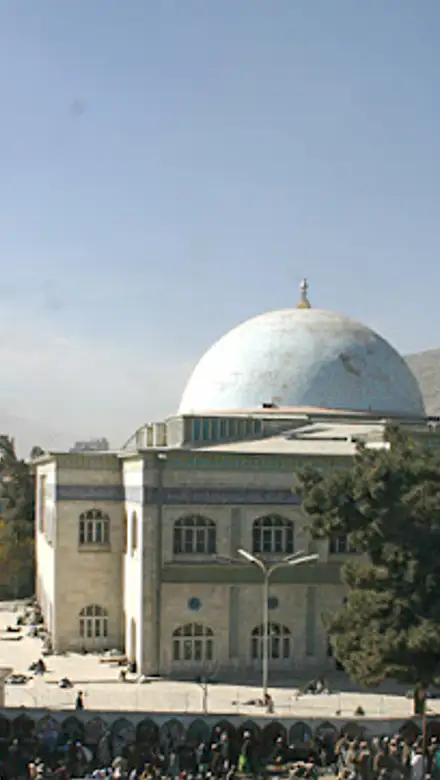
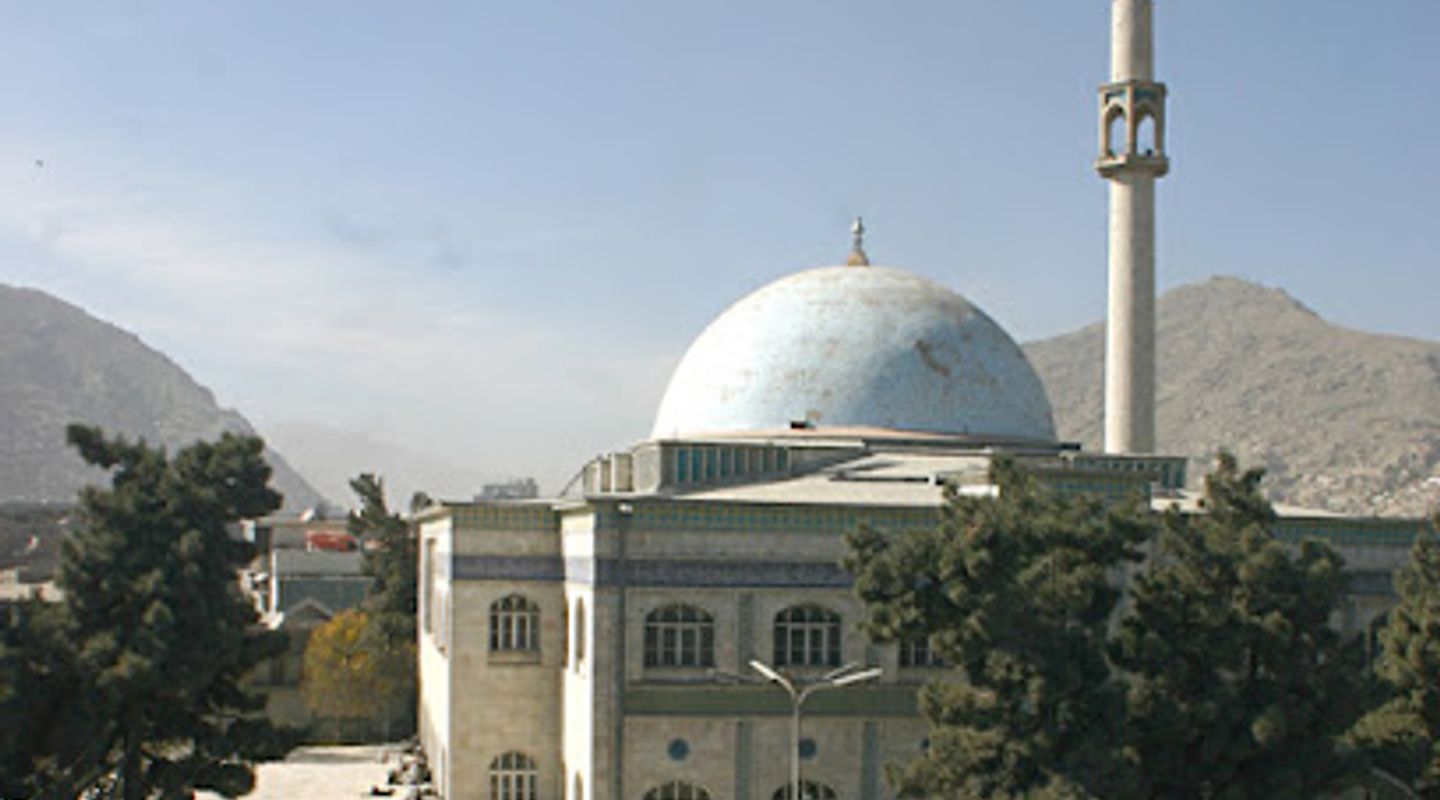
Kabul's largest mosque, a vibrant center of worship and community, known for its stunning blue dome and intricate Afghan artistry.
Pul-e Kheshti Mosque, meaning 'Brick Bridge Mosque,' is Kabul's largest mosque and a significant community hub [6, 7]. Originally built in the late 18th century, it was largely reconstructed in the 1960s and has been restored after conflict in the 1990s [6]. The mosque is known for its large blue dome, visible across Kabul [2, 6, 18].
A brief summary to Pul-e Kheshti Mosque
- Kabul, AF
- Click to display
- Monday 3:30 am-9:30 pm
- Tuesday 3:30 am-9:30 pm
- Wednesday 3:30 am-9:30 pm
- Thursday 3:30 am-9:30 pm
- Friday 3:30 am-9:30 pm
- Saturday 3:30 am-9:30 pm
- Sunday 3:30 am-9:30 pm

Know before you go
Hi, I'm Eve. Here are a few practical things to know before exploring Pul-e Kheshti Mosque.
- Dress modestly when visiting; women should cover their heads out of respect for local customs [6].
- Ask permission before taking photographs of people inside the mosque [6].
- Visit during prayer times to witness the mosque's vibrant communal atmosphere [6].
- Explore the bustling market areas surrounding the mosque for a taste of local Kabul life [6].
Do you manage this location?
Take control to get all the benefits, like improved information, better appearance, and stronger visibility across AI-powered discovery. Learn more about listing your business on Evendo
Activate your presenceOther nearby places you may find interesting
The closest places of the same kind, if this one is not quite what you had in mind.

Explore Pul-e Kheshti Mosque on the Map
A handpicked selection of must-see spots near Pul-e Kheshti Mosque, mapped for you.
Getting There
-
Walking
The Pul-e Kheshti Mosque is located in the heart of old Kabul, making it easily accessible on foot from many central locations. From the Kabul City Center or nearby landmarks, orient yourself towards the main commercial areas. The mosque is recognizable by its large blue dome. Be aware of your surroundings and local customs while walking [6].
-
Public Transport
Kabul has a public bus system, but it may not serve all areas directly [3, 5, 16]. Check local bus routes for the Millie Bus to see if there's a convenient stop near your starting point. From the bus stop, follow walking directions to the mosque, keeping an eye out for the distinctive blue dome. A bus ride within the city may cost approximately 10 AFN [15].
-
Taxi
Taxis are a readily available way to reach the Pul-e Kheshti Mosque from anywhere in Kabul [3, 5]. Negotiate the fare before starting your journey. A typical taxi ride in Kabul may cost between 150 to 350 AFN, depending on the distance and traffic [8, 9, 12, 13]. Ask the driver to drop you off as close to the mosque as possible, considering traffic and pedestrian access [3].
Discover more about Pul-e Kheshti Mosque













Your all‑in‑one travel companion app
Explore expert travel guides, compare and book tours, experiences, hotels, and more—all from the palm of your hand. Download now for seamless trip planning wherever your wanderlust takes you.


Explore More of Bactria
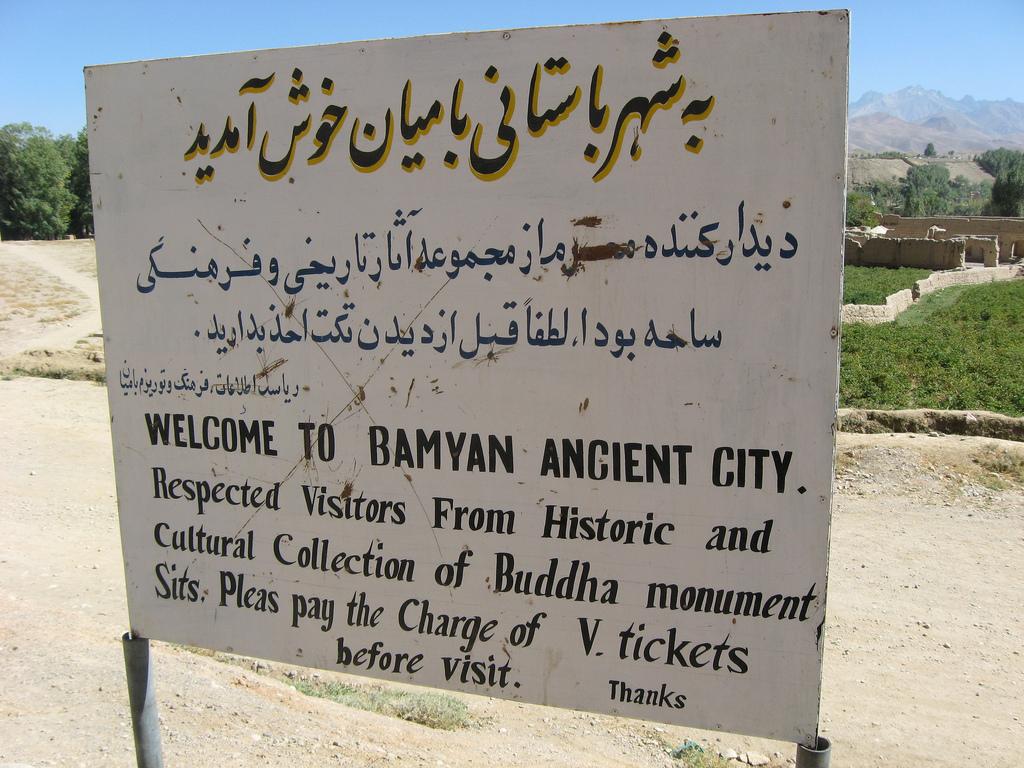
Looking beyond Pul-e Kheshti Mosque? Discover Bactria for broader travel guides, local hot-spots, and regional highlights.
Explore Bactria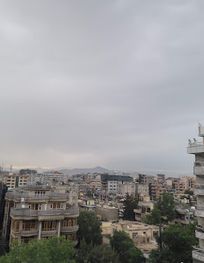
Explore Afghan fashion at Madina Clothing in Kabul: a vibrant hub of traditional and modern styles reflecting the country's rich cultural heritage.
Experience the vibrant culture and commerce of Kabul at Pashtun Market, a traditional торговый центр offering a taste of Afghan life.