
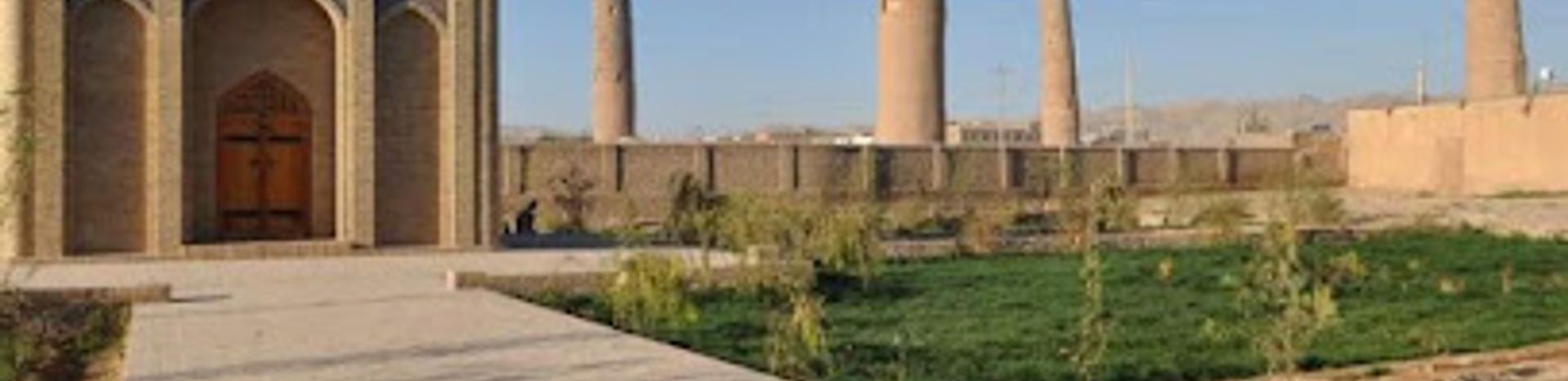
Gowharshad Begum Mausoleum: A Testament to Timurid Legacy
Explore the majestic Gowharshad Begum Mausoleum in Herat, a symbol of Timurid artistry, Queen Gowharshad's legacy, and Afghanistan's rich cultural heritage.
The Gowharshad Begum Mausoleum in Herat stands as a tribute to Queen Gowharshad, wife of Shah Rukh, and the Timurid Empire's cultural and intellectual achievements in the 15th century. Part of the Musallah Complex, it showcases intricate tilework and architectural grandeur, reflecting Herat's historical significance as a hub of learning and art [3].
A brief summary to مقبره گوهرشاد بیگم
- 954P+W3X, Herat, AF
- Monday 8 am-12 pm
- Tuesday 8 am-12 pm
- Wednesday 8 am-12 pm
- Thursday 8 am-12 pm
- Saturday 8 am-12 pm
- Sunday 8 am-12 pm
Local tips
- Visit during the early morning or late afternoon for the best light to appreciate the intricate tilework and avoid the midday heat.
- Dress respectfully when visiting, as the mausoleum is a site of historical and cultural significance.
- Combine your visit with a tour of the Musallah Complex to fully appreciate the scale and history of this once-grand religious and educational center.

Getting There
-
Walking
From the center of Herat, the Gowharshad Begum Mausoleum is best reached by walking, allowing you to experience the city's atmosphere. Start near the Herat National Museum and head north. The mausoleum is part of the Musallah Complex, and the walk takes approximately 20-30 minutes, depending on your pace. There are no entrance fees for the Musallah Complex.
-
Taxi
Taxis are readily available in Herat. A short taxi ride from a central location, such as the Herat Citadel (Qala Iktyaruddin), to the Gowharshad Begum Mausoleum, will typically cost between 200 to 300 AFN [4, 5]. The journey is relatively short, approximately 5-10 minutes depending on traffic. Negotiate the fare before starting your ride [4, 5].
Discover more about مقبره گوهرشاد بیگم
Iconic landmarks you can’t miss

Herat Afghanistan
1.8 km
Explore Herat, the 'Pearl of Khorasan': A Silk Road city with ancient citadels, stunning mosques, and a vibrant cultural legacy.
Arg Hotel
2.7 km
Experience modern comfort and Afghan hospitality at Arg Hotel, your gateway to exploring the ancient city of Herat.
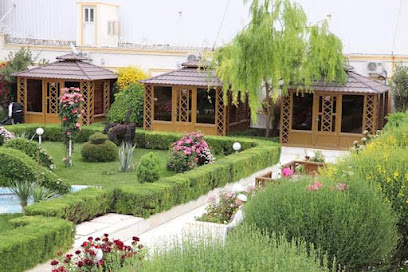
Takht-e-Safar Park.
3.9 km
Escape to Takht-e-Safar Park in Herat for panoramic city views, lush greenery, and a tranquil retreat steeped in history.
Unmissable attractions to see

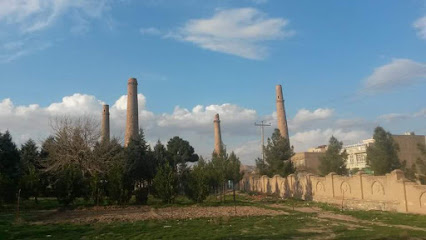
منارههای هرات (MANAR Ha)
0.2 km
Discover the majestic Minarets of Herat, remnants of a glorious Timurid past, showcasing intricate architecture and standing as symbols of Afghan resilience.
National Museum
1.3 km
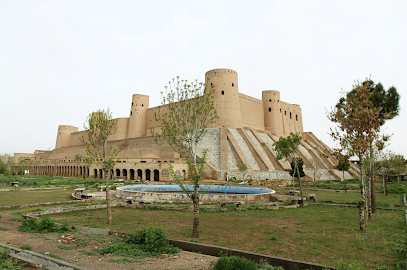
Discover millennia of Afghan history and culture at the Herat National Museum, housed within the ancient Qala Ikhtyaruddin.
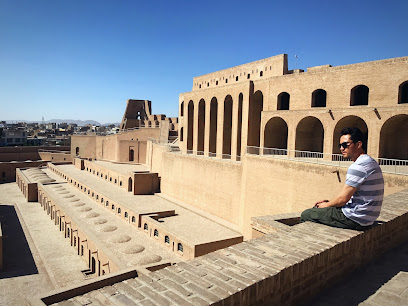
Herat Citadel
1.3 km
Explore the ancient Herat Citadel: a historic fortress with roots in Alexander the Great's era, offering stunning city views.
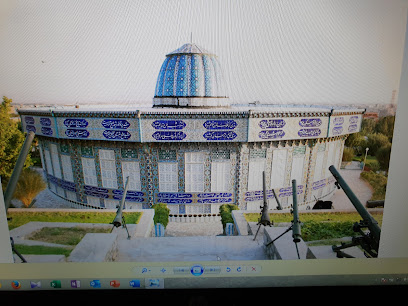
انجمن حفظ ارزش ها دوران جهاد و مقاومت مردم هرات
1.8 km
A museum in Herat dedicated to preserving the memory of the Afghan Mujahideen's resistance against the Soviet invasion.
Herat Central Blue Mosque
1.8 km
Discover the mesmerizing Herat Central Blue Mosque, a timeless icon of Islamic art and Afghan heritage, showcasing stunning blue tilework and serene ambiance.
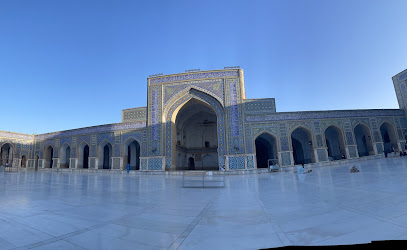
حوض چهارسو
2.0 km
Explore the historical حوض چهارسو in Herat, Afghanistan, a cultural landmark offering a glimpse into the region's rich heritage and history.
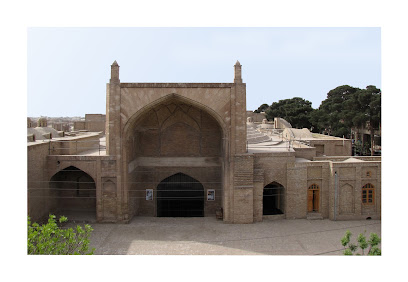
مجتمع تفریحی باغ ملت
2.8 km
Discover Baghe Mellat in Herat: A serene park offering lush greenery, cultural events, and a peaceful escape for families and tourists alike, open daily.
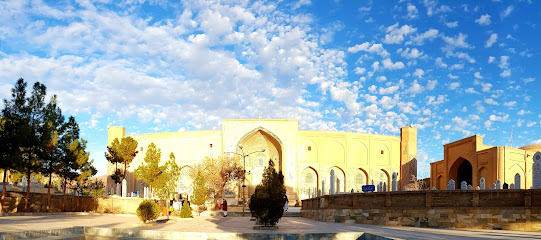
Khwaja Abdullah Ansari Shrine
5.5 km
Discover the sacred Khwaja Abdullah Ansari Shrine in Herat, a historical pilgrimage site blending spiritual significance with stunning architecture.
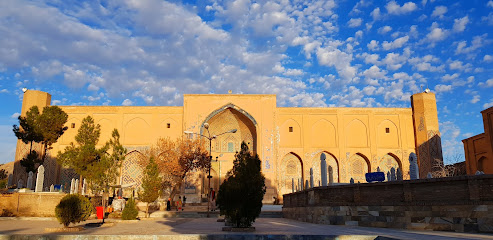
Malan Bridge
7.9 km
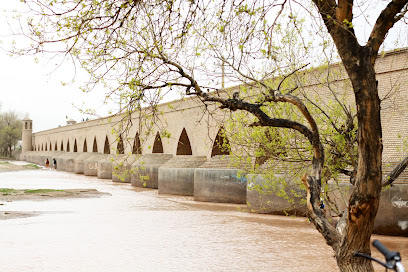
Discover the historic Malan Bridge in Herat, a testament to Afghan heritage and architectural ingenuity, connecting cultures across the Hari River for centuries.
Shah Uzbeg caravanserai
96.8 km
Explore the historical Shah Uzbeg Caravanserai in Afghanistan, a Silk Road relic offering a glimpse into ancient trade and travel.

Essential places to dine

هوتل و مسافرخانه بند امیر
0.8 km
Discover traditional Afghan flavors at Hotel and Guesthouse Band Amir in Herat – an essential stop for every traveler exploring Afghanistan.
Sham Herat Restaurant
0.9 km
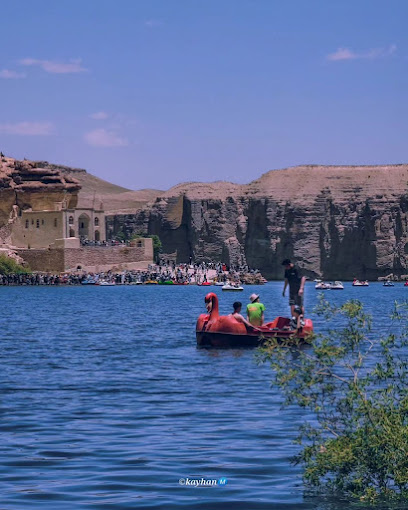
Savor authentic Afghan cuisine at Sham Herat Restaurant - where every meal tells a story of tradition and flavor.
رستورانت نونیم
0.9 km
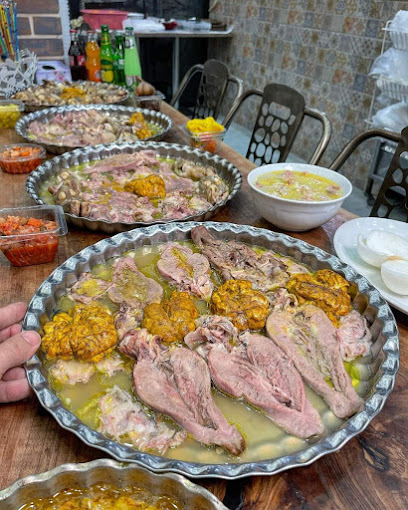
Discover the authentic flavors of Afghanistan at رستورانت نونیم in Herat – a culinary haven offering traditional dishes in a warm atmosphere.
رستورانت کابل قطغن
0.9 km
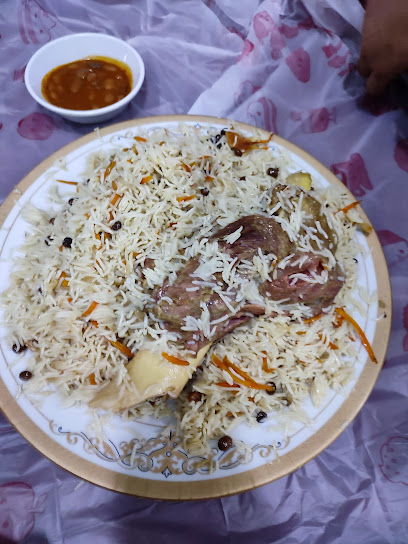
Experience authentic Afghan cuisine at Restaurant Kabul Qatghan in Herat – where every dish tells a story of tradition and flavor.
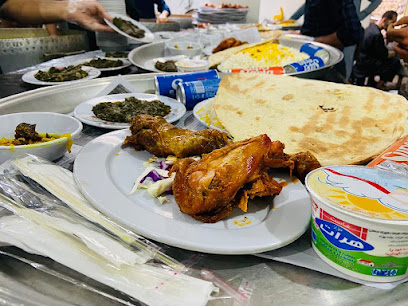
ماهی فروشی صالحی
1.0 km
Discover authentic Afghan seafood at Sahli Fish Restaurant in Herat - where every dish tells a story.
رستورانت مهتاب مرکزی
1.1 km
Experience the authentic taste of Afghanistan at رستورانت مهتاب مرکزی in Herat – where every dish tells a story.
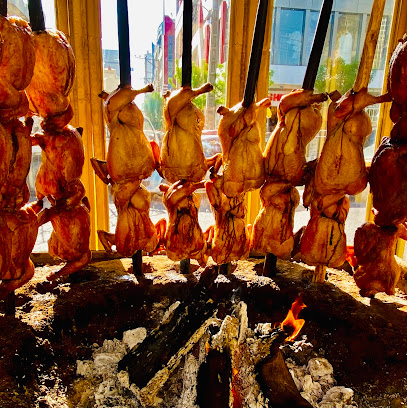
Hotel Gulestan Maimana/هتل گلستان میمنه
1.2 km
Experience the rich flavors of Afghan cuisine at Hotel Gulestan Maimana in Herat, where every dish tells a story.
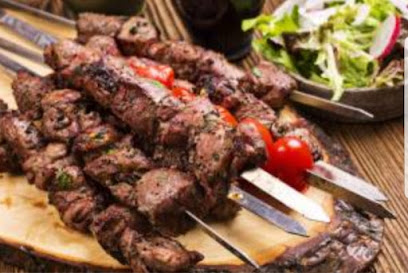
رستورانت گلبرگ
1.3 km
Experience authentic Afghan cuisine at رستورانت گلبرگ in Herat - where tradition meets taste.
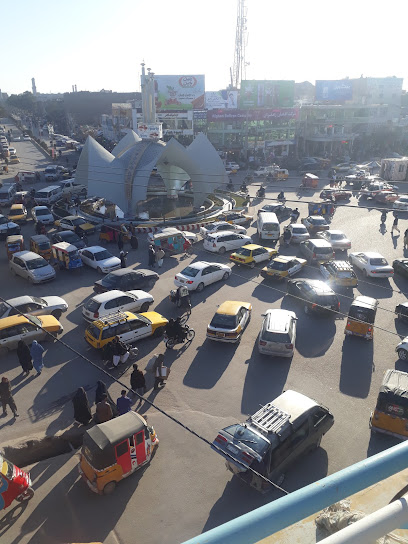
آبمیوه چهار فصل
1.3 km
Discover the vibrant flavors of Afghanistan at آبمیوه چهار فصل – where refreshing juices meet fast food delight in Herat.
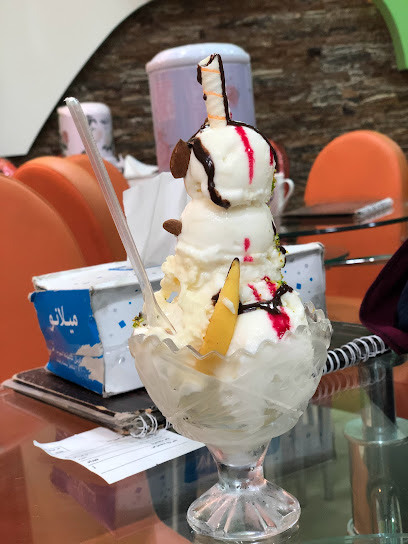
رسولی
1.7 km
Savor mouthwatering steaks at رسولی in Herat - where tradition meets culinary excellence.
Herat serina resturan and Arman saloon
2.1 km
Discover authentic Afghan cuisine at Herat Serina Restaurant and Arman Saloon - a perfect family-friendly dining experience in Herat.
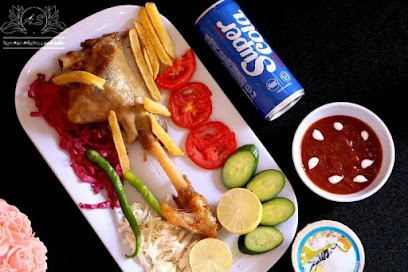
Hot & Cold Cafe کافه و رستورانت گرم و سرد
2.2 km
Discover the flavors of Afghanistan at Hot & Cold Cafe in Herat – where tradition meets taste in every dish.
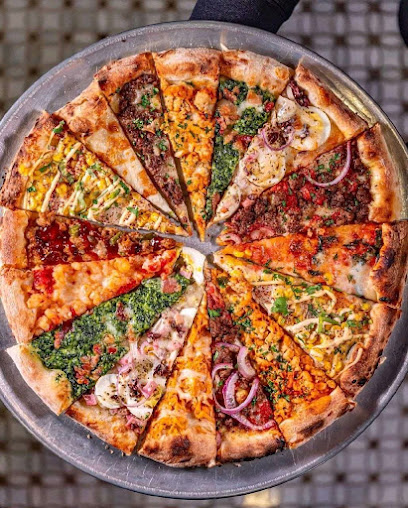
شاهین نانوایی
2.4 km
Experience authentic Afghan cuisine at Shahin Nanai in Herat - a delightful journey through flavors and tradition.
Khaima Restaurant
2.7 km
Discover authentic Afghan flavors at Khaima Restaurant in Herat—where every dish tells a story.
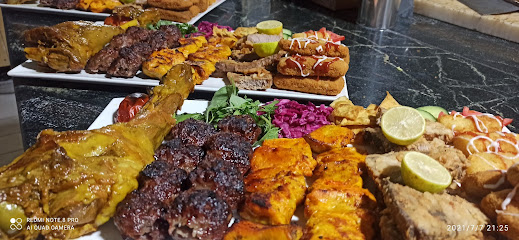
رستورانت سانی
2.8 km
Experience authentic Afghan cuisine at Sani Restaurant in Herat – a delightful blend of flavors and hospitality.
Markets, malls and hidden boutiques

مهتاب آسيا الكتريك
1.0 km
Discover a world of electronics at مهتاب آسيا الكتريك in Herat, where technology meets quality for every traveler.
فروشگاه ملودی
1.1 km
Explore the vibrant clothing styles and unique accessories at Melodi Store in Herat, a must-visit for fashion lovers and cultural enthusiasts.
Herat
1.1 km
Explore the vibrant streets and historic architecture of Herat, Afghanistan - a photographer's paradise rich in culture and beauty.
House of Fashion
1.1 km
Discover Herat's vibrant fashion scene at the House of Fashion, where local craftsmanship meets contemporary style in a chic shopping experience.
Herat afghan
1.3 km
Discover the vibrant markets of Herat, Afghanistan, where history, culture, and local flavors blend into an unforgettable experience.
Best Astail
1.4 km
Explore Best Astail in Herat for an unforgettable shopping experience featuring traditional and modern Afghan fashion.
جاده مهتاب نفش گذرقلعه نوی
1.5 km
Discover authentic Afghan culture and flavors at Jaddeh Mahtab Nafsh Gozar Qal'e Nowi, a vibrant supermarket in Herat, brimming with local goods.
فروشگاه دیدار Didar Music
1.5 km
Explore Didar Music Store in Herat for a unique cultural experience that celebrates Afghanistan's diverse musical heritage.

Yassir modasir fashion
1.5 km
Discover unique Afghan fragrances at Yassir Modasir Fashion in Herat, where tradition meets scent in a captivating perfume experience.
فروشگاه میوه و سبزیجات هرات دهقان
1.6 km
Discover the vibrant flavors of Herat at Dehqan Fruit and Vegetable Store, a local gem for fresh produce and authentic Afghan culinary experiences.
سوپر ایسکریم بهارستان
1.6 km
Discover the flavors of Herat at سوپر ایسکریم بهارستان, where every scoop is a taste of happiness!
Herat Skechers
1.6 km
Shop for stylish and comfortable footwear at Herat Skechers, the premier shoe store in the historic city of Herat, Afghanistan.
فروشگاه بزرگ هایپرمی
1.6 km
Experience the rich diversity of Afghan culture at فروشگاه بزرگ هایپرمی in Herat, where local and international products come together.
فروشگاه ام فشن - M Fashion Store
1.6 km
Explore the vibrant world of Afghan fashion at M Fashion Store in Herat, where tradition meets modern style in a unique shopping experience.
فروشگاه طلای سفید - White Gold Store
1.6 km
Explore exquisite jewelry at White Gold Store, where Afghan craftsmanship meets elegance in the heart of Herat.
Essential bars & hidden hideouts

Tejarat International Hotel
1.2 km
Experience luxury and comfort at Tejarat International Hotel in Herat, Afghanistan, your gateway to exploring the rich cultural heritage of the region.
Tanin,Restaurant
1.2 km
Discover the authentic flavors of Afghanistan at Tanin Restaurant in Herat, where traditional dishes and warm hospitality await your visit.
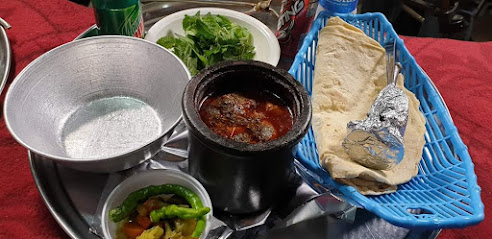
آبمیوه چهارفصل شعبه اول
1.4 km
Experience the refreshing flavors of Four Seasons Juice Bar in Herat, where delicious ice creams and fresh juices await every visitor.
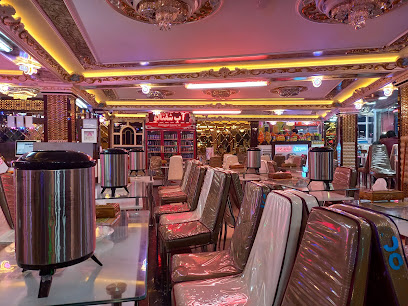
Nazary Four Star Hotel
1.7 km
Nazary Four Star Hotel: Where Comfort Meets Afghan Hospitality in the Heart of Herat.
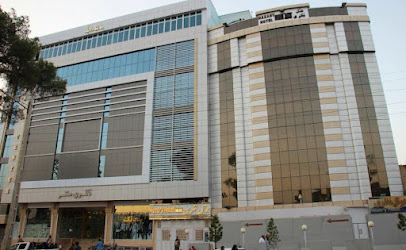
آهنگساز و نوازنده
1.7 km
Discover the melodic charm of the Piano Bar in Herat - a must-visit for music lovers and cultural enthusiasts in Afghanistan.
دنیای بایسکل
1.7 km
Experience the vibrant atmosphere of دنیای بایسکل, Herat's premier sports bar for fans and tourists alike, where every game is a celebration!
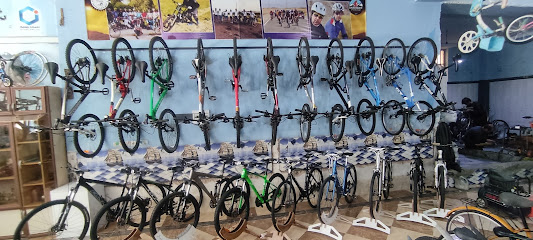
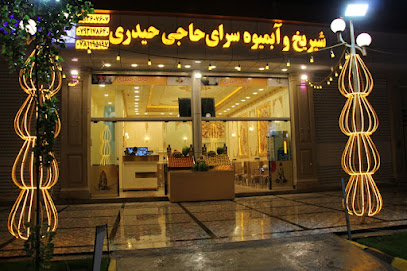
شیریخ و آبمیوه سرای حاجی حیدری
2.2 km
Discover the delightful flavors of حاجی حیدری Ice Cream Parlor in Herat - a sweet escape for every traveler!
Network
2.3 km
Experience the lively bar culture in Herat, Afghanistan, where tradition meets modernity in a vibrant setting.
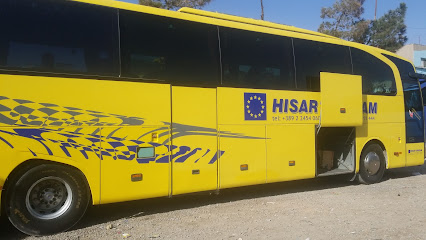
Azimi Bus Transport
2.4 km
Discover the lively atmosphere of Azimi Bus Transport, a cultural hub in Herat where travelers enjoy local beverages and vibrant interactions.
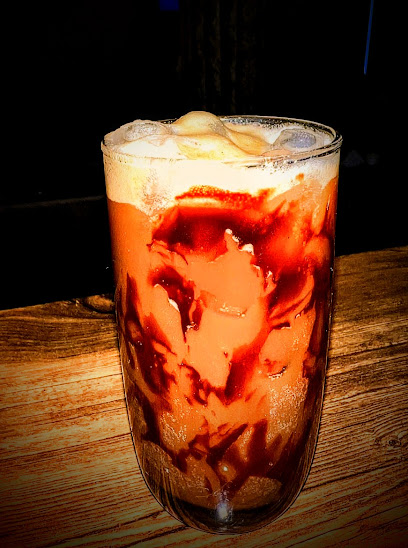
ARABICA COFFEE
2.8 km
Discover the rich flavors of Afghanistan at Arabica Coffee, Herat’s premier espresso bar offering expertly crafted brews in a cozy setting.
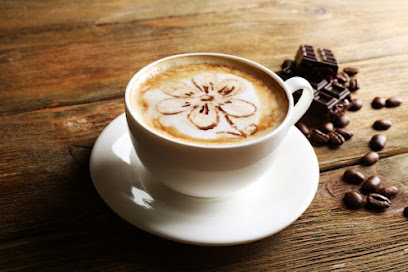
Cafe greeko
2.9 km
Experience the rich flavors of Herat at Café Greeko, an espresso bar offering a cozy ambiance and expertly crafted coffee drinks.
Dark home
4.0 km
Experience the vibrant culture of Herat at Dark Home Pub, a cozy spot for locals and tourists to unwind with drinks and good company.
کوچه مندس
4.7 km
Experience the lively atmosphere of کوچه مندس in Herat, a bar that embodies local culture and vibrant nightlife.
District 11 End
6.7 km
Discover the vibrant nightlife at District 11 End, a lively bar in Afghanistan offering a unique blend of local culture and social atmosphere.
کمپنی بی نام
15.5 km
Experience the essence of Afghan cuisine at شرکت بی نام, where every grill tells a story and flavors come alive.
Nightclubs & after hour spots

شرکت مونتاژ تاسیسات برقی و برقرسانی میثاق
0.7 km
Explore the vibrant nightlife of Herat at Miethaq Night Club, where music, dance, and culture unite for an unforgettable experience.
تکت فروشی مهردادی تاکسی مشهد
4.0 km
Discover the vibrant nightlife of Herat at Takt Froushi Mehrdad Taxi Mashhad, where music, dance, and local culture come together.
دفتر مجمع الذاکرین
4.9 km
Discover the vibrant nightlife of Jebrael at دفتر مجمع الذاکرین, where local culture and entertainment come alive.
میدان کرکت اتلان
8.2 km
Discover the electrifying nightlife of Herat at میدان کرکت اتلان, a premier night club that brings together music, dance, and culture.
دوکان صوفی شایق
10.8 km
Explore the vibrant nightlife at دوکان صوفی شایق in Herat, Afghanistan, where music, dance, and cultural experiences await.


