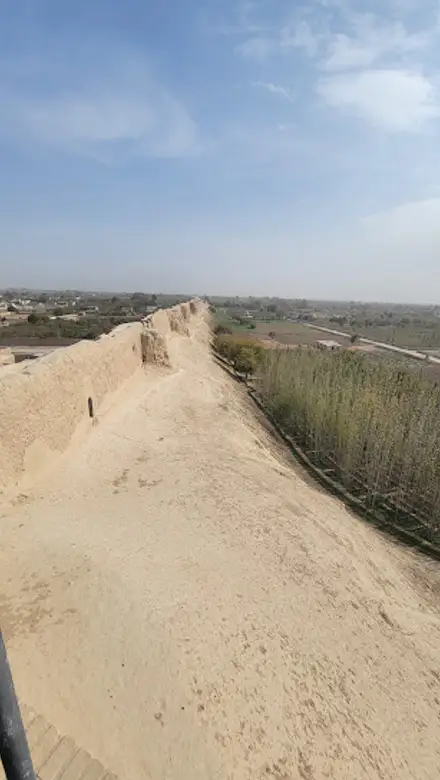
Qala-i-Jangi Travel Guide
Free Guide: Explore Qala-i-Jangi, a 19th-century Afghan fortress near Mazar-i-Sharif, and witness a powerful symbol of resilience and a poignant reminder of the nation's turbulent history.


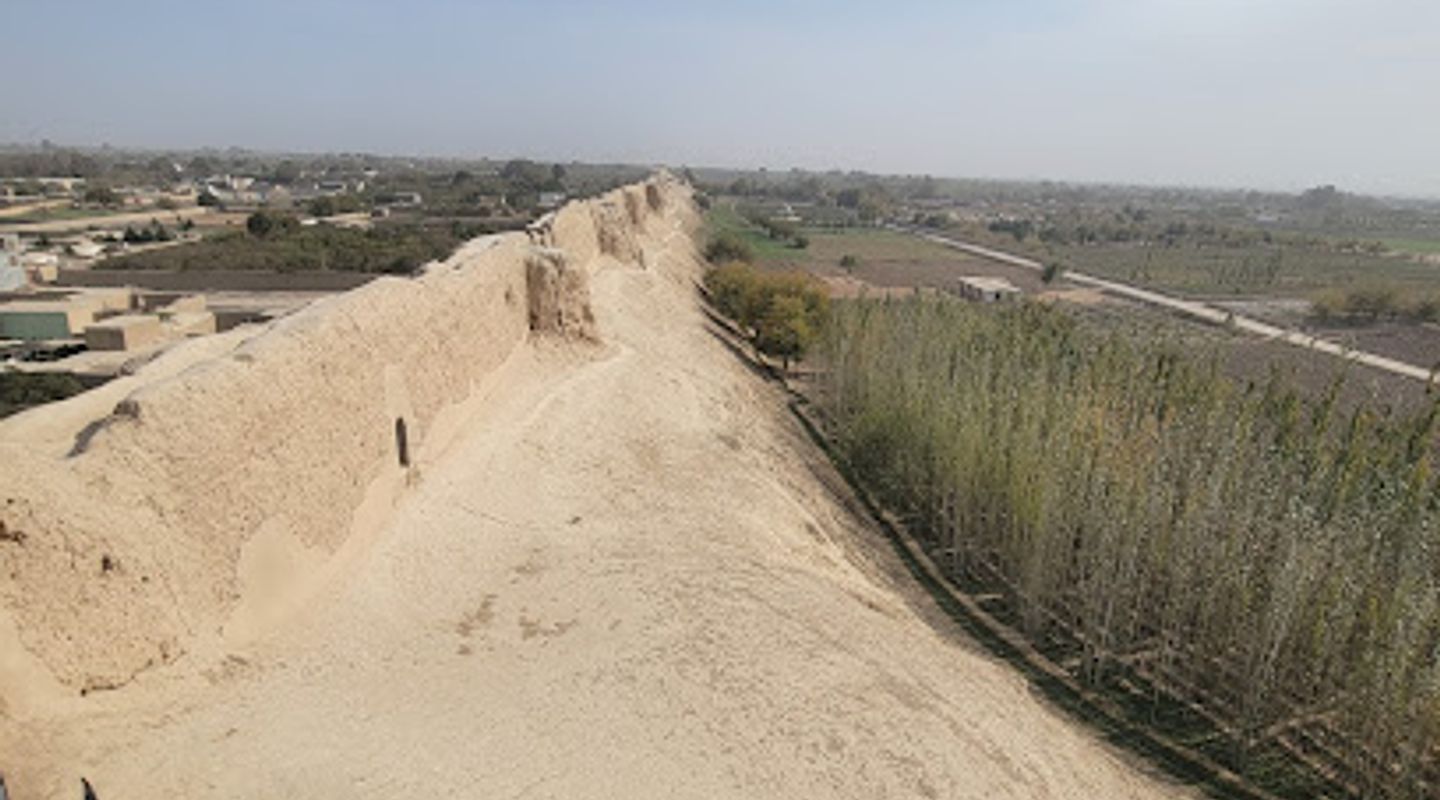
A brief summary of Qala-i-Jangi
Explore Qala-i-Jangi, a 19th-century Afghan fortress near Mazar-i-Sharif, and witness a powerful symbol of resilience and a poignant reminder of the nation's turbulent history.
Qala-i-Jangi, meaning "House of War," is a 19th-century fortress near Mazar-i-Sharif in northern Afghanistan, a stark reminder of the country's turbulent past. Built in 1889, it has witnessed numerous conflicts, most notably the bloody 2001 Taliban uprising. Today, it stands as a symbol of Afghan resilience, offering visitors a glimpse into the nation's military history and strategic importance. Though currently closed to the public, the imposing exterior and panoramic views of the surrounding landscape provide a powerful and poignant experience. Exploring the area around the fortress allows one to reflect on Afghanistan's complex history and the echoes of battles fought within its walls. The site serves as a powerful testament to the enduring spirit of the Afghan people.
- Address
- Militair fort, Nahr Shahi, Afghanistan
Getting there
Taxi/Ride-Share
Public Transport
Discover more about Qala-i-Jangi
Overview
Qala-i-Jangi, a formidable fortress whose name translates to “House of War,” stands as a silent sentinel on the plains near Mazar-i-Sharif in northern Afghanistan. Constructed in the late 19th century, this imposing structure is more than just a historical landmark; it is a tangible link to Afghanistan's tumultuous past, a place where echoes of conflict resonate through the aged mud walls and watchtowers.Built in 1889 by Abdur Rahman Khan, the “Iron Amir,” Qala-i-Jangi was strategically designed to defend against both Russian incursions and internal tribal revolts. Financed by British funds, the fortress was intended to be the strongest in Afghanistan, a bulwark against the shifting geopolitical landscape of the time. It reportedly took 18,000 workers twelve years to complete. Its massive scale and imposing design reflected the Amir's ambition to consolidate his power and protect his realm.Throughout the 20th century, Qala-i-Jangi continued to play a role in Afghanistan's conflicts. In 1929, it served as a refuge for Russian troops besieged by Turkmen forces. The name Qala-i-Jangi likely emerged in the 1940s, solidifying its association with warfare. The Soviet invasion of 1979 saw the fortress once again occupied by Russian forces, later attacked by Mujahideen fighters in 1981. From 1994 to 2001, the Taliban controlled the fort for much of the time, briefly interrupted in 1997 when Abdul Rashid Dostum held it.However, it is the events of late 2001 that have indelibly marked Qala-i-Jangi in the global consciousness. Following the U.S.-led invasion of Afghanistan, Taliban fighters surrendered to Northern Alliance forces and were brought to the fortress. What followed was a bloody and desperate uprising. On November 25, 2001, the prisoners, many of whom were foreign fighters, revolted, triggering a fierce six-day battle. Armed with hidden weapons, they launched a surprise attack, overwhelming their captors and seizing control of parts of the fortress. The ensuing conflict involved intense fighting, with Northern Alliance forces, supported by American and British special forces and airpower, struggling to regain control. The battle resulted in the deaths of hundreds of Taliban fighters, as well as Northern Alliance soldiers and a CIA operative, Johnny Micheal Spann. The events at Qala-i-Jangi highlighted the complexities and brutality of the conflict in Afghanistan, becoming a symbol of the challenges faced by coalition forces.Today, Qala-i-Jangi stands as a haunting reminder of that battle. Bullet-scarred walls, the remnants of destroyed vehicles, and the overall sense of desolation evoke the intensity of the fighting. While the fortress is currently closed to the public, its exterior remains visible, offering a somber yet compelling glimpse into a pivotal moment in Afghan history. The site serves as a place of reflection, prompting contemplation on the human cost of war and the enduring impact of conflict on the Afghan people.Visiting Qala-i-Jangi is not simply about seeing an old fortress; it is about connecting with a place that has witnessed profound historical events. It is about understanding the strategic importance of this location, the struggles for power that have played out within its walls, and the resilience of the Afghan people who have endured so much. Although access may be limited, the experience of standing near this historic site is a powerful one, leaving a lasting impression on those who seek to understand Afghanistan's complex narrative. The fortress is a testament to the country's past, a reminder of the challenges it has faced, and a symbol of the enduring spirit of its people. For those interested in history, military strategy, or simply seeking a deeper understanding of Afghanistan, Qala-i-Jangi is a place that demands respect and contemplation.While Qala-i-Jangi may not offer the typical tourist amenities or attractions, its significance lies in its historical weight and its ability to evoke a sense of place and time. It is a destination for those who seek to go beyond the surface and engage with the complexities of Afghanistan's story. The fortress serves as a poignant reminder of the human cost of conflict and the importance of striving for peace and understanding in a world often marked by division and strife. A visit to Qala-i-Jangi is an opportunity to learn, to reflect, and to connect with the enduring spirit of Afghanistan.
Evendo Review Centre
 Google
Guest reviews
Explore Qala-i-Jangi on the map
A handpicked selection of must-see spots near Qala-i-Jangi, mapped for you.
Get your free copy of our complete guide to Qala-i-Jangi, delivered straight to you.
Everything on this page, from opening hours and how to get there to Eve’s tips and the best time to go, in one PDF you can read offline, print or share.
Already have an account? Sign in
Your Qala-i-Jangi guide is ready.
We'll send it to · Not you? Sign out

Getting your guide ready…
We are putting together a fresh copy of the Qala-i-Jangi guide. This can take up to a minute.
This can take a few moments. If your browser asks, choose Allow so the download can start. You'll find the guide in your Downloads folder.
Nothing happened? Download it again
Sorry, the guide is taking longer than usual. Please try again in a minute, or get it by email instead.
Other nearby places you may find interesting
The closest places of the same kind, if this one is not quite what you had in mind.
-

-
-
-
-


Swipe for more places
More to explore near Qala-i-Jangi

 Best experiences near Qala-i-Jangi

 Best hotels near Qala-i-Jangi

 Best landmarks near Qala-i-Jangi

 Best attractions near Qala-i-Jangi

 Best shops near Qala-i-Jangi

 Best restaurants near Qala-i-Jangi

 Best bars near Qala-i-Jangi
Do you manage this location?
Take control to get all the benefits, like improved information, better appearance, and stronger visibility across AI-powered discovery.
Explore more
Explore more of Jowzjan
Discover Jowzjan in Northern Afghanistan: A blend of natural beauty, ancient history, and rich cultural heritage awaits you in this hidden gem.
Explore Jowzjan
Explore more of Afghanistan
Discover Afghanistan's rich history, stunning landscapes, and diverse cultures. From ancient cities to breathtaking nature, this Central Asian gem offers a unique travel experience.
Explore Afghanistan