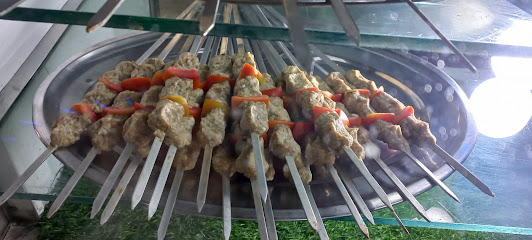
Shrine of Hazrat Ali: The Blue Mosque
Discover the spiritual heart of Mazar-i-Sharif at the Shrine of Hazrat Ali, a mesmerizing testament to Islamic history and architectural artistry.
The Shrine of Hazrat Ali, also known as the Blue Mosque, is located in Mazar-i-Sharif, Afghanistan, and is believed by many to be the burial place of Ali ibn Abi Talib, the cousin and son-in-law of Prophet Muhammad [2, 4]. The dazzling blue tilework and golden domes make it a mesmerizing and important pilgrimage destination [4].
A brief summary to Shrine of Hazrat Ali
- P466+5R8، The Great Masoud St, Mazar-i-Sharif, AF
- Monday 4 am-12:30 am
- Tuesday 4 am-12:30 am
- Wednesday 4 am-12:30 am
- Thursday 4 am-12:30 am
- Friday 4 am-12:30 am
- Saturday 4 am-12:30 am
- Sunday 4 am-12:30 am
Local tips
- Dress respectfully when visiting the shrine. Women should cover their heads.
- Non-Muslims are not allowed to enter the inner shrine, but are welcome to enjoy the surrounding park and admire the architecture.
- Visit during Nowruz (Persian New Year) for festive celebrations.

Getting There
-
Walking
The Shrine of Hazrat Ali is located in the center of Mazar-i-Sharif, making it easily accessible on foot from most central locations. From major landmarks in the city center, simply head towards the most prominent and visible blue-tiled building. The shrine is surrounded by a park, and entry is free.
-
Public Transport
Public transport in Mazar-i-Sharif mainly consists of buses and shared taxis. If arriving by bus from another city, you can take a local shared taxi from the bus station to the shrine. The cost for a short trip in a shared taxi should be around 30-50 AFN [5]. Be sure to negotiate the price before setting off [5].
-
Taxi
Taxis are readily available throughout Mazar-i-Sharif. A taxi ride from the Mazar-i-Sharif International Airport (MZR) to the Shrine of Hazrat Ali, located about 9 km away, takes approximately 15 minutes [5]. As of February 2025, the base fare for a taxi is 100 AFN, with an additional 50 AFN per kilometer [3]. Therefore, a 5 km taxi ride would cost around 250 AFN [3]. A taxi from the airport to the city center may cost 400-500 AFN [11]. Always negotiate the fare before starting your journey [5, 11].
Discover more about Shrine of Hazrat Ali
Iconic landmarks you can’t miss

Rabia Balkhi Memorial یادگاه رابعه بلخی
0.2 km
Visit the Rabia Balkhi Memorial in Mazar-i-Sharif: a serene tribute to Afghanistan's first female poet, celebrating her literary legacy and tragic love story.
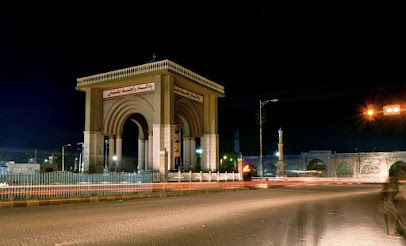
Mawla Ali Shopping Center- مارکیت مولاعلی
0.3 km
Discover the vibrant culture and unique shopping experiences at Mawla Ali Shopping Center in Mazar-i-Sharif, Afghanistan.

Baba Qamber Masjed
1.0 km
Discover the beauty and spirituality of Baba Qamber Masjed, a historic mosque in Mazar-i-Sharif, embodying Afghanistan's rich Islamic heritage and offering a serene cultural experience.
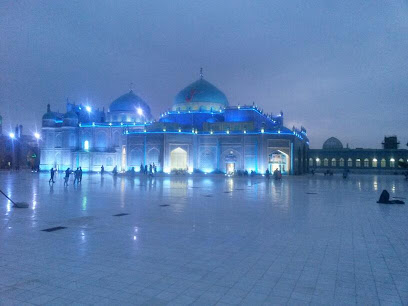
مجتمع ورزشی و تفرحیی شناوران Swimmers
1.2 km
Discover the vibrant fitness community at Swimmers Gym in Mazar-e Sharif, where locals and tourists unite through health and wellness.
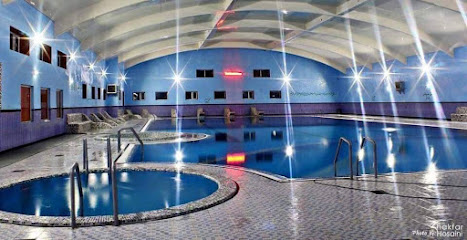
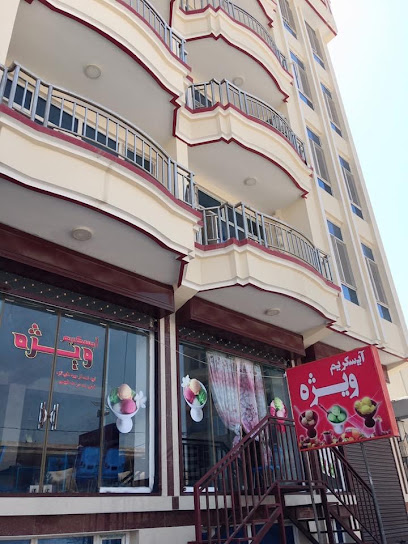
آیسکریم ویژه Icecream vizha
1.8 km
Indulge in delightful ice cream at آیسکریم ویژه Icecream vizha in Mazar-i-Sharif, near Masjid Imam Abu Hanifa, offering a sweet taste of Afghan hospitality and local flavors.
مسجد پارسا اول
1.8 km
Discover the serene beauty and spiritual significance of Parsa No1 Mosque in Mazar-i-Sharif, a cultural landmark showcasing Afghanistan's rich Islamic heritage and architectural artistry.
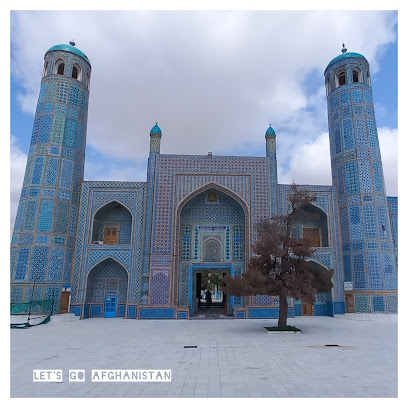
Let's go Afghanistan
1.9 km
Explore the beauty and culture of Afghanistan with Let's Go Afghanistan, your trusted travel agency in Mazar-i-Sharif.
مزارشریف
2.0 km
Discover Mazar-i-Sharif, Afghanistan: A city of ancient wonders, spiritual significance, and vibrant culture, home to the breathtaking Blue Mosque and the historic city of Balkh.
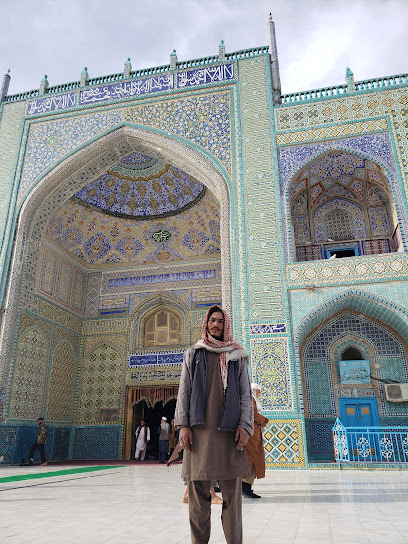
Balkh
2.0 km
Explore Balkh, the 'Mother of Cities,' a historical treasure in Afghanistan with ancient ruins, Islamic monuments, and vibrant bazaars, offering a unique Silk Road experience.
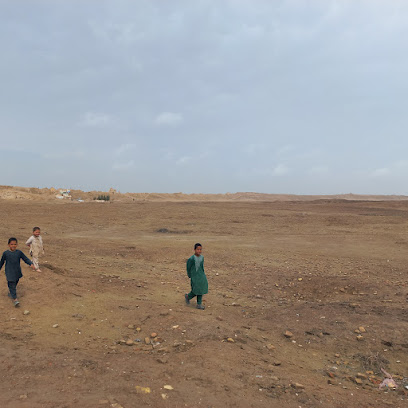
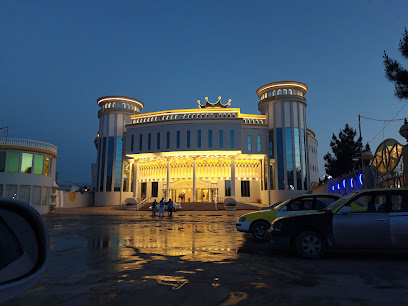
Almas Wedding Hall سالون عروسی الماس
2.2 km
Celebrate your special day at Almas Wedding Hall in Mazar-i-Sharif, where elegance meets Afghan tradition for an unforgettable wedding experience.
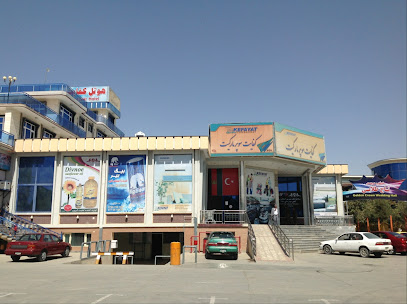
Kefayat Super Market
2.5 km
Explore Kefayat Super Market in Mazar-i-Sharif for a unique shopping experience featuring local Afghan goods and culture.
گذر سرپل ها
2.5 km
Discover the serene beauty and spiritual significance of Gazar Serpal Mosque in Mazar-i-Sharif, a hidden gem reflecting Afghanistan's rich Islamic heritage and local culture.
Mazar i sharif
3.2 km
Discover Mazar-i-Sharif: A spiritual and historical heart of Afghanistan, where the stunning Blue Mosque meets ancient Silk Road traditions and vibrant Afghan culture.
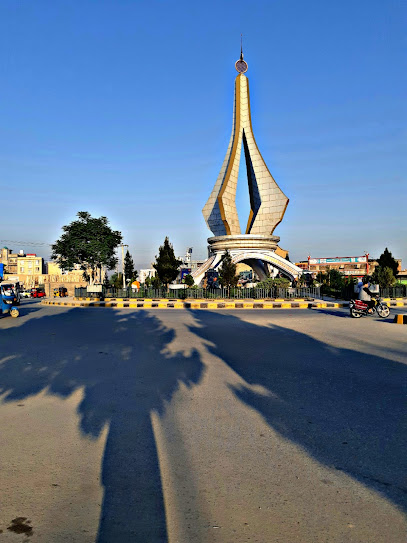
Eteefaq Masjed
3.7 km
Discover the serene beauty and spiritual richness of Eteefaq Masjed in Mazar-i-Sharif, a captivating mosque embodying Afghanistan's profound cultural and religious legacy, offering a tranquil escape.
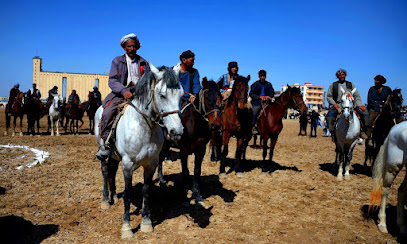
Buzkashi Ground
3.7 km
Experience the thrill of Buzkashi, Afghanistan's national sport, at the Buzkashi Ground in Mazar-i-Sharif, a vibrant venue showcasing Afghan heritage and the enduring spirit of its people.
Unmissable attractions to see

Rawza e Mubarak Museum
0.0 km
Discover Afghanistan's rich history and cultural heritage at the Rawza e Mubarak Museum in Mazar-i-Sharif, showcasing ancient relics and Islamic art.
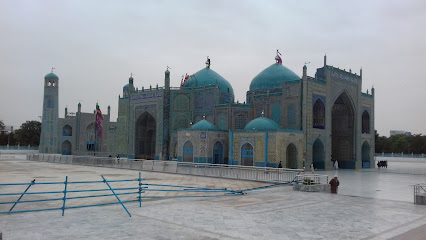
Kamgar Garden باغ کامگار
1.7 km
Escape to a serene oasis in the heart of Mazar-i-Sharif at Kamgar Garden, where lush greenery, vibrant flowers, and peaceful pathways offer a tranquil retreat and a glimpse into Afghan culture.
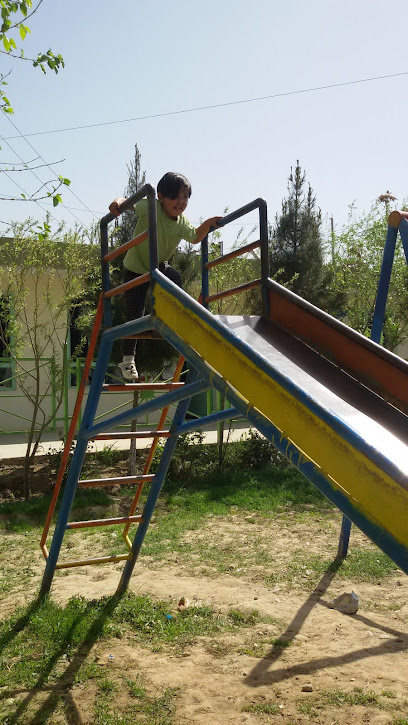
Khalid Bin Walid Family Park
4.3 km
Escape to Khalid Bin Walid Family Park in Mazar-i-Sharif: a serene oasis for recreation, relaxation, and community, reflecting Afghan heritage.
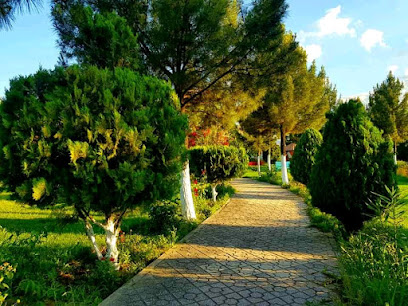
Khaled Ibne Walid Family Park
4.3 km
Escape to Khaled Ibne Walid Family Park in Mazar-i-Sharif for a serene retreat amidst lush greenery and vibrant cultural celebrations. A must-visit urban oasis.
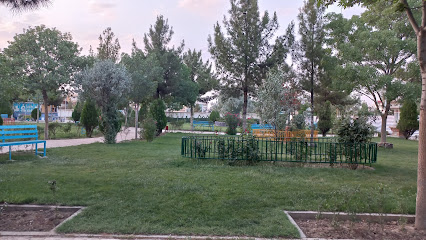
Qala-i-Jangi
12.2 km
Explore Qala-i-Jangi, a 19th-century Afghan fortress near Mazar-i-Sharif, and witness a powerful symbol of resilience and a poignant reminder of the nation's turbulent history.
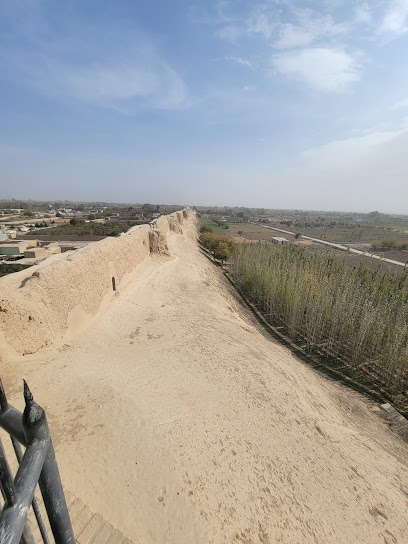
Bandar Sheberghan City
19.7 km
Explore Bandar Sheberghan City, a historic Silk Road hub in northern Afghanistan, offering a unique blend of culture, history, and archaeological wonders.
Bagh-e Umomi
19.7 km
Discover Bagh-e Umomi in Balkh: A historic Persian-style garden offering a tranquil escape and a glimpse into local Afghan culture.
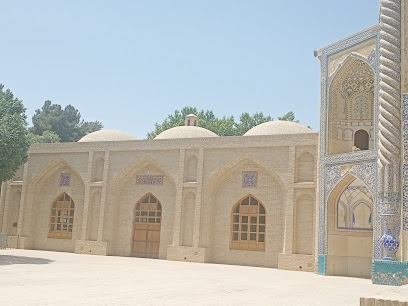
Ancient Wall of Balkh
20.1 km
Discover the ancient wonders of Balkh, Afghanistan, where history and culture converge along the legendary Silk Road. Explore the enduring legacy of the 'Mother of Cities'.
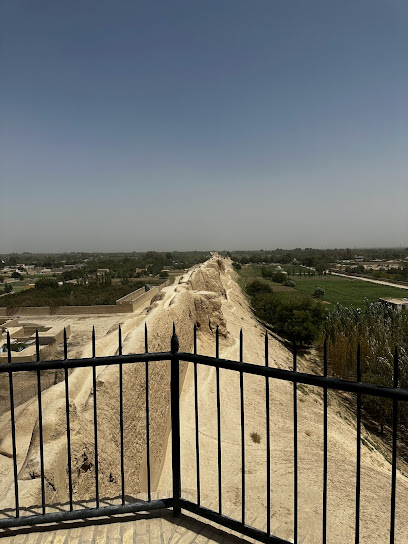
Archaeological Museum
61.4 km
Explore the rich cultural heritage of Uzbekistan at the Termez Archaeological Museum, where history comes alive through ancient artifacts and exhibits.
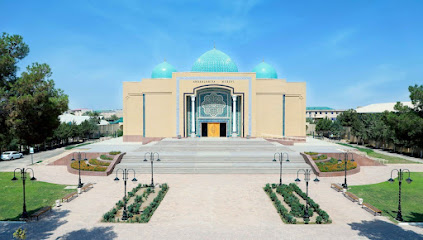
Al Hakim At-Termizi Mausoleum
62.3 km
Explore the spiritual legacy of Al-Hakim at-Termizi, a revered Sufi theologian, at this historic mausoleum complex near Termez, Uzbekistan.
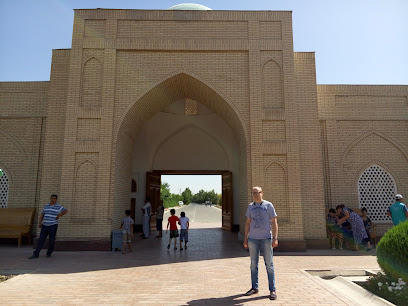
Kokildor-Ota Khanaka
63.5 km
Explore Kokildor-Ota Khanaka, a serene mausoleum in Uzbekistan's Surxondaryo Region, rich in history and tranquility for every traveler.
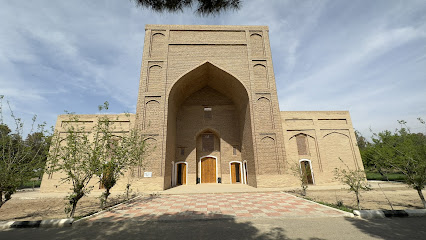
Kirk Kiz Fortress
64.0 km
Discover the historical grandeur of Kirk Kiz Fortress in Uzbekistan, a breathtaking site steeped in ancient stories and stunning landscapes.
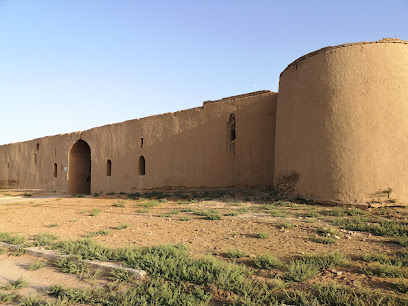
Sultan Saodat Mausoleum
64.1 km
Explore the Sultan Saodat Mausoleum, a stunning Islamic architectural marvel in Termez, Uzbekistan, reflecting the region's rich spiritual heritage.
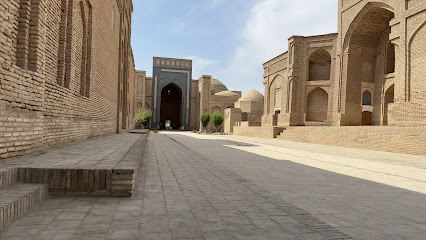
Uchqizil ko'li
73.4 km
Explore Uchqizil Ko'li, a stunning lake in Uzbekistan’s Surxondaryo Region, perfect for relaxation, hiking, and experiencing local culture.
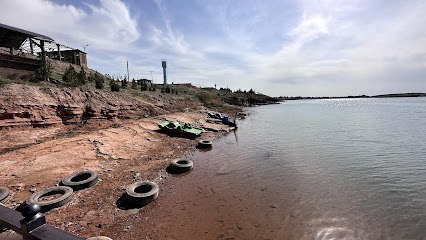
Gora Dzhanalash
90.6 km
Discover the breathtaking beauty of Gora Dzhanalash in Surxondaryo, Uzbekistan – a perfect destination for adventure seekers and nature lovers.
Essential places to dine

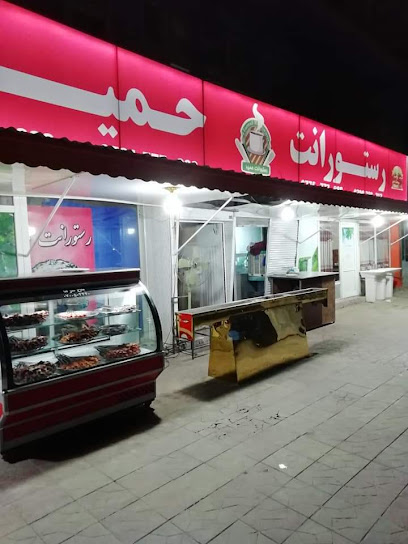
Restaurant Hamid رستورانت حمید
0.3 km
Savor the rich flavors of authentic Afghan cuisine at Restaurant Hamid in Mazar-i-Sharif - a family-friendly dining destination.
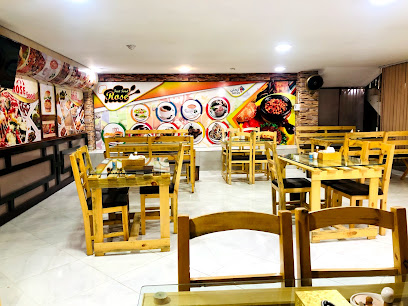
Rose Restaurant
0.3 km
Experience authentic Afghan cuisine at Rose Restaurant in Mazar-i-Sharif, where every dish tells a story of culture and tradition.
ترکمن پلو رستورانت رحیم
0.3 km
Discover authentic Asian flavors at ترکمن پلو رستورانت رحیم in Mazar-i-Sharif - a culinary delight reflecting Afghan traditions.
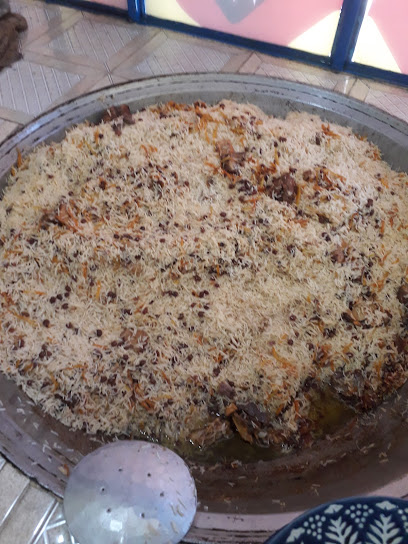
Bilal Restaurant
0.3 km
Discover authentic Afghan cuisine at Bilal Restaurant in Mazar-i-Sharif - a culinary treasure offering rich flavors and warm hospitality.
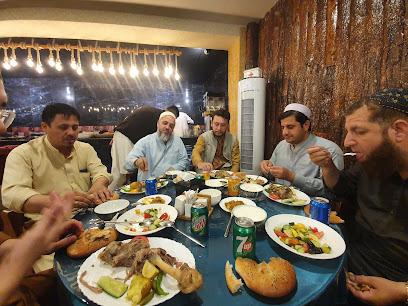
کافی حاجی سید محمد آغا Agha Restaurent
0.4 km
Discover the rich flavors of Afghanistan at Agha Restaurant in Mazar-i-Sharif – a true culinary experience awaits!
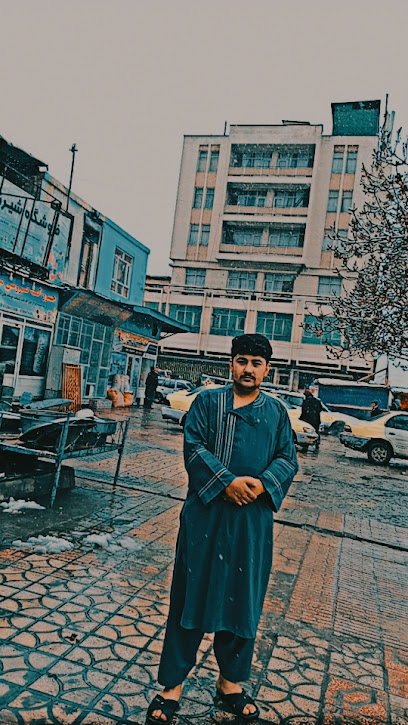
One More Restaurant
0.4 km
Experience the rich flavors of Afghanistan at One More Restaurant in Mazar-i-Sharif - where tradition meets taste.
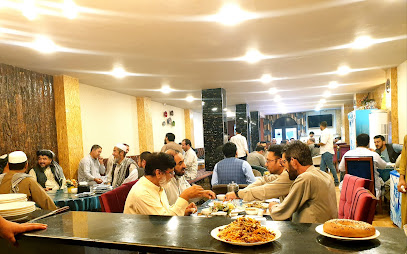
ماهی پزی رشاد Rishad Fish Cooking
0.4 km
Experience authentic Afghan cuisine at Rishad Fish Cooking in Mazar-i-Sharif - where fresh fish meets traditional flavors.
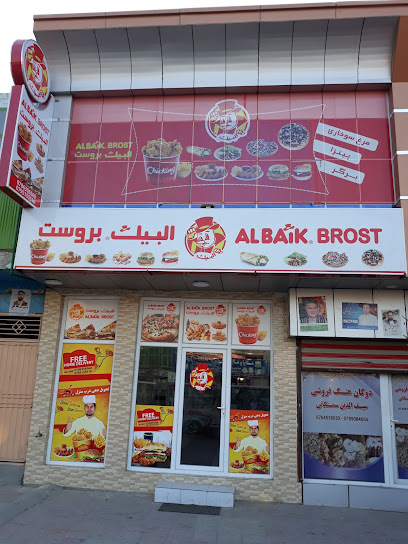
ALBAiK BROST البیک بروست
0.4 km
Experience authentic Afghan cuisine at ALBAiK BROST in Mazar-i-Sharif—where every bite tells a story.
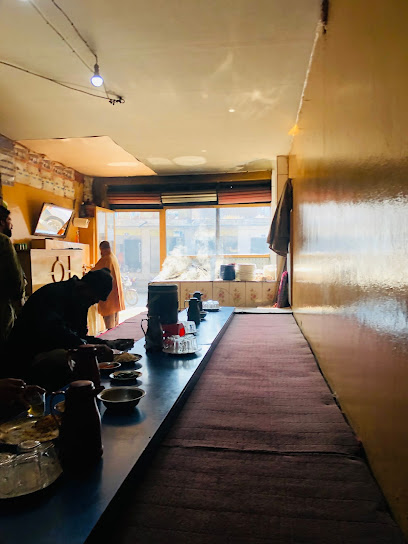
شیر پلو
0.4 km
Explore the rich flavors of Afghanistan at شیر پلو, a top restaurant in Mazar-i-Sharif offering authentic cuisine and warm hospitality.
Parsa Hotel
0.5 km
Experience authentic Afghan cuisine at Parsa Hotel in Mazar-i-Sharif - where every dish tells a story.
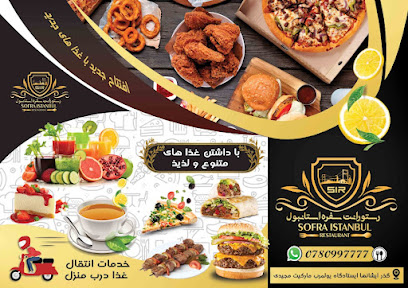
Sofra Istanbul restaurant
0.5 km
Experience authentic Afghan and Turkish cuisine at Sofra Istanbul restaurant in Mazar-i-Sharif, where every dish tells a story.
سنت الله منتو
0.6 km
Savor traditional Afghan cuisine at سنت الله منتو in Mazar-i-Sharif – a culinary journey through rich flavors and vibrant culture.
King Restaurant
0.6 km
Discover authentic Afghan flavors at King Restaurant in Mazar-i-Sharif – a culinary delight waiting for you.
King Hotel
0.6 km
Savor traditional Afghan cuisine at King Hotel in Mazar-i-Sharif - where every dish tells a story.
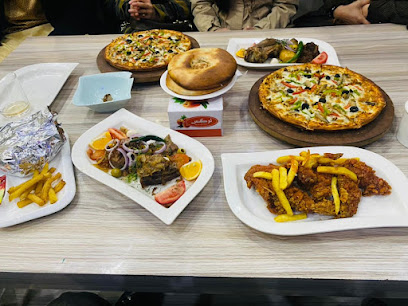
رستورانت برادران
0.6 km
Experience authentic Afghan cuisine at رستورانت برادران in Mazar-i-Sharif - where tradition meets flavor.
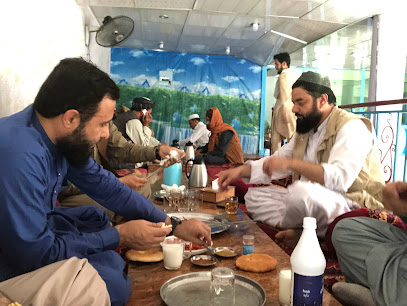
Markets, malls and hidden boutiques

footsal
0.2 km
Discover the literary treasures of Footsal, a charming book store in Mazar-i-Sharif, where Afghan culture and literature come alive.
Afghan Handicrafts
0.2 km
Explore the unique artistry of Afghanistan at Afghan Handicrafts, where every piece tells a story of culture and tradition.
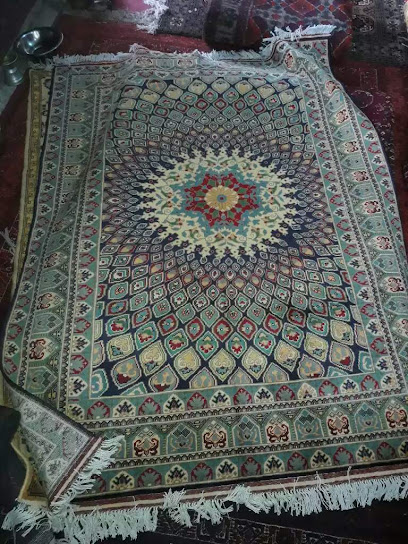
فروشگاه حاجی عنایت الله و برادران
0.3 km
Explore the rich heritage at حاجی عنایت الله و برادران Store, Mazar-i-Sharif, where tradition meets vibrant craftsmanship.
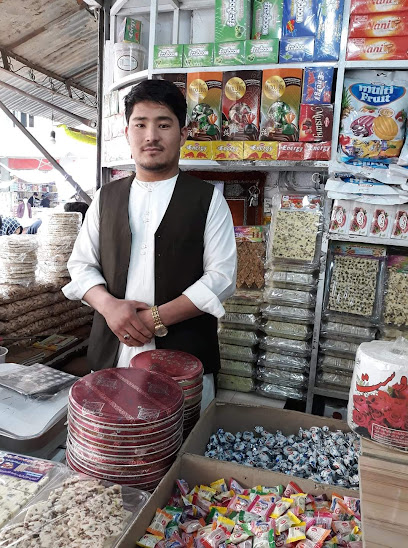
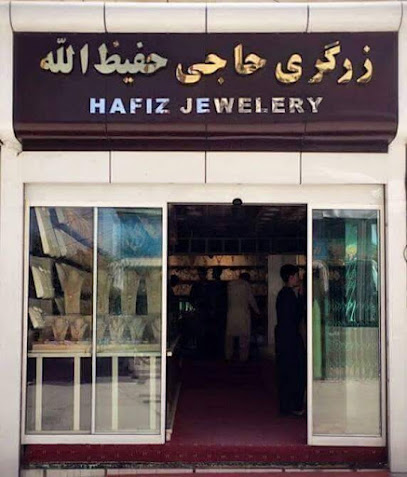
Hafiz Jewelery
0.3 km
Discover the exquisite craftsmanship of Afghan jewelry at Hafiz Jewelry in Mazar-i-Sharif, where tradition meets elegance in every piece.
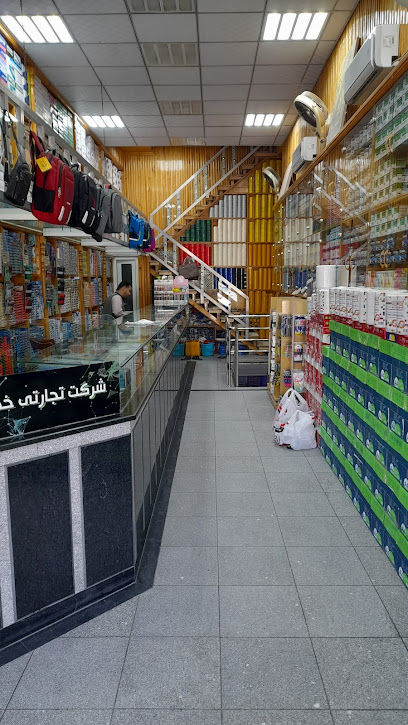
قرطاسیه فروشی خجندی
0.3 km
Explore خجندی, a unique stationery store in Mazar-i-Sharif, Afghanistan, showcasing local artistry and a treasure trove of creative supplies.
رسته زرگری کوچه دوم دوکان نمبر ۵
0.3 km
Explore the exquisite craftsmanship at the jewelry store in Mazar-i-Sharif, showcasing unique pieces that reflect Afghanistan's rich cultural heritage.
دکان قنادی کربلایی سلطان
0.3 km
Experience the sweetness of Afghan culture at دکان قنادی کربلایی سلطان, a grocery store offering a variety of traditional sweets and snacks.
مواد قنادی فروشی نصرت احمدی و نعمت احمدی
0.3 km
Explore the rich flavors of Afghanistan at Nasrat Ahmad and Nemat Ahmad Confectionery Store, a sweet haven in Mazar-i-Sharif.
زرگری امین نظری و برادران
0.3 km
Discover exquisite Afghan jewelry at Amin Nazari and Brothers, where tradition meets artistry in the heart of Mazar-i-Sharif.
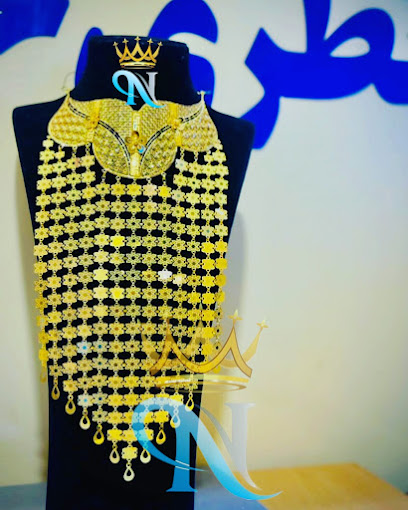
زرگری حنیف حمیدی
0.4 km
Explore the exquisite craftsmanship of Hanif Hamidi Jewelry in Mazar-i-Sharif, where Afghan artistry meets modern elegance.
آنغوزه
0.8 km
Experience the vibrant culture of Mazar-i-Sharif at آنغوزه, where traditional Afghan goods and warm hospitality await.
مارکیت رابعه بلخی Rabeha Balkhi Market
0.9 km
Explore the bustling Rabeha Balkhi Market in Mazar-i-Sharif for an authentic shopping experience filled with local culture, crafts, and cuisine.
Eisazada shop
0.9 km
Explore Eisazada Shop in Mazar-i-Sharif for a unique selection of traditional Afghan handicrafts and immerse yourself in local culture.
هوشمند سوپر مارکیت
1.2 km
Explore local culture at هوشمند سوپر ماركيت, your go-to general store in Mazar-i-Sharif for everyday essentials and unique Afghan products.
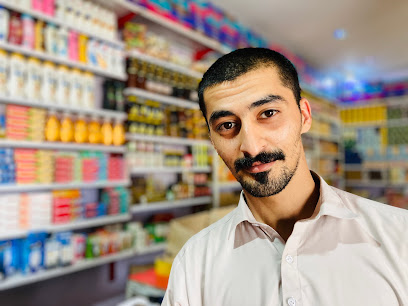
شیر پیره فروشی روح الله
1.3 km
Discover the unique offerings of شیر پیره فروشی روح الله, a charming general store in Mazar-i-Sharif, where local culture meets delightful shopping.
Essential bars & hidden hideouts

Barat hotel
0.3 km
Experience the charm of Mazar-i-Sharif at Barat Hotel - a cozy hostel perfect for exploring the rich culture and history of Afghanistan.
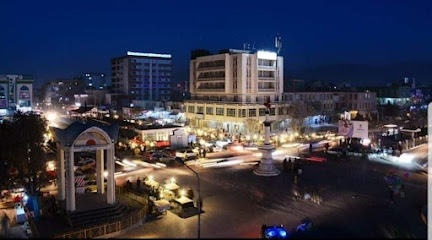
قصابی محمد بشیر قاری زاده
0.5 km
Experience the vibrant nightlife at قصابی محمد بشیر قاری زاده, Mazar-i-Sharif's unique bar blending local culture with a lively atmosphere.
Karim Mart
0.6 km
Discover the essence of Afghan culture at Karim Mart in Mazar-i-Sharif, your go-to supermarket for local delicacies and everyday essentials.
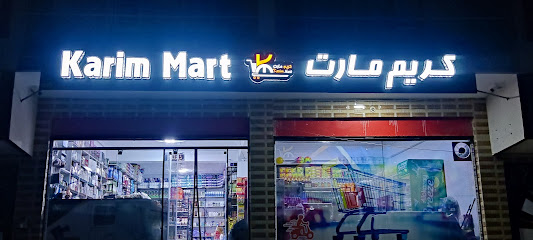
رستورانت برادران
0.6 km
Experience authentic Afghan flavors at Brothers Restaurant in Mazar-i-Sharif, where traditional cuisine meets warm hospitality.
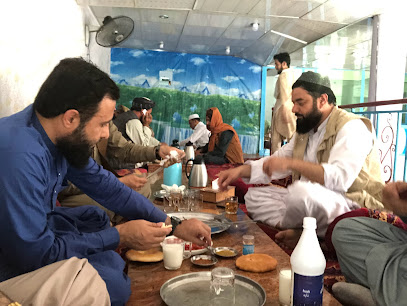
Rahat Hotel
0.7 km
Discover Rahat Hotel in Mazar-i-Sharif: A blend of comfort and Afghan hospitality awaits in this vibrant city.
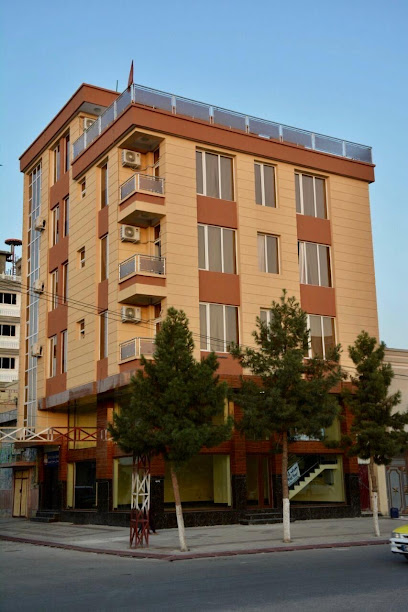
ترکمن ایشلکی Turkmen Eshliki
0.8 km
Discover the authentic taste of Turkmen cuisine at Turkmen Eshliki in Mazar-i-Sharif, a culinary haven for food lovers seeking local flavors.
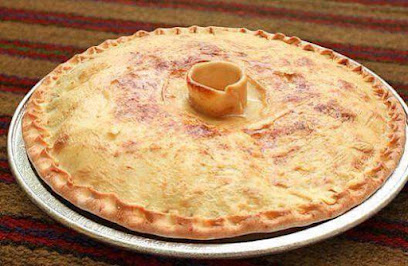
سیرت رستورانت
0.8 km
Experience the rich flavors of Afghanistan at Sirat Restaurant in Mazar-i-Sharif, where authentic dishes meet warm hospitality.
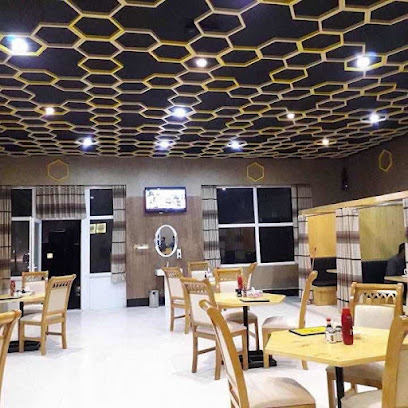
Restaurant Mazar Darbar (رستورانت مزار دربار)
0.9 km
Experience the rich flavors of Afghanistan at Mazar Darbar, a restaurant that embodies traditional Afghan hospitality and culinary art.
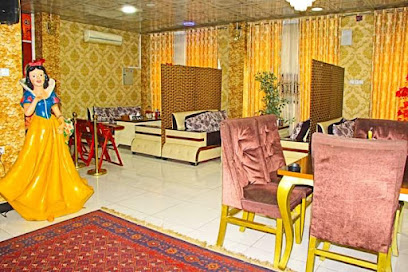
قلیون سرا قنبر Qelion Sara-e Qambar
0.9 km
Discover the rich flavors and warm hospitality of Qelion Sara-e Qambar, a top café in Mazar-i-Sharif, Afghanistan, perfect for a cultural dining experience.
رستورانت سخی زاده
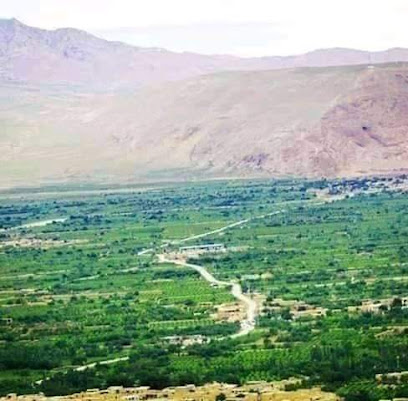
1.1 km
Discover the rich flavors of Afghan cuisine at Sakhizadeh Restaurant in Mazar-i-Sharif, a culinary haven for tourists seeking authentic dining experiences.
Maqamat Cafe مقامات کافه
1.7 km
Experience flavorful Afghan cuisine in a cozy setting at Maqamat Cafe in Mazar-i-Sharif.
شتار
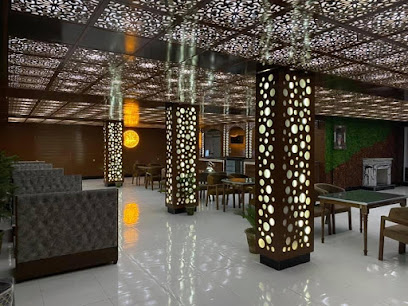
1.9 km
Experience the lively ambiance of شتار, a premier bar in Mazar-i-Sharif, where local culture meets modern entertainment.
Watan Supermarket وطن سوپرمارکت
2.9 km
Experience the rich flavors of Afghanistan at Watan Supermarket, a vibrant market showcasing local produce and authentic delicacies for every traveler.
کارته آریانابلاکاولکوچهچهار
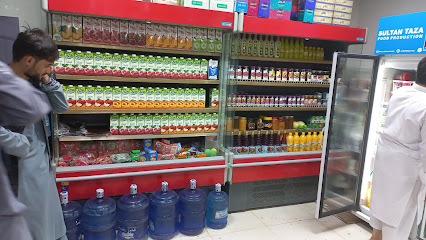
2.9 km
Experience the rich flavors of Afghan cuisine at کارته آریانابلاکاولکوچهچهار in Mazar-i-Sharif, where authenticity meets hospitality.
Haseeb Restaurant حسیب رستورانت و ایسکریم ویژه
2.9 km
Experience the flavors of Afghanistan at Haseeb Restaurant, a top family-friendly destination for delicious meals and delightful ice creams in Mazar-i-Sharif.