Balkh, Mazar I Sharif Travel Guide
Explore Balkh, the 'Mother of Cities': A Silk Road gem with a 2500-year history, ancient ruins, and Islamic shrines near Mazar-i-Sharif, Afghanistan.
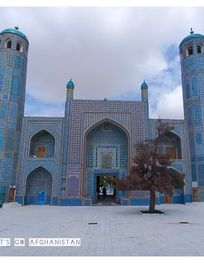
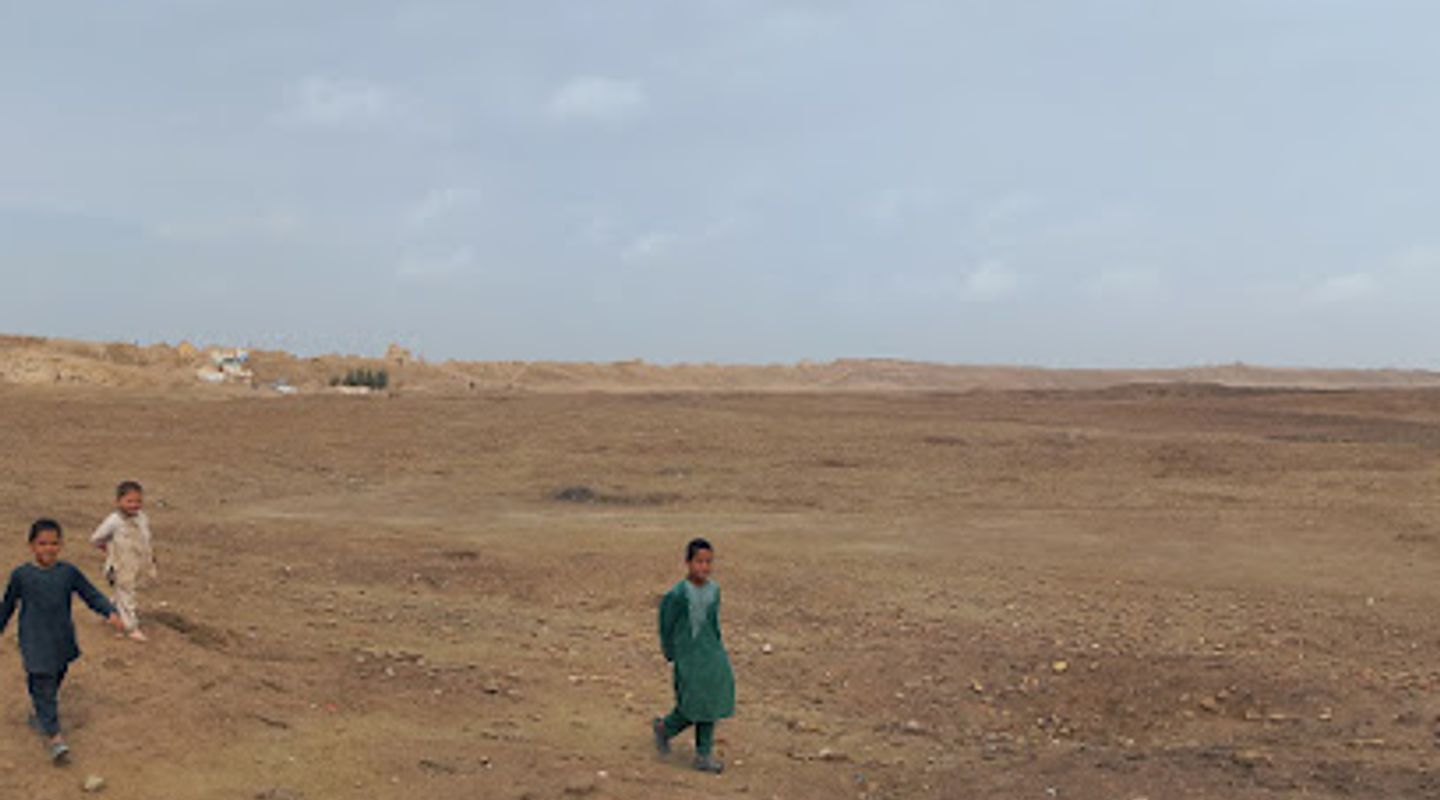
Balkh, an ancient city in northern Afghanistan near Mazar-i-Sharif, boasts a history stretching back over 2,500 years [4, 8]. Once a vital Silk Road hub and a center of Zoroastrianism and Buddhism, it was known as 'the mother of cities' [6, 9, 10]. Today, it offers a glimpse into Afghanistan's rich cultural heritage [4, 8].
A brief summary to Balkh
- M4V9+4W5, Mazar-i-Sharif, Posht-e-Mazar, AF

Know before you go
Hi, I'm Eve. Here are a few practical things to know before exploring Balkh.
- Balkh is best visited as a day trip from Mazar-i-Sharif. [11]
- Dress respectfully when visiting religious sites.
- Engage with locals in the bazaars for an authentic experience.
- Be aware of your surroundings and stay updated on travel advisories.
Do you manage this location?
Take control to get all the benefits, like improved information, better appearance, and stronger visibility across AI-powered discovery. Learn more about listing your business on Evendo
Activate your presenceOther nearby places you may find interesting
The closest places of the same kind, if this one is not quite what you had in mind.
Explore Balkh on the Map
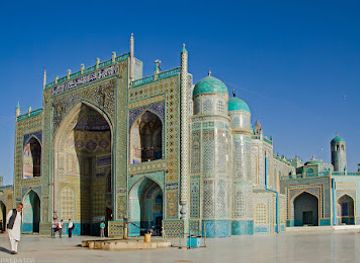
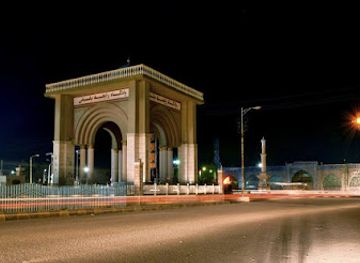
A handpicked selection of must-see spots near Balkh, mapped for you.
Getting There
-
Shared Taxi
From Mazar-i-Sharif, the most common way to reach Balkh is by shared taxi [11, 14]. These can be found at designated taxi stands in Mazar-i-Sharif [11]. A seat in a shared taxi to Balkh costs approximately 50 AFN [11]. The journey covers around 24 km (15 miles) and takes about 30-45 minutes [11]. Be prepared for a potentially crowded ride [14].
-
Private Taxi
A private taxi from Mazar-i-Sharif to Balkh offers a more comfortable and direct option [11]. Negotiate the fare with the driver before starting the journey. Expect to pay around 800 AFN for a private taxi [18]. The drive is relatively short, allowing you to explore Balkh's historical sites at your own pace [11].
Discover more about Balkh













Your all‑in‑one travel companion app
Explore expert travel guides, compare and book tours, experiences, hotels, and more—all from the palm of your hand. Download now for seamless trip planning wherever your wanderlust takes you.


Explore More of Mazar I Sharif
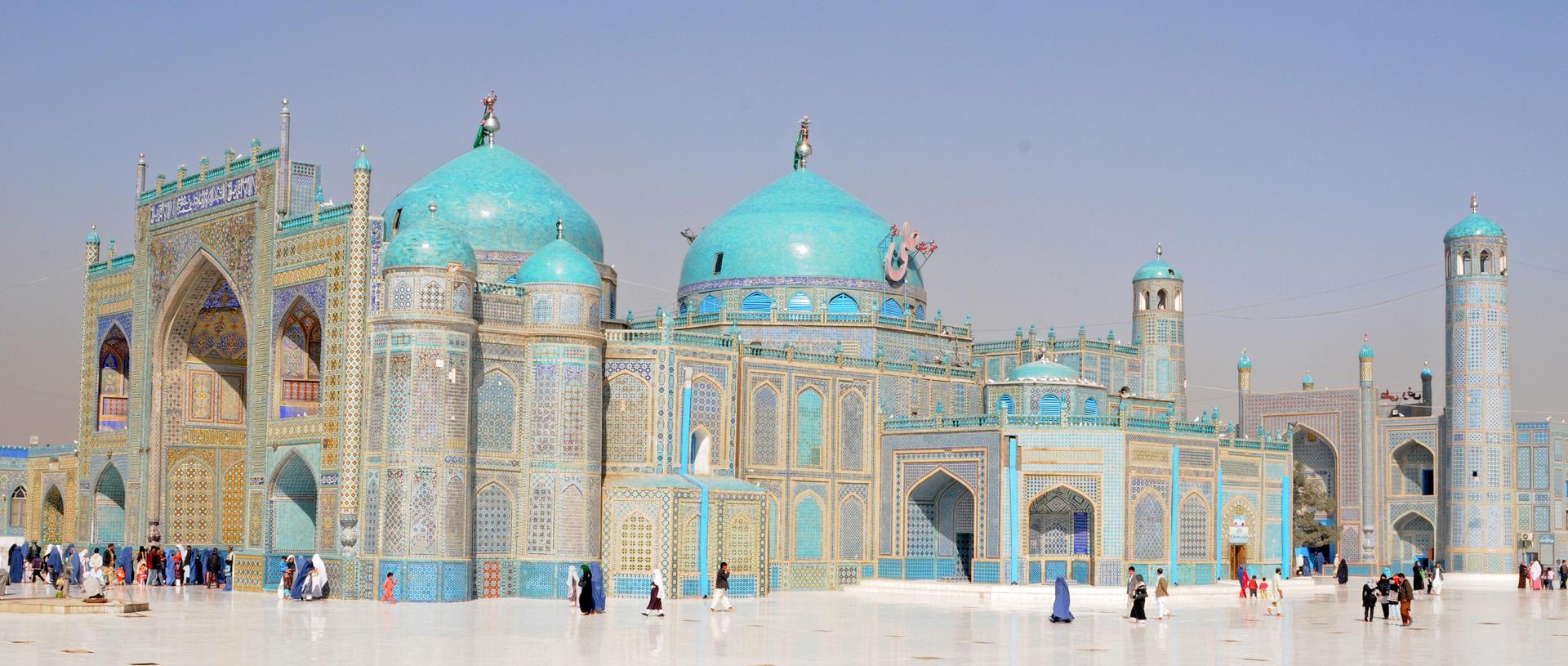
Looking beyond Balkh? Discover Mazar I Sharif for broader travel guides, local hot-spots, and regional highlights.
Explore Mazar I Sharif