Pul-e Kheshti Mosque: Kabul's Azure Heart
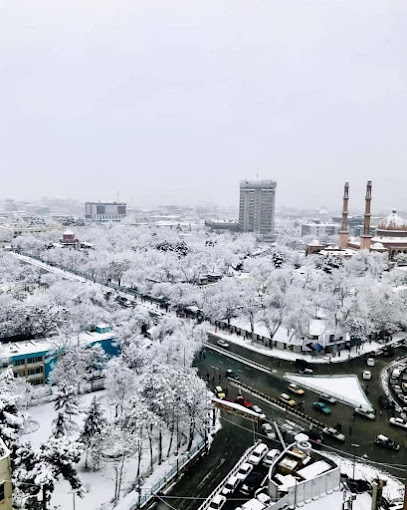
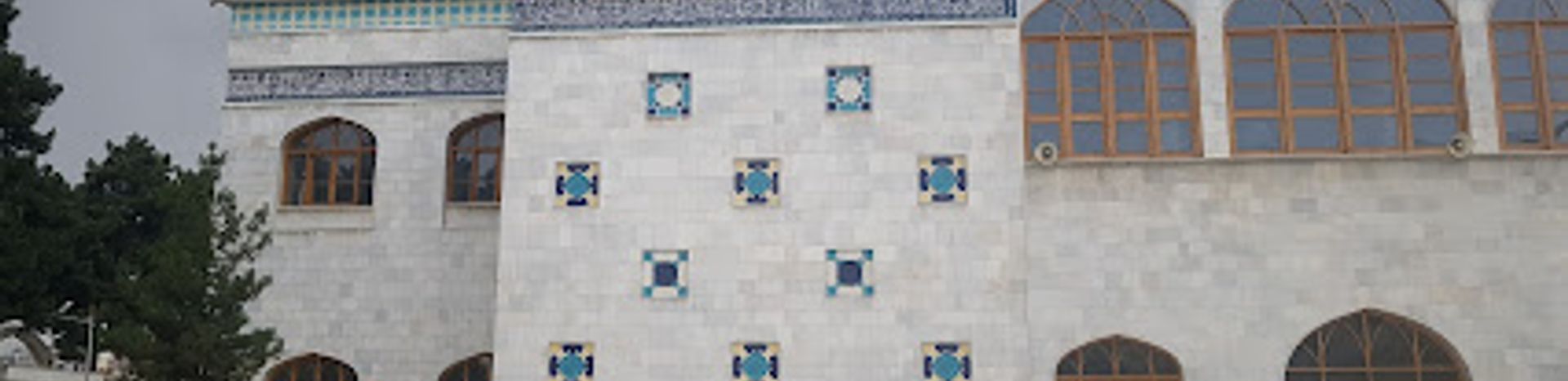
Kabul's largest mosque, a vibrant center of faith and community, distinguished by its stunning blue dome and rich history in the heart of the city.
Pul-e Kheshti Mosque, meaning 'Brick Bridge Mosque,' is Kabul's largest mosque and a significant hub for worship and community. Originally built in the late 18th century, it was largely rebuilt in the 1960s, showcasing a blend of modern and traditional Islamic styles. Its vibrant blue dome dominates Kabul's skyline, symbolizing resilience and faith [3, 6].
A brief summary to Pul-e Kheshti Mosque
- Kabul, AF
- +93799550587
Local tips
- Dress modestly when visiting; women should cover their heads out of respect for local customs [3].
- Photography is generally permitted, but it's always respectful to ask permission before taking pictures of individuals [3].
- Be aware that the area can be crowded, especially during prayer times [3].
- The mosque is located in a busy commercial area, making it easy to explore nearby markets [3, 17].

Getting There
-
Walking
Pul-e Kheshti Mosque is located in the heart of old Kabul, making it easily accessible on foot from many central locations [3]. As you approach the mosque, look for the distinctive large blue dome that dominates the skyline [3]. The mosque is near the Mobile Center, a well-known landmark in the city [3]. Be aware that the area can be crowded, especially during prayer times [3]. Remember to be respectful of the local customs and dress modestly [3]. There are no costs associated with walking to the mosque [3].
-
Public Transport
Kabul has a public transportation system, including buses [7, 16]. From various points in the city, you can take a bus towards the central area where the mosque is located. Bus fares are approximately 20 AFN [11]. Check local bus routes and schedules for the most accurate information [11].
-
Taxi/Ride-Share
Taxis and ride-sharing services are available in Kabul [7]. A short taxi ride to Pul-e Kheshti Mosque from a nearby location in central Kabul will likely cost between 50-100 AFN [5]. Ensure to negotiate the fare before starting your journey.
Discover more about Pul-e Kheshti Mosque
Iconic landmarks you can’t miss

Pashtun Market
0.1 km
Experience the vibrant culture and commerce of Kabul at Pashtun Market, a traditional торговый центр offering a taste of Afghan life.
Samangan Hotel
0.2 km
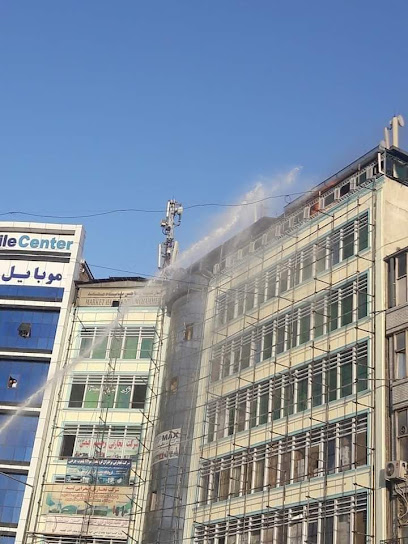
Experience Afghan hospitality at Samangan Hotel, your cozy base for exploring Kabul's vibrant culture and historical Shur Bazar neighborhood.

Tomb of Timur Shah Durani
0.5 km
Explore the Tomb of Timur Shah Durani in Kabul, a historical landmark and the resting place of a significant Afghan ruler.
Abdur Rahman Mausoleum
0.8 km
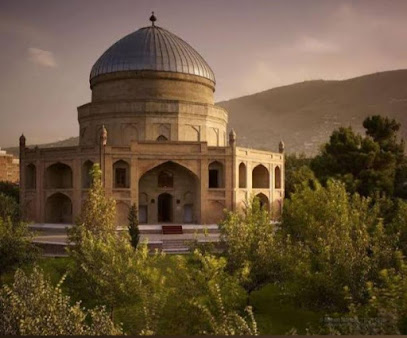
Explore the historical Abdur Rahman Khan Mausoleum in Kabul's serene Zarnegar Park, a testament to Afghan royalty and architectural heritage.
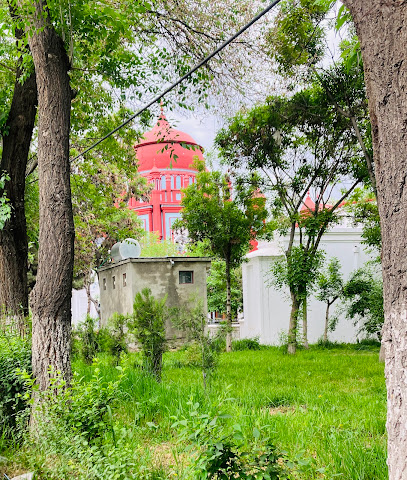
Pamir Cinema
0.8 km
A resilient symbol of Kabul's cultural history, offering a mix of Bollywood and local films on bustling Maiwand Road.
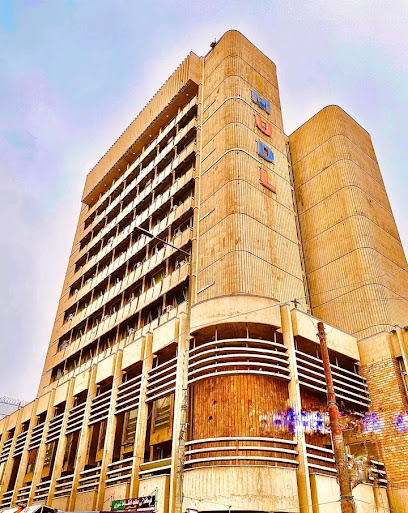
Presidential Palace
0.9 km
Witness the heart of Afghan history and governance at the Presidential Palace in Kabul, a symbol of resilience and national identity.
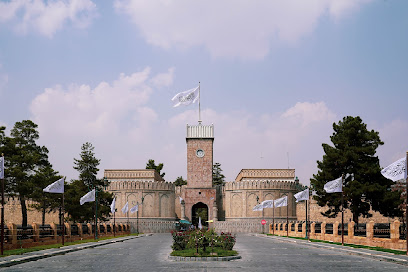
Madina clothing
1.1 km
Explore Afghan fashion at Madina Clothing in Kabul: traditional garments meet modern styles in a vibrant cultural hub.
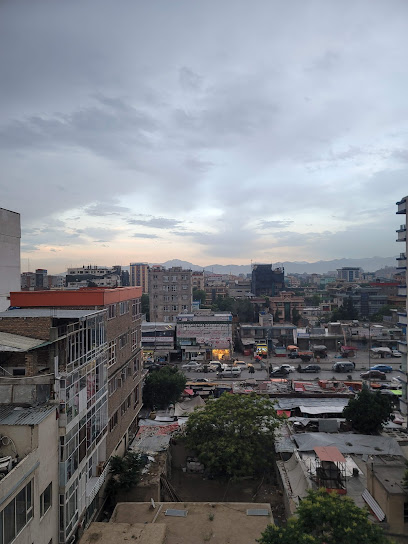
Golbahar Business Center
1.1 km
Experience modern Afghan commerce and culture at Kabul's Golbahar Business Center, a vibrant hub in the heart of the city.
Clock Tower
1.1 km
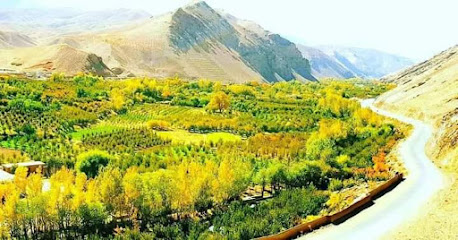
A historical landmark in Kabul's Shahre Naow, the Clock Tower symbolizes the city's resilience and rich cultural heritage.
Chaman Hozori
1.3 km
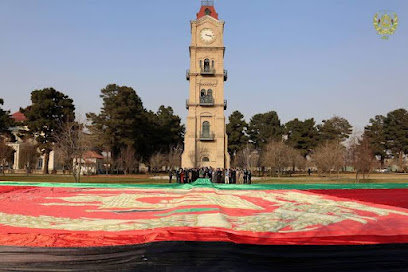
Escape to Kabul's heart at Chaman Hozori, a vibrant park offering a peaceful retreat and a taste of local culture for families and visitors alike.
زنبق څلورلارې
1.7 km
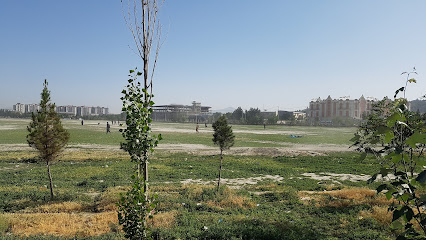
Discover Zanbaq Square in Kabul: A monument showcasing Afghan artistry, resilience, and cultural heritage in the heart of Wazir Akbar Khan.
Baghlan Handicrafts & Carpets
1.9 km
Discover exquisite Afghan carpets and handicrafts at Baghlan Handicrafts & Carpets, showcasing the rich cultural heritage of Afghanistan.
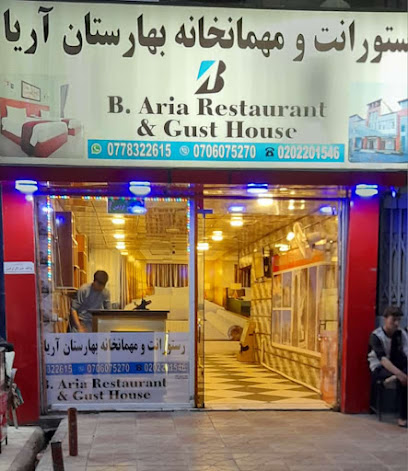
Baharistan Aria Guest House & restaurants مهمانخانه بهارستان آریا
2.0 km
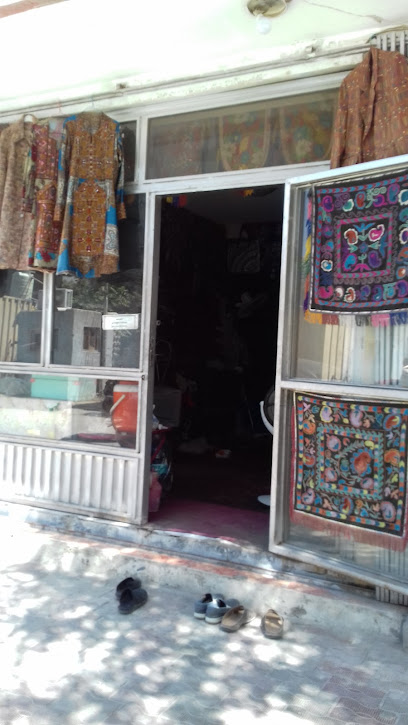
Experience Afghan hospitality in Kabul's heart at Baharistan Aria Guest House: comfort, culture, and convenience await above AIB Bank.
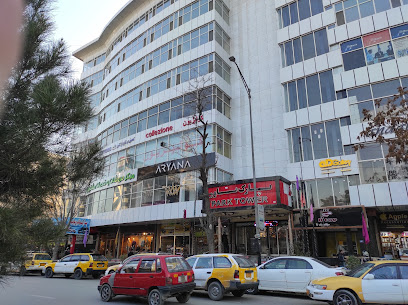
Park Tower Kabul
2.1 km
Experience modern business and Afghan culture at Park Tower Kabul, a central hub in the vibrant Shahr-e-Naow district.
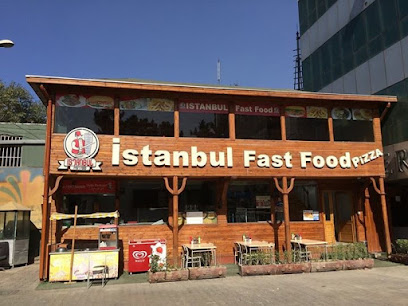
Turkish Family Restaurant & Cafe
2.2 km
Experience authentic Turkish flavors in Kabul at Turkish Family Restaurant & Cafe. Enjoy kebabs, mezes, and warm hospitality in a cozy setting.
Unmissable attractions to see

Pashtunistan Square
0.5 km
Experience the vibrant heart of Kabul at Pashtunistan Square, a historic landmark embodying Afghan culture, resilience, and daily life.
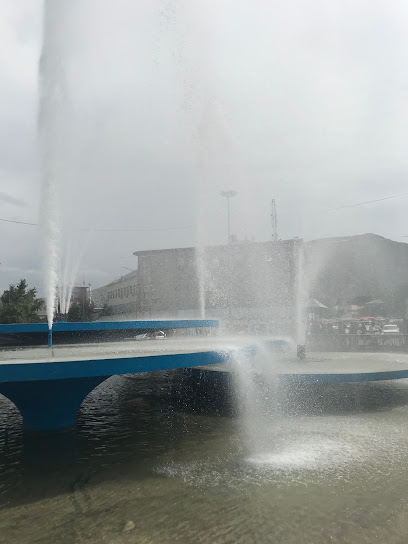
Zarnegar park
0.8 km
Discover Kabul's green heart: a historic park offering tranquility and a glimpse into Afghanistan's rich cultural heritage.
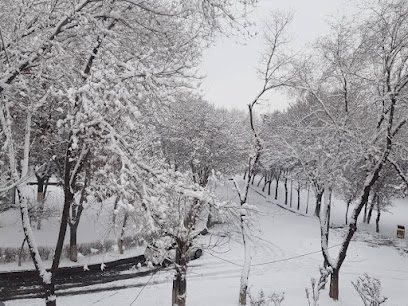
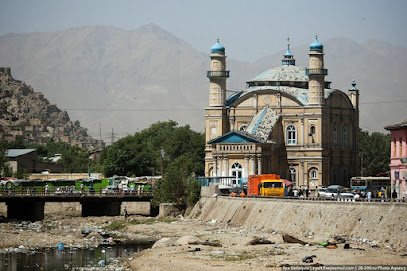
Shah e Du shamshira Mosque
0.8 km
Explore Kabul's iconic Shah e Du Shamshira Mosque, a unique fusion of Islamic and European architecture reflecting Afghanistan's rich cultural heritage.
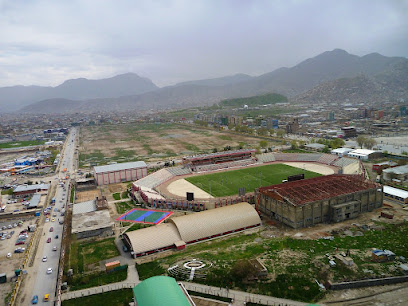
Ghazi Stadium
1.2 km
Experience Afghan sports and history at Ghazi Stadium in Kabul, a symbol of resilience and national pride, where echoes of the past meet the hopes for the future.
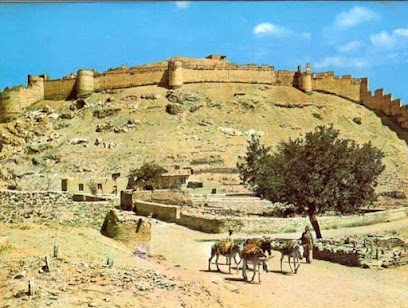
Qale'H-Ye-Balahissar
1.3 km
Explore Qale'H-Ye-Balahissar, Kabul's ancient fortress with panoramic views, rich history, and ongoing restoration, offering a glimpse into Afghanistan's past.
Kabul Fortress
1.4 km
Explore Kabul Fortress, a historic citadel with roots in the 5th century, offering a glimpse into Afghanistan's rich and complex past.
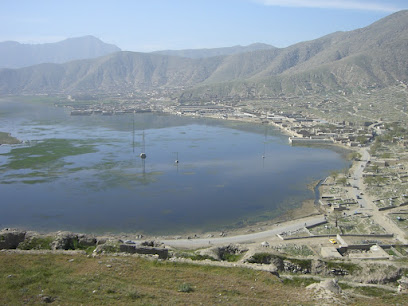
OMAR Mine ERW War Museum
1.6 km
Explore Afghanistan's struggle with landmines at the OMAR Mine ERW War Museum in Kabul, a center for education, awareness, and a testament to resilience.
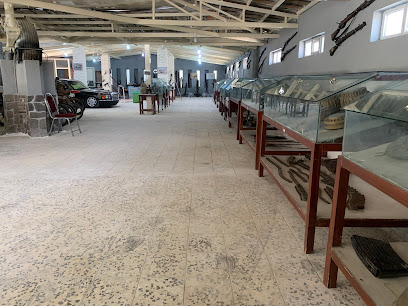
Kabul International Cricket Stadium
1.6 km
Experience the heart of Afghan cricket at this vibrant Kabul stadium, a symbol of national pride and sporting passion.
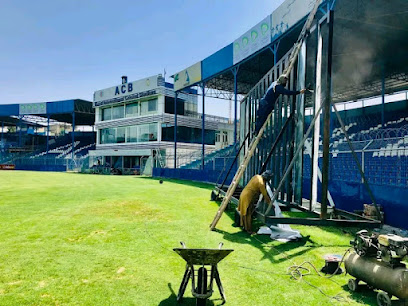
دیوار زمبورگ شاه
1.7 km
Explore the ancient Zambur Shah Wall in Kabul, a historic landmark with panoramic views and a glimpse into Afghanistan's past.
City park
1.7 km
Escape the city bustle at Kabul's City Park: a green haven with gardens, amusement rides, and cultural experiences for everyone.
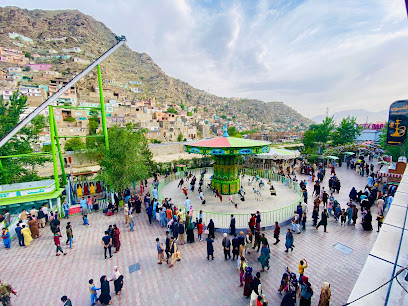
Asma'i Mountain-کوه آسمائی
1.8 km
Hike Kabul's Asma'i Mountain for panoramic city views, historical insights, and a connection with Afghanistan's enduring spirit.
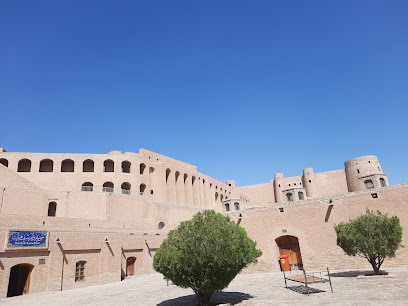
Shahr-e Naw Park
2.3 km
Discover a tranquil escape in Kabul's Shahr-e Naw Park, a vibrant green space offering relaxation, recreation, and cultural experiences for all.
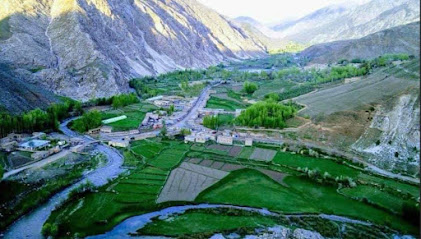
Maranjan Hill
2.3 km
Discover Kabul's ancient history and stunning panoramic views from Maranjan Hill, a site of Buddhist monasteries and royal tombs.
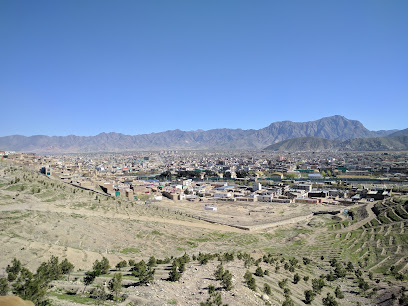
Kabul Zoo
2.5 km
Discover Kabul Zoo, a resilient wildlife sanctuary in the heart of Afghanistan, offering a unique glimpse into the nation's spirit and natural beauty.
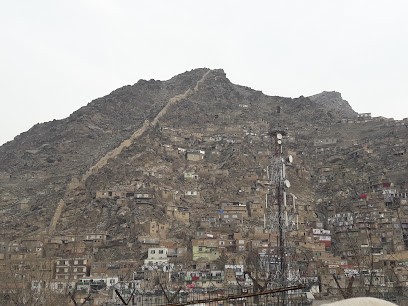
وزیر اکبر خان
2.5 km
Escape to Kabul's Wazir Akbar Khan Park: A green oasis in the city's heart, blending history, culture, and community spirit.
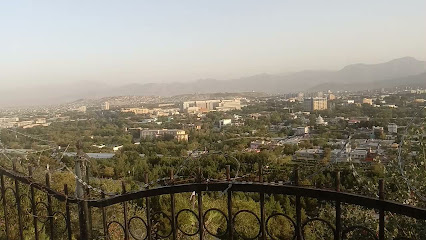
Essential places to dine

Naqeebullah Restaurant
0.2 km
Discover authentic Afghani cuisine at Naqeebullah Restaurant in Kabul – a true taste of Afghanistan's rich culinary heritage.
Naseeb Restaurant
0.2 km
Discover authentic Afghan cuisine at Naseeb Restaurant in Kabul – where every dish is steeped in tradition and flavor.
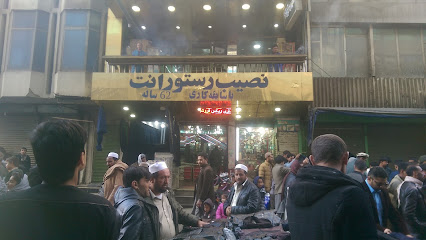
Bakhtar Restaurant
0.2 km
Discover authentic Afghan flavors at Bakhtar Restaurant in Kabul – a must-visit culinary gem for every traveler.
Pamir Restaurant
0.3 km
Savor authentic Afghan cuisine at Pamir Restaurant in Kabul, where tradition meets flavor in every delightful dish.
Faryab Nawin Hotel
0.4 km
Experience authentic Afghan cuisine at Faryab Nawin Hotel in Kabul, where rich flavors meet warm hospitality in a charming atmosphere.
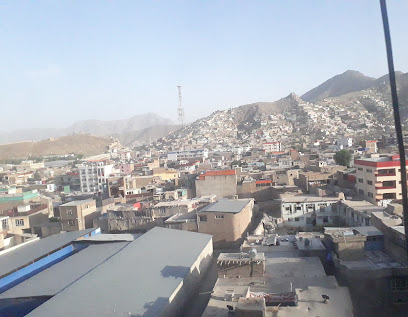
Baghlan Restaurant
0.5 km
Experience authentic Afghan cuisine at Baghlan Restaurant in Kabul, where rich flavors meet warm hospitality.
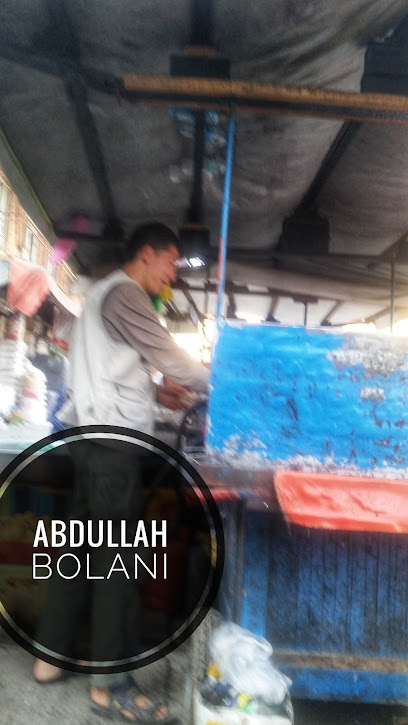
Abdullah Bolani
0.6 km
Experience authentic Afghan breakfast at Abdullah Bolani in Kabul – where traditional flavors meet warm hospitality.
AfghanRestaurant
0.8 km
Discover authentic Afghan cuisine at Afghan Restaurant in Kabul – a culinary gem offering traditional dishes and warm hospitality.
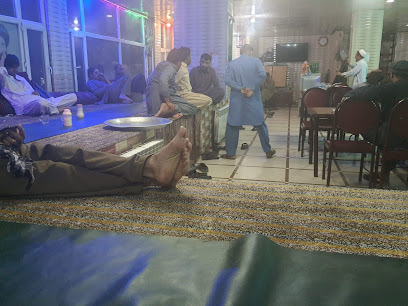
هوټل اورګنوال
0.9 km
Discover the rich flavors of Afghanistan at هوټل اورګنوال – a haven for authentic cuisine enthusiasts in Kabul.
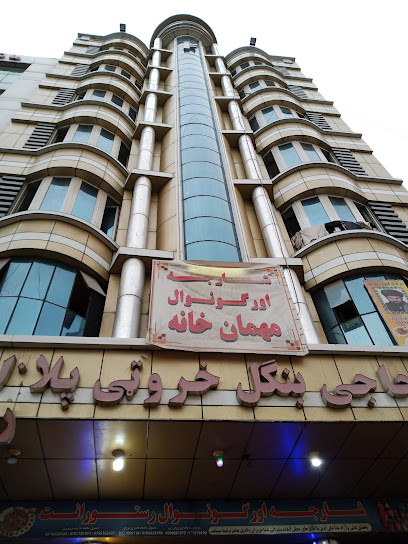
Afghan Brother Restaurant
1.2 km
Experience authentic Afghan cuisine at Afghan Brother Restaurant in Kabul – where every dish tells a story.
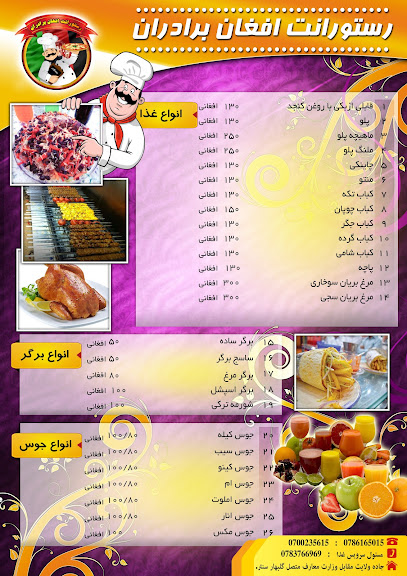
Faryab Restaurant
1.2 km
Discover authentic Afghan flavors at Faryab Restaurant in Kabul, where warm hospitality meets delicious cuisine.
حاجي بابا رسټورانټ - Haji Baba Restaurant
1.7 km
Experience the best of Afghan cuisine at Haji Baba Restaurant in Kabul - where tradition meets flavor.
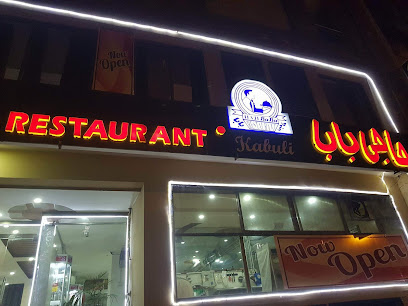
Le Bistro
1.8 km
Discover the authentic flavors of Afghanistan at Le Bistro in Kabul – where tradition meets taste.
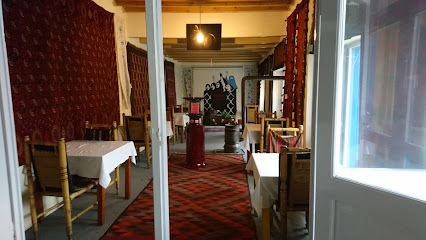
کباب سرای درخشان
1.9 km
Savor authentic Afghan kebabs in a cozy atmosphere at کباب سرای درخشان – a culinary gem in Kabul.
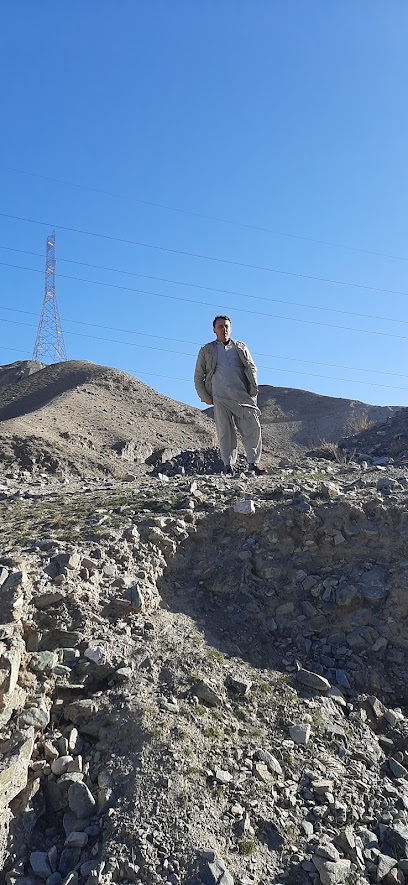
Great Wall
2.1 km
Experience authentic Chinese cuisine at the Great Wall in Kabul - where every dish tells a story.
Markets, malls and hidden boutiques

Hazar Gul Market
0.1 km
Explore Hazar Gul Market in Kabul for an authentic Afghan shopping experience filled with vibrant culture, unique handicrafts, and traditional clothing.
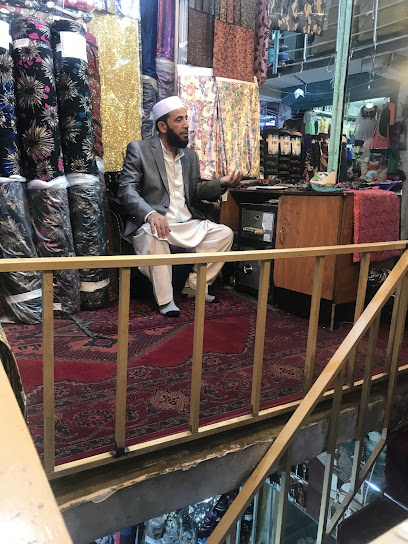
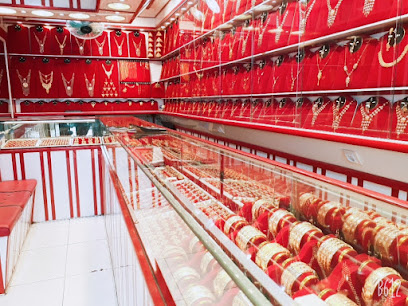
Afghan Dubai jewelry
0.1 km
Explore the exquisite craftsmanship of Afghan Dubai Jewelry, where tradition meets elegance in the heart of Kabul.
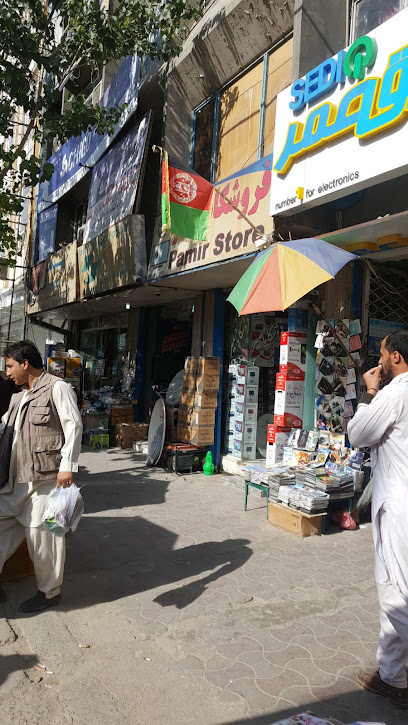
Pamir Store
0.3 km
Explore the vibrant Pamir Store in Kabul for unique Afghan crafts, local delicacies, and a taste of rich culture.
مارکت تجارتی حمیدی
0.3 km
Explore Kabul's Hamidi Commercial Market for exquisite jewelry and authentic Afghan craftsmanship that captures the essence of local culture.
Zahir Rice Store
0.7 km
Explore the Zahir Rice Store in Kabul, where Afghan culture flourishes through an exquisite selection of rice and local specialties.
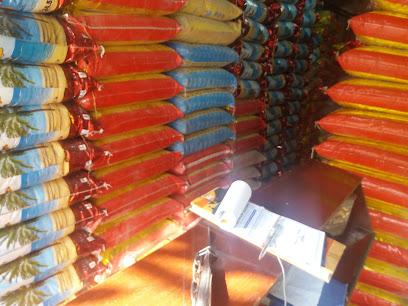
Kabul Insaf Online Bazar
1.0 km
Explore Kabul Insaf Online Bazar for quality Afghan products and authentic local experiences in the heart of Kabul.
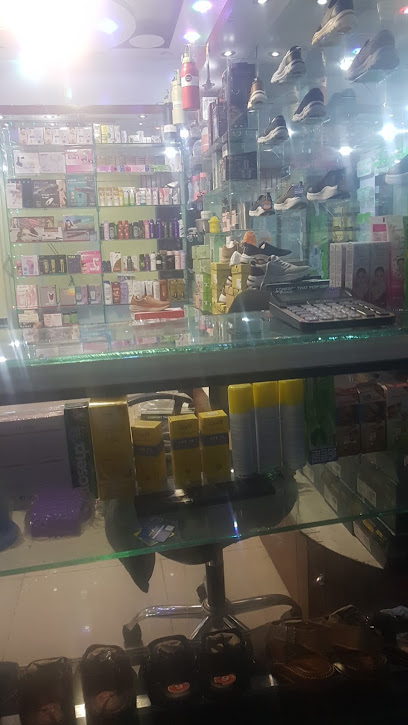
Wakhan
1.0 km
Explore Wakhan, a women's clothing store in Kabul, where tradition meets modern fashion in a vibrant cultural setting.
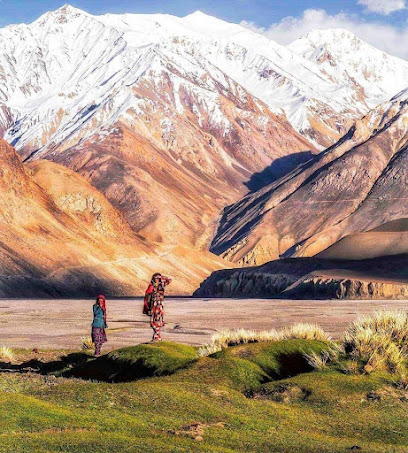
Dawoodzai Shopping Mall
1.0 km
Discover the vibrant shopping experience at Dawoodzai Shopping Mall in Kabul, where local charm meets modern retail.
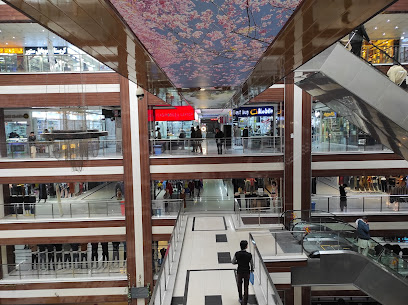
Shoa Maihan LTD
1.1 km
Explore the vibrant world of trading cards at Shoa Maihan LTD in Kabul, a must-visit destination for collectors and enthusiasts alike.
Now&Wow - Afghanistan
1.1 km
Explore a unique blend of traditional and modern fashion at Now&Wow, Kabul's premier clothing store for men, women, and children.
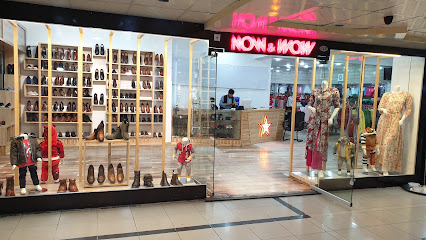
Afghan gems
1.1 km
Explore the exquisite craftsmanship and vibrant culture of Afghanistan at Afghan Gems, where artistry meets tradition in every piece of jewelry.
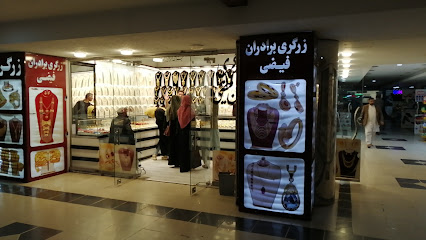
All in one
1.1 km
Explore the rich cultural heritage of Afghanistan at All in One, a vibrant clothing store in Kabul offering unique apparel and local craftsmanship.
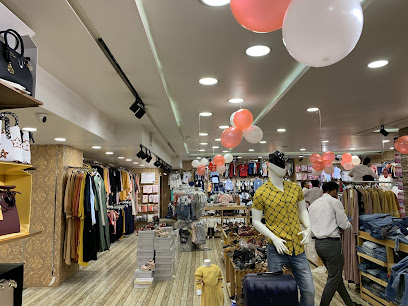
Kabul shop
1.4 km
Explore Kabul Shop in the Gul Bahar Center for a blend of traditional and modern Afghan fashion, unique accessories, and a touch of local culture.
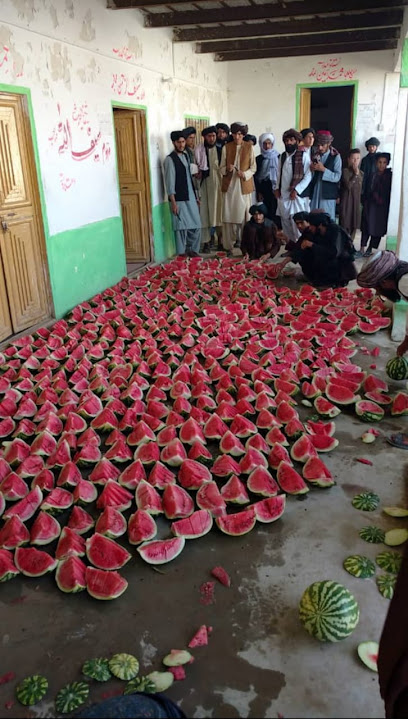
Haqyaar Jamal Company Ltd.
1.7 km
Explore exquisite handcrafted gems and jewelry at Haqyaar Jamal Company Ltd., a gem in Kabul's lapidary scene.
Waheedullah Antique Watch
1.7 km
Explore the exquisite craftsmanship of vintage timepieces at Waheedullah Antique Watch in Kabul's vibrant Chicken Street.
Essential bars & hidden hideouts

جوزجان سرپل ازبیک پلو
0.6 km
Savor the authentic taste of Uzbek cuisine at جوزجان سرپل ازبیک پلو, a culinary gem in Kabul offering traditional dishes in a warm atmosphere.
CMG Baby Drip TalibanK coalition
1.0 km
Experience the vibrant nightlife of Kabul at CMG Baby Drip TalibanK Coalition, a unique bar blending local culture and eclectic vibes in a lively atmosphere.
Afghanistan Paralympic Committee کمیته پارالمپیک افغانستان
1.4 km
Discover the inspiring Afghanistan Paralympic Committee, a hub of resilience and empowerment through sports for individuals with disabilities in Kabul.
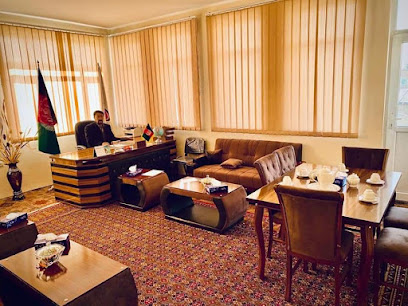
Kabul Star Hotel & Restaurant
1.8 km
Experience luxury and local culture at Kabul Star Hotel & Restaurant, your premier destination in the heart of Kabul, Afghanistan.
ACBAR
2.1 km
Discover ACBAR in Kabul: A non-governmental organization dedicated to humanitarian aid and community development in Afghanistan.
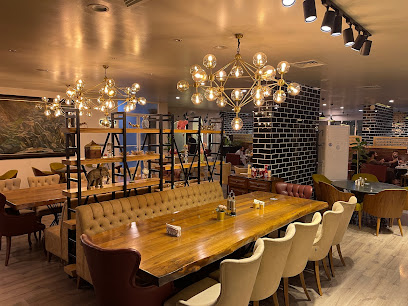
Prime Steakhouse
2.2 km
Discover the exquisite taste of Prime Steakhouse in Kabul, where culinary delight meets a vibrant ambiance for an unforgettable dining experience.
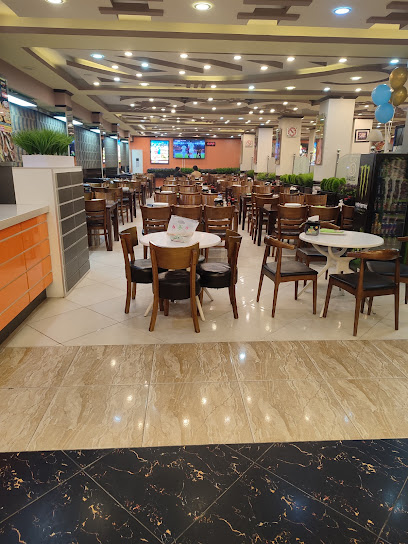
Barg Continental Restaurant
2.3 km
Experience the rich flavors of Afghanistan at Barg Continental Restaurant, a culinary delight in the heart of Kabul.
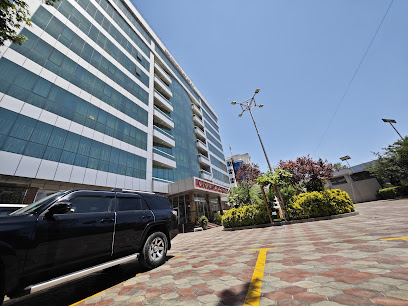
Bocaccio Italian Restaurant
2.3 km
Savor the essence of Italy at Bocaccio Italian Restaurant, where authentic flavors and warm hospitality await every guest in Kabul.
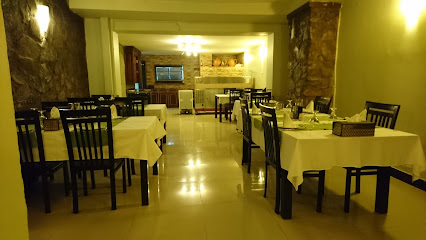
Hurriyat Radio
2.3 km
Discover the vibrant nightlife of Kabul at Hurriyat Radio, where local and international music collide in an electrifying atmosphere.
Yummy Fast Food
2.3 km
Experience a fusion of Afghan flavors and fast-food delights at Yummy Fast Food in Kabul, the perfect stop for food-loving travelers.
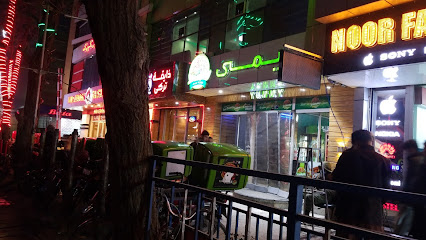
Mr.cook fast food
2.3 km
Experience the delicious fusion of local Afghan cuisine and fast food favorites at Mr. Cook Fast Food in Kabul.
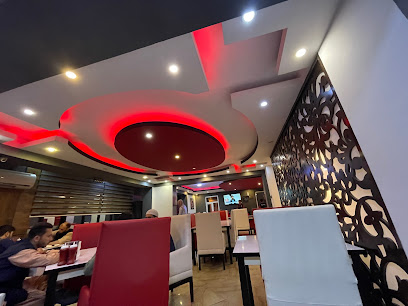
Faryab Turkman Restaurant
2.3 km
Discover the authentic tastes of Afghanistan at Faryab Turkman Restaurant in Kabul, where tradition meets flavor in every dish.
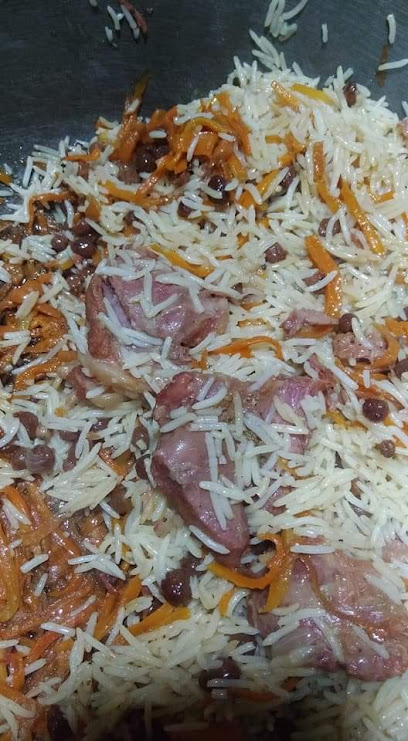
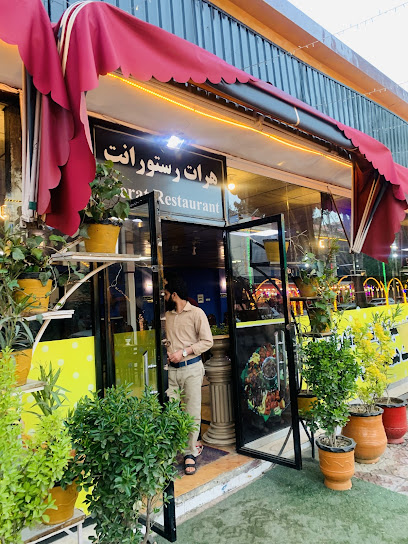
Herat Restaurant
2.4 km
Discover the authentic flavors of Afghanistan at Herat Restaurant, where traditional cuisine meets a welcoming atmosphere in the heart of Kabul.
Bukhara Restaurant
2.4 km
Experience the rich culinary heritage of Afghanistan at Bukhara Restaurant, offering authentic flavors and a warm atmosphere in Kabul.
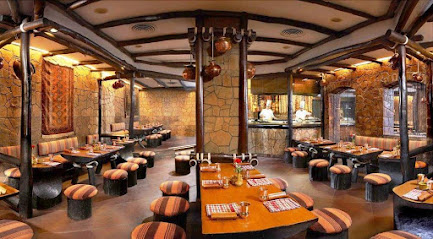
New Takhar Bastan Restaurant
2.4 km
Experience authentic Afghan cuisine at New Takhar Bastan Restaurant in Kabul – where flavors meet tradition and hospitality.
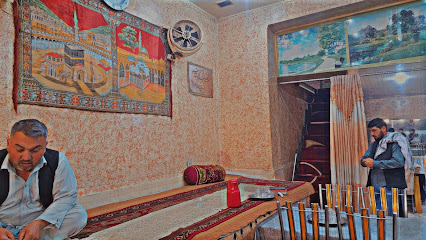
Nightclubs & after hour spots

شرنوال هوتل
1.1 km
Discover the vibrant nightlife at شرنوال هوتل, Kabul's premier night club offering a lively atmosphere, music, and dance.
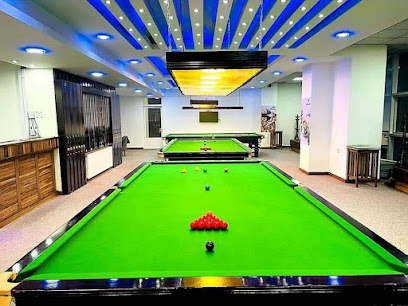
iCue Snooker & Cafe
2.6 km
Discover the excitement of snooker at iCue Snooker & Cafe, Kabul's vibrant sports club, perfect for friendly competition and socializing.
charsi
3.0 km
Discover Kabul's vibrant nightlife at Charsi, a unique night club where music and culture blend for an unforgettable experience.
کمیته مردمی کمیسیون برگزاری جشن استقلال
3.5 km
Discover the pulsating heart of Kabul's nightlife at کمیته مردمی کمیسیون برگزاری جشن استقلال, where music and culture collide for an unforgettable experience.