Shah e Du shamshira Mosque, Kabul Travel Guide
Discover Kabul's Shah e Du Shamshira Mosque: A unique architectural blend of Islamic and European Baroque styles, reflecting Afghanistan's rich history.
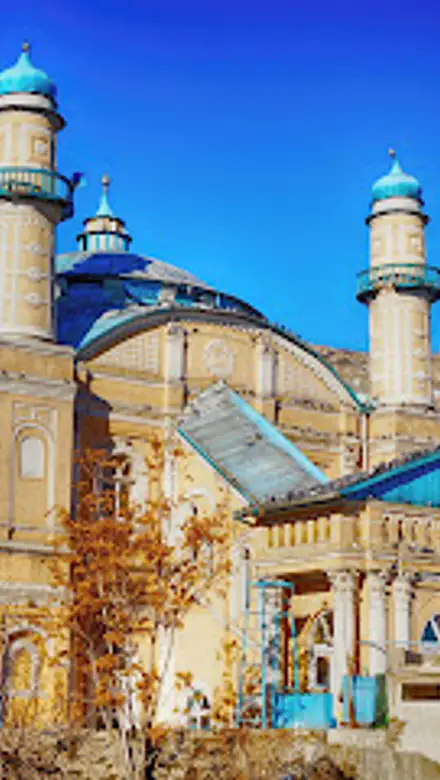
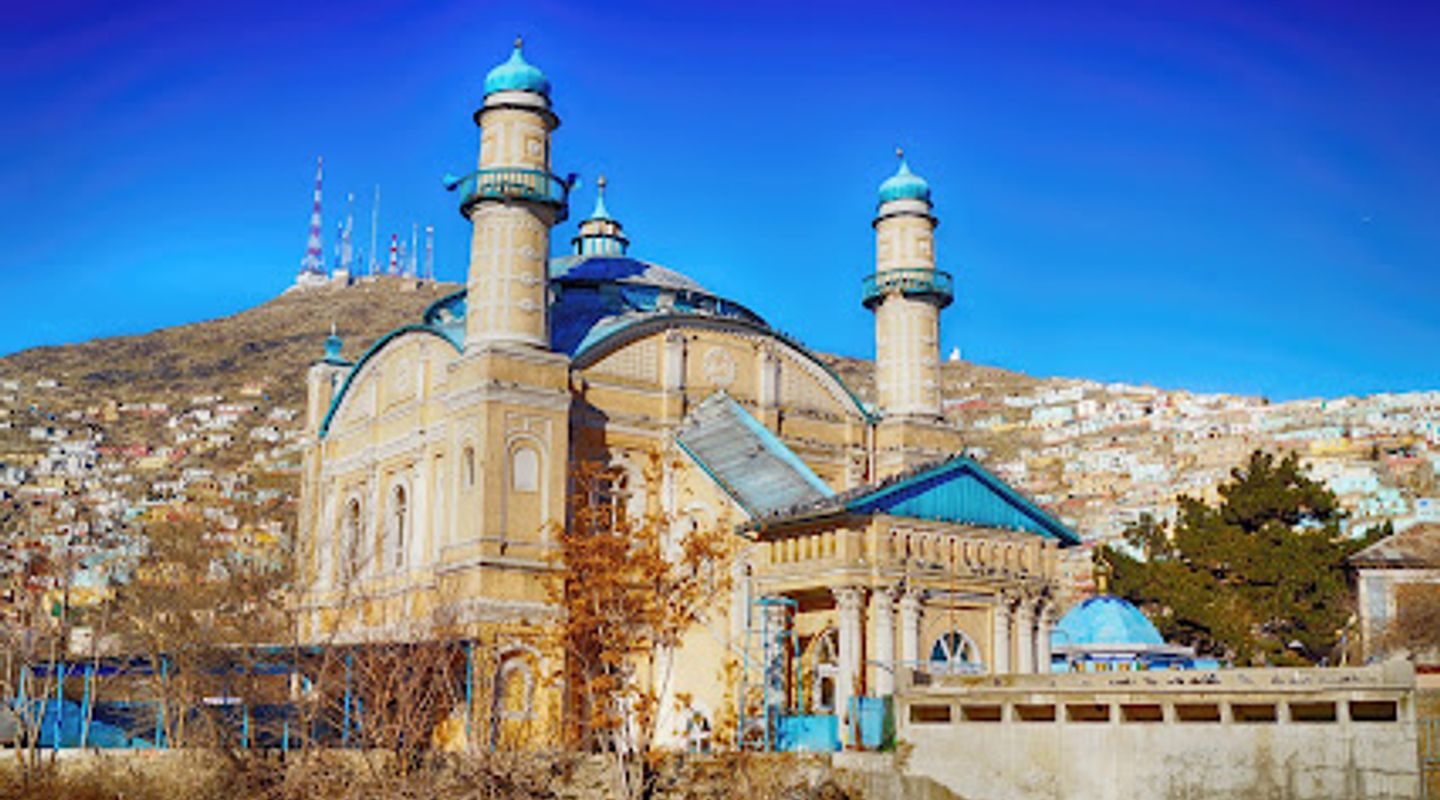
The Shah e Du Shamshira Mosque, or 'Mosque of the King of Two Swords,' stands as a vibrant testament to Kabul's cultural heritage. Built in the 1920s during King Amanullah Khan's reign, it uniquely fuses Islamic and European Baroque architectural styles, drawing inspiration from Istanbul's Ortaköy Mosque [3, 4, 6]. Its bright yellow facade and intricate stucco detailing create a striking landmark along the Kabul River [4, 6].
A brief summary to Shah e Du shamshira Mosque
- G58C+7HH, Kabul, AF
- Monday 4 am-10 pm
- Tuesday 4 am-10 pm
- Wednesday 4 am-10 pm
- Thursday 4 am-10 pm
- Friday 4 am-10 pm
- Saturday 4 am-10 pm
- Sunday 4 am-10 pm

Know before you go
Hi, I'm Eve. Here are a few practical things to know before exploring Shah e Du shamshira Mosque.
- Dress conservatively when visiting the mosque, covering arms and legs. Women should also cover their heads [8].
- Remove your footwear before entering the prayer area [8].
- Be mindful of prayer times, especially on Fridays, and avoid disturbing worshippers [8, 10].
- Check local guidelines or consult a tour guide for current visiting protocols, as they may change due to local customs or security concerns [8].
Do you manage this location?
Take control to get all the benefits, like improved information, better appearance, and stronger visibility across AI-powered discovery. Learn more about listing your business on Evendo
Activate your presenceOther nearby places you may find interesting
The closest places of the same kind, if this one is not quite what you had in mind.

Explore Shah e Du shamshira Mosque on the Map
A handpicked selection of must-see spots near Shah e Du shamshira Mosque, mapped for you.
Getting There
-
Walking
From central Kabul locations like Kabul City Center or Chicken Street, the Shah e Du Shamshira Mosque is accessible on foot [4]. Head towards the Kabul River and the Shah-Do Shamshira bridge [4]. The mosque is located just off Andarabi Road, near the riverbank [3, 4]. Be aware of traffic and pedestrian conditions in the city center [4].
-
Taxi
Taxis are readily available in Kabul [12]. Negotiate the fare before starting your journey [12]. A short taxi ride within the city center should cost approximately 20 AFN [11]. Be prepared for potential traffic delays, especially during peak hours.
Discover more about Shah e Du shamshira Mosque
More to explore near Shah e Du shamshira Mosque













Your all‑in‑one travel companion app
Explore expert travel guides, compare and book tours, experiences, hotels, and more—all from the palm of your hand. Download now for seamless trip planning wherever your wanderlust takes you.


Explore More of Kabul
Looking beyond Shah e Du shamshira Mosque? Discover Kabul for broader travel guides, local hot-spots, and regional highlights.
Explore Kabul