Maranjan Hill: Kabul's Historical Vista
Explore Kabul's Maranjan Hill: a historic landmark with ancient Buddhist roots, royal tombs & panoramic city views.
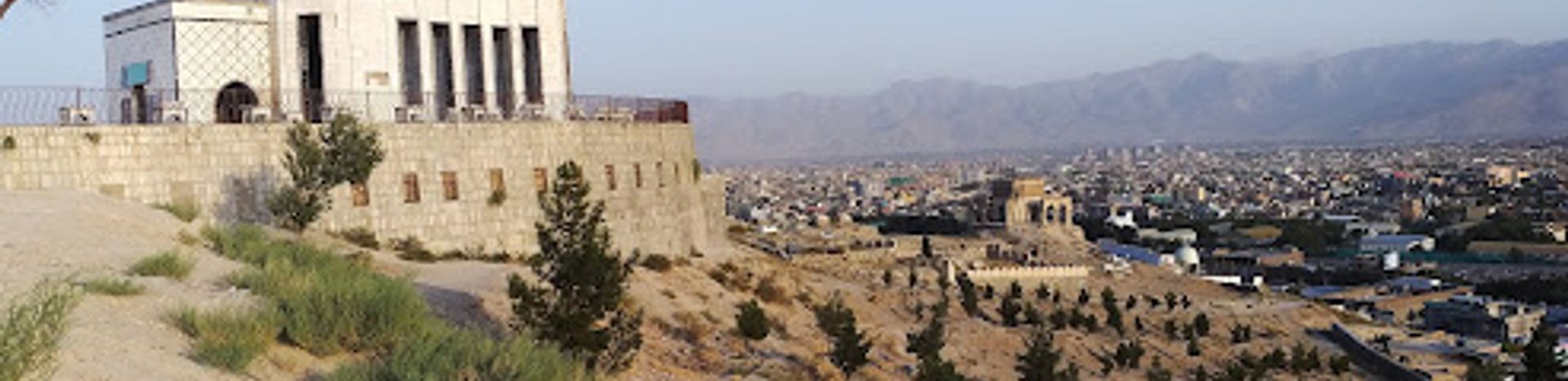
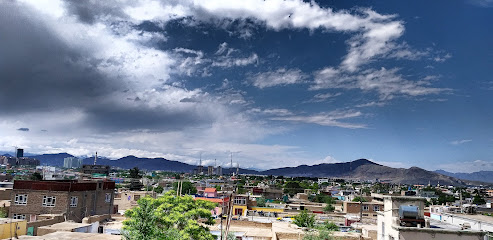
Maranjan Hill, also known as Tepe Maranjan, is a historically significant site in Kabul, Afghanistan, offering panoramic views of the city. Once a Buddhist monastic site dating back to the 4th century AD, it later served as a strategic military outpost and the final resting place of King Nadir Shah [2, 3]. Today, it's a public park where visitors can explore remnants of ancient structures and reflect on Afghanistan's rich heritage [5].
A brief summary to Maranjan Hill
- بناهِ یادگاری تپهِ مرنجان، قبرستان تپهِ مرنجان, Kabul, AF
- +93788258052
Local tips
- Visit during the early morning or late afternoon for the best lighting for photography and cooler temperatures [5].
- Wear comfortable shoes as the terrain can be uneven in places [2, 5].
- Pack a picnic to enjoy while taking in the breathtaking views of Kabul [5].
- Consider hiring a local guide to learn more about the historical significance of the area [5].
- Dress modestly and respect the local customs and traditions while visiting this historical site [5].

Getting There
-
Taxi/Ride-Share
From most locations in central Kabul, the quickest way to reach Maranjan Hill is by taxi or ride-sharing service [2, 8]. A typical ride from the city center (e.g., near the Presidential Palace) to Maranjan Hill will cost approximately 470 AFN, depending on traffic and negotiation skills [2]. Be sure to agree on the fare before starting your journey [2]. Ask the driver to take you to 'قبرستان تپهِ مرنجان' (Maranjan Hill Cemetery) to ensure they know the exact destination [2].
-
Public Transport
For a more budget-friendly option, use Kabul's public buses [2, 8]. From a central location like Deh Afghanan, look for buses heading east towards the general direction of the Jalalabad Road [2]. The fare for a bus ride within the city is typically around 20 AFN [2, 8]. From the nearest bus stop, you may need to walk 15-20 minutes to reach the hill [2]. Ask locals for directions to 'Maranjan Hill' or 'تپهِ مرنجان' [2].
-
Walking
If you are already in eastern Kabul, near landmarks such as the Nadir Shah Mausoleum, you can walk to Maranjan Hill [2, 5]. Head south towards the hill, which is visible from a distance [2]. The walk may take 20-30 minutes, and some paths may be steep [2]. Follow well-trodden paths and ask locals for directions if needed [5]. There are no specific fees for accessing the hill on foot [5].
Discover more about Maranjan Hill
Iconic landmarks you can’t miss

Nadir Shah Tomb
0.0 km
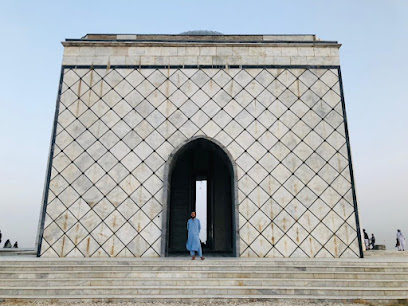
Explore the Nadir Shah Tomb in Kabul, an essential cultural landmark celebrating Afghanistan's rich history and royal heritage amidst serene gardens.
Chaman Hozori
1.0 km
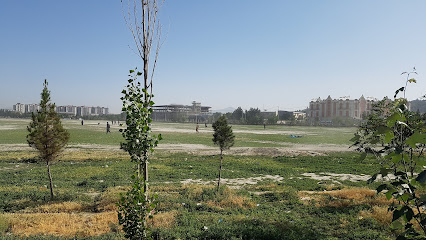
Discover Kabul's vibrant heart at Chaman Hozori, a historic park offering a green escape, cultural experiences, and a glimpse into the city's resilient community spirit, a must-see for any visitor.
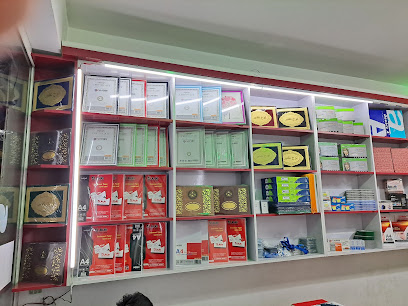
Afghan Print
1.7 km
Explore creativity at Afghan Print in Kabul, where local craftsmanship meets quality printing services for all your artistic needs.
Samangan Hotel
2.2 km
Discover comfort and Afghan hospitality at Samangan Hotel, your ideal base for exploring the vibrant culture of Kabul, Afghanistan.

Pashtun Market
2.2 km
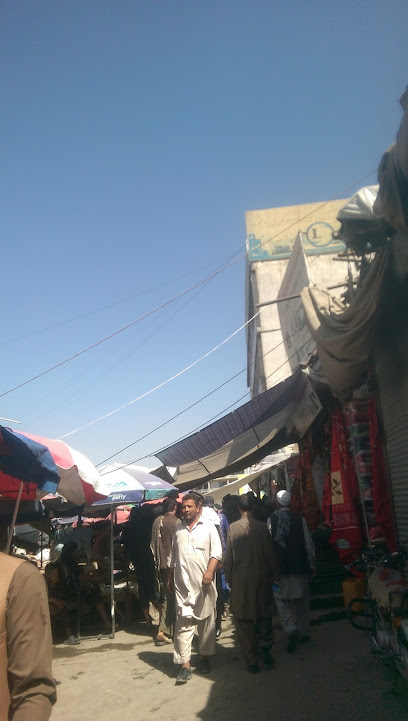
Experience the vibrant heart of Kabul at Pashtun Market, a bustling hub of Afghan culture, traditional crafts, and authentic local cuisine, offering an immersive glimpse into daily life.
Istanbul Family Restaurant & Cafe
2.4 km
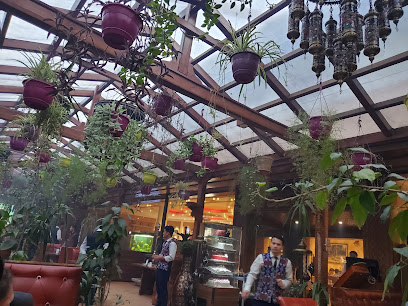
Experience the vibrant flavors of Turkey and Afghanistan at Istanbul Family Restaurant & Cafe in Kabul, where authentic cuisine and warm hospitality create unforgettable dining moments.
مسجد جامع سفید زاخیل ها
2.5 km
Discover the White Mosque of Zakhil in Kabul, a testament to Islamic architecture and a vibrant community hub in the Karte Naow neighborhood.
Qalaye Zaman Khan Bus Stop
2.5 km
Experience the pulse of Kabul at Qalaye Zaman Khan Bus Stop: a vibrant hub connecting you to the city's culture, resilience, and daily life.
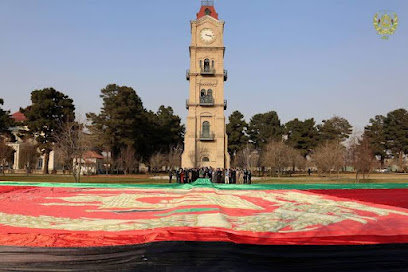
Clock Tower
2.5 km
A historical landmark in Kabul's Shahre Naow, the Clock Tower symbolizes the city's resilience and rich cultural heritage.
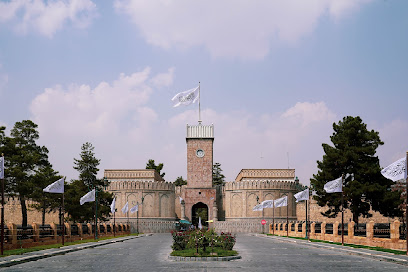
Presidential Palace
2.6 km
Witness the heart of Afghan history and governance at the Presidential Palace in Kabul, a symbol of resilience and national identity.
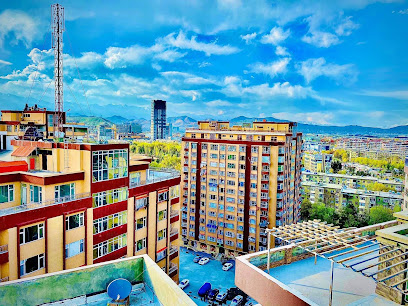
Omar Gulistan Towers
2.7 km
Discover the modern essence of Kabul at Omar Gulistan Towers, a unique housing complex blending contemporary architecture with vibrant market culture.
Sehaht-e-Aama Square
2.7 km
Experience Kabul's vibrant road cycling culture at Sehaht-e-Aama Square, a bustling hub where community and Afghan life converge.
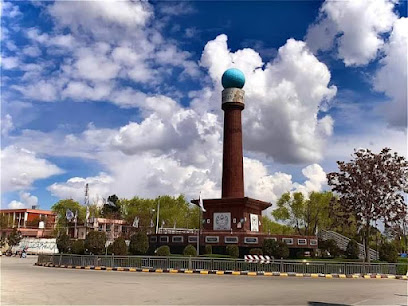
Tomb of Timur Shah Durani
2.8 km
Explore the Tomb of Timur Shah Durrani in Kabul, a historical landmark reflecting Afghan heritage and Mughal-era architecture.
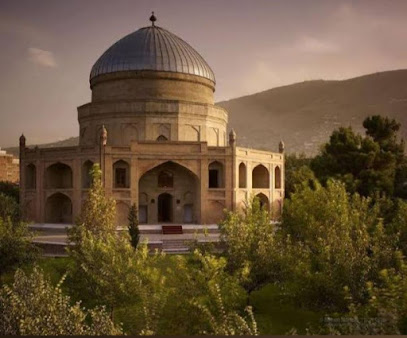
Abdur Rahman Mausoleum
2.8 km
Explore the historical Abdur Rahman Khan Mausoleum in Kabul's serene Zarnegar Park, a testament to Afghan royalty and architectural heritage.
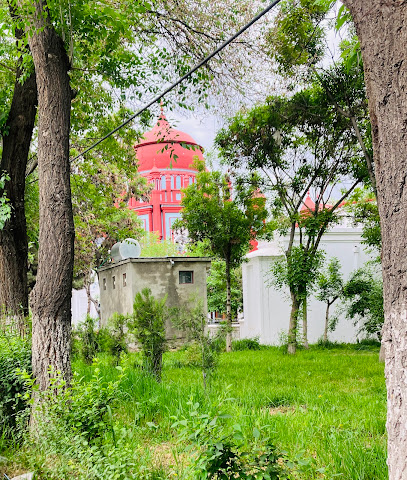
Market Makroryan 3
2.9 km
Experience the vibrant heart of Kabul at Market Makroryan 3, a bustling hub of Afghan culture, commerce, and community life, offering a sensory-rich immersion into local traditions.
Unmissable attractions to see

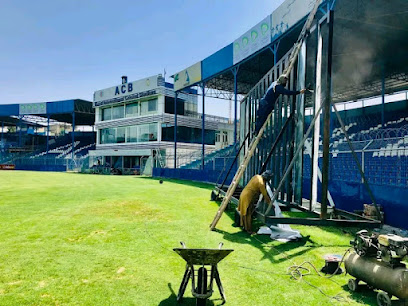
Kabul International Cricket Stadium
0.7 km
Experience the heart of Afghan cricket at this vibrant Kabul stadium, a symbol of national pride and sporting passion.
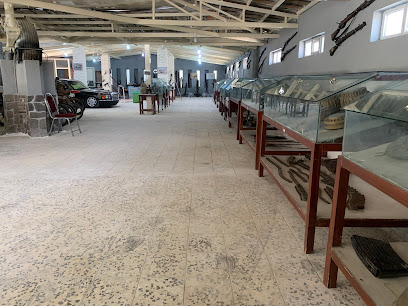
OMAR Mine ERW War Museum
0.9 km
Explore Afghanistan's struggle with landmines at the OMAR Mine ERW War Museum in Kabul, a center for education, awareness, and a testament to resilience.
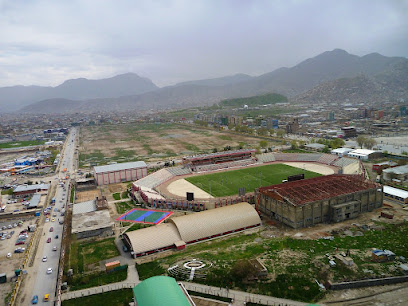
Ghazi Stadium
1.2 km
Experience Afghan sports and history at Ghazi Stadium in Kabul, a symbol of resilience and national pride, where echoes of the past meet the hopes for the future.
Qale'H-Ye-Balahissar
1.6 km
Explore Qale'H-Ye-Balahissar, Kabul's ancient fortress with panoramic views, rich history, and ongoing restoration, offering a glimpse into Afghanistan's past.
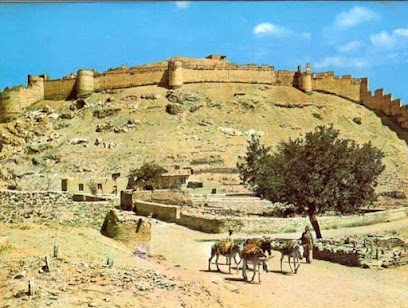
Kabul Fortress
1.6 km
Explore Kabul Fortress, a historic citadel with roots in the 5th century, offering a glimpse into Afghanistan's rich and complex past.
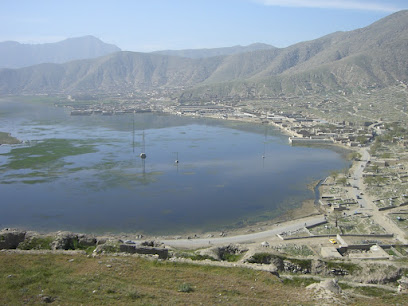
Pul-e Kheshti Mosque
2.3 km
Kabul's largest mosque, featuring a stunning blue dome and intricate Afghan craftsmanship, serving as a vital center for worship and community.
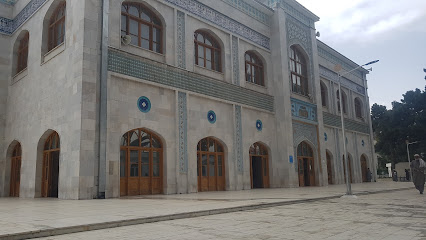
Pashtunistan Square
2.4 km
Experience the vibrant heart of Kabul at Pashtunistan Square, a historic landmark embodying Afghan culture, resilience, and daily life.
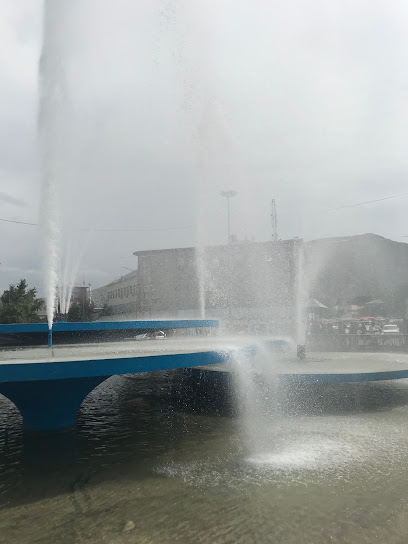
مسجد جامع سفید زاخیل ها
2.5 km
Discover the White Mosque of Zakhil in Kabul: A blend of Islamic architecture and community spirit in the heart of Afghanistan.
Zarnegar park
2.8 km
Escape to Kabul's green heart: a historic park with tranquil gardens and the Mausoleum of Emir Abdur Rahman Khan.
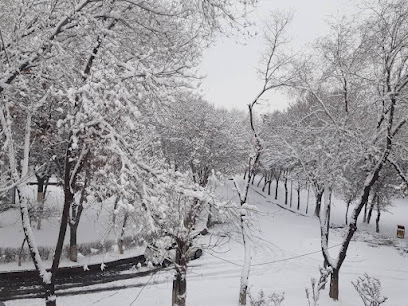
Shah e Du shamshira Mosque
3.1 km
Explore Kabul's iconic Shah e Du Shamshira Mosque, a unique fusion of Islamic and European architecture reflecting Afghanistan's rich cultural heritage.
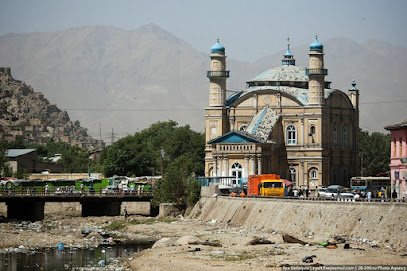
دیوار زمبورگ شاه
3.3 km
Explore the ancient Zambur Shah Wall in Kabul, a historic landmark with panoramic views and a glimpse into Afghanistan's past.
وزیر اکبر خان
3.3 km
Escape to Kabul's Wazir Akbar Khan Park: A green oasis in the city's heart, blending history, culture, and community spirit.
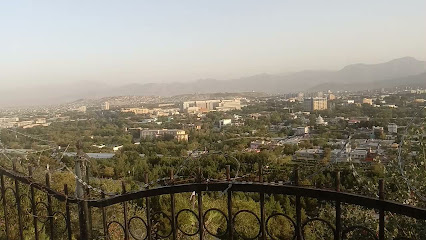
Asma'i Mountain-کوه آسمائی
3.6 km
Hike Kabul's Asma'i Mountain for panoramic city views, historical insights, and a connection with Afghanistan's enduring spirit.
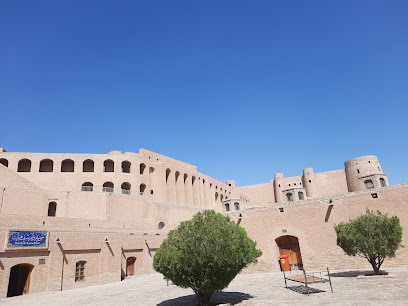
City park
3.9 km
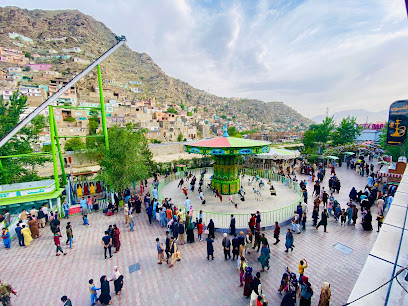
Escape the city bustle at Kabul's City Park: a green haven with gardens, amusement rides, and cultural experiences for everyone.
Shahr-e Naw Park
4.0 km
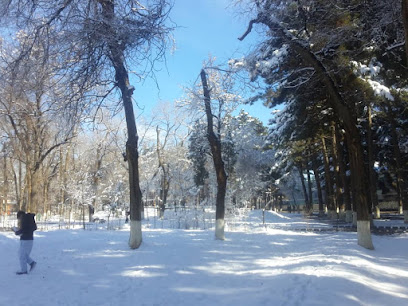
A tranquil escape in the heart of Kabul, Shahr-e Naw Park offers relaxation, recreation, and cultural experiences for everyone.
Essential places to dine

Durrani Cafe & Restaurant
1.0 km
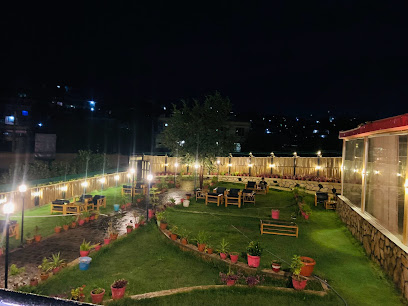
Discover authentic Afghan cuisine at Durrani Cafe & Restaurant in Kabul - where flavor meets tradition.
Royal Restaurant
1.2 km
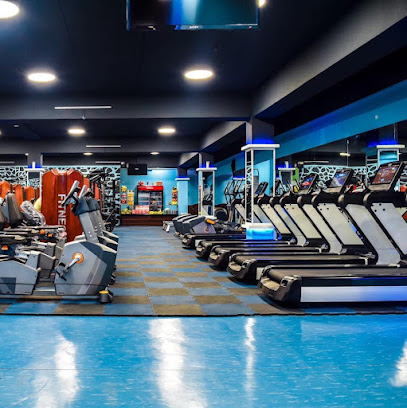
Discover authentic Afghan cuisine at Royal Restaurant in Kabul – where every dish tells a story.
هوټل اورګنوال
1.3 km
Discover the rich flavors of Afghanistan at هوټل اورګنوال – a haven for authentic cuisine enthusiasts in Kabul.
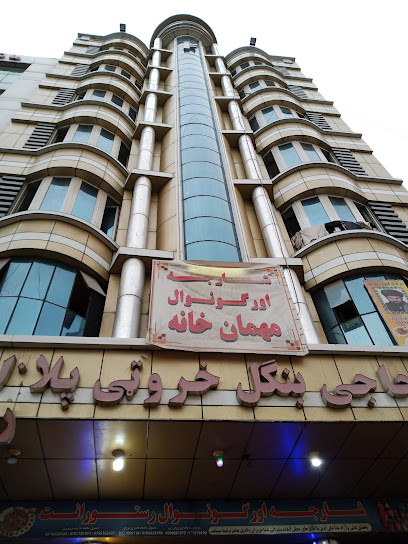
AfghanRestaurant
1.5 km
Discover authentic Afghan cuisine at Afghan Restaurant in Kabul – a culinary gem offering traditional dishes and warm hospitality.
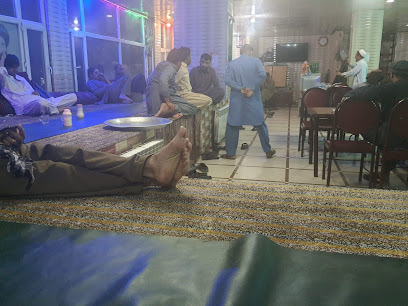
restaurant
1.9 km
Experience authentic Afghan cuisine at Sayed Noor Mohammad Shah Mina in Kabul - where every dish tells a story.
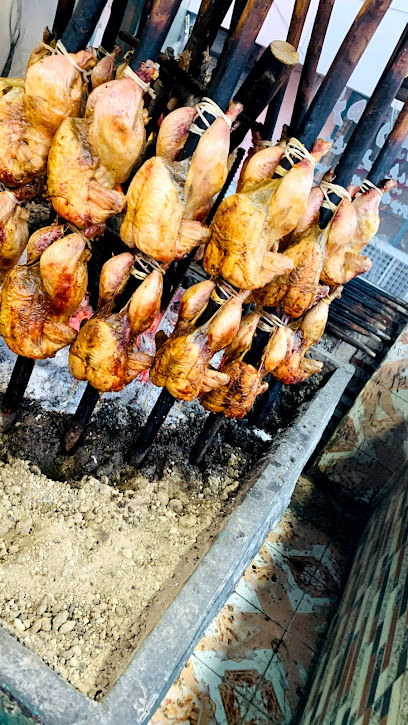
Faryab Nawin Hotel
1.9 km
Experience authentic Afghan cuisine at Faryab Nawin Hotel in Kabul, where rich flavors meet warm hospitality in a charming atmosphere.
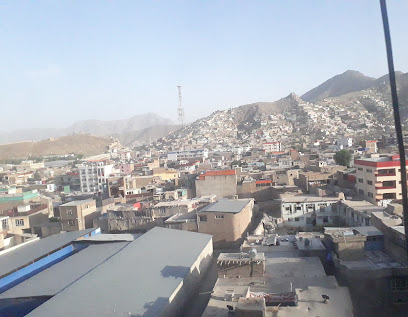
Balana Restaurant
2.2 km
Discover authentic Afghan cuisine at Balana Restaurant in Kabul—where every dish tells a story of rich tradition and flavor.
Bakhtar Restaurant
2.3 km
Discover authentic Afghan flavors at Bakhtar Restaurant in Kabul – a must-visit culinary gem for every traveler.
Baghlan Restaurant
2.3 km
Experience authentic Afghan cuisine at Baghlan Restaurant in Kabul, where rich flavors meet warm hospitality.
Naqeebullah Restaurant
2.4 km
Discover authentic Afghani cuisine at Naqeebullah Restaurant in Kabul – a true taste of Afghanistan's rich culinary heritage.
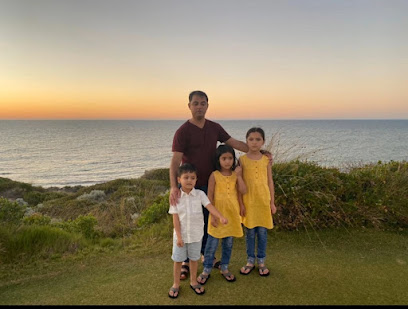
Kabul-Khost Restaurant
2.4 km
Experience the rich flavors and warm hospitality of Afghanistan at Kabul-Khost Restaurant in the heart of Kabul.
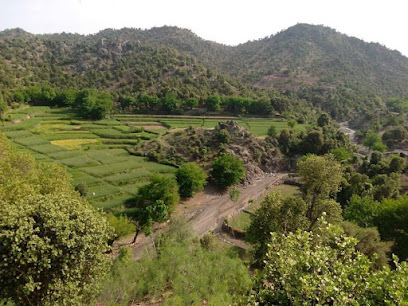
Naseeb Restaurant
2.4 km
Discover authentic Afghan cuisine at Naseeb Restaurant in Kabul – where every dish is steeped in tradition and flavor.
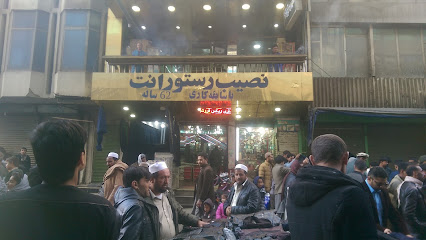
بنایی کندز کباب
2.5 km
Experience authentic Afghan cuisine at بنایی کندز کباب - savor delicious kebabs and immerse yourself in local culture.
Afghan Hotel And Resturent
2.5 km
Experience authentic Afghan cuisine at Afghan Hotel and Restaurant in Kabul - where tradition meets taste.
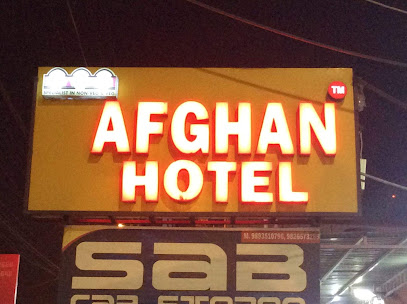
Mashal Dubai Restaurant
2.5 km
Savor authentic Afghan cuisine at Mashal Dubai Restaurant in Kabul – where tradition meets flavor in every dish.
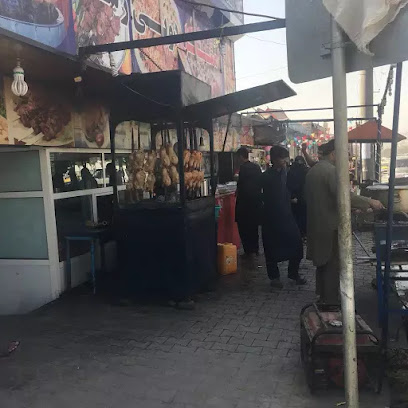
Markets, malls and hidden boutiques

Habib Shopping Mall
1.4 km
Explore Habib Shopping Mall in Kabul, where shopping, dining, and local culture come together for an unforgettable experience.
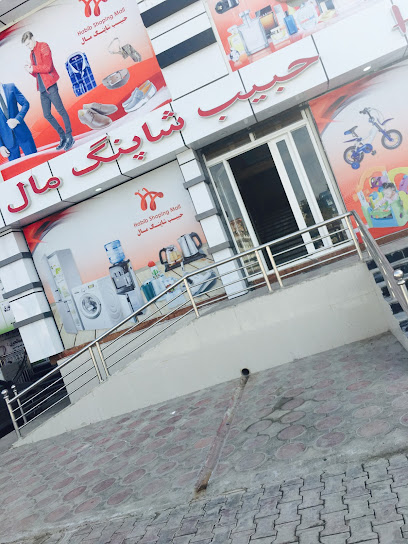
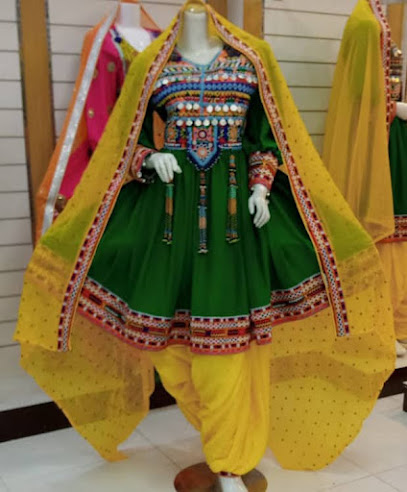
Mehrwar boutique
1.4 km
Explore the essence of Afghan craftsmanship at Mehrwar Boutique in Kabul, offering unique handcrafted treasures and a glimpse into local culture.
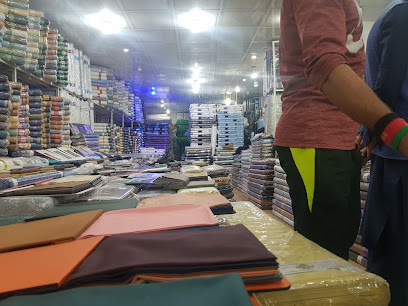
Durrani Fabrics & Tailoring
1.5 km
Explore Durrani Fabrics & Tailoring in Kabul for quality textiles and bespoke tailoring that showcase Afghan craftsmanship.
Shoa Maihan LTD
1.6 km
Explore the vibrant world of trading cards at Shoa Maihan LTD in Kabul, a must-visit destination for collectors and enthusiasts alike.
Right Price Super Store
1.6 km
Explore Kabul's Right Price Super Store for an authentic shopping experience filled with local culture and a variety of essential goods.
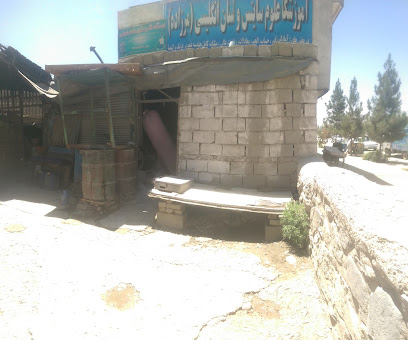
د اوړو ځرنده Wheat Making Shop
2.0 km
Explore traditional Afghan culture through the art of wheat making at د اوړو ځرنده, a must-visit shop in Kabul.
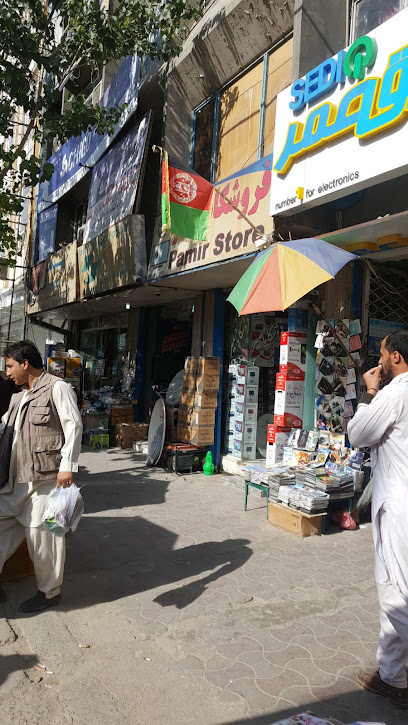
Pamir Store
2.3 km
Explore the vibrant Pamir Store in Kabul for unique Afghan crafts, local delicacies, and a taste of rich culture.
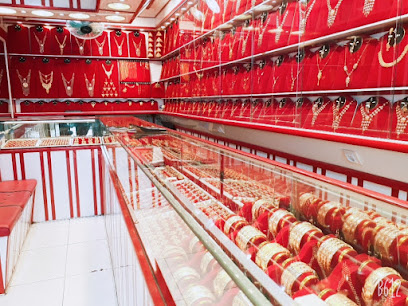
Afghan Dubai jewelry
2.4 km
Explore the exquisite craftsmanship of Afghan Dubai Jewelry, where tradition meets elegance in the heart of Kabul.
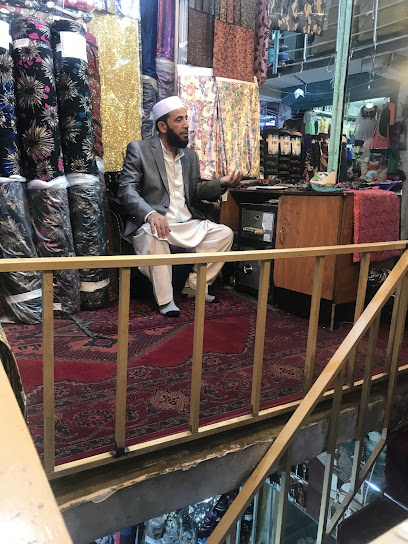
Hazar Gul Market
2.4 km
Explore Hazar Gul Market in Kabul for an authentic Afghan shopping experience filled with vibrant culture, unique handicrafts, and traditional clothing.
مارکت تجارتی حمیدی
2.4 km
Explore Kabul's Hamidi Commercial Market for exquisite jewelry and authentic Afghan craftsmanship that captures the essence of local culture.
رنګفروشی هارون بهسودوال
2.7 km
Discover the best of Kabul at Haroon Shopping Mall: a blend of local culture, shopping delights, and exquisite dining experiences.
Zahir Rice Store
2.8 km
Explore the Zahir Rice Store in Kabul, where Afghan culture flourishes through an exquisite selection of rice and local specialties.
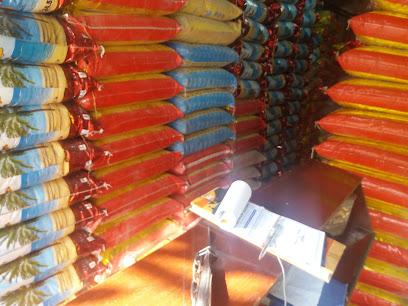
Wakhan
3.0 km
Explore Wakhan, a women's clothing store in Kabul, where tradition meets modern fashion in a vibrant cultural setting.
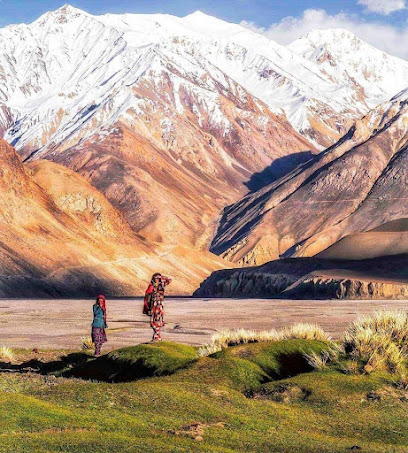
Dawoodzai Shopping Mall
3.0 km
Discover the vibrant shopping experience at Dawoodzai Shopping Mall in Kabul, where local charm meets modern retail.
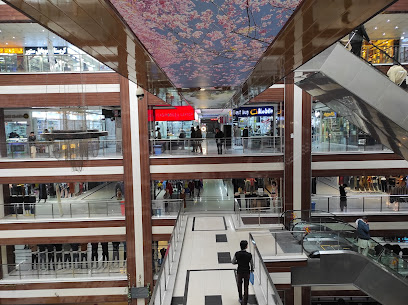
Kabul Insaf Online Bazar
3.0 km
Explore Kabul Insaf Online Bazar for quality Afghan products and authentic local experiences in the heart of Kabul.
Essential bars & hidden hideouts

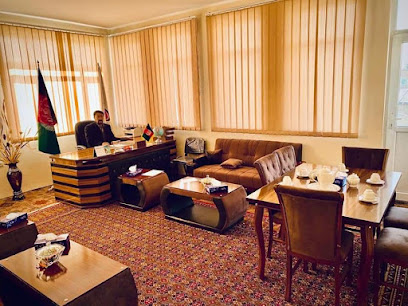
Afghanistan Paralympic Committee کمیته پارالمپیک افغانستان
1.0 km
Discover the inspiring Afghanistan Paralympic Committee, a hub of resilience and empowerment through sports for individuals with disabilities in Kabul.
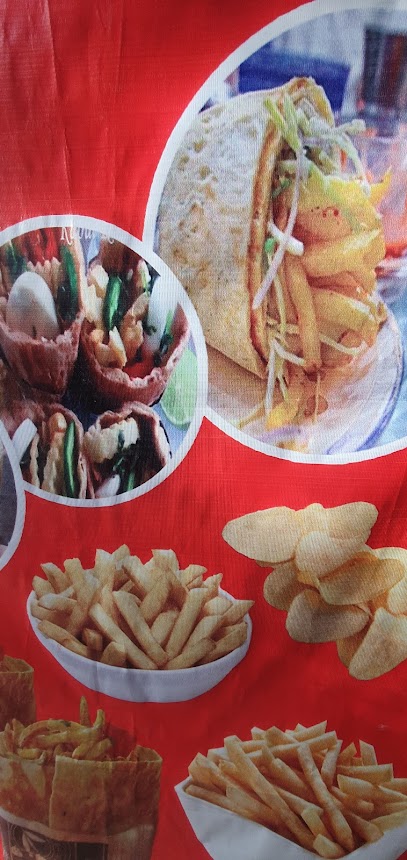
کاکا وحيد برګر پواينټ
1.5 km
Discover Kaka Wahid Burger Point in Kabul, where local flavors meet international cuisine in a vibrant and welcoming atmosphere.
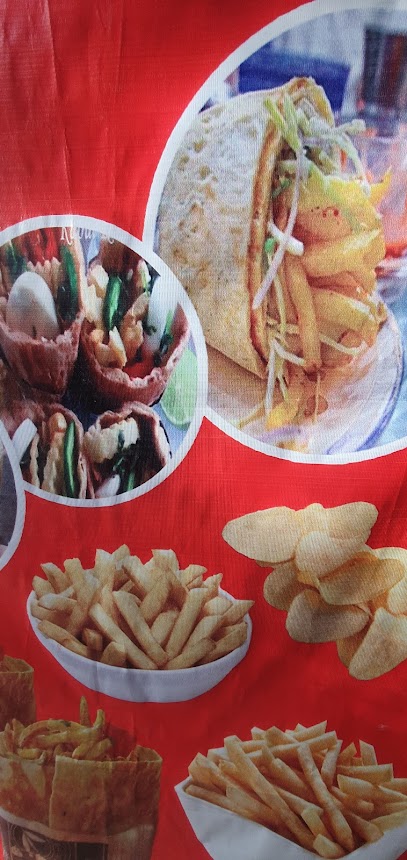
کاکا وحيد برګر پواينټ
1.5 km
Experience the vibrant flavors of Afghanistan at Kaka Wahid Burger Point, where delicious burgers meet a lively atmosphere in the heart of Kabul.
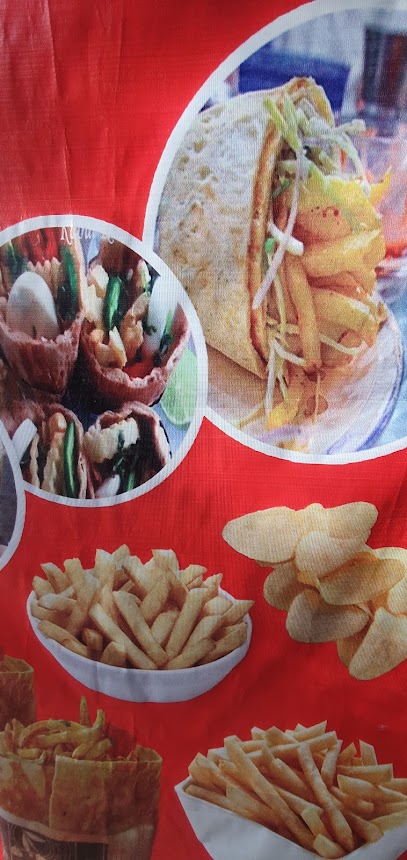
کاکا وحيد برګر پواينټ
1.5 km
Experience the unique flavors of Kabul at Kaka Wahid Burger Point, where delicious Afghan burgers meet warm hospitality.
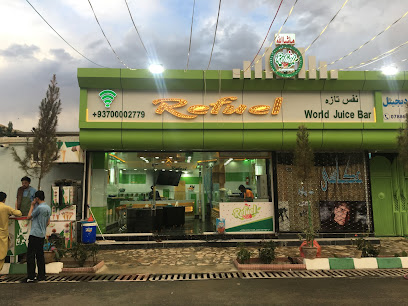
Refuel Juice Bar
1.6 km
Discover the best of Kabul's health scene at Refuel Juice Bar, where fresh juices and smoothies energize your adventures.
صیاد
2.6 km
Experience the vibrant nightlife of Kabul at صیاد, a cozy bar offering a delightful array of drinks and a welcoming atmosphere.
Hurriyat Radio
3.2 km
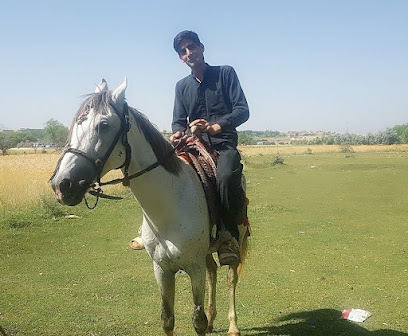
Discover the vibrant nightlife of Kabul at Hurriyat Radio, where local and international music collide in an electrifying atmosphere.
Kabul Star Hotel & Restaurant
3.2 km
Experience luxury and local culture at Kabul Star Hotel & Restaurant, your premier destination in the heart of Kabul, Afghanistan.
CMG Baby Drip TalibanK coalition
3.2 km
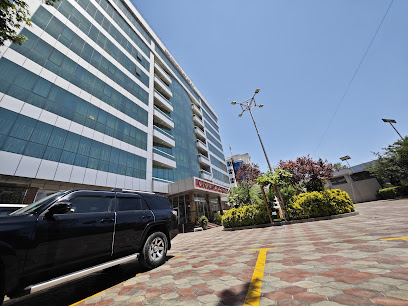
Experience the vibrant nightlife of Kabul at CMG Baby Drip TalibanK Coalition, a unique bar blending local culture and eclectic vibes in a lively atmosphere.
Faryab Restaurant
3.4 km
Discover the rich flavors of Afghanistan at Faryab Restaurant, where authentic dishes and warm hospitality create a memorable dining experience.
yasir super store
3.5 km
Discover the warm hospitality and unique Afghan beverages at Yasir Super Store, a charming bar in Kabul's Deh Sabz, perfect for tourists and locals alike.
Le Bistro
3.7 km
Experience the best of Afghan and international cuisine at Le Bistro in Kabul, where every dish tells a story of flavor and tradition.
Prime Steakhouse
3.7 km
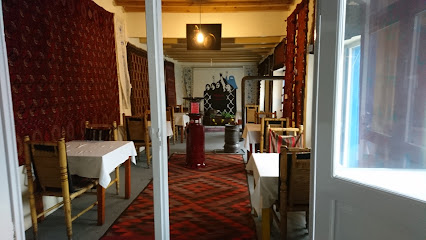
Discover the exquisite taste of Prime Steakhouse in Kabul, where culinary delight meets a vibrant ambiance for an unforgettable dining experience.
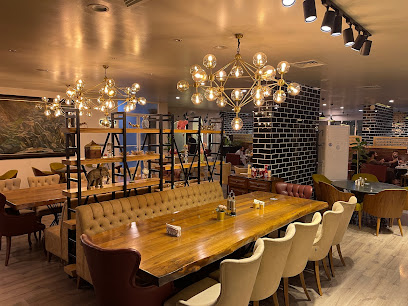
Ziyafat Restaurant
3.8 km
Discover the heart of Afghan cuisine at Ziyafat Restaurant in Kabul, where every dish tells a story of tradition and flavor.
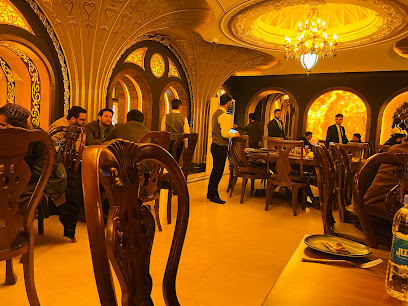
ACBAR
3.8 km
Discover ACBAR in Kabul: A non-governmental organization dedicated to humanitarian aid and community development in Afghanistan.