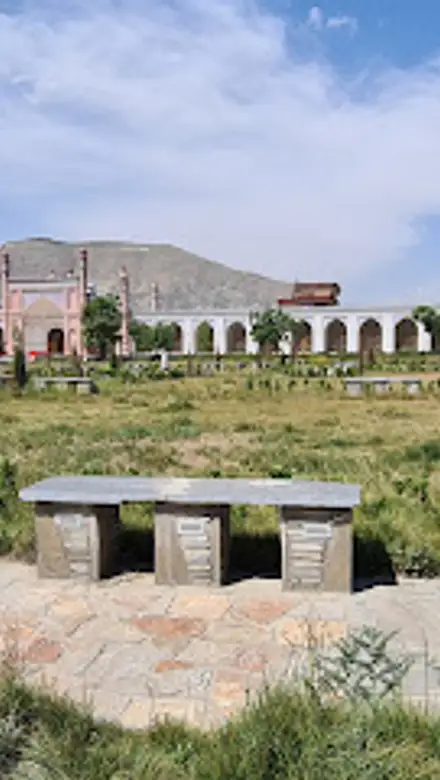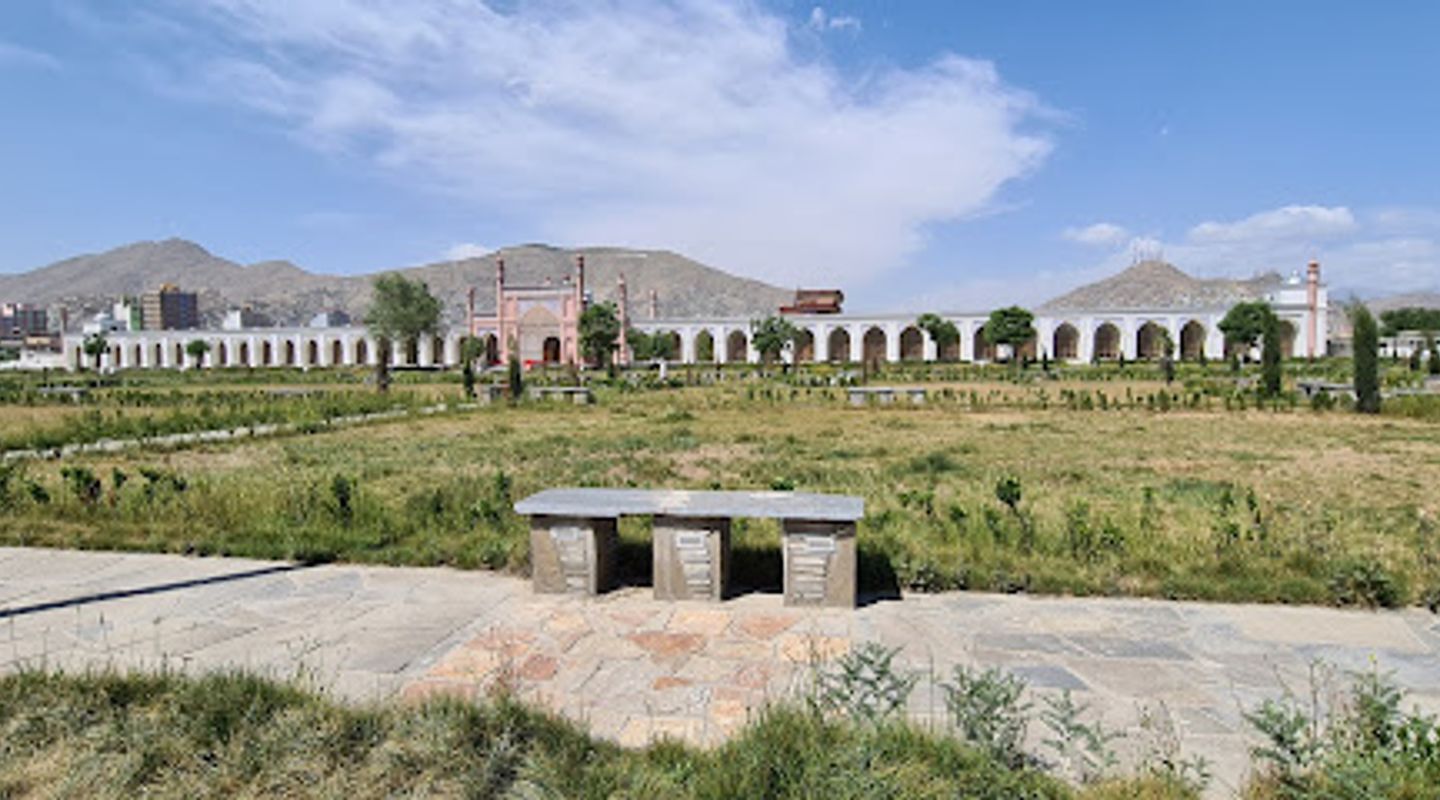
Ghazi Stadium, Logar Travel Guide
Experience Afghan pride at Ghazi Stadium: a historic Kabul landmark reborn as a vibrant sports hub after decades of turmoil.
Ghazi Stadium in Kabul, built in 1923, has witnessed Afghanistan's tumultuous history, from royal celebrations to Taliban rule and, ultimately, its rebirth as a modern sports venue. It stands as a symbol of national pride and resilience.
A brief summary to Ghazi Stadium
- G59V+CF5, Kabul, AF

Know before you go
Hi, I'm Eve. Here are a few practical things to know before exploring Ghazi Stadium.
- Check local event schedules in advance to catch a football match or other sporting event for an authentic experience [7].
- Engage with local fans to learn more about the stadium's history and its significance to the Afghan people [7].
- Be mindful and respectful of the stadium's past, particularly its role during the Taliban regime [7].
Do you manage this location?
Take control to get all the benefits, like improved information, better appearance, and stronger visibility across AI-powered discovery. Learn more about listing your business on Evendo
Activate your presenceOther nearby places you may find interesting
The closest places of the same kind, if this one is not quite what you had in mind.
Explore Ghazi Stadium on the Map
A handpicked selection of must-see spots near Ghazi Stadium, mapped for you.
Getting There
-
Taxi/Ride-Share
Taxis are readily available throughout Kabul and offer a direct way to reach Ghazi Stadium [2, 7, 11]. From most central locations, a taxi ride to the stadium will typically cost between 350 to 712 AFN, depending on distance and traffic conditions [4, 7]. It's advisable to negotiate the fare beforehand or ensure the meter is running [7]. Landmarks to mention for directions include Chaman-e-Hozori and Eidgah Mosque, as the stadium is located across from them [3, 7]. Note that traffic can be heavy, especially during peak hours [2, 7, 13].
-
Public Transport
Local buses and minibuses also serve the area around Ghazi Stadium [2, 7, 11, 14]. While this is a more economical option, it can be crowded and less direct [2, 7, 14]. Bus fares typically range from 20 to 45 AFN, depending on the route and distance [7]. Look for buses heading towards Shahr-e Naw; from there, it's a short walk to the stadium [3, 7]. Be aware that bus schedules may not be strictly adhered to, and it's helpful to know the local language or have a translator app to navigate the routes [7].
-
Walking
From Pashtunistan Square, walk southeast along the main road [12]. After approximately 1km, you'll see Ghazi Stadium on your left, across from Chaman-e-Hozori park [3, 7, 12]. The walk is straightforward and takes about 15-20 minutes [12]. No costs involved.
Discover more about Ghazi Stadium













Your all‑in‑one travel companion app
Explore expert travel guides, compare and book tours, experiences, hotels, and more—all from the palm of your hand. Download now for seamless trip planning wherever your wanderlust takes you.


Explore More of Logar

Looking beyond Ghazi Stadium? Discover Logar for broader travel guides, local hot-spots, and regional highlights.
Explore Logar
Discover Pashtunistan Square in Kabul: a vibrant landmark offering an authentic glimpse into Afghan culture, history, and daily life.

Escape to Kabul's heart at Chaman Hozori, a vibrant park offering a peaceful retreat and a taste of local culture for families and visitors alike.