Kabul, Logar Travel Guide
Explore Kabul: A historic capital nestled in the Hindu Kush, offering a blend of ancient culture and resilient spirit on the Silk Road.
Kabul, the capital of Afghanistan, is a city steeped in over 3,500 years of history, serving as a strategic crossroads along the ancient Silk Road [3, 8]. Despite enduring conflicts, it retains its cultural heritage with gardens, bazaars, and historical sites [3].
A brief summary to Kabul
- H644+4XQ, Kabul, AF

Know before you go
Hi, I'm Eve. Here are a few practical things to know before exploring Kabul.
- Be aware of your surroundings and exercise caution due to the ongoing security situation [16, 19].
- Respect local customs and traditions, dressing modestly and being mindful of cultural norms [8].
- Negotiate taxi fares in advance, as they are the most common mode of transport for visitors [4].
- Learn a few basic Dari phrases to enhance your interactions with locals [8].
- Check travel advisories from your home country before planning your trip [16, 19, 24].
Do you manage this location?
Take control to get all the benefits, like improved information, better appearance, and stronger visibility across AI-powered discovery. Learn more about listing your business on Evendo
Activate your presenceOther nearby places you may find interesting
The closest places of the same kind, if this one is not quite what you had in mind.
Explore Kabul on the Map
A handpicked selection of must-see spots near Kabul, mapped for you.
Getting There
-
Taxi
Taxis are a common way to get around Kabul. From the Kabul International Airport, negotiate a fare to your destination in the city center. A typical fare to the central areas should be between 150 to 200 AFN, but confirm before starting your journey [4]. Be prepared to direct the driver using landmarks, as not all drivers may know specific addresses [4]. Note that there may be increased fares when departing directly from the airport [4].
-
Public Transport
While Kabul has a public bus service, it may not be readily accessible or convenient for tourists [12, 15]. If you opt for the bus, inquire about routes and fares from locals. Be aware that buses can be crowded, and service may be irregular [12, 23]. There is a bus rapid transit (BRT) system currently under construction [21].
Discover more about Kabul













Your all‑in‑one travel companion app
Explore expert travel guides, compare and book tours, experiences, hotels, and more—all from the palm of your hand. Download now for seamless trip planning wherever your wanderlust takes you.


Explore More of Logar

Looking beyond Kabul? Discover Logar for broader travel guides, local hot-spots, and regional highlights.
Explore Logar
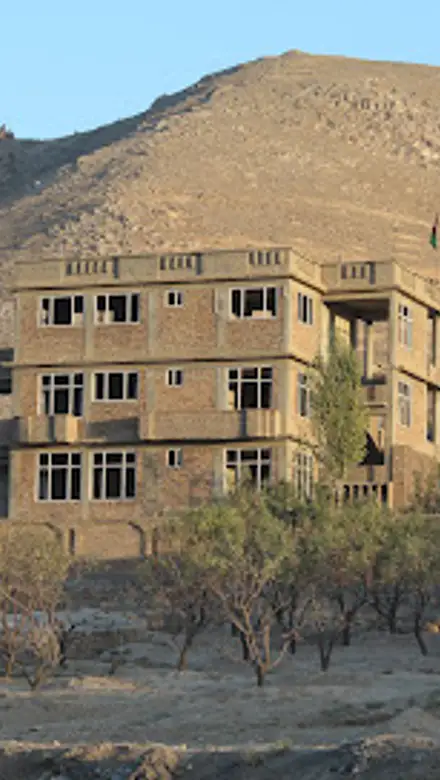
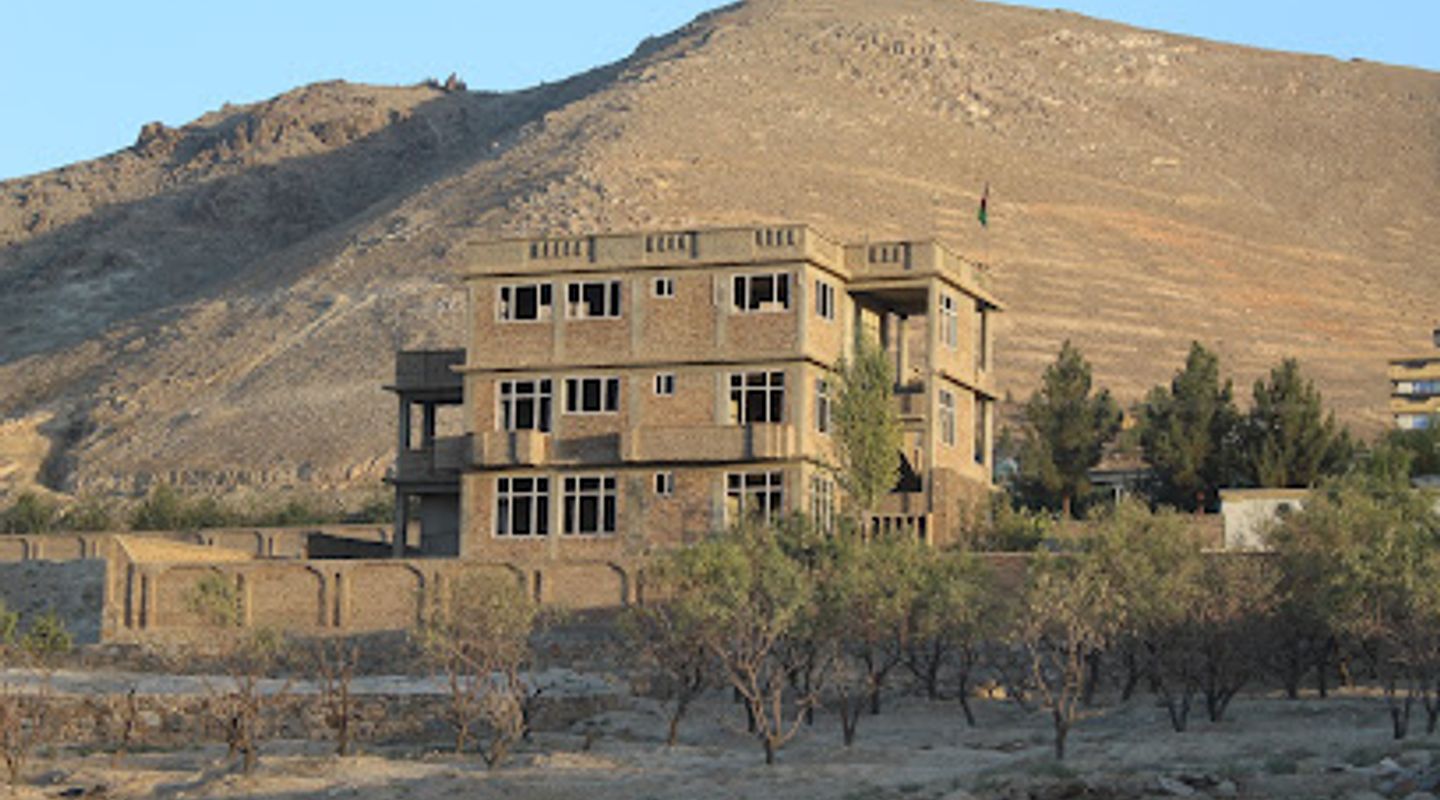
Explore the chilling tales and eerie atmosphere of Kabul's Haunted House in Qala-e-Fathullah, where local legends meet Afghan history. A must-visit for thrill-seekers.

Discover Afghanistan's vibrant history and artistic traditions at the Azra Logar Museum in Kabul, a treasure trove of cultural heritage.