Pul-e Kheshti Mosque, Logar Travel Guide
Kabul's largest mosque, Pul-e Kheshti, showcases stunning Afghan artistry and resilience, blending modern and traditional Islamic architecture with a vibrant blue dome.
Pul-e Kheshti Mosque, meaning 'Brick Bridge Mosque,' is Kabul's largest mosque and a significant community center [3, 4]. Originally built in the late 18th century, it was largely rebuilt in the 1960s, showcasing a blend of modern and traditional Islamic styles [3, 6]. The mosque is known for its large, vibrant blue dome, which dominates Kabul's skyline [3, 4].
A brief summary to Pul-e Kheshti Mosque
- Kabul, AF
- Click to display
- Monday 3:30 am-9:30 pm
- Tuesday 3:30 am-9:30 pm
- Wednesday 3:30 am-9:30 pm
- Thursday 3:30 am-9:30 pm
- Friday 3:30 am-9:30 pm
- Saturday 3:30 am-9:30 pm
- Sunday 3:30 am-9:30 pm

Know before you go
Hi, I'm Eve. Here are a few practical things to know before exploring Pul-e Kheshti Mosque.
- Dress modestly when visiting; women should cover their heads [3].
- Photography is generally permitted, but ask permission before taking pictures of individuals [3].
- Be aware that the area can be crowded, especially during prayer times [3].
- Visit the surrounding market areas for a vibrant cultural experience [3, 20].
Do you manage this location?
Take control to get all the benefits, like improved information, better appearance, and stronger visibility across AI-powered discovery. Learn more about listing your business on Evendo
Activate your presenceOther nearby places you may find interesting
The closest places of the same kind, if this one is not quite what you had in mind.
Explore Pul-e Kheshti Mosque on the Map
A handpicked selection of must-see spots near Pul-e Kheshti Mosque, mapped for you.
Getting There
-
Walking
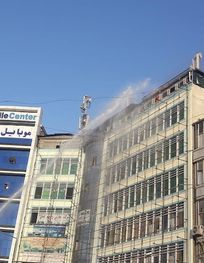
Pul-e Kheshti Mosque is located in the heart of old Kabul, making it easily accessible on foot from many central locations [3]. As you approach the mosque, look for the distinctive large blue dome that dominates the skyline [3, 6]. The mosque is near the Mobile Center, a well-known landmark in the city [3]. Be aware that the area can be crowded, especially during prayer times [3]. Remember to be respectful of the local customs and dress modestly [3]. There are no costs associated with walking to the mosque [3].
-
Public Transport
Kabul has a public bus system [9, 16]. You can take a bus to a location near the Pul-e Kheshti Mosque and then walk the remaining distance [9, 13]. Bus fares in Kabul are approximately 20 AFN [5, 13]. Check local bus routes and schedules for the most up-to-date information [13].
-
Taxi/Ride-Share
Taxis are available in Kabul [9, 10]. A short taxi ride within the city can cost around $2 to $5 (approximately 140 to 350 AFN) [10]. Negotiate the fare before starting your journey [10].
Discover more about Pul-e Kheshti Mosque













Your all‑in‑one travel companion app
Explore expert travel guides, compare and book tours, experiences, hotels, and more—all from the palm of your hand. Download now for seamless trip planning wherever your wanderlust takes you.


Explore More of Logar

Looking beyond Pul-e Kheshti Mosque? Discover Logar for broader travel guides, local hot-spots, and regional highlights.
Explore Logar