
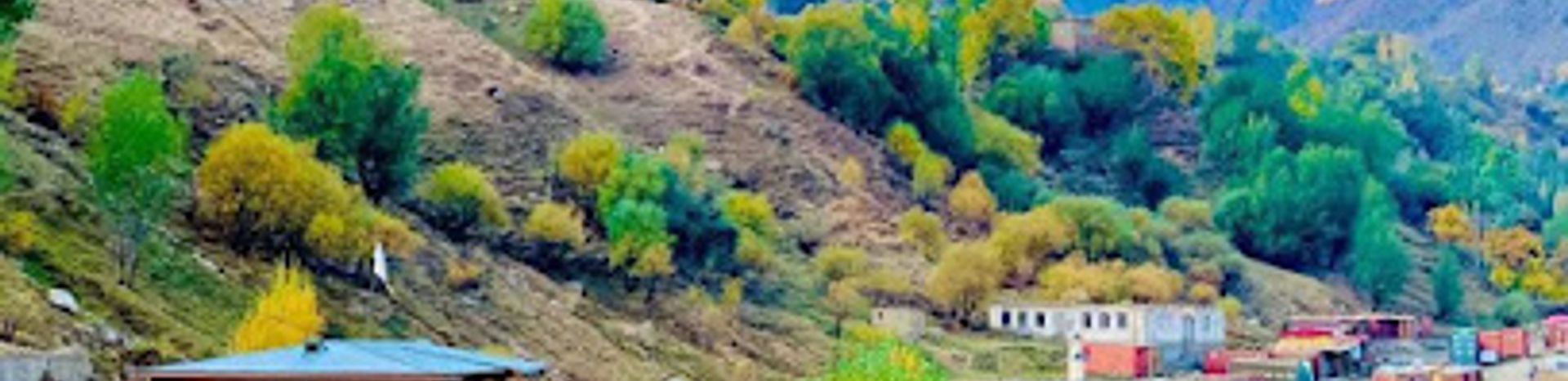
Panjshir Valley: Afghanistan's Emerald Jewel
Discover the breathtaking beauty and rich history of Panjshir Valley, a land of towering mountains, resilient people, and cultural treasures.
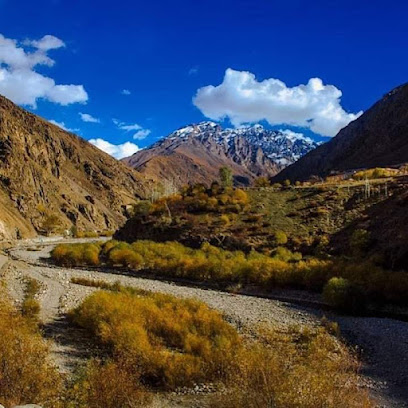
Nestled in the Hindu Kush mountains, Panjshir Valley is known for its stunning landscapes and historical significance as a site of resistance against foreign invasions. The valley offers a unique cultural experience with its Tajik community and warm, welcoming locals.
A brief summary to Panjshir Province ولایت پنجشیر
- GX34+22M, Arew, AF
Local tips
- Visit during spring (March-May) or autumn (September-November) for pleasant weather and stunning natural colors [2, 4].
- Hire a local guide for trekking and exploring remote areas to ensure safety and gain insights into the region's history and culture [2, 4].
- Respect local customs and traditions, especially regarding photographing women and religious sites [4].
- Bargain respectfully at the Bazarak Market for handicrafts and souvenirs, supporting local artisans fairly [4].
- Stay updated on the current security situation and travel advisories before and during your visit, exercising caution in unfamiliar areas [4].

Getting There
-
Driving/Taxi
The most common way to reach Panjshir Valley is by road from Kabul [4]. Hire a local driver or taxi for the approximately 2-3 hour journey to Bazarak [4]. The route generally follows the Kabul-Mazar e Sharif Road, turning northeast at Jabal Saraj (Parwan Province) [4]. Be prepared for a security checkpoint near the beginning of Panjshir Province where documents will be checked [4]. Hiring a taxi from Kabul to Panjshir Valley can cost between $110-$140 [4, 14].
-
Public Transport
Minibuses and shared taxis are available from Kabul to Bazarak [4]. The journey takes approximately 2-3 hours and costs around 200 AFN (approximately $2.50 USD) [4]. These options may require more flexibility and patience but offer a more budget-friendly travel [4, 21].
Discover more about Panjshir Province ولایت پنجشیر
Iconic landmarks you can’t miss

Koh-e Baghlan
4.8 km
Discover the serene beauty of Koh-e Baghlan, Afghanistan: panoramic views, rugged landscapes, and a tranquil escape into the heart of Afghan nature.

Panjshir River
18.3 km
Discover the turquoise lifeline of Afghanistan's Panjshir Valley, a river steeped in history and surrounded by breathtaking mountain scenery.
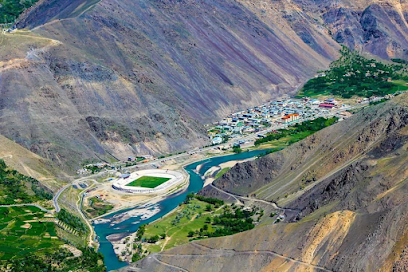
Mersmel
21.2 km
Discover Mersmel, Afghanistan: a challenging yet rewarding mountain peak in the Hindu Kush, offering stunning natural beauty and cultural richness.
Khenj Big Mosque
21.7 km
Discover the spiritual heart of Rakh at Khenj Big Mosque, a testament to Afghan Islamic heritage and community.
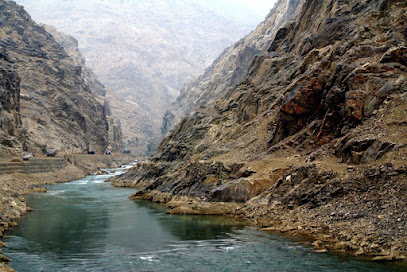
Nuristan
32.8 km
Discover Nuristan: Afghanistan's hidden gem, where ancient traditions meet breathtaking landscapes in the heart of the Hindu Kush.
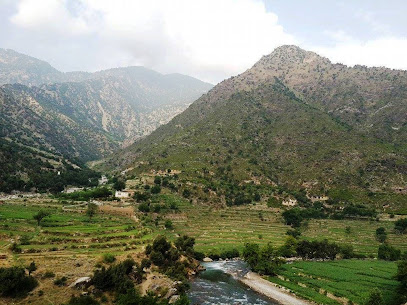
Panjshir Valley
51.4 km
Discover the untouched beauty and resilient spirit of Panjshir Valley, Afghanistan: a land of dramatic landscapes, rich history, and warm hospitality nestled in the heart of the Hindu Kush.
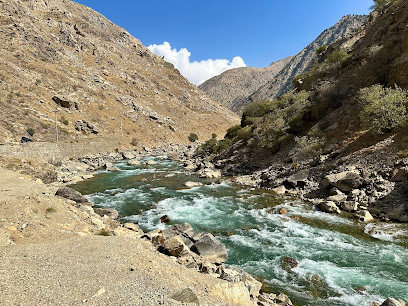
Darah-ye Shashan
64.3 km
Discover Darah-ye Shashan, Afghanistan's hidden ravine: where stunning landscapes meet rich cultural heritage for an unforgettable adventure.
Kantiwa
74.4 km
Escape to Kantiwa Park in Parun, Afghanistan: a serene oasis where nature, culture, and community intertwine amidst Nuristan's stunning landscapes.
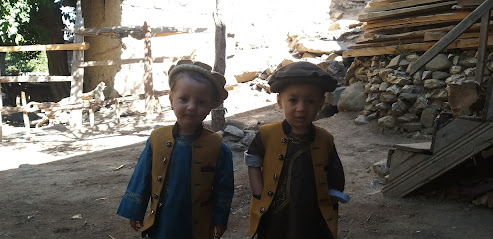
Darah-ye Pinawi
78.1 km
Discover Darah-ye Pinawi: Afghanistan's hidden ravine offering stunning landscapes, serene nature, and a unique cultural experience.
Koh-e Firishti
82.2 km
Discover the breathtaking heights of Koh-e Firishti, a hidden mountain peak in Afghanistan, offering stunning views and cultural experiences.
مرکزي پل Main Bridge
85.7 km
Discover the vital Main Bridge in Parun, Nuristan, connecting communities amidst Afghanistan's breathtaking mountain scenery.
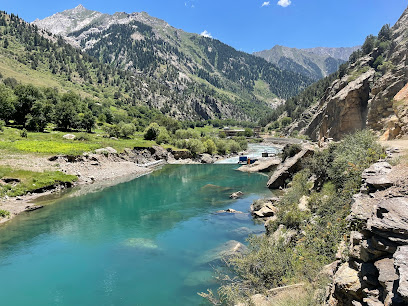
Parwan star hotel
89.8 km
Experience authentic Afghan flavors and warm hospitality at Parwan Star Hotel in Charikar. A culinary gem you won't want to miss!
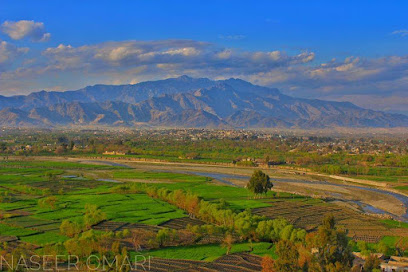
Qala-e-Seraj
96.1 km
Explore Qala-e-Seraj in Mitarlam, a beautifully restored palace with historical significance and unique early 20th-century Afghan architecture.
Unmissable attractions to see

Bamwardar بام وردار
8.6 km
Discover Bamwardar: An immersive journey into Afghan culture and breathtaking landscapes along the historic Saricha Road. A must-see destination!
Koh-e Aw Posh
33.0 km
Discover the breathtaking beauty of Koh-e Aw Posh, a majestic mountain peak in Afghanistan offering stunning views, hiking trails, and cultural experiences.
Yajun
71.9 km
Discover Yajun, a challenging mountain peak in Afghanistan's Hindu Kush, offering breathtaking views and a glimpse into untouched natural beauty.
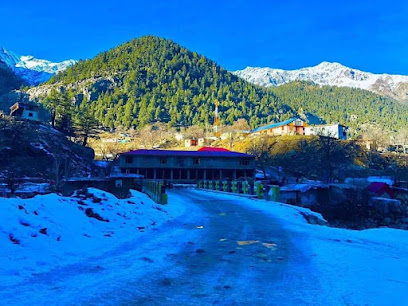
محل شهادت امير حبيب الله خان
72.1 km
Discover the historical site of Amir Habibullah Khan's assassination in Nangaresh, offering a glimpse into Afghanistan's complex past.
Koh-e Karbas Darah
73.7 km
Discover the breathtaking beauty of Koh-e Karbas Darah, a majestic mountain peak in Afghanistan, perfect for adventurers and nature lovers.
Jamal Agha Kohestan Kapisa
77.0 km
Discover the untouched beauty and rich culture of Jamal Agha Kohestan in Kapisa, Afghanistan, a serene escape in the heart of the Hindu Kush [5, 6].
Pul-Saiad Mahmude Raqi
80.9 km
Escape to the serene beauty of Pul-Saiad Mahmude Raqi, a perfect picnic spot near Kabul offering tranquility and stunning landscapes.
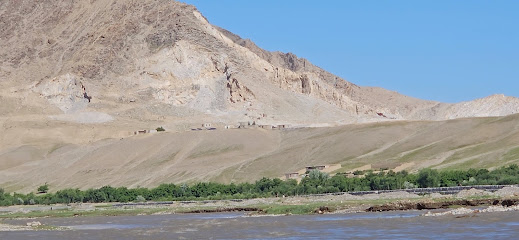
Nuristan National Park
80.9 km
Discover Afghanistan's hidden gem: Nuristan National Park, where rugged mountains, lush forests, and unique culture await adventurous travelers.
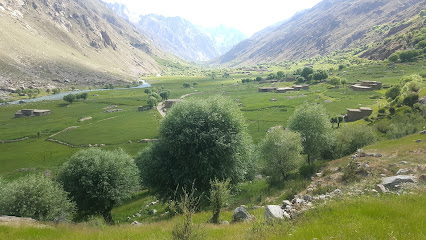
Shomash Hill
84.7 km
Discover breathtaking views and serene landscapes at Shomash Hill in Nuristan, Afghanistan, a hidden gem for nature lovers and adventure seekers [4].
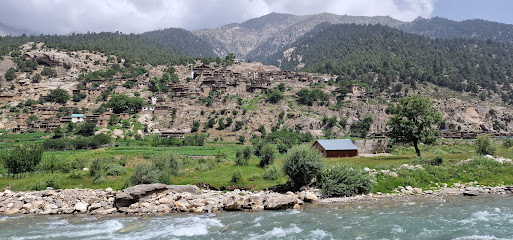
Bastalah
93.5 km
Discover Bastalah in Kunar, Afghanistan: Untouched beauty, rich culture, and breathtaking landscapes await in this hidden gem of the Hindu Kush.
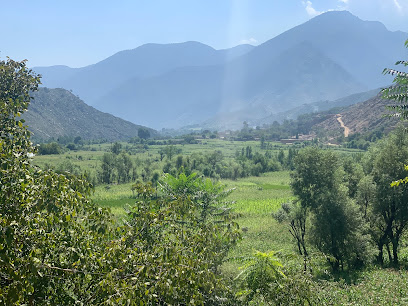
Kiran wa Munjan
95.8 km
Discover the untouched beauty of Kiran wa Munjan, Afghanistan: a hidden ravine offering breathtaking landscapes and cultural immersion.
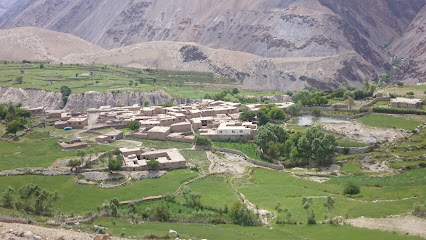
Koh-e Abpar
96.2 km
Discover the breathtaking beauty and adventure of Koh-e Abpar, a majestic mountain peak in Afghanistan, perfect for nature lovers and thrill-seekers.
Essential places to dine

Restaurant Dilkafanak رستورانت دلکفانک
31.4 km
Experience authentic Afghan flavors at Restaurant Dilkafanak on Saricha Road - where every dish tells a story.
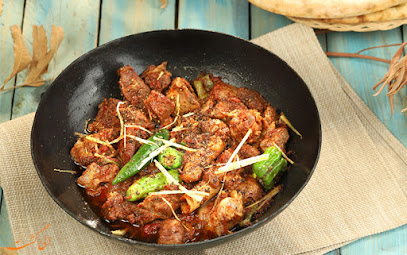
Zamarot Resort
56.7 km
Discover Zamarot Resort: A delightful Western dining experience in Afghanistan's scenic landscape.
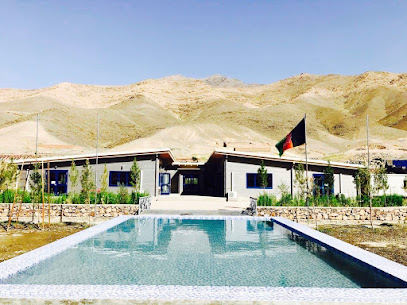
رستورانت- Restaurant
66.6 km
Experience authentic Afghan cuisine in Chashamaw at this top-rated restaurant known for its delicious dishes and warm hospitality.
KING RESTURANT
68.3 km
Discover KING RESTAURANT in Chaharmaghzzah: A family-friendly dining experience offering diverse flavors from local Afghan cuisine to international delights.
گلبهار رستورانت- Gulbahar Restaurant
69.9 km
Experience authentic Afghan cuisine at Gulbahar Restaurant in Jananjoy – where every dish tells a story.
Ensaf Restaurant
80.8 km
Experience authentic Afghani cuisine at Ensaf Restaurant in Saiad - where every meal tells a story.
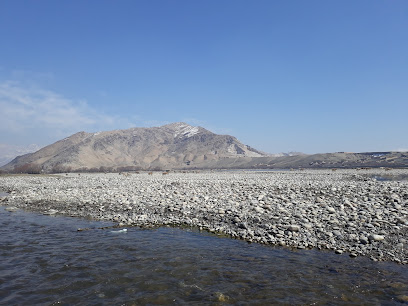
Sadaqat burger صداقت برگر
89.1 km
Savor authentic Afghan flavors at Sadaqat Burger - where every bite tells a story of local tradition and taste.

Panjsher Restaurant پنجشیر رستورانت
89.6 km
Experience authentic Afghan cuisine at Panjsher Restaurant in Charikar - a culinary delight filled with rich flavors and cultural warmth.
Imran Shinwari house
90.8 km
Savor the rich flavors of authentic Afghan cuisine at Imran Shinwari House in Kuanr – an unforgettable culinary experience awaits.
Sherrin Mohamedi Restaurant
93.3 km
Discover authentic Afghan cuisine at Sherrin Mohamedi Restaurant, where each dish tells a story of tradition and flavor.
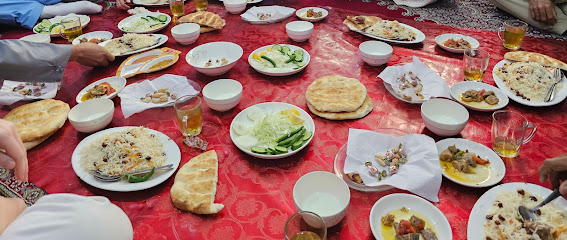
Zaland Khatiz Restaurant /ځلاند ختیځ ریستورانت
96.5 km
Experience authentic Afghan flavors at Zaland Khatiz Restaurant in Mitarlam - a true culinary treasure.
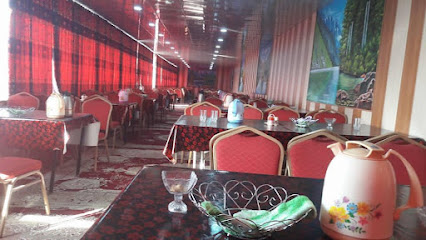
Markets, malls and hidden boutiques

Puzhghoor
26.1 km
Explore Puzhghoor in Kharo, Afghanistan, for unique home goods that reflect the rich craftsmanship and cultural heritage of the region.
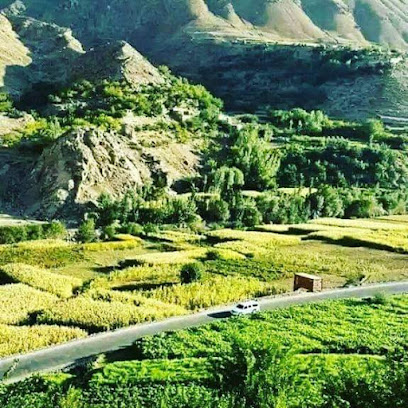
Bazar Abshar بازار آبشار
35.4 km
Experience the vibrant culture and unique crafts at Bazar Abshar, a must-visit marketplace in Afghanistan.
Blue Sky Supermarket
45.4 km
Explore local flavors and essentials at Blue Sky Supermarket in Bazarak, Afghanistan - a must-visit for every traveler seeking authentic experiences.
Bazarak supermarket
45.5 km
Explore local culture and authentic Afghan flavors at Bazarak Supermarket, the heart of shopping in Bazarak, Afghanistan.
Gujrat
57.9 km
Explore the enchanting world of literature at Gujrat bookstore in Kendar, Afghanistan, a treasure trove of books reflecting local culture.
Seshanba Bazaar سه شنبه بازار
61.1 km
Experience the vibrant Seshanba Bazaar in Nejrab, Afghanistan, where culture, shopping, and local flavors come together in a unique marketplace.
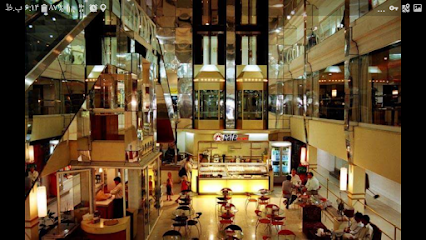
Shirwani Bazar بازار شیروانی
62.8 km
Discover the vibrant atmosphere of Shirwani Bazar in Tawaichan, Afghanistan - a treasure trove of local crafts, delicious food, and cultural immersion.
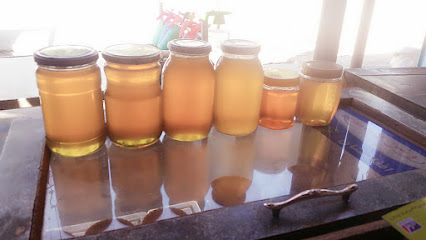
عنایت الله
64.9 km
Discover the essence of Afghan culture at the vibrant store of عنایت الله in Samandur, where tradition meets local craftsmanship.
Juma Bazaar جمعه بازار
65.4 km
Discover the vibrant Juma Bazaar in Pachaghan, Nejrab, where local culture, crafts, and cuisine come together for an unforgettable shopping experience.
Haji Abdul Nabi Store
71.4 km
Explore Haji Abdul Nabi Store in Jananjoy, Afghanistan, for authentic handicrafts and a glimpse into local culture and artistry.
Faiz Computer Store
76.3 km
Discover Jabul Sarag's tech gem, the Faiz Computer Store, offering a wide array of computer products and friendly local service.
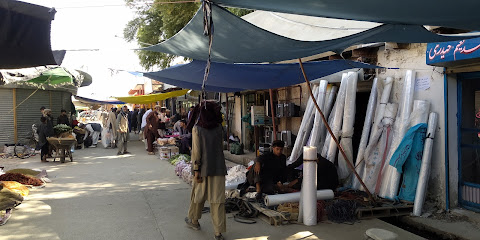
Rub Tawaqal General and Karyana Store
80.0 km
Discover local flavors and daily essentials at Rub Tawaqal General and Karyana Store in Lalamusa, a unique shopping experience in Afghanistan.
Haji shir agha shops
80.3 km
Explore the vibrant offerings of Haji Shir Agha Shops in Saiad, a must-visit destination for authentic Afghan products and local treasures.
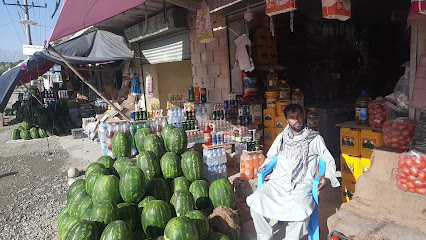
4VVR+GCH Aranas
85.4 km
Discover the heart of Parun at 4VVR+GCH Aranas Store, where local culture and unique products come together to create an unforgettable shopping experience.
مارکيت زنانه ، شهرداری پارون
87.6 km
Discover the rich culture and craftsmanship at Parun's Women's Market, a vibrant hub of local artisans and traditional Afghan flavors.
Essential bars & hidden hideouts

mashallah
44.8 km
Discover the authentic taste of Afghan cuisine at Mashallah in Bazarak, where every dish tells a story of tradition and flavor.
پالرجاه
47.3 km
Explore the enchanting flavors of traditional Afghan sweets at پالرجاه, a charming sugar shack in Daolana, Afghanistan.
Kōh-e Bar-e Paytow
80.4 km
Explore the breathtaking heights of Kōh-e Bar-e Paytow, a majestic mountain peak in Afghanistan, perfect for adventure seekers and nature lovers alike.
Kazim restaurant کاظم رستورانت
80.6 km
Experience the authentic flavors of Afghan cuisine at Kazim Restaurant in Saiad, where tradition meets hospitality.
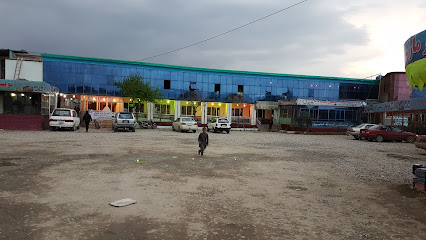
Kachary Khor
82.5 km
Discover the warmth of Afghan hospitality at Kachary Khor, a local bar offering a vibrant atmosphere and authentic drinks in 'Alingar.
Maydan Rahin
82.5 km
Experience the lively atmosphere of Maydan Rahin, a premier sports bar in Alisheng, Afghanistan, where fans unite over great food and thrilling sports.
safiullah khan
82.8 km
Discover the essence of Afghan cuisine at Safiullah Khan in Alingar, a delightful restaurant offering authentic flavors and warm hospitality.
ارشاد رستورانت
85.4 km
Discover the rich and diverse flavors of Asian cuisine at Ershad Restaurant in Parun, Afghanistan, an essential stop for food enthusiasts.
رستورانت حاجی ولی / Haji wali Restaurant
89.6 km
Discover the rich flavors of Afghan cuisine at Haji Wali Restaurant in Charikar, where every meal tells a story of tradition and hospitality.
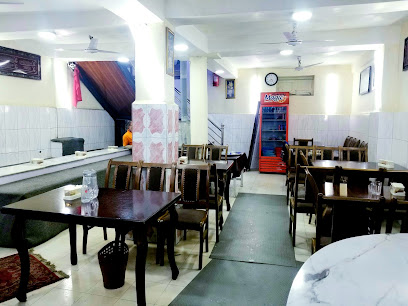
Khaliqyar
92.0 km
Discover Khaliqyar, a lively bar in Diva, Afghanistan where local culture meets relaxation in a warm and inviting atmosphere.
Nightclubs & after hour spots

خبازی شایق الله سخی زاده
97.9 km
Discover the heart of Afghan culinary tradition at Shaiq Allah Sakhizadeh Bakery in Nahrain, where every bite tells a story.
خانه محمد رسول کابلی
98.7 km
Explore Afghan culture at خانه محمد رسول کابلی, a welcoming bar in Nahrain serving traditional drinks and snacks in a friendly atmosphere.


