Panjshir River, Panjshir Travel Guide
Discover the turquoise lifeline of Afghanistan's Panjshir Valley, a river steeped in history and surrounded by breathtaking mountain scenery.
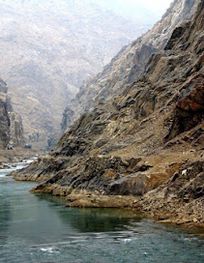
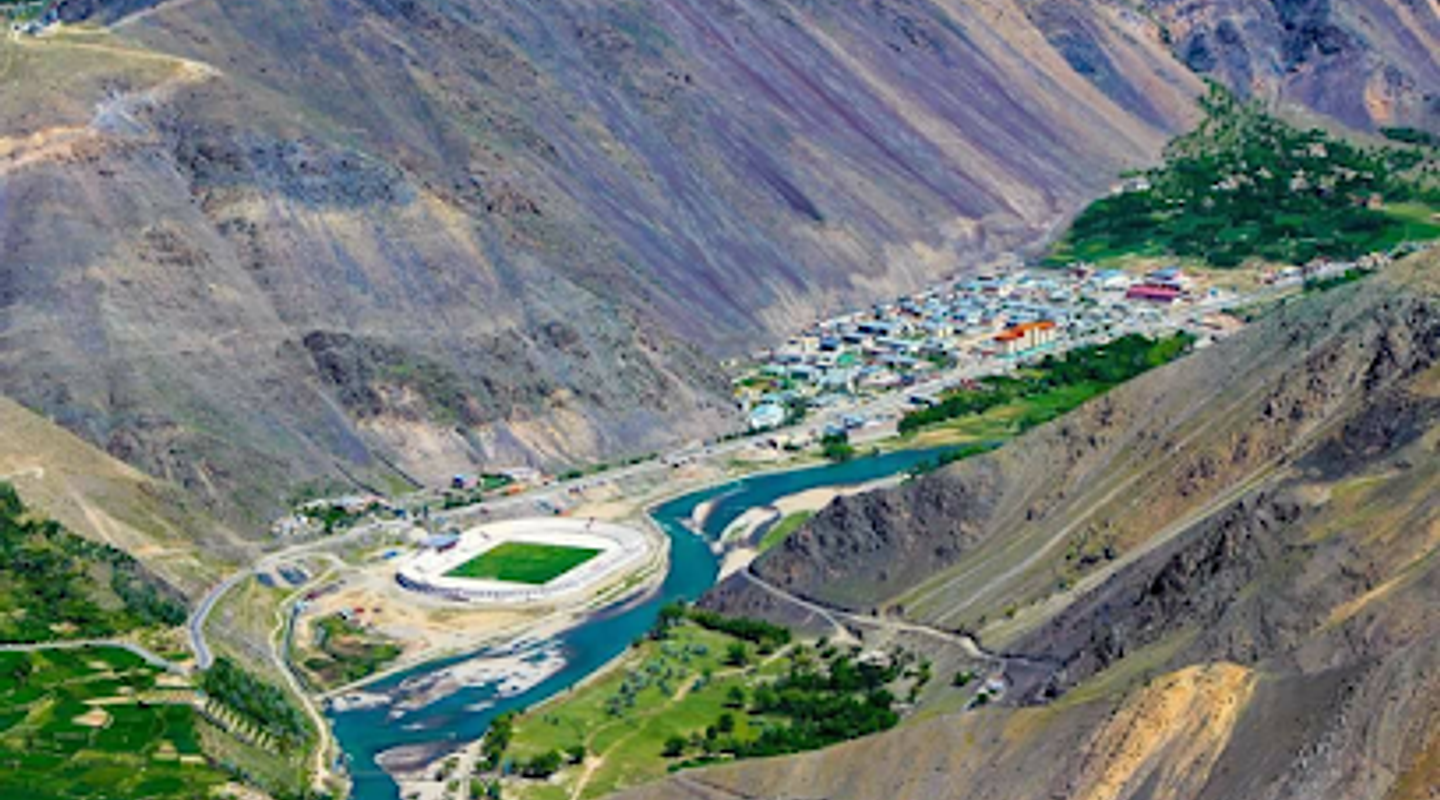
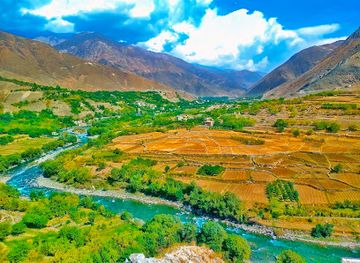
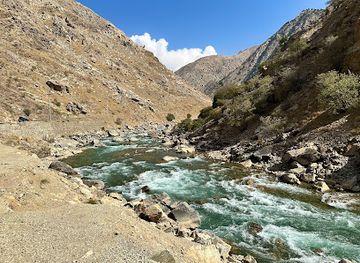
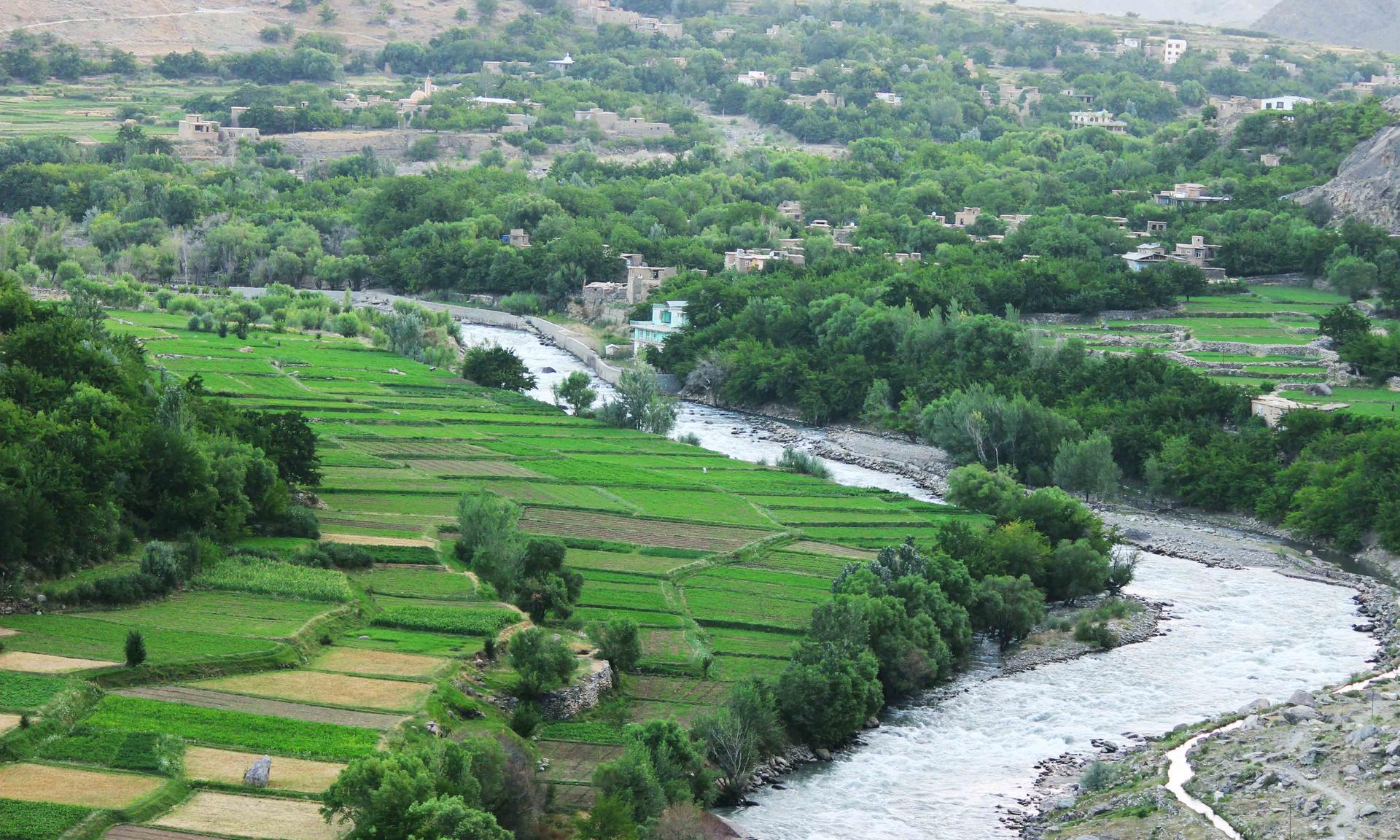
The Panjshir River, a stunning ribbon of turquoise, is the defining feature of the Panjshir Valley in northeastern Afghanistan [7, 12]. Originating high in the Hindu Kush mountains, its glacial waters cascade through the valley, providing essential water and shaping the region's history and culture [7].
A brief summary to Panjshir River
- AF

Know before you go
Hi, I'm Eve. Here are a few practical things to know before exploring Panjshir River.
- Visit during spring (April to June) or early autumn (September to October) for mild temperatures and comfortable trekking conditions [3, 5, 6].
- Engage a local guide for trekking and exploring remote areas to ensure safety and gain insights into the region's history and culture [6, 8].
- Respect local customs and traditions, particularly when photographing women and religious sites [6].
- Bargain respectfully at local markets for handicrafts and souvenirs, supporting local artisans fairly [6].
- Stay updated on the current security situation and travel advisories before and during your visit, exercising caution in unfamiliar areas [3, 6].
Do you manage this location?
Take control to get all the benefits, like improved information, better appearance, and stronger visibility across AI-powered discovery. Learn more about listing your business on Evendo
Activate your presenceOther nearby places you may find interesting
The closest places of the same kind, if this one is not quite what you had in mind.
Explore Panjshir River on the Map
A handpicked selection of must-see spots near Panjshir River, mapped for you.
Getting There
-
Walking
From the heart of Bazarak, the capital of Panjshir Province, the Panjshir River is easily accessible on foot. Follow the main road through the city, and you'll quickly find yourself alongside the river. Locals often gather along its banks for picnics or fishing [3]. Enjoy a leisurely stroll along the riverbanks, taking in the stunning views of the valley. There are no costs associated with accessing the river.
-
Taxi
If arriving in Panjshir via taxi from Kabul (approximately a 2-hour drive [4, 5]), arrange for the driver to drop you off in Bazarak [8]. From there, the river is a short walk. A taxi from Kabul may cost around $45 USD for a day trip [8]. Negotiate the fare beforehand. There are no additional costs for accessing the river.
Discover more about Panjshir River













Your all‑in‑one travel companion app
Explore expert travel guides, compare and book tours, experiences, hotels, and more—all from the palm of your hand. Download now for seamless trip planning wherever your wanderlust takes you.


Explore More of Panjshir
Looking beyond Panjshir River? Discover Panjshir for broader travel guides, local hot-spots, and regional highlights.
Explore Panjshir