

Nuristan, Afghanistan Travel Guide
Discover the untouched wilderness and rich cultural heritage of Nuristan, Afghanistan's hidden paradise for adventurers and culture enthusiasts.
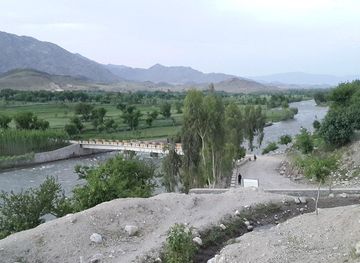
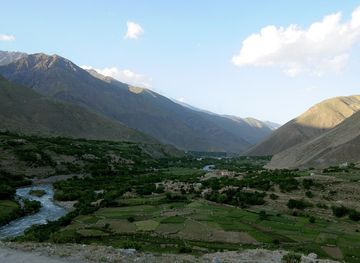
Nestled in the rugged eastern region of Afghanistan, Nuristan is a hidden gem waiting to be explored. This remote province is known for its stunning natural landscapes, including towering mountains, dense forests, and crystal-clear rivers. The area is a paradise for trekkers and nature lovers who seek adventure off the beaten path. Nuristan is not just about natural beauty; it is also rich in culture and history. The Nuristani people have preserved their unique traditions and way of life, providing visitors with an authentic cultural experience. The region's villages, with their wooden houses and terraced fields, offer a glimpse into a way of life that has remained unchanged for centuries. Visitors to Nuristan will find themselves immersed in a world of scenic beauty and cultural richness. Whether you're hiking through its breathtaking landscapes or engaging with its warm and hospitable people, Nuristan promises an unforgettable journey.

Know before you go
Hi, I'm Eve. Here are a few practical things to know before exploring Nuristan.
- Check local travel advisories and ensure you have the necessary permits.
- Hire a local guide for a safer and more informative experience.
- Pack essentials like food, water, and medical supplies as facilities are limited.
- Respect local customs and traditions; dress modestly and ask for permission before taking photos.
- Be prepared for limited connectivity; inform someone about your travel plans.
Destinations in Nuristan
Resorts, valleys and scenic spots worth a trip of their own.

Explore Nuristan: Things to Do, Places to Eat, Hotels & More
Handpicked recommendations for top attractions, local dining, accommodations, and more

Top Attractions & Sightseeing in Nuristan
Top-rated picks
Best Attractions

Nuristan National Park
Discover Afghanistan's hidden alpine paradise: rugged mountains, lush forests, and unique culture await in Nuristan National Park.

Nuristan national park
Discover Afghanistan's hidden gem: Nuristan National Park. Explore rugged mountains, lush forests, and unique culture in this remote paradise.

Shomash Hill
Discover panoramic views and serene landscapes at Shomash Hill in Nuristan, Afghanistan, a hidden gem for nature lovers.

Best landmarks in Nuristan
Top-rated picks
Best Landmarks

Babur Garden
Explore Kabul's serene Bagh-e Babur, the final resting place of the first Mughal emperor and a beautifully restored historical garden.

The National Museum of Afghanistan
Discover millennia of Afghan history and cultural heritage at Kabul's National Museum, a symbol of resilience and a treasure trove of Silk Road artifacts.

Wakhan National Park
Explore Afghanistan's Wakhan National Park: a remote haven of stunning landscapes, unique wildlife, and vibrant Silk Road history.

Nuristan National Park
Discover Afghanistan's hidden gem: Nuristan National Park, where rugged mountains meet rich culture and untouched wilderness.

Best restaurants in Nuristan
Top-rated picks
Best Restaurants

Mr.cook fast food
Discover delicious local flavors at Mr. Cook Fast Food in Kabul - where fast food meets Afghan hospitality!

Baba Wali Hotel بابا ولې هوټل
Savor authentic Afghan flavors at Baba Wali Hotel in Jalalabad - a culinary gem on your travel journey.

Green Hut Pizza Restaurant
Experience the best of Afghan hospitality with delicious pizzas at Green Hut Pizza Restaurant in Jalalabad.

Chinar Restaurant & Café
Experience authentic Afghan cuisine at Chinar Restaurant & Café in Kabul, where tradition meets taste in a charming setting.

Best bars in Nuristan
Top-rated picks
Best Bars

Nuristan National Park
Explore the breathtaking landscapes and rich biodiversity of Nuristan National Park, an untouched paradise in Afghanistan.

حمام حاجي مير احمد
Experience the rich heritage and relaxation of Hamam Haji Mir Ahmad, a serene bar in the heart of Kabul, Afghanistan.

Rokhan Sport House and Tikwando Club
Discover the excitement of Taekwondo and vibrant sports culture at Rokhan Sport House and Tikwando Club in Jalalabad, where passion meets community.

Habib Gulazar Company
Experience the vibrant nightlife of Jalalabad at Habib Gulazar Company, where tradition meets modernity in a lively bar atmosphere.

Best nightclubs in Nuristan
Top-rated picks
Best Nightclubs

Nuristan National Park
Explore the breathtaking landscapes and rich biodiversity of Nuristan National Park, a hidden gem in Afghanistan's natural heritage.

Rokhan Sport House and Tikwando Club
Experience the vibrant sports culture of Jalalabad at Rokhan Sport House and Taekwondo Club, where community and athleticism unite.

Habib Gulazar Company
Discover the vibrant ambiance and unique local beverages at Habib Gulazar Company, a must-visit bar in Jalalabad, Afghanistan.

Ziarat
Experience the vibrant nightlife of Ziarat, Afghanistan's premier night club, where culture and entertainment meet under the stars.

Best shops in Nuristan
Top-rated picks
Best Shops

Nuristan National Park
Explore the stunning landscapes and rich biodiversity of Nuristan National Park, an untouched paradise in Afghanistan for nature lovers and adventurers.

Naaz Boutique Afghani dresses store
Discover the vibrant world of Afghani fashion at Naaz Boutique, where tradition meets contemporary style in Kabul's Caravan Mall.

Amir Hassan
Discover the vibrant local culture at Amir Hassan Supermarket, a must-visit destination for tourists in Asdabad, Afghanistan.

Sajad safi
Discover the local flavors of Afghanistan at Sajad Safi, a charming grocery store in Bar Kanday, perfect for tourists seeking authentic experiences.

Explore Nuristan on the Map
A handpicked selection of must-see spots in Nuristan, mapped for you.
Nuristan Essentials
-
Nuristan is located in the eastern part of Afghanistan. The nearest major city with an international airport is Kabul, which is approximately 200 kilometers away. From Kabul, you can hire a private car or take a local bus to reach Nuristan. The journey can take anywhere from 6 to 12 hours depending on road conditions and security checkpoints. Alternatively, you can arrange for a domestic flight to Jalalabad and then continue by road to Nuristan.
-
Transportation within Nuristan is limited due to its rugged terrain and remote location. Most travel within the region is done by foot, horseback, or four-wheel-drive vehicles. Local taxis are rare, and it is advisable to arrange transportation in advance through local guides or tour operators. Be prepared for challenging road conditions and plan your trips accordingly.
-
The official currency in Afghanistan is the Afghan Afghani (AFN). Credit cards are seldom accepted in Nuristan, so it is crucial to carry sufficient cash. There are no ATMs in the region, so make sure to withdraw enough money in Kabul or Jalalabad before traveling to Nuristan. Local markets and shops accept only cash payments.
-
Nuristan is generally a safe region for tourists, but it is important to stay vigilant due to the overall security situation in Afghanistan. Avoid traveling alone and always stay informed about the current security conditions. Areas near the border with Pakistan and certain remote regions may have higher risks due to insurgent activities. It is advisable to travel with a local guide who is familiar with the area.
-
In case of emergency, it is recommended to contact the local authorities or the nearest police station. Mobile phone coverage can be spotty, so carry a satellite phone if possible. For medical emergencies, the nearest hospitals are located in Jalalabad or Kabul. Travel insurance that covers medical evacuation is highly recommended. Carry a basic first-aid kit and any necessary medications.
-
Fashion: Do dress modestly, covering your shoulders and legs. Avoid wearing flashy or revealing clothing. Religion: Do respect local religious customs. Always ask for permission before entering mosques and remove your shoes. Public Transport: Do be patient, as transportation can be slow and unpredictable. Don't expect Western standards of comfort. Greetings: Do greet people with a handshake and a warm smile. Avoid physical contact with the opposite gender unless initiated by them. Eating & Drinking: Do try local foods and accept hospitality graciously. Don't eat or drink in public during the fasting hours of Ramadan.
-
To experience Nuristan like a local, engage with the local community and participate in traditional events and ceremonies. Visit the local bazaars to purchase handmade crafts and traditional clothing. Respect the local customs and traditions, and you will be welcomed warmly. Consider staying in a guesthouse or homestay to gain a deeper understanding of the local way of life. Hiking in the beautiful mountainous terrain is a must-do activity, but always go with a guide for safety.
When is the best time to visit Nuristan?
Useful Local Phrases for Nuristan
You don't need to speak the language perfectly. Even learning a few simple words can make conversations warmer—and locals usually appreciate the effort.
— Eve

Here are the phrases I use most often in Nuristan. Try a few—you'll be surprised how far they go! 😊
❤️
-
- Helloسلام
[Salam] - Goodbyeخدا حافظ
[Khuda Hafiz] - Yesهو
[Ho] - Noنه
[Na] - Please/You're welcomeلطفا / خوش آمدید
[Lotfan / Khush Amadeed] - Thank youتشکر
[Tashakur] - Excuse me/Sorryببخشید
[Bebakhshid] - How are you?چطور هستید؟
[Chetor Hastid?] - Fine. And you?خوبم. و شما؟
[Khobam. Wa Shoma?] - Do you speak English?آیا شما انگلیسی صحبت میکنید؟
[Aya Shoma Englisi Sohbat Mikonid?] - I don't understandمتوجه نمیشوم
[Motavajjeh Nemi Shavam]
- Helloسلام
-
- I'd like to see the menu, pleaseلطفا منوی غذا را ببینم
[Lotfan Menuye Ghaza Ra Beminam] - I don't eat meatمن گوشت نمیخورم
[Man Gusht Nemi Khuram] - Cheers!سلامتی!
[Salamati!] - I would like to pay, pleaseلطفا میخواهم پرداخت کنم
[Lotfan Mikham Pardakht Konam]
- I'd like to see the menu, pleaseلطفا منوی غذا را ببینم
-
- Help!کمک!
[Komak!] - Go away!برو برو!
[Boro Boro!] - Call the Police!پلیس را صدا کنید!
[Police Ra Seda Konid!] - Call a doctor!دکتر را صدا کنید!
[Doktor Ra Seda Konid!] - I'm lostگم شدهام
[Gom Shodeam] - I'm illبیمار هستم
[Bimar Hastam]
- Help!کمک!
-
- I'd like to buy...میخواهم بخرم...
[Mikham Bekharam...] - I'm just lookingفقط دارم نگاه میکنم
[Faqat Daram Negah Mikonam] - How much is it?این چقدر است؟
[In Chande Ast?] - That's too expensiveاین خیلی گران است
[In Kheyli Garan Ast] - Can you lower the price?آیا میتوانید قیمت را پایین بیاورید؟
[Aya Mitavanid Gheymat Ra Pain Biavarid?]
- I'd like to buy...میخواهم بخرم...
-
- What time is it?ساعت چنده؟
[Saat Chande?] - It's one o'clockیک ساعت است
[Yek Saat Ast] - Half past (10)نیم ساعت (۱۰)
[Nim Saat (10)] - Morningصبح
[Sob] - Afternoonبعد از ظهر
[Bad Az Zohr] - Eveningشام
[Sham] - Yesterdayدیروز
[Dirooz] - Todayامروز
[Emrooz] - Tomorrowفردا
[Farda] - 1یک
[Yek] - 2دو
[Do] - 3سه
[Se] - 4چهار
[Chahar] - 5پنج
[Panj] - 6شش
[Shesh] - 7هفت
[Haft] - 8هشت
[Hasht] - 9نه
[No] - 10ده
[Dah]
- What time is it?ساعت چنده؟
-
- Where's a/the...?کجاست ...؟
[Kojast ...?] - What's the address?آدرس چیست؟
[Adres Chist?] - Can you show me (on the map)?آیا میتوانید به من نشان دهید (روی نقشه)؟
[Aya Mitavanid Be Man Neshan Dahid (Ruye Naqshe)?] - When's the next (bus)?کی اتوبوس بعدی است؟
[Ki Otobus Ba'di Ast?] - A ticket (to ....)یک بلیط (به ...)
[Yek Belit (Be ...)]
- Where's a/the...?کجاست ...؟
History of Nuristan
-
Nuristan, historically known as Kafiristan, has a rich history dating back to ancient times. The region was inhabited by Indo-Iranian tribes who practiced an animist religion. These early inhabitants were known for their unique cultural practices and resistance to external influences.
-
In 327 BCE, Alexander the Great's army passed through the region on their way to India. The rugged terrain and fierce independence of the Nuristani people posed significant challenges to Alexander’s campaign, leaving a lasting impression on the region's history.
-
Throughout the early Islamic period, Nuristan remained largely isolated from the rest of Afghanistan due to its mountainous geography. The region resisted Islamic conversion for centuries, maintaining its indigenous religious practices and earning it the name 'Kafiristan' or 'Land of the Infidels'.
-
In the late 19th century, under the rule of Emir Abdur Rahman Khan, the Afghan government launched a campaign to forcibly convert the people of Kafiristan to Islam. By 1896, the region was renamed 'Nuristan', meaning 'Land of Light', following the widespread conversion of its inhabitants.
-
During the Soviet-Afghan War (1979-1989), Nuristan became a stronghold for the Mujahideen due to its challenging terrain and fiercely independent population. The region saw significant conflict as Afghan resistance fighters used it as a base to launch guerrilla attacks against Soviet forces.
-
Despite the many changes over the centuries, Nuristan has preserved much of its unique cultural heritage. The Nuristani people are known for their distinct languages, traditional woodcarving, and vibrant festivals. The region’s cultural practices offer a glimpse into a way of life that has endured through centuries of isolation and external pressures.
-
Today, Nuristan remains one of Afghanistan's most remote and least developed regions. Efforts to improve infrastructure and accessibility are ongoing, but the region's challenging geography continues to pose significant hurdles. Nevertheless, Nuristan's stunning landscapes and rich cultural history make it a fascinating destination for intrepid travelers.
Neighbouring Regions of Nuristan
The closest regions to Nuristan, if you have time for more than one.




Your all‑in‑one travel companion app
Explore expert travel guides, compare and book tours, experiences, hotels, and more—all from the palm of your hand. Download now for seamless trip planning wherever your wanderlust takes you.


Explore More of Afghanistan

Looking beyond Nuristan? Discover Afghanistan for broader travel guides, local hot-spots, and regional highlights.
Explore AfghanistanNuristan in Photos
Browse through our photo collection highlighting the charm and character of the destination.

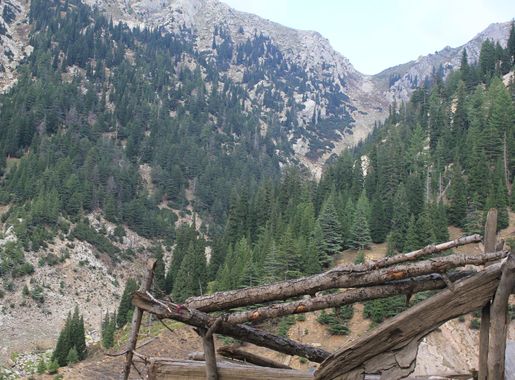


The Untamed Beauty of Nuristan
Nestled in the rugged eastern region of Afghanistan, Nuristan is a hidden gem waiting to be explored. This remote province is known for its stunning natural landscapes, including towering mountains, dense forests, and crystal-clear rivers. The area is a paradise for trekkers and nature lovers who seek adventure off the beaten path. Nuristan is not just about natural beauty; it is also rich in culture and history. The Nuristani people have preserved their unique traditions and way of life, providing visitors with an authentic cultural experience. The region's villages, with their wooden houses and terraced fields, offer a glimpse into a way of life that has remained unchanged for centuries. Visitors to Nuristan will find themselves immersed in a world of scenic beauty and cultural richness. Whether you're hiking through its breathtaking landscapes or engaging with its warm and hospitable people, Nuristan promises an unforgettable journey.