

Free Panjshir Travel Guide & Mobile App
Explore Panjshir with free travel guides. Discover regional history, expert tips, proposed trips, and audio guides on web or mobile app.


Panjshir, Afghanistan, is a dramatic Hindu Kush valley shaped by mountain scenery, rural life and the history of Afghan resistance.
Read more about Panjshir
When is the best time to visit Panjshir?
Best: May, September–October · 22–29°C| Month | High (°C) | Rainfall (mm) |
|---|---|---|
| January | 9 | 60 |
| February | 11 | 50 |
| March | 16 | 40 |
| April | 21 | 30 |
| May (best) | 26 | 20 |
| June | 31 | 10 |
| July | 35 | 10 |
| August | 34 | 10 |
| September (best) | 29 | 20 |
| October (best) | 22 | 30 |
| November | 15 | 40 |
| December | 10 | 50 |
Getting to and around Panjshir
How to get there
Transportation
Best landmarks in Panjshir
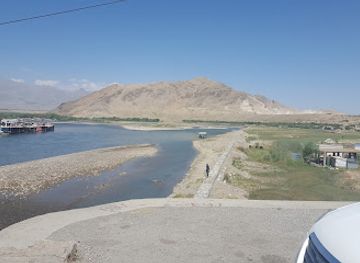
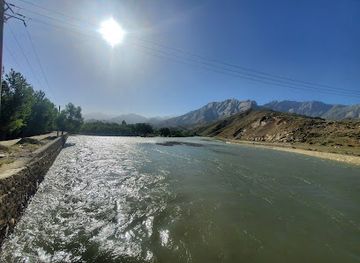
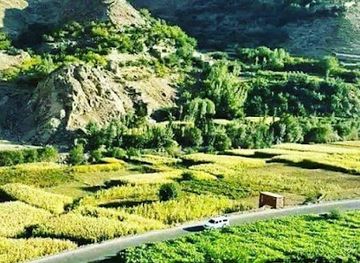
Panjshir’s most significant landmarks are inseparable from its terrain and recent political history. The Panjshir River is the valley’s defining natural feature, running through a corridor enclosed by steep Hindu Kush slopes and linking its principal settlements. Near Bazarak, the mausoleum and memorial associated with Ahmad Shah Massoud commemorate the resistance commander whose role in the Soviet–Afghan War and later conflicts made Panjshir internationally known. The site has political and emotional significance and should be approached respectfully, with permission and without unauthorised photography. The valley road, bridges and narrow side valleys are also visually important expressions of how communities live within a constrained mountain environment, though they are working infrastructure rather than formal monuments. High passes and ridgelines provide a geographical explanation for Panjshir’s defensive history, but remote areas may involve mines, unexploded ordnance, unstable ground and restricted access. There are few universally accessible, formally interpreted landmarks, so the province’s importance lies less in monumental architecture than in the combination of mountain geography, village settlement and memories of conflict.
-
River
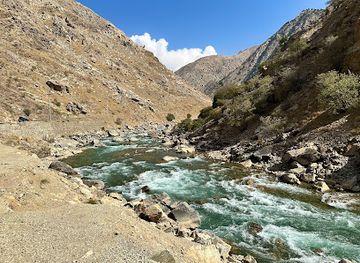
Panjshir River
Discover the turquoise lifeline of Afghanistan's Panjshir Valley, a river steeped in history and surrounded by breathtaking mountain scenery.
-
Tourist attraction
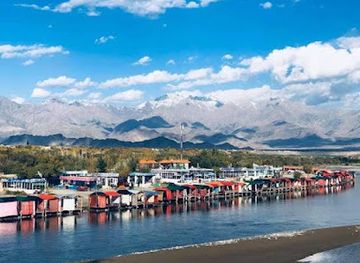
Pul-Saiad Mahmude Raqi
Escape to the serene beauty of Pul-Saiad Mahmude Raqi, a perfect picnic spot near Kabul offering tranquility and stunning natural landscapes.
-
Ravine
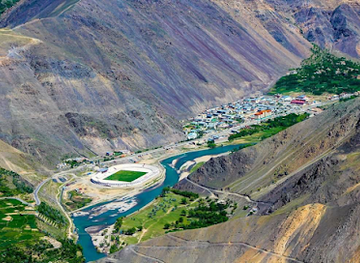
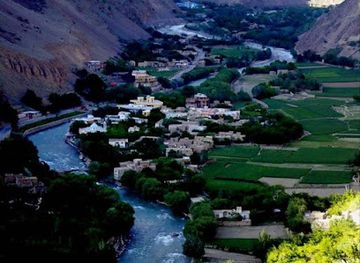
Panjshir Valley
Discover the untouched beauty and resilient spirit of Panjshir Valley, Afghanistan: a land of dramatic landscapes, rich history, and warm hospitality nestled in the heart of the Hindu Kush.
-
Mountain peak
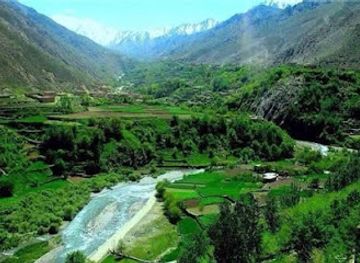
Mersmel
Discover Mersmel, Afghanistan: A majestic mountain peak offering breathtaking views and a challenging climb in the heart of the Hindu Kush.
Explore Panjshir on the map
Plan your trip on one map. See where the top cities, national parks and sights are, and book hotels and experiences in a few clicks.
Best hotels in Panjshir
Best restaurants in Panjshir
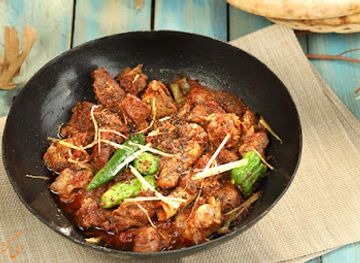
Panjshir has no substantial tourist restaurant scene. Food is generally provided through household hospitality, small local eateries, markets and simple establishments in larger settlements, with menus shaped by what can be sourced and stored in a mountainous province. Visitors may encounter Afghan staples such as rice dishes, bread, beans, yoghurt, soups, grilled meat and tea, alongside seasonal fruit from irrigated valley orchards. Meals are often communal and hospitality carries considerable social importance, although dietary requirements should be explained clearly through a trusted interpreter. In rural areas, supplies can be limited and imported products are unreliable, so visitors requiring particular foods or medical diets should carry suitable provisions. Clean drinking water cannot be assumed; use sealed or properly treated supplies. There is little basis for selecting restaurants by international reviews, and food arrangements should be included in a professionally organised itinerary rather than improvised on arrival.
-
Afghani
Ensaf Restaurant
Discover authentic Afghani cuisine at Ensaf Restaurant, where hearty breakfasts meet traditional flavors in a warm atmosphere.
-
Restaurant
Restaurant Dilkafanak رستورانت دلکفانک
Experience authentic Afghan flavors at Restaurant Dilkafanak - where tradition meets taste in a welcoming atmosphere.
-
Restaurant
Panjshir Restaurant - رستورانت پنجشیر
Discover authentic Afghan cuisine at Panjshir Restaurant in Kabul - a culinary gem offering traditional flavors and warm hospitality.
-
Restaurant
Panjsher Restaurant
Discover authentic Afghan cuisine at Panjsher Restaurant in Charikar - a delightful blend of flavors and warm hospitality awaits you.
Best bars in Panjshir
Panjshir has no conventional bar or nightclub culture for visitors. Alcohol is prohibited under Afghanistan’s current legal and religious framework, and public consumption would be highly inappropriate and potentially dangerous. Evening social life is centred on family homes, tea, conversation, local markets and community or religious settings rather than commercial entertainment venues. Small eateries or teahouses may serve tea and simple food in populated areas, but opening arrangements and accessibility can change without notice. Visitors should avoid treating local hospitality as a nightlife experience, dress conservatively after dark and follow the instructions of their host or security adviser. In rural districts, darkness, limited electricity, poor roads and security restrictions make movement at night particularly inadvisable.
-
Panjshir River
Experience the breathtaking beauty of the Panjshir River in Afghanistan, a natural wonder perfect for adventure and tranquility amidst stunning landscapes.
-
Ensaf Restaurant
Experience authentic Afghani breakfast delights at Ensaf Restaurant in Saiad, where tradition meets taste in a charming atmosphere.
-
Restaurant Dilkafanak رستورانت دلکفانک
Experience the authentic flavors of Afghanistan at Restaurant Dilkafanak, where traditional dishes meet warm hospitality.
-
Sugar shack
رستورانت دریابار
Savor the authentic flavors of Afghanistan at دریابار Restaurant in Tawakh, a culinary gem for every tourist.

Best shops in Panjshir
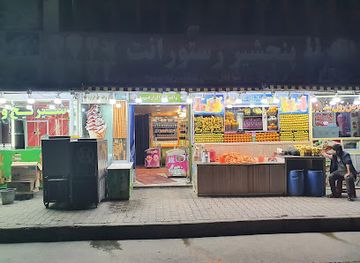
Shopping in Panjshir is local and practical rather than oriented towards tourism. Small markets and general stores in Bazarak, Anaba and other populated areas serve residents with food, clothing, household goods, tools and basic supplies. Visitors may find seasonal fruit, dried produce, nuts, bread, textiles or small locally made items, but availability varies and there is no dependable craft or souvenir district. Purchasing directly from traders should be conducted politely, with prices and quantities agreed clearly and without creating pressure to buy. Afghan afghani cash is essential, and card payments cannot be relied upon. Travellers should avoid exporting antiquities or objects that might have archaeological, military or cultural significance, and should be cautious about photographing stalls or people. The most responsible purchases are ordinary locally produced goods bought through transparent transactions rather than items marketed through unverified claims about regional origin.
-
Clothing store
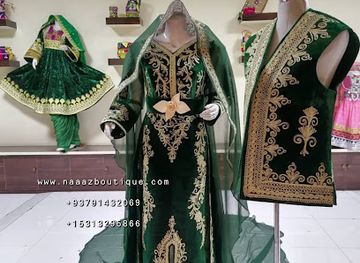
Naaz Boutique Afghani dresses store
Explore the vibrant Afghani fashion at Naaz Boutique, where tradition meets contemporary style in every exquisite dress.
-
Home goods store
Puzhghoor
Explore Puzhghoor in Kharo, Afghanistan, for unique home goods that reflect the rich craftsmanship and cultural heritage of the region.
-
Store
Shirwani Bazar بازار شیروانی
Experience the essence of Afghan culture at Shirwani Bazar, a lively market filled with local crafts, delicious food, and vibrant community life.
-
 Store
StoreHaji Abdul Nabi Store
Explore Haji Abdul Nabi Store in Jananjoy, Afghanistan, for authentic handicrafts and a glimpse into local culture and artistry.
Get your free copy of our complete guide to Panjshir, delivered straight to you.
Everything on this page, from attractions and restaurants to essentials and local phrases, in one PDF you can read offline, print or share.
Already have an account? Sign in
Your Panjshir guide is ready.
We'll send it to · Not you? Sign out

Getting your guide ready…
We are putting together a fresh copy of the Panjshir guide. This can take up to a minute.
This can take a few moments. If your browser asks, choose Allow so the download can start. You'll find the guide in your Downloads folder.
Nothing happened? Download it again
Sorry, the guide is taking longer than usual. Please try again in a minute, or get it by email instead.
Panjshir essentials
Currency and Payment
Safety
Emergency Situations
Do's and Don'ts
Local Tips
From Eve
Local phrases worth knowing
You don't need to get them perfect. A few words go a long way, and locals appreciate the effort.
Basics
| English | Local | Say it |
|---|---|---|
| Hello | سلام | [Salam] |
| Goodbye | خداحافظ | [Khuda Hafiz] |
| Yes | بله | [Bale] |
| No | نه | [Na] |
| Please/You're welcome | لطفاً/خوش آمدید | [Lotfan/Khosh Amadeed] |
| Thank you | تشکر | [Tashakur] |
| Excuse me/Sorry | ببخشید | [Bebakhshid] |
| How are you? | چطور هستید؟ | [Chetor Hastid?] |
| Fine. And you? | خوبم. و شما؟ | [Khobam. Wa Shoma?] |
| Do you speak English? | آیا انگلیسی صحبت میکنید؟ | [Aya Englisi Sohbat Mikonid?] |
| I don't understand | من نمیفهمم | [Man Nemifahmam] |
Eating & Drinking
| English | Local | Say it |
|---|---|---|
| I'd like to see the menu, please | لطفاً منوی غذا را ببینم | [Lotfan Menuye Ghaza Ra Bebinam] |
| I don't eat meat | من گوشت نمیخورم | [Man Gusht Nemikhoram] |
| Cheers! | به سلامتی! | [Be Salamati!] |
| I would like to pay, please | لطفاً میخواهم پرداخت کنم | [Lotfan Mikhahum Pardakht Konam] |
Emergencies
| English | Local | Say it |
|---|---|---|
| Help! | کمک! | [Komak!] |
| Go away! | برو برو! | [Boro Boro!] |
| Call the Police! | پلیس را صدا بزنید! | [Police Ra Seda Bezanid!] |
| Call a doctor! | دکتر را صدا بزنید! | [Doktor Ra Seda Bezanid!] |
| I'm lost | گم شدم | [Gom Shodam] |
| I'm ill | بیمار هستم | [Bimar Hastam] |
Shopping
| English | Local | Say it |
|---|---|---|
| I'd like to buy... | میخواهم بخرم... | [Mikhahum Bekharam...] |
| I'm just looking | فقط دارم نگاه میکنم | [Faghat Daram Negah Mikonam] |
| How much is it? | این چقدر است؟ | [In Chanda Ast?] |
| That's too expensive | این خیلی گران است | [In Kheli Garan Ast] |
| Can you lower the price? | آیا میتوانید قیمت را کاهش دهید؟ | [Aya Mitavanid Gheymat Ra Kahesh Dahid?] |
Time & Numbers
| English | Local | Say it |
|---|---|---|
| What time is it? | ساعت چند است؟ | [Saat Chand Ast?] |
| It's one o'clock | ساعت یک است | [Saat Yak Ast] |
| Half past (10) | نیم ساعت (۱۰) | [Nim Saat (10)] |
| Morning | صبح | [Sobh] |
| Afternoon | بعد از ظهر | [Bad Az Zohr] |
| Evening | شب | [Shab] |
| Yesterday | دیروز | [Dirooz] |
| Today | امروز | [Emruz] |
| Tomorrow | فردا | [Farda] |
| 1 | یک | [Yak] |
| 2 | دو | [Do] |
| 3 | سه | [Se] |
| 4 | چهار | [Chahar] |
| 5 | پنج | [Panj] |
| 6 | شیش | [Shesh] |
| 7 | هفت | [Haft] |
| 8 | هشت | [Hasht] |
| 9 | نه | [No] |
| 10 | ده | [Da] |
Transport & Directions
| English | Local | Say it |
|---|---|---|
| Where's a/the...? | کجا است ...؟ | [Koja Ast ...?] |
| What's the address? | آدرس چیست؟ | [Adres Chist?] |
| Can you show me (on the map)? | میتوانید به من نشان دهید (بر روی نقشه)؟ | [Mitavanid Be Man Neshan Dahid (Bar Roye Naqsha)?] |
| When's the next (bus)? | کی اتوبوس بعدی میآید؟ | [Ki Otobus Badi Miayad?] |
| A ticket (to ....) | یک بلیط (به ...) | [Yak Belit (Be ...)] |
History of Panjshir
Early settlement and the Panjshir corridor
Panjshir’s river valley has long connected communities living between the central Afghan highlands and routes towards the north-east. Its steep terrain encouraged settlement in defensible side valleys and made agriculture dependent on irrigation, orchards and carefully used strips of valley floor. The name is commonly explained in Persian as “five lions”, though interpretations of local place-name history vary. The valley’s geography, rather than a single ancient monument, is the clearest historical constant: it has shaped movement, farming, political autonomy and military resistance for centuries.
Islamic and regional Afghan history
Over the medieval and early modern periods, Panjshir formed part of the wider cultural and political world of Afghanistan and neighbouring Central Asian highlands. Islam became central to community life, while local authority was often mediated through village elders, religious figures and regional power holders. The valley’s difficult terrain limited direct control by distant rulers at times, but it also connected Panjshir to the political struggles of the broader Kabul and north-eastern highland region.
Soviet–Afghan War, 1979–1989
Panjshir became one of the most important theatres of the Soviet–Afghan War. Ahmad Shah Massoud, a commander from the valley, organised resistance forces that used the narrow terrain, side valleys and mountain passes to challenge Soviet and government troops. Several major offensives were mounted against the resistance, producing displacement, destruction and disruption to rural life. The conflict made Panjshir internationally recognisable and established Massoud as one of the most prominent Afghan military and political figures of the late twentieth century.
Civil war and the Northern Alliance
After the Soviet withdrawal, Afghanistan entered a period of intensified conflict among competing factions. Massoud and forces associated with the Northern Alliance continued to operate from northern strongholds, including Panjshir, as the Taliban expanded across much of the country during the 1990s. The valley’s strategic importance lay in its defensible geography and its links to opposition networks. Fighting and displacement affected communities throughout the region, while Panjshir became a powerful symbol of resistance to Taliban rule.
Ahmad Shah Massoud and the post-2001 era
Ahmad Shah Massoud was assassinated on 9 September 2001, shortly before the attacks in the United States and the subsequent international intervention in Afghanistan. His grave and memorial complex near Bazarak became an important commemorative site for supporters and for many Afghans who associate him with national resistance. After 2001, Panjshir generally experienced greater stability than many other Afghan provinces, while maintaining a strong political identity connected to Massoud, the former Northern Alliance and local networks of authority.
The return of Taliban rule and contemporary conditions
The Taliban regained control of Afghanistan in August 2021 after the collapse of the Islamic Republic and the departure of most international forces. Panjshir subsequently became the centre of armed opposition activity, followed by Taliban military operations and reports of severe pressure on local communities. The political and security situation remains sensitive and can change quickly. Contemporary Panjshir therefore cannot be separated from questions of detention, access, human rights, humanitarian need and the risks facing both residents and foreign visitors.
Panjshir in Photos
Browse through our photo collection highlighting the charm and character of the destination.
Neighbouring regions of Panjshir
The closest regions to Panjshir, if you have time for more than one.
-

-

-

-

-


Swipe for more regions
Explore more

Explore more of Afghanistan
Discover Afghanistan's rich history, stunning landscapes, and diverse cultures. From ancient cities to breathtaking nature, this Central Asian gem offers a unique travel experience.
Explore Afghanistan