
Parah-ye Jorozok: A Slope in the Afghan Pamirs
Discover the untouched beauty of Parah-ye Jorozok in Afghanistan's Wakhan Corridor: Trekking, culture, and ancient history await in this remote Pamir Mountain slope.
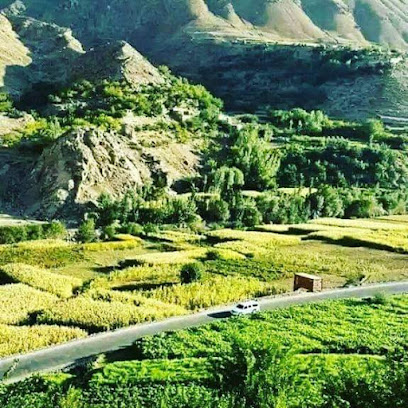
Parah-ye Jorozok, nestled within the Wakhan Corridor of Afghanistan, offers a glimpse into a remote and breathtaking landscape. This slope, part of the Pamir Mountains, presents a unique opportunity for adventurous travelers seeking untouched natural beauty and cultural immersion. The Wakhan Corridor, historically a buffer zone between empires, remains isolated, preserving a traditional way of life. While infrastructure is limited, the region's stunning vistas and the warmth of the local Wakhi and Kyrgyz people provide an unforgettable experience. Trekking, cultural exchange, and exploration of ancient sites are among the draws, making it a destination for those willing to venture off the beaten path. Be prepared for basic conditions and a journey that requires careful planning and respect for local customs.
A brief summary to Parah-ye Jorozok
- AF
Local tips
- Pack for all types of weather, as conditions in the Wakhan Corridor can change rapidly due to the high altitude.
- Respect local customs and traditions by dressing modestly and asking permission before taking photos of people.
- Learn a few basic phrases in Wakhi or Dari to enhance your interactions with the local communities.
- Bring a portable water filter or purification tablets to ensure access to safe drinking water.
- Hire a local guide to navigate the terrain and gain insights into the region's history and culture.

Getting There
-
Driving/Local Transport
Reaching Parah-ye Jorozok involves a multi-stage journey. From a major city like Kabul, travelers typically take a flight or long-distance transport to Faizabad, the capital of Badakhshan province. From Faizabad, the journey continues by 4x4 vehicle along rough roads towards the Wakhan Corridor. The final approach to Parah-ye Jorozok may require hiring a local driver with a suitable vehicle due to the challenging terrain. Be prepared for river crossings and unpaved roads. Due to the remoteness, fuel availability can be limited, so ensure your driver has sufficient supplies. There are no official tolls, but negotiating a fair price with the driver is essential, typically ranging from $50-$100 USD for the final leg depending on distance and road conditions.
-
Walking/Trekking
Once within the Wakhan Corridor, reaching the specific slope of Parah-ye Jorozok will likely involve trekking. Depending on the exact location, this could range from a few hours to a full day's hike from the nearest village (e.g., a settlement along the Wakhan River). Engage a local guide familiar with the trails and terrain. Be prepared for steep ascents and descents. There are no specific entry fees to access the slope itself, but it is customary to offer a small contribution to the local community for their hospitality and guidance. This could be in the form of supplies or a small monetary donation, typically around $5-10 USD.
Discover more about Parah-ye Jorozok
Iconic landmarks you can’t miss

Parah-ye Jorozok
0.0 km
Discover the untouched beauty of Parah-ye Jorozok in Afghanistan's Wakhan Corridor: Trekking, culture, and ancient history await in this remote Pamir Mountain slope.

Parah-ye Isfar
2.3 km
Explore the breathtaking slopes of Parah-ye Isfar, a hidden gem in Afghanistan, perfect for adventure seekers and nature enthusiasts.
Parah-ye Surkhbim
2.8 km
Discover the breathtaking slopes of Parah-ye Surkhbim, a serene escape in Afghanistan perfect for adventurers and nature lovers alike.
Parah-ye Darah-ye Farar
5.3 km
Discover the breathtaking slopes of Parah-ye Darah-ye Farar, a hidden gem in Afghanistan perfect for outdoor adventures and cultural experiences.
Koh-e Firishti
20.5 km
Discover the majestic Koh-e Firishti in Afghanistan: a haven for adventurers and nature lovers, offering breathtaking views and a glimpse into the heart of Afghan culture.
Koh-e Nahr Ab
34.5 km
Discover the breathtaking beauty of Koh-e Nahr Ab, a majestic mountain peak in Afghanistan, perfect for adventurers and nature lovers alike.
Darah-ye Pinawi
60.6 km
Discover Darah-ye Pinawi, a hidden ravine in Afghanistan offering breathtaking landscapes, cultural immersion, and thrilling adventures for intrepid travelers seeking an authentic experience.
Mersmel
73.3 km
Discover Mersmel, Afghanistan's majestic mountain peak, offering breathtaking views, thrilling outdoor adventures, and a unique cultural experience in a serene natural setting.
Takhar General Bridge
73.7 km
Explore the Takhar General Bridge in Taleqan, Afghanistan—a stunning architectural marvel surrounded by breathtaking landscapes and rich cultural heritage.
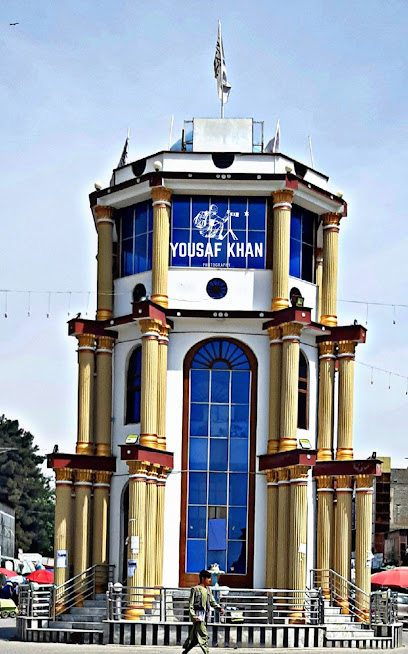
Takhar University- تخار پوهتون
76.9 km
Explore Takhar University in Afghanistan, where education and culture converge to shape the future of the region's youth.
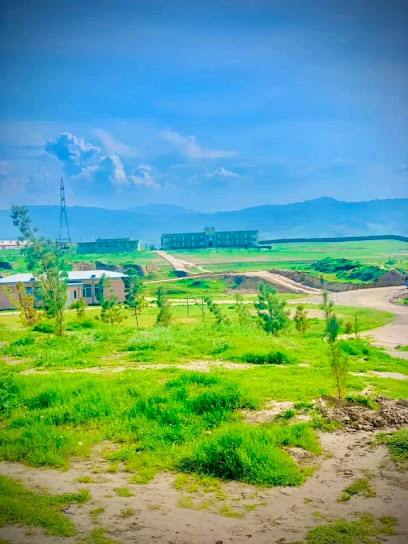
Koh-e Baghlan
78.4 km
Discover the serene beauty of Koh-e Baghlan, Afghanistan: panoramic views, rugged landscapes, and a tranquil escape into the heart of Afghan nature and cultural richness.
Tangi Murch Area, Burka District (Baghlan Province)
81.1 km
Explore the rich history and breathtaking landscapes of Tangi Murch Area in Baghlan Province, a hidden treasure of Afghanistan.
Darah-ye Shashan
84.9 km
Discover the breathtaking beauty of Darah-ye Shashan, a hidden ravine in Afghanistan offering stunning landscapes and a rich cultural experience.
Koh-e Qalat
90.9 km
Explore the breathtaking landscapes and rich history of Koh-e Qalat, a majestic mountain peak in Afghanistan that offers adventure and cultural immersion.
Panjshir River
92.2 km
Discover the majestic Panjshir River in Afghanistan: a turquoise jewel nestled in a historic valley, offering breathtaking scenery, cultural immersion, and a glimpse into Afghan resilience.
Unmissable attractions to see

Koh-e Aw Posh
57.6 km
Discover the breathtaking beauty of Koh-e Aw Posh, a majestic mountain peak in Afghanistan offering stunning views, hiking trails, and cultural experiences.
Koh-e Abpar
57.7 km
Discover the breathtaking beauty and adventure of Koh-e Abpar, a majestic mountain peak in Afghanistan, perfect for nature lovers and thrill-seekers.
Kiran wa Munjan
68.6 km
Discover Kiran wa Munjan, a hidden ravine in Afghanistan offering stunning landscapes, cultural immersion, and a unique off-the-beaten-path adventure.
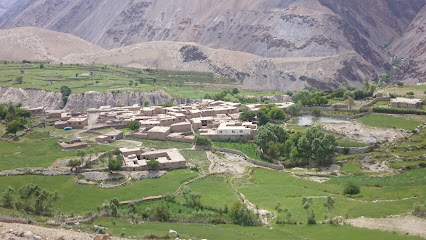
Yajun
74.5 km
Discover Yajun, a majestic and challenging mountain peak in Afghanistan's Hindu Kush, offering breathtaking views and a glimpse into untouched natural beauty.
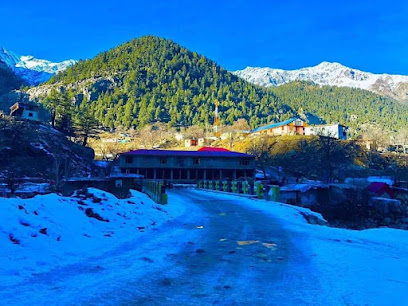
Panjshir Province ولایت پنجشیر
83.0 km
Discover Panjshir Province, Afghanistan: A land of breathtaking mountain scenery, rich history, and resilient culture, offering an unforgettable journey into the heart of the Hindu Kush.
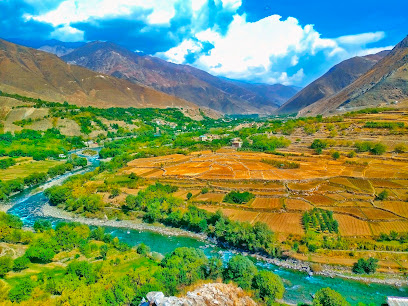
Bamwardar بام وردار
83.4 km
Discover Bamwardar, Afghanistan: An enchanting escape into mesmerizing landscapes and rich cultural history, offering a unique and authentic travel experience off the beaten path.
Wadi-ye Yumgan
88.1 km
Discover the untouched beauty of Wadi-ye Yumgan, a remote Afghan ravine offering dramatic landscapes, serene atmosphere, and a glimpse into the region's rich history.
Essential places to dine

Restaurant
13.3 km
Experience authentic Afghan cuisine in Farkhar's welcoming restaurant that embodies local flavors and culture.
رستورانت سمر قند Samar qand restaurant
72.0 km
Experience authentic Afghan cuisine at Samar Qand Restaurant in Taleqan—where flavor meets tradition.
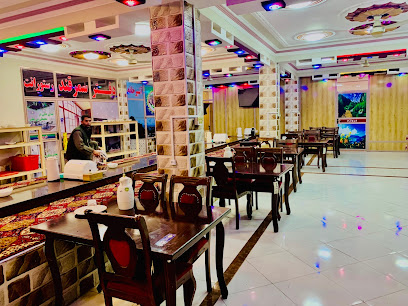
Spogmai restaurant سپوږمۍ رسټورانټ، تخار
73.8 km
Experience authentic Afghan cuisine at Spogmai Restaurant in Taleqan - where tradition meets flavor in every dish.
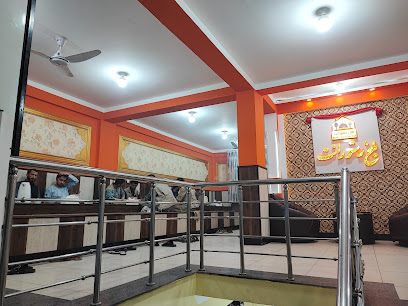
بلخ رستورانت Balkh Resturant
73.9 km
Experience authentic Afghan flavors at Balkh Restaurant in Taleqan - where every dish tells a story.
Markets, malls and hidden boutiques

شهر کشم
63.9 km
Explore the lively flea market in کشم, where local culture, unique handicrafts, and delicious cuisine come together in a vibrant shopping experience.
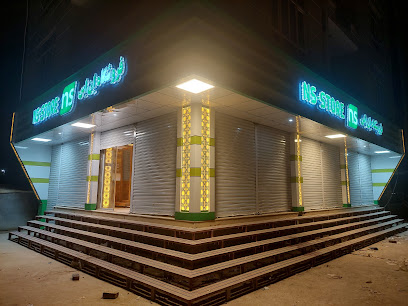
NS Store فروشگاه ان اس
72.3 km
Experience the essence of local shopping at NS Store in Taleqan, where quality meets culture in every aisle.
Importing
72.7 km
Discover the vibrant Aryana Market in Taleqan, Afghanistan, a denim paradise offering stylish jeans and local culture.
مرکز تجارتی خرم شهر Khorramshahr business center
72.8 km
Explore Khorramshahr Business Center for a unique shopping experience featuring a stunning range of women's clothing in Taleqan, Afghanistan.
Khairullah’s cloth shop
72.8 km
Explore the vibrant textiles of Afghanistan at Khairullah’s Cloth Shop in Taleqan, where tradition meets artisan craftsmanship.
Takhar Carpet Store
73.0 km
Explore the rich tradition of Afghan craftsmanship at Takhar Carpet Store in Taleqan, where every carpet is a unique work of art.
Aozairi Computer Accessories
73.1 km
Explore Aozairi Computer Accessories in Taleqan – Your destination for quality electronics and exceptional service.
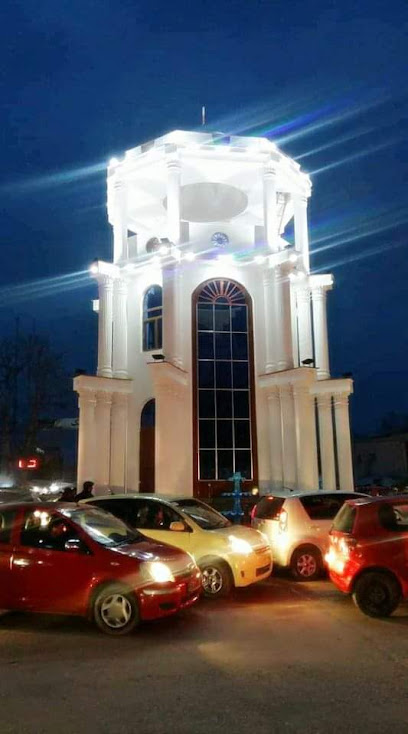
Abdulmohammad
73.6 km
Explore the vibrant Abdulmohammad Electronics Store in Taleqan, featuring a wide selection of gadgets and local tech innovations for every traveler.
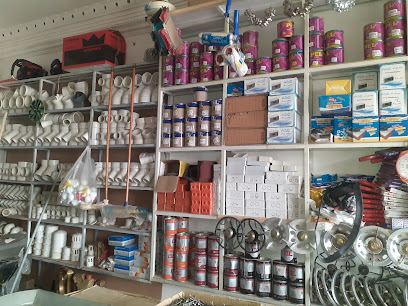
Sadaqat supermarket
73.6 km
Explore the local flavors and vibrant atmosphere at Sadaqat Supermarket, a key destination for tourists in Taleqan, Afghanistan.
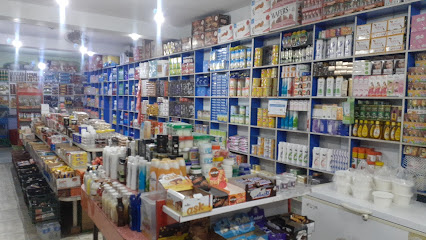
Puzhghoor
99.9 km
Explore Puzhghoor in Kharo, Afghanistan, for unique home goods that reflect the rich craftsmanship and cultural heritage of the region.
Essential bars & hidden hideouts

Kōh-e Bar-e Paytow
5.2 km
Explore the breathtaking heights of Kōh-e Bar-e Paytow, a majestic mountain peak in Afghanistan, perfect for adventure seekers and nature lovers alike.
Rajab Mohammad Shopدوکان رجب محمد
27.8 km
Explore the vibrant local culture at Rajab Mohammad Shop, a local supermarket in Afghanistan that offers a taste of everyday life.
Zamarot Resort
48.3 km
Experience a delightful fusion of Western flavors in the heart of Afghanistan at Zamarot Resort.
غریب یار رستورانت
48.8 km
Discover the authentic taste of Afghanistan at غریب یار رستورانت, where rich flavors and warm hospitality await you.
haji. Mahbob
70.5 km
Discover the heart of Ashkamesh at Haji Mahbob; a bar that showcases Afghanistan's vibrant culture through its local beverages and warm hospitality.
شیریخ پزی صابر صابری Saber Saberi's cooking
72.4 km
Discover Saber Saberi's Ice Cream in Taleqan, Afghanistan—where every scoop is a delightful blend of tradition and flavor.
خبازی شایق الله سخی زاده
89.8 km
Experience the vibrant culture and flavors of Afghanistan at خبازی شایق الله سخی زاده, your go-to bar in Nahrain for a delightful evening.
خانه محمد رسول کابلی
90.1 km
Discover the lively nightlife of Nahrain at خانه محمد رسول کابلی, where culture and hospitality blend in a vibrant atmosphere.


