

Paropamisadae, Afghanistan Travel Guide
Explore Paropamisadae in Afghanistan: A land of ancient ruins, stunning landscapes, and rich cultural heritage nestled in the heart of the Hindu Kush mountains.
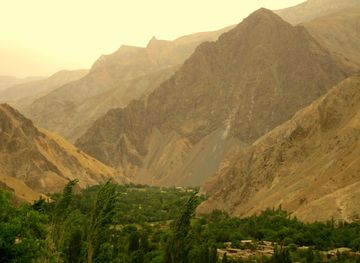
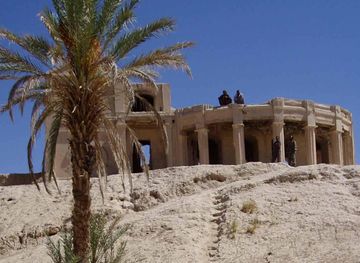
Paropamisadae, known for its ancient history and stunning landscapes, is a hidden treasure in Afghanistan. Nestled in the Hindu Kush mountains, this region has been a crossroads of cultures and empires for millennia. Here, you can find the remnants of ancient civilizations, including the Greek influence from Alexander the Great's conquests, blending seamlessly with local traditions and Islamic culture. The serene beauty of Paropamisadae is unmatched, with its towering peaks, lush valleys, and crystal-clear rivers. Trekking enthusiasts will find the trails here both challenging and rewarding, offering breathtaking views at every turn. For history buffs, the region's archaeological sites, such as the ruins of ancient cities and fortresses, provide a fascinating glimpse into the past. Despite its remote location, Paropamisadae is accessible to adventurous travelers seeking an authentic and off-the-beaten-path experience. The local communities are warm and welcoming, eager to share their rich heritage and traditional hospitality. Whether you're exploring ancient ruins, hiking through majestic landscapes, or simply immersing yourself in the local culture, Paropamisadae promises an unforgettable journey.

Know before you go
Hi, I'm Eve. Here are a few practical things to know before exploring Paropamisadae.
- Carry sufficient water and supplies, as amenities are limited in this remote region.
- Hire a local guide to explore the area safely and gain deeper insights into its history and culture.
- Respect local customs and traditions, and dress modestly when visiting villages and religious sites.
- Check travel advisories and ensure you have the necessary permits before planning your trip.
- Best time to visit is during spring and autumn when the weather is mild and the landscape is at its most beautiful.
Top City Travel Guides in Paropamisadae
The cities of Paropamisadae, and the easiest places to base yourself.

Explore Paropamisadae: Things to Do, Places to Eat, Hotels & More
Handpicked recommendations for top attractions, local dining, accommodations, and more

Top Attractions & Sightseeing in Paropamisadae
Top-rated picks
Best Attractions

Hindu Kush
Explore the majestic Hindu Kush: a crossroads of history, culture, and breathtaking mountain scenery in Central Asia.

Shahr-e Naw Park
A tranquil escape in the heart of Kabul, Shahr-e Naw Park offers relaxation, recreation, and cultural experiences for everyone.
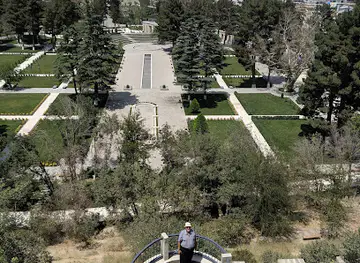
Chehelseton Garden
Discover Chehelseton Garden in Kabul: a historic retreat with lush greenery, elegant pavilions, and serene water features, offering a peaceful escape.

منارههای هرات (MANAR Ha)
Discover the majestic Minarets of Herat, remnants of a glorious Timurid past, showcasing intricate Islamic architecture and Afghan heritage.

Best landmarks in Paropamisadae
Top-rated picks
Best Landmarks

Hindu Kush
Explore the majestic Hindu Kush: a historic mountain range offering breathtaking landscapes, unique cultures, and unforgettable adventures.

Herat Citadel
Explore the Herat Citadel, a historical fortress in Afghanistan with roots stretching back to Alexander the Great, offering stunning architecture and panoramic city views.
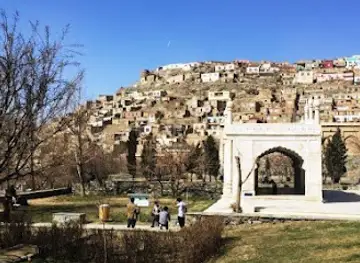
Babur Garden
Explore the historic Bagh-e Babur in Kabul, the final resting place of Mughal Emperor Babur, featuring stunning gardens and Mughal architecture.

Herat Central Blue Mosque
Discover the Herat Central Blue Mosque, a mesmerizing masterpiece of Islamic architecture showcasing centuries of artistry and cultural heritage.

Best restaurants in Paropamisadae
Top-rated picks
Best Restaurants

Bukhara Restaurant
Experience authentic Afghan cuisine at Bukhara Restaurant in Kabul—where every dish tells a story of tradition and flavor.

Prime Steakhouse
Experience exquisite steaks and exceptional service at Prime Steakhouse in Kabul's Majid Mall - A must-visit culinary destination.

Sufi Mahal Restaurant ( رستورانت صوفی محل )
Experience the authentic taste of Afghanistan at Sufi Mahal Restaurant in Kabul - where tradition meets flavor.

Herat Restaurant
Discover authentic Afghani flavors at Herat Restaurant in Kabul – a culinary gem celebrating rich traditions and delicious cuisine.

Best bars in Paropamisadae
Top-rated picks
Best Bars

سپوږمۍ رسټورانټ - Spogmai Restaurant
Discover the authentic flavors of Afghanistan at Spogmai Restaurant in Kabul, where traditional cuisine meets warm hospitality.

حمام حاجي مير احمد
Experience the charm of Kabul at Hajji Mir Ahmad Bathhouse, where tradition meets hospitality in a serene setting.

موسۍ شریخ جوس چپس سمبوسه پلورنځې
Experience the authentic flavors of Afghanistan at موسۍ شریخ جوس چپس سمبوسه پلورنځې, a local favorite in Jalalabad for delicious snacks and meals.

Pol E Campany
Discover the lively charm of Pol E Campany, a bar in Kabul offering a rich selection of drinks and a welcoming atmosphere for tourists.

Best nightclubs in Paropamisadae
Top-rated picks
Best Nightclubs

Zohak Village
Experience the serene beauty and rich culture of Zohak Village, a tranquil retreat nestled in the heart of Kabul's stunning landscapes.

هرات افغانستان
Explore Herat's dynamic nightlife scene with lively nightclubs, traditional music, and a vibrant atmosphere that showcases local culture.

حمام حاجي مير احمد
Experience traditional Afghan culture at حمام حاجي مير احمد, a charming bar in the heart of Kabul, perfect for relaxation and local flavors.

Ziarat
Experience the vibrant nightlife of Ziarat, where music, dance, and Afghan culture come together in an electrifying atmosphere.

Best shops in Paropamisadae
Top-rated picks
Best Shops

Kabul City Center
Discover the vibrant shopping and dining experiences at Kabul City Center, the heart of Kabul's retail landscape.

Pamir Store
Explore the vibrant Pamir Store in Kabul for unique Afghan crafts, local delicacies, and a taste of rich culture.

Afghan Spinneys Supermarket
Discover the heart of Kabul through the diverse offerings at Afghan Spinneys Supermarket, where local culture meets international flavors.

Rahmanian Shopping Center
Explore the Rahmanian Shopping Center in Kabul, a vibrant destination for shopping with diverse stores, local culture, and unique finds.

Explore Paropamisadae on the Map
A handpicked selection of must-see spots in Paropamisadae, mapped for you.
Paropamisadae Essentials
-
Paropamisadae, located in modern-day Afghanistan, is best accessed via the Hamid Karzai International Airport in Kabul, which is the nearest major international airport. From Kabul, you can hire a private taxi or use regional bus services to reach Paropamisadae. The journey can take several hours depending on road conditions. It is advisable to check the current security situation and travel advisories before planning your trip.
-
Transportation within Paropamisadae and its surrounding areas is mainly through private taxis and local buses. Hiring a private driver is recommended for more convenience and safety. Public transportation can be unreliable and crowded. For short distances, walking is an option but always be cautious of your surroundings.
-
The official currency in Afghanistan is the Afghan Afghani (AFN). Cash is the preferred mode of payment, especially in smaller towns like those in Paropamisadae. ATMs are rare, so it is advisable to carry sufficient cash. Major hotels and some larger establishments may accept credit cards, but always confirm beforehand.
-
Safety can be a concern in Afghanistan, including Paropamisadae. Some areas may have high crime rates, including crimes targeting tourists. Always stay informed about the current security situation and avoid traveling alone, especially at night. High-risk areas should be avoided entirely. It’s advisable to travel with a local guide who knows the area well.
-
In case of an emergency, dial 119 for police assistance or 102 for medical emergencies. It's crucial to have comprehensive travel insurance that includes medical evacuation. Local hospitals may not meet Western standards, so having contact information for your embassy and reliable local medical facilities is essential. Keep a list of emergency contacts and share your travel itinerary with someone you trust.
-
Fashion: Do dress conservatively, and women should wear headscarves and avoid revealing clothing. Men should also dress modestly. Religion: Do respect Islamic customs and traditions. Avoid public displays of affection. Public Transport: Do be respectful to elders and women. Don’t eat or drink publicly during Ramadan. Greetings: Do greet people with a respectful 'As-salamu alaykum'. Avoid physical contact with the opposite gender. Eating & Drinking: Do try local dishes and accept food graciously. Don’t drink alcohol publicly as it is frowned upon.
-
To experience Paropamisadae like a local, visit local bazaars to buy traditional crafts and foods. Engage with locals who are often hospitable and willing to share stories about their history and culture. Don't miss exploring the ancient ruins and historical sites that offer a glimpse into the region's rich past. Hiring a knowledgeable local guide can provide deeper insights and a more enriching experience.
When is the best time to visit Paropamisadae?
Useful Local Phrases for Paropamisadae
You don't need to speak the language perfectly. Even learning a few simple words can make conversations warmer—and locals usually appreciate the effort.
— Eve

Here are the phrases I use most often in Paropamisadae. Try a few—you'll be surprised how far they go! 😊
❤️
-
- Helloسلام
[Salam] - Goodbyeخداحافظ
[Khuda Hafiz] - Yesبله
[Bale] - Noنه
[Na] - Please/You’re welcomeلطفا
[Lotfan] - Thank youتشکر
[Tashakur] - Excuse me/Sorryببخشید
[Bebakhshid] - How are you?چطور هستید؟
[Chetor Hastid?] - Fine. And you?خوبم. شما چطورید؟
[Khobam. Shoma Chetorid?] - Do you speak English?آیا انگلیسی صحبت میکنید؟
[Aya Engilisi Sohbat Mikonid?] - I don't understandمتوجه نمیشوم
[Motavajeh Nemishavam]
- Helloسلام
-
- I’d like to see the menu, pleaseلطفا منو را ببینم
[Lotfan Menu Ra Bibinam] - I don't eat meatمن گوشت نمیخورم
[Man Gusht Nemikhoram] - Cheers!به سلامتی!
[Be Salamati!] - I would like to pay, pleaseلطفا میخواهم پرداخت کنم
[Lotfan Mikham Pardakht Konam]
- I’d like to see the menu, pleaseلطفا منو را ببینم
-
- Help!کمک!
[Komak!] - Go away!برو برو!
[Boro Boro!] - Call the Police!پلیس را صدا کنید!
[Police Ra Seda Konid!] - Call a doctor!دکتر را صدا کنید!
[Doctor Ra Seda Konid!] - I’m lostگم شدهام
[Gom Shode-am] - I’m illبیمار هستم
[Bimar Hastam]
- Help!کمک!
-
- I’d like to buy...میخواهم بخرم...
[Mikham Bekharam...] - I’m just lookingفقط دارم نگاه میکنم
[Faghat Daram Negah Mikonam] - How much is it?قیمتش چقدر است؟
[Gheymatesh Chande Ast?] - That’s too expensiveاین خیلی گران است
[In Kheili Geran Ast] - Can you lower the price?آیا میتوانید قیمت را پایین بیاورید؟
[Aya Mitavanid Gheymat Ra Pain Biavarid?]
- I’d like to buy...میخواهم بخرم...
-
- What time is it?ساعت چنده؟
[Saat Chande?] - It’s one o’clockساعت یک است
[Saat Yak Ast] - Half past (10)نیم ساعت (۱۰)
[Nim Saat (10)] - Morningصبح
[Sobh] - Afternoonبعد از ظهر
[Bad Az Zohr] - Eveningعصر
[Asr] - Yesterdayدیروز
[Dirooz] - Todayامروز
[Emrooz] - Tomorrowفردا
[Farda] - 1یک
[Yak] - 2دو
[Do] - 3سه
[Se] - 4چهار
[Chahar] - 5پنج
[Panj] - 6شش
[Shesh] - 7هفت
[Haft] - 8هشت
[Hasht] - 9نه
[No] - 10ده
[Dah]
- What time is it?ساعت چنده؟
-
- Where's a/the...?کجا ... است؟
[Koja ... Ast?] - What’s the address?آدرس چیست؟
[Address Chist?] - Can you show me (on the map)?میتوانید به من نشان دهید (روی نقشه)؟
[Mitavanid Be Man Nashan Dahid (Roi Naqshe)?] - When’s the next (bus)?کی اتوبوس بعدی است؟
[Ki Otobus Bad Ast?] - A ticket (to ....)یک بلیط (به ....)
[Yak Belit (Be ....)]
- Where's a/the...?کجا ... است؟
History of Paropamisadae
-
Paropamisadae, situated in what is now modern-day Afghanistan, has its roots dating back to the Achaemenid Empire. The region was known for its strategic location along the trade routes connecting Persia with India. Under the Achaemenid rule, Paropamisadae thrived as a significant satrapy, contributing to the empire's wealth and cultural diversity.
-
In 327 BCE, Alexander the Great embarked on his campaign to conquer the region of Paropamisadae. After a fierce battle near the city of Aornos, Alexander established numerous cities, including Alexandria in the Caucasus (modern-day Bagram), which served as a vital military and trade hub. The Greek influence brought by Alexander introduced Hellenistic culture, which mingled with local traditions.
-
Following the decline of the Hellenistic influence, the Mauryan Empire, under Emperor Chandragupta Maurya, extended its reach into Paropamisadae around 305 BCE. The region became an important part of the Mauryan Empire, facilitating the spread of Buddhism. The presence of Buddhist stupas and monasteries from this period highlights the region's importance as a center of Buddhist learning and culture.
-
The Kushan Empire, which rose to prominence in the 1st century CE, played a significant role in the cultural and economic development of Paropamisadae. The Kushans fostered a cosmopolitan environment, blending Greek, Persian, Indian, and local influences. The famous Gandhara art, characterized by its Greco-Buddhist style, flourished during this period, with Paropamisadae being a key region for artistic and religious activities.
-
With the fall of the Kushan Empire, Paropamisadae came under the influence of the Sassanian Empire in the 3rd century CE. The region witnessed a blend of Zoroastrian and local cultural elements. Later, in the 5th century CE, the Hephthalites, also known as the White Huns, invaded and controlled the area. Despite the turmoil, Paropamisadae continued to be a melting pot of cultural and religious diversity.
-
The Islamic conquest of the region in the 7th century CE marked a new chapter in Paropamisadae's history. The area became part of various Islamic empires, including the Umayyad and Abbasid Caliphates. The medieval period saw the rise of local dynasties such as the Ghaznavids and Ghurids, who contributed to the architectural and cultural landscape, leaving behind a legacy of Islamic art and learning.
Neighbouring Regions of Paropamisadae
The closest regions to Paropamisadae, if you have time for more than one.


Your all‑in‑one travel companion app
Explore expert travel guides, compare and book tours, experiences, hotels, and more—all from the palm of your hand. Download now for seamless trip planning wherever your wanderlust takes you.


Explore More of Afghanistan

Looking beyond Paropamisadae? Discover Afghanistan for broader travel guides, local hot-spots, and regional highlights.
Explore AfghanistanParopamisadae in Photos
Browse through our photo collection highlighting the charm and character of the destination.


Discover the Mystical Paropamisadae: A Hidden Gem in Afghanistan
Paropamisadae, known for its ancient history and stunning landscapes, is a hidden treasure in Afghanistan. Nestled in the Hindu Kush mountains, this region has been a crossroads of cultures and empires for millennia. Here, you can find the remnants of ancient civilizations, including the Greek influence from Alexander the Great's conquests, blending seamlessly with local traditions and Islamic culture. The serene beauty of Paropamisadae is unmatched, with its towering peaks, lush valleys, and crystal-clear rivers. Trekking enthusiasts will find the trails here both challenging and rewarding, offering breathtaking views at every turn. For history buffs, the region's archaeological sites, such as the ruins of ancient cities and fortresses, provide a fascinating glimpse into the past. Despite its remote location, Paropamisadae is accessible to adventurous travelers seeking an authentic and off-the-beaten-path experience. The local communities are warm and welcoming, eager to share their rich heritage and traditional hospitality. Whether you're exploring ancient ruins, hiking through majestic landscapes, or simply immersing yourself in the local culture, Paropamisadae promises an unforgettable journey.