

SHAHR-E-ZOHAK, Parwan Travel Guide
Discover the Red City of Bamiyan, an ancient Silk Road fortress with panoramic views and a history of empires, sieges, and legends.
Explore the dramatic ruins of Shahr-e Zohak, an ancient fortress also known as the Red City, located 9 kilometers east of Bamiyan in central Afghanistan [3]. Perched strategically at the confluence of the Bamiyan and Kalu rivers, this imposing structure offers panoramic views and a glimpse into Afghanistan's rich, turbulent past along the ancient Silk Road [3, 5].
A brief summary to SHAHR-E-ZOHAK
- RXGM+75F, Tupchi, AF

Know before you go
Hi, I'm Eve. Here are a few practical things to know before exploring SHAHR-E-ZOHAK.
- Wear sturdy shoes suitable for hiking on uneven terrain, as the path to the fortress is steep and rocky [3].
- Visit during the spring or autumn for moderate temperatures and pleasant hiking conditions [3, 5].
- Hire a local guide in Bamiyan to learn about the history and legends associated with Shahr-e Zohak [3].
- Bring water and snacks, as there are no facilities available at the site [3].
- Stay on marked paths and exercise caution due to the potential presence of landmines in the surrounding area [3, 6].
Do you manage this location?
Take control to get all the benefits, like improved information, better appearance, and stronger visibility across AI-powered discovery. Learn more about listing your business on Evendo
Activate your presenceOther nearby places you may find interesting
The closest places of the same kind, if this one is not quite what you had in mind.
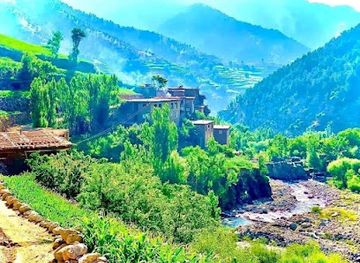
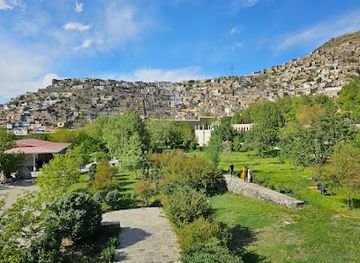
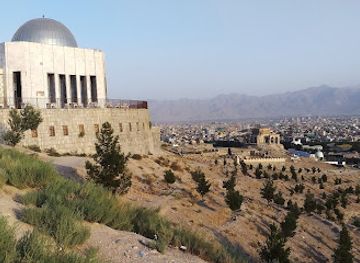
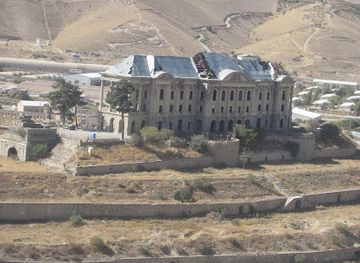
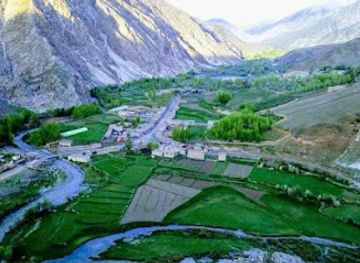
Explore SHAHR-E-ZOHAK on the Map
A handpicked selection of must-see spots near SHAHR-E-ZOHAK, mapped for you.
Getting There
-
Taxi/Ride-Share
From Bamiyan city center, the most practical way to reach Shahr-e Zohak is by taxi or hired car [3, 4]. Negotiate a round-trip fare with the driver, typically ranging from 500 to 1,000 AFS [3, 4]. The journey takes approximately 25 minutes to Tupchi village or the Shashpul checkpoint, located near the confluence of the Bamiyan and Kalu rivers [3]. Ensure the driver knows to drop you at Shashpul checkpoint [3]. A Bamiyan Entrance Ticket, costing 300 AFS, is required and will be checked by soldiers at the Shashpul checkpoint [3, 4, 10]. Purchase this ticket beforehand from the Director of Information & Culture in Bamiyan, located in front of the Buddha Niches [3, 4, 10]. From the checkpoint, it's approximately a 1 km walk to the base of the fortress [3, 10].
-
Public Transport
Shared taxis are available from Bamiyan Bazaar for around 150 AFS per person [3, 4, 10]. Ask to be dropped off at Tupchi village or the Shashpul checkpoint [3, 4, 10]. A Bamiyan Entrance Ticket, costing 300 AFS, is required and will be checked by soldiers at the Shashpul checkpoint [3, 4, 10]. Purchase this ticket beforehand from the Director of Information & Culture in Bamiyan, located in front of the Buddha Niches [3, 4, 10]. From the checkpoint, it's approximately a 1 km walk to the village of Kalu, where the trail to Shahr-e Zohak begins [3, 10].
-
Walking
The final ascent to the Shahr-e Zohak ruins from Kalu village involves a steep, approximately 1km uphill walk [3]. Follow the trail marked with red stones, taking extreme caution not to stray from the path due to potential landmines [3, 6, 10]. The walk takes about 30-45 minutes, depending on fitness level [3]. The 300 AFS Bamiyan Entrance Ticket is still required [3, 4, 10].
Discover more about SHAHR-E-ZOHAK













Your all‑in‑one travel companion app
Explore expert travel guides, compare and book tours, experiences, hotels, and more—all from the palm of your hand. Download now for seamless trip planning wherever your wanderlust takes you.


Explore More of Parwan
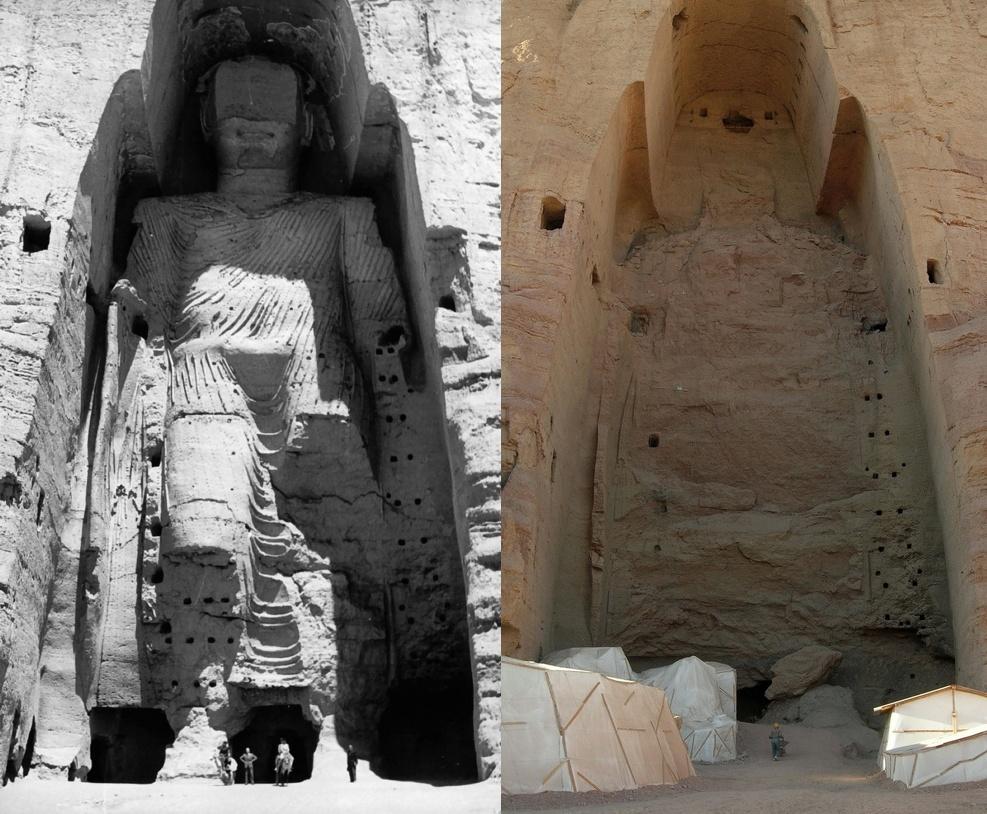
Looking beyond SHAHR-E-ZOHAK? Discover Parwan for broader travel guides, local hot-spots, and regional highlights.
Explore Parwan
Discover Bamyan's vibrant arts scene at the Culture and Art House: a hub for local talent and cultural preservation.
Explore the ancient Kakrak Valley Caves in Bamyan, Afghanistan, a historical landmark showcasing Buddhist artistry amidst stunning Silk Road landscapes.
