

Kakrak valley caves, Bamyan Travel Guide
Explore the ancient Kakrak Valley Caves in Bamyan, Afghanistan, a historical landmark showcasing Buddhist artistry amidst stunning Silk Road landscapes.
The Kakrak Valley Caves, near Bamyan, Afghanistan, are a reminder of the region's Buddhist heritage [1]. Carved into the cliffs, these caves served as a monastic complex from the 6th to the 13th centuries [1, 3]. Adorned with frescoes and stucco art reflecting Gandhara style, they stand as a testament to the Silk Road's cultural exchange [1, 4].
A brief summary to Kakrak valley caves
- RV42+87, Bamyan, AF
- Click to display

Know before you go
Hi, I'm Eve. Here are a few practical things to know before exploring Kakrak valley caves.
- Wear sturdy walking shoes, as the terrain around the caves can be uneven and rocky [1].
- Consider visiting early in the morning to avoid crowds and experience cooler temperatures [1].
- Bring a camera to capture the stunning views of the valley and the remaining cave art [1].
- Respect the cultural significance of the site and avoid touching the ancient carvings to help preserve them [1].
- Check with local guides for the best routes and safety recommendations before your visit [1].
Do you manage this location?
Take control to get all the benefits, like improved information, better appearance, and stronger visibility across AI-powered discovery. Learn more about listing your business on Evendo
Activate your presenceOther nearby places you may find interesting
The closest places of the same kind, if this one is not quite what you had in mind.
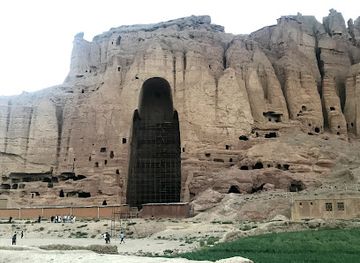
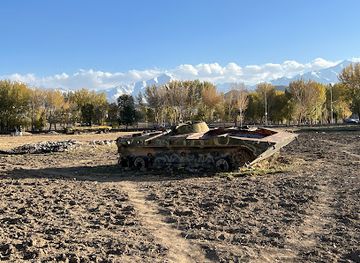
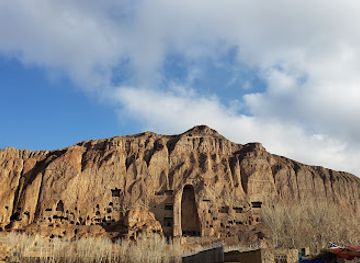
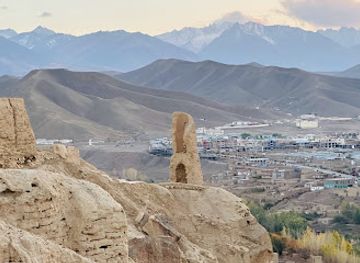

Explore Kakrak valley caves on the Map
A handpicked selection of must-see spots near Kakrak valley caves, mapped for you.
Getting There
-
Public Transport
From Bamyan city center, take a shared taxi from near the main bazaar towards Kakrak Valley [1]. Inform the driver you wish to visit the Kakrak Valley Caves [1]. The journey typically takes 30-45 minutes, depending on road conditions and traffic [1]. Expect to be dropped off at the valley entrance, requiring a walk to the caves [1]. A shared taxi will typically cost around 100-200 Afghanis [1].
-
Car
From Bamyan city center, drive south on the main road (RV42) towards Kakrak Valley [1]. The drive is approximately 30 minutes, covering about 20 kilometers [1]. Follow the signs to the valley, being cautious of potholes [1]. Limited parking is available near the entrance [1]. Parking is free. Fuel costs for the roundtrip should be approximately 200-300 Afghanis.
-
Walking
For a scenic route, walk from Bamyan city center south on the main road (RV42) [1]. This will take approximately 4-5 hours [1]. Wear comfortable shoes and bring water [1]. Once you reach Kakrak Valley, the caves are marked along the way [1]. There are no costs associated with walking.
Discover more about Kakrak valley caves













Your all‑in‑one travel companion app
Explore expert travel guides, compare and book tours, experiences, hotels, and more—all from the palm of your hand. Download now for seamless trip planning wherever your wanderlust takes you.


Explore More of Bamyan
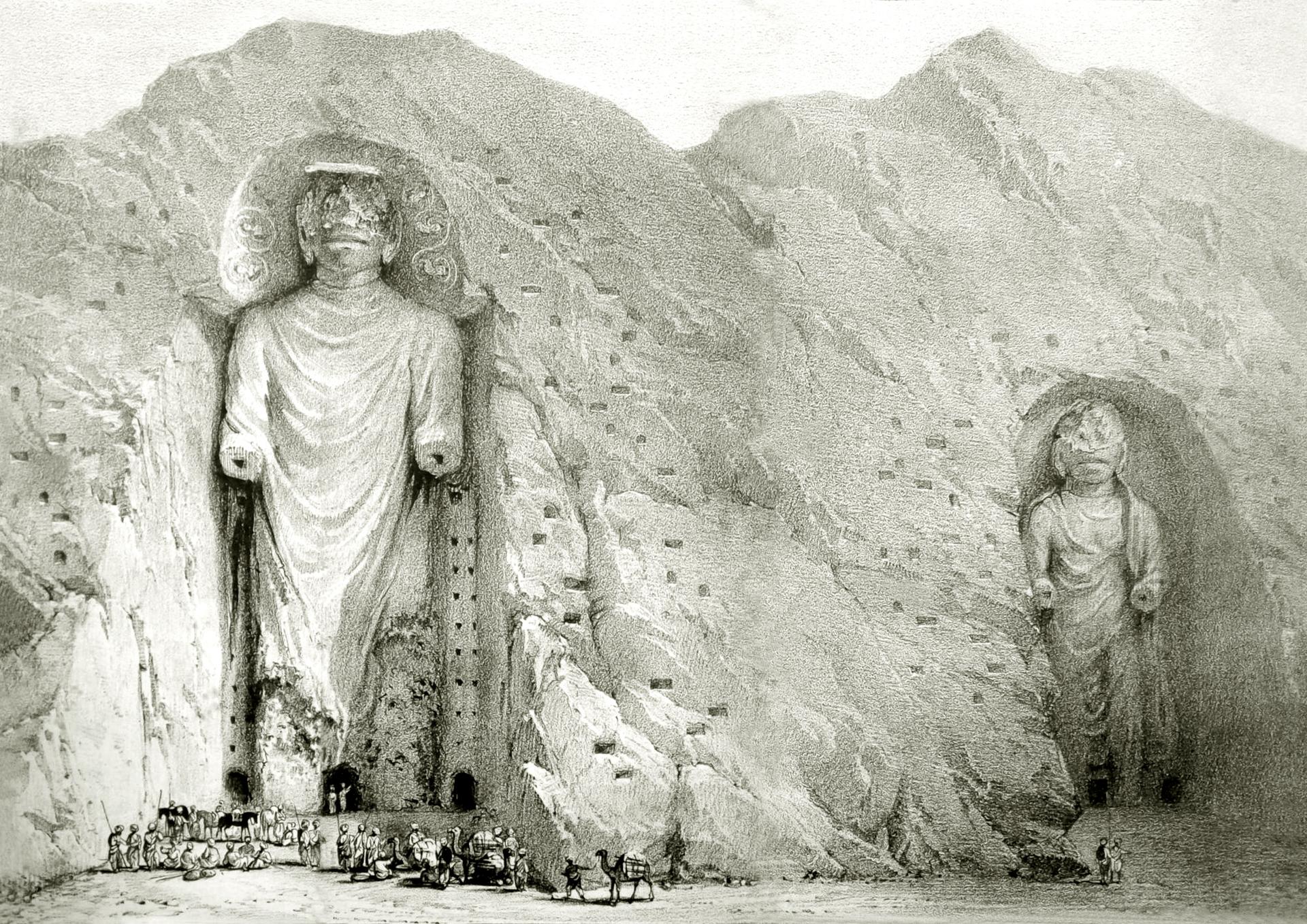
Looking beyond Kakrak valley caves? Discover Bamyan for broader travel guides, local hot-spots, and regional highlights.
Explore Bamyan
Discover the breathtaking beauty of Koh-e Mianah Pozah, a majestic mountain peak in Afghanistan, where adventure and nature converge.
Unearth the echoes of history at Gholghola City in Bamyan, Afghanistan, where ancient ruins meet breathtaking landscapes, offering a unique glimpse into a resilient past [5].
