Historical Gholghola City: The City of Screams
Unearth the echoes of history at the City of Screams in Bamyan, where ancient ruins meet breathtaking landscapes, offering a glimpse into a resilient past [4, 6].
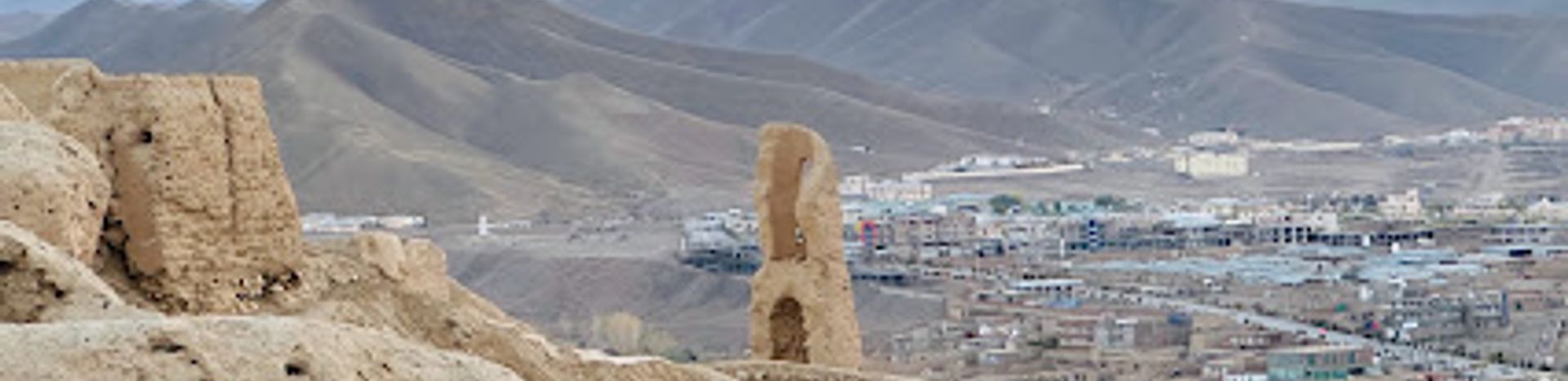
Explore the haunting ruins of Gholghola City in Bamyan, Afghanistan, also known as the 'City of Screams' [4, 6]. This ancient city, a UNESCO World Heritage Site, stands as a testament to Afghanistan's rich and turbulent past [6, 13]. Once a thriving hub along the Silk Road, it met a tragic end at the hands of the Mongol armies in 1221 [4, 6].
A brief summary to Historical Gholghola City
- RR9Q+M8H, Bamyan, AF
Local tips
- Wear comfortable shoes as the terrain is uneven and requires walking [4].
- Visit during sunrise or sunset for stunning views and fewer crowds [4].
- Hire a local guide for deeper insights into the history and significance [4].
- Bring water and snacks, as amenities are limited at the site [4].
- Respect the local customs and traditions while visiting this historical site [22].

Getting There
-
Taxi/Ride-Share
From Bamyan city center, taxis are readily available [4]. A shared taxi ('sayar') to Gholghola City from the main taxi stand near the local market costs approximately 200 AFN per person [4]. The ride takes about 15-20 minutes, dropping you near the entrance [4]. Negotiate the fare beforehand for private taxis, which may cost between 500-1000 AFN [4, 18].
-
Walking
For adventurous travelers, walking from Bamyan city center is an option [4]. Head west on Bazaar Road until its end, then turn left at the roundabout onto Sayadabad Street [6, 9]. The site is approximately 1.5 kilometers from the bazaar [6, 9]. The walk, which curves past wheat and potato fields, is a pleasant one, particularly in late summer [6]. Be aware that the path leading up to the citadel is steep and requires a moderate level of fitness [6]. Note that you will need to pass through a police checkpoint, so make sure to have your Bamyan Entrance Ticket which costs 300 AFS and includes access to the Buddha Niches, Shahr-e Zohak, and Shahr-e Gholghola [4, 25]. Tickets can be purchased at the Director of Information & Culture located in front of the Buddha Niches [4, 25].
Discover more about Historical Gholghola City
Iconic landmarks you can’t miss

کوتل چوونی Old Russian Tanks
1.1 km
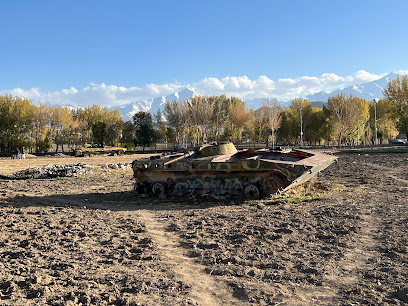
Explore the haunting remnants of the Soviet-Afghan War at Kotal-e Chawni, where rusting tanks meet the breathtaking beauty of the Bamyan Valley [4].
Shamama Buddha Statue
1.7 km
Explore the remnants of the Shamama Buddha, a UNESCO World Heritage Site, and discover the rich Buddhist history of Afghanistan's Bamyan Valley.
Bamyan Culture and Art House
1.9 km
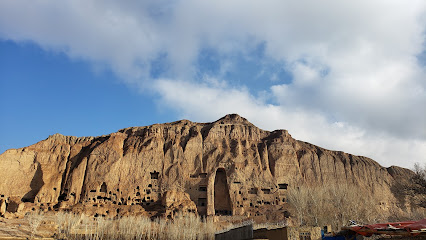
Discover Bamyan's vibrant arts scene at the Culture and Art House: a hub for local talent and cultural preservation.

Kakrak valley caves
1.9 km
Explore the ancient Kakrak Valley Caves in Bamyan, Afghanistan, a historical landmark showcasing Buddhist artistry amidst stunning Silk Road landscapes.
SHAHR-E-ZOHAK
13.2 km
Explore the historic Red City of Shahr-e Zohak in Bamiyan, Afghanistan, offering stunning views and a glimpse into the region's Silk Road past.
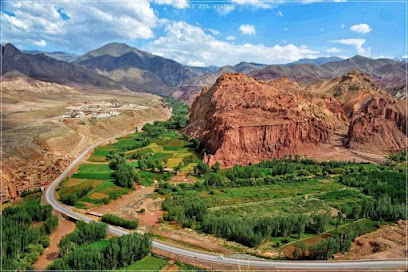
Kōh-e Pāmī
43.1 km
Discover Kōh-e Pāmī, Afghanistan: A majestic mountain peak offering breathtaking views, cultural immersion, and unforgettable adventures in the Afghan highlands.
Koh-e Mianah Pozah
60.3 km
Discover the breathtaking beauty of Koh-e Mianah Pozah, a majestic mountain peak in Afghanistan, where adventure and nature converge.
Mullah Khel maidan Wardak
95.9 km
Discover Afghan spirituality and culture at Mullah Khel Maidan in Wardak, surrounded by breathtaking landscapes and warm hospitality.
Unmissable attractions to see

Buddhas of Bamiyan
1.8 km
Explore the remains of the monumental Bamiyan Buddhas, a UNESCO World Heritage Site and a poignant reminder of Afghanistan's Silk Road history.
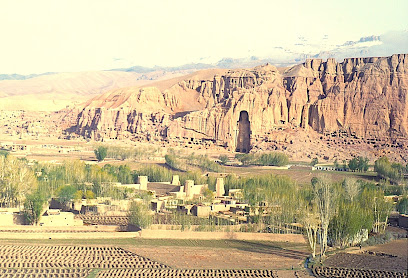
Buddha of Bamyan
1.8 km
Explore the poignant remains of the Bamyan Buddhas, a UNESCO World Heritage Site and a symbol of Afghanistan's rich cultural history.
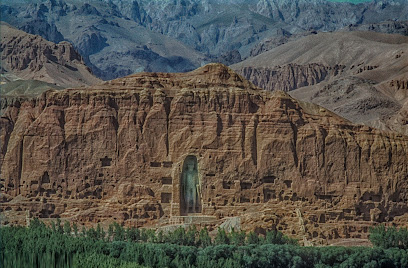
Dragon Valley
8.2 km
Explore the mythical Dragon Valley in Bamyan, Afghanistan: a geological wonder steeped in legend, offering stunning landscapes and cultural heritage.
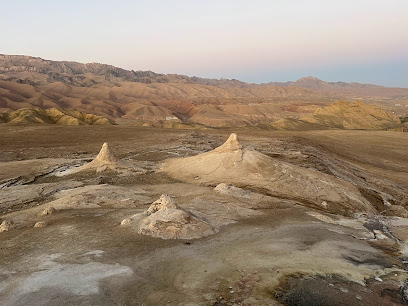
Koh-e Awpar
22.7 km
Scale the heights of Koh-e Awpar in Afghanistan's Bamyan Province for stunning views and a challenging mountaineering experience in the Hindu Kush.
Band-e-Amir National Park
56.1 km
Discover Afghanistan's hidden gem: Band-e-Amir National Park, a stunning landscape of turquoise lakes and dramatic canyons, offering a unique escape.
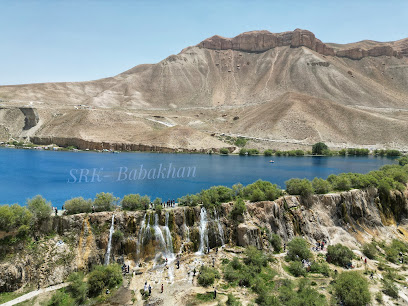
Band-e Amir
57.2 km
Discover Afghanistan's first national park, a breathtaking landscape of turquoise lakes and dramatic canyons in the heart of the Hindu Kush.
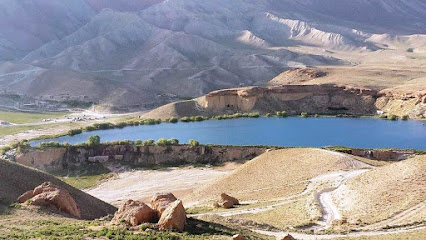
Pawaz paein
70.0 km
Discover the beauty and culture of Afghanistan at Pawaz Paein in Shaikh Ali, a serene escape with stunning landscapes and rich traditions.
Gaw Kush
97.8 km
Discover Gaw Kush in Afghanistan: A challenging climb with rewarding panoramic views in a remote, stunning landscape of the Hindu Kush.
Essential places to dine

Gawhargen restaurant
0.8 km
Experience authentic Afghan cuisine at Gawhargen Restaurant in Bamiyan - where every dish tells a story.
Kabul Reatuarant
0.9 km
Experience authentic Afghan cuisine at Kabul Restaurant in Bamyan - where tradition meets flavor in a picturesque setting.
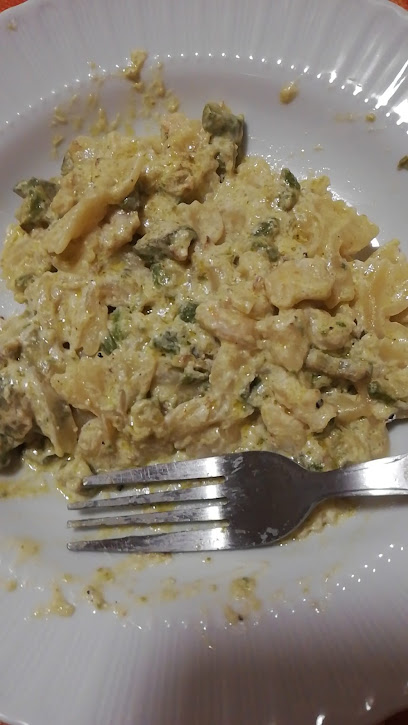
Ansaf Restaurant and Hotel
0.9 km
Discover authentic Afghani cuisine at Ansaf Restaurant and Hotel in Bamyan, where tradition meets comfort amidst stunning landscapes.
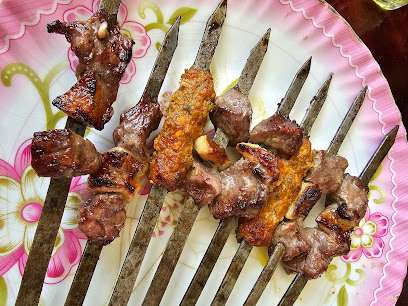
Shahram Hotel هوتل شهرام
1.0 km
Experience authentic Afghan cuisine amidst breathtaking landscapes at Shahram Hotel in Bamyan.
Khorsheed Restaurant
1.1 km
Experience authentic Afghan flavors at Khorsheed Restaurant in Bamyan – where every dish tells a story.

Chaikhana
1.1 km
Discover authentic Afghan cuisine at Chaikhana in Bamyan - where every dish tells a story.
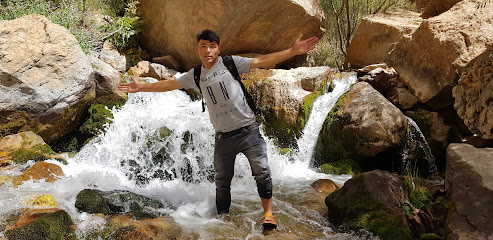
Bamyan Tourist Hotel
1.2 km
Experience authentic Afghan cuisine with breathtaking views at Bamyan Tourist Hotel in the heart of historical Bamyan.
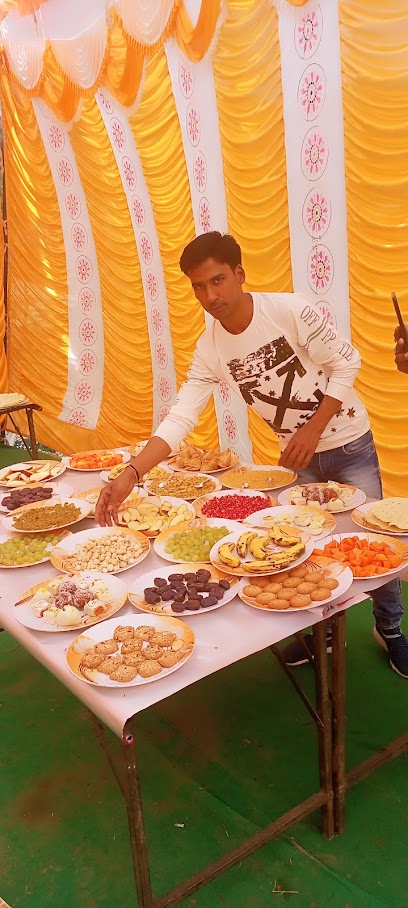
ShamamaRestaurant
1.4 km
Experience authentic Afghan barbecue at Shamama Restaurant in Bamyan - a culinary delight surrounded by breathtaking landscapes.
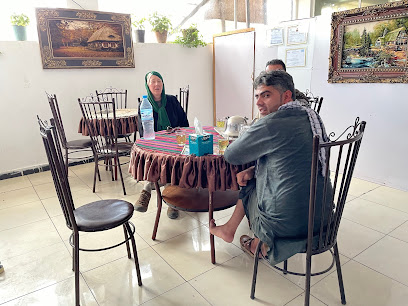
Roof Of Bamyan هوتل بام بامیان
1.4 km
Discover unparalleled comfort and breathtaking views at Roof Of Bamyan Hotel in Afghanistan's historic Bamyan Valley.
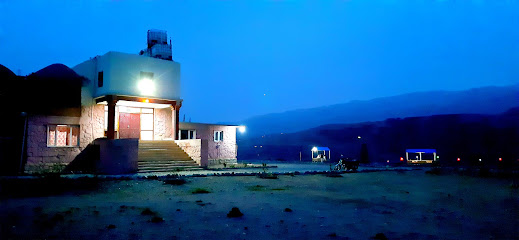
Gholghola hotel هوتل غلغله
1.5 km
Experience authentic Afghan cuisine at Gholghola Hotel in Bamyan, where tradition meets flavor amidst stunning landscapes.
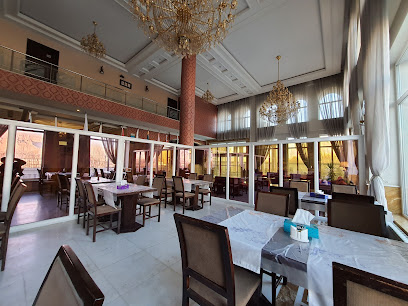
Abdullah merzayi
98.6 km
Experience authentic Afghani cuisine at Abdullah Merzayi in Ghawcqol - a true taste of Afghanistan's rich culinary heritage.
Abdullah agha
98.6 km
Discover the rich flavors of authentic Afghani cuisine at Abdullah Agha in Ghawcqol—an unforgettable dining experience awaits you.
Saqib sahil
98.6 km
Experience authentic Afghan cuisine at Saqib Sahil in Ghawcqol—where every dish tells a story of tradition and flavor.
be quiet
98.6 km
Discover authentic Afghan cuisine at Be Quiet Restaurant in Ghawcqol - where tranquility meets culinary delight.
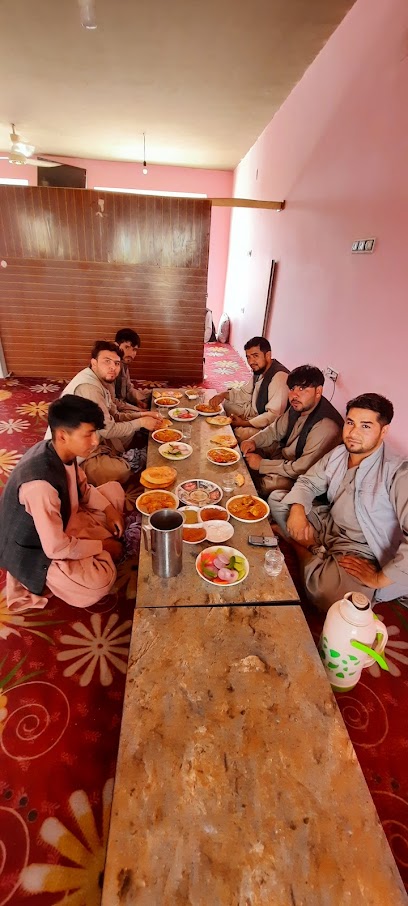
Danna Florez
98.8 km
Experience authentic Belgian cuisine at Danna Florez in Afghanistan, where delightful dishes meet warm hospitality.
Markets, malls and hidden boutiques

MoMo Agent
0.8 km
Stay connected in Bamyan with MoMo Agent, your reliable cell phone store offering devices, accessories, and repair services.

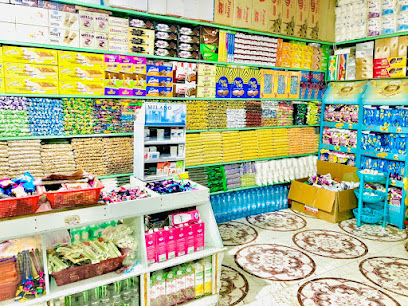
Insaf Super Market
0.8 km
Experience the vibrant local culture at Insaf Super Market in Bamyan, Afghanistan, where unique goods and friendly faces await.
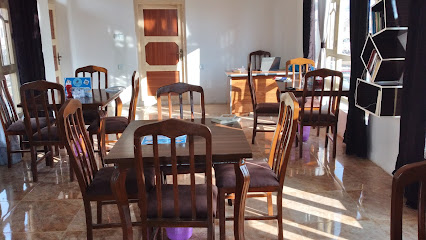
Buddha Book Café
0.8 km
Discover tranquility at Buddha Book Café in Bamyan, where culture meets comfort in a delightful coffee experience.
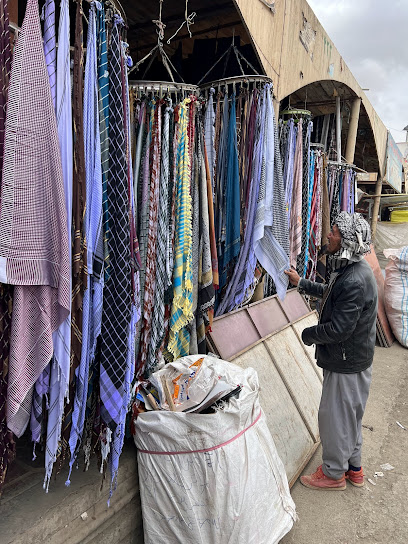
Madine Market
0.8 km
Explore the rich culture and vibrant atmosphere of Madine Market, a must-visit bazar in Bamyan, Afghanistan, filled with local artistry and culinary delights.
Begzad Super Market
0.9 km
Explore Bamyan's Begzad Super Market: A cultural shopping experience filled with local flavors, crafts, and community spirit.
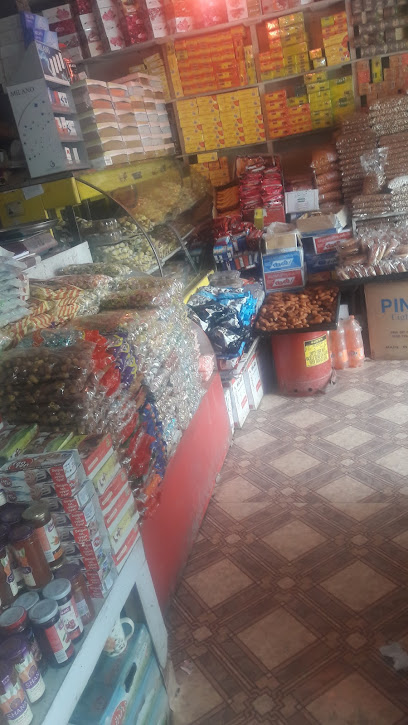
بازارچه هنر Craft Bazaar
1.0 km
Explore the vibrant بازارچه هنر Craft Bazaar in Bamyan for unique Hazaragi crafts and women's clothing that celebrate local artistry.

بامیان درملتون Bamian pharmacy
1.1 km
Discover the best health and beauty essentials at Bamian Pharmacy, a trusted stop for travelers in the stunning Bamyan region of Afghanistan.
Red flower bakery
1.1 km
Discover the essence of Afghan baking at Red Flower Bakery in Bamyan, where every treat tells a story of culture and tradition.
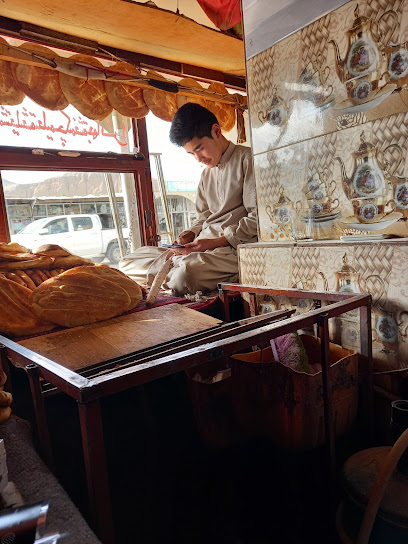
Silk Road Hotel Restaurant
1.4 km
Experience exquisite Asian and Japanese cuisine at the Silk Road Hotel Restaurant in Bamyan, where flavor meets stunning riverside views.

Ay khanum restaurant
2.0 km
Discover Ay Khanum Restaurant in Bamyan, a charming coffee shop offering a taste of local culture and delightful brews amidst stunning landscapes.
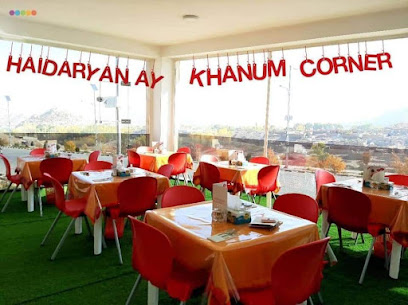
شهر جدیدبامیان Bamyan New City
2.1 km
Explore the vibrant Bamyan New City, a blend of modern life and ancient heritage, rich in culture, history, and stunning landscapes.
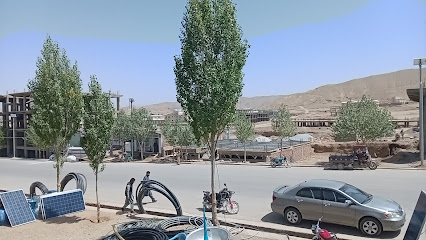
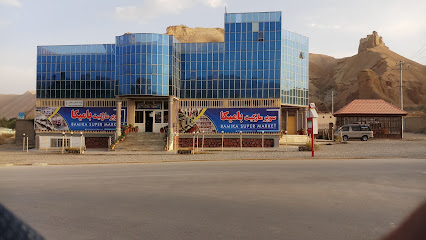
Bamika Super Market
4.9 km
Experience the vibrant culture and shopping delights at Bamika Super Market in Bamyan, a unique blend of tradition and modernity.
Rahimi shop
52.8 km
Explore unique home goods and vibrant local crafts at Rahimi Shop in Behsud, a perfect destination for authentic Afghan souvenirs.
وحیدالله فیضی د کلوچه پلورنځی Wahidullah Faizi Cake Shop
63.6 km
Experience the rich flavors of Afghanistan with delectable pastries and cakes at Wahidullah Faizi Cake Shop, a local favorite for sweet lovers.
Shopping Store
68.4 km
Explore Boldak's Shopping Store for Authentic Afghan Crafts and Local Goods.
Essential bars & hidden hideouts

Bamyan Royal Hotel
0.6 km
Discover comfort and rich culture at Bamyan Royal Hotel, your gateway to exploring the breathtaking landscapes of Afghanistan.
Blue Net Club
0.7 km
Experience high-speed connectivity and a welcoming atmosphere at Blue Net Club in Bamyan, the perfect spot for travelers to stay connected.
ماما نجف
0.9 km
Discover the authentic flavors of Bamyan at ماما نجف, where traditional Afghan cuisine meets warm hospitality.
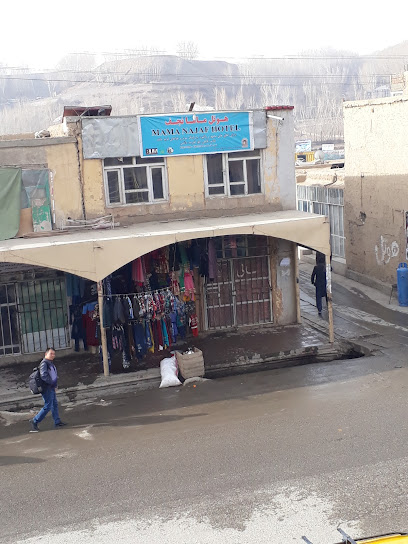
Ghulghula Hotel
1.0 km
Experience the charm of Bamyan at Ghulghula Hotel, where comfort meets cultural exploration in Afghanistan's stunning landscapes.
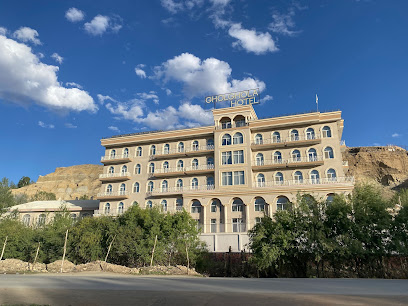
ABDARAH
43.5 km
Experience the authentic flavors of Afghanistan at Abdarah, where traditional cuisine meets warm hospitality in a unique setting.
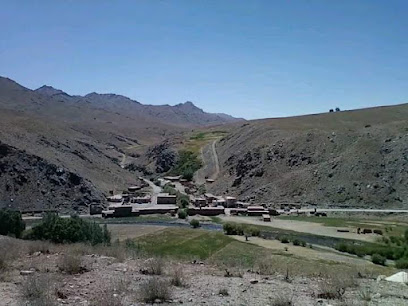
Sakhi Restaurant سخی رستورانت
51.1 km
Discover the authentic taste of Afghanistan at Sakhi Restaurant in Zarkharid, offering a delightful menu and welcoming atmosphere for all visitors.
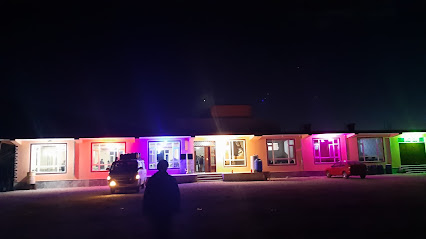
Tarkan
63.7 km
Tarkan in Shaikh Ali: A vibrant bar offering a taste of Afghan hospitality and social charm in a cozy setting.
Yousaf
98.6 km
Discover the lively charm of Yousaf Bar in Ghawcqol, a perfect spot for tourists to enjoy local drinks and vibrant culture.
Praça do estupro
98.6 km
Experience the vibrant local culture at Praça do Estupro, Ghawcqol's favorite bar for travelers seeking authentic Afghan nightlife.
رحمت الله Pco
98.6 km
Discover authentic Chinese flavors at رحمت الله Pco in Ghawcqol, where culinary traditions meet Afghan hospitality for an unforgettable dining experience.
Almas
98.6 km
Discover the vibrant nightlife and local culture at Almas, a charming bar in Ghawcqol, Afghanistan.
Saeed
98.6 km
Experience the essence of American cuisine at Saeed in Ghawcqol, where classic flavors meet a welcoming atmosphere for every traveler.
Bakthash Qaderi
98.6 km
Explore authentic Afghan flavors at Bakthash Qaderi in Ghawcqol, a must-visit restaurant for an unforgettable culinary journey.
Salt Factory
99.2 km
Discover the geological wonders of the Salt Factory, where nature's processes meet the fascinating world of salt production.