

Free Takhar Travel Guide & Mobile App
Explore Takhar with free travel guides. Discover regional history, expert tips, proposed trips, and audio guides on web or mobile app.


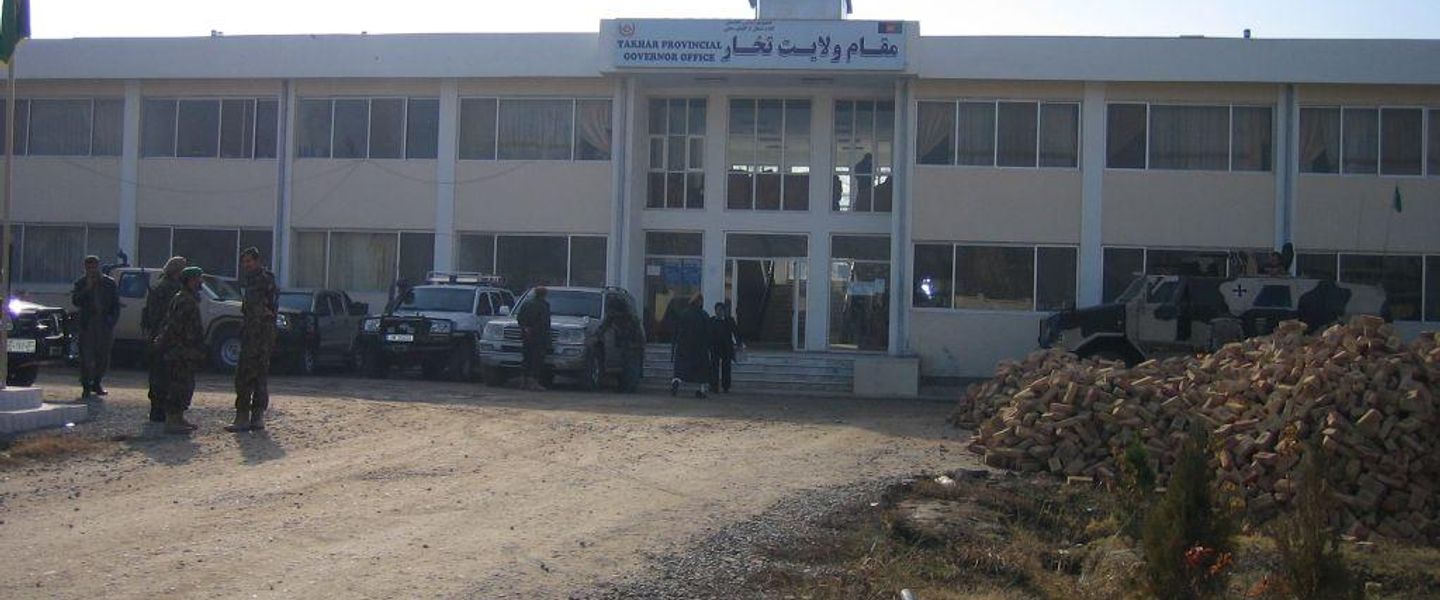


Takhar explores ancient Hellenistic archaeology, river valleys and Hindu Kush landscapes in north-eastern Afghanistan, with stringent safety planning essential.
Read more about Takhar
When is the best time to visit Takhar?
Best: May–June, September · 25–30°C| Month | High (°C) | Rainfall (mm) |
|---|---|---|
| January | 8 | 40 |
| February | 10 | 35 |
| March | 15 | 45 |
| April | 20 | 35 |
| May (best) | 25 | 20 |
| June (best) | 30 | 10 |
| July | 32 | 5 |
| August | 31 | 5 |
| September (best) | 26 | 5 |
| October | 20 | 10 |
| November | 15 | 15 |
| December | 8 | 25 |
Getting to and around Takhar
How to get there
Transportation
Best attractions in Takhar
Takhar's attractions are primarily archaeological, geographical and cultural rather than developed visitor facilities. Ai Khanoum is the province's outstanding historical site, preserving the remains of a Hellenistic city near the Kokcha and Amu Darya river systems; its theatre, gymnasium and monumental buildings illuminate the meeting of Greek and Central Asian traditions. Access and conservation conditions are uncertain, and the site should be visited only with proper authorisation and current security advice. Taloqan's markets and surrounding agricultural districts provide context for contemporary northern Afghan life, but they are working environments rather than organised tourist attractions. The Panj valley and the routes towards Badakhshan offer broad river landscapes, while southern districts rise into more rugged Hindu Kush terrain. These environments may interest researchers, specialist cultural travellers and those with essential local connections, yet there are few formal museums, marked trails, maintained heritage facilities or reliable accommodation services. The province's strongest visitor appeal therefore lies in understanding its historical geography, not in assembling a conventional sightseeing programme.
-
Chitral Gol National Park
Discover the breathtaking landscapes and diverse wildlife of Chitral Gol National Park, a Himalayan haven for nature lovers and adventure seekers.
-
Tirich Mir
Conquer the majestic Tirich Mir, the 'King of Darkness,' in Pakistan's Chitral Valley: a haven for mountaineering, trekking, and cultural discovery.
-
Garam Chashma
Discover Garam Chashma: Relax in therapeutic hot springs amidst stunning mountain scenery and rich cultural history in the heart of Chitral.
-
Takur Ghar
Explore Takur Ghar, Afghanistan: Witness history and breathtaking views from this iconic mountain peak in the heart of the Arma Mountains.

Best landmarks in Takhar
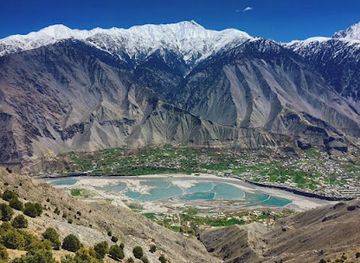
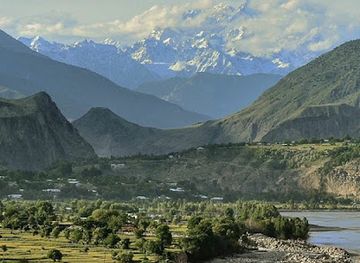
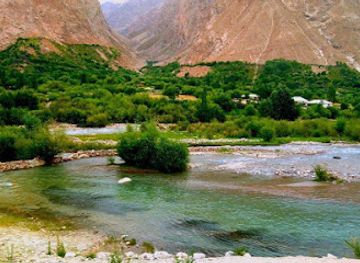
Ai Khanoum is Takhar's defining historical landmark, an archaeological site whose Hellenistic theatre, colonnaded buildings and civic institutions reveal the extent of Greek cultural influence in ancient Bactria. Its position near major river routes also explains why the settlement mattered beyond its walls. Taloqan is the province's principal urban landmark in a functional rather than monumental sense: its administrative buildings, commercial streets and position among northern agricultural valleys make it the clearest expression of contemporary Takhar. The Kokcha and Panj rivers are important natural landmarks, linking the province to the wider Oxus landscape and shaping settlement, farming and historic movement. Farther south, the transition from cultivated plains to Hindu Kush foothills provides a powerful geographical marker, although roads and security conditions make access highly constrained. Takhar has relatively few maintained monuments or public heritage complexes designed for visitors, and any approach to archaeological or official sites must respect local permission, conservation rules and security restrictions.
-
Park
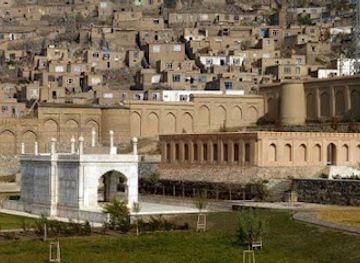
Babur Garden
Explore Kabul's historic Bagh-e Babur: the final resting place of Emperor Babur and a peaceful green space.
-
National park
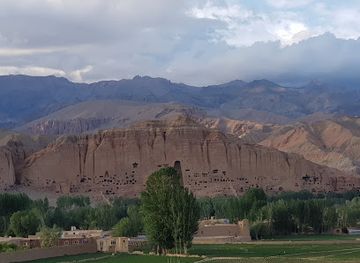
Band-e-Amir National Park
Discover Afghanistan's hidden gem: Band-e-Amir National Park, a stunning landscape of turquoise lakes and dramatic canyons in the Hindu Kush.
-
Castle
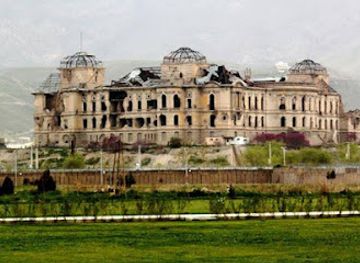
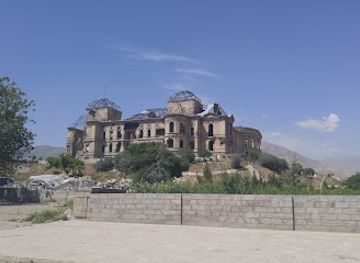
DarulAman Palace
Explore Darul Aman Palace in Kabul, a neoclassical masterpiece reborn, symbolizing Afghanistan's history and unwavering spirit of resilience.
-
Museum
The National Museum of Afghanistan
Explore millennia of Afghan history and culture at Kabul's National Museum, a symbol of resilience on the Silk Road.
Explore Takhar on the map
Plan your trip on one map. See where the top cities, national parks and sights are, and book hotels and experiences in a few clicks.
Best hotels in Takhar
Best restaurants in Takhar
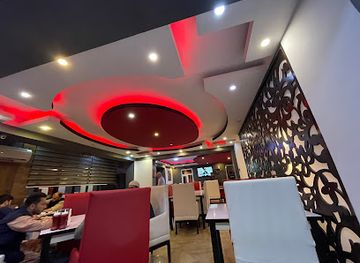
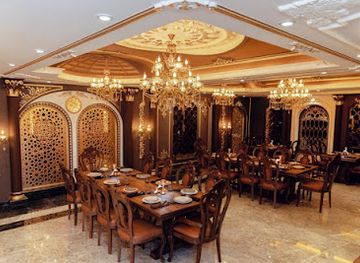
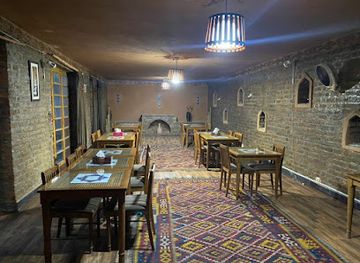
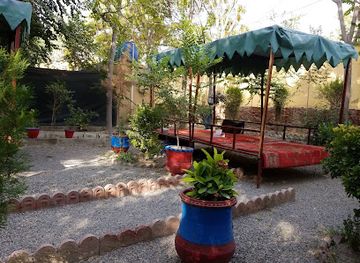
Takhar has no established international dining scene, and food choices for visitors are generally shaped by local households, markets, simple eateries and accommodation arranged through trusted contacts. Meals commonly reflect northern Afghan cooking, with rice dishes, naan, soups, beans, yoghurt, seasonal vegetables and meat prepared according to local availability. Fresh fruit and dried fruit are important in agricultural districts, while tea accompanies hospitality and informal meetings. Taloqan offers the widest practical choice of basic food, although standards, supplies and opening arrangements can change quickly. Visitors with dietary or medical requirements should carry suitable provisions and explain them clearly through a Dari-speaking intermediary. Eating with local hosts is an important social practice, but visitors should accept hospitality respectfully without assuming that every food tradition is distinctive to Takhar; many dishes belong to the broader culinary cultures of Afghanistan and Central Asia. Alcohol is prohibited under Afghan law and should not be brought or sought.
-
Restaurant
Mr.cook fast food
Discover delicious fast food and local flavors at Mr. Cook Fast Food in Kabul – where taste meets tradition.
-
Afghani
Ziyafat Restaurant
Discover the rich flavors of Afghan cuisine at Ziyafat Restaurant in Kabul, where tradition meets taste.
-
Afghani
Sufi Mahal Restaurant ( رستورانت صوفی محل )
Experience authentic Afghan cuisine at Sufi Mahal Restaurant in Kabul – where tradition meets taste in every dish.
-
Afghani
Herat Restaurant
Experience authentic Afghani cuisine at Herat Restaurant in Kabul - where every dish tells a story.
Best bars in Takhar
Takhar does not have a conventional bar or nightclub scene. Alcohol is prohibited under Afghan law, and evening social life generally centres on family homes, tea drinking, private hospitality and occasional gatherings connected with local commerce or community life. Taloqan may have simple tea houses or restaurants used during daylight and early evening, but foreign visitors should not assume that venues are openly advertised, consistently operating or appropriate without local guidance. In rural districts, services close early and movement after dark can present additional security and transport risks. Evening plans should therefore be quiet, discreet and arranged through a trusted host, with attention to local gender norms and religious expectations. Music, entertainment and public gatherings may be subject to restrictions that change over time, so visitors should never treat nightlife information from older travel accounts as current.
-
شیریخ پزی صابر صابری Saber Saberi's cooking
Discover Saber Saberi's Ice Cream in Taleqan, Afghanistan—where every scoop is a delightful blend of tradition and flavor.
-
be quiet
Experience serene dining at Be Quiet Restaurant in Ghawcqol, Afghanistan, where tranquility meets delicious flavors in a cozy atmosphere.
-
Beer Garden
ښایسته هوټل
Discover the perfect family-friendly retreat at ښایسته هوټل in Tirin Kut, Afghanistan, where comfort meets Afghan hospitality.
-
افسرخان شپیشل روش Afsar Khan Special Rush
Discover the rich flavors of Afghan cuisine at Afsar Khan Special Rush in Nāder Šāh Kawţ, where tradition meets taste in every dish.
Best nightclubs in Takhar
Takhar does not have a conventional bar or nightclub scene. Alcohol is prohibited under Afghan law, and evening social life generally centres on family homes, tea drinking, private hospitality and occasional gatherings connected with local commerce or community life. Taloqan may have simple tea houses or restaurants used during daylight and early evening, but foreign visitors should not assume that venues are openly advertised, consistently operating or appropriate without local guidance. In rural districts, services close early and movement after dark can present additional security and transport risks. Evening plans should therefore be quiet, discreet and arranged through a trusted host, with attention to local gender norms and religious expectations. Music, entertainment and public gatherings may be subject to restrictions that change over time, so visitors should never treat nightlife information from older travel accounts as current.
-
Night club
هرات افغانستان
Experience the electric nightlife of Herat, Afghanistan, where vibrant clubs and rich culture come together for an unforgettable evening.
-
Sports bar
Rokhan Sport House and Tikwando Club
Discover the vibrant sports culture of Jalalabad at Rokhan Sport House and Tikwando Club, where community and athleticism unite.
-
Ziarat
Experience the vibrant nightlife of Ziarat in Pitav, Afghanistan, where music, dance, and community come together for an unforgettable night out.
-
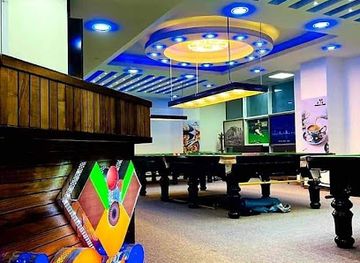
iCue Snooker & Cafe
Discover iCue Snooker & Cafe in Kabul, a lively sports club perfect for snooker lovers and social gatherings in a welcoming atmosphere.
Best shops in Takhar
Shopping in Takhar is chiefly practical and market-based, with Taloqan serving as the main commercial centre for surrounding districts. Visitors may encounter stalls selling clothing, household goods, food, fruit, nuts, dried produce and everyday agricultural supplies rather than specialist tourist retail. Carpets, woven goods and locally made textiles may be available through private contacts or market traders, but quality, provenance and prices vary and should be assessed carefully. Afghan dried fruit, nuts, tea and saffron-like spice products can be useful gifts where legally transportable, although customs rules in the traveller's destination should be checked. There is no dependable chain of souvenir shops, craft quarter or modern shopping centre aimed at international visitors. Bargaining may occur in informal markets, but it should remain courteous and proportionate. Do not purchase antiquities, unverified gemstones or archaeological objects: removing cultural property from Afghanistan may be illegal and can contribute to the damage of sites such as Ai Khanoum.
-
Clothing store
Naaz Boutique Afghani dresses store
Discover the elegance of Afghani dresses at Naaz Boutique, where tradition meets contemporary fashion in the heart of Kabul.
-
Supermarket
Sadaqat supermarket
Explore the local flavors and vibrant atmosphere at Sadaqat Supermarket, a key destination for tourists in Taleqan, Afghanistan.
-
Gift shop
Airport Gift Shop
Discover unique Afghan souvenirs and local crafts at the Kunduz Airport Gift Shop, a must-visit for travelers seeking memorable keepsakes.
-
Electronics store
Aozairi Computer Accessories
Explore Aozairi Computer Accessories in Taleqan – Your destination for quality electronics and exceptional service.

Get your free copy of our complete guide to Takhar, delivered straight to you.
Everything on this page, from attractions and restaurants to essentials and local phrases, in one PDF you can read offline, print or share.
Already have an account? Sign in
Your Takhar guide is ready.
We'll send it to · Not you? Sign out

Getting your guide ready…
We are putting together a fresh copy of the Takhar guide. This can take up to a minute.
This can take a few moments. If your browser asks, choose Allow so the download can start. You'll find the guide in your Downloads folder.
Nothing happened? Download it again
Sorry, the guide is taking longer than usual. Please try again in a minute, or get it by email instead.
Takhar essentials
Currency and Payment
Safety
Emergency Situations
Do's and Don'ts
Local Tips
From Eve
Local phrases worth knowing
You don't need to get them perfect. A few words go a long way, and locals appreciate the effort.
Basics
| English | Local | Say it |
|---|---|---|
| Hello | سلام | [Salam] |
| Goodbye | خداحافظ | [Khudā hāfez] |
| Yes | بله | [Bale] |
| No | نه | [Na] |
| Please/You're welcome | لطفا | [Lotfan] |
| Thank you | تشکر | [Tashakur] |
| Excuse me/Sorry | ببخشید | [Bebakhshid] |
| How are you? | چطور هستید؟ | [Chetor hastid?] |
| Fine. And you? | خوبم. شما چطورید؟ | [Khobam. Shoma chetorid?] |
| Do you speak English? | آیا انگلیسی صحبت میکنید؟ | [Āyā engelisi sohbat mikonid?] |
| I don't understand | من نمیفهمم | [Man nemifahmam] |
Eating & Drinking
| English | Local | Say it |
|---|---|---|
| I'd like to see the menu, please | لطفا منو را نشان بدهید | [Lotfan menu ra neshan bedahid] |
| I don't eat meat | من گوشت نمیخورم | [Man gusht nemikhoram] |
| Cheers! | سلامتی! | [Salāmati!] |
| I would like to pay, please | لطفا میخواهم پرداخت کنم | [Lotfan mikhahham pardakht konam] |
Emergencies
| English | Local | Say it |
|---|---|---|
| Help! | کمک! | [Komak!] |
| Go away! | برو کنار! | [Boro kenār!] |
| Call the Police! | پلیس را صدا کنید! | [Polis ra sedā konid!] |
| Call a doctor! | دکتر را صدا کنید! | [Doktor ra sedā konid!] |
| I'm lost | گم شدهام | [Gom shode-am] |
| I'm ill | بیمار هستم | [Bimār hastam] |
Shopping
| English | Local | Say it |
|---|---|---|
| I'd like to buy... | میخواهم بخرم... | [Mikhahham bekharam...] |
| I'm just looking | فقط دارم نگاه میکنم | [Faghat dāram negāh mikonam] |
| How much is it? | قیمتش چقدر است؟ | [Gheymatash cheqadr ast?] |
| That's too expensive | این خیلی گران است | [In kheili gerān ast] |
| Can you lower the price? | میتوانید قیمت را پایین بیاورید؟ | [Mitavānid gheymat ra pāin biyāvarid?] |
Time & Numbers
| English | Local | Say it |
|---|---|---|
| What time is it? | ساعت چند است؟ | [Sā'at chand ast?] |
| It's one o'clock | ساعت یک است | [Sā'at yek ast] |
| Half past (10) | ده و نیم | [Dah o nim] |
| Morning | صبح | [Sobḥ] |
| Afternoon | بعد از ظهر | [Ba'd az zohr] |
| Evening | عصر | [Asr] |
| Yesterday | دیروز | [Diruz] |
| Today | امروز | [Emruz] |
| Tomorrow | فردا | [Fardā] |
| 1 | یک | [Yek] |
| 2 | دو | [Do] |
| 3 | سه | [Se] |
| 4 | چهار | [Chahār] |
| 5 | پنج | [Panj] |
| 6 | شش | [Shesh] |
| 7 | هفت | [Haft] |
| 8 | هشت | [Hasht] |
| 9 | نه | [No] |
| 10 | ده | [Dah] |
Transport & Directions
| English | Local | Say it |
|---|---|---|
| Where's a/the...? | کجا ... است؟ | [Kojā ... ast?] |
| What's the address? | آدرس چیست؟ | [Ādras chist?] |
| Can you show me (on the map)? | میتوانید به من نشان دهید (روی نقشه)? | [Mitavānid be man neshān dahid (ruye naqsha)?] |
| When's the next (bus)? | کی(باز) بعدی است؟ | [Ki (bāz) badi ast?] |
| A ticket (to ....) | یک بلیط (به ....) | [Yek belit (be ....)] |
History of Takhar
Ai Khanoum and the Hellenistic East, third to second centuries BCE
Ai Khanoum, in the lower Kokcha region of present-day Takhar, was one of the most important Hellenistic settlements discovered in Central Asia. Founded after the Macedonian conquest of the region, it included a theatre, gymnasium, temples, administrative buildings and a palace complex. Its architecture and inscriptions show that Greek civic forms operated alongside local Central Asian traditions. The city stood near major river routes linking Bactria with lands farther east and north. Excavations in the twentieth century revealed the depth of cultural exchange across the region, although the archaeological site has since suffered from insecurity and limited conservation resources.
Kushan-era cultural connections, first to third centuries CE
Takhar formed part of the wider cultural world of ancient Bactria and later the Kushan Empire, whose influence extended across much of Afghanistan and into Central and South Asia. Trade routes carried goods, artistic ideas and religious traditions through the river valleys and mountain corridors. Buddhism became influential in parts of the region, while Iranian, Greek and Central Asian elements continued to interact. Surviving evidence is uneven, but the province's location between Bactrian lowlands, the Hindu Kush and the Oxus corridor helps explain its importance as a zone of cultural contact rather than an isolated frontier.
The spread of Islam and Persianate political culture
From the early medieval period, Islamic rule and institutions gradually reshaped northern Afghanistan. Takhar was incorporated into successive regional powers and linked to the Persianate urban and scholarly world of Transoxiana and eastern Iran. Local settlements, agricultural districts and trading routes developed within political systems ruled at different times by Iranian, Turkic and Afghan dynasties. Islam became the dominant religious tradition, while Persian and later Dari remained important languages of administration and culture. The period's legacy is visible less through a single surviving monument than through the region's settlement patterns, religious institutions and historical ties across the Oxus.
Taloqan and the nineteenth-century Afghan state
During the nineteenth century, the valleys of northern Afghanistan became increasingly drawn into the centralising projects of the Afghan emirate. Taloqan and neighbouring districts held strategic value because roads from Kunduz, Badakhshan and the mountain passes converged in the wider area. Consolidation was contested, and local rulers, commanders and communities retained substantial influence over political and economic life. The period also intensified Afghanistan's role as a frontier between the expanding Russian Empire to the north and British India to the south. Takhar's location therefore gave it significance beyond its agricultural resources.
War, displacement and the late twentieth century
Takhar was deeply affected by the Soviet war, the subsequent conflicts among Afghan factions and the civil war of the 1990s. Northern provinces became centres of resistance and shifting alliances, while roads, farms, public buildings and services suffered repeated disruption. Fighting generated displacement and altered local power structures. The province's valleys and approaches towards Badakhshan also acquired military importance. These decades left extensive social and physical scars, and they remain essential context for understanding why archaeological sites, transport routes and public facilities in Takhar cannot be approached as though they were part of a normal tourist environment.
The post-2001 period and renewed conflict
After 2001, international assistance supported attempts to restore administration, education, roads and health services in Takhar, but insecurity continued in several districts. The province experienced attacks, political tensions and competition among local power holders. The Taliban's return to national power in 2021 brought another major political transformation, accompanied by restrictions affecting movement, civic life, employment and international engagement. Conditions remain subject to rapid change, and the practical circumstances for foreign visitors are determined as much by current security and permission requirements as by Takhar's archaeological and historical importance.
Takhar in Photos
Browse through our photo collection highlighting the charm and character of the destination.
Neighbouring regions of Takhar
The closest regions to Takhar, if you have time for more than one.
-

-

-

-

-


Swipe for more regions
Explore more

Explore more of Afghanistan
Discover Afghanistan's rich history, stunning landscapes, and diverse cultures. From ancient cities to breathtaking nature, this Central Asian gem offers a unique travel experience.
Explore Afghanistan