

Kunduz, Afghanistan Travel Guide
Explore Kunduz: A historic trading hub in northern Afghanistan, offering a unique blend of ancient ruins, modern culture, and scenic landscapes.
Kunduz, located in northern Afghanistan, is a city rich in history and culture. Famous for its fertile lands and strategic location, Kunduz has been a significant trading hub for centuries. Visitors will be fascinated by its historical architecture, bustling bazaars, and the friendly local population who are always eager to share their stories. The city offers a blend of old and new, with ancient ruins standing alongside modern buildings. The Kunduz River, which flows through the city, provides a picturesque backdrop and is perfect for a relaxing stroll. For those interested in history, the remnants of the ancient city of Balkh, known as the 'Mother of Cities,' are not far away. This makes Kunduz a great base for exploring more of Afghanistan's rich heritage. Nature lovers will appreciate the surrounding countryside, with its lush landscapes and opportunities for hiking and outdoor activities. The region's agriculture is also notable, with fields of wheat, cotton, and rice providing a scenic vista. Don't miss the local cuisine, which offers a delightful mix of flavors, including traditional Afghan dishes that reflect the city's diverse cultural influences.

Know before you go
Hi, I'm Eve. Here are a few practical things to know before exploring Kunduz.
- Visit the local bazaars early in the morning for the best selection of goods and a more authentic experience.
- Hire a local guide to get insightful historical context and to ensure a safe and enriching visit.
- Dress modestly and respectfully, keeping in mind local customs and traditions.
- Try the local cuisine, especially the traditional Afghan dishes like Kabuli Pulao and Mantu.
- Be aware of the current security situation and follow travel advisories from your home country.
Explore Kunduz: Things to Do, Places to Eat, Hotels & More
Handpicked recommendations for top attractions, local dining, accommodations, and more

Top Attractions & Sightseeing in Kunduz


Best landmarks in Kunduz
Top-rated picks
Best Landmarks

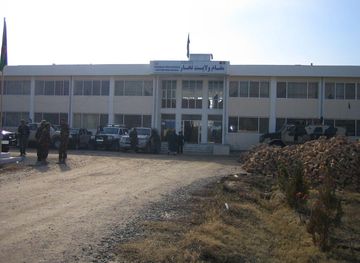
Haji Sangi Mosque
Discover the spiritual and architectural beauty of Haji Sangi Mosque, a symbol of Islamic heritage in Kunduz, Afghanistan.

بالاحصار كندز (كهندژ) Kunduz Fort
Explore the historic Kunduz Fort in Afghanistan, a symbol of resilience and a window into the region's storied past.

Best restaurants in Kunduz
Top-rated picks
Best Restaurants

Ghulam Hussain Restaurant رستورانت غلام حسین
Discover authentic Afghan flavors at Ghulam Hussain Restaurant in Kunduz – where every dish tells a story.

Shenwari Restaurant
Savor the authentic tastes of Afghanistan at Shenwari Restaurant in Kunduz – a true culinary experience!

HeartofKunduz
Experience authentic Asian cuisine at Heart of Kunduz—where flavors meet tradition in the heart of Afghanistan.

Best bars in Kunduz
Top-rated picks
Best Bars

رستورانت شاخه نبات Shakhi nabat restaurant
Experience the authentic flavors of Afghanistan at Shakhi Nabat Restaurant in Kunduz, where tradition meets culinary excellence.

Naseeb Restaurant
Discover the essence of Afghan cuisine at Naseeb Restaurant in Kunduz, where traditional flavors and warm hospitality meet.

Ghulam Hussain Restaurant رستورانت غلام حسین
Discover the rich flavors of Afghan cuisine at Ghulam Hussain Restaurant, a culinary treasure in Kunduz offering authentic dishes and warm hospitality.
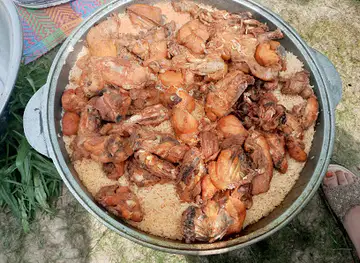
Shenwari Restaurant
Experience the rich flavors of Afghanistan at Shenwari Restaurant in Kunduz, where tradition meets taste in a welcoming atmosphere.

Best nightclubs in Kunduz
Top-rated picks
Best Nightclubs

Haji Sangi Mosque
Explore the architectural beauty and spiritual richness of Haji Sangi Mosque in Kunduz, a serene landmark of Islamic heritage.

Kunduz city
Explore Kunduz City, Afghanistan: A unique blend of rich history, vibrant culture, and breathtaking landscapes await your discovery.

iCue Snooker & Cafe
Experience the vibrant atmosphere of iCue Snooker & Cafe, Kabul's top destination for snooker enthusiasts and casual visitors alike.

Akbari Bodybuilding
Discover the vibrant fitness culture at Akbari Bodybuilding in Kunduz, Afghanistan, where strength meets community and resilience thrives.

Best shops in Kunduz
Top-rated picks
Best Shops

Airport Gift Shop
Explore the rich culture of Afghanistan with unique souvenirs and local crafts at the Kunduz Airport Gift Shop, your perfect travel companion.
Frotan Shope
Explore Frotan Shope in Kunduz, a shopping mall blending local culture with modern retail for an unforgettable experience.

Javed Ahmadzai general store
Explore local flavors and authentic Afghan products at Javed Ahmadzai General Store in Kunduz, a must-visit for every traveler.
Rustaq abad street7
Discover local culture and flavors at Rustaq Abad Street, a bustling supermarket in Kunduz offering authentic Afghan products and a vibrant shopping atmosphere.

Explore Kunduz on the Map
A handpicked selection of must-see spots in Kunduz, mapped for you.
Kunduz Essentials
-
Kunduz is located in northern Afghanistan. The nearest major airport is Khwaja Rawash Airport in Kabul, which is approximately 335 kilometers away. From Kabul, you can take a domestic flight to Kunduz Airport, although flights can be irregular. Alternatively, you can travel by road using a private car or taxi, which can take around 6-8 hours depending on road conditions. Public buses also operate between Kabul and Kunduz, but be prepared for a longer journey.
-
Within Kunduz, transportation options include taxis, auto-rickshaws, and private cars. Taxis can be hailed on the street or arranged through your accommodation. Auto-rickshaws offer a cheaper and more local way to get around. While renting a car is possible, it is advisable to hire a local driver who is familiar with the area and its road conditions. Public buses are available but may not be as reliable or timely.
-
The official currency in Afghanistan is the Afghan Afghani (AFN). Credit cards are rarely accepted, so it is essential to carry cash. ATMs are available in Kunduz, but it's advisable to withdraw sufficient cash in advance to avoid any inconvenience. Currency exchange services can be found in the city, though rates may vary.
-
Kunduz has experienced periods of instability, and it is crucial to stay updated on the current security situation. Certain areas, particularly on the outskirts, can be dangerous due to insurgent activity. Always consult local authorities or your embassy for the latest advice. Avoid traveling alone at night and be cautious in crowded places. High-crime areas targeting tourists include the outskirts of the city and isolated spots.
-
In case of an emergency, dial 119 for police assistance. For medical emergencies, contact the nearest hospital or clinic; Kunduz Regional Hospital is one of the main medical facilities in the area. It is highly recommended to have travel insurance that covers medical emergencies and evacuation. Pharmacies are available for minor health issues but may have limited stock.
-
Fashion: Do dress modestly; women should cover their hair and wear loose clothing that covers their arms and legs. Men should avoid shorts. Religion: Do respect local customs and Islamic traditions. Public Transport: Do be aware of your surroundings and avoid traveling during peak hours. Greetings: Do greet people with a handshake if they offer it; a nod or a slight bow is also acceptable. Eating & Drinking: Do accept food and drink offerings graciously. Don't eat or drink in public during Ramadan.
-
To experience Kunduz like a local, visit the local bazaars where you can purchase traditional Afghan goods and interact with residents. Try local dishes like mantu (dumplings) and qabuli pulao (rice with lamb). Engage in conversations with locals, as they often enjoy sharing stories and insights about their culture and history. Don't miss visiting the historical sites such as the Kunduz Citadel and the remnants of ancient fortifications.
When is the best time to visit Kunduz?
Useful Local Phrases for Kunduz
You don't need to speak the language perfectly. Even learning a few simple words can make conversations warmer—and locals usually appreciate the effort.
— Eve

Here are the phrases I use most often in Kunduz. Try a few—you'll be surprised how far they go! 😊
❤️
-
- Helloسلام
[Salam] - Goodbyeخداحافظ
[Khudāhāfiz] - Yesبله
[Bala] - Noنه
[Na] - Please/You're welcomeلطفاً/خوش آمدید
[Lotfan/Khosh āmadid] - Thank youتشکر
[Tashakkor] - Excuse me/Sorryببخشید
[Bebakhshid] - How are you?چطوری؟
[Chetori?] - Fine. And you?خوبم. و شما؟
[Khobam. Wa shoma?] - Do you speak English?آیا انگلیسی صحبت میکنید؟
[Āyā Englisi sohbat mikonid?] - I don't understandمتوجه نمیشوم
[Motavajeh nemishavam]
- Helloسلام
-
- I'd like to see the menu, pleaseلطفاً منوی غذا را ببینم
[Lotfan menu gaza ra bebinam] - I don't eat meatمن گوشت نمیخورم
[Man gusht nemikhoram] - Cheers!به سلامتی!
[Be salāmati!] - I would like to pay, pleaseلطفاً میخواهم پرداخت کنم
[Lotfan mikhaham pardakht konam]
- I'd like to see the menu, pleaseلطفاً منوی غذا را ببینم
-
- Help!کمک!
[Komak!] - Go away!برو کنار!
[Boro kenār!] - Call the Police!پلیس را صدا بزنید!
[Polis ra sedā bezanid!] - Call a doctor!دکتر را صدا بزنید!
[Doktor ra sedā bezanid!] - I'm lostگم شدم
[Gom shodam] - I'm illمن بیمارم
[Man bimāram]
- Help!کمک!
-
- I'd like to buy...میخواهم بخرم...
[Mikhaham bekharam...] - I'm just lookingفقط دارم نگاه میکنم
[Faghat dāram negāh mikonam] - How much is it?این چقدر است؟
[In chqadr ast?] - That's too expensiveاین خیلی گران است
[In khayli gerān ast] - Can you lower the price?آیا میتوانید قیمت را کاهش دهید؟
[Āyā mitavānid qemat ra kāhesh dahid?]
- I'd like to buy...میخواهم بخرم...
-
- What time is it?ساعت چند است؟
[Sā'at chand ast?] - It's one o'clockساعت یک است
[Sā'at yek ast] - Half past (10)نیم ساعت (۱۰)
[Nim sā'at (10)] - Morningصبح
[Sobḥ] - Afternoonبعد از ظهر
[Ba'd az zuhr] - Eveningعصر
[Asr] - Yesterdayدیروز
[Dīruz] - Todayامروز
[Emruz] - Tomorrowفردا
[Fardā] - 1یک
[Yek] - 2دو
[Do] - 3سه
[Se] - 4چهار
[Chahār] - 5پنج
[Panj] - 6شش
[Shesh] - 7هفت
[Haft] - 8هشت
[Hasht] - 9نه
[No] - 10ده
[Dah]
- What time is it?ساعت چند است؟
-
- Where's a/the...?کجاست یک/....؟
[Kujāst yek/....?] - What's the address?آدرس چیست؟
[Ādres chist?] - Can you show me (on the map)?میتوانید به من نشان بدهید (روی نقشه)؟
[Mitavānid be man neshān bedahid (ruye naqsha)?] - When's the next (bus)?کی اتوبوس بعدی است؟
[Ki otobus ba'di ast?] - A ticket (to ....)یک بلیط (به ....)
[Yek belit (be ....)]
- Where's a/the...?کجاست یک/....؟
History of Kunduz
-
Kunduz has a rich history dating back to ancient times. It was part of the Bactrian Empire around the 4th century BCE, serving as a significant cultural and trade center. The city was known for its strategic location on the Silk Road, facilitating trade between the East and the West.
-
During the 1st to 3rd centuries CE, Kunduz was part of the Kushan Empire, which is renowned for its contributions to art, culture, and the spread of Buddhism. The Kushans established a thriving metropolis in Kunduz, with impressive architectural achievements that attracted travelers and traders from far and wide.
-
The 7th century marked the Islamic conquest of the region, and Kunduz became an important center of Islamic culture and learning. The city saw the construction of numerous mosques, madrasas, and other religious institutions, embedding Islamic traditions deeply into the fabric of the local culture.
-
In the 14th and 15th centuries, Kunduz came under the influence of the Timurid Dynasty. The Timurids, known for their patronage of the arts and architecture, left a lasting legacy on the city. Magnificent buildings from this era, including intricate mausoleums and grand bazaars, reflect the Timurid architectural style.
-
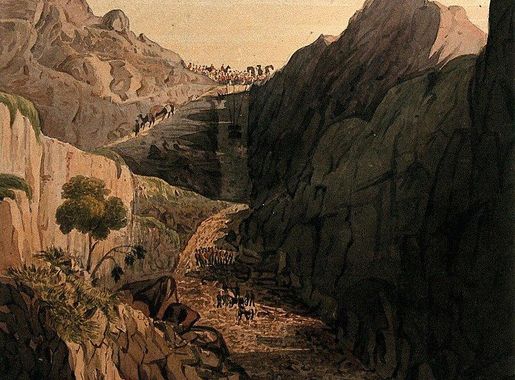
In the 19th century, Kunduz was a focal point in 'The Great Game,' the strategic rivalry between the British Empire and the Russian Empire for influence in Central Asia. The city’s strategic importance was highlighted during this period, as both empires sought to control the region for its geopolitical significance.
-
Kunduz was significantly impacted during the Soviet-Afghan War (1979-1989). The city became a center for resistance against Soviet forces, with various mujahideen groups operating in and around Kunduz. The war brought turmoil but also underscored the resilience of the local population.
-
Following the fall of the Taliban regime in 2001, Kunduz experienced various phases of reconstruction and conflict. The city has been a battleground for control between Afghan government forces and insurgent groups. Despite these challenges, efforts to rebuild and restore Kunduz continue, with a focus on reviving its historical and cultural heritage.
Neighbouring Regions of Kunduz
The closest regions to Kunduz, if you have time for more than one.


Your all‑in‑one travel companion app
Explore expert travel guides, compare and book tours, experiences, hotels, and more—all from the palm of your hand. Download now for seamless trip planning wherever your wanderlust takes you.


Explore More of Afghanistan

Looking beyond Kunduz? Discover Afghanistan for broader travel guides, local hot-spots, and regional highlights.
Explore AfghanistanKunduz in Photos
Browse through our photo collection highlighting the charm and character of the destination.



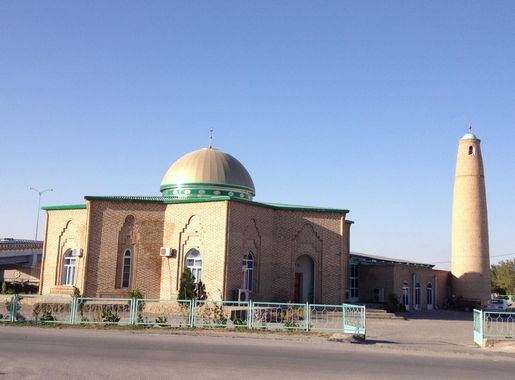

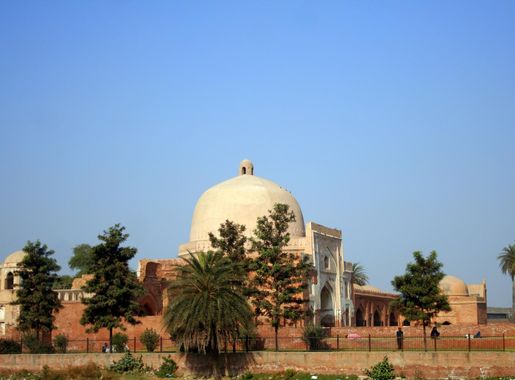


Kunduz: The Heart of Northern Afghanistan
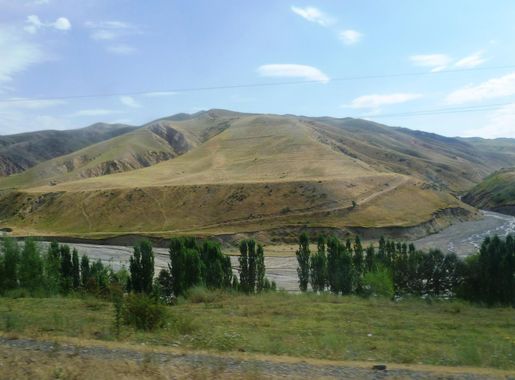
Kunduz, located in northern Afghanistan, is a city rich in history and culture. Famous for its fertile lands and strategic location, Kunduz has been a significant trading hub for centuries. Visitors will be fascinated by its historical architecture, bustling bazaars, and the friendly local population who are always eager to share their stories. The city offers a blend of old and new, with ancient ruins standing alongside modern buildings. The Kunduz River, which flows through the city, provides a picturesque backdrop and is perfect for a relaxing stroll. For those interested in history, the remnants of the ancient city of Balkh, known as the 'Mother of Cities,' are not far away. This makes Kunduz a great base for exploring more of Afghanistan's rich heritage. Nature lovers will appreciate the surrounding countryside, with its lush landscapes and opportunities for hiking and outdoor activities. The region's agriculture is also notable, with fields of wheat, cotton, and rice providing a scenic vista. Don't miss the local cuisine, which offers a delightful mix of flavors, including traditional Afghan dishes that reflect the city's diverse cultural influences.