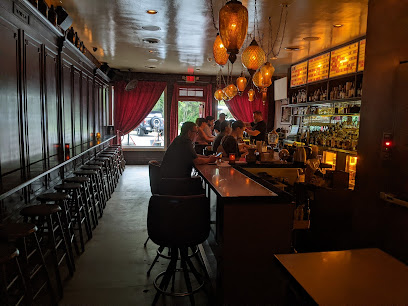
Tuskegee National Forest: A Quiet Sanctuary
Discover Alabama's hidden gem: Tuskegee National Forest, a peaceful retreat offering hiking, fishing, and a rich history of conservation.
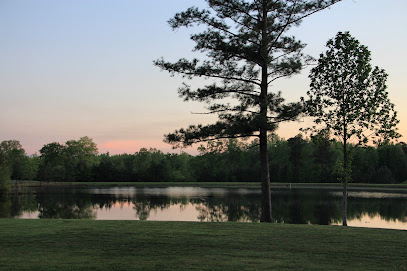
The Tuskegee National Forest, Alabama's only national forest, is a small but significant natural area with a history of restoration. It offers hiking, fishing, and a peaceful escape into nature.
A brief summary to Tuskegee National Forest
- 125 National Forest Rd 949, Tuskegee, Alabama, 36083, US
- +1334-727-2652
- Visit website
Local tips
- Visit during spring or fall for the most pleasant weather and to see wildflowers or fall foliage [2, 18].
- Bring water and snacks, as facilities within the forest are limited [18].
- Check the Forest Service website for alerts, fire danger status, and any temporary closures before your visit [18].
- Consider visiting Taska Recreation Area for a picnic and easy access to hiking trails [2, 18].

Getting There
-
Driving
From Tuskegee, head north on US-29/MLK Highway [18]. Turn right onto AL-81 N/ Notasulga Rd [18]. Continue straight onto Co Rd 37. Turn left onto National Forest Rd 949 [18]. The Ranger District Office will be on the left [18]. Parking is free [18]. Note that some unpaved forest roads may be rough; check conditions before driving [18].
-
Public Transport
While there isn't direct public transport to the forest, you can take a taxi or ride-sharing service from Tuskegee to the Ranger District Office at 125 National Forest Road 949 [18]. Expect to pay around $20-$30 for the ride [18]. Check availability of ride-sharing services in advance [18].
Discover more about Tuskegee National Forest
Iconic landmarks you can’t miss

Tuskegee Historic District
9.8 km
Explore Tuskegee's pivotal role in African American history: education, civil rights, and the legacy of Tuskegee University and the Airmen.
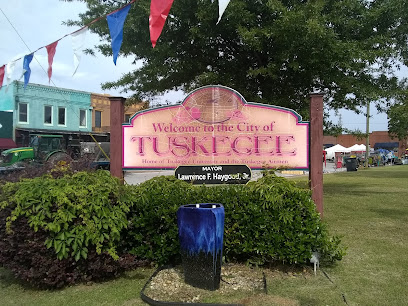
Booker T Washington Home Oaks
10.6 km
Explore the meticulously preserved home of Booker T. Washington at Tuskegee University, a testament to his legacy in education and civil rights.
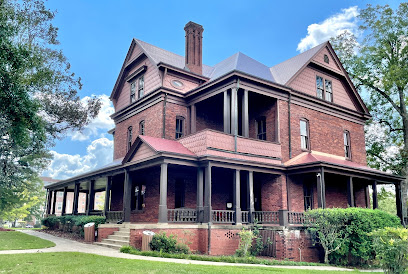
Booker T. Washington Monument
10.7 km
Honoring Booker T. Washington's legacy of education and progress at Tuskegee University, a symbol of hope and opportunity.
Neville Arena
17.6 km
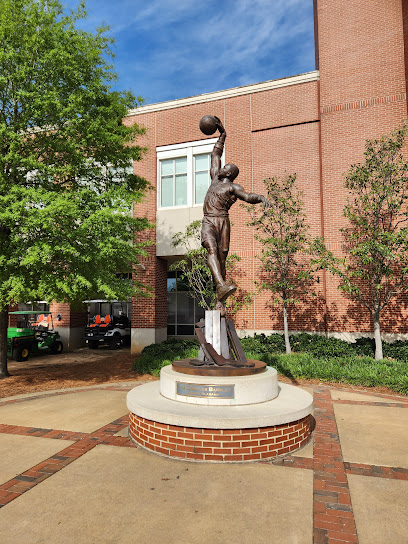
Experience the thrill of Auburn Tigers athletics at this state-of-the-art arena, home to basketball, gymnastics, volleyball, and community events.
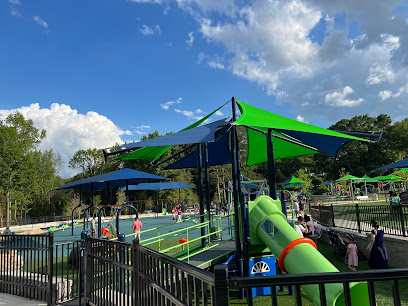
Town Creek Inclusive Playground
17.7 km
A 60,000 sq ft inclusive playground in Auburn, AL, with accessible equipment, sensory components, and smooth surfaces for all abilities.
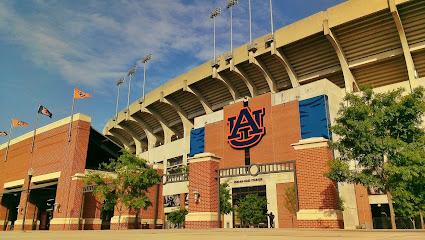
Jordan-Hare Stadium
17.8 km
Experience the electrifying atmosphere of Jordan-Hare Stadium, home of the Auburn Tigers, where tradition and passion collide in a historic landmark of college football.
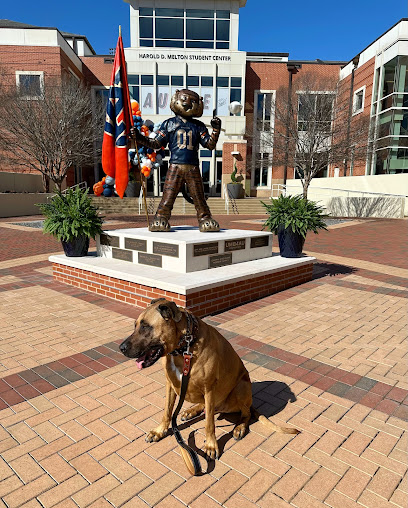
Auburn University Student Center
17.9 km
Experience the heart of Auburn University: a vibrant hub for dining, events, resources, and campus life, fostering community and connection for all.
Shenanigans Tattoo Parlor
18.0 km
Auburn's premier tattoo destination, offering custom designs and professional body piercing in a clean, welcoming environment.

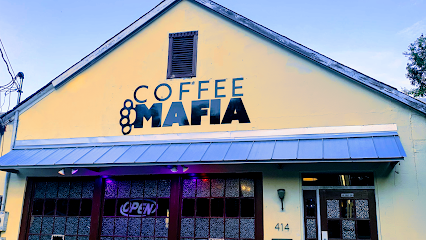
Coffee Mafia
18.0 km
Experience Auburn's vibrant coffee culture at Coffee Mafia, where community spirit, local art, and Italian-inspired espresso blend seamlessly.
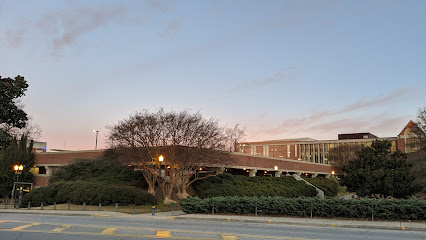
Library Parking Deck
18.1 km
Convenient and centrally located parking at Auburn University, providing easy access to the Draughon Library and campus core.
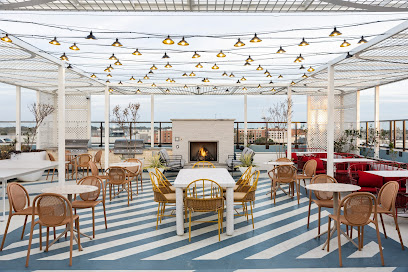
Honors College at Auburn University
18.1 km
Experience academic excellence and community in Auburn University's historic Honors College, located in the beautifully preserved Cater Hall.

ōLiv Auburn
18.3 km
Modern student housing in Auburn, AL, offering premier amenities, a vibrant community, and convenient access to Auburn University and downtown.
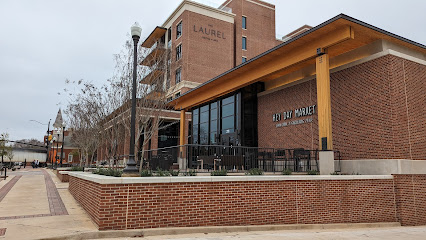
Hey Day Market
18.3 km
A vibrant Auburn University food hall featuring diverse dining options and a lively atmosphere for students, locals, and visitors.
1856 - Culinary Residence
18.4 km
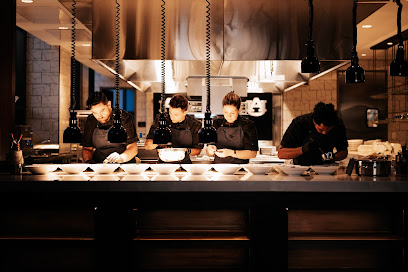
Experience innovative cuisine at Auburn University's 1856 - Culinary Residence, a unique teaching restaurant with a rotating Chef in Residence.
University Chapel
18.4 km
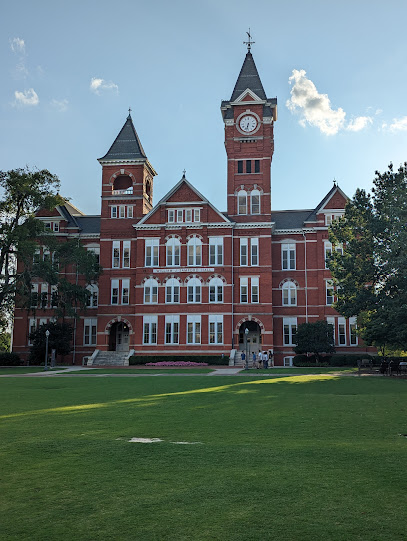
Discover a landmark of Auburn's history: Auburn University Chapel, the town's oldest public building, hosting ceremonies and reflecting a vibrant past.
Unmissable attractions to see

Bold Destiny Horse Trail
0.7 km
Explore the scenic beauty of Tuskegee National Forest on this 15-mile trail perfect for hiking and horseback riding adventures.

Pleasant Hills Trailhead
0.8 km
Discover scenic hiking and biking in Tuskegee National Forest at Pleasant Hills Trailhead, a perfect nature escape in Tuskegee, Alabama.
Tuskegee National Forest Campsite #10
2.2 km
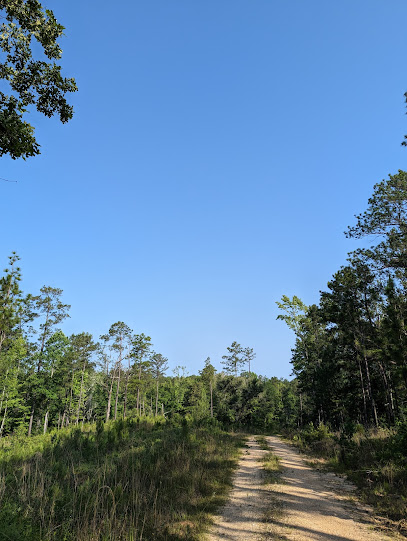
Escape to nature at Tuskegee National Forest Campsite #10, a serene spot for primitive camping, hiking, and wildlife exploration in Alabama.
Tuskegee National Forest Campsite #5
2.9 km
Escape to a tranquil, primitive camping experience in the heart of Alabama's Tuskegee National Forest. Hike, relax, and reconnect with nature.
Tuskegee National Forest Campsite #11
3.0 km
Escape to the tranquility of Tuskegee National Forest at Campsite #11, where nature's beauty and peaceful camping await.
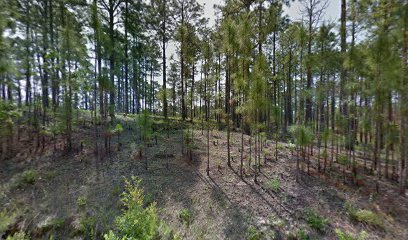
Tuskegee National Forest Campsite 12
3.1 km
Discover a peaceful camping escape at Tuskegee National Forest Campsite 12, surrounded by nature's beauty in Alabama's only National Forest.
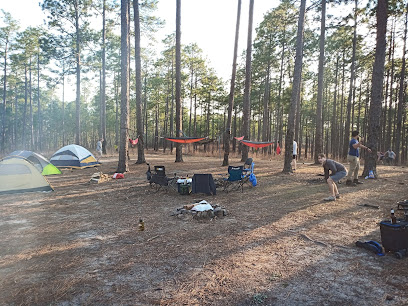
Uchee Shooting Range
3.5 km
Practice target shooting in a safe, natural setting at Uchee Shooting Range, located in Alabama's Tuskegee National Forest.
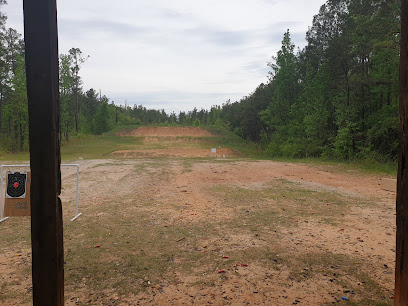
Tuskegee National Forest Campsite #1
3.9 km
Experience the beauty of Alabama's natural landscapes at Tuskegee National Forest Campsite #1, a perfect escape for outdoor enthusiasts and nature lovers.
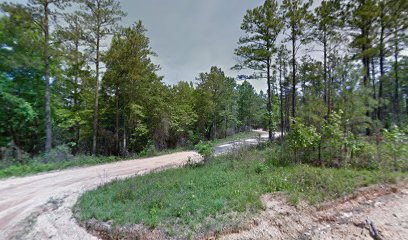
Bartram National Recreational Trailhead
5.1 km
Discover Alabama's natural beauty on this 8.5-mile trail through diverse forest habitats in Tuskegee National Forest.
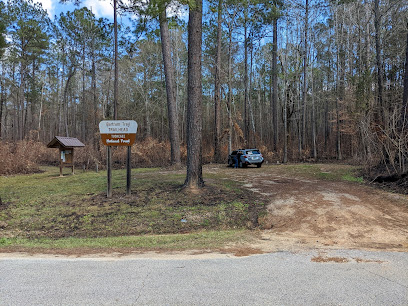
Tuskegee National Forest Campsite #8
5.2 km
Escape to nature at Tuskegee National Forest Campsite #8: a peaceful, primitive camping experience in a revitalized landscape.
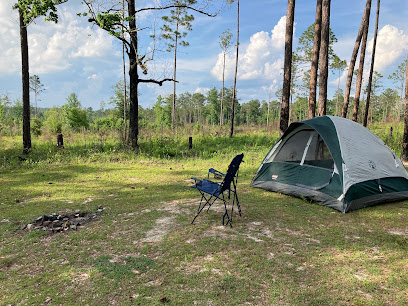
Tuskegee Airmen National Historic Site
7.0 km
Explore the legacy of the Tuskegee Airmen at Moton Field, where courage took flight and changed history. A tribute to the pioneers of American aviation.
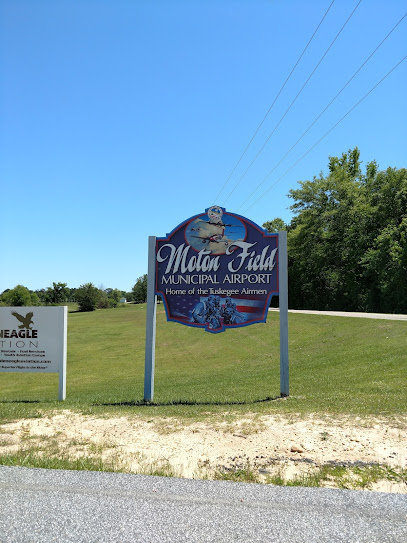
Friends of Tuskegee Airmen National Historic Site
7.3 km
Explore the inspiring legacy of the Tuskegee Airmen, the first African American military aviators, at their historic training site in Tuskegee, Alabama.

Sleepy Hollow Haunted Farm
7.3 km
Experience Auburn's ultimate Halloween destination: haunted houses, creepy mazes, and thrilling rides at Sleepy Hollow Haunted Farm!
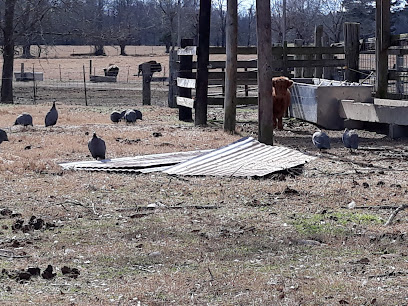
Auburn Oaks Farm
7.5 km
Experience Southern charm and outdoor adventure at Auburn Oaks Farm, a premier event and sporting destination in Notasulga, Alabama.
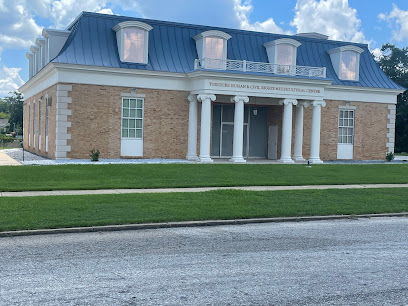
Tuskegee Human & Civil Rights Multicultural Center
9.9 km
Explore the intertwined histories of civil rights, medical ethics, and multicultural heritage at this pivotal landmark in Tuskegee, Alabama.
Essential places to dine

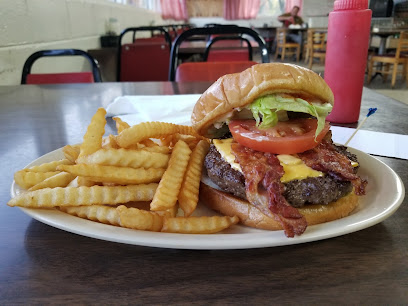
Torch 85 Restaurant
2.9 km
Discover Torch 85 Restaurant: A cherished truck stop in Tuskegee serving up classic American comfort food with friendly service.
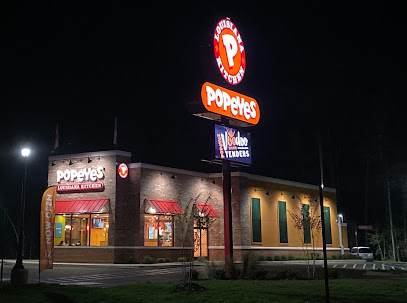
Popeyes Louisiana Kitchen
7.7 km
Discover the delicious essence of Cajun cuisine at Popeyes Louisiana Kitchen in Tuskegee - where every meal is a flavorful adventure.
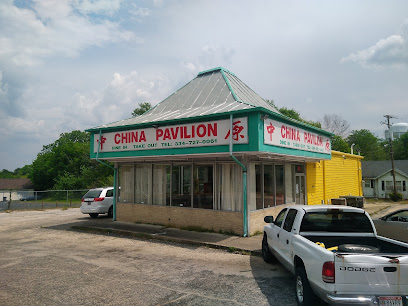
China Pavilion
9.4 km
Savor authentic Chinese dishes at China Pavilion in Tuskegee - a culinary journey filled with flavor and tradition.
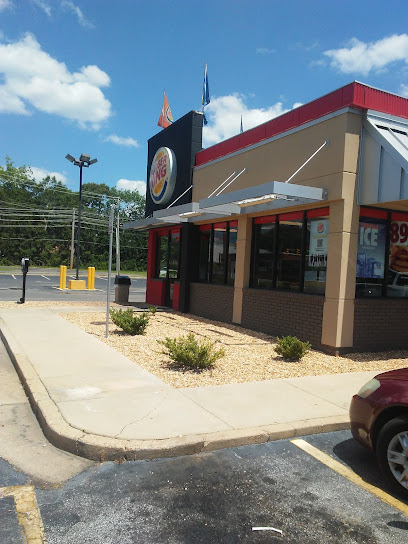
Burger King
9.7 km
Discover delicious fast food at Burger King in Tuskegee - where flame-grilled flavors meet Southern hospitality.
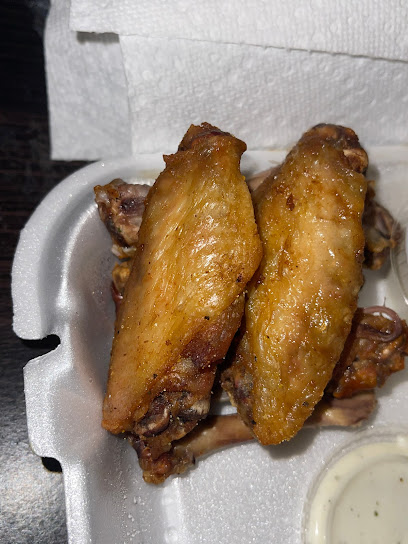
C&K Wings
9.8 km
Discover C&K Wings in Tuskegee - where delicious fast food meets Southern hospitality in every flavorful bite.
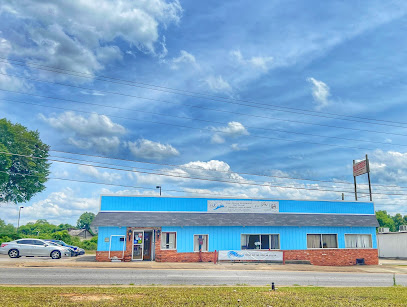
Blue Seas 2
10.0 km
Discover authentic Southern soul food at Blue Seas 2 in Tuskegee, Alabama – where tradition meets flavor in every bite.
American Deli
10.1 km
Discover hearty Southern comfort food at American Deli in Tuskegee – perfect for families craving delicious chicken dishes!
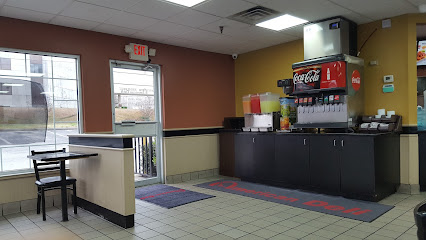
Subway
10.4 km
Discover fresh flavors at Subway Tuskegee – where delicious sandwiches meet convenience and affordability.
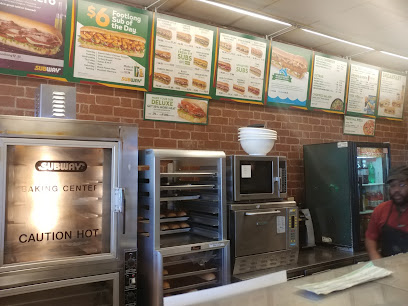
Austin Grill Express
10.8 km
Discover the flavors of Southern cuisine at Austin Grill Express in Tuskegee - a must-visit restaurant for every traveler!
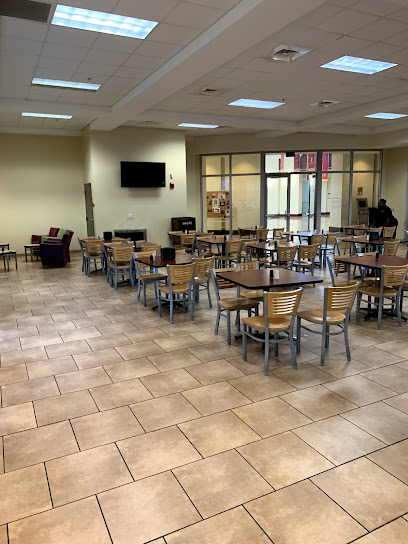
Vibezz Restaurant & Lounge Tuskegee
13.0 km
Discover exquisite southern cuisine at Vibezz Restaurant & Lounge in Tuskegee – where flavor meets hospitality in a vibrant setting.
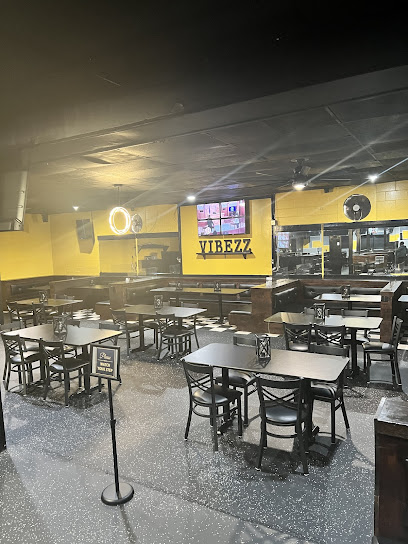
Pannie-George's Kitchen Inc
13.5 km
Experience authentic soul food at Pannie-George's Kitchen Inc in Auburn, Alabama – where every meal is a taste of tradition.
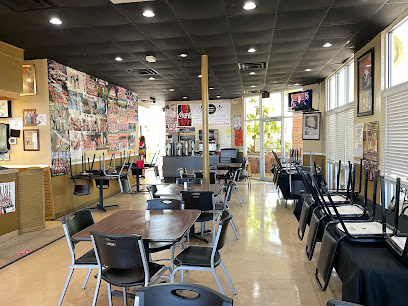
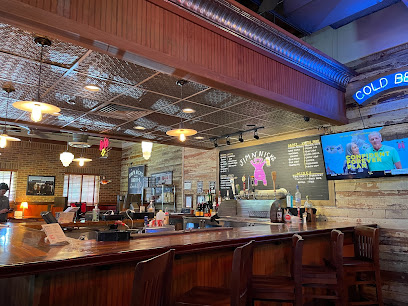
Jim 'N Nick's
14.4 km
Experience authentic Southern barbecue at Jim 'N Nick's in Auburn - where smoky flavors meet warm hospitality.
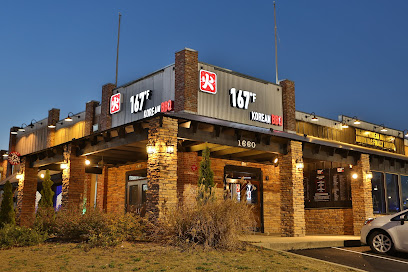
167°F Korean BBQ
14.8 km
Discover authentic Korean BBQ flavors at 167°F in Auburn - grill your own meats and savor traditional sides in a vibrant atmosphere.
Shrimp Basket
15.0 km
Experience the best seafood dining at Shrimp Basket in Auburn - fresh flavors and a welcoming atmosphere await every visitor.
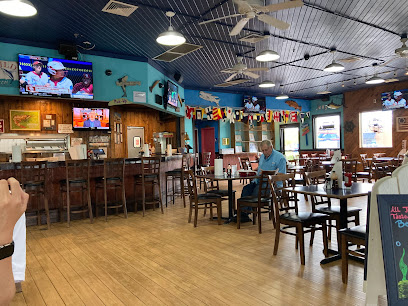
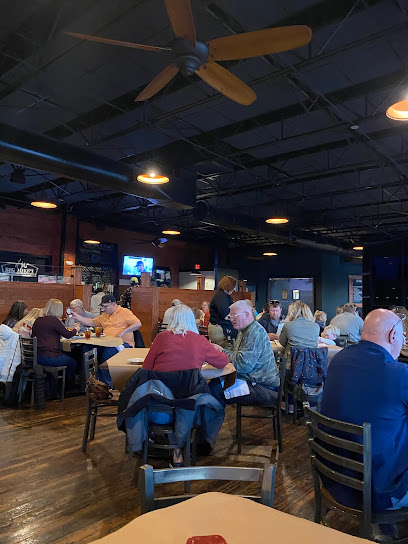
Big Mike's Steakhouse - Auburn
16.0 km
Experience the best of Southern cuisine at Big Mike's Steakhouse in Auburn – where mouthwatering steaks meet fresh seafood in a warm atmosphere.
Markets, malls and hidden boutiques

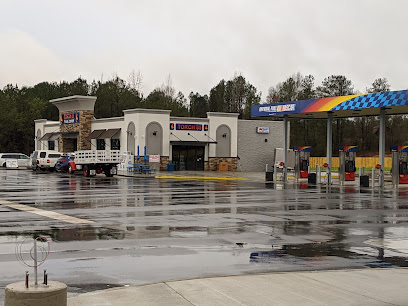
Torch 85 Truck Stop
2.9 km
Discover Torch 85 Truck Stop, your ideal pit stop in Alabama with diverse food options and convenient services for all travelers.
Mercy Enterprises
8.7 km
Explore local flavors and products at Mercy Enterprises, the top industrial supermarket in Tuskegee, Alabama, where community spirit meets shopping convenience.
Parts City Auto Parts - Thrower's Auto Parts & Tire Service,
9.2 km
Discover quality automotive supplies and expert services at Parts City Auto Parts in Tuskegee, Alabama, ensuring your vehicle is road-ready.
Gene & Sons Auto Repair
9.3 km
Discover Gene & Sons Auto Repair in Tuskegee: Quality auto service and parts with a community touch.

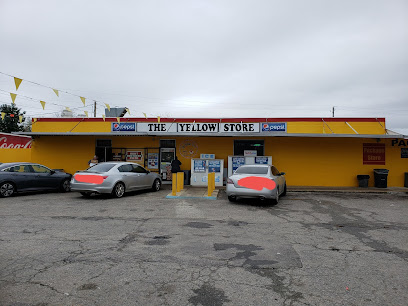
The Yellow Store
9.4 km
Explore Tuskegee's local charm at The Yellow Store, where delicious deli options, refreshing drinks, and friendly service await.
Family Foods
9.5 km
Experience the flavors of Tuskegee at Family Foods, your local grocery store with a touch of Southern hospitality.
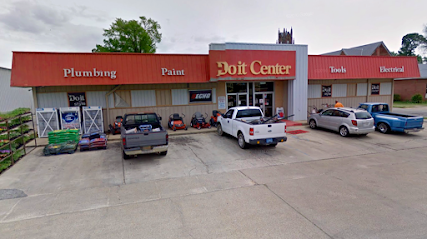
Do it Center
9.9 km
Explore Do It Center in Tuskegee, Alabama, for all your home improvement needs, from tools and paint to plumbing and electrical supplies.
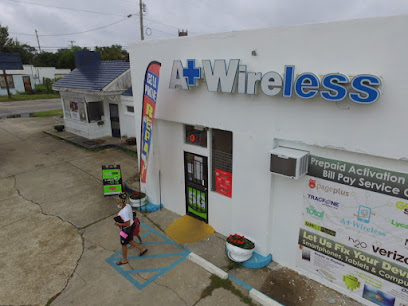
A+ Wireless
9.9 km
Discover A+ Wireless in Tuskegee, Alabama – your go-to spot for mobile phones, accessories, and expert repairs while traveling.
MO'S BEAUTY SUPPLY
10.0 km
Discover beauty essentials at Mo's Beauty Supply in Tuskegee, AL - your one-stop shop for hair care, cosmetics, and skincare products.

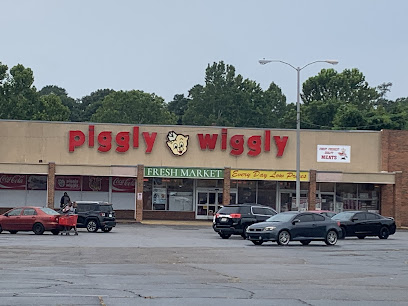
Piggly Wiggly Fresh Market
10.0 km
Discover the flavors of Alabama at Piggly Wiggly Fresh Market in Tuskegee, your local grocery store for fresh produce and regional specialties.
ABC SELECT SPIRITS
10.0 km
Explore Tuskegee's local culture with a diverse selection of spirits at ABC Select Spirits - where every bottle tells a story.

A1 Beauty
10.4 km
Discover a treasure trove of beauty supplies at A1 Beauty in Tuskegee, where quality meets variety for all your beauty needs.

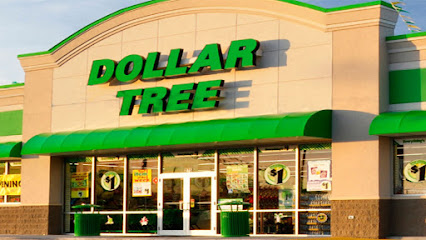
Dollar Tree
10.5 km
Explore Dollar Tree in Tuskegee for unbeatable deals on a wide range of products, from groceries to crafts, perfect for budget-conscious travelers.
City Gear
10.6 km
Discover stylish footwear and trendy apparel at City Gear in Tuskegee, where fashion meets affordability for the whole family.

Farmers Home Furniture | Tuskegee, AL
10.6 km
Explore Farmers Home Furniture in Tuskegee, AL for stylish and affordable home furnishings and appliances that elevate your living space.

Essential bars & hidden hideouts

The End Zone Bar Grill & Lounge
9.6 km
Experience the vibrant atmosphere and delicious cuisine at The End Zone Bar Grill & Lounge in Auburn, Alabama, where every visit is a celebration.

McDonald's
10.2 km
Experience the familiar taste of McDonald's in Tuskegee, Alabama, offering a range of fast food favorites, coffee, and breakfast options for every traveler.
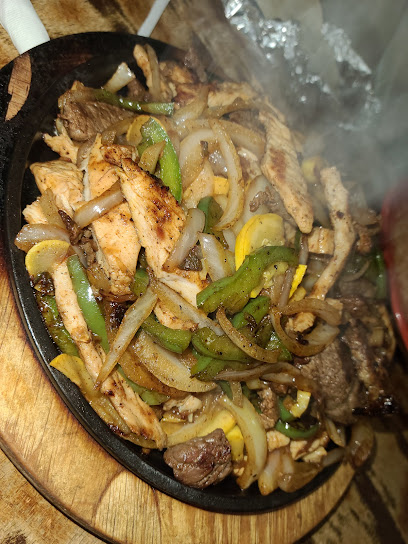
PUEBLO MAYA MEXICAN RESTAURANT
10.4 km
Discover the vibrant tastes of Mexico at Pueblo Maya Mexican Restaurant in Tuskegee, where every dish is a celebration of authentic flavors.
Pizza Hut
10.4 km
Savor delicious pizza and wings at Pizza Hut Tuskegee, where great taste meets a welcoming atmosphere.

Fat Daddy's
14.6 km
Discover the lively spirit of Auburn at Fat Daddy's, where great drinks and a vibrant atmosphere come together for an unforgettable night out.
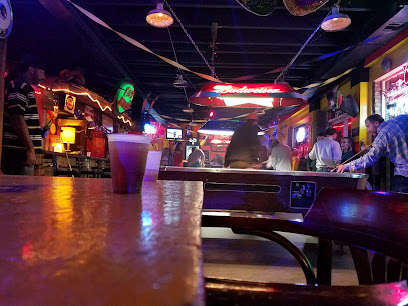
Piccolo 241 Jazz & Cocktails
18.3 km
Discover the enchanting blend of live jazz, exquisite cocktails, and a cozy atmosphere at Piccolo 241 Jazz & Cocktails in Auburn, Alabama.
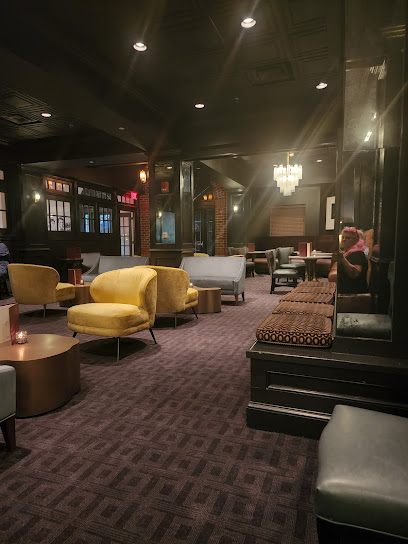
The Bar at Wittel
18.5 km
Discover the lively atmosphere and exceptional cocktails at The Bar at Wittel in Auburn, Alabama – the perfect spot for relaxation and socializing.

Skybar Café
18.5 km
Experience the vibrant nightlife of Auburn at Skybar Café, where cocktails and live music create unforgettable memories.
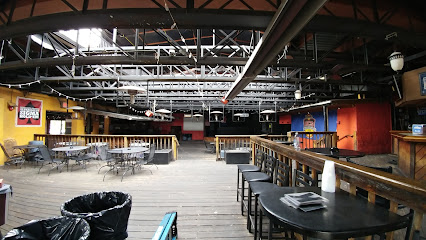
Southeastern
18.6 km
Discover Southeastern Bar, Auburn's lively nightlife hub with craft cocktails, local beers, and a welcoming atmosphere perfect for tourists.
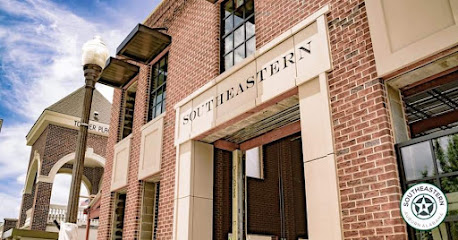
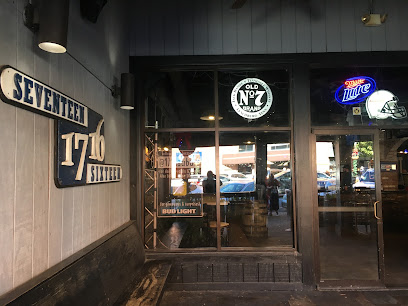
17-16 Bar
18.6 km
Discover the vibrant nightlife at 17-16 Bar in Auburn, Alabama, featuring cocktails, dancing, and a lively atmosphere for an unforgettable evening.
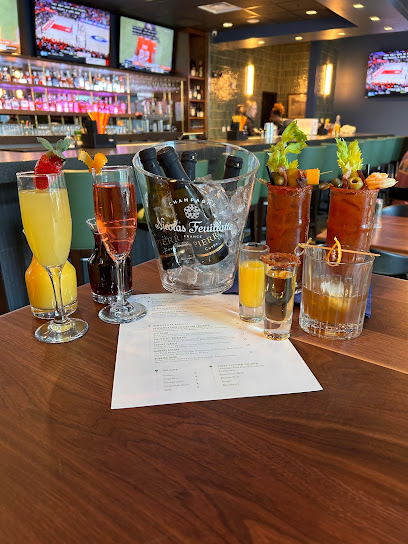
Session Cocktails
18.7 km
Discover the art of cocktail crafting at Session Cocktails, Auburn's top destination for innovative drinks and a vibrant atmosphere.
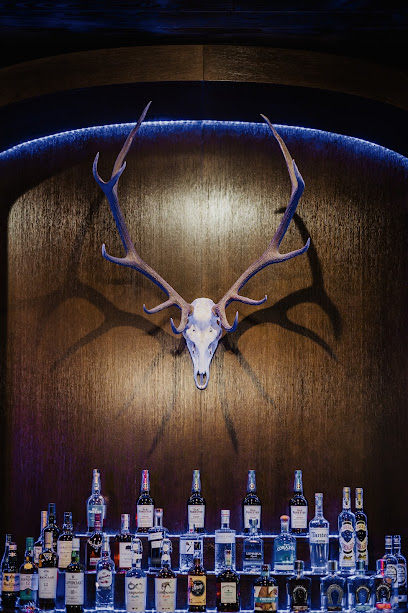
Bunkers
18.7 km
Experience the perfect blend of grill flavors and sports excitement at Bunkers in Auburn, Alabama - a must-visit culinary destination.
Halftime Sports Bar
18.7 km
Experience the vibrant atmosphere of Halftime Sports Bar in Auburn, where delicious grill fare meets thrilling sports action in a welcoming setting.
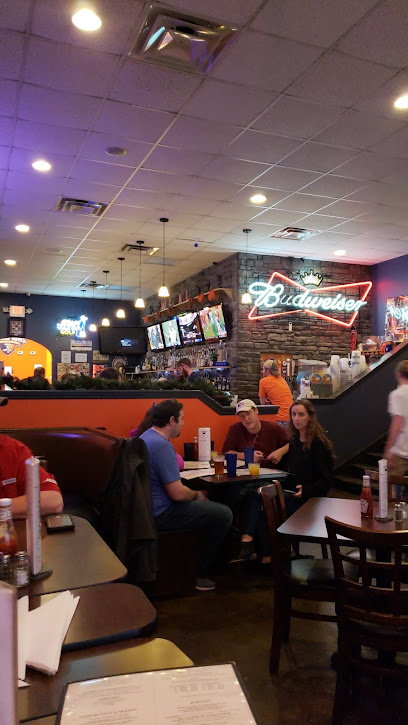
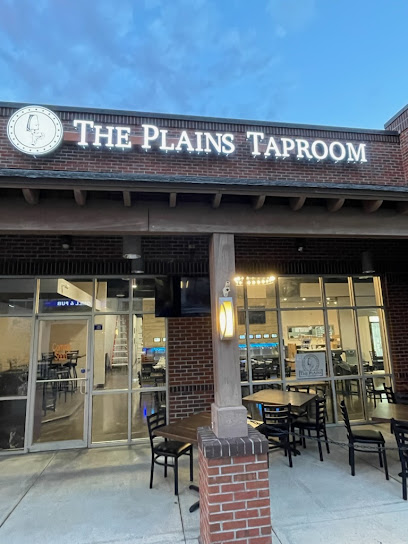
The Plains Taproom
18.7 km
Experience the ultimate sports bar atmosphere at The Plains Taproom in Auburn, Alabama, with great food, drinks, and live games.
Stadium “@ Auburn, AL
18.9 km
Discover the lively spirit of Auburn's Stadium Bar, where sports, community, and delicious food come together for an unforgettable experience.
Nightclubs & after hour spots

The Ozone Lounge
23.9 km
Discover the ultimate hookah experience at The Ozone Lounge in Opelika, where vibrant nightlife and flavorful blends await.

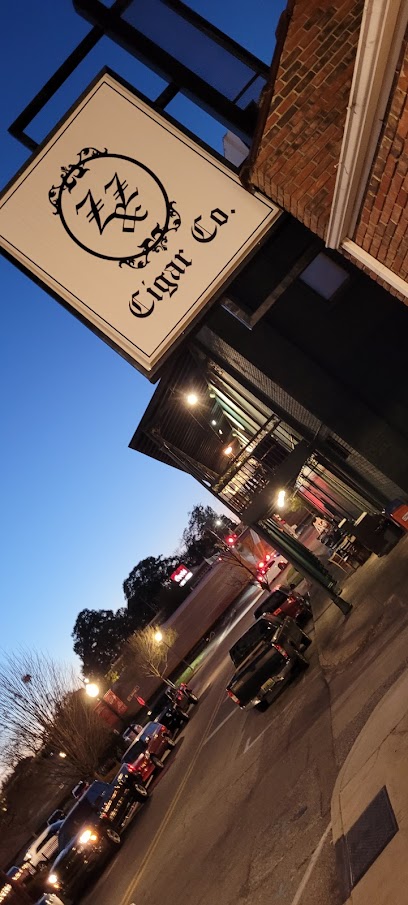
Z&Z Cigar Co.
28.5 km
Experience the finest selection of cigars in a cozy lounge atmosphere at Z&Z Cigar Co. in Opelika, Alabama.
Dreamz Pool/ Hookah Lounge
29.3 km
Experience the perfect blend of relaxation and nightlife at Dreamz Pool/Hookah Lounge in Opelika, Alabama, a must-visit for every traveler.
Lake Martin
44.6 km
Explore the serene beauty of Lake Martin in Alabama, a perfect destination for outdoor fun, relaxation, and stunning natural scenery.
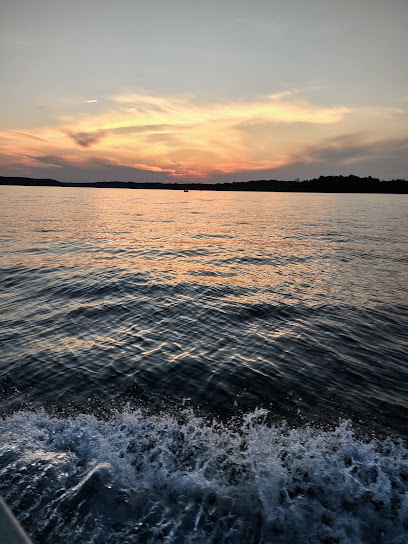
Mingles Lounge
54.6 km
Experience Montgomery's nightlife at Mingles Lounge, where great drinks, sports, and a welcoming atmosphere await.
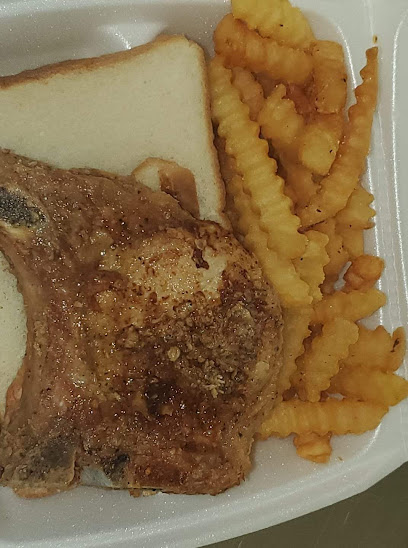
Sage
57.3 km
Experience the sophistication and comfort of Sage, Montgomery's premier lounge offering creative cocktails and a vibrant atmosphere for all visitors.
Aura Lounge Montgomery AL USA
57.6 km
Discover Montgomery's nightlife at Aura Lounge, where vibrant music and exquisite cocktails create an unforgettable experience.
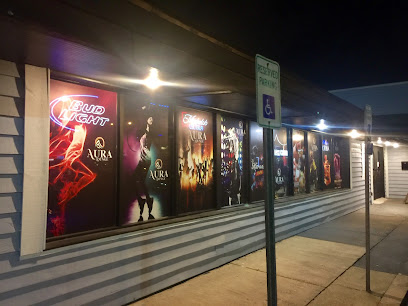
Club Boomerangs
57.6 km
Experience the lively atmosphere of Club Boomerangs, a top night club and sports bar in Montgomery, AL, where unforgettable nights await.

Envi Ultra Lounge
61.8 km
Discover the chic ambiance, creative cocktails, and vibrant nightlife at Envi Ultra Lounge in Montgomery, Alabama.

The Kove
62.6 km
Discover The Kove, a lively bar in Montgomery, AL, offering great drinks, live music, and a vibrant atmosphere for an unforgettable night out.

TD Kennedy LLC
63.1 km
Discover the electric nightlife of Montgomery at TD Kennedy LLC, a vibrant night club with pulsating music and an inviting atmosphere.

KRU on Mt. Meigs
63.8 km
Discover KRU on Mt. Meigs, Montgomery's premier bar with expertly crafted cocktails and a vibrant atmosphere for a perfect night out.
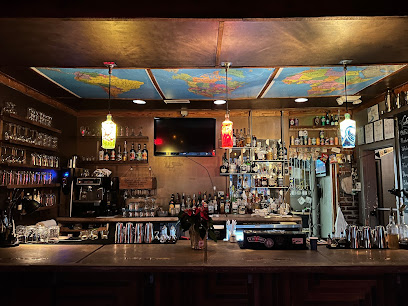
VIP Hookah Lounge
64.7 km
Discover the lively ambiance and premium hookah offerings at VIP Hookah Lounge, the perfect spot for relaxation and socializing in Montgomery.
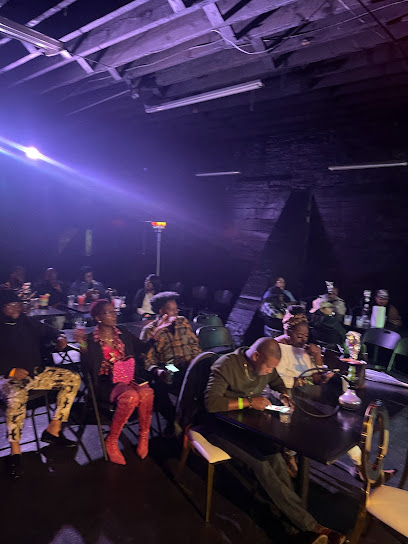
1048 Jazz & Blues
65.4 km
Discover the vibrant nightlife and soulful sounds of 1048 Jazz & Blues, Montgomery's premier destination for live jazz and blues music.
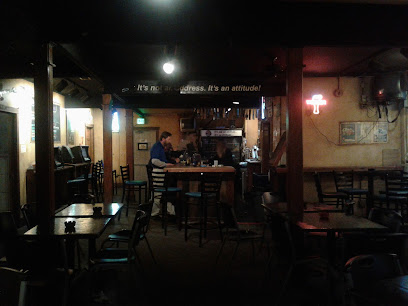
Leroy
65.5 km
Discover the vibrant nightlife at Leroy, a premier bar in Montgomery offering exceptional drinks, live entertainment, and a welcoming atmosphere.