Sauta Cave National Wildlife Refuge: A Bat's Paradise
Witness the awe-inspiring bat emergence at Sauta Cave National Wildlife Refuge, a sanctuary for endangered bats and a haven for nature lovers in Alabama.
Sauta Cave National Wildlife Refuge, near Scottsboro, Alabama, is a 264-acre sanctuary established in the 1970s to protect endangered gray and Indiana bats [5, 7]. The cave is a crucial summer roosting and winter hibernaculum for these species, with up to 400,000 gray bats emerging at dusk during the warmer months, creating a spectacular sight [3, 6, 7]. While the cave itself is closed to the public to protect the bats, the refuge offers opportunities for wildlife observation, hiking, and photography [4, 5].
A brief summary to Sauta Cave National Wildlife Refuge
- Scottsboro, Alabama, 35769, US
- +1256-350-6639
- Visit website
- Monday 12 am-12 am
- Tuesday 12 am-12 am
- Wednesday 12 am-12 am
- Thursday 12 am-12 am
- Friday 12 am-12 am
- Saturday 12 am-12 am
- Sunday 12 am-12 am
Local tips
- Arrive early for the bat emergence (June-August) to secure a good viewing spot on the platform [3, 6].
- Bring insect repellent, especially during warmer months, as mosquitoes can be prevalent [3].
- Wear a hat or rain gear, as bat guano droppings are common near the cave entrance [6].
- Bring a flashlight for navigating the path to the viewing platform at dusk [6].

Getting There
-
Driving
Sauta Cave National Wildlife Refuge is located west of Scottsboro, Alabama [5]. From Scottsboro, travel west on US Highway 72 for approximately 6 miles [3, 18]. Look for a small turnout and parking area with a metal gate on the south side of the highway, between mile markers 130 and 131 [3, 13]. Park at the gate (do not block it) and walk approximately 100 yards down the paved road to the cave entrance and viewing platform [6]. There are no fees for visiting the refuge [18].
-
Taxi/Ride-Share
From Scottsboro, a taxi or ride-sharing service (like Uber) can provide transportation to Sauta Cave National Wildlife Refuge [11]. The drive is approximately 6 miles and should take around 10-15 minutes [3, 18]. Expect to pay around $20-$30 for a one-way trip [8, 11]. Be sure to arrange for a return trip in advance, as ride-sharing availability in the area may be limited [11].
Discover more about Sauta Cave National Wildlife Refuge
Iconic landmarks you can’t miss

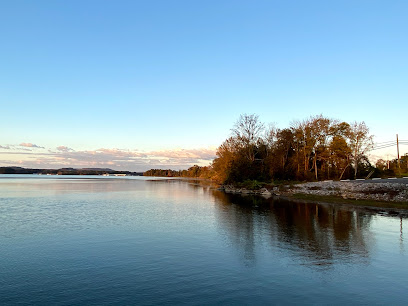
Guntersville Lake
4.4 km
Experience the natural beauty and outdoor adventures at Guntersville Lake, Alabama's stunning recreational paradise.
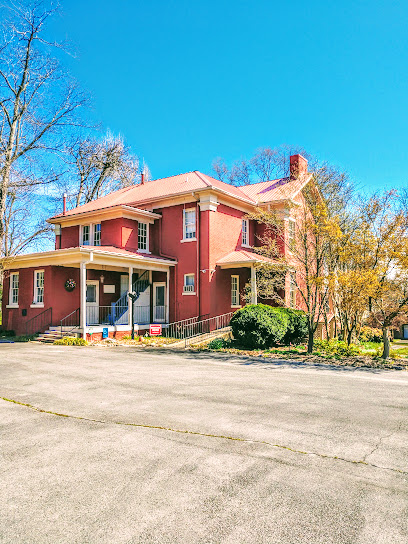
Scottsboro-Jackson Heritage Center
10.5 km
Discover Jackson County's history, art, and culture at the Scottsboro-Jackson Heritage Center. Explore exhibits, genealogy, and more!
Grant Lookout
14.3 km
Experience breathtaking panoramic views from atop Gunter Mountain at Grant Lookout in Grant, Alabama. A must-see for nature lovers and photographers!
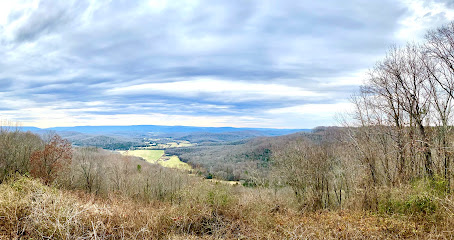
Keel Mountain
19.8 km
Explore Keel Mountain in Alabama: Hike to Lost Sink Falls, discover rare plants, and immerse yourself in the beauty of the Cumberland Plateau.
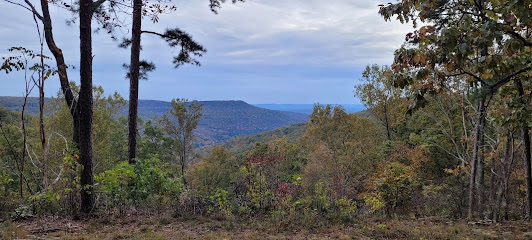
The Gathering Place
24.5 km
A serene event venue in Lake Guntersville State Park, blending natural beauty with recreational activities for memorable gatherings and peaceful escapes.
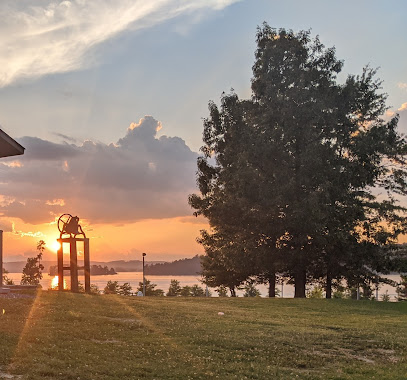
Guntersville Beach
24.9 km
Relax and unwind at Guntersville Beach, a scenic lakeside retreat offering swimming, picnicking, and access to Lake Guntersville State Park amenities.
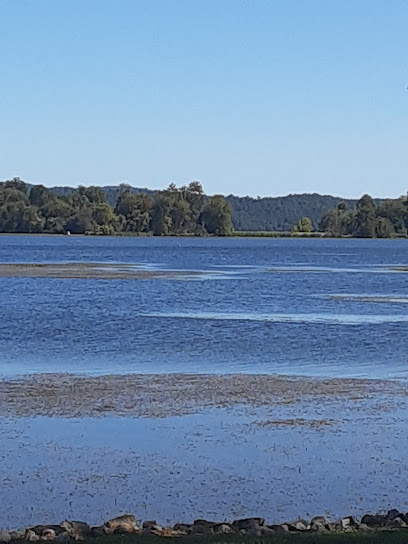
The Lodge at Lake Guntersville State Park
25.3 km
Escape to The Lodge at Lake Guntersville State Park: Breathtaking views, outdoor adventures, and resort-style comfort await in the heart of nature.
Lost Sink Falls
26.8 km
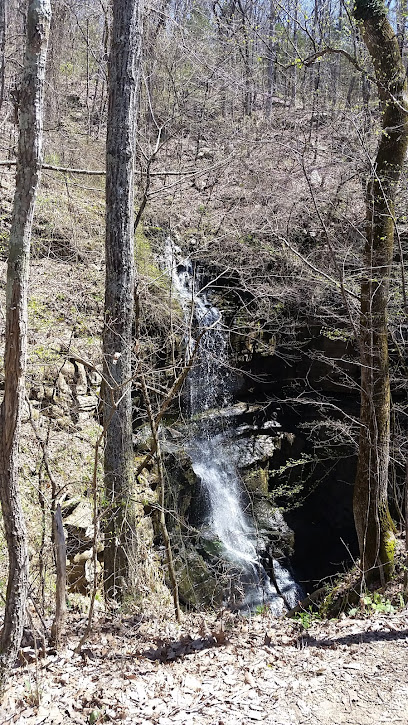
Discover the enchanting Lost Sink Falls at Keel Mountain Preserve, a hidden gem near Huntsville with a unique disappearing waterfall.
Gunter's Landing
27.2 km
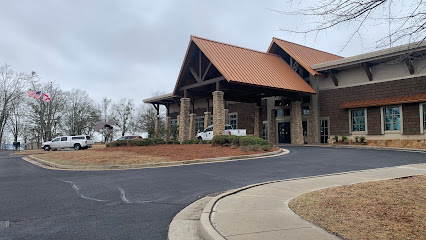
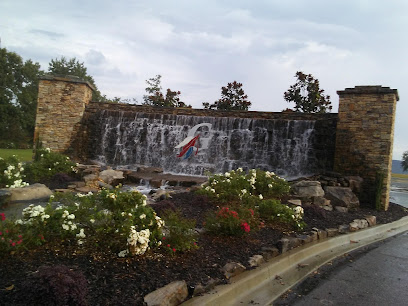
Experience Alabama golf at its finest on the shores of Guntersville Lake. Challenging play and scenic beauty await at Gunter's Landing.
Gorham's bluff
29.3 km
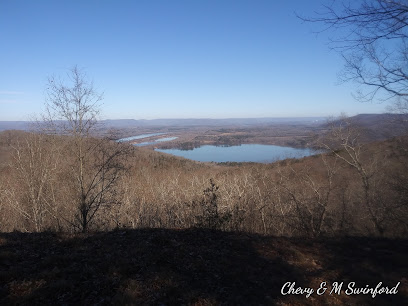
Discover history and scenic beauty at Gorham's Bluff in Pisgah, Alabama, offering panoramic views and a tranquil community experience.
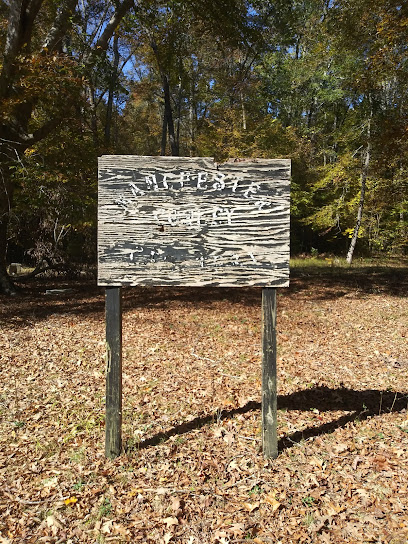
Cooley Cemetery
29.8 km
Discover a peaceful, historic cemetery in Guntersville, AL, offering scenic beauty and a glimpse into the past.
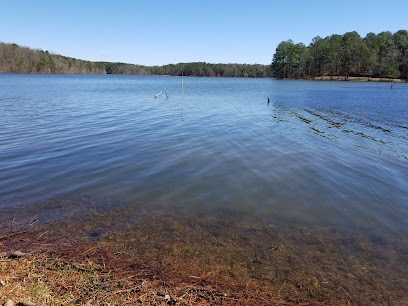
DeKalb County Public Lake
30.6 km
Escape to DeKalb County Public Lake for a day of fishing and family fun in a beautiful Sand Mountain setting.
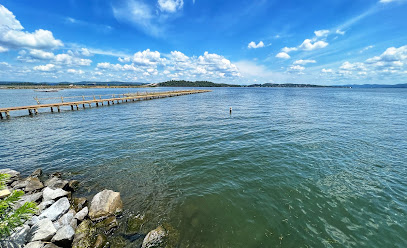
Lake Guntersville Bed & Breakfast
31.8 km
Experience Southern charm and lakeside serenity at the historic Lake Guntersville Bed & Breakfast, a relaxing retreat in beautiful Guntersville, Alabama.

City Harbor at Lake Guntersville Business Office
31.9 km
A vibrant lakeside destination in Guntersville, AL, offering dining, entertainment, shopping, and stunning views on the beautiful shores of Lake Guntersville.
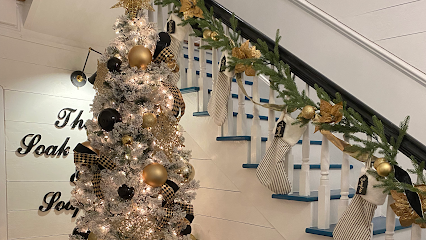
The Soak House & Soapery
31.9 km
Indulge in luxurious mineral soaks, facials, and spa treatments at The Soak House & Soapery in Guntersville, Alabama – your ultimate escape for relaxation.
Unmissable attractions to see

Cathedral Caverns State Park
10.2 km
Discover Alabama's underground wonderland: Cathedral Caverns State Park, a natural masterpiece of geological wonders and historical significance.
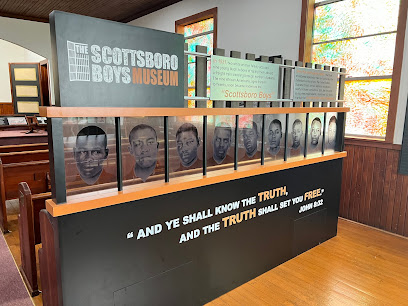
The Scottsboro Boys Museum
10.4 km
Explore the landmark Scottsboro Boys Museum, a powerful testament to civil rights history and the fight against racial injustice in Scottsboro, AL.
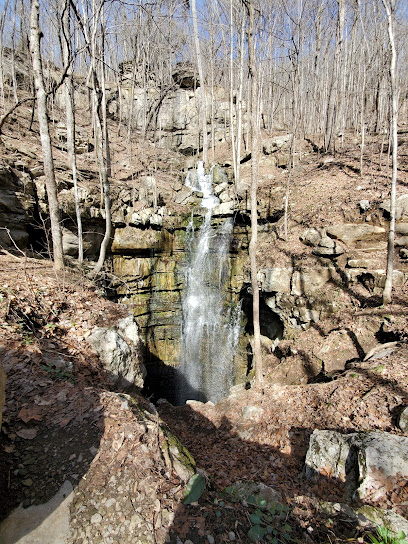
Stephens Gap Callahan Cave Preserve
10.5 km
Explore a stunning Alabama cave with a 143-foot pit, mesmerizing waterfall, and walk-in access for hikers and cavers alike. Permit required!
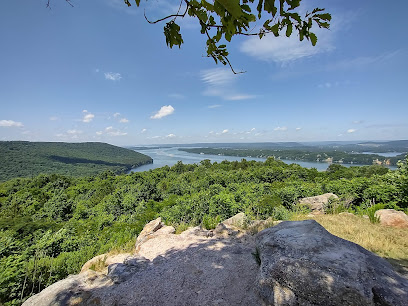
Weathington Park
12.1 km
Discover breathtaking views of the Tennessee River Valley at Weathington Park in Section, Alabama, a perfect spot for nature lovers and sunset enthusiasts.
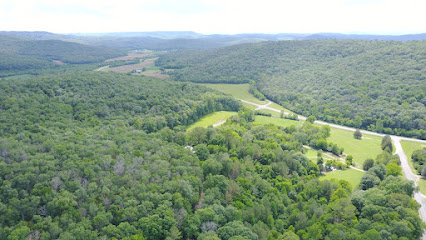
Buck's Pocket State Park
16.9 km
Discover scenic canyon views, hiking trails, and a peaceful retreat in the Appalachian foothills at Buck's Pocket State Park in Grove Oak, Alabama.
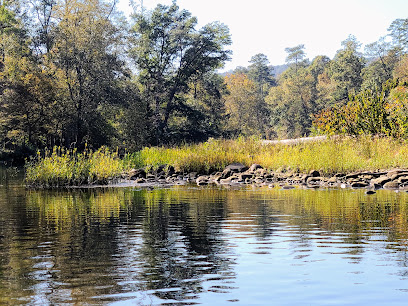
Point Rock Overlook
17.9 km
Experience breathtaking panoramic views from atop Sand Mountain at Point Rock Overlook in Fyffe, Alabama.
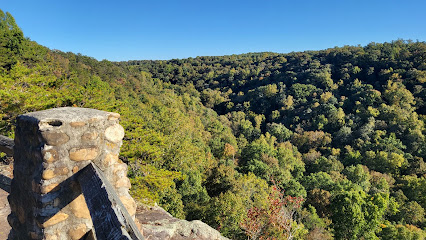
Neversink Cave Preserve
23.4 km
Explore the depths of Neversink Cave Preserve in Alabama: a geological wonder with stunning views, rare ferns, and thrilling caving for experienced adventurers.
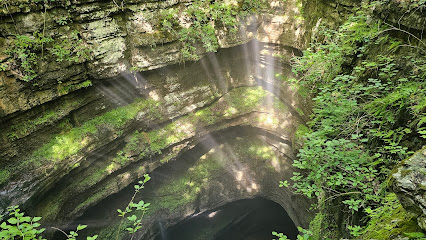
Rock Zoo
23.7 km
Discover a whimsical world of painted rocks at Alabama's quirky roadside attraction. A delightful and free stop for all ages!
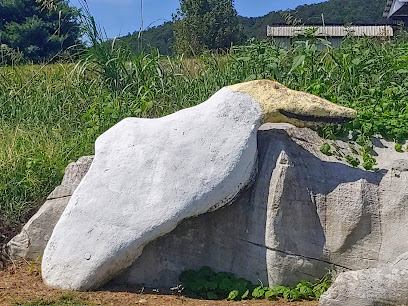
Tumbling Rock Cave Preserve
23.8 km
Discover an underground world of geological wonders & Civil War history at Tumbling Rock Cave Preserve in Fackler, Alabama.
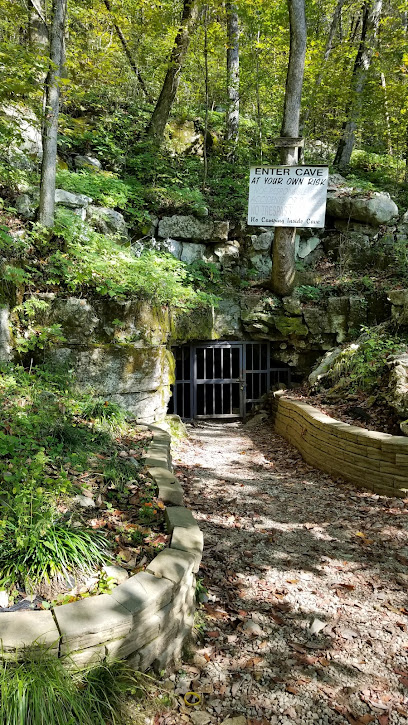
High Falls Alabama
24.4 km
Discover the majestic High Falls in Grove Oak, Alabama: a natural haven with a stunning waterfall, unique rock formations, and rich history.
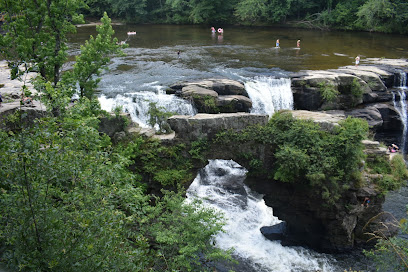
High Falls Park
24.4 km
Discover the majestic High Falls Park in Grove Oak, Alabama: a natural haven with a stunning waterfall, rich history, and outdoor adventures.
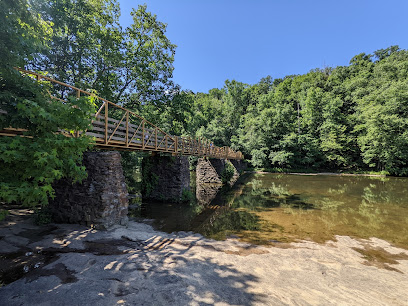
Beach Complex
24.7 km
Relax and play at Lake Guntersville State Park's Beach Complex, offering a sandy retreat and access to abundant park activities.
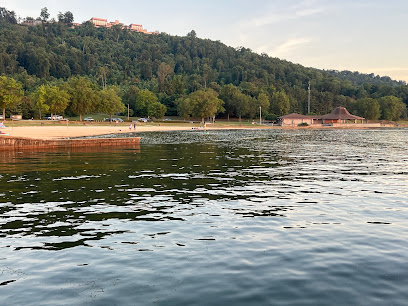
Buckeye Pavilion at Lake Guntersville State Park
24.7 km
Enjoy lakeside gatherings at Buckeye Pavilion in Lake Guntersville State Park, perfect for picnics, reunions, and outdoor fun near the beach and campground.
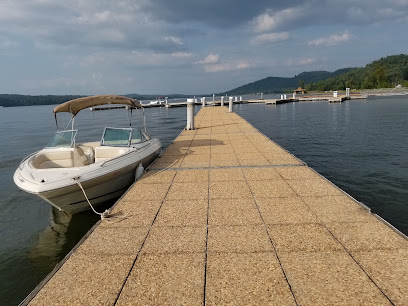
Beach Pavilion at Lake Guntersville State Park
24.8 km
Enjoy lakeside events and gatherings at the Beach Pavilion in Lake Guntersville State Park, offering scenic views and convenient amenities for a memorable experience.
Honeycomb Natural Bridge
25.2 km
Discover the natural beauty of Honeycomb Natural Bridge in Grant, Alabama: a unique geological formation with a charming waterfall.
Essential places to dine

Puck’s by the Lake
18.0 km
Discover exquisite dining at Puck's by the Lake in Langston, AL – where delicious cuisine meets breathtaking lakeside views.
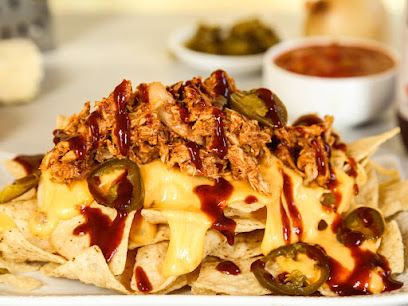
Papa Johns Pizza
33.7 km
Discover delicious pizza made with fresh ingredients at Papa John's in Guntersville - perfect for families and friends alike.
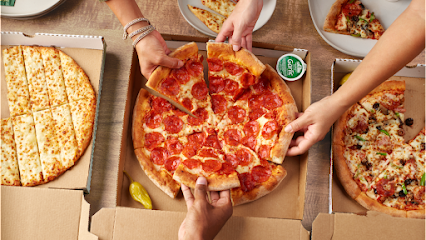
Fire By The Lake
34.4 km
Discover delightful dining at Fire By The Lake in Guntersville - where exceptional food meets live entertainment!
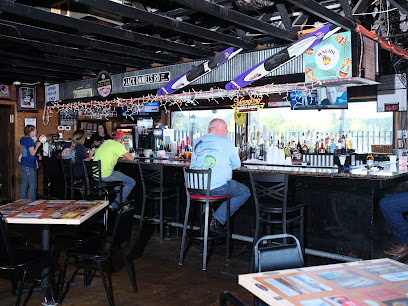
Wendy's
34.5 km
Enjoy fresh burgers and delightful fast food at Wendy's in Guntersville - perfect for families and tourists alike.
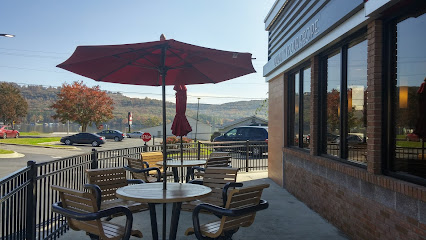
Waffle House
35.2 km
Experience the charm of classic American dining at Waffle House in Guntersville—where delicious breakfasts are served around the clock.
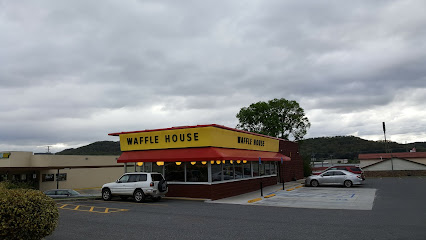
Mellow Mushroom Huntsville South
37.7 km
Experience gourmet pizzas with unique flavors at Mellow Mushroom Huntsville South - where every bite is a celebration of taste.
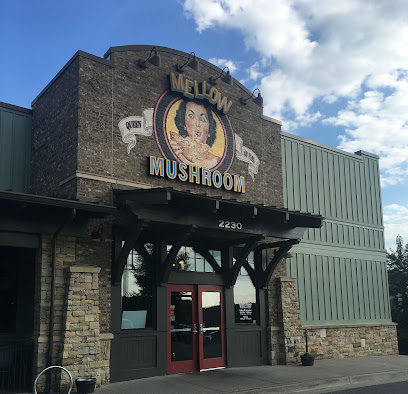
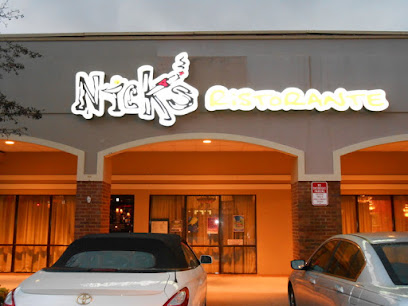
Nick's Ristorante
37.8 km
Experience the finest Northern Italian cuisine at Nick's Ristorante in Huntsville—where seafood and steak meet elegance.
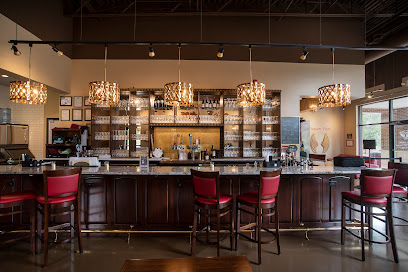
Flight Plan Wine And Tapas
39.0 km
Discover the finest tapas and exceptional wines at Flight Plan Wine And Tapas in Huntsville - where every meal is an extraordinary experience.
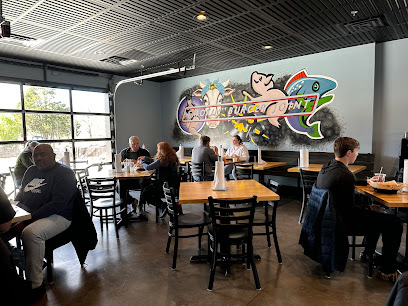
Peppered Pig
39.0 km
Experience the ultimate burger delight at Peppered Pig in Huntsville, AL – where flavor meets fun!
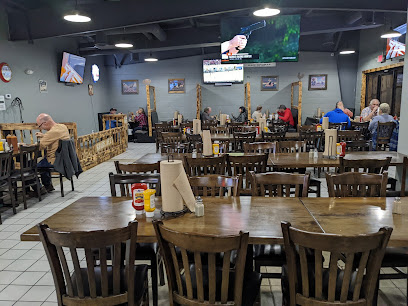
Boarhog's Barbeque
39.3 km
Discover mouthwatering smoked meats and delicious breakfast options at Boarhog's Barbeque in Huntsville, Alabama – a true taste of Southern hospitality.
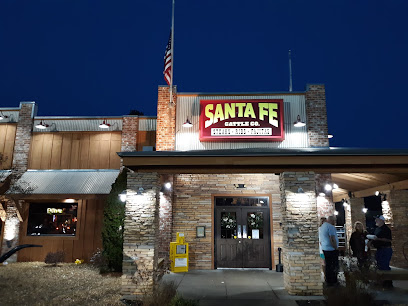
Santa Fe Cattle Company
40.0 km
Discover delicious steaks and BBQ delights at Santa Fe Cattle Company in Fort Payne - perfect for families and food lovers alike.
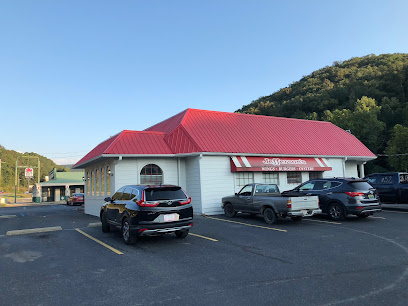
Jefferson's
40.8 km
Experience mouthwatering chicken wings and juicy burgers at Jefferson's in Fort Payne—where American flavors come alive!
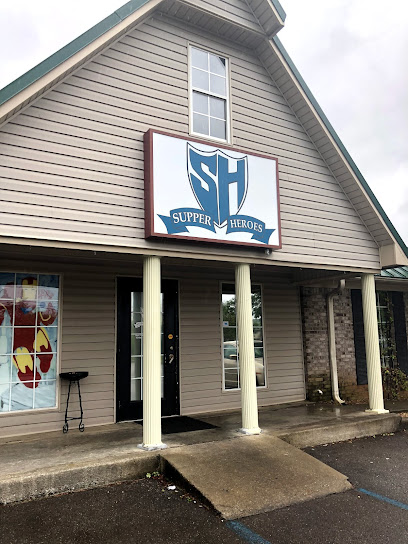
Supper Heroes
40.8 km
Discover the flavors of classic American comfort food at Supper Heroes in Huntsville - where delicious meets affordable.
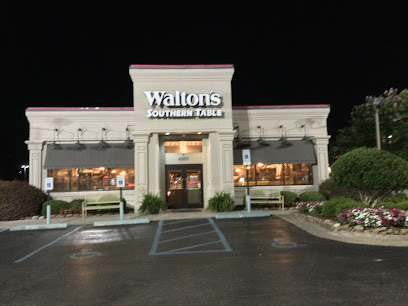
Walton's Southern Table
41.1 km
Experience authentic Southern cuisine at Walton's Southern Table in Huntsville—where every bite tells a story.
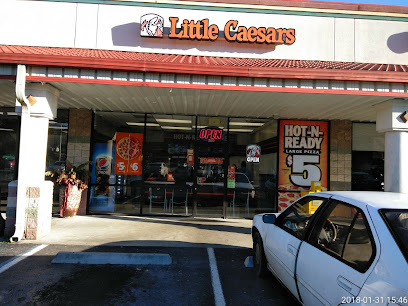
Little Caesars Pizza
41.9 km
Discover deliciously affordable pizza at Little Caesars Pizza in Fort Payne - perfect for travelers craving fast food delights.
Markets, malls and hidden boutiques

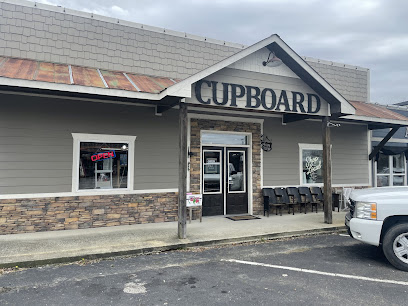
The Cupboard LLC
27.8 km
Explore The Cupboard LLC in Fyffe, AL, a unique consignment shop filled with eclectic treasures and friendly service, perfect for every treasure hunter.
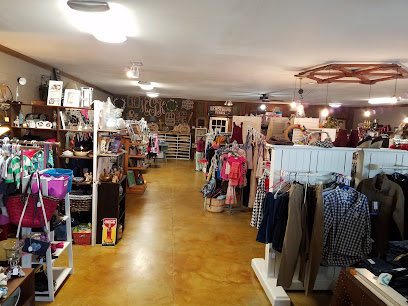
Cupboard Antiques
27.8 km
Explore Cupboard Antiques in Fyffe, AL for a captivating collection of vintage treasures and unique home decor that tells a story.
Gaming Etc.
36.8 km
Discover Gaming Etc. in Fort Payne, Alabama - your ultimate destination for video games, comics, and collectibles in a vibrant community atmosphere.

Junkabillies, LLC
36.8 km
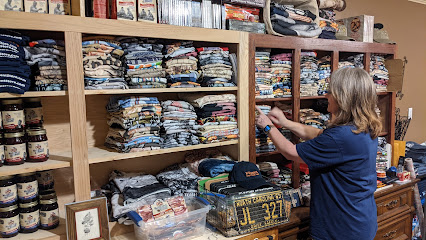
Explore the charm of Junkabillies, LLC, where vintage antiques meet eclectic clothing in Huntsville, Alabama.
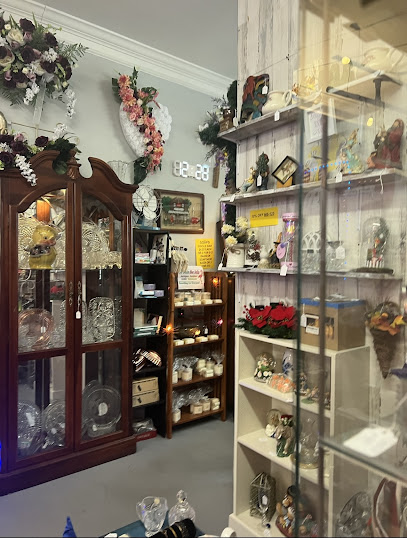
Country Camp Store, Monte Sano
37.9 km
Experience the essence of Alabama at Country Camp Store in Monte Sano – your one-stop shop for outdoor gear and local treasures.
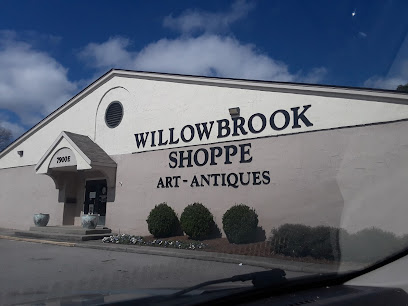
Willowbrook Shoppe
38.0 km
Explore the charm of Huntsville's Willowbrook Shoppe, where vintage treasures and unique antiques await every visitor.
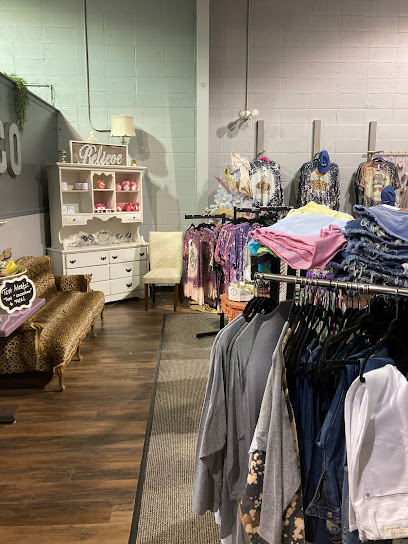
Ever After Marketplace
38.5 km
Explore Ever After Marketplace in Huntsville, AL, where unique gifts and local artistry come together in a charming boutique setting.
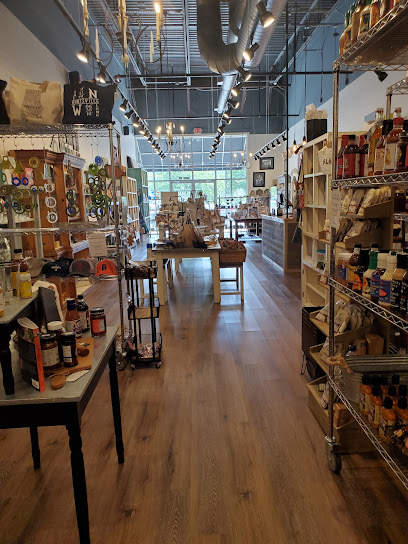
Alabama Goods - Huntsville
38.9 km
Explore the charm of Alabama Goods in Huntsville for unique local crafts, gourmet treats, and memorable souvenirs that embody the spirit of the South.
The Little Green Store and Gallery
39.4 km
Explore The Little Green Store and Gallery in Huntsville, AL for unique gifts, local art, and a glimpse into the region's creative culture.
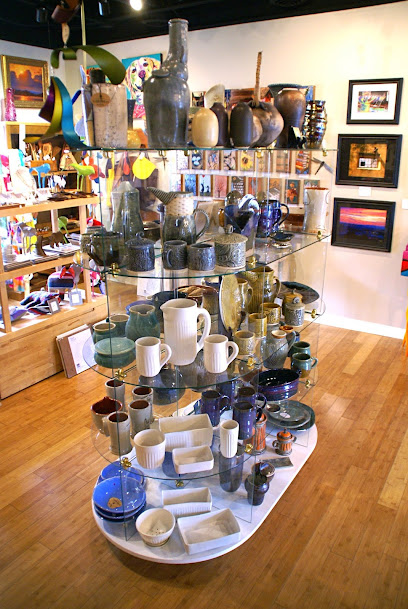
Firehouse Antiques & Collectibles
40.1 km
Explore a treasure trove of antiques and collectibles at Firehouse Antiques & Collectibles in Huntsville, AL, where the past comes alive.
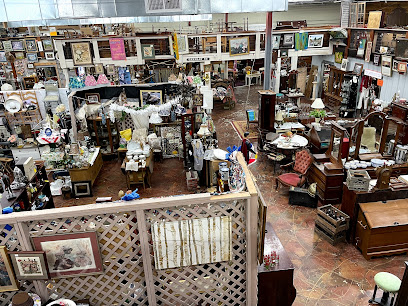
Top Key Market
40.2 km
Explore Top Key Market in Huntsville for unique antiques and vintage treasures, perfect for collectors and decor enthusiasts.
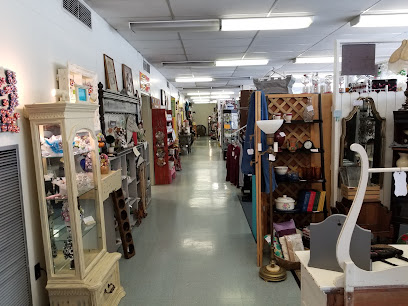
The Cottage Collective
41.1 km
Discover unique gifts and personalized treasures at The Cottage Collective, a charming gift shop in Huntsville, Alabama, perfect for all occasions.
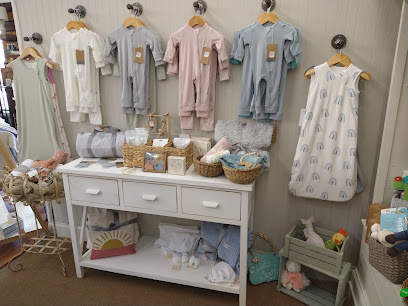
Weaver's Department Store
41.3 km
Explore Weaver's Department Store for unique gifts and treasures from Huntsville, AL's charming online gift shop, perfect for every celebration.
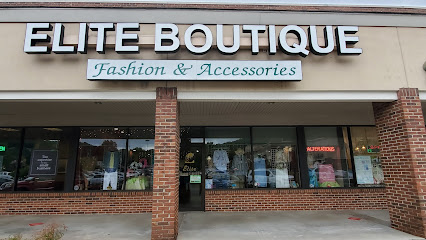
Elite Boutique
41.3 km
Explore distinctive fashion at Elite Boutique in Huntsville, a treasure trove of unique clothing and accessories that capture local charm.
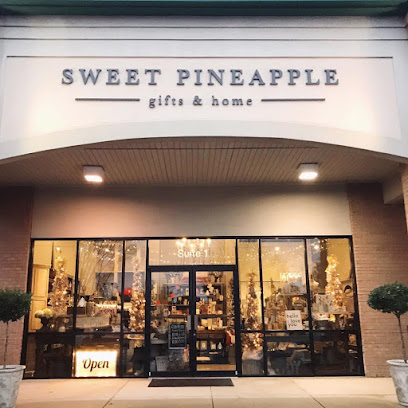
Sweet Pineapple
41.7 km
Explore Sweet Pineapple, the charming gift shop in Huntsville, AL, offering unique gifts and home goods perfect for every occasion.
Essential bars & hidden hideouts

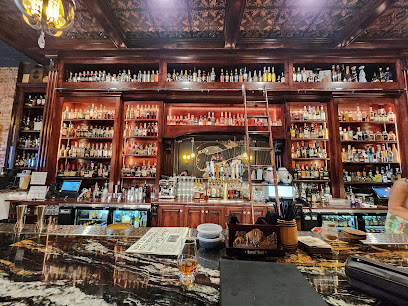
Busted Oak Bourbon Society
39.3 km
Discover Busted Oak Bourbon Society, where premium bourbons meet gourmet dining in a cozy cigar haven in Albertville, Alabama.
Applebee's Grill + Bar
39.7 km
Experience classic American dining at Applebee's Grill + Bar in Fort Payne, where comfort food and a warm atmosphere await you.
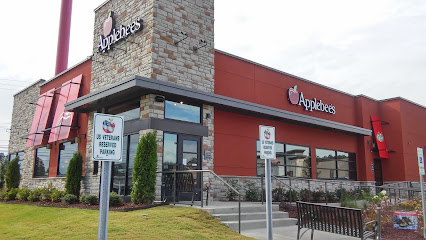
The 19th Hole Sports Lounge
40.1 km
Experience the thrill of live sports at The 19th Hole Sports Lounge, Huntsville's premier sports bar with delicious food and a lively atmosphere.
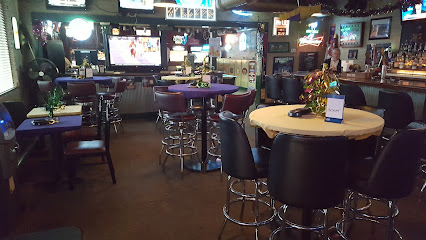
Thirsty Turtle
41.3 km
Experience the vibrant atmosphere and delicious offerings of Thirsty Turtle, Huntsville's favorite deli and sports bar, perfect for food lovers and sports fans alike.
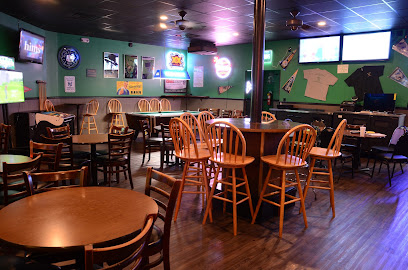
Bishop's Eastside Pub & Grill
42.3 km
Discover Bishop's Eastside Pub & Grill in Huntsville, AL, where delicious grilled dishes and a lively bar atmosphere create unforgettable dining experiences.
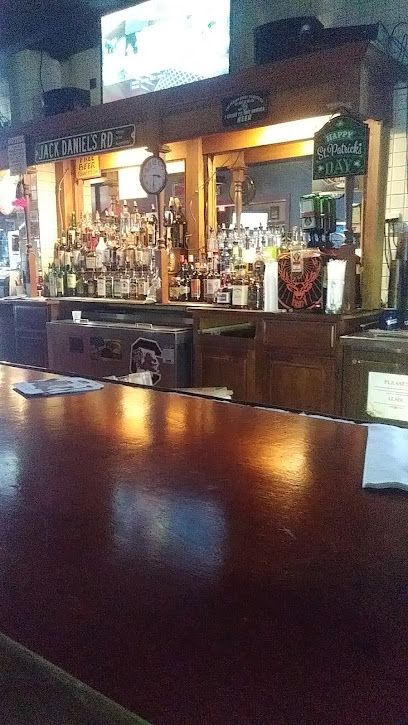
The Brass Tap
43.4 km
Explore The Brass Tap in Huntsville, a premier bar offering over 80 craft beers on tap, live music, and a vibrant atmosphere for all beer enthusiasts.
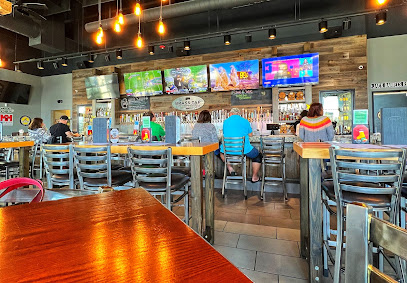
Voodoo Lounge Bar & Grill
43.6 km
Experience the vibrant nightlife at Voodoo Lounge Bar & Grill in Huntsville, where great food meets live music in a welcoming atmosphere.
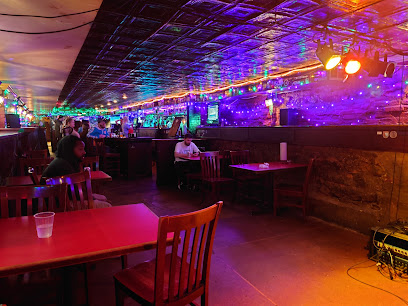
Swamp Water Louie's
43.6 km
Experience the lively ambiance of Swamp Water Louie's, Huntsville's favorite bar for craft drinks, delicious snacks, and live music.
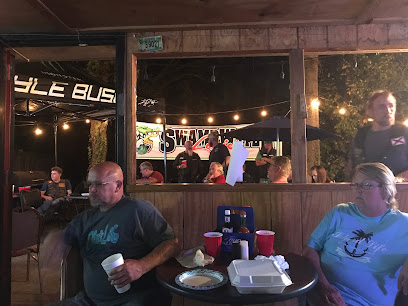
Whiskey Bottom saloon
43.7 km
Discover Whiskey Bottom Saloon, a vibrant bar in Huntsville, AL, offering a lively atmosphere, craft cocktails, and a taste of local nightlife.
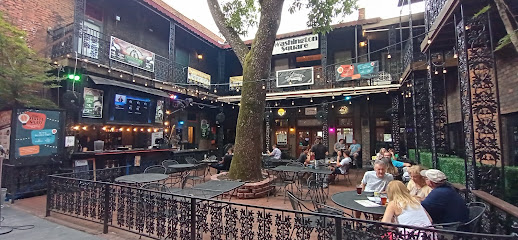
Miller's Tavern
43.7 km
Discover Huntsville's vibrant nightlife at Miller's Tavern, where great drinks and karaoke await in a lively atmosphere.
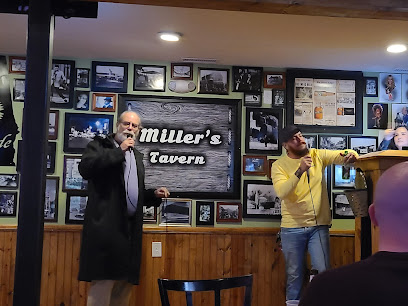
Domaine South wine shop & wine bar
43.7 km
Experience a delightful selection of wines at Domaine South Wine Shop & Wine Bar, where every sip tells a story in the heart of Huntsville.
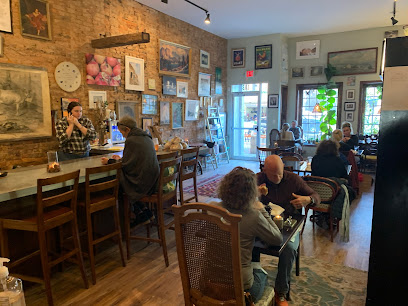
Jefferson Street Pub
43.7 km
Discover the lively atmosphere and delicious fare at Jefferson Street Pub, a top bar and pub in Huntsville, Alabama, where great times await.
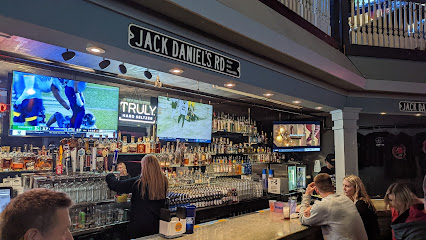
SiP Fine Spirits & Cigar Lounge
43.7 km
Experience luxury and relaxation at SiP Fine Spirits & Cigar Lounge in Huntsville, where exquisite cocktails and premium cigars await.
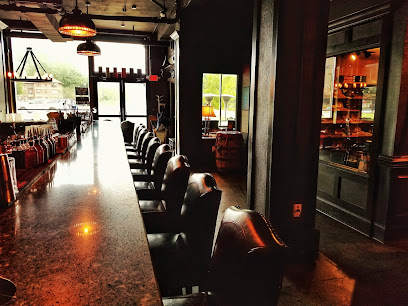
Baker & Able
43.8 km
Discover the vibrant nightlife at Baker & Able, Huntsville's premier cocktail bar offering inventive drinks in a stylish setting.
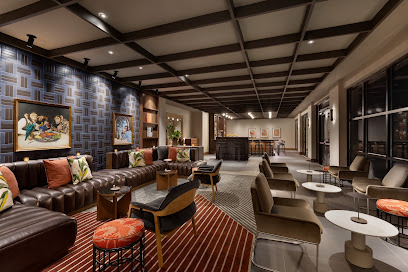
Catacomb 435
43.8 km
Discover Catacomb 435, Huntsville's eclectic bar with a vibrant atmosphere and a unique drink menu, perfect for unwinding and socializing.