

Free Cullman Travel Guide & Mobile App
Plan your Cullman trip with Evendo. Get free guides to top attractions, restaurants, hotels, and bars. Web access or download the mobile app.


Cullman, Alabama blends German heritage, historic downtown streets, Ave Maria Grotto, local food and outdoor attractions between Birmingham and Huntsville.
A German-founded Alabama town
Cullman occupies a distinctive place in north Alabama, where the wooded foothills of the Appalachian region meet the agricultural landscape between Birmingham and Huntsville. The city was founded in the 1870s by Johann Gottfried Cullmann, a German immigrant who promoted the area as a settlement for German colonists. That heritage remains visible in local festivals, food traditions, churches and civic institutions, although Cullman has developed into a modern regional centre rather than a preserved colonial enclave. Its broad streets, low-rise commercial districts and surrounding farmland give it a quieter, more spacious character than Alabama’s larger cities.Read more about Cullman
Grottoes, museums and open spaces
Small-city life with a strong local identity
When is the best time to visit Cullman?
Best: May, September–October · 22–28°C| Month | High (°C) | Rainfall (mm) |
|---|---|---|
| January | 10 | 130 |
| February | 12 | 115 |
| March | 18 | 140 |
| April | 22 | 110 |
| May (best) | 27 | 115 |
| June | 30 | 130 |
| July | 32 | 145 |
| August | 32 | 120 |
| September (best) | 28 | 105 |
| October (best) | 22 | 95 |
| November | 16 | 115 |
| December | 11 | 125 |
Getting to and around Cullman
How to get there
Transportation
Best attractions in Cullman
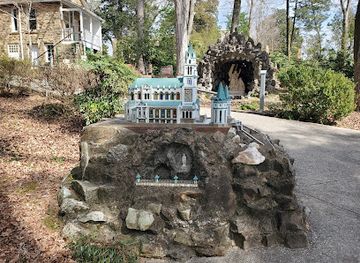
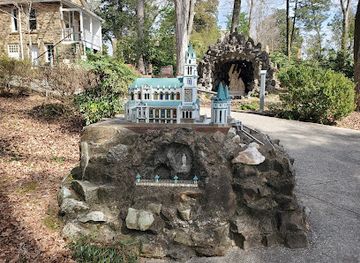
Cullman’s principal attractions combine religious art, local history and outdoor recreation. At St Bernard Abbey, Ave Maria Grotto presents 125 miniature buildings and devotional scenes created by monk Joseph Zoettl, making it one of the area’s most distinctive cultural sights. The Cullman County Museum, housed in a former railway station, explores settlement, agriculture and community life through regional displays. Downtown Cullman offers a pleasant circuit of historic commercial buildings, independent businesses and public spaces, while Sportsman Lake Park provides walking, fishing and family recreation in a wooded setting. The Cullman County Agricultural Trade Center reflects the importance of farming and hosts regional events. German Park is associated with community celebrations and German-American heritage, while the surrounding county offers rural drives, farm attractions and covered bridges such as Clarkson Covered Bridge near Bremen, outside the city itself.
-
Tourist attraction
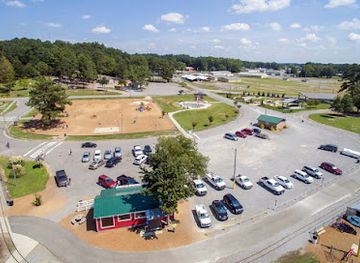
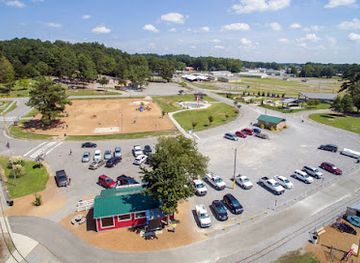
Sportsman Lake Park
Discover family fun and natural beauty at Sportsman Lake Park in Cullman, AL – a perfect destination for recreation, relaxation, and community events.
6 min drive · 2.1 km from city centre
-
Tourist attraction
Ave Maria Grotto
Discover a miniature world of faith and artistry at the Ave Maria Grotto in Cullman, Alabama, featuring 125 replicas of famous landmarks.
8 min drive · 2.6 km from city centre
-
Tourist attraction
Ave Maria Grotto
Explore a world in miniature at Alabama's Ave Maria Grotto, featuring 125+ hand-crafted replicas of famous religious and historical landmarks.
8 min drive · 2.6 km from city centre
-
Tourist attraction
Heritage Park Cullman
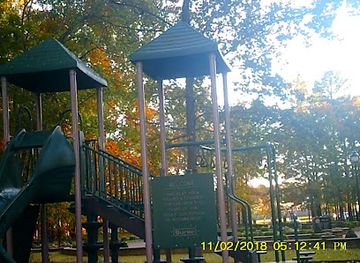
A 70-acre recreational haven in Cullman, AL, featuring sports fields, trails, a water play area, and the Field of Miracles for inclusive play.
7 min drive · 2.3 km from city centre

Best landmarks in Cullman
Cullman’s most distinctive landmarks reveal the social and religious foundations of the city. St Bernard Abbey is a prominent Benedictine complex whose presence reflects the Catholic history connected with the area’s German settlers and later monastic community. Within its grounds, Ave Maria Grotto is both a devotional site and an extraordinary work of miniature architecture, with Zoettl’s small-scale buildings and shrines assembled from varied materials. The Cullman County Museum occupies a former Louisville and Nashville Railroad depot, linking the city’s historical memory to the railway that supported its early development. Downtown’s historic commercial streets preserve the scale of an agricultural railway town, while German Park serves as a civic symbol of Cullman’s German-American identity. Clarkson Covered Bridge, an important county landmark, lies near Bremen rather than within Cullman city limits.
-
Park
Sportsman Lake Park
Discover family fun and natural beauty at Sportsman Lake Park in Cullman, Alabama – a perfect spot for recreation and relaxation.
6 min drive · 2.1 km from city centre
-
Tourist attraction
Ave Maria Grotto
Discover a world in miniature at the Ave Maria Grotto in Cullman, Alabama, featuring 125 iconic landmarks handcrafted by a Benedictine monk.
8 min drive · 2.6 km from city centre
-
Seafood
Shrimp Basket
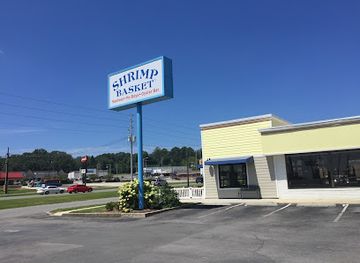
Fresh seafood and Southern charm meet at Shrimp Basket in Cullman, AL, a family-friendly destination for a taste of the Gulf Coast.
10 min walk · 0.8 km from city centre
-
Mexican
Margaronas Cantina Mexican Restaurant
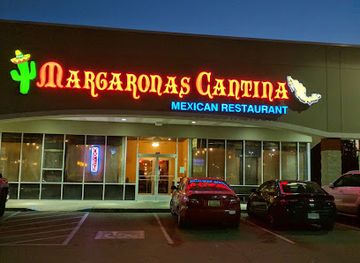
Experience authentic Mexican flavors and a vibrant atmosphere at Margaronas Cantina in Cullman, AL, for a memorable dining experience.
4 min walk · 0.4 km from city centre
Explore Cullman on the map
Plan your Cullman trip on one map. See where the top attractions, landmarks, restaurants, bars and hotels are, find what's near where you're staying, and book hotels and experiences in a few clicks.
Best hotels in Cullman
Best restaurants in Cullman
Cullman’s dining culture reflects both its German-founded history and the wider traditions of north Alabama. Visitors will find Southern staples such as barbecue, fried chicken, biscuits, catfish and seasonal vegetables alongside sausages, schnitzel, German-style baked goods and other foods associated with the city’s heritage. Downtown and the Warehouse District contain independent restaurants, cafés and casual eateries, while local breweries add food and social spaces to the evening scene. Farmers’ markets and agricultural events provide opportunities to encounter locally grown produce and homemade goods when operating. The city’s restaurant landscape is generally informal and community-oriented, with family dining, cafés and regional comfort food more prominent than a formal fine-dining culture. German influences are most visible during heritage celebrations, but contemporary Cullman dining is a blend of immigrant tradition, Southern cooking and modern local enterprise.
-
American
Cracker Barrel Old Country Store
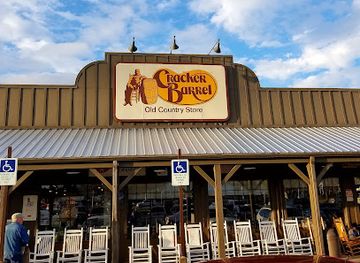
Experience authentic Southern cuisine at Cracker Barrel Old Country Store in Cullman, Alabama - where comfort food meets charm.
13 min drive · 4.4 km from city centre
-
Fast Food
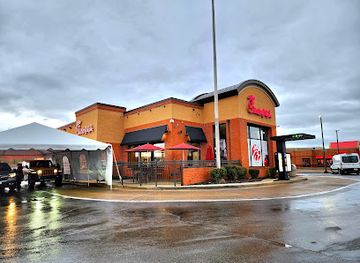
Chick-fil-A
Experience the best of Southern fast food at Chick-fil-A in Cullman - where great taste meets warm hospitality.
8 min drive · 2.7 km from city centre
-
Buffet
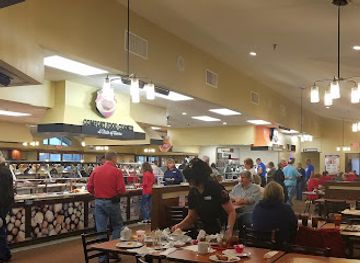
Golden Corral Buffet & Grill
Discover an all-you-can-eat paradise at Golden Corral Buffet & Grill in Cullman - where American classics meet endless variety.
7 min drive · 2.5 km from city centre
-
Mexican
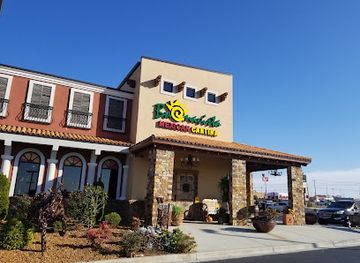
Buenavista Mexican Cantina (Cullman)
Experience authentic Mexican cuisine in Cullman at Buenavista Mexican Cantina - where flavor meets tradition!
13 min drive · 4.3 km from city centre
Best bars in Cullman
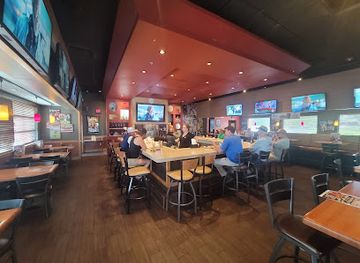
Cullman’s evening scene is modest and largely centred on restaurants, breweries, community events and relaxed social venues rather than large nightclubs. Goat Island Brewing has helped give the city a recognised craft-beer presence, while downtown and the Warehouse District provide places for casual drinks, supper and conversation. Seasonal gatherings, including German-themed celebrations, can bring live music, outdoor socialising and extended evening activity to public spaces. Entertainment is often tied to local events, performances and civic programming rather than a dedicated club district, and nightlife becomes quieter outside the central commercial areas. Visitors seeking a late-night scene on the scale of Birmingham should adjust expectations, while those interested in local beer, food, music and community atmosphere will find the city’s evenings more representative of a small regional Alabama centre.
-
Steak
Logan's Roadhouse
Experience the rich flavors of American dining at Logan's Roadhouse, where each meal is a celebration of good taste and Southern hospitality.
14 min drive · 4.5 km from city centre
-
Restaurant
Applebee's Grill + Bar
Discover the vibrant American dining experience at Applebee's Grill + Bar in Cullman, Alabama, perfect for families and casual outings.
12 min drive · 3.8 km from city centre
-
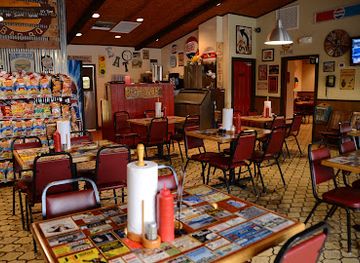
Barbecue
Johnny's Bar-B-Q
Experience authentic Southern barbecue at Johnny's Bar-B-Q in Cullman, where every bite tells a story of tradition and flavor.
13 min walk · 1.1 km from city centre
-
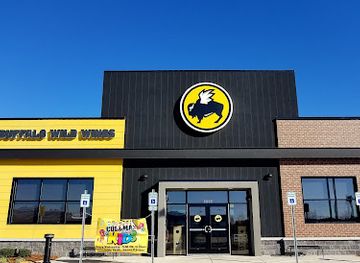
Chicken Wings
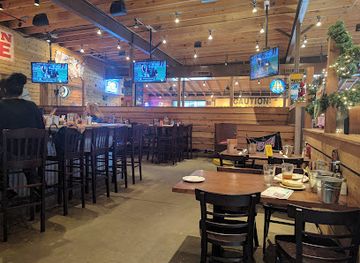
Buffalo Wild Wings
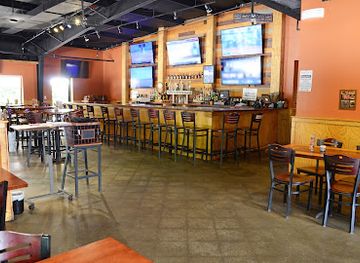
Experience the ultimate sports dining at Buffalo Wild Wings in Cullman, AL, where delicious wings meet an electrifying atmosphere.
7 min drive · 2.4 km from city centre
Best nightclubs in Cullman
Cullman’s evening scene is modest and largely centred on restaurants, breweries, community events and relaxed social venues rather than large nightclubs. Goat Island Brewing has helped give the city a recognised craft-beer presence, while downtown and the Warehouse District provide places for casual drinks, supper and conversation. Seasonal gatherings, including German-themed celebrations, can bring live music, outdoor socialising and extended evening activity to public spaces. Entertainment is often tied to local events, performances and civic programming rather than a dedicated club district, and nightlife becomes quieter outside the central commercial areas. Visitors seeking a late-night scene on the scale of Birmingham should adjust expectations, while those interested in local beer, food, music and community atmosphere will find the city’s evenings more representative of a small regional Alabama centre.
-
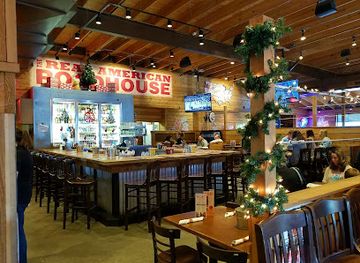
Steak
Logan's Roadhouse
Discover the vibrant flavors of American cuisine at Logan's Roadhouse, where every meal is a celebration of taste and tradition.
14 min drive · 4.5 km from city centre
-
Sports bar
Augusta's Sports Grill
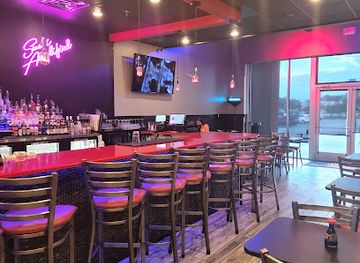
Enjoy a lively dining experience at Augusta's Sports Grill, where delicious food meets the excitement of sports in Cullman, Alabama.
6 min drive · 2.0 km from city centre
-
Bar
412 Public House
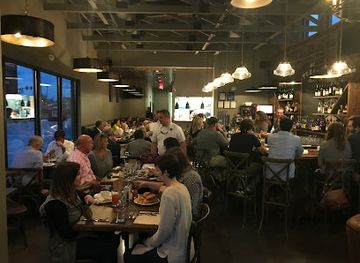
Discover the vibrant culinary experience at 412 Public House in Cullman, AL, where great food and a lively atmosphere meet.
7 min walk · 0.6 km from city centre
-
Sushi
Rock N Roll Sushi
Discover the vibrant flavors of Rock N Roll Sushi in Cullman, Alabama, where culinary artistry meets a lively atmosphere for an unforgettable dining experience.
9 min drive · 3.0 km from city centre
Best shops in Cullman
Shopping in Cullman is divided between the historic centre, newer commercial areas and seasonal agricultural outlets. Downtown and the Warehouse District offer independent shops, cafés, gifts, antiques, clothing and locally made items in a walkable setting, with the character of the old commercial core more apparent than in a conventional enclosed mall. Farmers’ markets and community events are useful places to find Alabama produce, preserves, baked goods and handmade products when in season. German-influenced foods and festival merchandise may appear around heritage celebrations, while regional retailers and larger stores serve everyday needs along the city’s main commercial corridors. The Cullman County area also has farm-related businesses and rural vendors, but opening patterns can vary, so visitors should distinguish permanent shops from event-based stalls and seasonal operations.
-
Shopping mall
South Cullman Shopping Center
Explore the South Cullman Shopping Center: Your go-to destination for shopping, dining, and entertainment in Cullman, Alabama.
6 min drive · 2.0 km from city centre
-
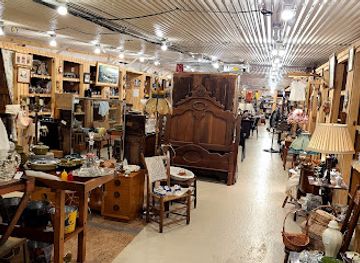
Antique store
Highway Pickers Antique Mall & Flea Market
Uncover unique antiques and vintage treasures at Highway Pickers Antique Mall & Flea Market in Cullman, Alabama, where every visit is a new adventure.
16 min drive · 5.2 km from city centre
-
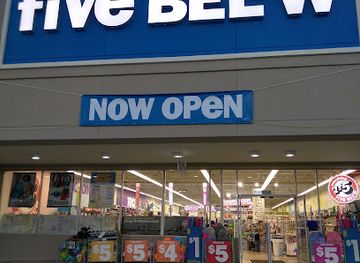
Gift shop
Five Below
Explore Five Below in Cullman, AL – the ultimate destination for budget-friendly gifts, trendy toys, and unique finds, all for $5 or less!
12 min walk · 0.9 km from city centre
-
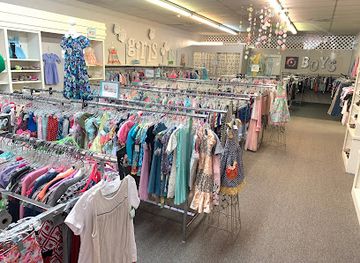
Consignment shop
Better Than Before Consignments
Discover unique treasures at Better Than Before Consignments, Cullman's top consignment shop for vintage clothing and eclectic home decor.
6 min walk · 0.5 km from city centre
Get your free copy of our complete guide to Cullman, delivered straight to you.
Everything on this page, from attractions and restaurants to essentials and local phrases, in one PDF you can read offline, print or share.
Already have an account? Sign in
Your Cullman guide is ready.
We'll send it to · Not you? Sign out

Getting your guide ready…
We are putting together a fresh copy of the Cullman guide. This can take up to a minute.
This can take a few moments. If your browser asks, choose Allow so the download can start. You'll find the guide in your Downloads folder.
Nothing happened? Download it again
Sorry, the guide is taking longer than usual. Please try again in a minute, or get it by email instead.
Cullman essentials
Currency and Payment
Safety
Emergency Situations
Do's and Don'ts
Local Tips
From Eve
Local phrases worth knowing
You don't need to get them perfect. A few words go a long way, and locals appreciate the effort.
Basics
| English | Local | Say it |
|---|---|---|
| Hello | Howdy | [haw-dee] |
| Goodbye | See ya | [see yah] |
| Yes | Yup | [yuhp] |
| No | Nah | [nah] |
| Please/You're welcome | Please/No problem | [pleez/no problum] |
| Thank you | Thank ya | [thank yah] |
| Excuse me/Sorry | Pardon me/My bad | [pard-n me/my bad] |
| How are you? | How y'all doin'? | [hao yall doo-in] |
| Fine. And you? | Fine. And you? | [fine and yoo] |
| Do you speak English? | Ya speak English? | [yuh speak ing-glish] |
| I don't understand | I don't get it | [ah don't get it] |
Eating & Drinking
| English | Local | Say it |
|---|---|---|
| I'd like to see the menu, please | I wanna see the menu, please | [ah wahnna see the menu, pleez] |
| I don't eat meat | I don't eat meat | [ah don't eat meet] |
| Cheers! | Cheers! | [cheers] |
| I would like to pay, please | I wanna pay now, please | [ah wahnna pay now, pleez] |
Emergencies
| English | Local | Say it |
|---|---|---|
| Help! | Help! | [help] |
| Go away! | Git! | [git] |
| Call the Police! | Call the Po-lice! | [call the po-lice] |
| Call a doctor! | Call a doc! | [call a doc] |
| I'm lost | I'm lost | [ahm lost] |
| I'm ill | I'm sick | [ahm sik] |
Shopping
| English | Local | Say it |
|---|---|---|
| I'd like to buy... | I wanna buy... | [ah wahnna buy...] |
| I'm just looking | I'm just lookin' | [ahm just lookin] |
| How much is it? | How much does it cost? | [hao much duz it cost] |
| That's too expensive | That's too high | [thats too hai] |
| Can you lower the price? | Can ya make it cheaper? | [can yuh make it cheeper] |
Time & Numbers
| English | Local | Say it |
|---|---|---|
| What time is it? | What time is it? | [whut time is it] |
| It's one o'clock | It's one o'clock | [its one o'clock] |
| Half past (10) | Half past ten | [half past ten] |
| Morning | Mornin' | [mornin] |
| Afternoon | Afternoon | [afternoon] |
| Evening | Evenin' | [evenin] |
| Yesterday | Yestaday | [yestaday] |
| Today | Today | [today] |
| Tomorrow | Tomorra | [tomorra] |
| 1 | One | [wun] |
| 2 | Two | [too] |
| 3 | Three | [three] |
| 4 | Four | [four] |
| 5 | Five | [five] |
| 6 | Six | [six] |
| 7 | Seven | [seven] |
| 8 | Eight | [eight] |
| 9 | Nine | [nine] |
| 10 | Ten | [ten] |
Transport & Directions
| English | Local | Say it |
|---|---|---|
| Where's a/the...? | Where's the...? | [wheres the] |
| What's the address? | What's the address? | [whuts the address] |
| Can you show me (on the map)? | Can ya show me (on the map)? | [can yuh show me (on the map)] |
| When's the next (bus)? | When's the next (bus)? | [whens the next (bus)] |
| A ticket (to ....) | A ticket (to ....) | [a ticket (to)] |
History of Cullman
The Landscape Before Cullman
The area now occupied by Cullman lies in north Alabama, a region shaped by the movement of Indigenous peoples, including the Cherokee and Creek, before European-American settlement expanded across the interior South. The wider landscape consisted of forests, streams and fertile ground that later supported farming and transport links. Alabama entered the Union in 1819, and the state’s developing road and railway networks helped connect northern communities with markets farther south. Cullman’s later history was therefore tied not only to local settlement but also to the broader transformation of north Alabama from a predominantly rural frontier into a network of agricultural towns.
Johann Gottfried Cullmann’s Colony
Cullman’s modern history began in the 1870s with Johann Gottfried Cullmann, a German immigrant and former military officer who promoted settlement in north Alabama. He helped establish a German-speaking colony along the route of the Louisville and Nashville Railroad, which provided an important link for people and goods. The settlement developed around farming, trade and the promise of a railway-connected community, eventually taking Cullmann’s name in anglicised form. German settlers brought language, religious affiliations, agricultural knowledge and social customs that influenced the town’s institutions and public identity. The colony did not remain culturally isolated, but its origins still distinguish Cullman from many neighbouring Alabama communities.
Railways, Farming and Community Growth
During the late nineteenth and early twentieth centuries, railway access helped Cullman grow as a market and service centre for surrounding farms. Agriculture shaped both the local economy and the town’s social life, with crops, livestock and later commercial enterprises linking Cullman to regional trade. German settlers and their descendants established churches, businesses and community organisations, while new arrivals gradually made the town more diverse. The area’s religious history also deepened through Catholic institutions associated with the Benedictine foundation that became St Bernard Abbey. These agricultural, railway and religious connections created much of the civic framework that remains visible in Cullman County.
St Bernard Abbey and Sacred Art
The Benedictine community at St Bernard Abbey became one of Cullman’s most distinctive cultural institutions. The abbey developed as a centre of religious life and education, and its grounds later gained wider recognition through Ave Maria Grotto. Joseph Zoettl, a Benedictine monk who lived at the monastery, constructed 125 miniature buildings, shrines and scenes from cement, glass, shells and other materials during the late nineteenth and early twentieth centuries. His work reflects both Catholic devotional art and the practical creativity of a monastic community. The grotto complex adds an unusual artistic layer to Cullman’s history, linking European religious traditions with an Alabama setting.
A Modern Regional Centre
Cullman changed substantially during the twentieth century as improved roads, mechanised agriculture, manufacturing and expanding services altered the local economy. Interstate 65 strengthened the city’s position between Birmingham and Huntsville, encouraging commercial growth while preserving its role as a gateway to the surrounding countryside. In recent decades, downtown revitalisation, heritage events and cultural tourism have complemented established agricultural and religious institutions. The community’s public identity continues to draw on its German-founded past, but contemporary Cullman is also shaped by Southern regional culture, new businesses, county-wide events and the practical needs of a growing north Alabama population.
Cullman in Photos
Browse through our photo collection highlighting the charm and character of the destination.
Cities near Cullman
The closest cities to Cullman, if you have time for more than one stop.
-

-

-

-

-


Swipe for more cities
Explore more

Explore more of Alabama
Discover Alabama: A Southern state rich in history, culture, and natural beauty, offering unforgettable experiences from vibrant cities to serene beaches and majestic mountains.
Explore Alabama