

Free Huntsville Travel Guide & Mobile App
Plan your Huntsville trip with Evendo. Get free guides to top attractions, restaurants, hotels, and bars. Web access or download the mobile app.


Huntsville, Alabama blends NASA history, mountain landscapes, museums, Southern food and creative culture for memorable sightseeing and local experiences in the American South.
Rocket City Heritage
Huntsville rises in northern Alabama where the Tennessee Valley meets the wooded slopes of Monte Sano Mountain. Its defining story is written in two contrasting settings: the shaded limestone spring around which the settlement grew and the vast research complex that helped send humans to the Moon. The US Space & Rocket Center traces the city’s transformation into “Rocket City”, while nearby Redstone Arsenal remains an important centre of American military and space research.Read more about Huntsville
Historic Streets and Creative Districts
Mountains, Gardens and Southern Culture
When is the best time to visit Huntsville?
Best: April, September–October · 21–28°C| Month | High (°C) | Rainfall (mm) |
|---|---|---|
| January | 12 | 127 |
| February | 14 | 122 |
| March | 18 | 140 |
| April (best) | 23 | 118 |
| May | 27 | 123 |
| June | 31 | 112 |
| July | 32 | 140 |
| August | 31 | 127 |
| September (best) | 28 | 109 |
| October (best) | 21 | 94 |
| November | 16 | 117 |
| December | 12 | 136 |
Getting to and around Huntsville
How to get there
Transportation
Best attractions in Huntsville
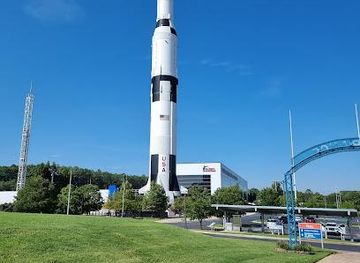
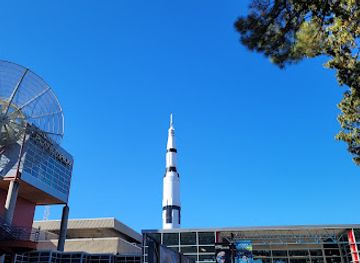
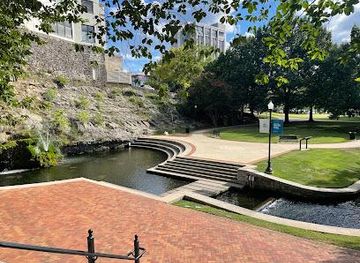
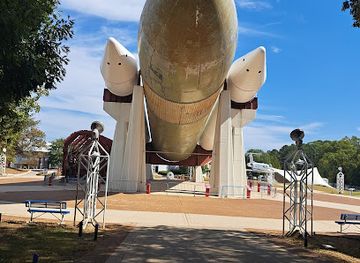
Huntsville’s principal attractions reveal both its scientific ambitions and its Tennessee Valley setting. At the US Space & Rocket Center, galleries, spacecraft, engines and the enormous Saturn V make the American space programme tangible, while the adjacent Space Camp campus expands the museum’s educational focus. Downtown, Big Spring International Park provides a landscaped centre beside the spring that shaped the city’s earliest settlement, and the Huntsville Museum of Art presents American art in a central cultural setting. The Huntsville Botanical Garden moves from formal plantings to woodland paths and seasonal displays, while Burritt on the Mountain combines a historic house museum with overlooks and trails on Monte Sano. Lowe Mill ARTS & Entertainment offers a different kind of exploration through working studios, exhibitions and performances in a former textile mill. Outdoor visitors can also follow walking and cycling routes through greenways and Monte Sano State Park.
-
Museum of space history
U.S. Space & Rocket Center
Discover the wonders of space exploration at the U.S. Space & Rocket Center, home to historic rockets, interactive exhibits, and astronaut training experiences.
20 min drive · 6.6 km from city centre
-
Museum of space history
U.S. Space & Rocket Center
Explore the wonders of space at the U.S. Space & Rocket Center, home to iconic rockets, interactive exhibits, and immersive space experiences.
20 min drive · 6.6 km from city centre
-
Tourist attraction
Big Spring International Park
Discover Huntsville's birthplace and vibrant heart at Big Spring International Park, a blend of history, nature, and community events.
3 min walk · 0.2 km from city centre
-
Tourist attraction
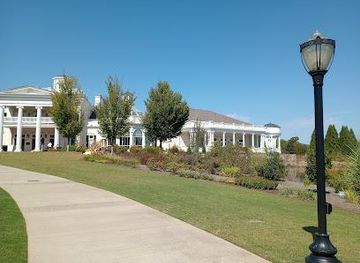
Huntsville Botanical Garden
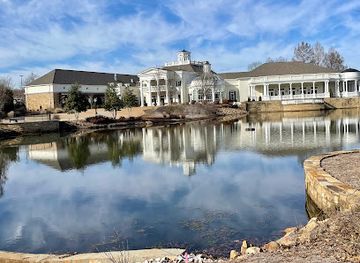
Explore diverse ecosystems, themed gardens, and nature trails at Huntsville Botanical Garden, a year-round sanctuary for nature lovers.
15 min drive · 5.1 km from city centre
Best landmarks in Huntsville
Huntsville’s landmarks chart the city’s passage from frontier settlement to aerospace centre. The Huntsville Depot, a preserved railway complex, recalls the importance of transport and the Civil War occupation, while the Weeden House Museum represents the antebellum domestic architecture of the historic Twickenham district. Constitution Hall Park marks the site associated with Alabama’s 1819 constitutional convention and places statehood within the city’s civic landscape. Big Spring, with its surrounding park, remains the geographical feature that gave early Huntsville its focus. On Monte Sano, Burritt on the Mountain combines a twentieth-century residence with views across the Tennessee Valley, and the Saturn V at the US Space & Rocket Center has become a powerful symbol of the city’s scientific identity. The former Harrison Brothers Hardware building adds a commercial dimension to downtown’s heritage, linking preserved architecture with present-day civic life.
-
Museum of space history
U.S. Space & Rocket Center
Explore the cosmos at the U.S. Space & Rocket Center in Huntsville: rockets, interactive exhibits, and the legacy of space exploration await!
20 min drive · 6.6 km from city centre
-
Botanical garden
Huntsville Botanical Garden
Discover natural beauty at Huntsville Botanical Garden: themed gardens, butterfly house, trails, and events in a 112-acre oasis. Open year-round.
15 min drive · 5.1 km from city centre
-
Event venue
Von Braun Center
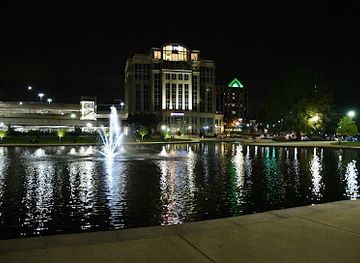
Huntsville's premier multi-purpose venue for concerts, conventions, sports, and entertainment in the heart of downtown.
7 min walk · 0.6 km from city centre
-
Art center
Lowe Mill ARTS & Entertainment
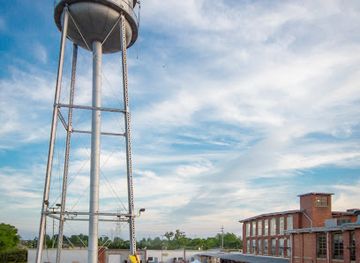
Explore art, history, and culture at Lowe Mill ARTS & Entertainment, the nation's largest privately-owned arts facility in Huntsville, Alabama.
6 min drive · 1.9 km from city centre
Explore Huntsville on the map
Plan your Huntsville trip on one map. See where the top attractions, landmarks, restaurants, bars and hotels are, find what's near where you're staying, and book hotels and experiences in a few clicks.
Neighbourhoods in Huntsville
-

-

-

-


Swipe for more neighbourhoods
Best hotels in Huntsville
Best restaurants in Huntsville
Huntsville’s dining scene reflects northern Alabama’s Southern foundations and the international workforce drawn by aerospace, defence and research. Barbecue, fried catfish, biscuits, pulled pork and other regional comfort foods appear alongside modern interpretations of Alabama produce, while downtown restaurants make use of historic buildings and the districts around Stovehouse and MidCity create lively concentrations of food and drink. Farmers’ markets and specialist shops offer seasonal fruit, vegetables, baked goods and locally made products, although stalls vary by day and season. The city’s universities and diverse population have also supported Indian, Korean, Vietnamese, Mediterranean, Mexican and other international cuisines. Casual cafés, breweries and food-hall-style settings sit comfortably beside chef-led dining rooms, giving visitors opportunities to sample both familiar Southern flavours and the broader cultural influences that now shape Huntsville.
-
American
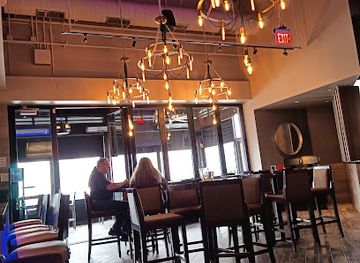
Kona Grill - Huntsville
Discover Kona Grill in Huntsville - where American classics meet sushi artistry in a vibrant setting perfect for every occasion.
25 min drive · 8.2 km from city centre
-
Steak
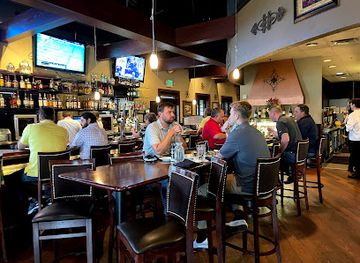
Connors Steak & Seafood
Discover an exquisite blend of prime steaks and fresh seafood at Connors Steak & Seafood in Huntsville's vibrant dining scene.
24 min drive · 8.2 km from city centre
-
Diner
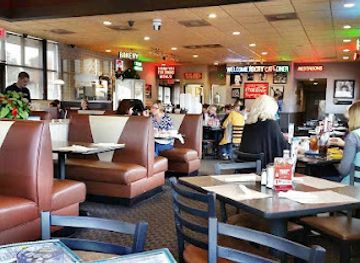
City Cafe Diner
Discover Southern hospitality at City Cafe Diner in Huntsville – your go-to destination for classic American comfort food.
9 min drive · 2.9 km from city centre
-
Italian
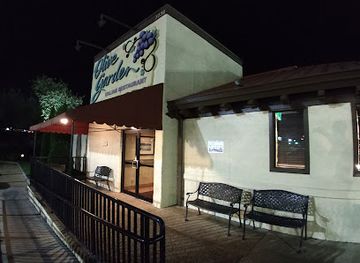
Olive Garden Italian Restaurant
Experience authentic Italian cuisine at Olive Garden in Huntsville – where family gatherings meet exquisite flavors and warm hospitality.
9 min drive · 3.2 km from city centre
Best bars in Huntsville
Huntsville’s evening life is more varied than a conventional nightclub circuit, with downtown bars, breweries, cocktail rooms, live-music venues and restaurant terraces providing the main after-dark activity. The historic centre and nearby Clinton Row offer a concentration of places where evenings can begin with local beer, cocktails or food before moving to music and performances. Campus 805, a former school complex converted into an entertainment and dining destination, adds breweries, games and event spaces in a distinctive setting, while Stovehouse and MidCity host food, music and seasonal public events. The city’s technology and university communities support a steady programme of concerts, comedy, theatre and cultural events, though the atmosphere is generally social and relaxed rather than dominated by large clubs. Event listings are useful because live performances and opening patterns change frequently.
-
Bar
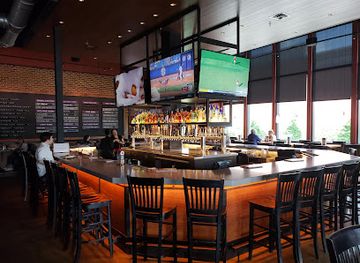
BJ's Restaurant & Brewhouse
Experience delicious food and craft brews at BJ's Restaurant & Brewhouse in Huntsville - your go-to dining spot for a lively night out.
25 min drive · 8.3 km from city centre
-
Grill
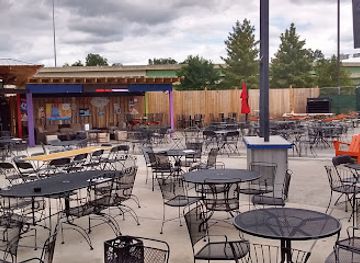
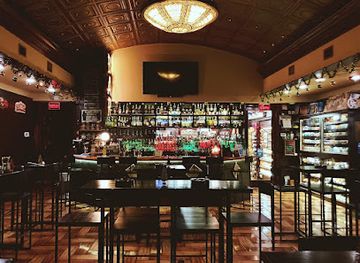
Furniture Factory Bar & Grill
Experience the vibrant atmosphere and delicious American cuisine at Furniture Factory Bar & Grill in Huntsville, Alabama.
11 min walk · 0.8 km from city centre
-
Grill
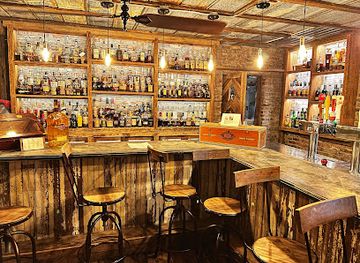
The Nook
Discover the charm of The Nook, a grill in Huntsville serving deliciously grilled dishes in a cozy atmosphere perfect for tourists.
10 min drive · 3.2 km from city centre
-
Hotel
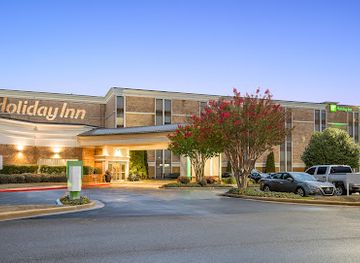
Holiday Inn Research Park
Experience the perfect blend of comfort and convenience at Holiday Inn Research Park, your ideal base for exploring Huntsville's attractions.
23 min drive · 7.6 km from city centre
Best nightclubs in Huntsville
Huntsville’s evening life is more varied than a conventional nightclub circuit, with downtown bars, breweries, cocktail rooms, live-music venues and restaurant terraces providing the main after-dark activity. The historic centre and nearby Clinton Row offer a concentration of places where evenings can begin with local beer, cocktails or food before moving to music and performances. Campus 805, a former school complex converted into an entertainment and dining destination, adds breweries, games and event spaces in a distinctive setting, while Stovehouse and MidCity host food, music and seasonal public events. The city’s technology and university communities support a steady programme of concerts, comedy, theatre and cultural events, though the atmosphere is generally social and relaxed rather than dominated by large clubs. Event listings are useful because live performances and opening patterns change frequently.
-
Cocktail bar
Vintage Cigar Lounge
Explore the Vintage Cigar Lounge in Huntsville for premium cigars and crafted cocktails in a sophisticated atmosphere.
24 min drive · 8.1 km from city centre
-
Dance club
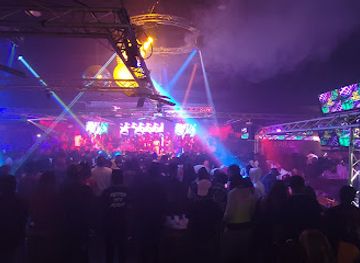
Ok Corral
Discover the vibrant nightlife at Ok Corral, Huntsville's top dance club, where music and culture create unforgettable experiences.
6 min drive · 1.9 km from city centre
-
Night club
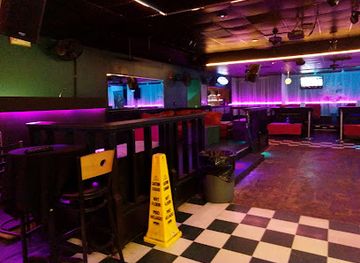
Club Forty7 Bar and Grill
Experience the vibrant nightlife at Club Forty7 Bar and Grill, blending delicious dining with exciting entertainment in Huntsville, Alabama.
14 min drive · 4.6 km from city centre
-
Lounge
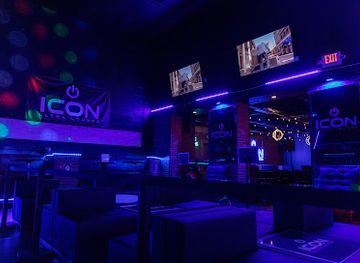
Icon Ultra Lounge
Experience the best nightlife in Huntsville at Icon Ultra Lounge, where exceptional cocktails and vibrant entertainment await you.
5 min drive · 1.6 km from city centre
Best shops in Huntsville
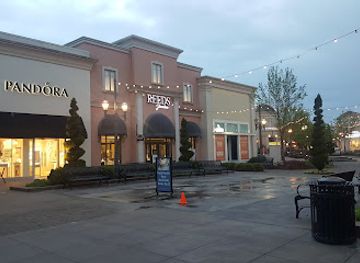
Shopping in Huntsville ranges from historic downtown storefronts to contemporary districts and specialist creative spaces. The former Harrison Brothers Hardware building is associated with the city’s preserved commercial heritage, while Clinton Row and the surrounding downtown streets contain independent retailers, gifts, clothing and locally oriented businesses. Lowe Mill ARTS & Entertainment is particularly distinctive for visitors seeking work made by local artists, including visual art, craft and design from studios operating inside the former mill. Larger selections of mainstream retail are available at Parkway Place and the commercial corridors along Memorial Parkway, while MidCity and Stovehouse combine shops with food and entertainment. Farmers’ markets and seasonal market events provide opportunities to buy regional produce, baked goods and handmade goods. Souvenirs connected with rockets and space exploration are widely associated with Huntsville, but the city’s broader retail character also includes art, Southern food products and contemporary local design.
-
Shopping mall
Bridge Street Town Centre
Explore Bridge Street Town Centre: A vibrant shopping mall in Huntsville, Alabama with unique stores, delicious dining options, and lively entertainment.
24 min drive · 8.1 km from city centre
-
Gift shop
IT'SUGAR Huntsville
Discover a candy paradise at IT'SUGAR Huntsville, where every sweet tooth finds its dream treat and unique gifts await around every corner.
24 min drive · 8.1 km from city centre
-
Gift shop
Dream Maker
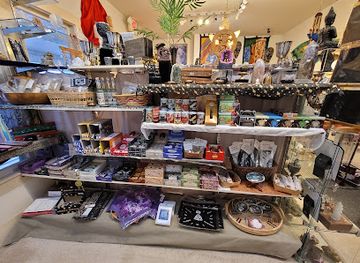
Explore a world of metaphysical wonders at Dream Maker, Huntsville's enchanting gift shop for spiritual supplies and unique treasures.
13 min drive · 4.5 km from city centre
-
Gift shop
University Pickers
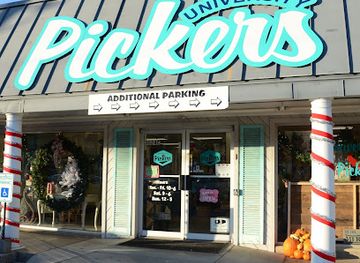
Explore University Pickers in Huntsville, Alabama, a unique gift shop with vintage furniture, antiques, and charming home goods reflecting Southern creativity.
11 min drive · 3.7 km from city centre

Get your free copy of our complete guide to Huntsville, delivered straight to you.
Everything on this page, from attractions and restaurants to essentials and local phrases, in one PDF you can read offline, print or share.
Already have an account? Sign in
Your Huntsville guide is ready.
We'll send it to · Not you? Sign out

Getting your guide ready…
We are putting together a fresh copy of the Huntsville guide. This can take up to a minute.
This can take a few moments. If your browser asks, choose Allow so the download can start. You'll find the guide in your Downloads folder.
Nothing happened? Download it again
Sorry, the guide is taking longer than usual. Please try again in a minute, or get it by email instead.
Huntsville essentials
Currency and Payment
Safety
Emergency Situations
Do's and Don'ts
Local Tips
From Eve
Local phrases worth knowing
You don't need to get them perfect. A few words go a long way, and locals appreciate the effort.
Basics
| English | Local | Say it |
|---|---|---|
| Hello | Howdy | [haw-dee] |
| Goodbye | See ya | [see yuh] |
| Yes | Yessir | [yes-sir] |
| No | Nah | [na] |
| Please/You're welcome | Please / You're welcome | [pleez / yer welcome] |
| Thank you | Thank ya | [thank yuh] |
| Excuse me/Sorry | Pardon me / Sorry | [par-dn me / sorr-ee] |
| How are you? | How y'all doin'? | [hao yawl doin] |
| Fine. And you? | Fine. And y'all? | [fain. an yawl] |
| Do you speak English? | Y'all speak English? | [yawl speak ing-lish] |
| I don't understand | I ain't catchin' on | [ai-nt kach-in on] |
Eating & Drinking
| English | Local | Say it |
|---|---|---|
| I'd like to see the menu, please | Can I check out the menu, please | [kan ai chek out thuh menu pleez] |
| I don't eat meat | I don't do meat | [ai do-nt do meat] |
| Cheers! | Cheers! | [cheers] |
| I would like to pay, please | I'm fixin' to pay, please | [aim fiks-in tuh pay pleez] |
Emergencies
| English | Local | Say it |
|---|---|---|
| Help! | Help! | [help] |
| Go away! | Git! | [git] |
| Call the Police! | Ring the Po-lice! | [ring thuh po-liss] |
| Call a doctor! | Ring a doc! | [ring a doc] |
| I'm lost | I'm turned around | [aim turnd around] |
| I'm ill | I'm feelin' poorly | [aim feelin poor-ly] |
Shopping
| English | Local | Say it |
|---|---|---|
| I'd like to buy... | I reckon I wanna buy... | [ai re-ckon ai wanna buy] |
| I'm just looking | I'm just browsin' | [aim just brow-sin] |
| How much is it? | How much fer that? | [hao much fur that] |
| That's too expensive | That's too highfalutin | [thats tu hi-fal-utin] |
| Can you lower the price? | Kin ya bring down the price? | [kin yuh bring down thuh price] |
Time & Numbers
| English | Local | Say it |
|---|---|---|
| What time is it? | What's the time? | [whats thuh time] |
| It's one o'clock | It's one | [its wun] |
| Half past (10) | Ten-thirty | [ten-thur-tee] |
| Morning | Mornin' | [mornin] |
| Afternoon | Afternoon | [after-noon] |
| Evening | Evenin' | [evenin] |
| Yesterday | Yest'day | [yest-day] |
| Today | Today | [tuh-day] |
| Tomorrow | Tomorrer | [tom-or-rer] |
| 1 | One | [wun] |
| 2 | Two | [too] |
| 3 | Three | [three] |
| 4 | Four | [four] |
| 5 | Five | [five] |
| 6 | Six | [six] |
| 7 | Seven | [seven] |
| 8 | Eight | [eight] |
| 9 | Nine | [nine] |
| 10 | Ten | [ten] |
Transport & Directions
| English | Local | Say it |
|---|---|---|
| Where's a/the...? | Where's the...? | [wheres thuh] |
| What's the address? | Where's it at? | [wheres it at] |
| Can you show me (on the map)? | Can ya point it out (on the map)? | [can yuh point it out on thuh map] |
| When's the next (bus)? | When's the next (bus)? | [whens thuh next bus] |
| A ticket (to ....) | A ticket (to ....) | [a ticket to] |
History of Huntsville
Native Landscapes and Big Spring
Long before the foundation of Huntsville, the Tennessee Valley was home to Native peoples, including communities associated with the Cherokee and Creek worlds, whose movements, settlements and trading networks connected the region. The limestone spring now known as Big Spring was a crucial natural feature in the landscape. European-American settlement expanded after the United States acquired authority over much of the area through treaties, a process that displaced Native communities and altered established patterns of land use. Huntsville’s later growth was therefore built upon a landscape with a much older human history than the city’s formal founding date suggests.
John Hunt and Early Settlement
Virginia-born veteran John Hunt established a cabin beside Big Spring in 1805, and the surrounding settlement became an important point in the developing territory of northern Alabama. The town was first named Twickenham, but local preference restored the name Huntsville in 1812. Its position near fertile valley land and transportation routes encouraged commerce, while the spring provided a practical and symbolic centre. Early buildings, civic institutions and a growing grid of streets established the foundations of the historic core that survives in districts such as Twickenham and Old Town.
Cotton, Statehood and Civic Growth
Huntsville became a centre of cotton cultivation, trade and political life during the early nineteenth century. Delegates met in Huntsville for Alabama’s constitutional convention in 1819, and the town hosted the first session of the new state legislature after Alabama entered the Union that year. Cotton wealth supported substantial homes, warehouses and commercial buildings, although it depended on enslaved labour and entrenched a plantation economy whose consequences shaped the region for generations. The surviving antebellum houses around downtown reflect the prosperity of the period, while the full history of the city also includes the African Americans whose labour and communities sustained its growth.
Civil War and Reconstruction
Union forces occupied Huntsville in April 1862, giving the city strategic importance because of its rail connections and location between the Tennessee Valley and the interior South. Military control and wartime disruption affected commerce, families and agriculture, while the end of slavery transformed the social and economic order. During Reconstruction, Huntsville and Madison County negotiated the difficult transition from a slaveholding society to one shaped by emancipation, new political participation and persistent racial inequality. The city’s later civic institutions and neighbourhoods developed against this complex background rather than in isolation from the national conflicts of the era.
Arsenal, War Research and Industry
The modern character of Huntsville began to change dramatically during the Second World War, when the federal government expanded the Huntsville Arsenal into a major military-industrial site. Redstone Arsenal later became associated with guided-missile development and attracted engineers, scientists and contractors to northern Alabama. This influx diversified the local economy and encouraged investment in education, research and infrastructure. The city’s older cotton-based identity did not disappear, but it was joined by a new culture of laboratories, technical expertise and government work that would define Huntsville’s national reputation.
Von Braun and the Space Age
After the war, German rocket engineer Wernher von Braun and his team worked at Redstone Arsenal on launch vehicles for the United States Army. Their research contributed to the development of the Jupiter-C and Redstone rockets, and Huntsville became central to the early American space programme. The Marshall Space Flight Center, established in the city in 1960, led development of the Saturn V rocket that powered the Apollo missions, including the Apollo 11 lunar landing in 1969. The US Space & Rocket Center preserves this scientific and engineering legacy, while the space programme continues to influence Huntsville’s economy and public identity.
A Research City in the Twenty-First Century
Since the space-race era, Huntsville has continued to grow as a centre for aerospace, defence, research and advanced technology. NASA’s Marshall Space Flight Center and Redstone Arsenal remain major institutions, joined by engineering firms, universities and a widening network of technology companies. Population growth has expanded suburban areas and created new districts for dining, arts and entertainment, while downtown regeneration has brought historic buildings back into active use. The city’s present identity consequently combines its nineteenth-century civic heritage with the research culture and outward-looking ambitions of a modern Tennessee Valley centre.
Huntsville in Photos
Browse through our photo collection highlighting the charm and character of the destination.
Cities near Huntsville
The closest cities to Huntsville, if you have time for more than one stop.
-

-

-

-

-


Swipe for more cities
Explore more

Explore more of Alabama
Discover Alabama: A Southern state rich in history, culture, and natural beauty, offering unforgettable experiences from vibrant cities to serene beaches and majestic mountains.
Explore Alabama