

Free Little River Canyon Travel Guide & Mobile App
Explore Little River Canyon with free travel guides. Discover regional history, expert tips, proposed trips, and audio guides on web or mobile app.


Little River Canyon in Alabama combines Appalachian forests, waterfalls, sandstone cliffs, scenic overlooks and outdoor adventures near Fort Payne.
Read more about Little River Canyon
Getting to and around Little River Canyon
How to get there
Transportation
Destinations in Little River Canyon
Resorts, valleys and scenic spots worth a trip of their own.

Swipe for more destinations
Best attractions in Little River Canyon
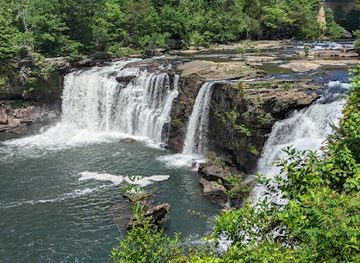
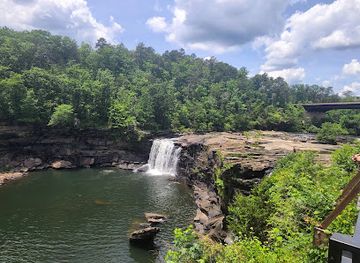
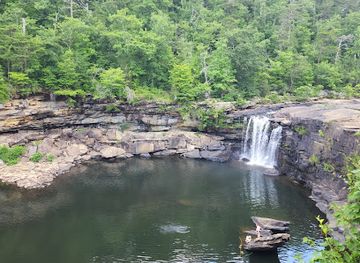
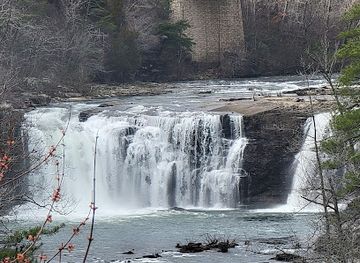
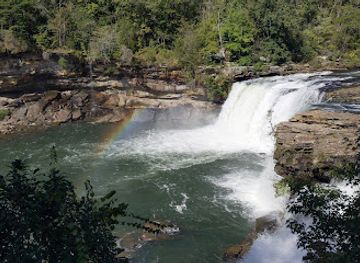
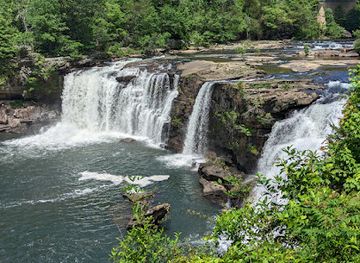
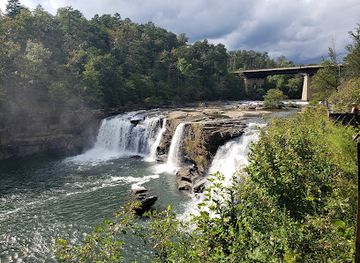
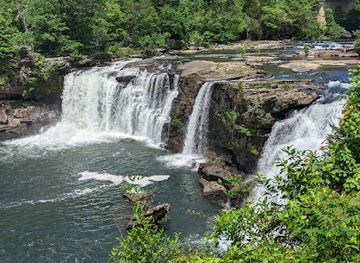
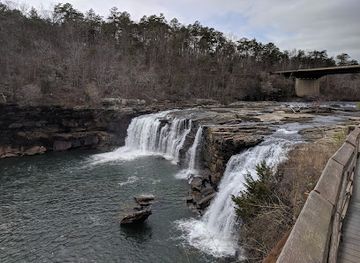
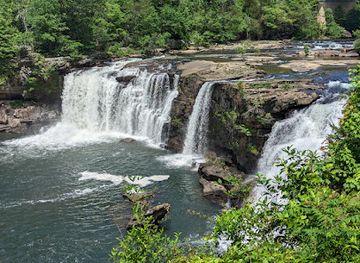
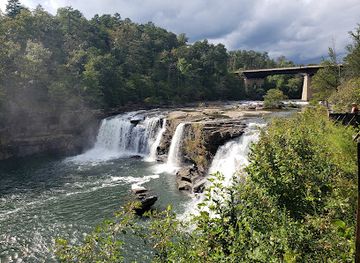
The main attraction is the canyon itself, experienced through the overlooks and access points along Little River Canyon Parkway. Eberhart Point provides a broad view into the gorge, while other rim viewpoints reveal changing perspectives on the river, cliffs and forest. Little River Falls is a prominent waterfall near the northern part of the preserve, and Martha’s Falls is reached by a short walk to a popular river setting. The preserve also appeals to hikers, photographers, birdwatchers, paddlers and visitors interested in geology, although river activities and canyon-floor routes demand careful attention to conditions. Short viewpoint walks are accessible to many visitors, while longer descents are more strenuous and can involve uneven ground. The protected forests support seasonal wildflowers, autumn colour and varied wildlife observation. Fort Payne and Mentone, outside the preserve, provide useful bases for exploring the area, and DeSoto State Park is a separate neighbouring attraction with additional trails and waterfalls. Together, these sites offer a varied Lookout Mountain itinerary, but Little River Canyon’s defining experience remains its relatively undeveloped gorge, wooded rim and elevated river landscape.
-
Nature preserve
Little River Canyon National Preserve
Discover Alabama's natural beauty: Explore Little River Canyon's stunning overlooks, waterfalls, and outdoor adventures in the Southern Appalachians.
-
Tourist attraction
Little River Canyon Falls Park
Discover the beauty of Little River Canyon Falls Park in Fort Payne, Alabama. Explore scenic overlooks, hiking trails, and a stunning 45-foot waterfall.
-
Historical landmark
Little River Falls Overlook
Witness the grandeur of Little River Falls from an easily accessible overlook, marking the entrance to Alabama's stunning Little River Canyon.
-
Tourist attraction
Eberhart Point Overlook
Discover breathtaking views at Eberhart Point Overlook in Cedar Bluff, Alabama, the ultimate scenic escape for nature lovers and photographers.
Best landmarks in Little River Canyon
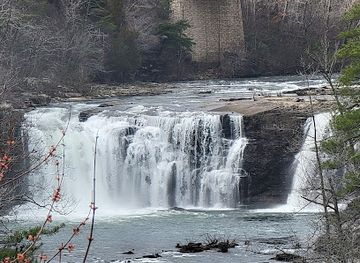
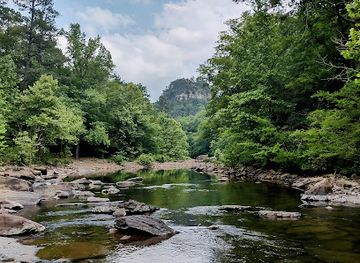
Little River Canyon itself is the region’s defining natural landmark: a long sandstone gorge cut into Lookout Mountain by the river that shares its name. The canyon rim, with its forested edges and exposed rock, creates a sequence of memorable viewpoints rather than one single monumental feature. Eberhart Point is particularly significant as a broad overlook that conveys the scale of the gorge, while Little River Falls marks a dramatic change in elevation near the preserve’s northern end. Martha’s Falls is a smaller but recognisable river landmark associated with a wooded access trail and pools, where conditions permit safe enjoyment. The Little River Canyon Parkway is also important as a scenic cultural feature, linking viewpoints through a rural mountain landscape. The cliffs, waterfalls and river corridor are protected not only for their visual character but also for their geological record and ecological habitats. Nearby Fort Payne and Mentone contain additional historic and civic landmarks, but they are communities outside the preserve and should be distinguished from the canyon’s own protected features.
-
Nature preserve
Little River Canyon National Preserve
Discover Alabama's hidden gem: Little River Canyon National Preserve, offering breathtaking canyon views, thrilling outdoor adventures, and a rich natural history in the heart of the Appalachians.
-
Historical landmark
Little River Falls Overlook
Experience the majesty of Little River Falls, the starting point of Alabama's stunning Little River Canyon, easily accessible for all visitors.
-
Visitor center
Little River Canyon Center
Discover the natural wonders of Little River Canyon at this eco-friendly visitor center with exhibits, trails, and expert advice.
-
Historical landmark
Little River Falls Observation Deck
Witness the raw beauty of Little River Falls from an easily accessible observation deck. A must-see natural landmark in Alabama's Little River Canyon.

Explore Little River Canyon on the map
Plan your trip on one map. See where the top cities, national parks and sights are, and book hotels and experiences in a few clicks.
Best hotels in Little River Canyon
Best restaurants in Little River Canyon
Dining near Little River Canyon is concentrated in Fort Payne, Mentone and other Lookout Mountain communities rather than inside the preserve. Visitors can expect a mixture of American diners, cafés, casual restaurants, traditional Southern cooking, barbecue, burgers and locally owned establishments, with menus reflecting the wider culinary culture of north-east Alabama rather than a narrowly defined canyon cuisine. Breakfast is useful before an early scenic drive, while provisions from supermarkets, bakeries and convenience stores are practical for trails and overlooks. Rural restaurants and inns around the mountain may offer a slower evening meal, but opening arrangements can vary, particularly outside peak periods. The area’s food identity is shaped by Southern staples such as cornbread, beans, greens, fried chicken and seasonal produce, alongside familiar contemporary American fare. Local farmers’ markets and farm stands, when operating, can provide fruit, vegetables, baked goods and other regional products. Bring water and packed food into the preserve, since there are no restaurant services within the protected canyon landscape.
-
American
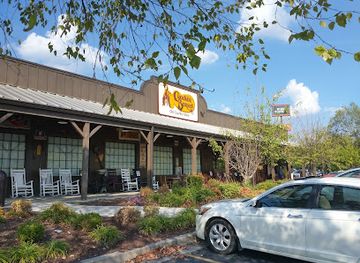
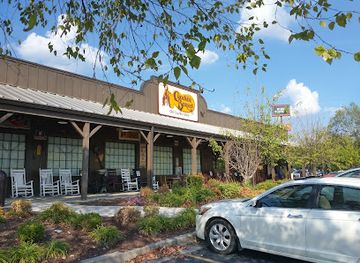
Cracker Barrel Old Country Store
Experience Southern comfort food and unique gifts at Cracker Barrel Old Country Store in Fort Payne – where hospitality meets tradition.
-
Steak
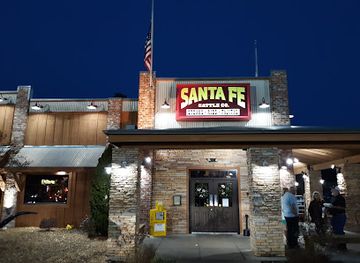
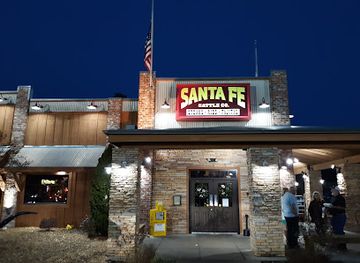
Santa Fe Cattle Company
Experience the best steakhouse in Fort Payne, AL - family-friendly dining with delicious barbecue and grilled options.
-
Seafood
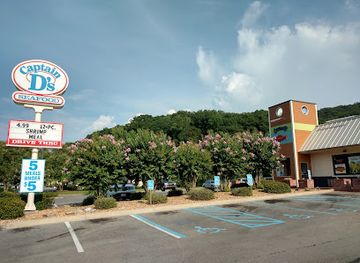
Captain D's
Experience fresh seafood delights at Captain D's in Fort Payne - where family-friendly dining meets delicious flavors.
-
Fast Food
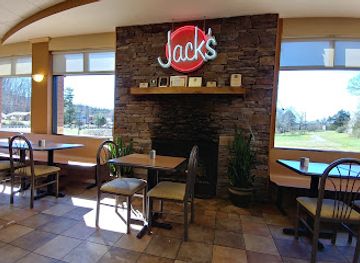
Jack's
Experience authentic Southern fast food at Jack's in Fort Payne - where flavor meets hospitality in every bite.
Best bars in Little River Canyon
Evenings around Little River Canyon are generally quiet and community-oriented rather than centred on nightclubs. Fort Payne offers the broadest choice of casual restaurants, pubs and occasional live entertainment, while Mentone is known for a slower mountain-town atmosphere with restaurants, inns and places where music may form part of the evening. Visitors staying in rural cabins or lodgings often spend the night outdoors, dining locally or observing the dark sky rather than travelling between venues. Alcohol is served in some establishments, but it is not necessary for experiencing the area’s evening culture. Because businesses are dispersed and rural roads are dark and winding, arrange transport in advance and never drive after drinking. Seasonal performances, community events and live music may occur, but schedules and venues change, so current local information is advisable.
-
American
Cracker Barrel Old Country Store
Experience Southern comfort food and unique shopping at Cracker Barrel Old Country Store, the perfect destination for families and travelers alike.
-
Steak
Santa Fe Cattle Company
Experience the best steak and barbecue in Fort Payne, Alabama, at Santa Fe Cattle Company - a family-friendly dining destination for all.
-
Nature preserve
Little River Canyon National Preserve
Explore the natural beauty of Little River Canyon National Preserve, a gem in Alabama featuring stunning landscapes, diverse wildlife, and exciting outdoor activities.
-
Park
Little River Canyon Falls Park
Explore the breathtaking beauty and adventure of Little River Canyon Falls Park in Fort Payne, Alabama, a top destination for nature lovers and thrill-seekers.
Best nightclubs in Little River Canyon
-
Nature preserve
Little River Canyon National Preserve
Explore the breathtaking landscapes and outdoor adventures at Little River Canyon National Preserve, Alabama's premier nature sanctuary.
-
Hiking area
Little River Canyon Center
Discover the breathtaking beauty of Little River Canyon Center, Alabama's premier destination for hiking, nature exploration, and outdoor adventure.
Best shops in Little River Canyon
Shopping for a Little River Canyon visit is primarily practical and local rather than centred on a large retail district. Fort Payne provides the widest range of supermarkets, outdoor supplies, fuel, pharmacies and everyday goods, while Mentone has a smaller selection of independent shops, galleries, studios and locally oriented businesses. Visitors may find regional food products, handmade crafts, artwork, pottery, books, clothing and souvenirs connected with the Appalachian setting. Farm stands and seasonal markets can offer produce, preserves, baked goods and other items when available, although they are not necessarily open every day. Outdoor equipment and sturdy footwear are more useful purchases than specialist canyon memorabilia, particularly for visitors planning longer walks. Independent shops and galleries around Lookout Mountain may reflect local artists and mountain traditions, while larger general retail is concentrated outside the preserve. Buy provisions before entering the scenic area, as Little River Canyon National Preserve has limited commercial services and no conventional shopping centre.
-
Nature preserve
Little River Canyon National Preserve
Explore the breathtaking beauty and diverse wildlife at Little River Canyon National Preserve, Alabama's natural treasure for outdoor enthusiasts.
-
Park
Little River Canyon Falls Park
Explore the stunning beauty of Little River Canyon Falls Park, a true gem in Alabama, offering breathtaking waterfalls and diverse outdoor adventures.
-
Coffee shop
The Spot Coffee Shop
Experience the warmth of The Spot Coffee Shop, where every cup of coffee tells a story in Fort Payne, Alabama's vibrant community.
-
Clothing store
bealls
Explore Bealls in Fort Payne for a diverse range of clothing and home goods, catering to families and fashion lovers alike.


Get your free copy of our complete guide to Little River Canyon, delivered straight to you.
Everything on this page, from attractions and restaurants to essentials and local phrases, in one PDF you can read offline, print or share.
Already have an account? Sign in
Your Little River Canyon guide is ready.
We'll send it to · Not you? Sign out

Getting your guide ready…
We are putting together a fresh copy of the Little River Canyon guide. This can take up to a minute.
This can take a few moments. If your browser asks, choose Allow so the download can start. You'll find the guide in your Downloads folder.
Nothing happened? Download it again
Sorry, the guide is taking longer than usual. Please try again in a minute, or get it by email instead.
Little River Canyon essentials
Currency and Payment
Safety
Emergency Situations
Do's and Don'ts
Local Tips
From Eve
Local phrases worth knowing
You don't need to get them perfect. A few words go a long way, and locals appreciate the effort.
Basics
| English | Local | Say it |
|---|---|---|
| Hello | Howdy | [haʊdi] |
| Goodbye | See ya later | [si jə ˈleɪtər] |
| Yes | Yep | [jɛp] |
| No | Nope | [noʊp] |
| Please/You're welcome | Please | [pliz] |
| Thank you | Thank ya | [θæŋk jə] |
| Excuse me/Sorry | Excuse me | [ɪkˈskjuːz mi] |
| How are you? | How ya doin'? | [haʊ jə ˈduːɪn] |
| Fine. And you? | I’m good. How 'bout you? | [aɪm gʊd haʊ baʊt jə] |
| Do you speak English? | Do ya talk English? | [du jə tɔk ˈɪŋɡlɪʃ] |
| I don't understand | I ain't followin' | [aɪ eɪnt ˈfɑloʊɪn] |
Eating & Drinking
| English | Local | Say it |
|---|---|---|
| I'd like to see the menu, please | Can I see the menu, please? | [kæn aɪ si ðə ˈmɛnjuː pliz] |
| I don't eat meat | I ain't eatin' no meat | [aɪ eɪnt ˈiːtɪn noʊ miːt] |
| Cheers! | Cheers! | [tʃɪrz] |
| I would like to pay, please | I wanna pay up, please | [aɪ ˈwɑnə peɪ ʌp pliz] |
Emergencies
| English | Local | Say it |
|---|---|---|
| Help! | Help! | [hɛlp] |
| Go away! | Get lost! | [ɡɛt lɔst] |
| Call the Police! | Call the cops! | [kɔl ðə kɑps] |
| Call a doctor! | Call a doc! | [kɔl ə dɑk] |
| I'm lost | I’m lost | [aɪm lɔst] |
| I'm ill | I ain't feelin' well | [aɪ eɪnt ˈfiːlɪn wɛl] |
Shopping
| English | Local | Say it |
|---|---|---|
| I'd like to buy... | I wanna buy... | [aɪ ˈwɑnə baɪ] |
| I'm just looking | Just lookin' | [dʒʌst ˈlʊkɪn] |
| How much is it? | How much's it cost? | [haʊ mʌtʃz ɪt kɔst] |
| That's too expensive | That's way too pricey | [ðæts weɪ tuː ˈpraɪsi] |
| Can you lower the price? | Can ya bring down the price? | [kæn jə brɪŋ daʊn ðə praɪs] |
Time & Numbers
| English | Local | Say it |
|---|---|---|
| What time is it? | What time ya got? | [wʌt taɪm jə ɡɑt] |
| It's one o'clock | It's one o'clock | [ɪts wʌn əˈklɑk] |
| Half past (10) | Half past ten | [hæf pæst tɛn] |
| Morning | Mornin' | [ˈmɔrnɪn] |
| Afternoon | Afternoon | [ˌæftərˈnun] |
| Evening | Evenin' | [ˈivnɪn] |
| Yesterday | Yest'day | [ˈjɛstdeɪ] |
| Today | Today | [təˈdeɪ] |
| Tomorrow | Tomorra | [təˈmɔrə] |
| 1 | One | [wʌn] |
| 2 | Two | [tu] |
| 3 | Three | [θri] |
| 4 | Four | [fɔr] |
| 5 | Five | [faɪv] |
| 6 | Six | [sɪks] |
| 7 | Seven | [ˈsɛvən] |
| 8 | Eight | [eɪt] |
| 9 | Nine | [naɪn] |
| 10 | Ten | [tɛn] |
Transport & Directions
| English | Local | Say it |
|---|---|---|
| Where's a/the...? | Where's the...? | [wɛrz ðə] |
| What's the address? | What's the address? | [wʌts ði əˈdrɛs] |
| Can you show me (on the map)? | Can ya show me on the map? | [kæn jə ʃoʊ mi ɑn ðə mæp] |
| When's the next (bus)? | When's the next bus? | [wɛn z ðə nɛkst bʌs] |
| A ticket (to ....) | A ticket to ... | [ə ˈtɪkɪt tu] |
History of Little River Canyon
Ancient Appalachian Plateau Formation
Little River Canyon’s character was shaped over immense geological timescales as the Little River cut through the sandstone and other rock layers of Lookout Mountain. The plateau forms part of the southern Appalachian highlands, and its resistant rock strata helped create cliffs, narrow ravines and waterfalls. Geological features visible along the canyon explain why the river can run across a relatively elevated mountain surface before descending through a deeply incised gorge. This physical history remains the foundation of the area’s scenery, drainage patterns and distinctive plant habitats.
Indigenous Homelands and Cherokee History
The wider Lookout Mountain region was inhabited and used by Indigenous peoples long before the arrival of European-American settlers. Cherokee communities lived across north-east Alabama and neighbouring areas, maintaining relationships with the forests, rivers and upland routes. The forced removal of the Cherokee in the 1830s profoundly altered the region’s population and land ownership. Present-day visitors should understand the canyon not simply as wilderness, but as part of a landscape with a much older human history than the modern protected-area designation suggests.
Settlement and Agricultural Change
During the nineteenth century, European-American settlement expanded across DeKalb County and the Lookout Mountain plateau. Farms, roads and small communities developed around the upland terrain, while Fort Payne grew as a regional centre. The rugged canyon itself remained less intensively settled than the surrounding plateau because its slopes were difficult to cultivate and transport through. This contrast between inhabited uplands and steep riverine terrain helped preserve pockets of forest and contributed to the area’s later value for conservation.
Timber, Industry and Regional Transport
Like much of the southern Appalachian upland, the area around Little River Canyon was affected by timber extraction and changing transport networks. Forest resources supported local livelihoods and commerce, while rail and road connections strengthened Fort Payne’s regional role. Industrial activity was generally concentrated outside the deepest canyon, but it influenced the surrounding landscape and settlement pattern. The later emphasis on scenic roads and public conservation represented a shift from exploiting the uplands primarily for resources towards recognising their ecological, recreational and scenic importance.
Conservation Campaigns and Protected Status
Growing concern about development, erosion and the loss of the canyon’s forested character led conservationists and local supporters to seek stronger protection. Little River Canyon National Preserve was established by Congress in 1992, bringing an important section of the canyon and surrounding lands into the National Park System. The preserve protects geological features, forests, river habitat and scenic views while allowing carefully managed recreation. Its creation marked a major change in the area’s public identity, from a regional natural feature to a nationally protected landscape.
Modern Recreation and Stewardship
Today, Little River Canyon is managed as a protected natural and cultural landscape rather than a heavily developed attraction. Scenic overlooks and established access points make the canyon available to visitors, while restrictions and safety guidance help protect fragile habitats and people from steep terrain and swift water. Management also reflects broader concerns affecting the southern Appalachians, including invasive species, wildfire, erosion and visitor pressure. The preserve’s modern history is therefore one of balancing public enjoyment with the long-term care of a sensitive river gorge.
Little River Canyon in Photos
Browse through our photo collection highlighting the charm and character of the destination.
Neighbouring regions of Little River Canyon
The closest regions to Little River Canyon, if you have time for more than one.
-

-

-

-
 Jackson County Mountains
Explore Jackson County Mountains in Alabama for Appalachian scenery, cave archaeology, Lake Guntersville, hiking and small-town history.
Jackson County Mountains
Explore Jackson County Mountains in Alabama for Appalachian scenery, cave archaeology, Lake Guntersville, hiking and small-town history.
-


Swipe for more regions
Explore more

Explore more of Alabama
Discover Alabama: A Southern state rich in history, culture, and natural beauty, offering unforgettable experiences from vibrant cities to serene beaches and majestic mountains.
Explore Alabama