

Free Piney Woods Travel Guide & Mobile App
Explore Piney Woods with free travel guides. Discover regional history, expert tips, proposed trips, and audio guides on web or mobile app.


Explore Alabama’s Piney Woods for longleaf forests, literary heritage, rural museums, outdoor recreation and the unhurried character of southern small towns.
Read more about Piney Woods
Getting to and around Piney Woods
How to get there
Transportation
Destinations in Piney Woods
Resorts, valleys and scenic spots worth a trip of their own.

Swipe for more destinations
Best attractions in Piney Woods
Piney Woods attractions are dispersed and strongly connected to the region’s forests, small towns and working landscapes. Conecuh National Forest offers walking, camping, wildlife observation, fishing and quiet drives through longleaf pine country, while other public woods and waterways provide opportunities for birdwatching and informal outdoor recreation. Monroeville’s Old Monroe County Courthouse Museum is the leading cultural attraction, interpreting the town’s literary connections and the wider history of Monroe County. Brewton, Evergreen and Georgiana contribute local museums, historic districts and community stories associated with timber, railways, music and rural commerce. The region is also suited to scenic driving, photography, fishing and visits to seasonal festivals or courthouse-square events. It does not have a dense chain of major theme parks or monumental attractions; its appeal lies in combining accessible forest landscapes with museums and heritage sites that explain how southern Alabama communities developed.
-
State park
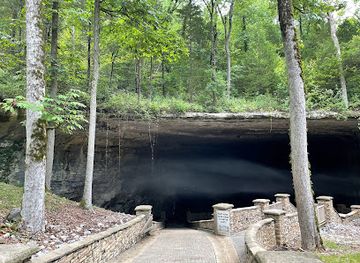
Cathedral Caverns State Park
Discover Alabama's 'Coolest' Underground Adventure: Explore massive caverns, stunning formations, and scenic trails at Cathedral Caverns State Park.
-
Park
Dismals Canyon
Explore a prehistoric wonderland in Alabama's Dismals Canyon: Hike among waterfalls, towering rocks, and experience the magical glow of Dismalites!
-
Tourist attraction
Germania Springs Park
Discover natural beauty and outdoor fun at Germania Springs Park in Jacksonville, Alabama. Trails, picnics, and community spirit await!
-
Tourist attraction
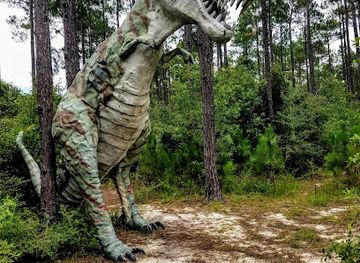
Dinosaurs In The Woods -- Brontosaurus
Discover a hidden Brontosaurus and other prehistoric surprises at this quirky roadside attraction in Elberta, Alabama.


Best landmarks in Piney Woods
The Old Monroe County Courthouse in Monroeville is the Piney Woods’ most recognisable cultural landmark. Its nineteenth-century courthouse setting is closely associated with the town’s literary history and provides a physical link to the world that influenced Harper Lee and Truman Capote. Monroeville’s courthouse square and surrounding historic buildings also show how county government, commerce and civic life were organised in a traditional Southern town. In the natural landscape, the longleaf pine forests and wetlands of Conecuh National Forest are landmarks of a different kind: they represent an endangered ecosystem and the ecological character of the southern Coastal Plain. Historic courthouse buildings, churches, cemeteries and former railway landscapes in communities such as Brewton, Evergreen and Georgiana reflect the region’s timber-era development, although their importance is often local rather than monumental. Together these places express Piney Woods identity through civic architecture, literary memory, forestry and the persistence of small-town Alabama landscapes.
-
Historical landmark
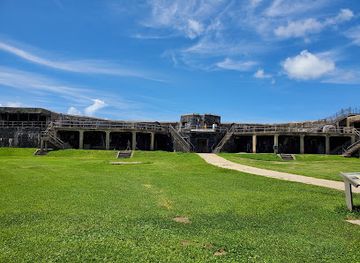
Fort Morgan State Historic Site
Explore a historic fort on the Alabama coast, offering a glimpse into the past with stunning views and outdoor activities.
-
Historical landmark
Helen Keller Birthplace
Explore the birthplace of Helen Keller, a National Historic Landmark in Tuscumbia, AL, and discover the inspiring story of America's 'First Lady of Courage'.
-
Historical place museum
Landmark Park
Discover the Wiregrass region's heritage at Landmark Park: a living history farm, museum, and nature preserve in Dothan, Alabama.
-
Historical place museum
The First White House of the Confederacy
Discover the rich history of the Confederacy at The First White House of the Confederacy, a historic museum that offers a glimpse into America's Civil War era.
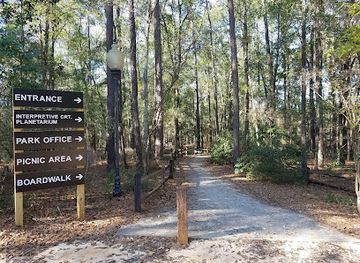

Explore Piney Woods on the map
Plan your trip on one map. See where the top cities, national parks and sights are, and book hotels and experiences in a few clicks.
Best hotels in Piney Woods
Best restaurants in Piney Woods
Dining in the Piney Woods reflects southern Alabama’s rural foodways and its proximity to the Gulf Coast without being a dedicated coastal seafood destination. Independent cafés, family restaurants and barbecue establishments are the most characteristic choices, with menus commonly drawing on smoked pork, fried chicken, catfish, seafood, greens, beans, cornbread, biscuits and seasonal vegetables. Pecan pies and other traditional baked desserts appear frequently, while sweet tea is a familiar accompaniment. In Monroeville, Evergreen, Brewton and other larger communities, visitors can find a broader mix of casual restaurants, but outside town centres choices may be limited and opening arrangements can vary. Farmers’ markets and roadside stands, when operating, provide opportunities to buy local produce, preserves or baked goods. The most meaningful culinary experience is often a straightforward meal at a long-established local café or barbecue restaurant rather than a formal dining circuit.
-
Seafood
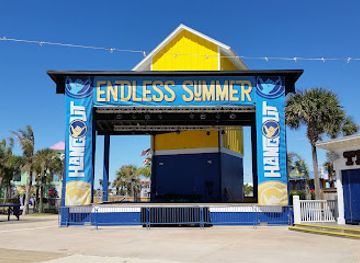
The Hangout Gulf Shores
Experience fresh seafood and live music at The Hangout Gulf Shores - where coastal dining meets vibrant entertainment.
-
Breakfast
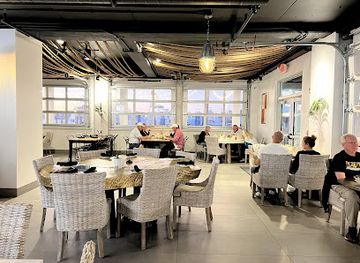
Sunliner Diner
Experience the charm of classic American breakfasts at Sunliner Diner in Gulf Shores - where nostalgia meets deliciousness.
-
Southern
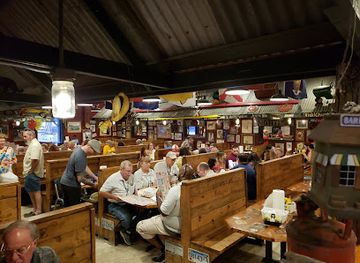
Lambert's Cafe
Discover Lambert's Cafe in Foley, AL – where Southern hospitality meets delicious comfort food and unforgettable dining traditions.
-
Restaurant
Zeke's Restaurant
Experience the best seafood dining at Zeke's Restaurant in Orange Beach – where fresh flavors meet stunning coastal views.

Best bars in Piney Woods
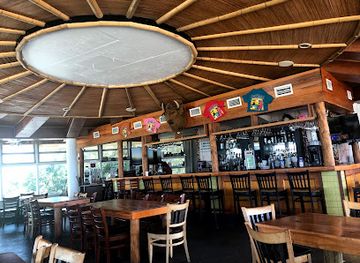
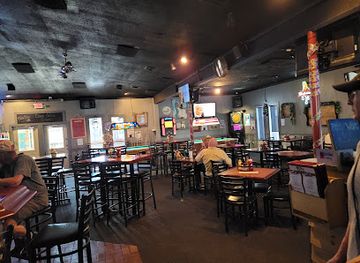
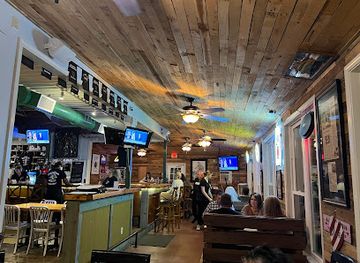
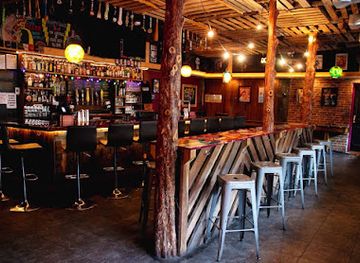
Evening life in the Piney Woods is generally low-key and town-based. Traditional pubs in the British sense are not part of the local culture; instead, social drinking is more commonly found in American bars, casual grills, restaurants and community venues. Monroeville, Brewton and Evergreen offer the widest choice of evening meals and occasional live entertainment, while smaller communities tend to close earlier and focus on family restaurants, local events or informal gatherings. Nightclubs are limited compared with Alabama’s larger cities, and rural nightlife is not organised around a single district. Breweries and cocktail-led venues should be regarded as occasional additions rather than defining features. Visitors interested in music may find local performances, seasonal festivals or community events, but schedules change frequently. A car is important for rural evenings, and anyone drinking should arrange a sober driver rather than attempting long country-road journeys.
-
Grill
Pirate's Bar And Grill
Discover the flavors of the coast at Pirate's Bar and Grill, where fresh seafood meets a fun, lively atmosphere on beautiful Dauphin Island.
-
Grill
The Cove Bar and Grill
Experience the flavors of Gulf Shores at The Cove Bar and Grill, where delicious food meets a vibrant coastal atmosphere.
-
American
DamnYankees
Experience the heart of American cuisine at DamnYankees, where delicious flavors and a warm atmosphere await every visitor in Heflin, Alabama.
-
American
Wildwood Tavern
Discover Wildwood Tavern in Florence, Alabama—your go-to spot for delicious American cuisine, craft cocktails, and a lively atmosphere.
Best nightclubs in Piney Woods
-
Grill
F. C. Weiss Pub and Eatery
Discover the heart of Southern hospitality at F. C. Weiss Pub and Eatery, where delicious grilled dishes and a warm atmosphere await in Centre, Alabama.

Best shops in Piney Woods
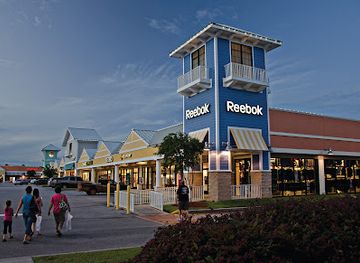
Shopping in the Piney Woods is concentrated in the high streets, local retail corridors and markets of towns such as Monroeville, Brewton and Evergreen rather than in large destination shopping centres. Independent shops may offer clothing, books, home goods, antiques and practical supplies, while local museums and heritage attractions are useful places to look for books about Alabama literature, regional history and locally themed gifts. Farmers’ markets and seasonal produce stands can provide pecans, preserves, baked goods and fresh produce when operating, although times and locations vary. Antique shops and small craft sellers are more likely to be found along town streets or during community events than in a dedicated artisan quarter. Visitors should not expect a large luxury-shopping scene; the region’s most representative purchases are edible products, books, handmade items and modest souvenirs connected with its forests, literary heritage and small-town culture.
-
Outlet mall
Tanger Outlets Foley
Discover unbeatable savings at Tanger Outlets Foley, Alabama's ultimate shopping destination with over 100 brand-name outlet stores.
-
Shopping mall
Tiger Town Outdoor Shopping Center
Explore Tiger Town Outdoor Shopping Center in Opelika for a delightful shopping experience with diverse stores and restaurants in a vibrant outdoor setting.
-
Shopping mall
Oxford Exchange
Discover the vibrant shopping experience at Oxford Exchange in Oxford, Alabama, where diverse stores and dining options await every visitor.
-
Gift shop
Souvenir City
Discover unique souvenirs and gifts at Souvenir City, Gulf Shores' premier destination for memorable keepsakes and local treasures.

Get your free copy of our complete guide to Piney Woods, delivered straight to you.
Everything on this page, from attractions and restaurants to essentials and local phrases, in one PDF you can read offline, print or share.
Already have an account? Sign in
Your Piney Woods guide is ready.
We'll send it to · Not you? Sign out

Getting your guide ready…
We are putting together a fresh copy of the Piney Woods guide. This can take up to a minute.
This can take a few moments. If your browser asks, choose Allow so the download can start. You'll find the guide in your Downloads folder.
Nothing happened? Download it again
Sorry, the guide is taking longer than usual. Please try again in a minute, or get it by email instead.
Piney Woods essentials
Currency and Payment
Safety
Emergency Situations
Do's and Don'ts
Local Tips
From Eve
Local phrases worth knowing
You don't need to get them perfect. A few words go a long way, and locals appreciate the effort.
Basics
| English | Local | Say it |
|---|---|---|
| Hello | Howdy | [Hau-dee] |
| Goodbye | See ya | [See yah] |
| Yes | Yep | [Yep] |
| No | Nope | [Nope] |
| Please/You're welcome | Please/No problem | [Pleez/No prob-lum] |
| Thank you | Thanks a lot | [Thangs a lot] |
| Excuse me/Sorry | Excuse me/Sorry 'bout that | [Ex-kyoos mee/Sor-ree 'bout that] |
| How are you? | How ya doin'? | [How ya doin'?] |
| Fine. And you? | I’m doin’ fine. How 'bout you? | [I’m doin’ fine. How 'bout you?] |
| Do you speak English? | Ya speakin' English? | [Ya speakin' Ing-lish?] |
| I don't understand | I ain't gettin' it | [I ain't gettin' it] |
Eating & Drinking
| English | Local | Say it |
|---|---|---|
| I'd like to see the menu, please | Can I see the menu, please? | [Can I see the men-yoo, pleez?] |
| I don't eat meat | I don't eat no meat | [I don't eet no meet] |
| Cheers! | Cheers! | [Cheers!] |
| I would like to pay, please | I wanna pay, please | [I wanna pay, pleez] |
Emergencies
| English | Local | Say it |
|---|---|---|
| Help! | Help! | [Help!] |
| Go away! | Get outta here! | [Get outta here!] |
| Call the Police! | Call the cops! | [Call the cops!] |
| Call a doctor! | Get a doctor! | [Get a doc-tor!] |
| I'm lost | I’m lost | [I’m lost] |
| I'm ill | I ain't feelin' good | [I ain't feelin' good] |
Shopping
| English | Local | Say it |
|---|---|---|
| I'd like to buy... | I wanna buy... | [I wanna buy...] |
| I'm just looking | Just lookin' | [Just lookin'] |
| How much is it? | How much is that? | [How much is that?] |
| That's too expensive | That’s too high | [That’s too hi] |
| Can you lower the price? | Can ya lower the price? | [Can ya lower the price?] |
Time & Numbers
| English | Local | Say it |
|---|---|---|
| What time is it? | What time is it? | [What time is it?] |
| It's one o'clock | It's one o'clock | [It's one o'clock] |
| Half past (10) | Half past ten | [Half past ten] |
| Morning | Mornin' | [Mornin'] |
| Afternoon | Afternoon | [Af-ter-noon] |
| Evening | Evenin' | [Evenin'] |
| Yesterday | Yestiddy | [Yestiddy] |
| Today | Today | [To-day] |
| Tomorrow | Tomorrah | [Tomorrah] |
| 1 | One | [One] |
| 2 | Two | [Two] |
| 3 | Three | [Three] |
| 4 | Four | [Four] |
| 5 | Five | [Five] |
| 6 | Six | [Six] |
| 7 | Seven | [Seven] |
| 8 | Eight | [Eight] |
| 9 | Nine | [Nine] |
| 10 | Ten | [Ten] |
Transport & Directions
| English | Local | Say it |
|---|---|---|
| Where's a/the...? | Where's the...? | [Where's the...?] |
| What's the address? | What's the address? | [What's the address?] |
| Can you show me (on the map)? | Can ya show me on the map? | [Can ya show me on the map?] |
| When's the next (bus)? | When's the next bus? | [When's the next bus?] |
| A ticket (to ....) | A ticket to... | [A tick-it to...] |
History of Piney Woods
Indigenous Peoples and the Coastal Plain
Long before European settlement, the forests, rivers and wetlands of southern Alabama supported Indigenous communities, including peoples associated with the historic Creek and Choctaw worlds. Rivers served as routes for movement, exchange and access to fish and game, while the wider Coastal Plain contained varied habitats rather than an empty wilderness. The region’s later place names, land distribution and political history were shaped by forced removals and the erosion of Indigenous sovereignty during the nineteenth century. Archaeological evidence and regional museums provide important context, although much of this history is less visible in the modern Piney Woods landscape than the later timber and agricultural economy.
Territorial Settlement and Statehood
After the United States expanded control over the Southeast, settlers moved into southern Alabama through a network of rivers, roads and developing market towns. Alabama became a state in 1819, and communities in the Piney Woods gradually took form around farms, courthouses, stores and transport routes. The region’s sandy soils and warm climate supported agriculture, while forests supplied fuel, building material and income. Settlement also brought the dispossession of Indigenous peoples and the expansion of enslaved labour, whose contributions were central to the economy and social order of antebellum Alabama.
Plantations, Slavery and the Civil War Era
The Piney Woods was not dominated by the same large plantation landscapes found in parts of Alabama’s Black Belt, but slavery shaped its farms, households, commerce and political institutions before the Civil War. Enslaved African Americans worked in agriculture, timber-related activities and domestic labour, and their descendants continued to influence the region’s culture after emancipation. The Civil War and Reconstruction disrupted local government and trade, while the post-war struggle over land, voting rights and labour defined life in rural communities. Courthouse towns and historic cemeteries remain among the places where these changes can be interpreted.
Railways, Timber and the Industrial Pine Economy
From the late nineteenth century, railways transformed the Piney Woods by linking inland settlements to regional markets and Gulf ports. Timber companies harvested extensive stands of pine, and sawmills encouraged the growth of towns such as Brewton, Evergreen and other rail-connected communities. The industry supplied lumber, turpentine and related products, creating employment but also bringing difficult working conditions and rapid cycles of expansion and decline. Much of the modern landscape of managed pine plantations reflects this history. Forestry remains economically important, although contemporary practice, conservation and land management differ from the extractive era of the early sawmills.
Highways and the Changing Rural Economy
Twentieth-century roads and highways reduced the importance of some rail connections while increasing the reach of automobiles, trucking and regional shopping centres. Small towns in the Piney Woods adjusted as timber processing, agriculture, public services and commuting replaced parts of the older rail-based economy. Mechanisation altered farm work, and many families moved towards larger towns or cities for education and employment. The resulting landscape combines working forests, scattered farms, courthouse communities and commercial corridors. This transition explains why distances can be large and why local museums often preserve memories of industries and transport systems that are no longer dominant.
Alabama’s Literary South
Monroeville became nationally recognised through its association with Harper Lee and Truman Capote, who grew up in the town and drew on their Alabama surroundings in influential works of American literature. Lee’s To Kill a Mockingbird brought the fictional world of Maycomb to a global readership, while Capote’s early writing developed from similar local experiences. The literary connection is not simply a marketing label: it opens questions about race, justice, childhood, memory and the social structure of the twentieth-century South. The Old Monroe County Courthouse and local heritage institutions preserve this important cultural chapter.
Conservation of Longleaf Pine Landscapes
The longleaf pine ecosystem that once covered much of the American Southeast was heavily reduced by logging, land conversion and changes in fire management. Conservation work in southern Alabama has sought to protect remaining habitat and restore ecological processes, including carefully managed prescribed fire. Conecuh National Forest is an important setting for experiencing this landscape, with forests, wetlands and wildlife habitats that differ from intensively managed stands. Modern Piney Woods identity therefore includes both the economic importance of forestry and growing recognition of biodiversity, recreation and habitat conservation.
Piney Woods in Photos
Browse through our photo collection highlighting the charm and character of the destination.
Neighbouring regions of Piney Woods
The closest regions to Piney Woods, if you have time for more than one.
-

-

-

-

-


Swipe for more regions
Explore more

Explore more of Alabama
Discover Alabama: A Southern state rich in history, culture, and natural beauty, offering unforgettable experiences from vibrant cities to serene beaches and majestic mountains.
Explore Alabama