Wilson's Headquarters & Camp Historical Marker
Discover a pivotal Civil War site where General Wilson massed his cavalry before a campaign that led to the capture of Jefferson Davis and the end of the Confederacy near Waterloo, Alabama.
Wilson's Headquarters & Camp Historical Marker commemorates a significant site in Civil War history. In the winter of 1865, Major General James Harrison Wilson assembled the largest cavalry force ever massed in the Western Hemisphere here, totaling 22,000 men. The troops camped from Gravelly Springs westward to Waterloo. Wilson established his headquarters at the nearby Houston Plantation. From this location, Wilson's cavalry crossed the Tennessee River and launched an invasion into South Alabama and Georgia, which included the burning of the University of Alabama and the capture of Confederate President Jefferson Davis. Today, the marker stands as a reminder of the area's role in the Civil War and the events that shaped the nation. It's a quiet, reflective spot offering a glimpse into a pivotal moment in American history, nestled in the serene landscape of rural Alabama.
A brief summary to Wilson's Headquarters & Camp Historical Marker
- Waterloo, Alabama, 35677, US
Local tips
- Combine your visit with a trip to the nearby Edith Newman Culver Memorial Museum in Waterloo to delve deeper into local history and see Civil War relics.
- Take a scenic drive along County Road 14 to appreciate the rural landscape and imagine the vast military encampment that once occupied the area.
- Visit Pickwick Lake, a short drive from the marker, for fishing, boating, and other outdoor activities after exploring the historical site.

Getting There
-
Driving
From Florence, Alabama, take County Road 14 (also known as Waterloo Road) west towards Waterloo. The historical marker is located on County Road 14 near the intersection with County Road 2, approximately halfway between Florence and Waterloo. Look for the marker on the right side of the road when traveling west. There is no dedicated parking area, but it is possible to pull over safely on the shoulder of the road. Exercise caution when pulling over and departing from your vehicle. The marker is free to visit.
Discover more about Wilson's Headquarters & Camp Historical Marker
Iconic landmarks you can’t miss

Wilson's Headquarters & Camp Historical Marker
0.0 km
Explore Wilson's Headquarters & Camp Historical Marker, a significant Civil War landmark in Waterloo, Alabama, surrounded by beautiful landscapes and rich history.
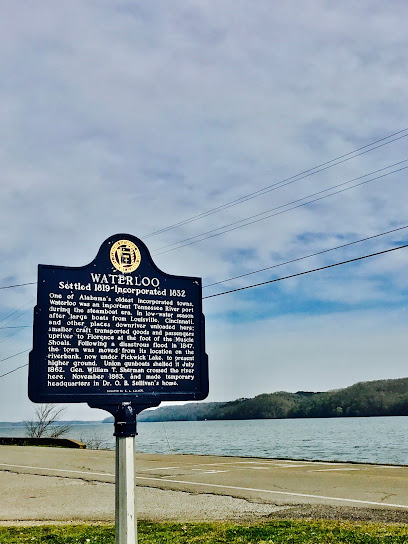
Waterloo, AL Historical Marker
14.1 km
Explore the historical depth of Waterloo, Alabama, a hidden gem that showcases the rich heritage and serene landscapes of the region.
Alabama-Tennessee State Line Sign
15.5 km
Explore the Alabama-Tennessee State Line Sign, a historical landmark showcasing the rich cultural heritage of the southern United States.
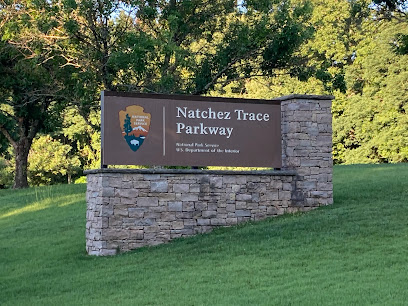
Old Riverton Rail Spur
20.2 km
Experience the historical allure of Old Riverton Rail Spur in Margerum, Alabama, where history and nature intertwine for a unique adventure.

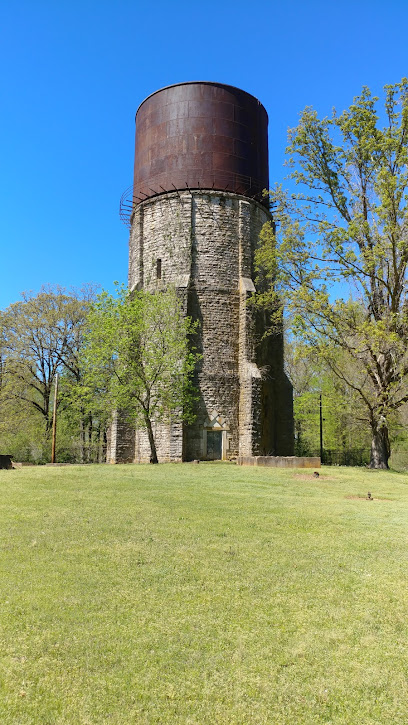
Old Water Tower
21.0 km
Explore the Old Water Tower in Florence, AL - a historic landmark surrounded by serene parkland perfect for relaxation and contemplation.
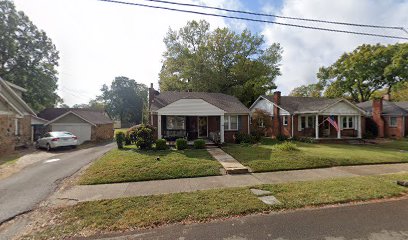
College Place Historic District
22.3 km
Explore the serene and picturesque College Place Historic District in Florence, Alabama, a treasure trove of history and architectural beauty.
Tuscumbia Landing
22.7 km
Explore Tuscumbia Landing, a serene historical landmark in Sheffield, Alabama, where nature meets the rich history of the Tennessee River.
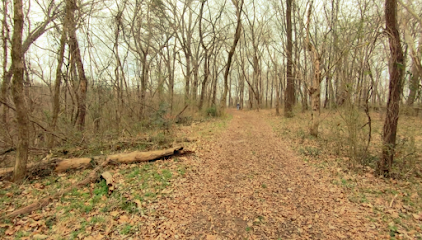
Wood Avenue Historic District
22.8 km
Explore the Wood Avenue Historic District, a stunning neighborhood in Florence, Alabama, rich in history and architectural beauty.
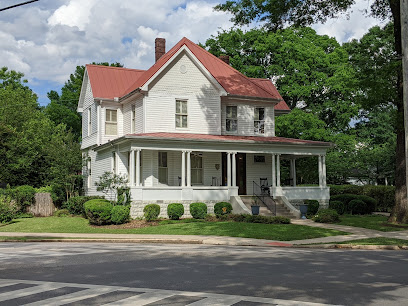
Locust Street Historic District
22.8 km
Discover the rich history and charming architecture of Locust Street Historic District in Florence, Alabama, a must-visit for history enthusiasts and casual travelers alike.
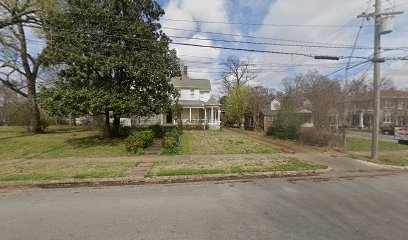
Freedom Hills Overlook
22.8 km
Enjoy panoramic views from the highest point on the Natchez Trace Parkway in Alabama. A short, scenic hike with rewarding vistas.
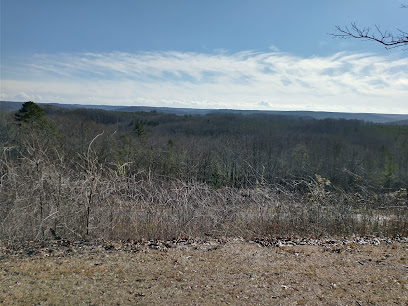
Sannoner Historic District
22.8 km
Explore the Sannoner Historic District in Florence, Alabama, where charming architecture meets rich Southern heritage for an unforgettable experience.
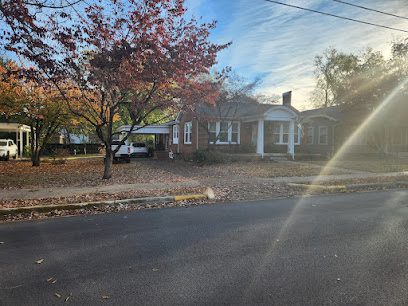
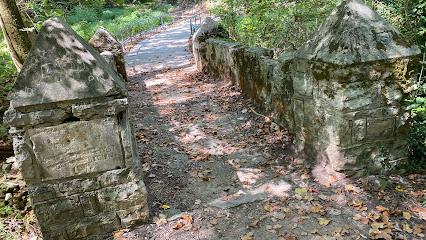
Old Stone Bridge
22.9 km
Explore the Old Stone Bridge, a historical landmark in Sheffield, Alabama, offering scenic beauty and a glimpse into the region's rich heritage.
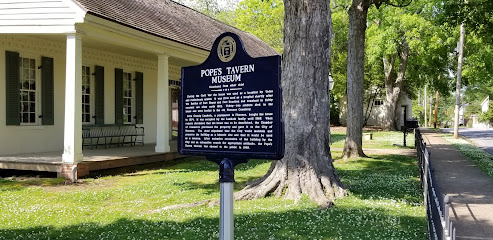
Pope's Tavern Museum
22.9 km
Explore the captivating history of Florence, Alabama at Pope's Tavern Museum, where past and present come alive through engaging exhibits.
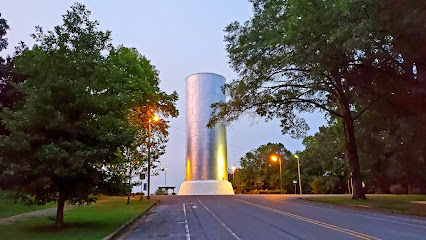
Sheffield Standpipe
22.9 km
Explore the Sheffield Standpipe, a historic landmark that showcases Alabama's engineering heritage and offers a unique glimpse into the past.
Walnut Street Historic District
23.1 km
Discover the enchanting Walnut Street Historic District in Florence, Alabama, where history and architecture come alive in a picturesque setting.
Unmissable attractions to see

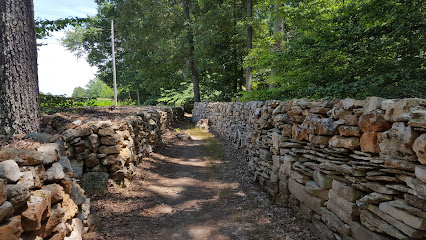
Wichahpi Commemorative Stone Wall
10.4 km
Explore the Wichahpi Commemorative Stone Wall in Florence, Alabama, a historical site celebrating Native American culture and heritage in a serene setting.
Pickwick Lake
12.8 km
Explore the scenic beauty and recreational opportunities of Pickwick Lake, a tri-state treasure for fishing, boating, and outdoor adventures.
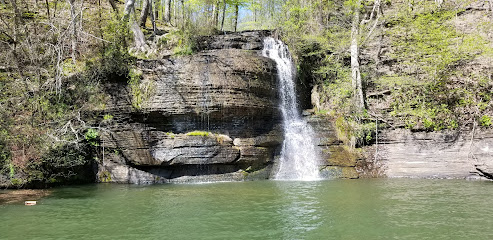
Forks of Cypress
17.2 km
Discover the haunting beauty and historical significance of the Forks of Cypress, a former cotton plantation in Florence, Alabama.
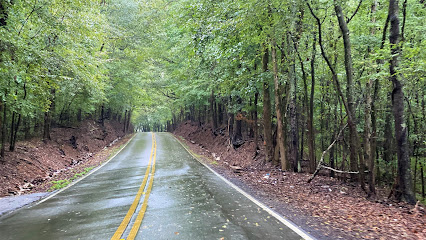
Key Cave National Wildlife Refuge
18.3 km
Discover Alabama's hidden world: hike through diverse habitats protecting endangered species at Key Cave National Wildlife Refuge.
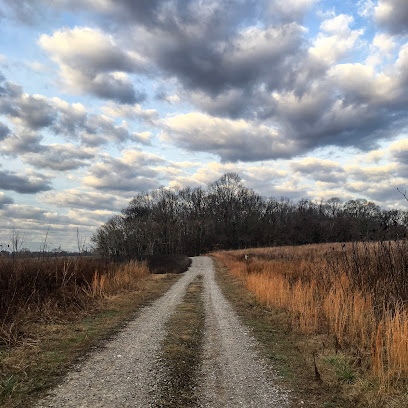
Chalk mine hollow
18.9 km
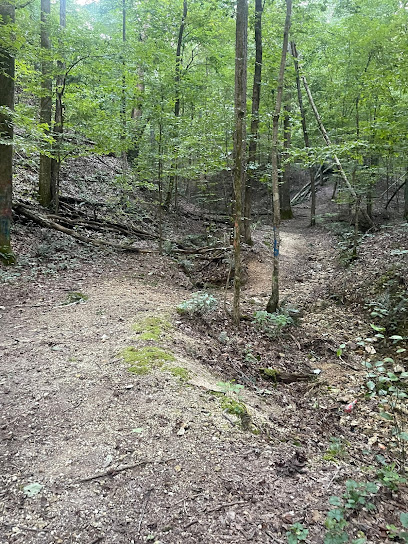
Experience the breathtaking beauty of Chalk Mine Hollow, a hidden hiking paradise in Iuka, Mississippi, perfect for outdoor adventures and nature exploration.
W C Handy Museum
22.7 km
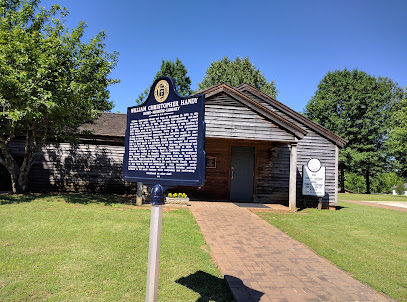
Explore the life and music of the 'Father of the Blues' at his birthplace museum in Florence, Alabama.
Alabama Welcome Sign
23.0 km
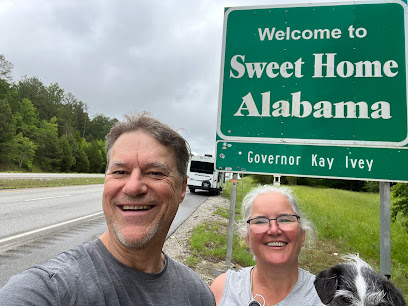
Discover the charm of Alabama with a visit to the iconic Welcome Sign, a perfect spot for memorable travel photos and Southern hospitality.
Kennedy - Douglass Center For The Arts
23.1 km
Explore rotating art exhibits, workshops, and cultural events at the Kennedy-Douglass Center for the Arts in historic Florence, Alabama.
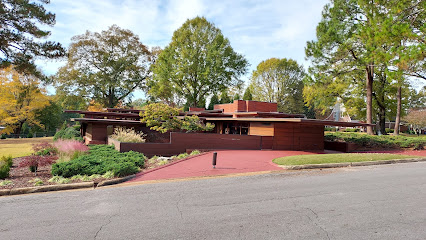
Frank Lloyd Wright - Rosenbaum House Museum
23.2 km
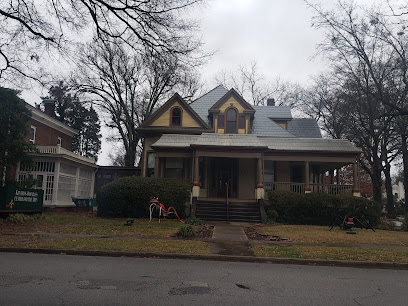
Discover Frank Lloyd Wright's Usonian masterpiece in Florence, Alabama: the Rosenbaum House, a unique blend of organic architecture, history, and innovative design open for public tours.
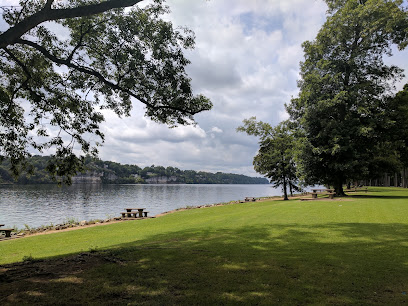
McFarland Park
23.9 km
Discover scenic beauty & recreation at McFarland Park in Florence, AL – a historic riverside destination with events, camping, & family fun!
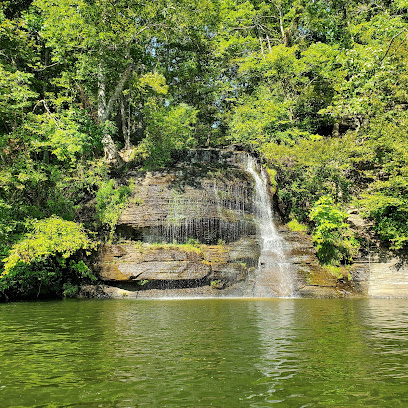
J P Coleman State Park
24.1 km
Explore the natural beauty of J P Coleman State Park in Mississippi, where adventure meets tranquility in a picturesque setting.
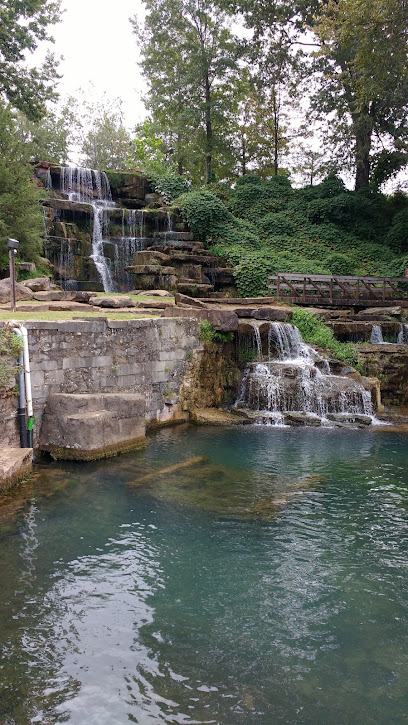
Florence Indian Mound and Museum
24.1 km
Explore ancient Native American history at the Florence Indian Mound and Museum, the Tennessee Valley's largest earthen mound.
Children's Museum Shoals
24.2 km
Explore interactive exhibits at the Children's Museum of the Shoals in Florence, AL. A fun and educational destination for kids of all ages!
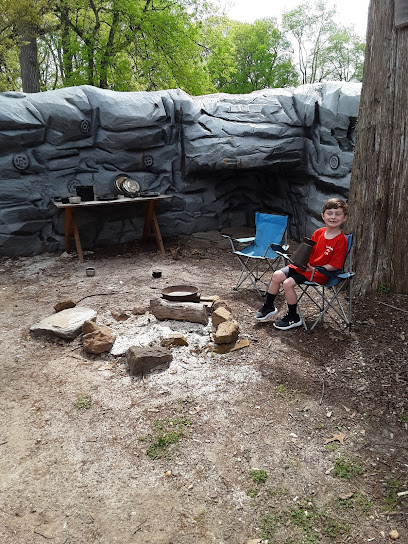
Deibert Park
24.5 km
Explore Deibert Park in Florence, AL: trails, sports, playgrounds, and picnic spots for outdoor fun and relaxation.
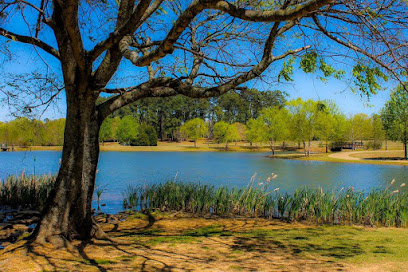
Old Railroad Bridge
24.7 km
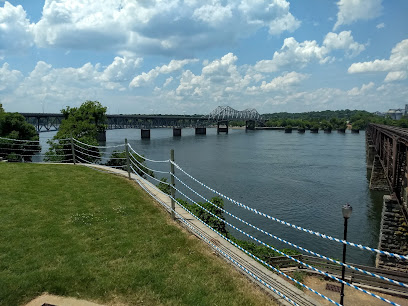
Walk across Alabama's oldest river bridge, a historic landmark offering stunning views of the Tennessee River and Pickwick Lake in Sheffield.
Essential places to dine

Inez's Drive Inn
38.0 km
Experience authentic American cuisine at Inez's Drive Inn in Tishomingo - where every meal feels like home.
Viva La Casita
40.9 km
Savor authentic Mexican cuisine at Viva La Casita in Tishomingo - where vibrant flavors meet warm hospitality.
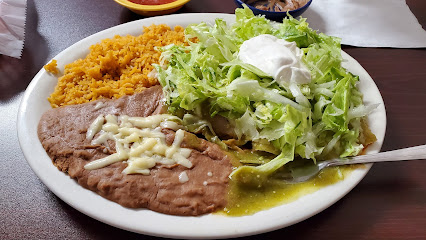
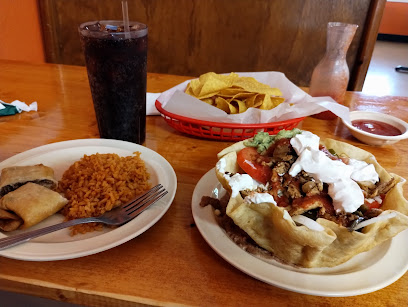
Dos Amigos Mexican Restaurant
40.9 km
Experience the rich flavors of Mexico at Dos Amigos Mexican Restaurant in Tishomingo – where every meal is a fiesta!
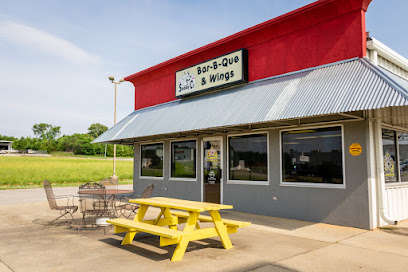
Smokey C's Bar-B-Que & Wings
83.4 km
Experience the authentic taste of Southern barbecue at Smokey C's Bar-B-Que & Wings in Decatur, AL – where flavor meets hospitality.
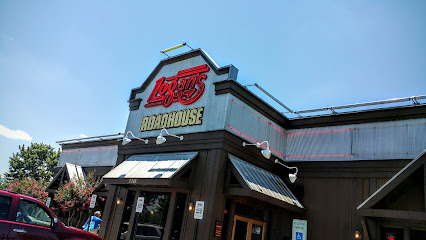
Logan's Roadhouse
86.9 km
Experience hearty American cuisine at Logan's Roadhouse in Decatur – where every meal feels like home!
Hardins Country Store & Restaurant
87.3 km
Experience authentic Southern hospitality with delicious pizzas at Hardins Country Store & Restaurant in Tupelo.
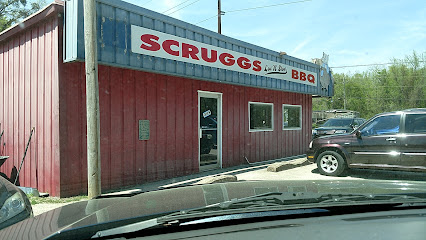
Scruggs BBQ
87.7 km
Experience authentic Southern barbecue at Scruggs BBQ in Decatur - where flavor meets tradition.
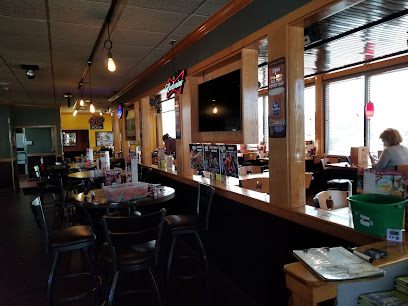
Applebee's Grill + Bar
88.0 km
Experience American cuisine at its best at Applebee's Grill + Bar in Decatur - where flavor meets family-friendly fun!
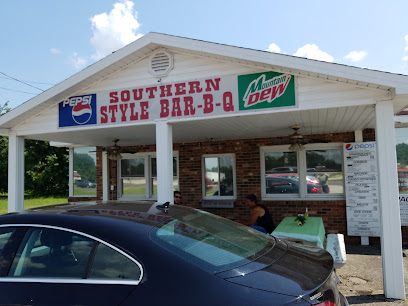
Southern Style Barbeque
88.1 km
Experience authentic Southern barbeque at its finest in Decatur; savor smoky flavors and hearty dishes made with love.
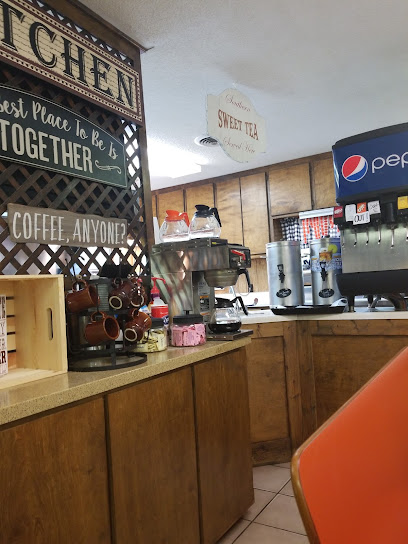
Nash Barbeque
88.5 km
Discover the rich flavors of Southern barbecue at Nash Barbeque in Decatur, Alabama – where every bite tells a story.
Chick-fil-A
88.7 km
Savor the flavors of Southern hospitality at Chick-fil-A in Decatur - where every meal is made with care.
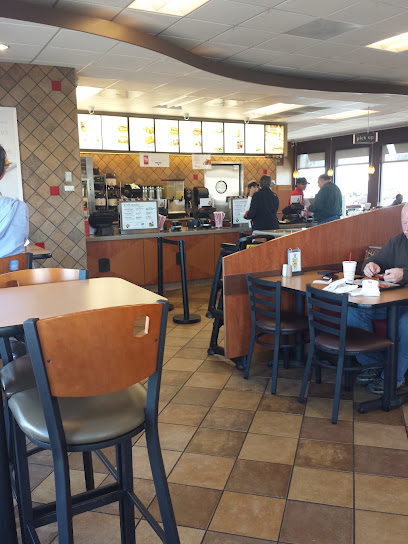
Serrano's Mexican
89.2 km
Discover the rich flavors of Mexico at Serrano's Mexican in Decatur – where every meal is a fiesta!
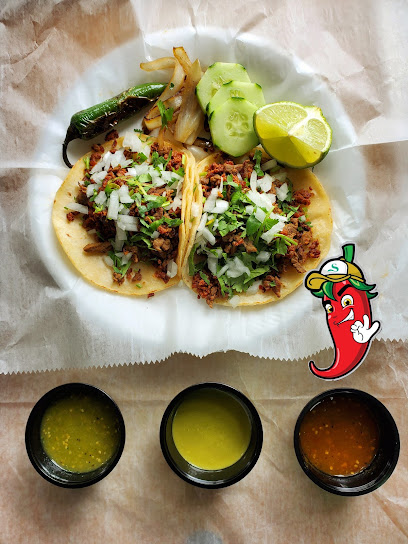
L Patron Mexican Grill and Cantina
89.5 km
Savor authentic Mexican cuisine at L Patron Mexican Grill and Cantina in Decatur – where every meal is a festive celebration of flavor!
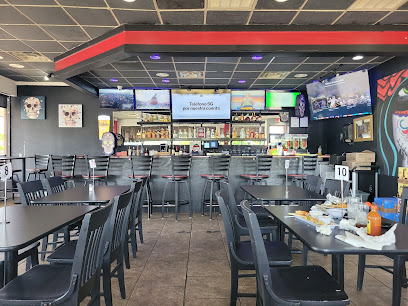
Bank Street Grill
89.6 km
Discover delicious American cuisine at Bank Street Grill in Decatur, AL - where flavor meets hospitality.
Simp McGhee's
89.6 km
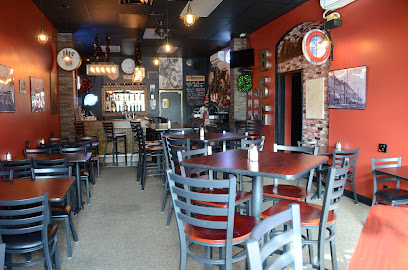
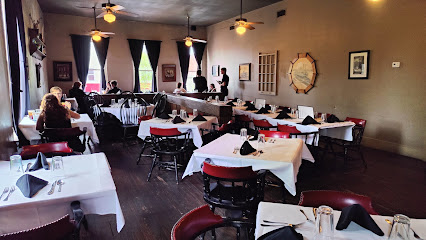
Experience exquisite seafood and Cajun cuisine at Simp McGhee's in Decatur - where every meal is a celebration of flavor.
Markets, malls and hidden boutiques

The Eclectic
23.5 km
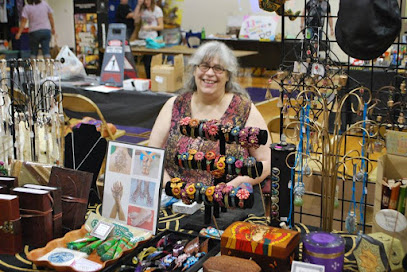
Explore The Eclectic in Florence, Alabama: your go-to boutique for unique gifts, handcrafted items, and delightful finds that capture local charm.
the homestead MERCANTILE
23.9 km
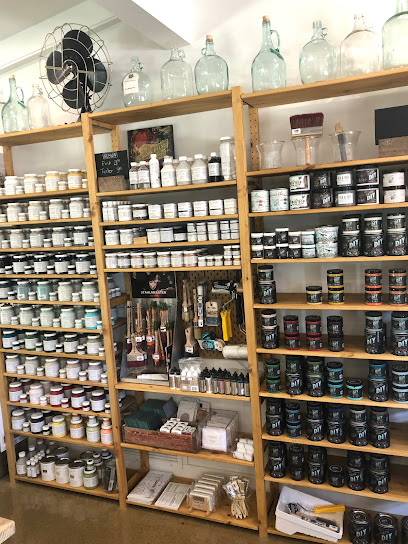
Explore The Homestead Mercantile in Florence, AL for unique gifts, local crafts, and a taste of Southern charm in every corner.
Basse Trading Company
25.4 km
Explore Basse Trading Company in Tuscumbia, Alabama, where every antique tells a story and treasures await around every corner.
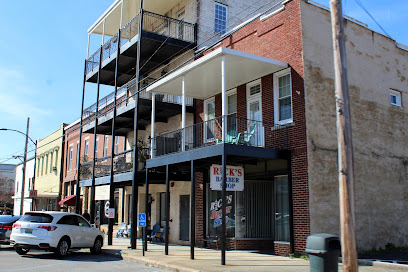
Books-A-Million
26.0 km
Discover a world of books, collectibles, and unique gifts at Books-A-Million in Florence, Alabama, where every visit is an adventure in reading.

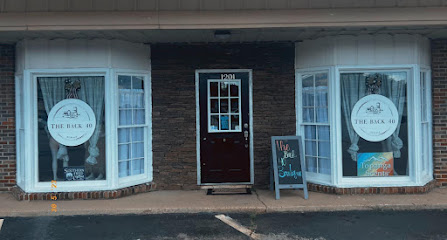
The Back 40 Boutique
26.7 km
Discover unique gifts and stylish apparel at The Back 40 Boutique in Muscle Shoals, Alabama – a treasure trove of Southern charm and creativity.
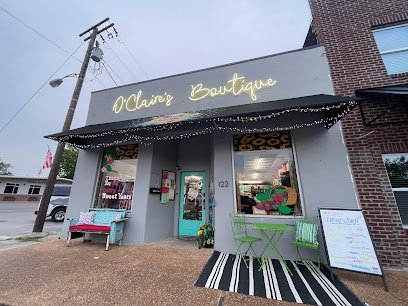
O'Claire's Boutique & Gift Shop
27.2 km
Explore O'Claire's Boutique & Gift Shop in Iuka, Mississippi for unique gifts, local crafts, and stylish apparel that encapsulate Southern charm.
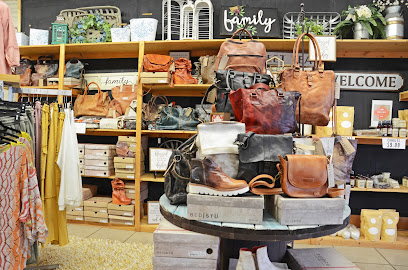
Boutique 72
27.2 km
Explore the eclectic charm of Boutique 72 in Tuscumbia, Alabama, where local artistry meets unique fashion finds.
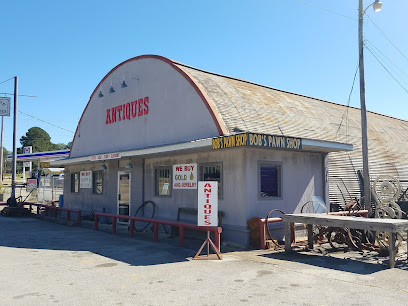
Hodge Antique’s
27.9 km
Discover unique antiques and timeless treasures at Hodge Antique’s in Iuka, Mississippi, where history and nostalgia come together.
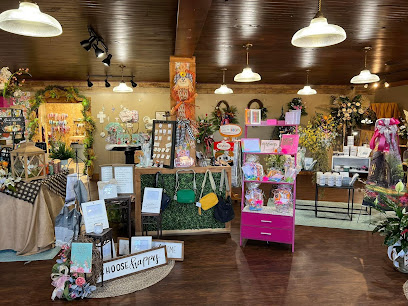
Just a Kind Word Florist
28.3 km
Discover the beauty of fresh flowers and unique arrangements at Just a Kind Word Florist in Iuka, Mississippi.
Dollar Tree
28.5 km
Discover unbeatable prices and variety at Dollar Tree in Iuka, your go-to destination for budget-friendly shopping.
The TP Boutique
28.5 km
Discover unique gifts and stylish apparel at The TP Boutique in Iuka, Mississippi, where local charm meets exceptional customer service.

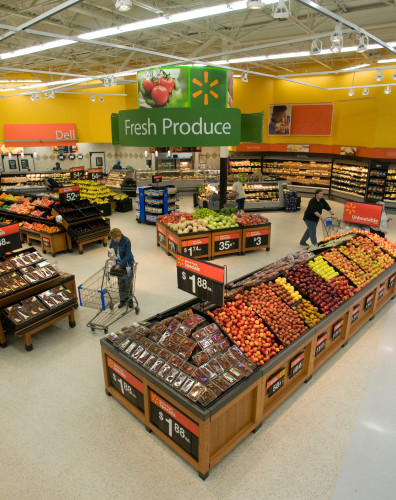
Walmart
28.5 km
Explore Walmart Iuka: A comprehensive shopping hub with groceries, clothing, electronics, and home goods, all at budget-friendly prices.
Chalk It Shop
28.6 km
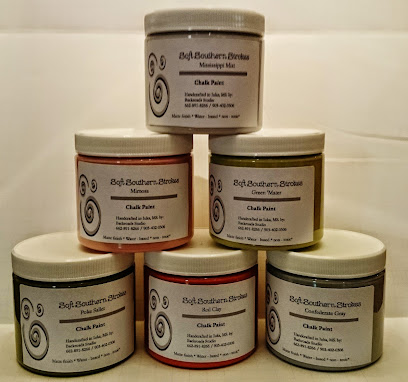
Explore your artistic side at Chalk It Shop in Iuka, MS, where a world of vibrant paints and creative supplies awaits every art enthusiast.
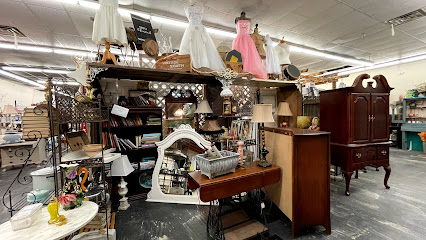
Vintage South Marketplace
29.4 km
Explore a treasure trove of antiques, boutique finds, and sports memorabilia at Vintage South Marketplace in Muscle Shoals, Alabama.
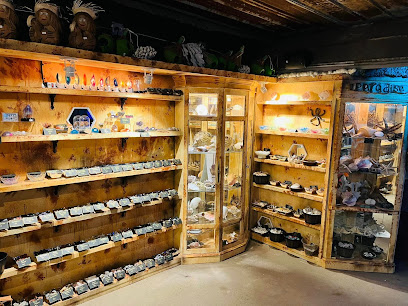
The Emporium of Curiosities and Oddities
37.4 km
Explore the whimsical wonders of The Emporium of Curiosities and Oddities, a unique gift shop in Killen, Alabama for travelers seeking the extraordinary.
Essential bars & hidden hideouts

Rattlesnake Saloon
26.4 km
Experience Southern hospitality at Rattlesnake Saloon, where delicious hamburgers meet a lively bar atmosphere in the heart of Alabama.
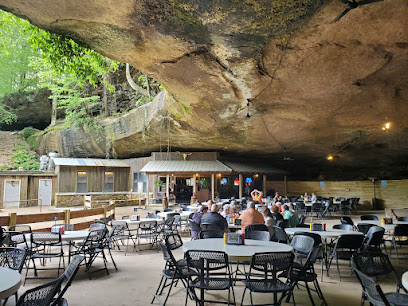
Table 127
27.0 km
Experience authentic Southern cuisine at Table 127 in Iuka, MS, where every meal is a delicious journey into local flavors.
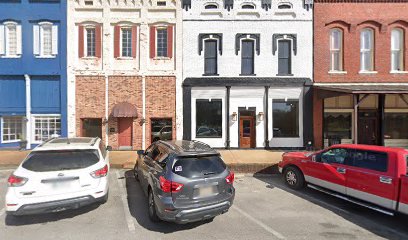
Cream & Sugar Cafe
27.1 km
Discover the charm of Cream & Sugar Cafe in Iuka, MS—where delightful flavors and cozy ambiance meet southern hospitality.
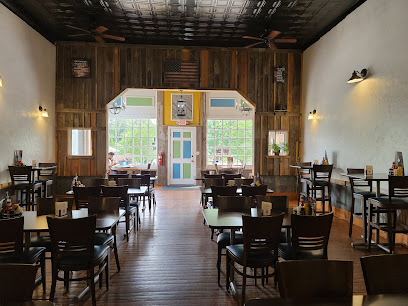
Front Street Snack Bar
27.1 km
Savor delicious snacks at Front Street Snack Bar, Iuka's cozy eatery with a delightful Southern charm and affordable prices.
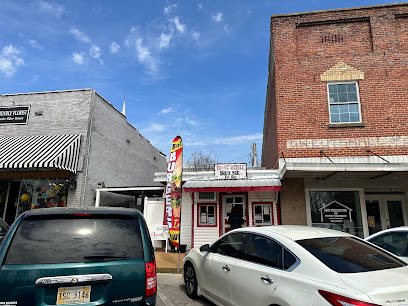
Chuckwagon Cafe
27.5 km
Discover the flavors of the South at Chuckwagon Cafe, a charming spot in Iuka, Mississippi, serving delicious comfort food with a warm welcome.
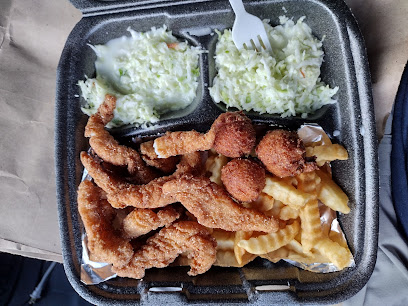
Bian Garden
27.8 km
Experience authentic Chinese cuisine at Bian Garden in Iuka, MS – a culinary gem offering a diverse menu and warm hospitality.
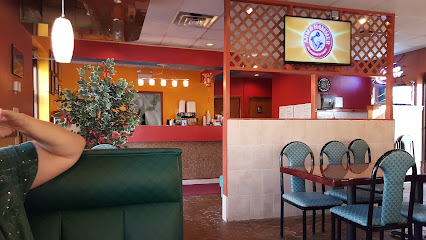
Lil Smokies
28.1 km
Discover the authentic taste of southern barbecue at Lil Smokies in Iuka, where every bite tells a story of tradition and flavor.
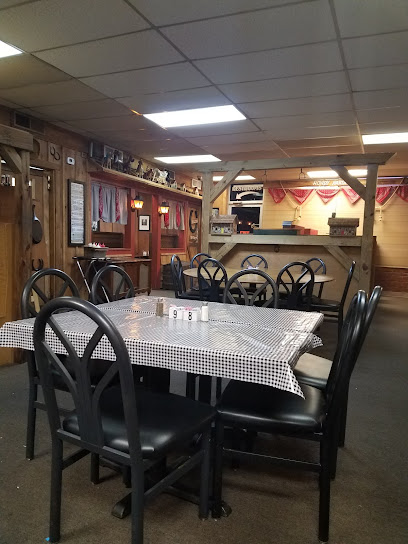
Tri-State Crawfish & Produce
28.1 km
Discover the authentic taste of Mississippi seafood at Tri-State Crawfish & Produce, a local favorite for fresh crawfish and Southern delights.
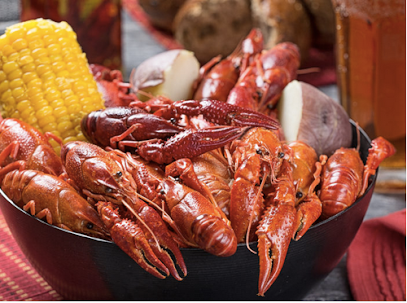
Santa Fe Mexican Grill
28.1 km
Experience authentic Mexican cuisine at Santa Fe Mexican Grill in Iuka, Mississippi, where vibrant flavors and warm hospitality await.
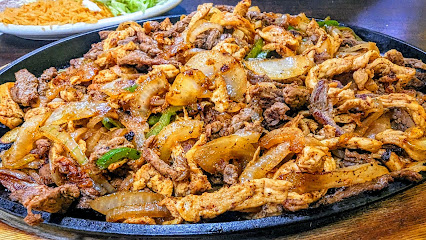
El Picante 2
28.3 km
Experience the vibrant tastes of Mexico at El Picante 2, Iuka's premier Mexican restaurant offering authentic cuisine in a lively atmosphere.
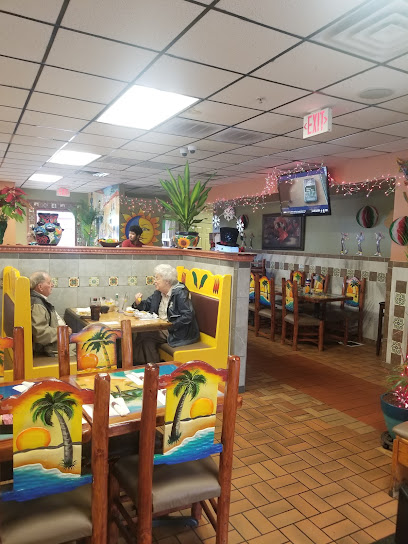
Farmhouse Restaurant
28.5 km
Experience authentic Southern cuisine in Iuka, Mississippi, where hearty dishes and warm hospitality await at the Farmhouse Restaurant.
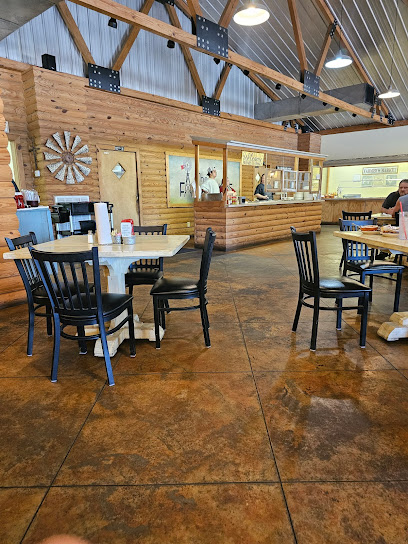
Stell's Sports Grille
29.5 km
Experience the best of Southern cuisine and sports excitement at Stell's Sports Grille in Muscle Shoals, Alabama.
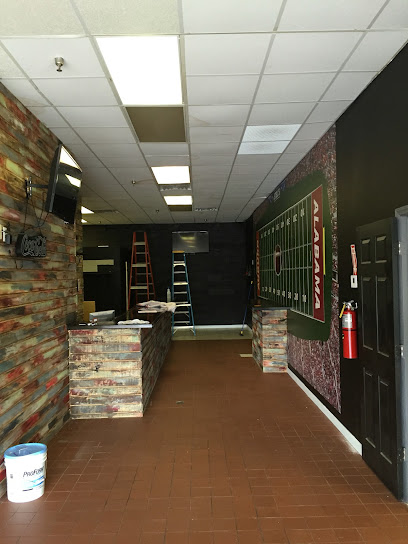
Country Squire
29.7 km
Discover the heart of Southern cooking at Country Squire, where every meal is a celebration of flavor and hospitality.
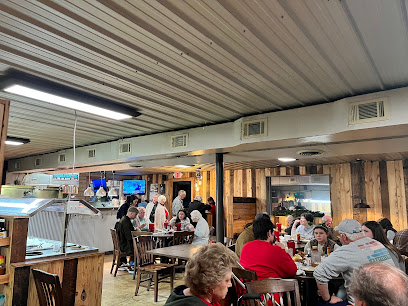
Bear Creek Saloon Guesthouse
36.5 km
Experience Southern hospitality at Bear Creek Saloon Guesthouse, a cozy bed and breakfast in Tishomingo, Mississippi, surrounded by nature and history.
Martyville
39.4 km
Martyville in Tishomingo is the perfect pit stop for travelers, offering fuel, snacks, and friendly service in a clean and welcoming environment.