
William King Beck House: A Glimpse into Alabama's Plantation Past
Discover the elegance of the past at the William King Beck House, a beautifully preserved Greek Revival plantation home near Camden, Alabama, reflecting the area's rich history.
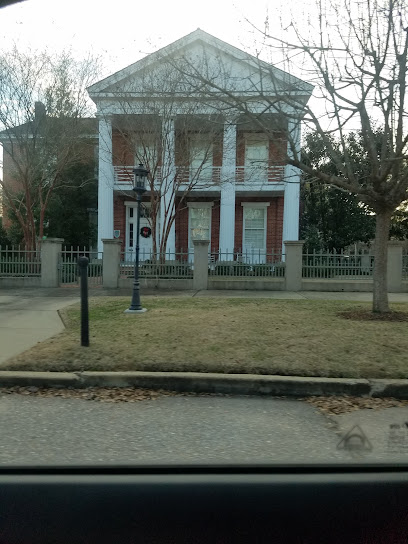
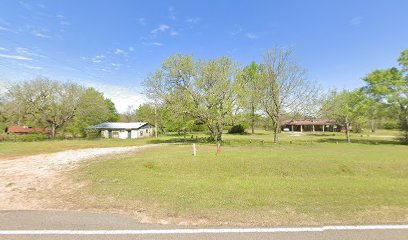
The William King Beck House, also known as River Bluff Plantation, stands as a testament to Alabama's rich history and architectural heritage. Built in 1845 near Camden, this Greek Revival cottage offers a glimpse into the lives of the prominent families who shaped the region. Attributed to architect Alexander J. Bragg, the house features distinctive octagonal columns and a design that reflects the elegance of the era. Though the roofline was altered in the late 19th century, the house retains its historical charm and significance. Listed on the National Register of Historic Places, it serves as a reminder of the area's plantation past and the enduring legacy of its early settlers. While a private residence, the house can be viewed from the roadside, allowing visitors to appreciate its architectural details and imagine life on a 19th-century Alabama plantation. The house is a tangible link to the past, offering a unique perspective on the history and culture of the region.
A brief summary to William King Beck House
- Camden, Alabama, 36726, US
Local tips
- While the house is a private residence, it's worth a drive-by to admire the architecture from the road.
- Combine your visit with a trip to other historical sites in Wilcox County, such as the Wilcox Female Institute.
- Check out the Black Belt Treasures Cultural Arts Center in Camden to experience local art and crafts.

Getting There
-
Driving
From central Camden, head north on AL-41. Turn left onto AL-28 W. Continue on AL-28 W for approximately 6 miles. The William King Beck House will be on your left, set back from the road. Please note that this is a private residence, so viewing is limited to the exterior from the roadside.
Discover more about William King Beck House
Iconic landmarks you can’t miss

Wilcox Historical Society
0.5 km
Discover the captivating history of Alabama's Black Belt at the Wilcox Historical Society, where local stories and architectural treasures come to life.
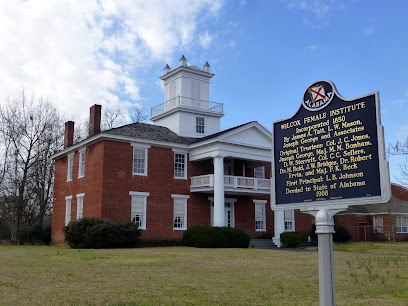
Alabama River
10.5 km
Discover the historic Alabama River: a scenic waterway offering boating, fishing, and rich Southern history, perfect for outdoor adventures and tranquil escapes.
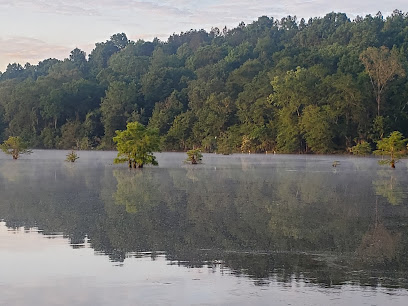
Old Cahawba Prairie Preserve
39.7 km
Explore the serene landscapes and rich history of Old Cahawba Prairie Preserve in Orrville, Alabama, a perfect escape for nature lovers and adventurers alike.
Adams Grove Presbyterian Church
39.7 km
Discover a hauntingly beautiful piece of Alabama's past at Adams Grove Presbyterian Church, a preserved Greek Revival landmark with a rich history and eerie tales.
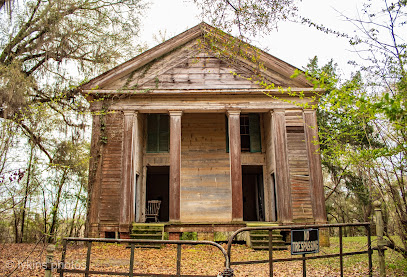
The Sandbar
50.9 km
Experience the best of southern cuisine at The Sandbar, a scenic grill in Selma, Alabama, offering delicious dishes and stunning river views.
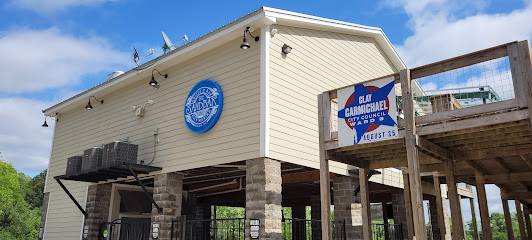
Bloch Park
51.7 km
Experience the natural beauty and community spirit at Bloch Park, a perfect retreat for relaxation and recreation in Selma, Alabama.
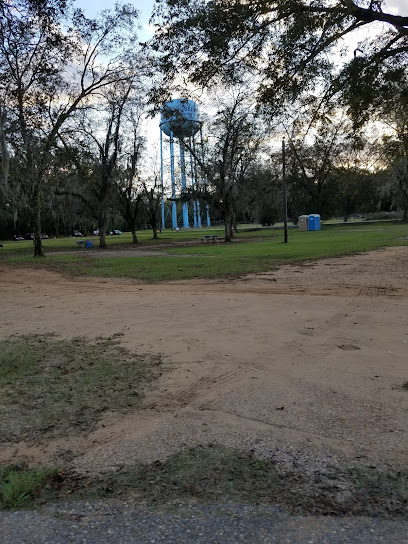
Riverview Historic District
52.0 km
Experience the rich history and stunning architecture of Riverview Historic District in Selma, Alabama, a testament to the nation's past.
Icehouse Historic District
52.6 km
Discover the rich history and architectural beauty of the Icehouse Historic District in Selma, Alabama—a must-visit for history enthusiasts and curious travelers.
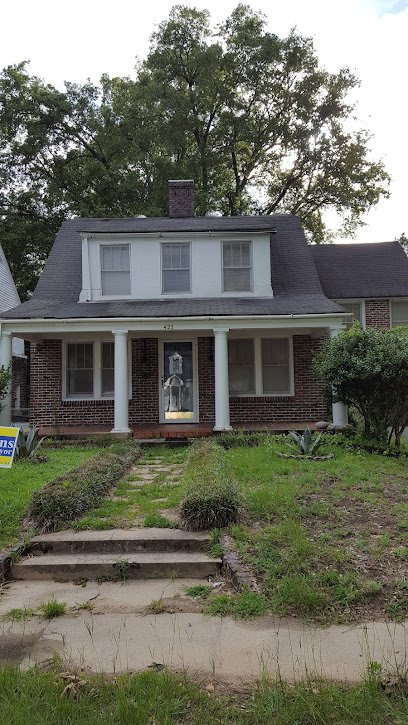
905 Gallery
52.7 km
Discover the vibrant local art scene at 905 Gallery in Selma, Alabama, where creativity and culture come alive in an inspiring atmosphere.
Organpi Farms Farmhouse
52.7 km
Explore the bounty of Selma at Organpi Farms Farmhouse, where fresh produce meets local flavor and community spirit.
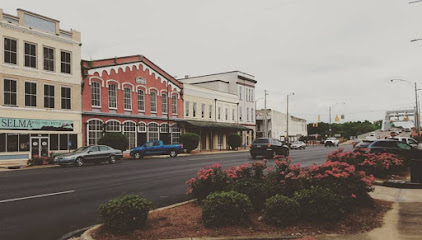
Queen City Kale
52.7 km
Experience the flavors of Selma at Queen City Kale, where fresh ingredients and creative dishes come together in a vibrant setting.
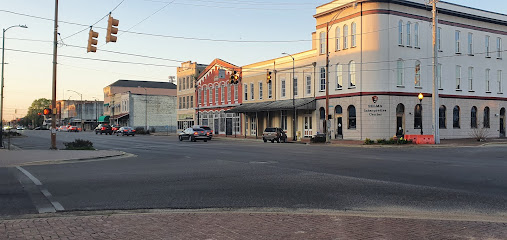
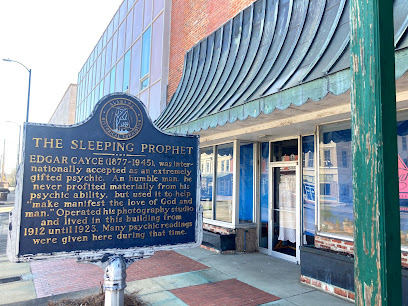
Sleeping Prophet Edgar Cayce Memorial
52.9 km
Explore the Edgar Cayce Memorial in Selma, Alabama, a historic landmark celebrating the legacy of America's most famous clairvoyant and his insights on spirituality and healing.
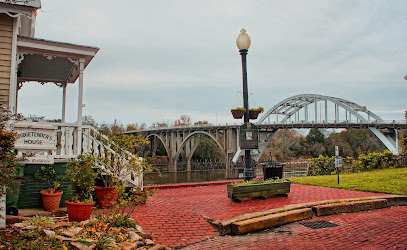
Bridgetender's House
52.9 km
Explore Selma's historical gem, Bridgetender's House, a serene landmark showcasing the rich heritage of Alabama's past.
St. James Hotel Selma, Tapestry Collection by Hilton
52.9 km
Experience Southern charm at St. James Hotel Selma, where history meets modern comfort along the beautiful Alabama River.

Mabry-Jones House
53.0 km
Discover the essence of Selma's history at the Mabry-Jones House, a beautifully preserved historical landmark showcasing architectural elegance and cultural significance.
Unmissable attractions to see

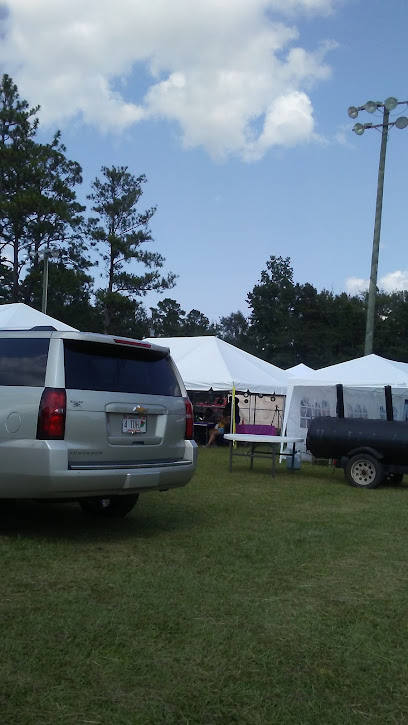
Bessie W Munden Recreational Park
4.7 km
Discover a historic park in Camden, Alabama, offering green spaces, picnic spots, and a barbecue area for family fun and community events, honoring Bessie W. Munden's legacy.
Roland Cooper State Park
8.3 km
Discover Roland Cooper State Park: A scenic Alabama retreat offering fishing, birding, camping, and outdoor adventures on the beautiful Dannelly Reservoir near Camden.
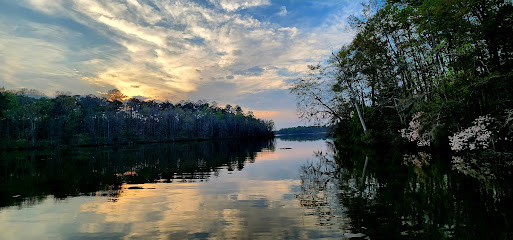
Dry Fork Plantation
11.9 km
Experience the elegance of Southern heritage at Dry Fork Plantation, a historic event venue in Camden, Alabama, surrounded by stunning landscapes.
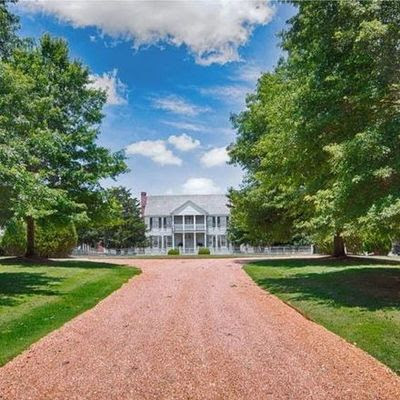
Chilatchee Creek Campground
16.8 km
Escape to Chilatchee Creek Campground on Dannelly Reservoir: Fishing, boating, hiking, and nature await in Alabama's scenic Black Prairie Belt.
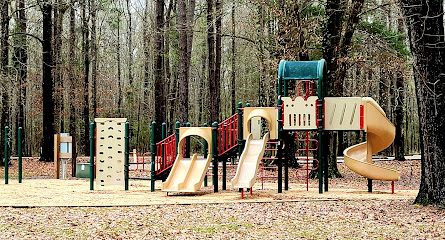
Millers Ferry Campground
16.9 km
Escape to Millers Ferry Campground on Lake Dannelly: Fishing, boating, and nature await in Alabama's Black Prairie Belt. Modern amenities and scenic beauty combine for the perfect outdoor adventure.
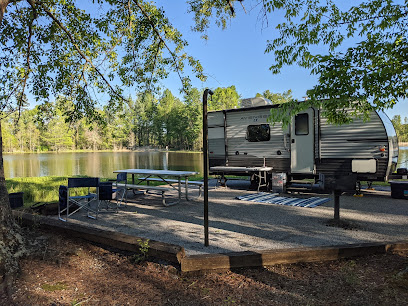
Oak Hill Historic District (Oak Hill, Alabama)
21.0 km
Discover the timeless charm of Oak Hill Historic District in Alabama, where 19th-century architecture and rich Southern heritage create an unforgettable journey into the past.
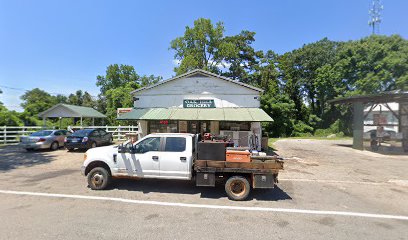
Rikard's Mill Historical Park
24.0 km
Discover Alabama's rural heritage at Rikard's Mill Historical Park, a living history museum featuring a restored water-powered gristmill and interactive folk traditions.
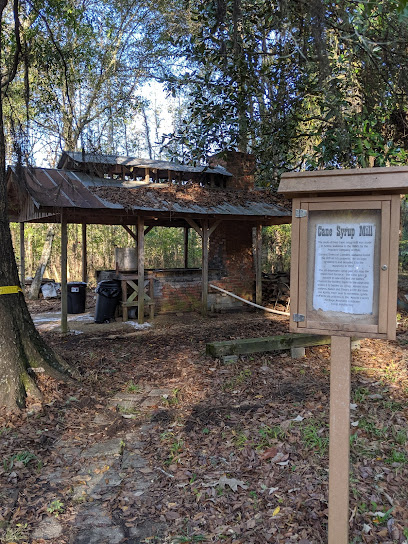
Old Cahawba Archaeological Park
40.5 km
Discover the rich history and natural beauty of Old Cahawba Archaeological Park, Alabama's first state capital, nestled along the scenic Cahaba River.
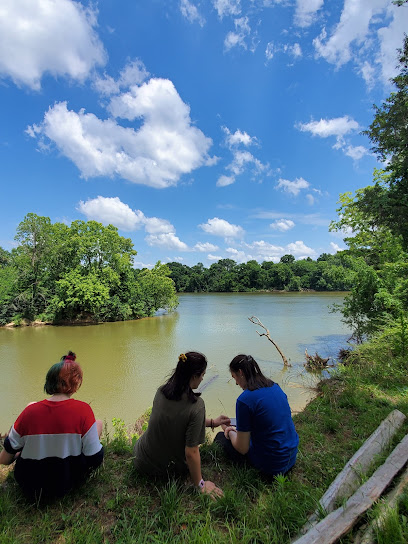
Thomasville City Park
43.5 km
Explore the beauty and tranquility of Thomasville City Park, a scenic retreat in Alabama perfect for families, picnics, and outdoor adventures.
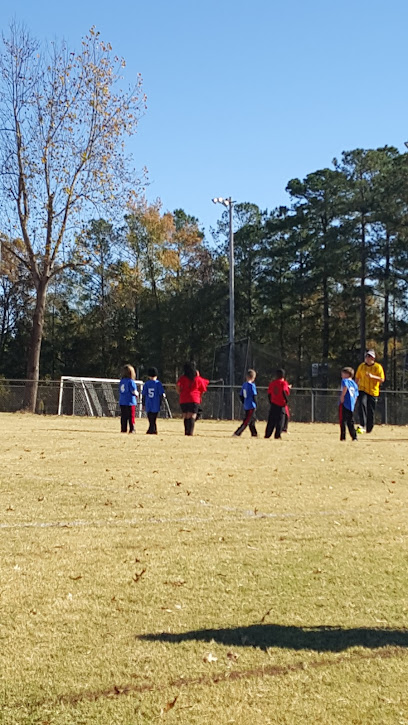
Vintage Pay Phone
47.6 km
Explore the Vintage Pay Phone in Gosport, Alabama, a charming tourist attraction offering a nostalgic glimpse into the history of communication.
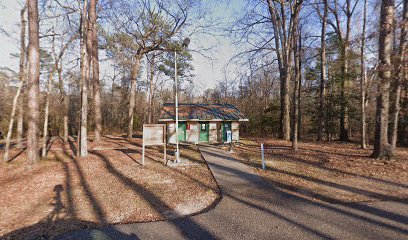
Lions Fair Park
49.3 km
Discover Lions Fair Park, a tranquil escape in Selma, Alabama, where lush greenery and scenic trails create the perfect outdoor adventure.
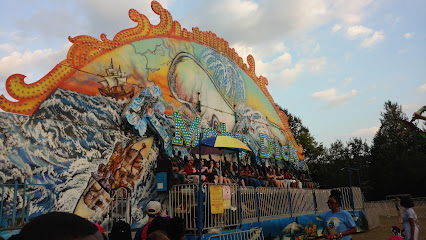
Clausell Park
51.0 km
Discover Clausell Park: A picturesque park in Monroeville, Alabama, perfect for picnics, leisurely walks, and immersing in nature's beauty.
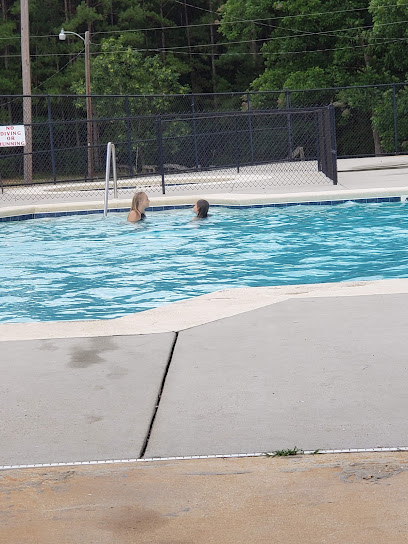
New Live Oak Cemetery
51.4 km
Explore Selma's past at New Live Oak Cemetery, a serene and historic landmark where prominent figures and everyday citizens rest, reflecting the city's rich heritage and complex history.
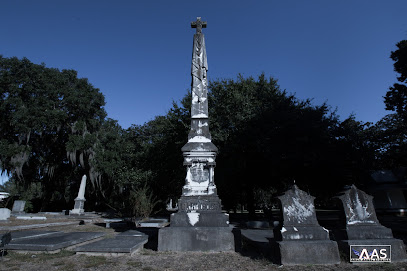
Old Courthouse Museum
51.7 km
Discover the literary heart of Alabama at the Old Courthouse Museum in Monroeville, the inspiration for *To Kill a Mockingbird* and childhood home of Harper Lee and Truman Capote.
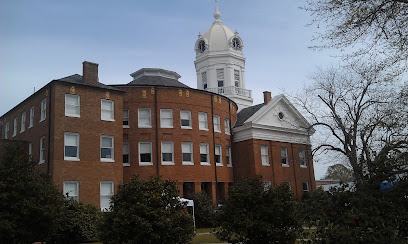
Vaughan Smitherman Museum
52.4 km
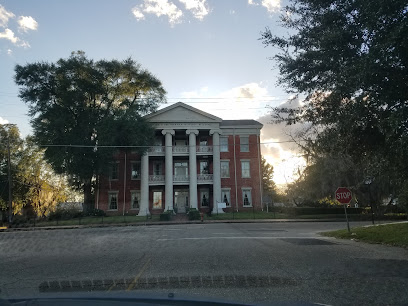
Explore Selma's captivating history at the Vaughan-Smitherman Museum, a treasure trove of Civil War artifacts, medical exhibits, and Victorian antiques housed in a historic Greek Revival building.
Essential places to dine

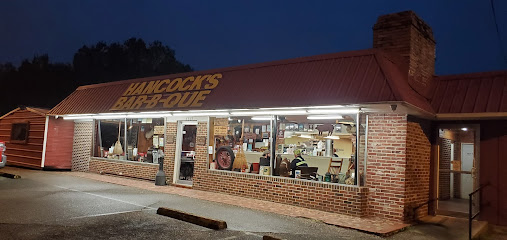
Hancocks Barbeque
47.6 km
Experience authentic Southern barbecue at Hancocks Barbeque in Selma, AL—where every bite is a taste of tradition and flavor.
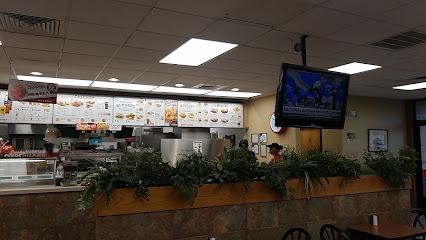
Jack's
50.1 km
Experience authentic Southern fast food at Jack's in Selma - where hearty meals meet friendly service in a welcoming atmosphere.
Hancock Bbq
51.5 km
Experience the true taste of Southern barbecue at Hancock Bbq in Selma, Alabama - where flavor meets tradition.
Dallas Bar-B-Que
52.3 km
Experience authentic Southern barbecue at Dallas Bar-B-Que in Selma - where smoky flavors meet hearty hospitality.
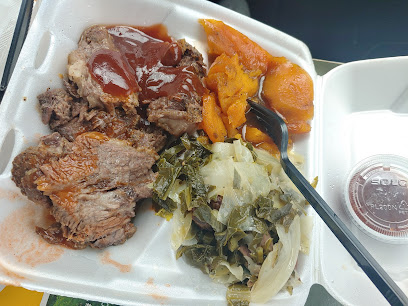
Reflections Coffee Shoppe
52.7 km
Experience warmth and flavor at Reflections Coffee Shoppe in Selma – your go-to spot for delicious coffee and local charm.
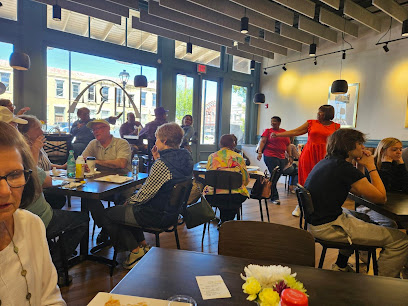
Gab n grab
52.8 km
Experience the heart of American cuisine at Gab n Grab in Selma, Alabama – where comfort food meets Southern hospitality.
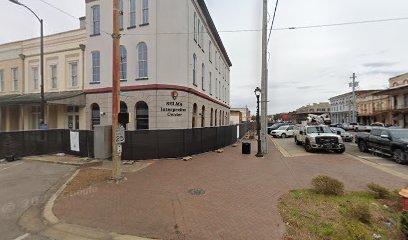
Sterling's
52.9 km
Discover the heart of American cuisine at Sterling's in Selma - where Southern hospitality meets delicious home-cooked meals.
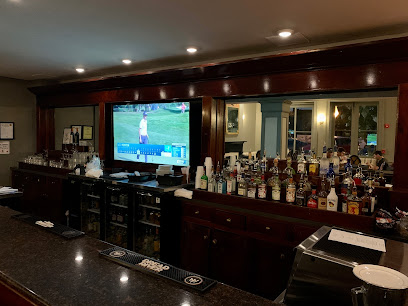
5 & Dime
53.0 km
Experience authentic American cuisine at 5 & Dime in Selma, Alabama - where every meal tells a story.
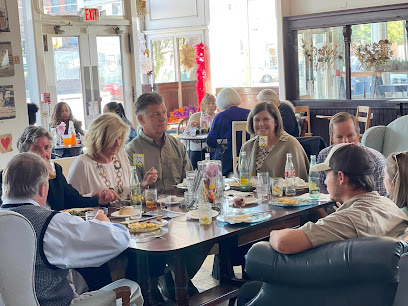
Bistro Manila (and Boba Manila)
53.0 km
Experience authentic Filipino cuisine and delicious bubble tea at Bistro Manila in Selma, Alabama – where every meal tells a story.
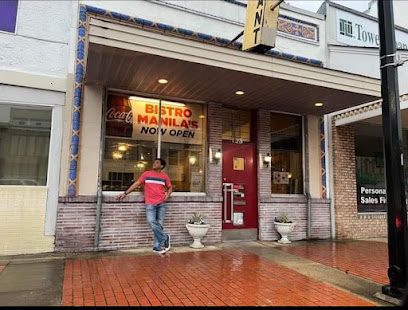
MK87
53.0 km
Discover MK87 in Selma: A delightful sandwich shop offering locally-sourced flavors in a welcoming atmosphere.
Macks Amillion Daiquiri shop
53.0 km
Discover refreshing frozen daiquiris at Macks Amillion Daiquiri Shop in Selma, Alabama - where flavor meets fun in a vibrant setting.
The Downtowner Restaurant
53.0 km
Experience family-friendly dining at The Downtowner Restaurant in Selma – where delicious comfort food meets warm hospitality.
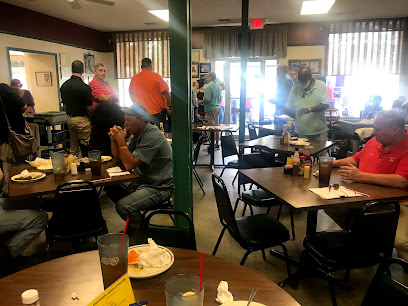
Munch Box
53.0 km
Discover Munch Box: A cozy breakfast spot in Selma offering delicious meals that capture the essence of Southern hospitality.
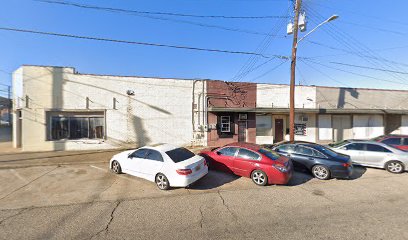
Xpression
53.0 km
Discover Xpression in Selma: A culinary gem offering delicious Southern cuisine and warm hospitality in a vibrant setting.
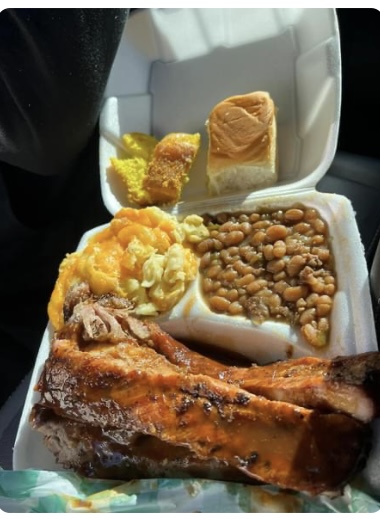
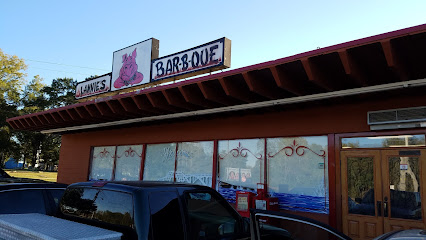
Lannie's Bar-B-Q #2
53.0 km
Experience authentic Southern barbecue at Lannie's Bar-B-Q #2 in Selma, Alabama - where flavor meets tradition.
Markets, malls and hidden boutiques

Collections by Molly
0.1 km
Explore a unique clothing store in Camden, Alabama, featuring stylish apparel that showcases local craftsmanship and fashion trends.
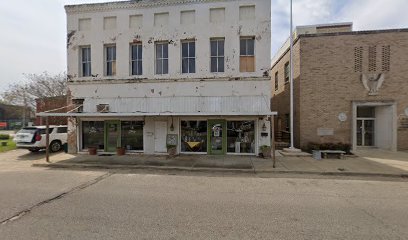
Albritton's Florist & Gifts
0.1 km
Discover the enchanting world of flowers at Albritton's Florist & Gifts in Camden, Alabama, where every bouquet tells a story.
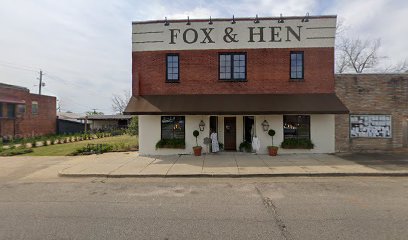
Fox and Hen
0.1 km
Explore unique fashion finds at Fox and Hen in Camden, Alabama, offering a delightful selection of clothing and accessories for every style.
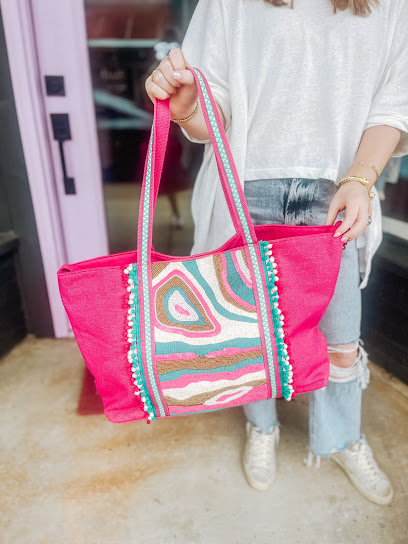
River & Co.
0.1 km
Explore River & Co. in Camden, Alabama for unique clothing that reflects your personal style while supporting local fashion.
Coast To Coast
0.2 km
Discover a unique shopping experience in Camden at Coast To Coast, where local craftsmanship meets diverse offerings in hardware, furniture, and sporting goods.
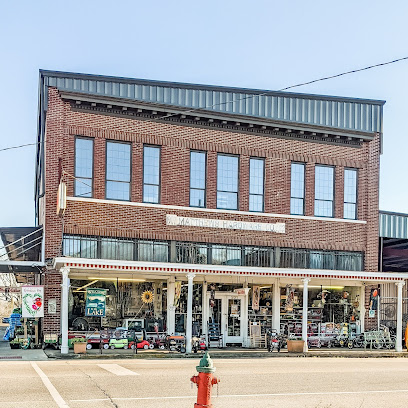
Styles For Less
0.2 km
Explore Styles For Less, Camden's go-to variety store for trendy apparel and footwear at unbeatable prices.
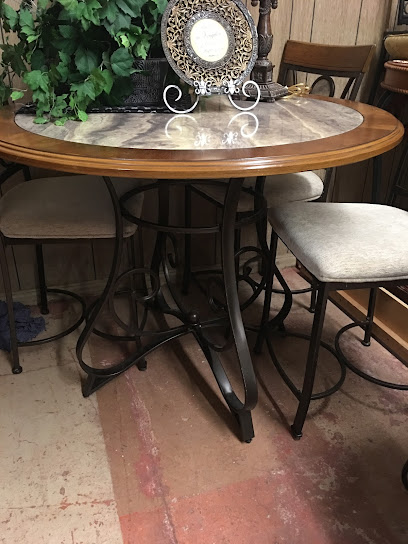
BoCo Boutique
0.2 km
Discover unique Southern fashion at BoCo Boutique in Camden, Alabama, where local style meets personalized service.
Travis's General Store
1.2 km
Discover the charm of Travis's General Store in Camden, Alabama - your go-to spot for local snacks, refreshments, and travel essentials.
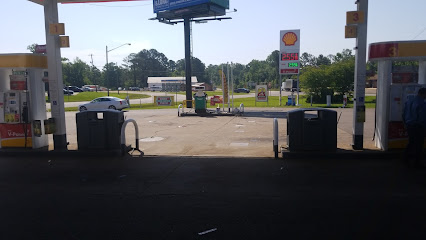
Shell
1.2 km
Refuel and refresh at the Shell Gas Station in Camden, Alabama, your essential stop for fuel, food, and convenience on the road.
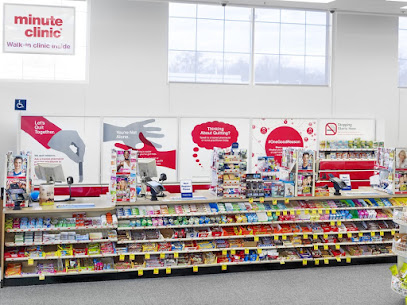
CVS
1.2 km
Explore CVS in Camden, AL for all your drugstore needs, from beauty supplies to quick snacks, all in a convenient location.
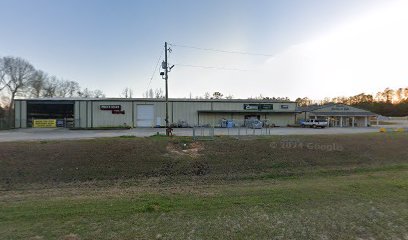
Handiman Building Supply
1.3 km
Discover Handiman Building Supply in Camden, Alabama, where quality meets convenience for all your building material needs.
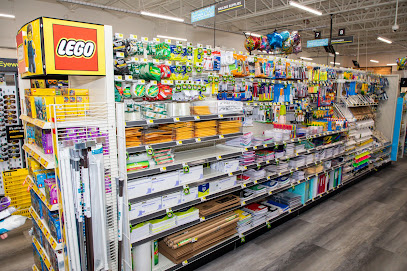
Dollar General
1.4 km
Discover unbeatable deals and a wide range of products at Dollar General in Camden, Alabama, your go-to destination for budget-friendly shopping.
QV
1.4 km
QV in Camden, Alabama: Your essential gas station and convenience store with friendly service and essential travel supplies.
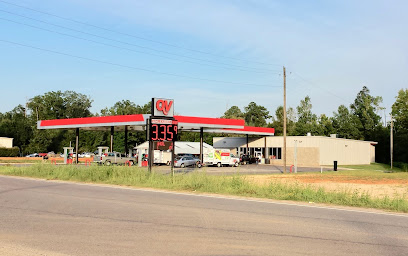
McDonald's Grocery & Sports Store
4.4 km
Explore McDonald's Grocery & Sports Store in Camden, Alabama - your one-stop destination for sporting goods, clothing, and groceries.
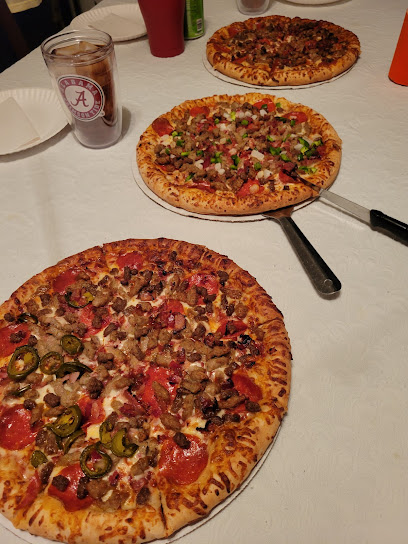
Possum Bend Feed, Seed & Supply Probilt Storage Buildings
7.0 km
Explore Possum Bend Feed, Seed & Supply in Camden, Alabama for all your portable building and gardening needs, immersing yourself in local culture and charm.
Essential bars & hidden hideouts

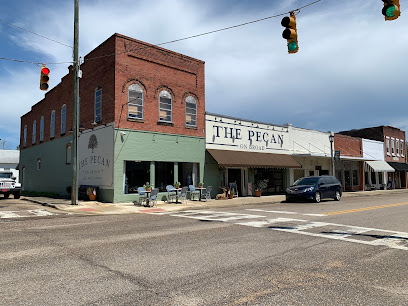
The Pecan Downtown Camden
0.1 km
Experience the best of Southern hospitality and local cuisine at The Pecan Downtown Camden, a culinary gem in Alabama's charming town.
Jackson's Station
0.2 km
Experience the heart of Southern cooking at Jackson's Station, Camden's favorite chicken restaurant, offering delicious dishes in a cozy atmosphere.
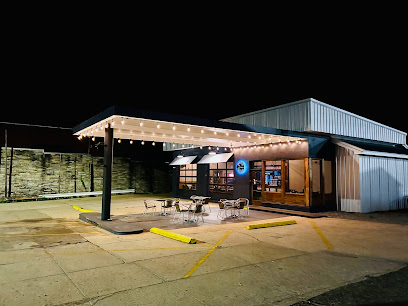
Krispy Krunchy Chicken
1.2 km
Discover the irresistible taste of Southern fried chicken at Krispy Krunchy Chicken, Camden's cherished dining gem.
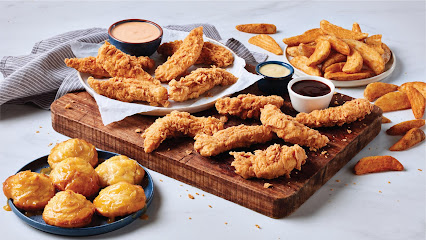
Larry's Drive In
1.2 km
Discover the taste of Southern comfort food at Larry's Drive In in Camden, Alabama, where delicious meals and friendly service await.
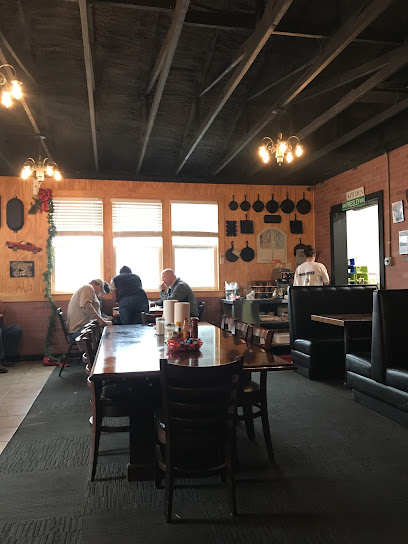
Hunters Run
1.2 km
Discover delicious American comfort food at Hunters Run in Camden, Alabama, where warm hospitality meets hearty meals.
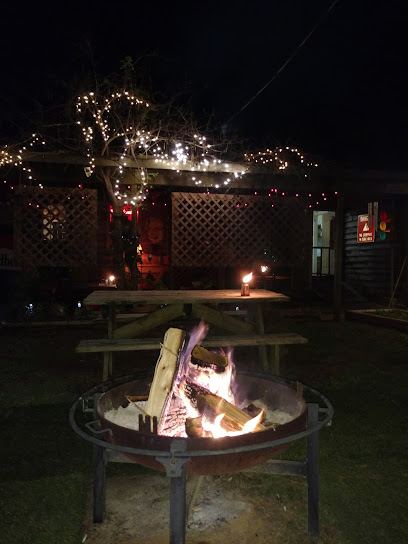
Rack & Reel Sports Grill
1.4 km
Experience the essence of Southern barbecue at Rack & Reel Sports Grill in Camden, Alabama, where flavors meet sports in a vibrant atmosphere.
Southern Inn
1.4 km
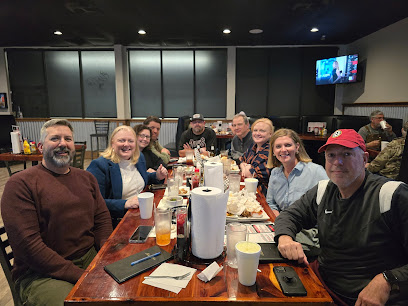
Discover Southern Inn in Camden, Alabama - a cozy motel offering comfort, convenience, and Southern hospitality for every traveler.
Vista hermosa mexican restaurant
1.4 km
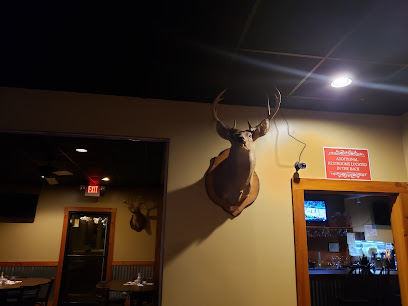
Discover authentic Mexican flavors at Vista Hermosa Mexican Restaurant in Camden, Alabama, where every meal is a vibrant celebration of taste.
Commissioner’s Pit Stop & Restaurant
2.5 km
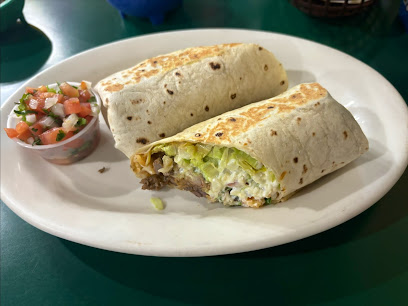
Discover the heart of Southern cuisine at Commissioner’s Pit Stop & Restaurant, where every bite tells a story of tradition and flavor.
Boondock's Billiard & Lounge
2.6 km
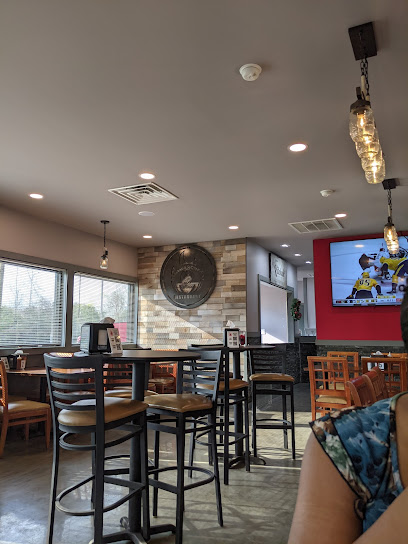
Experience Camden's nightlife at Boondock's Billiard & Lounge, where great drinks and good friends come together in a lively atmosphere.
Caravel Inc
2.9 km
Experience the vibrant nightlife at Caravel Inc in Camden, AL, where music and dance blend for an unforgettable evening.
Gaines Ridge Dinner Club
3.1 km
Experience the culinary delight of Gaines Ridge Dinner Club, where Southern charm meets exquisite American cuisine amidst breathtaking views.
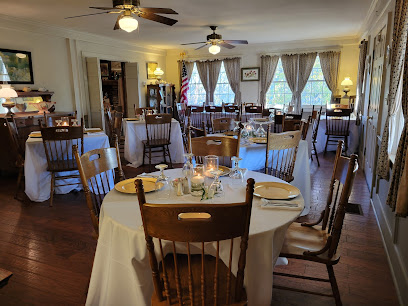
Liberty Hall Bed and Breakfast
4.7 km
Discover the charm of Southern hospitality at Liberty Hall Bed and Breakfast in Camden, Alabama, where comfort meets history.
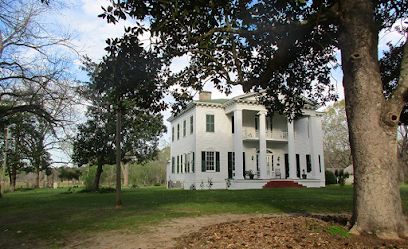
King Jr Lounge
9.3 km
Discover the warmth of community and relaxation at King Jr Lounge in Alberta, Alabama, where local culture meets inviting atmosphere.
Saint John Bar
9.7 km
Explore the enchanting underwater realm of Saint John Bar, Alabama, a captivating reef teeming with vibrant marine life and stunning coral formations.


