

Sturdivant Hall: Selma's Antebellum Masterpiece
Experience the grandeur of the Old South at Sturdivant Hall, a beautifully preserved Greek Revival mansion in historic Selma, Alabama.
Sturdivant Hall, also known as the Watts-Parkman-Gillman House, is a stunning Greek Revival mansion in Selma, Alabama, completed in 1856. Designed by Thomas Helm Lee, it showcases the opulence of the antebellum South and now serves as a captivating house museum.
A brief summary to Sturdivant Hall Museum
- 713 Mabry St, Selma, Alabama, 36701, US
- +1334-872-5626
- Tuesday 10 am-4 pm
- Wednesday 10 am-4 pm
- Thursday 10 am-4 pm
- Friday 10 am-4 pm
- Saturday 10 am-4 pm
Local tips
- Check the Sturdivant Hall Museum's Facebook page or website for information on special events, including Christmas celebrations and educational programs.
- Allow ample time to explore the formal gardens, detached kitchen, and gift shop in addition to the main house.
- Consider visiting other nearby attractions in Selma's Old Town Historic District, such as the Edmund Pettus Bridge and the National Voting Rights Museum.

Getting There
-
Walking
From the Edmund Pettus Bridge and the National Voting Rights Museum, Sturdivant Hall is approximately a 15-20 minute walk. Head northeast on Broad Street, then turn right onto Mabry Street. The museum will be on your left. This is a straightforward walk through a residential area.
-
Taxi/Ride-Share
A taxi or ride-share from downtown Selma (e.g., the St. James Hotel or the Edmund Pettus Bridge area) to Sturdivant Hall is a short ride. Request a ride to 713 Mabry Street. The journey should take no more than 5-10 minutes, depending on traffic. Typical cost is between $8 and $12.
-
Driving
If driving, navigate to 713 Mabry Street, Selma, AL 36701. From Broad Street, turn onto Mabry Street. The museum will be on your left. Limited free parking is available on-site. Be mindful of residential traffic. Parking is free.
Discover more about Sturdivant Hall Museum
Iconic landmarks you can’t miss

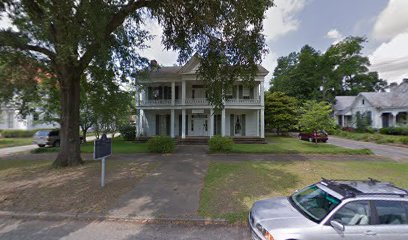
John Tyler Morgan House
0.1 km
Visit the historic John Tyler Morgan House in Selma, Alabama, home to a Confederate General and long-serving U.S. Senator.
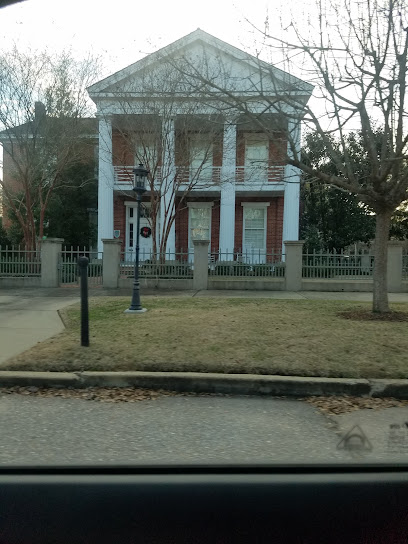
Mabry-Jones House
0.2 km
Discover Selma's history at the Mabry-Jones House, a beautiful example of Greek Revival architecture and home to notable figures.
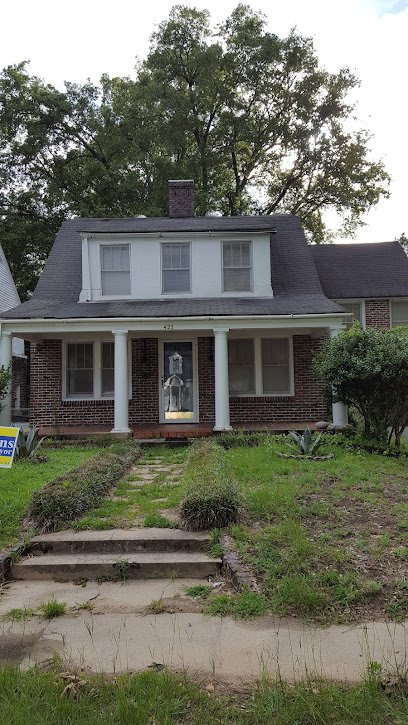
Icehouse Historic District
0.4 km
Discover the rich history and architectural beauty of the Icehouse Historic District in Selma, Alabama—a must-visit for history enthusiasts and curious travelers.
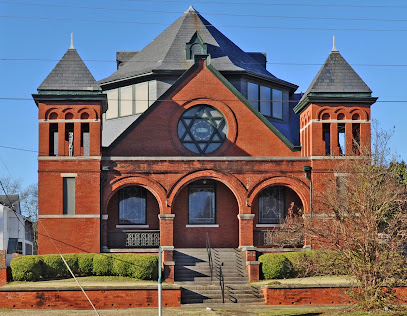
Temple Mishkan Israel
0.6 km
Discover Temple Mishkan Israel in Selma, AL: a historic synagogue, a monument to Jewish heritage, and a landmark of Civil Rights history.
The Coffee Shoppe
0.7 km
Discover the heart of Selma at The Coffee Shoppe, where delightful brews and local charm create the perfect café experience.
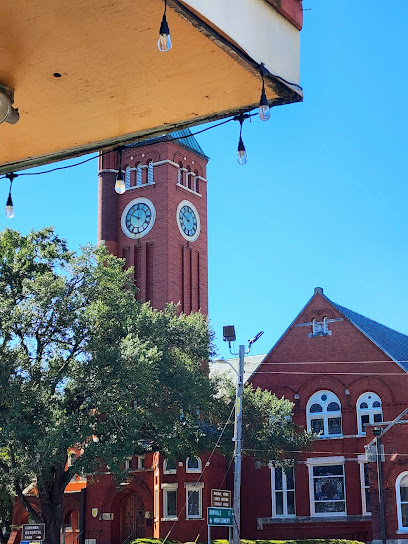
Edmundite Missions
0.9 km
Discover the heart of community service at Edmundite Missions in Selma, Alabama, where faith meets action for social justice.
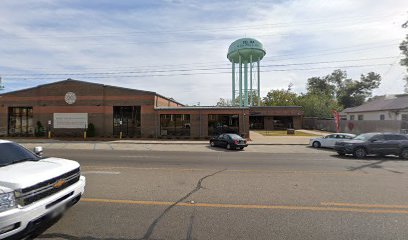
Riverview Historic District
1.0 km
Experience the rich history and stunning architecture of Riverview Historic District in Selma, Alabama, a testament to the nation's past.
Sleeping Prophet Edgar Cayce Memorial
1.1 km
Explore the Edgar Cayce Memorial in Selma, Alabama, a historic landmark celebrating the legacy of America's most famous clairvoyant and his insights on spirituality and healing.
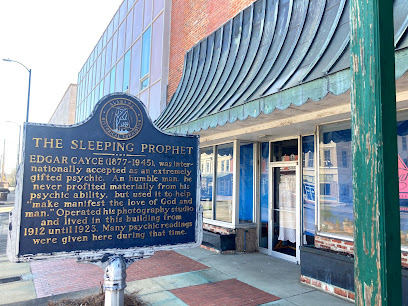
905 Gallery
1.1 km
Discover curated Southern art at Gallery 905 in Selma, Alabama, where community and creativity thrive.
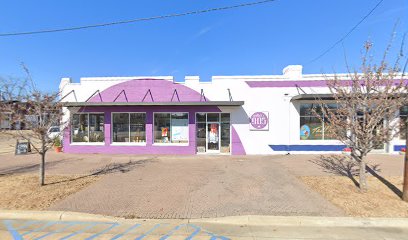
Organpi Farms Farmhouse
1.2 km
Explore the bounty of Selma at Organpi Farms Farmhouse, where fresh produce meets local flavor and community spirit.
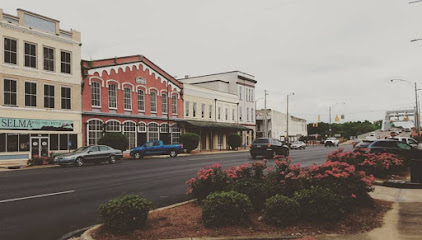
Queen City Kale
1.2 km
Experience the flavors of Selma at Queen City Kale, where fresh ingredients and creative dishes come together in a vibrant setting.
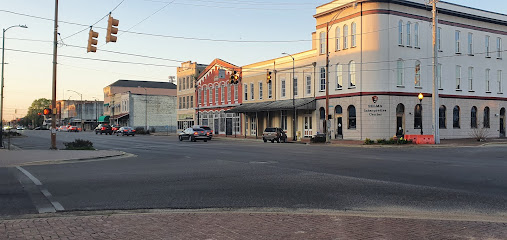
St. James Hotel Selma, Tapestry Collection by Hilton
1.2 km
Experience Southern charm at St. James Hotel Selma, where history meets modern comfort along the beautiful Alabama River.

Bridgetender's House
1.3 km
Step back in time at the Bridgetender's House in Selma, AL – a historic cottage with stunning river views and a rich past.
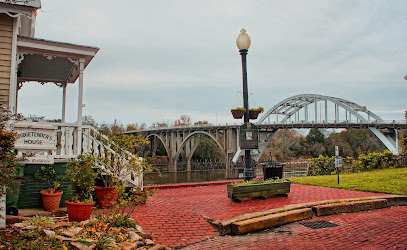
Bloch Park
1.3 km
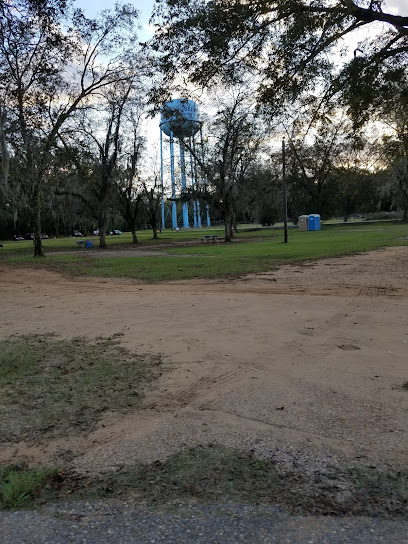
Discover Selma's historic Bloch Park: a green oasis offering recreation, sports, and community events for all ages.
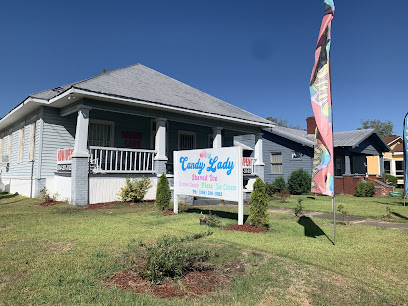
Candy Lady
1.6 km
Experience the sweetness of Selma at Candy Lady, where delightful ice cream flavors and a charming atmosphere await every visitor.
Unmissable attractions to see

Old Town Historic District
0.7 km
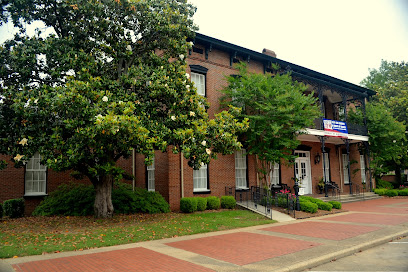
Explore Selma's Old Town Historic District: A journey through time, architecture, and the heart of the Civil Rights Movement.
Tabernacle Baptist Church
0.8 km
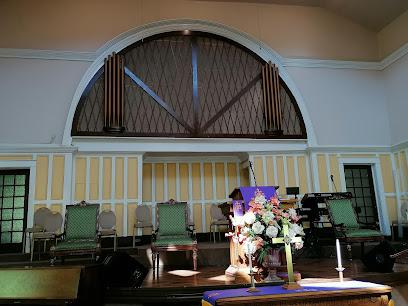
Visit Tabernacle Baptist Church in Selma, a historic landmark and pivotal site in the Civil Rights Movement, showcasing courage and resilience.
Vaughan Smitherman Museum
0.9 km
Explore Selma's vibrant past within the walls of this historic Greek Revival landmark, from Civil War relics to hospital artifacts.
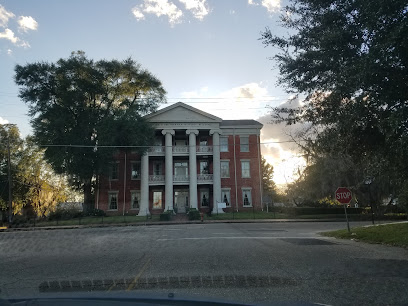
Selma Interpretive Center of the Selma to Montgomery National Historic Trail
1.1 km
Discover the starting point of the historic Selma to Montgomery march, a pivotal landmark in the Civil Rights Movement.
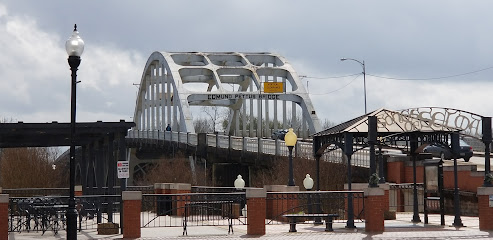
Brown Chapel AME Church
1.2 km
Visit the historic Brown Chapel AME Church in Selma, Alabama, a pivotal landmark in the Civil Rights Movement and the fight for voting rights.
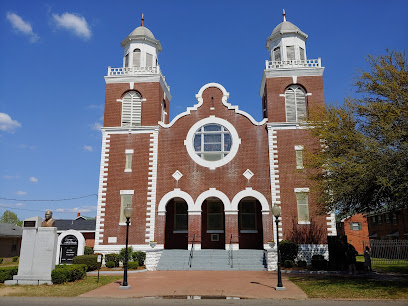
Edmund Pettus Bridge
1.3 km
Walk in the footsteps of civil rights heroes on this iconic bridge, a powerful symbol of the fight for voting rights and equality in Selma, Alabama.
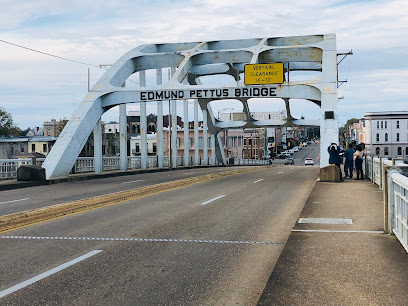
Enslavement & Civil War Museum
1.4 km
Explore the compelling history of African Americans from ancient Africa through enslavement and the Civil War at this Selma museum.
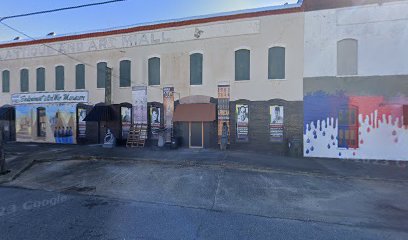
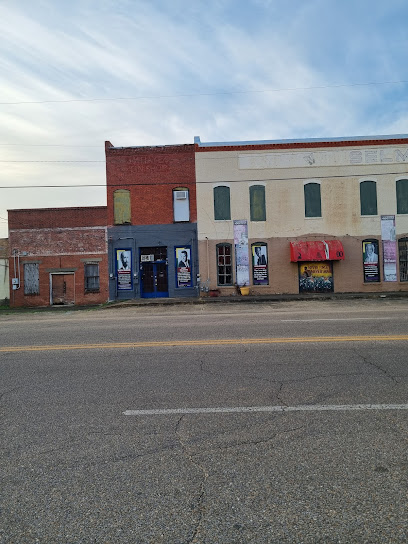
Bridge Crossing Jubilee
1.4 km
Commemorating the Selma to Montgomery marches and the Voting Rights Act, honoring civil rights history and the fight for equality.
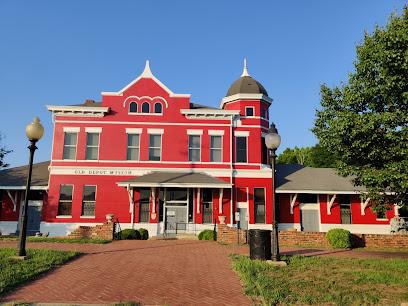
Old Depot Museum
1.5 km
Explore Selma's vibrant history at the Old Depot Museum, from Native American artifacts to the Civil Rights Movement.
Historic Riverfront Park
1.5 km
Explore Selma's Historic Riverfront Park: A scenic waterfront park with Civil Rights history, river views, and a peaceful atmosphere.
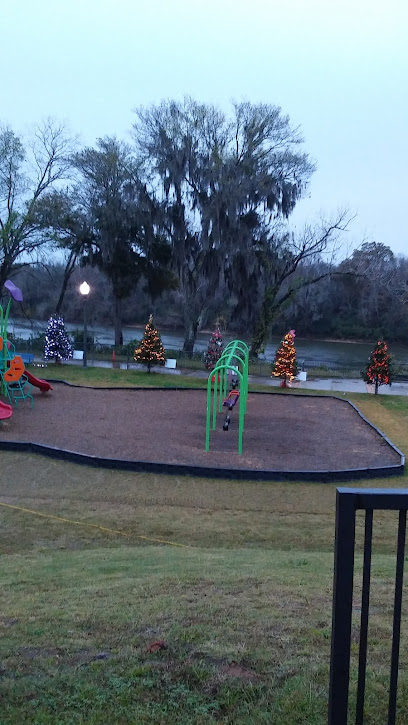
Civil Rights Memorial Park
1.6 km
Reflect on the courageous fight for equality at Selma's Civil Rights Memorial Park, honoring pivotal events and figures of the movement.
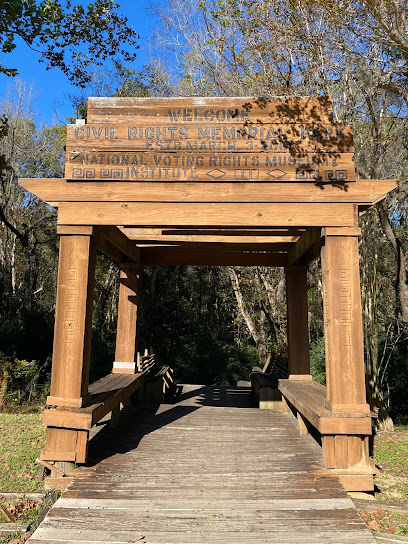
National Voting Rights Museum and Institute
1.6 km
Explore the pivotal history of the Voting Rights Movement in Selma, AL, honoring the brave activists who fought for equality. A must-see Civil Rights landmark.
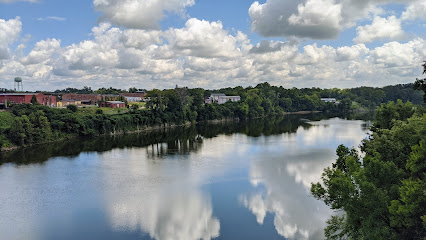
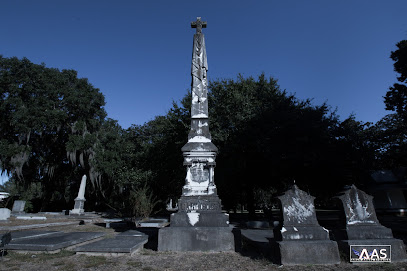
New Live Oak Cemetery
1.8 km
Discover Selma's past in a serene setting, where history and nature intertwine among the monuments and ancient trees of New Live Oak Cemetery.
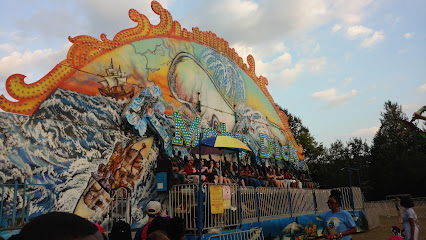
Lions Fair Park
4.5 km
A community hub in Selma, Alabama, hosting the annual Central Alabama Fair and various local events.
Old Cahawba Archaeological Park
12.6 km
Explore Alabama's first capital, a ghost town where history and nature intertwine. Discover ruins, trails, and stories of the past.
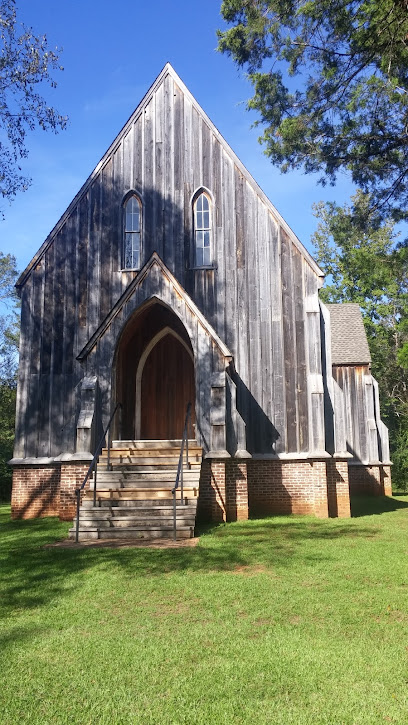
Essential places to dine

Church's Texas Chicken
0.7 km
Discover the delicious taste of Southern comfort food at Church's Texas Chicken in Selma - where every meal is a celebration!
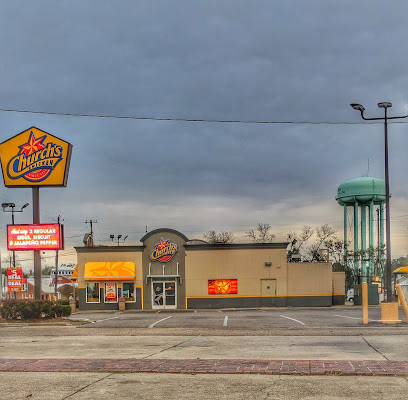
MK87
0.8 km
Discover MK87 in Selma: A delightful sandwich shop offering locally-sourced flavors in a welcoming atmosphere.
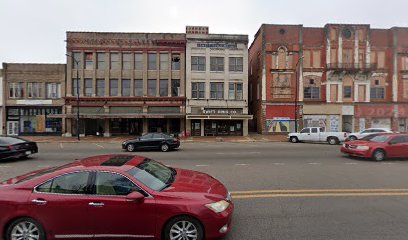
5 & Dime
0.9 km
Experience authentic American cuisine at 5 & Dime in Selma, Alabama - where every meal tells a story.
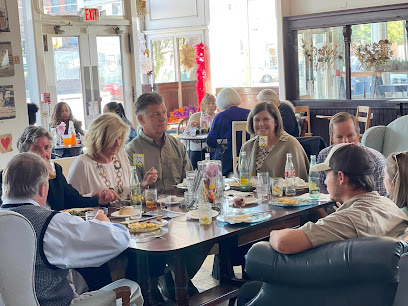
Pizza Hut Express
0.9 km
Discover delicious pizzas at Pizza Hut Express in Selma, Alabama - a perfect spot for quick bites while exploring rich Southern history.
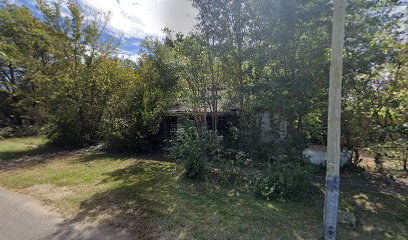
Bistro Manila (and Boba Manila)
0.9 km
Experience authentic Filipino cuisine and delicious bubble tea at Bistro Manila in Selma, Alabama – where every meal tells a story.
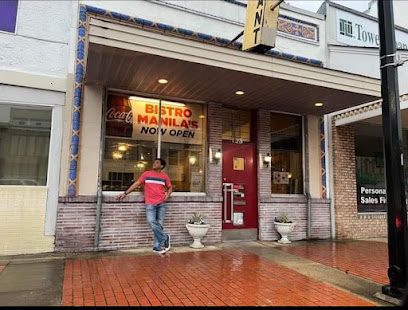
The Downtowner Restaurant
1.0 km
Experience family-friendly dining at The Downtowner Restaurant in Selma – where delicious comfort food meets warm hospitality.
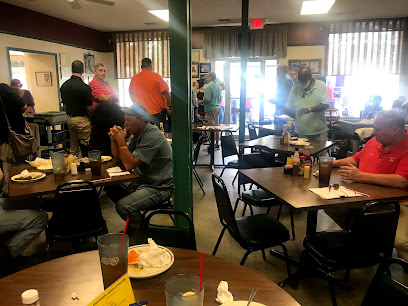
Xpression
1.0 km
Discover Xpression in Selma: A culinary gem offering delicious Southern cuisine and warm hospitality in a vibrant setting.
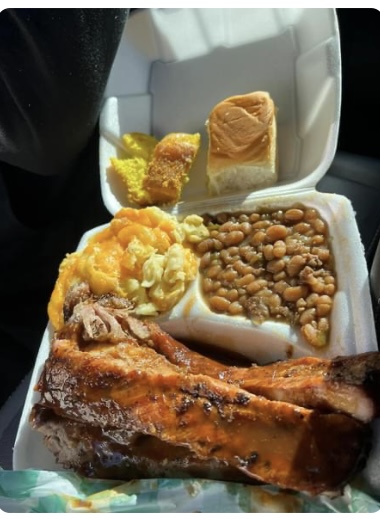
Macks Amillion Daiquiri shop
1.1 km
Discover refreshing frozen daiquiris at Macks Amillion Daiquiri Shop in Selma, Alabama - where flavor meets fun in a vibrant setting.
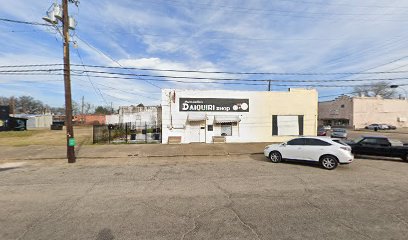
Munch Box
1.1 km
Discover Munch Box: A cozy breakfast spot in Selma offering delicious meals that capture the essence of Southern hospitality.
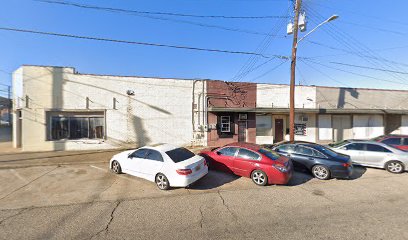
Gab n grab
1.2 km
Experience the heart of American cuisine at Gab n Grab in Selma, Alabama – where comfort food meets Southern hospitality.
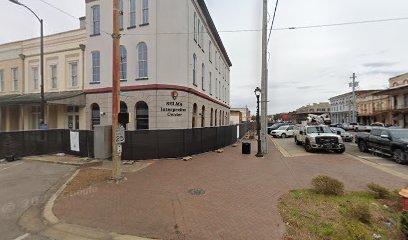
Reflections Coffee Shoppe
1.2 km
Experience warmth and flavor at Reflections Coffee Shoppe in Selma – your go-to spot for delicious coffee and local charm.
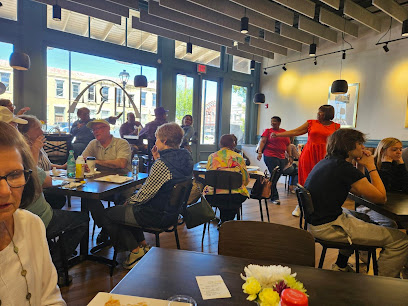
Sterling's
1.2 km
Discover the heart of American cuisine at Sterling's in Selma - where Southern hospitality meets delicious home-cooked meals.
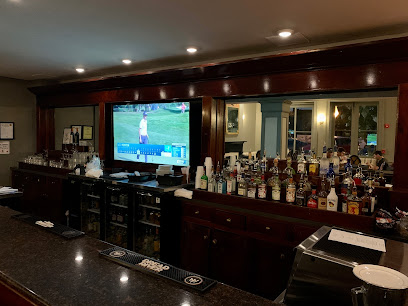
Hickory Pit
1.4 km
Experience authentic Southern barbecue at Hickory Pit in Selma – where smoky flavors meet warm hospitality.
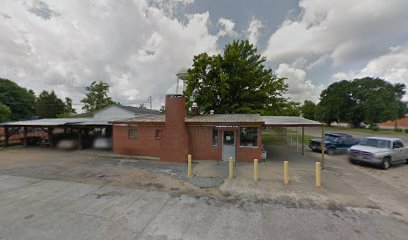
Hibachi Xpress
1.8 km
Experience authentic hibachi cuisine at Hibachi Xpress in Selma – fresh ingredients and skilled chefs create memorable meals.
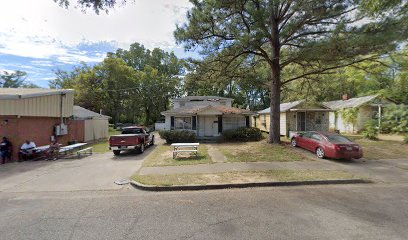
Dallas Bar-B-Que
1.9 km
Experience authentic Southern barbecue at Dallas Bar-B-Que in Selma - where smoky flavors meet hearty hospitality.
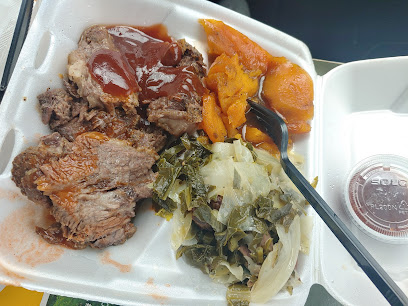
Markets, malls and hidden boutiques

Gordon's Antiques and Estate Sales
0.1 km
Explore a unique collection of antiques and vintage treasures at Gordon's Antiques and Estate Sales in Selma, Alabama, where history comes alive.
Gantt Candies LLC
0.2 km
Explore the charming Gantt Candies LLC in Selma, Alabama, for a delightful selection of homemade candies that will satisfy any sweet tooth.
Cahaba Products
0.3 km
Discover the taste of Selma at Cahaba Products, where local culinary treasures and artisanal flavors await you.
PSC Thrift Store
0.4 km
Explore the PSC Thrift Store in Selma, Alabama, for eclectic finds and vintage treasures that tell a story.
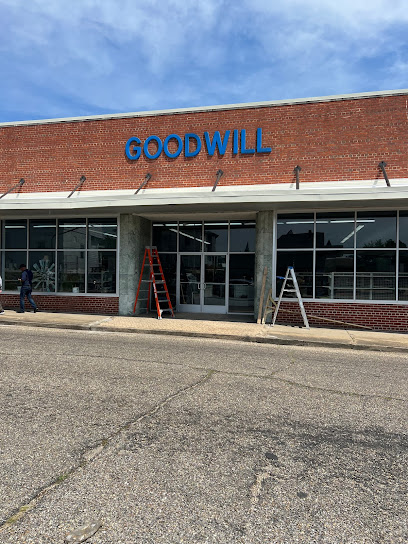
Goodwill
0.5 km
Explore Goodwill Selma for unique thrift finds and sustainable shopping, where every purchase supports community programs and promotes recycling.
The Salvation Army Family Store
0.6 km
Explore unique second-hand treasures at The Salvation Army Family Store in Selma, Alabama, while supporting community initiatives and sustainability.
Cupcake Shop
0.7 km
Experience the sweetness of Selma at the Cupcake Shop, where every bite is a delightful treat crafted with love.
Frames 'N Things
0.7 km
Discover unique gifts and custom picture frames at Frames 'N Things in Selma, Alabama – a beloved local destination for shoppers of all kinds.
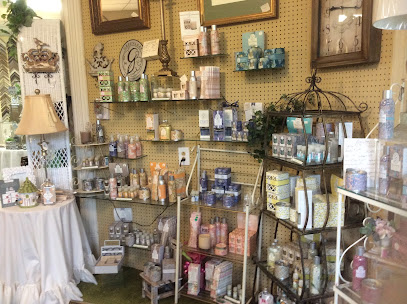
allez-oup
0.9 km
Discover unique gifts and stylish finds at Allez-Oup, Selma's charming gift shop and boutique featuring baby clothing and women's fashion.
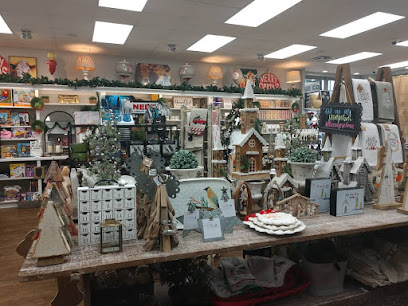
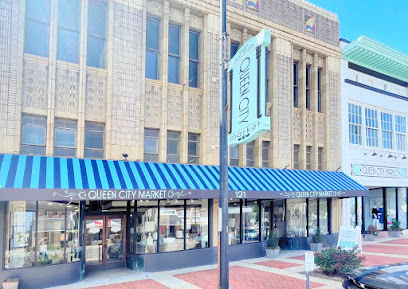
Queen City Market
0.9 km
Explore unique clothing and home goods at Queen City Market, Selma's charm-filled boutique offering local fashion and gifts.
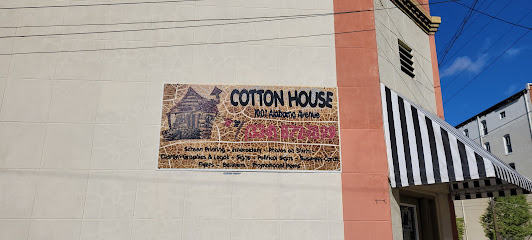
Cotton House
1.0 km
Discover Cotton House in Selma, Alabama - a boutique clothing store offering unique fashion pieces and a warm shopping experience.
Pavilion Boutique
1.0 km
Explore Pavilion Boutique in Selma, Alabama, for unique fashion and accessories that celebrate Southern elegance and style.
Odds and Ends Gift Shop
1.0 km
Explore Selma’s Odds and Ends Gift Shop for unique local gifts, handcrafted treasures, and a taste of Southern charm.
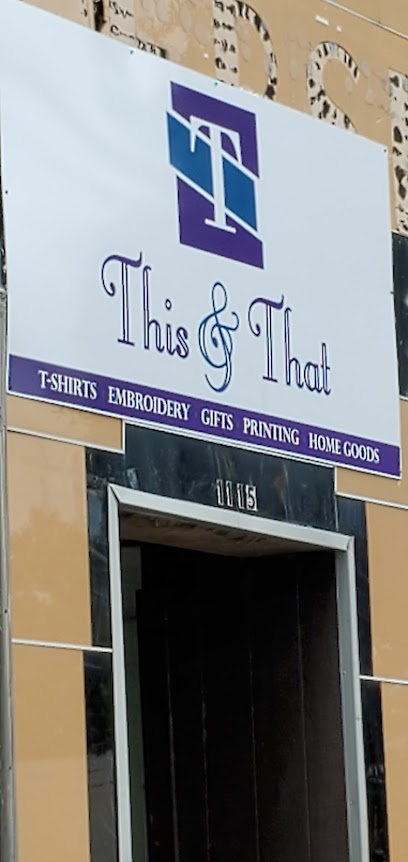
This & That
1.0 km
Discover unique home goods and local treasures at This & That, a charming store in Selma, Alabama, where Southern hospitality meets quality craftsmanship.
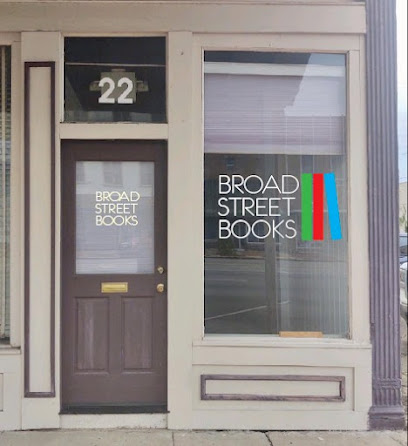
Broad Street Books
1.1 km
Explore Broad Street Books, Selma's charming bookstore offering a diverse selection of literature in a cozy atmosphere.
Essential bars & hidden hideouts

Dallas County
0.7 km
Experience the vibrancy of Dallas County's gay bar scene in Selma, Alabama, a celebration of diversity, culture, and community.
Sparkle's Saloon
1.3 km
Discover the lively atmosphere of Sparkle's Saloon, a charming bar in Selma, Alabama, offering refreshing drinks and a taste of local culture.
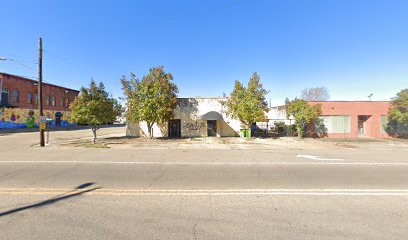
Dripz Lounge
1.3 km
Discover the charm of Dripz Lounge in Selma, Alabama – your go-to bar for a taste of local nightlife and a cozy atmosphere.
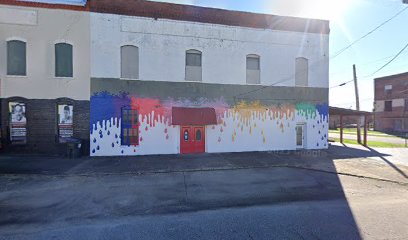
XPLOSION
2.3 km
Experience the thrill of sports at XPLOSION, Selma's go-to sports bar with delicious bites and a vibrant atmosphere.
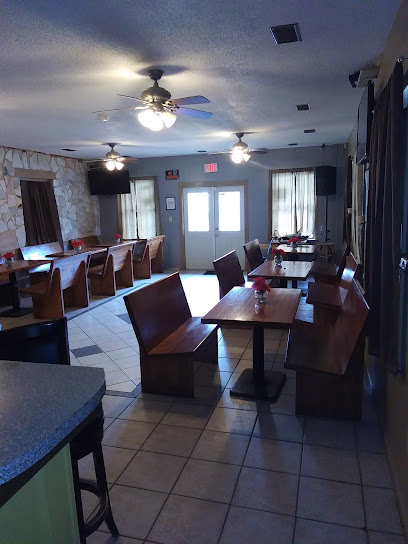
Southern Comfort Lounge
3.0 km
Experience Southern charm at the Southern Comfort Lounge in Selma, Alabama, where live music and delicious cocktails create unforgettable moments.
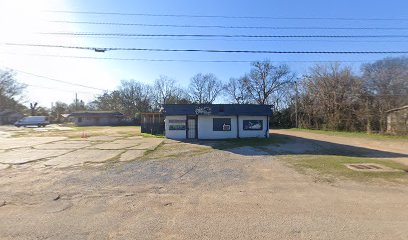
Dallas County Moose Lodge 1737
5.0 km
Discover the warmth and camaraderie of the Dallas County Moose Lodge 1737 in Selma, a perfect spot for drinks and local culture.
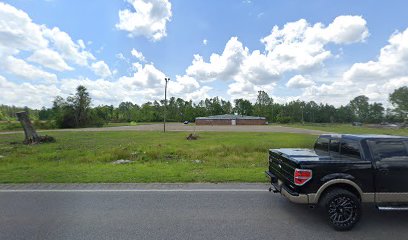
Michael's Pub
5.4 km
Discover the lively nightlife and warm atmosphere of Michael's Pub in Selma, Alabama, where great drinks and good company await you.
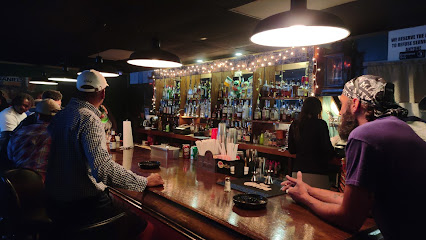
King Bar
16.7 km
Discover the wonders of King Bar, a vibrant reef destination in Alabama offering stunning marine life and a relaxing atmosphere for every tourist.
Mary Taylor Bar
18.9 km
Experience the vibrant atmosphere and delicious seafood at Mary Taylor Bar, a hidden gem in Alabama's coastal beauty.
Mitchell Bar
19.2 km
Explore the vibrant underwater world of Mitchell Bar, a stunning reef in Alabama, where adventure and marine beauty await every visitor.
Rifleman Bar
23.4 km
Experience the heart of Alabama at Rifleman Bar - a cozy retreat for drinks, stories, and local culture.
Upper Sister Bar
23.4 km
Explore the vibrant marine life and stunning coral formations at Upper Sister Bar, a must-visit reef destination in Alabama for nature lovers and adventure seekers.
Middle Sister Bar
27.3 km
Explore the serene beauty of Middle Sister Bar in Alabama, a stunning reef destination perfect for adventure and relaxation.
Providence Bar
28.0 km
Explore the stunning reef landscapes of Providence Bar in Alabama, a serene escape for nature lovers and adventure seekers alike.
Upper Portland Bar
30.1 km
Discover the serene beauty of Upper Portland Bar in Alabama, a perfect retreat for relaxation and local flavor amidst stunning landscapes.


