Stacioni i rrugës Egnatia: A Roman Relic
Discover a fragment of the ancient Roman Via Egnatia in Albania, a vital historical route connecting East and West.
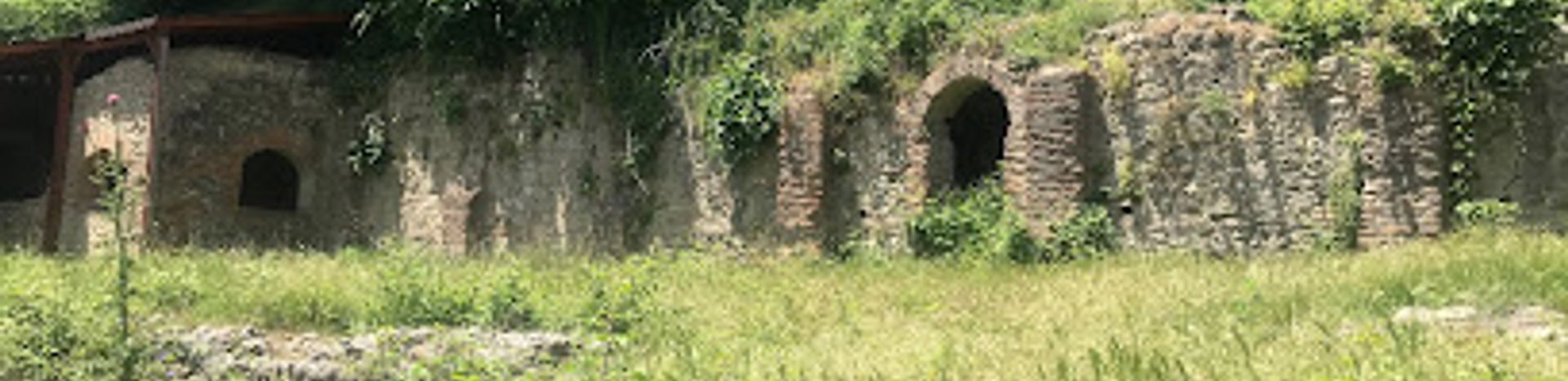
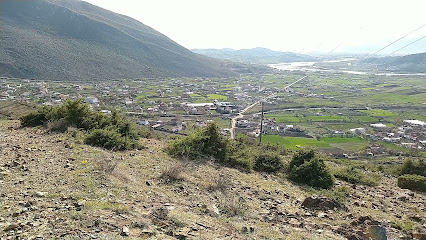
Explore the remnants of the ancient Via Egnatia, a Roman road dating back to the 2nd century BC, in Albania. This historical site offers a glimpse into the past, showcasing the engineering and strategic importance of this once-vital trade and military route.
A brief summary to Stacioni i rrugës Egnatia, shek. II nga Romakët
- SH7, AL
Local tips
- Wear comfortable shoes as you may be walking on uneven terrain.
- Bring water, especially during the warmer months, as there are limited facilities nearby.
- Combine your visit with other historical sites in the area to maximize your experience.

Getting There
-
Driving
The Stacioni i rrugës Egnatia is located off SH7. From Elbasan, follow SH7 in the direction of Rogozhina. The site is located near Bradashesh. Be aware that roads may be poorly marked. Parking is available near the site.
-
Public Transport
Public transport in Albania mainly consists of 'furgons' (minibuses) and buses. From Elbasan, you can find transport in the direction of Bradashesh. These 'furgons' do not follow a fixed schedule and depart when full. Negotiate the price with the driver before departing. A short trip should cost around 100-200 Lek.
-
Taxi
Taxis are available in Elbasan. A taxi from the center of Elbasan to the Stacioni i rrugës Egnatia would cost approximately 4000 Lek. Always agree on the fare before starting your journey.
Discover more about Stacioni i rrugës Egnatia, shek. II nga Romakët
Iconic landmarks you can’t miss

IEVP Elbasan; Burgu Elbasan
0.3 km
Discover the historical depths of IEVP Elbasan, a former prison in Bradashesh, Albania, and explore the rich narratives of its past.

Kombinati Metalurgjik
0.9 km
Explore the rich industrial history and unique architecture of Kombinati Metalurgjik in Bradashesh, Albania, and uncover the stories behind its metallurgy heritage.
Besjani-Alb shpk, Elbasan
3.2 km
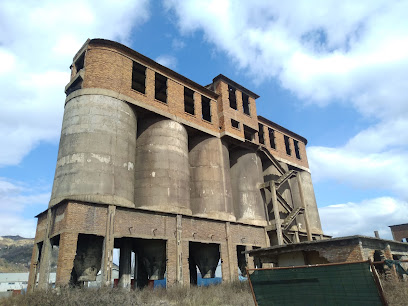
Discover the craftsmanship of Albanian building materials at Besjani-Alb shpk in Elbasan, a must-visit for architecture enthusiasts.
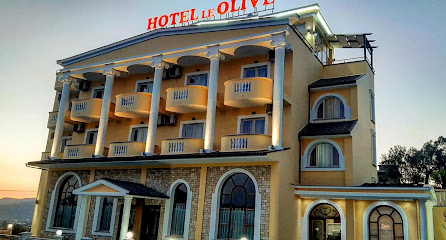
Hotel Le Olive
5.2 km
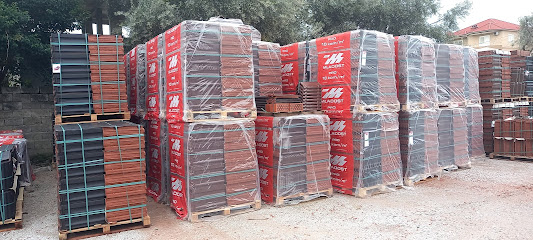
Experience comfort and convenience at Hotel Le Olive, your ideal starting point for exploring the historical city of Elbasan, Albania.
Hotel Imperial
5.3 km
Experience comfort and convenience at Hotel Imperial, your gateway to exploring the historic city of Elbasan, Albania.
Regional and International Bus Terminal Elbasan
5.7 km
Elbasan's main transportation hub, connecting you to Albania and beyond with local and international bus routes.
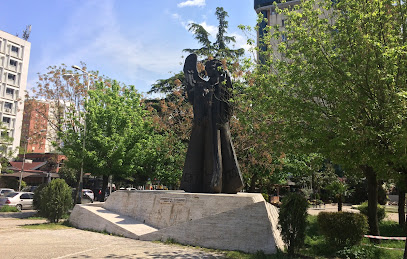
Statue “Arsimtarëve Elbasanas” Bashkia Elbasan 2009
5.7 km
A tribute to Elbasan's educators, the Statue “Arsimtarëve Elbasanas” stands as a symbol of the city's commitment to education and cultural enrichment.
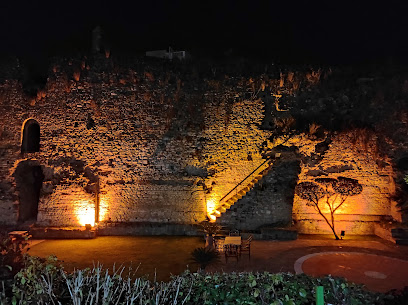
Real Scampis
5.8 km
Dine and unwind amidst history at Real Scampis in Elbasan Castle, Albania. Experience traditional cuisine in a unique historical setting.
Bashkia Elbasan
5.8 km
Explore the architectural beauty and cultural significance of Bashkia Elbasan, the heart of local governance in Albania's historic city.
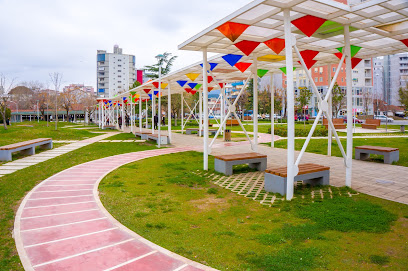
Kalaja e Elbasanit
5.8 km
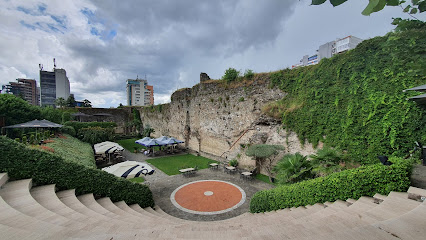
Discover Elbasan Castle: A historic fortress blending Roman, Byzantine, and Ottoman heritage in the heart of Albania. Explore its walls and cultural monuments.
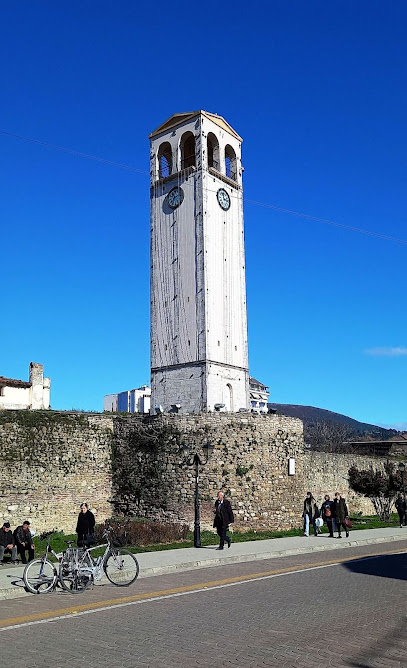
Clock Tower of Elbasan
6.0 km
Discover the historical charm of Elbasan at the iconic Clock Tower, a symbol of the city's rich heritage and Ottoman influence.
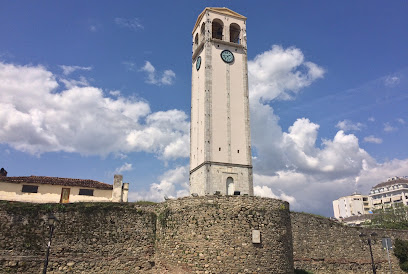
Sahati Elbasan
6.0 km
Explore the silent history of Elbasan at the Sahati Clock Tower, a landmark echoing Albania's Ottoman past in the heart of the city.
Hammam of Castle
6.1 km
Explore the Hammam of Castle, a historic Ottoman bathhouse in Elbasan, Albania, where history and culture converge in stunning architecture.
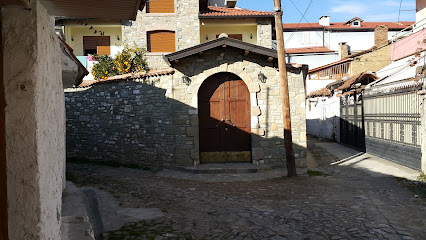
Vila Imperial
6.1 km
Experience comfort and convenience at Vila Imperial, your gateway to exploring the historical city of Elbasan, Albania.
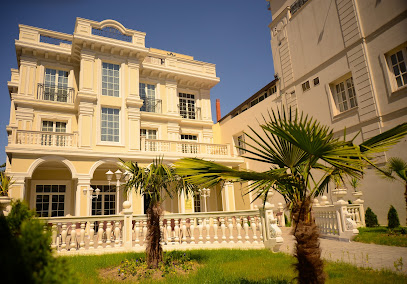
PLATFORMA E NJOHURIVE PËR ANGAZHIMIN QYTETAR - LEVIZALBANIA
6.3 km
Explore civic engagement at Platforma e Njohrive për Angazhimin Qytetar, a hub for community initiatives and social responsibility in Albania.
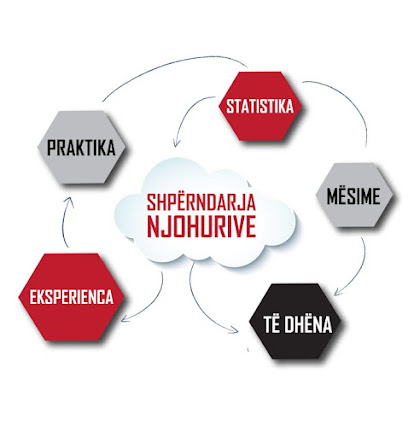
Unmissable attractions to see

Altes Fabrikgelände
0.7 km
Explore Elbasan's Altes Fabrikgelände: A vibrant cultural hub where industrial history meets contemporary art and creativity in Albania.
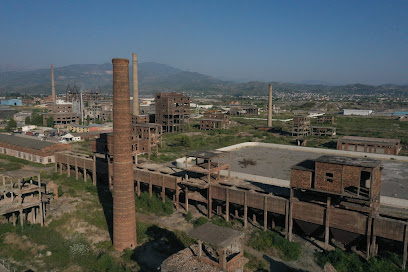
Bledi Plakalliu
2.3 km
Explore the haunted mysteries of Bledi Plakalliu in Elbasan, Albania, where ghostly tales and eerie experiences await adventurous travelers.
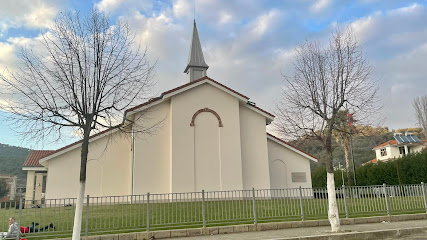
The Church of Jesus Christ of Latter-day Saints
4.6 km
Discover the Church of Jesus Christ of Latter-day Saints in Elbasan: A serene spiritual haven reflecting rich Albanian culture and community.
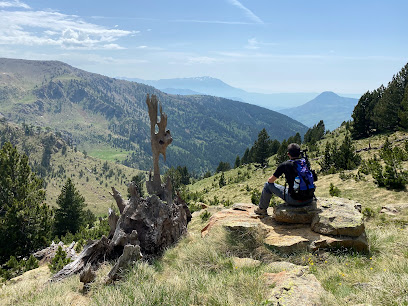
Alpinism Club Albania
5.5 km
Explore the breathtaking trails of Alpinism Club Albania in Elbasan, where adventure meets nature in an unforgettable hiking experience.
Plane Tree of Bezistan
5.9 km
Discover the ancient Plane Tree of Bezistan in Elbasan, a natural monument offering shade, history, and a vibrant glimpse into Albanian culture.
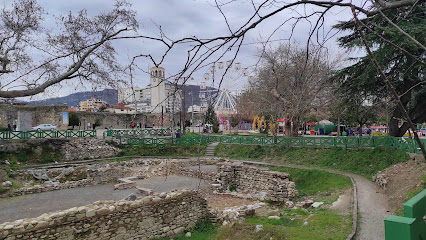
Basilica of Bezistan
5.9 km
Explore the Basilica of Bezistan, a stunning historical landmark in Elbasan, Albania, brimming with rich cultural heritage and architectural beauty.
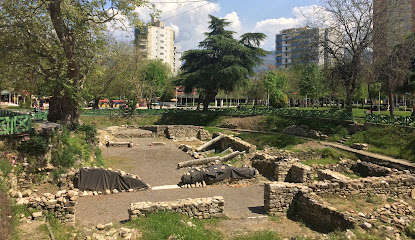
King Mosque, Elbasan
5.9 km
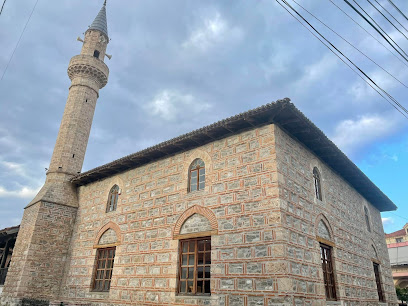
Explore the King Mosque in Elbasan, a magnificent testament to Ottoman architecture and a serene retreat for cultural enthusiasts in Albania.
Elbasan Castle
5.9 km
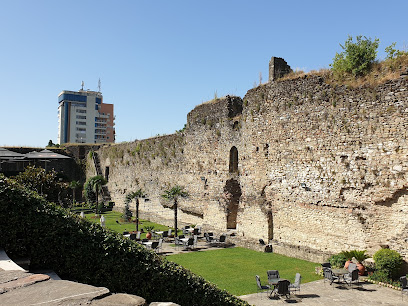
Explore the captivating Elbasan Castle, a historic fortress in Albania, where stunning architecture meets breathtaking landscapes.
Sheshi Gensher, Elbasan.
5.9 km
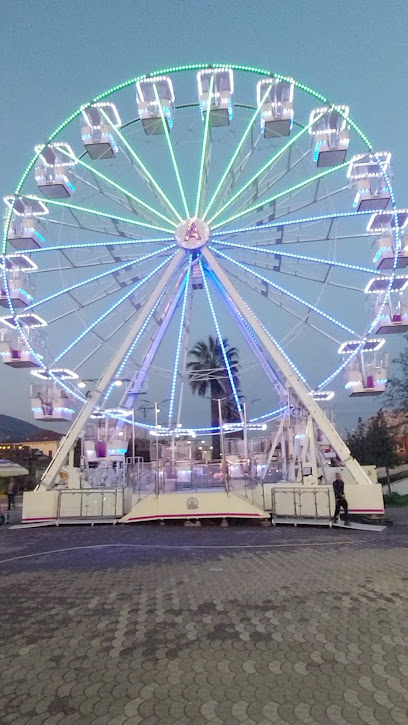
Discover the charm and vibrant life of Sheshi Gensher, the cultural heart of Elbasan, Albania, where history, hospitality, and local flavor converge.
KIsha Fjetja e Shën Marisë
5.9 km
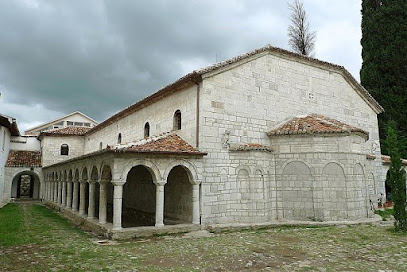
Explore the enchanting Kisha Fjetja e Shën Marisë in Elbasan, Albania – a serene Eastern Orthodox Church filled with history and artistic beauty.
Ethnographic Museum of Elbasan
6.0 km
Discover Albania's rich cultural heritage at the Ethnographic Museum of Elbasan, showcasing traditional life through fascinating artifacts and exhibits.
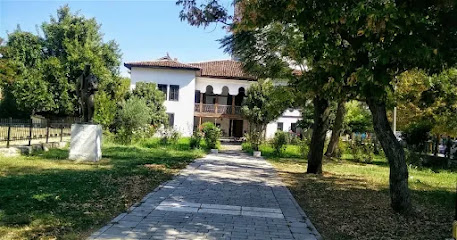
Krasta
6.2 km
Escape to Krasta in Elbasan: A revitalized park offering scenic views, fresh air, and a tranquil retreat in nature's embrace.
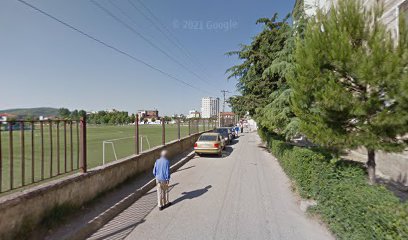
Elbasan Arena
6.8 km
Discover Elbasan Arena, a vibrant stadium in Albania that hosts thrilling sports events and concerts, capturing the heart of local culture.
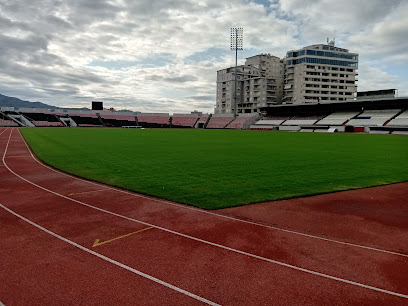
Qafë Krrabë
11.3 km
Discover Qafë Krrabë: A hidden Albanian gem offering stunning views, hiking trails, and a peaceful escape into nature's beauty.
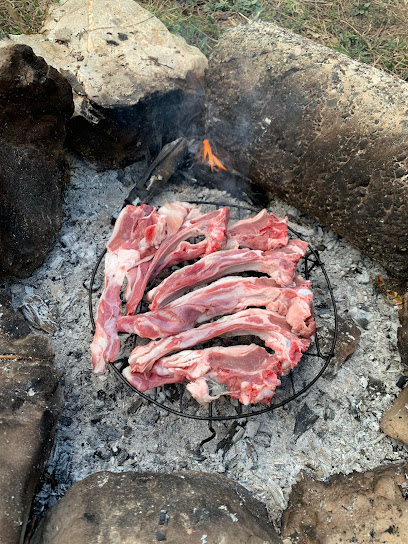
Shushica View
11.3 km
Discover the serene beauty of Shushica View, a stunning viewpoint in Elbasan, Albania, perfect for nature lovers and photographers.
Essential places to dine

Cezma Kasines (Bar Restorant Meti)
1.4 km
Experience authentic Albanian cuisine at Cezma Kasines in Bradashesh – where every dish tells a story.
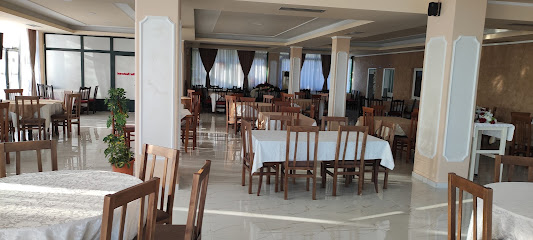
Bar-Restaurant "DERVISHAJ"
1.5 km
Experience authentic Albanian flavors at Bar-Restaurant Dervishaj in Elbasan - where tradition meets taste.
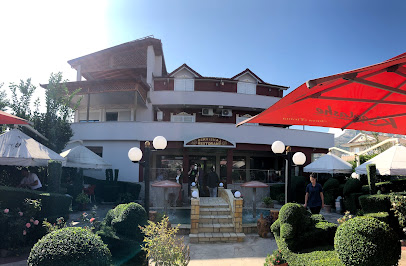
Korel Garden
2.6 km
Discover the flavors of Albania at Korel Garden, where culinary excellence meets warm hospitality in Elbasan's picturesque setting.
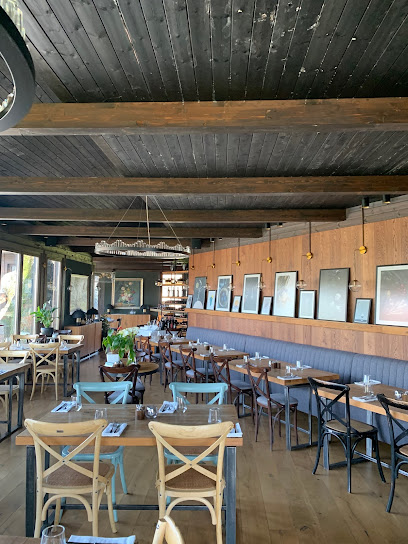
Hotel Bar Restaurant Pizzeria Genuine
4.6 km
Discover authentic Albanian flavors at Hotel Bar Restaurant Pizzeria Genuine in Kuqan—where tradition meets taste.
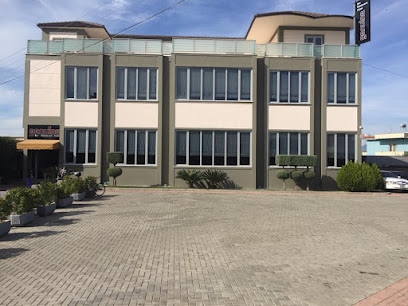
Restorant Vila Benvenuto
4.6 km
Discover exquisite seafood and traditional Albanian cuisine at Restorant Vila Benvenuto in Elbasan.
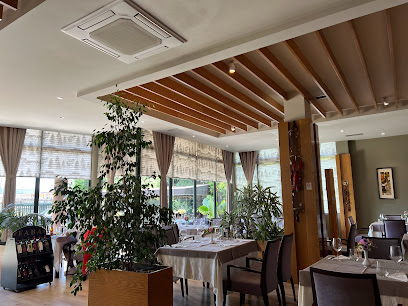
BAR RESTORANT VASO
4.8 km
Experience authentic Albanian cuisine at Bar Restaurant Vaso in Kuqan - a culinary gem with warm hospitality and delicious flavors.
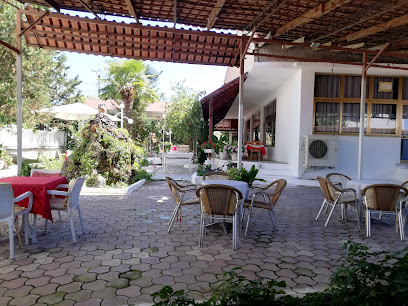
Shtëpia e drunjtë
5.3 km
Experience authentic Albanian cuisine at Shtëpia e drunjtë in Elbasan – where tradition meets taste in every bite.
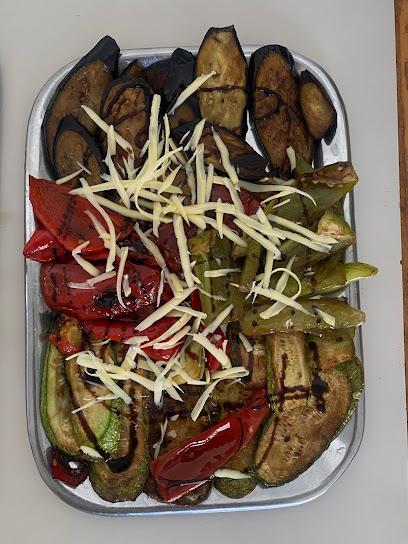
Piceri Dibra
5.4 km
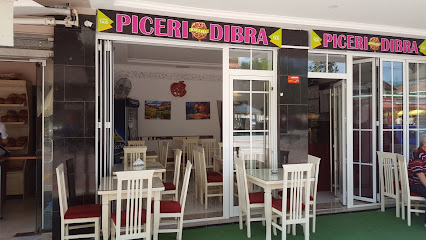
Discover authentic Albanian cuisine at Piceri Dibra in Elbasan - where tradition meets flavor in every dish.
Restorant DeviselD
5.4 km
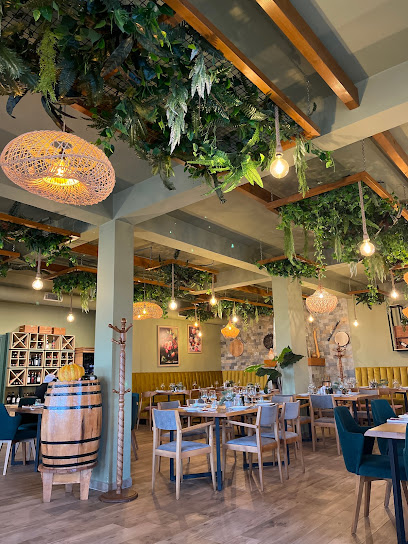
Experience authentic Albanian cuisine at Restorant DeviselD in Elbasan - where tradition meets flavor.
Bar Restorant Binjaku
5.5 km
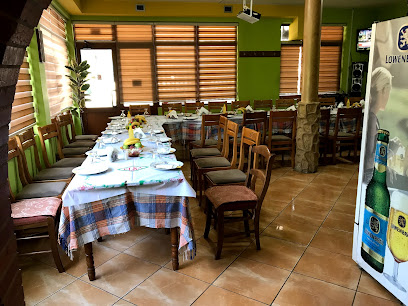
Experience authentic Albanian flavors at Bar Restorant Binjaku in Elbasan – where tradition meets taste.
Presto Pasta Elbasan
5.6 km
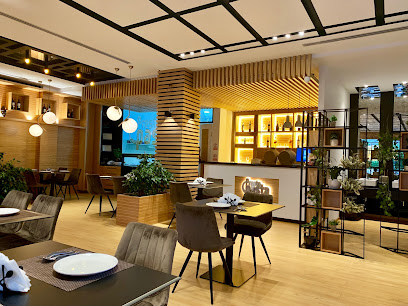
Discover the art of pasta making at Presto Pasta Elbasan – where every dish is crafted to perfection in the heart of Albania.
Restaurant Kondor 2
5.8 km
Experience authentic Albanian cuisine at Restaurant Kondor 2 in Elbasan - a delightful blend of tradition and flavor awaits you.
Restaurant Kondor 1
5.8 km
Experience authentic Albanian cuisine at Restaurant Kondor 1 in Elbasan – where tradition meets taste in a cozy setting.
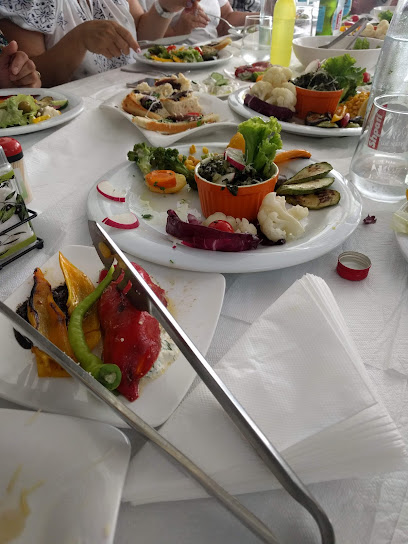
Restaurant Taverna Kala
5.9 km
Discover the authentic flavors of Albania at Restaurant Taverna Kala in Elbasan - where tradition meets taste in every dish.
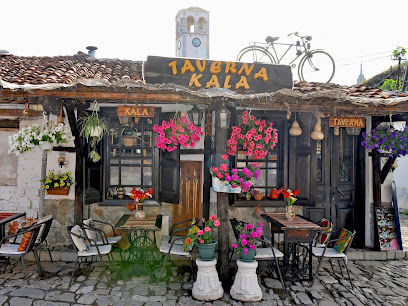
Basilico Pizzeria
6.1 km
Experience authentic Italian flavors at Basilico Pizzeria in Elbasan – where every pizza tells a story.
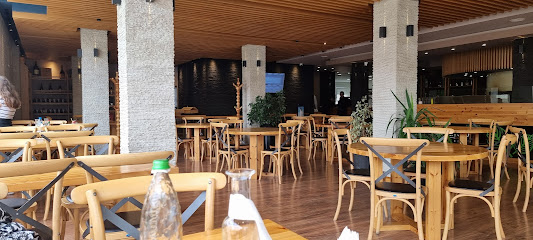
Markets, malls and hidden boutiques

Market Luli
3.4 km
Explore Market Luli in Elbasan for an authentic taste of Albanian culture and a bountiful selection of local and international groceries.
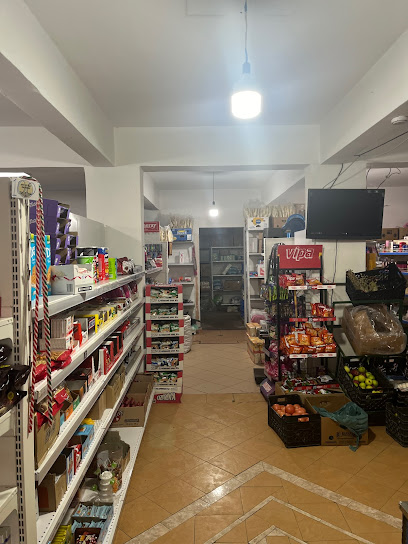
Kinkaleri Ke Luli
5.0 km
Explore Kinkaleri Ke Luli, Elbasan's top clothing store, offering unique fashion pieces that blend traditional Albanian craftsmanship with modern trends.
Usa Tags
5.1 km
Explore the trendy Usa Tags clothing store in Elbasan for unique fashion finds, stylish handbags, and chic shoes to elevate your wardrobe.

Konfeksione Türkiye clothes wholesale shumice towel shop rroba peshqir corape
5.1 km
Discover unique fashion and quality clothing at Konfeksione Türkiye, a premier clothing store in Elbasan, Albania, perfect for tourists and locals alike.
sindicollection_butik
5.4 km
Discover trendy shopping and vibrant dining at Sindicollection Butik, the ultimate retail experience in Elbasan, Albania.
Newborn
5.6 km
Explore Newborn in Elbasan: Your destination for authentic Albanian gifts and unique souvenirs that reflect the rich culture and artistry of Albania.
1223
5.7 km
Explore authentic Albanian products at Gjergjan's charming local store, a must-visit for tourists seeking cultural treasures.
Albania Dunavati i2
5.7 km
Explore the vibrant culture of Albania at Dunavati i2, a smart shop in Elbasan offering unique local products and a warm atmosphere.
Ideale.onlineweb.shop
5.7 km
Explore the best baby products at Ideale.onlineweb.shop in Elbasan—your family-friendly shopping destination in Albania.
Ebay.el
5.7 km
Explore the trendy clothing store Ebay.el in Elbasan, Albania, offering a diverse range of stylish fashion pieces for every occasion.
Gift Shop Iliri
5.8 km
Explore Gift Shop Iliri in Elbasan for unique souvenirs and local crafts that capture the essence of Albania's rich culture.
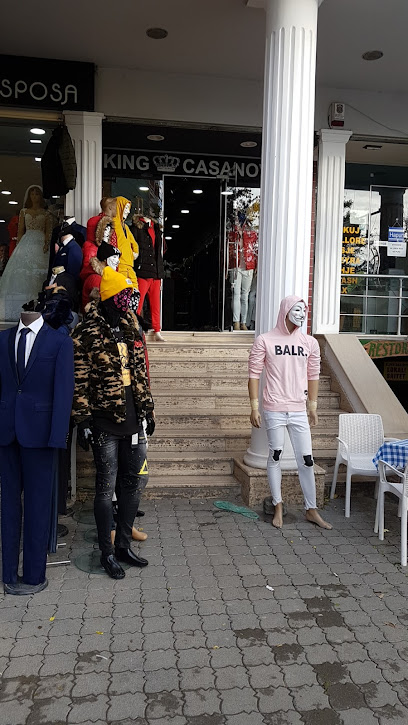
Casanova store
5.8 km
Discover the best of Albanian fashion at Casanova Store in Elbasan, where style meets quality in every garment.
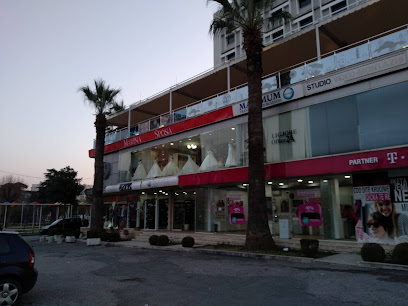
Elbasani Store
5.8 km
Explore Elbasani Store in Elbasan, a vibrant shopping mall offering diverse stores and delicious dining options for every traveler.
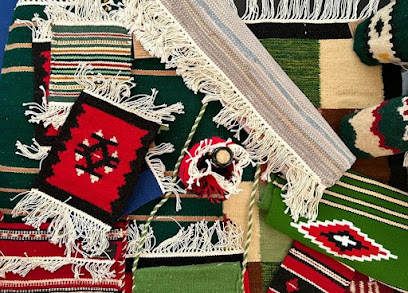
Tradita ime Artizanale / My Craft Tradition
5.8 km
Explore the vibrant handicrafts of Albania at Tradita ime Artizanale, a unique gift shop in Elbasan offering authentic local artistry.
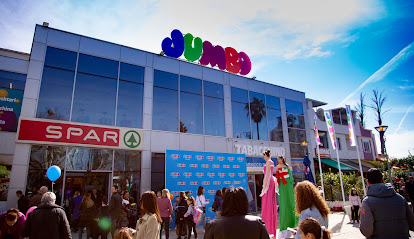
Jumbo Elbasan
5.9 km
Explore Jumbo Elbasan: A vibrant department store offering a wide range of products, perfect for tourists seeking local treasures and shopping delights.
Essential bars & hidden hideouts

Mu-Ka-Tek Restorant Bar
4.7 km
Experience the best of Albanian cuisine at Mu-Ka-Tek Restorant Bar in Elbasan, where flavor meets family-friendly hospitality.
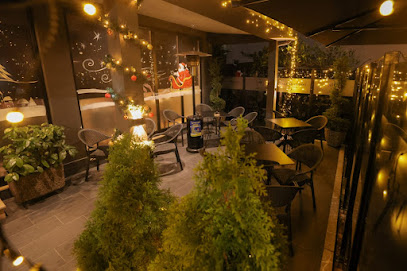
Bar Restorant Murati
5.3 km
Experience the true flavors of Albanian cuisine at Bar Restorant Murati, a delightful dining destination in Elbasan.
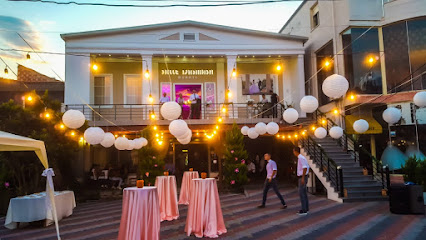
Bar Alsion
5.5 km
Experience the charm of Bar Alsion in Elbasan, where delicious coffee meets warm Albanian hospitality in a cozy atmosphere.
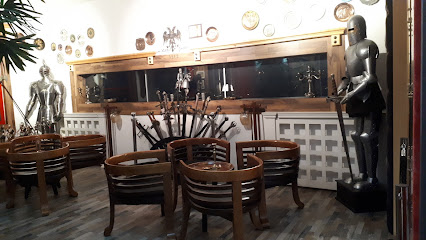
Bar Friends
5.5 km
Experience the local charm and hospitality at Bar Friends, a cozy bar in Elbasan offering a delightful array of drinks and a friendly atmosphere.
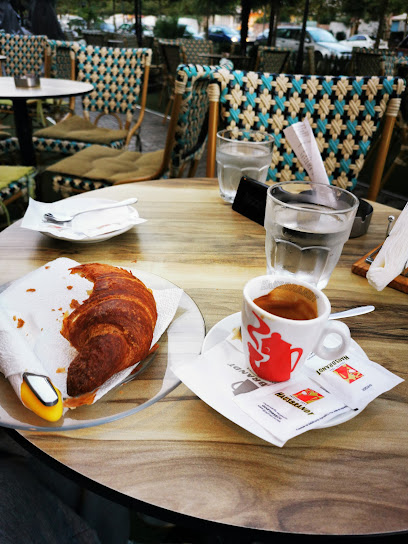
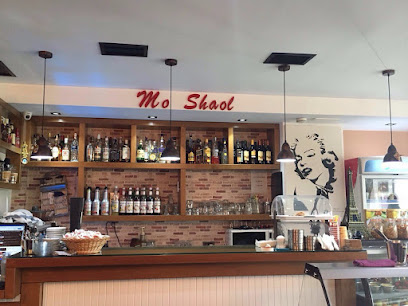
Mo shaol
5.5 km
Discover the lively atmosphere of Mo Shaol, a premier bar in Elbasan, Albania, where locals and visitors come together to enjoy refreshing drinks and great company.
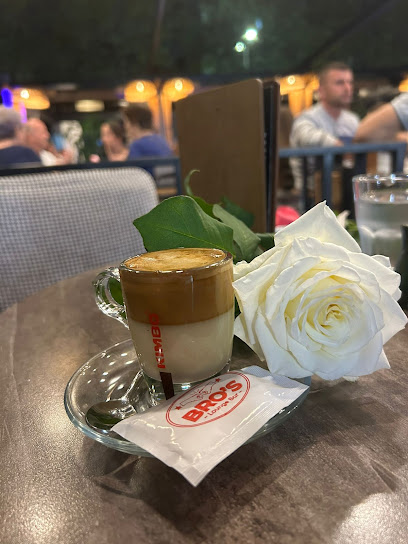
Bro's Lounge Bar
5.6 km
Discover the best of Albanian hospitality at Bro's Lounge Bar, Elbasan's hidden gem for relaxation and local flavors.
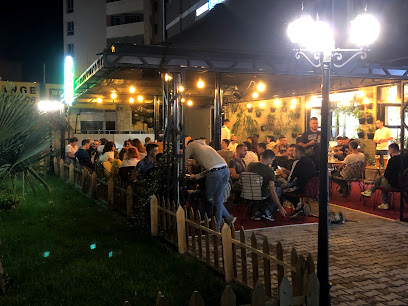
Hi Elbasan
5.6 km
Discover the lively ambiance and exceptional coffee at Hi Elbasan, the perfect bar for tourists in the heart of Albania.
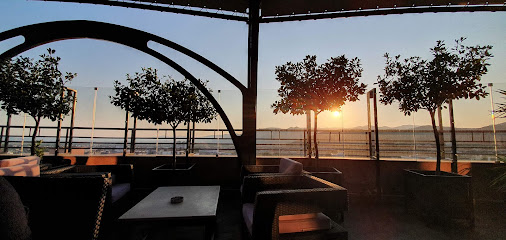
Rosvelt
5.6 km
Explore Rosvelt in Elbasan for a vibrant cocktail experience, where mixology meets ambiance in a lively setting.
Bar Kafe Durri
5.7 km
Experience the authentic taste of Albania at Bar Kafe Durri, a delightful grill in Gjonme offering a warm atmosphere and delicious grilled dishes.
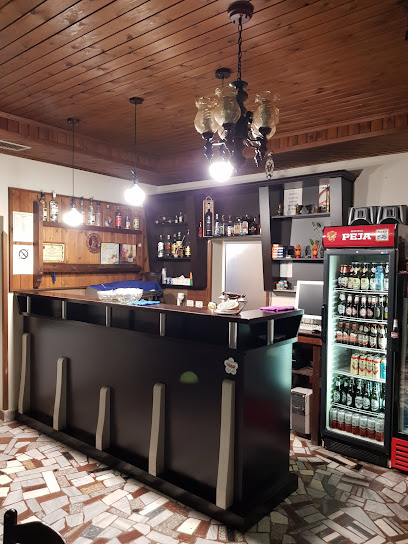
Cataleya Shisha Bar
5.7 km
Discover the vibrant atmosphere of Cataleya Shisha Bar in Cërrik, Albania, offering a unique shisha experience and a cozy ambiance for relaxation.
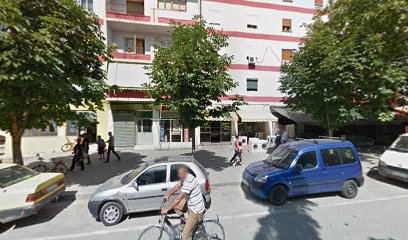
Bar Prima Classe
5.8 km
Experience the vibrant nightlife of Elbasan at Bar Prima Classe, where delicious drinks and a welcoming atmosphere await.
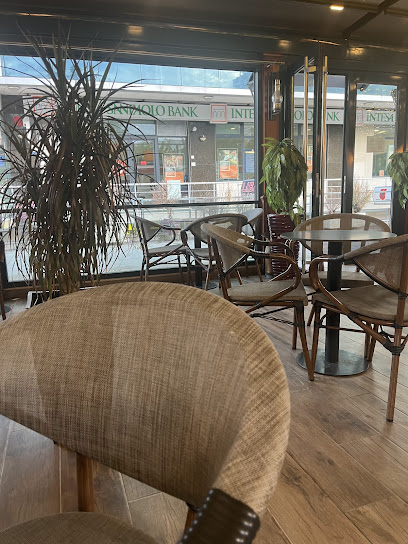
Happy Hour
5.9 km
Experience the vibrant nightlife of Elbasan at Happy Hour, where great drinks and a lively atmosphere await.
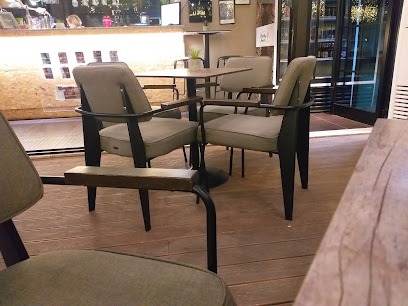
Bar KLAJDI
5.9 km
Discover the charm of Gjonme at Bar KLAJDI, where authentic Albanian hospitality meets breathtaking canal views.
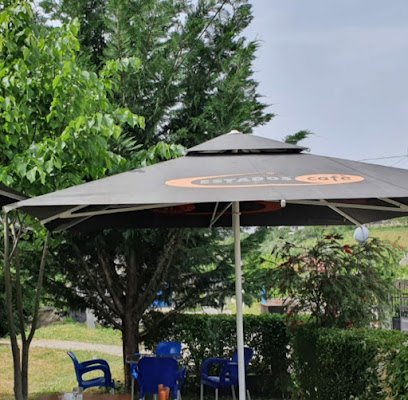
Piazza Bar
6.0 km
Discover the vibrant ambiance of Piazza Bar in Elbasan, where local flavors and warm hospitality create a perfect retreat for tourists.
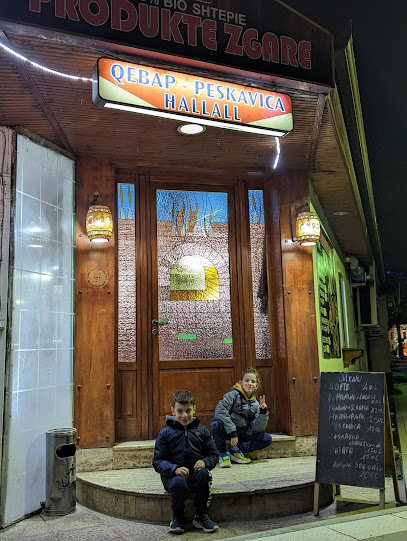
Bar Amigos
6.1 km
Explore the flavors of Albania at Bar Amigos, a cozy café in Elbasan offering delightful treats and a welcoming atmosphere.