

Free Kurbin Travel Guide & Mobile App
Explore Kurbin with free travel guides. Discover regional history, expert tips, proposed trips, and audio guides on web or mobile app.


Explore Kurbin in Albania for Saint Anthony’s pilgrimage hill, Adriatic wetlands, rural landscapes and historic routes linking Laç, Milot and Mamurras.
Read more about Kurbin
When is the best time to visit Kurbin?
Best: May–June, September · 23–28°C| Month | High (°C) | Rainfall (mm) |
|---|---|---|
| January | 10 | 101 |
| February | 12 | 91 |
| March | 15 | 81 |
| April | 19 | 71 |
| May (best) | 23 | 61 |
| June (best) | 28 | 51 |
| July | 30 | 41 |
| August | 30 | 41 |
| September (best) | 26 | 51 |
| October | 19 | 61 |
| November | 14 | 71 |
| December | 11 | 91 |
Getting to and around Kurbin
How to get there
Transportation
Top city travel guides in Kurbin
The cities of Kurbin, and the easiest places to base yourself.
-
-


Swipe for more cities
Best attractions in Kurbin
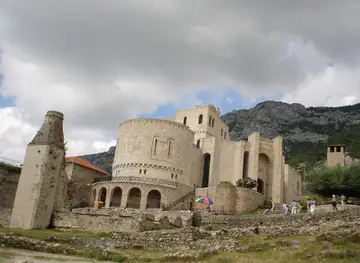
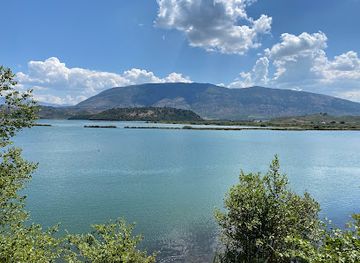
Kurbin’s attractions are spread across several contrasting environments rather than concentrated in one historic centre. Above Laç, the Sanctuary of Saint Anthony is the municipality’s principal cultural and pilgrimage destination, combining a religious complex with a hilltop setting and views across the lowlands. In the west, Patok Lagoon provides a very different experience: shallow waters, marshes, reed beds and coastal channels support birdlife and small-scale fishing, while nearby restaurants focus on seafood. Milot and the lower Mat area offer river scenery and a sense of the routes that have connected central and northern Albania for centuries. Rural roads lead through agricultural landscapes and scattered settlements, where the interest lies in everyday life, landscape and local heritage rather than formal visitor infrastructure. Kurbin is also convenient for travellers interested in observing the transition from the industrial townscape of Laç to the quieter countryside and Adriatic wetlands. Outdoor visits are most rewarding in stable weather, and the lagoon should be approached as a natural environment with limited interpretation, signage and public facilities.
-
Museum
Bunk'Art 2
Explore Bunk'Art 2 in Tirana, a Cold War museum that reveals Albania's rich history through immersive exhibits and authentic artifacts.
-
Restaurant
Kazerma e Cerenit
Experience Albanian history and cuisine in a unique agro-tourism setting. A former army barracks transformed into a sustainable dining destination.
-
Historical landmark
Pyramid of Tirana
Explore Tirana's iconic Pyramid: From communist monument to modern tech hub, a symbol of Albania's transformation and innovation.
-
Museum
BUNK'ART
Explore Albania's hidden history in a massive underground bunker, transformed into a unique museum and art space.


Best landmarks in Kurbin
The Sanctuary of Saint Anthony above Laç is Kurbin’s most recognisable landmark. Known locally as Shna Ndou, it occupies a wooded and rocky hill reached by a rising road and stairways, and its religious importance draws pilgrims from across Albania. The complex is also a prominent visual marker above the modern town and the plain beyond it. The lower Mat corridor around Milot is significant as a geographic landmark, where river, road and bridge routes converge between central and northern Albania. Patok Lagoon provides Kurbin’s principal natural landmark: its changing pattern of open water, marsh, reeds and coastal channels marks the transition from farmland to the Adriatic shore. Unlike a monumental building, the lagoon is defined by landscape and working fishing culture. Together these places express Kurbin’s identity more clearly than any single urban square: a pilgrimage hill above an industrial-era town, a strategic inland junction and a low-lying coastal wetland shaped by water, agriculture and the sea.
-
National park
Butrint National Archaeological Park
Discover Butrint National Park: Where ancient ruins meet stunning nature in Albania's most captivating archaeological site.
-
Nature preserve
The Blue Eye
Discover the enchanting Blue Eye of Albania: a natural spring with mesmerizing beauty, shrouded in mystery and local legend. A must-see destination!
-
Tourist attraction
Skanderbeg Square
Discover Skanderbeg Square in Tirana: a vibrant hub of history, culture, and modern Albanian life, surrounded by iconic landmarks and attractions.
-
Castle
Castle of Gjirokastra
Explore Gjirokastra Castle, a Balkan fortress showcasing Albania's layered history, from medieval origins to Cold War relics.


Explore Kurbin on the map
Plan your trip on one map. See where the top cities, national parks and sights are, and book hotels and experiences in a few clicks.
Best hotels in Kurbin
Best restaurants in Kurbin
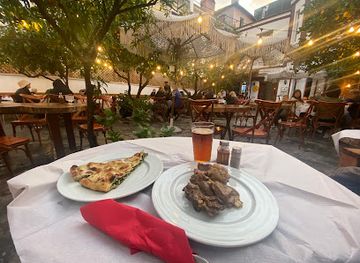
Kurbin’s food culture is shaped by the agricultural plain, the lower Mat region and the Adriatic coast. Around Patok Lagoon, seafood is the defining choice, with menus commonly reflecting locally available fish, shellfish and other products from the coastal waters and lagoon environment; ask what is fresh rather than expecting every dish throughout the year. In Laç, Mamurras and Milot, ordinary restaurants, cafés and grills serve familiar Albanian cooking, including seasonal vegetables, salads, grilled meats, pastries and bread-based dishes. Rural meals may include produce from nearby farms, while coffee remains central to daily social life. The region is not primarily a destination for formal fine dining, though larger roadside establishments can provide substantial meals for travellers. Local produce and simple preparations generally suit Kurbin’s character better than heavily standardised tourist menus. Visitors with dietary restrictions should explain them clearly, as recipes and available ingredients can vary between family-run establishments.
-
Traditional restaurant
Oda - Traditional Albanian Restaurant
Discover authentic Albanian flavors at Oda - Traditional Restaurant in Tirana, where tradition meets taste.
-
Restaurant
Restorant Tymi
Discover authentic Greek and Mediterranean cuisine at Restorant Tymi in Tirana—where flavor meets tradition in every dish.
-
Italian
Artigiano
Discover Artigiano in Tirana: where Italian flavors meet Mediterranean delights in a cozy setting perfect for every traveler.
-
Restaurant
Mullixhiu
Savor traditional Albanian flavors at Mullixhiu, where local ingredients meet time-honored recipes in a charming lakeside setting.


Best bars in Kurbin
Evening life in Kurbin is generally modest and local rather than centred on a large nightclub district. Laç, Mamurras and Milot have cafés, bars and restaurants where residents meet for coffee, conversation and drinks, while roadside venues serve travellers moving along the main corridor. Around Patok, dining is more important than late-night entertainment, and coastal activity can be seasonal rather than continuous throughout the year. Traditional cafés and informal bars provide the clearest window into everyday social life, while larger towns may have occasional venues with music. Opening arrangements and the atmosphere can change with the season, so accommodation staff are the most reliable source for current local options. Visitors should not expect resort-style nightlife, particularly outside summer weekends, and should arrange transport in advance if staying in a rural area after dark.
-
Restaurant
Havana Bar Restaurant
Discover the flavors of Italy and Albania at Havana Bar Restaurant, a coastal gem in Lezhë offering exquisite dining and a cozy guest house experience.
-
Bar
Bar Serrani 2
Experience the vibrant nightlife of Lezhë at Bar Serrani 2, where stunning views and refreshing drinks await you in a lively atmosphere.
-
Bar
Island Lounge Bar
Experience the perfect blend of relaxation and vibrant nightlife at Island Lounge Bar in Albania's Lezhë District.
-
Restaurant
Bar Restorant Lulaj Sokol
Savor authentic Albanian cuisine at Bar Restorant Lulaj Sokol, where local flavors meet stunning landscapes in a warm and inviting setting.


Best nightclubs in Kurbin
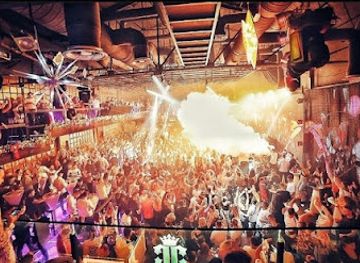
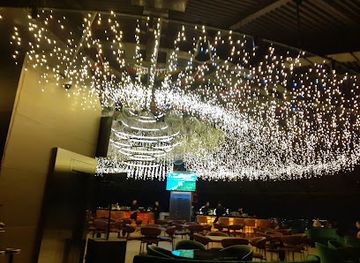
Evening life in Kurbin is generally modest and local rather than centred on a large nightclub district. Laç, Mamurras and Milot have cafés, bars and restaurants where residents meet for coffee, conversation and drinks, while roadside venues serve travellers moving along the main corridor. Around Patok, dining is more important than late-night entertainment, and coastal activity can be seasonal rather than continuous throughout the year. Traditional cafés and informal bars provide the clearest window into everyday social life, while larger towns may have occasional venues with music. Opening arrangements and the atmosphere can change with the season, so accommodation staff are the most reliable source for current local options. Visitors should not expect resort-style nightlife, particularly outside summer weekends, and should arrange transport in advance if staying in a rural area after dark.
-
Night club
Living Room Antik
Discover Tirana's nightlife at Living Room Antik, the ultimate destination for music, drinks, and unforgettable memories in Albania.
-
Night club
Cinco Cavalli Premium Club
Discover the electrifying nightlife of Albania at Cinco Cavalli Premium Club, where vibrant music and an unforgettable atmosphere await you.
-
Night club
Sky Club
Discover the electrifying nightlife of Tirana at Sky Club, a premier night club offering stunning views, great music, and unforgettable experiences.
-
Adult entertainment club
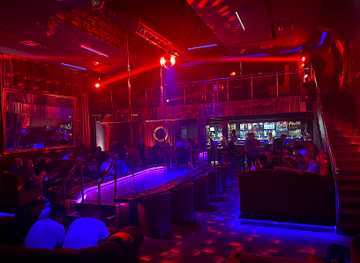
Lust Night Club ( Strip )
Dive into Tirana's nightlife at Lust Night Club, where electric performances and a vibrant atmosphere await you in the heart of Albania.

Best shops in Kurbin
Shopping in Kurbin is practical and locally oriented, with everyday high-street businesses, small food shops, cafés and market-style traders concentrated in Laç, Mamurras and Milot. The most useful purchases are Albanian food products and provisions rather than specialist souvenirs: seasonal fruit and vegetables, honey, preserves, bread, dairy products and packaged regional goods may be available from shops or informal sellers, depending on the day. The Patok area is more associated with seafood dining than with a permanent craft market, so visitors should not expect a large retail scene beside the lagoon. Small local businesses offer a more representative experience than commercial shopping centres, while larger roadside shops are convenient for travellers continuing north or south. Carry cash for open-air stalls and smaller vendors, and check quantities and prices before buying loose produce. For a broader selection of Albanian crafts, antiques and regional specialities, visitors usually need to continue to larger urban centres outside Kurbin.
-
Shopping mall
Toptani
Explore Toptani Mall in Tirana for a perfect blend of shopping, dining, and cultural experiences in Albania's vibrant capital.
-
Shopping mall
QTU - Qendra Tregtare Univers
Explore QTU in Tirana - a vibrant shopping mall featuring diverse shops, delicious dining, and entertainment options for all ages.
-
Shopping mall
Tirana Ring Center
Explore Tirana Ring Center – a vibrant shopping mall with diverse retail, dining, and entertainment options in the heart of Albania's capital.
-
Shopping mall
Kristal Center
Explore the vibrant Kristal Center in Tirana, a shopping paradise with diverse stores, delicious dining, and exciting entertainment options.


Get your free copy of our complete guide to Kurbin, delivered straight to you.
Everything on this page, from attractions and restaurants to essentials and local phrases, in one PDF you can read offline, print or share.
Already have an account? Sign in
Your Kurbin guide is ready.
We'll send it to · Not you? Sign out

Getting your guide ready…
We are putting together a fresh copy of the Kurbin guide. This can take up to a minute.
This can take a few moments. If your browser asks, choose Allow so the download can start. You'll find the guide in your Downloads folder.
Nothing happened? Download it again
Sorry, the guide is taking longer than usual. Please try again in a minute, or get it by email instead.
Kurbin essentials
Currency and Payment
Safety
Emergency Situations
Do's and Don'ts
Local Tips
From Eve
Local phrases worth knowing
You don't need to get them perfect. A few words go a long way, and locals appreciate the effort.
Basics
| English | Local | Say it |
|---|---|---|
| Hello | Përshëndetje | [Per-shen-deh-tyeh] |
| Goodbye | Mirupafshim | [Mee-roo-paf-sheem] |
| Yes | Po | [Poh] |
| No | Jo | [Yoh] |
| Please/You're welcome | Të lutem | [Teh loo-tem] |
| Thank you | Faleminderit | [Fah-leh-min-deh-reet] |
| Excuse me/Sorry | Më falni | [Meh fal-nee] |
| How are you? | Si jeni? | [See yeh-nee] |
| Fine. And you? | Mirë. Edhe ti? | [Meer. Ed-heh tee?] |
| Do you speak English? | A flisni anglisht? | [Ah flees-nee ahng-leesht?] |
| I don't understand | Nuk kuptoj | [Nook koop-toy] |
Eating & Drinking
| English | Local | Say it |
|---|---|---|
| I'd like to see the menu, please | Do doja të shihja menunë, të lutem | [Doh doh-yah teh shee-hyah meh-noon-eh, teh loo-tem] |
| I don't eat meat | Nuk ha mish | [Nook hah meesh] |
| Cheers! | Gëzuar! | [Geh-zoo-ar!] |
| I would like to pay, please | Do doja të paguaj, të lutem | [Doh doh-yah teh pah-goo-eye, teh loo-tem] |
Emergencies
| English | Local | Say it |
|---|---|---|
| Help! | Ndihmë! | [N-dee-muh!] |
| Go away! | Shkoni! | [Sh-koh-nee!] |
| Call the Police! | Thirrni Policinë! | [Theer-nee Poh-lee-cheen-eh!] |
| Call a doctor! | Thirrni një doktor! | [Theer-nee nyuh dok-tor!] |
| I'm lost | Jam i humbur | [Yahm ee hoom-boor] |
| I'm ill | Jam i sëmurë | [Yahm ee suh-moor-eh] |
Shopping
| English | Local | Say it |
|---|---|---|
| I'd like to buy... | Do doja të blija... | [Doh doh-yah teh blee-yah...] |
| I'm just looking | Po shoh vetëm | [Poh shoh veh-tem] |
| How much is it? | Sa kushton? | [Sah koosh-ton?] |
| That's too expensive | Kjo është shumë e shtrenjtë | [Kyo esht shoom eh shtrenjt] |
| Can you lower the price? | A mund të ulni çmimin? | [Ah moond teh ool-nee chmee-meen?] |
Time & Numbers
| English | Local | Say it |
|---|---|---|
| What time is it? | Sa është ora? | [Sah esht or-ah?] |
| It's one o'clock | Është një orë | [Eh-sht nyuh or-eh] |
| Half past (10) | Gjysmë pas (10) | [Jee-s-muh pahs (deh)] |
| Morning | Mëngjes | [Muhn-jes] |
| Afternoon | Pasdite | [Pahs-dee-teh] |
| Evening | Mbrëmje | [Mbrehm-yeh] |
| Yesterday | Dje | [Dyeh] |
| Today | Sot | [Sot] |
| Tomorrow | Nesër | [Neh-ser] |
| 1 | Një | [Nyuh] |
| 2 | Dy | [Duh] |
| 3 | Tre | [Tre] |
| 4 | Katër | [Kah-ter] |
| 5 | Pesë | [Pe-suh] |
| 6 | Gjashtë | [Jah-sht] |
| 7 | Shtatë | [Shtaht] |
| 8 | Tetë | [Teht] |
| 9 | Nëntë | [Nuhn-teh] |
| 10 | Dhjetë | [Dhee-eh-tuh] |
Transport & Directions
| English | Local | Say it |
|---|---|---|
| Where's a/the...? | Ku është një...? | [Koo esht nyuh...?] |
| What's the address? | Cila është adresa? | [Tsee-lah esht ah-dreh-sah?] |
| Can you show me (on the map)? | A mund të më tregoni (në hartë)? | [Ah moond teh meh treh-goh-nee (neh hahr-tay)?] |
| When's the next (bus)? | Kur është autobusi tjetër? | [Koorr esht ow-toh-boo-see tee-eh-tur?] |
| A ticket (to ....) | Një biletë (për ....) | [Nyuh bee-leh-tuh (per ....)] |
History of Kurbin
Ancient Settlements and the Coastal Plain
Kurbin’s position between the Adriatic lowlands and the routes leading inland made it part of a wider zone of settlement in antiquity. Archaeological traces in the region relate to the Illyrian and later Roman worlds, although much of the evidence is dispersed rather than presented in a single monumental site. The lower Mat valley provided fertile land and movement corridors, while the nearby coast connected local communities with wider Adriatic networks. Visitors should understand Kurbin’s ancient history as a landscape of settlements, routes and agricultural territory rather than as a single preserved classical city.
Roman Roads and the Lower Mat Corridor
Under Roman rule, the north-western Albanian lowlands were linked more closely to the empire’s road and administrative systems. Routes through the lower Mat corridor connected the central Albanian plain with northern settlements and coastal areas, strengthening the importance of places around modern Milot and Laç. Roman influence also brought changes in administration, trade and settlement patterns. Later roads did not always follow exactly the same alignments, but the enduring importance of this corridor helps explain why Kurbin has remained a transport junction between central and northern Albania.
Medieval Christianity and the Lands of Arbëria
During the medieval period, the territory formed part of the politically fragmented lands of northern Albania, where local lordships and ecclesiastical institutions played important roles. Churches, fortified settlements and routes through the Mat region connected communities to the wider history of Arbëria. Christianity remained an important cultural influence, while later centuries brought interaction between Catholic communities in the north-west and the Ottoman political order. The religious landscape visible around Laç today reflects this long history rather than a single moment of construction.
Ottoman Rule and Rural Continuity
Kurbin was incorporated into the Ottoman Empire as Ottoman authority consolidated across Albania. The period reshaped administration, taxation and settlement life, while farming villages and transport routes continued to provide the foundation of the local economy. Religious identities remained varied, and the region’s later history retained a strong Catholic association alongside Muslim and secular communities. As elsewhere in Albania, Ottoman-era patterns were gradually altered by nineteenth-century reforms, population movement and the emergence of new national and local political ideas.
National Awakening, Independence and Interwar Change
In the late Ottoman and early independent periods, northern Albanian districts experienced the political changes associated with the Albanian national movement and the creation of the modern state in 1912. The lower Mat and Kurbin area remained strategically important because roads and river crossings tied it to central and northern Albania. State-building was uneven, and rural life continued to depend heavily on agriculture, kinship networks and local religious institutions. The interwar years brought gradual improvements in administration and communications without transforming the region into a major urban centre.
Industrial Laç and the Communist Transformation
The communist period brought the most dramatic modern transformation to Kurbin. Laç expanded as an industrial and administrative town, with planned housing and employment linked to state industry, while collective agriculture altered the organisation of the surrounding countryside. Modern roads and public institutions strengthened the town’s regional role. The period also left a complex legacy: industrial development created jobs and urban growth, but its environmental and economic consequences remained significant after the system changed in the early 1990s.
Post-1990 Mobility and Regional Reorientation
Since the end of communism, Kurbin has experienced substantial migration, private enterprise and changes in employment. Laç, Mamurras and Milot have developed within a more mobile economy, while agriculture, road transport, small businesses and coastal activity remain important. The improved north–south road connection has made the municipality easier to cross, though it can also encourage visitors to pass through without stopping. Contemporary Kurbin is therefore shaped by both rapid movement along Albania’s main corridor and the slower rhythms of villages, pilgrimage and wetland life.
Kurbin in Photos
Browse through our photo collection highlighting the charm and character of the destination.
Neighbouring regions of Kurbin
The closest regions to Kurbin, if you have time for more than one.
-

-

-

-

-


Swipe for more regions
Explore more

Explore more of Albania
Discover Albania: A land of untamed beauty, rich history, and warm hospitality, offering stunning beaches, rugged mountains, and vibrant cities.
Explore Albania