

Rrogozhina Region Travel Guide - Free Web & App
Your ultimate guide to Rrogozhina Region. Discover top landmarks, proposed trips, and local tips. Free on the web or via the Evendo companion app.


Rrogozhina Region, Albania combines Adriatic beaches, Shkumbin Valley landscapes, Bashtovë Castle, village life and easy access to central Albania.
Landscape and Location
Rrogozhina Region occupies a varied stretch of central-western Albania, centred on Rrogozhinë Municipality between the lower Shkumbin River and the Adriatic coast. The area lies south of Kavajë and north of Lushnjë, with inland villages, open agricultural land, low hills and a long coastal frontage around Spille. It is less urbanised than Albania’s principal resort areas, and its character comes from the meeting of river country, farmland, pine-backed beaches and small settlements rather than from one dominant town.Read more about Rrogozhina Region
Coast, River and Heritage
Exploring Rrogozhinë Municipality
When is the best time to visit Rrogozhina Region?
Best: May, September–October · 23–30°C| Month | High (°C) | Rainfall (mm) |
|---|---|---|
| January | 11 | 91 |
| February | 12 | 81 |
| March | 16 | 77 |
| April | 21 | 66 |
| May (best) | 27 | 56 |
| June | 32 | 45 |
| July | 36 | 37 |
| August | 36 | 39 |
| September (best) | 30 | 49 |
| October (best) | 23 | 60 |
| November | 16 | 70 |
| December | 12 | 85 |
Getting to and around Rrogozhina Region
How to get there
Transportation
Best attractions in Rrogozhina Region
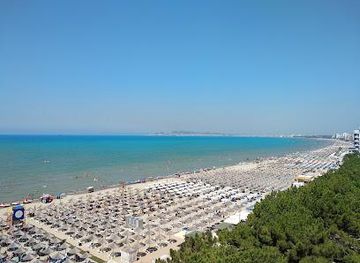
Spille Beach is Rrogozhina Municipality’s principal coastal attraction, combining a wide sandy shore with the pine woodland and low-density development characteristic of this part of the Adriatic. Inland, Bashtovë Castle is the area’s defining historic sight: its substantial stone walls stand on the lower Shkumbin plain and illustrate the importance of river and coastal routes in earlier centuries. Rrogozhinë itself provides a practical centre for observing everyday Albanian town life, while the surrounding administrative units contain agricultural villages, small roads and open lowland scenery rather than a dense sequence of formal attractions. The Shkumbin landscape is particularly rewarding for visitors interested in geography and rural life, although access points and facilities are modest. The nearby Divjakë-Karavasta landscape offers a major wetland excursion beyond the municipality’s southern boundary, and Kavajë provides another neighbouring cultural and commercial centre rather than an attraction within Rrogozhina itself.
-
Beach
Plazhi i Golemit
Discover Plazhi i Golemit, Albania's beautiful beach with golden sands, clear waters, and a vibrant atmosphere perfect for relaxation.
-
Tourist attraction
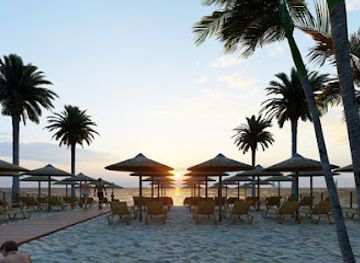
Dream Beach and Camping
Discover Albania's hidden gem: Dream Beach and Camping in Vilë-Ballaj, where turquoise waters meet golden sands for an unforgettable coastal experience.
-
Park
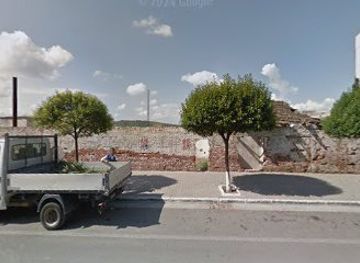
Parku i Rrogozhinës
Discover tranquility in Rrogozhinë: A green escape with vibrant flora, peaceful paths, and a serene atmosphere for relaxation and recreation.
Explore Rrogozhina Region on the map
Plan your trip on one map. See where the top attractions, landmarks, restaurants and hotels are, and book hotels and experiences in a few clicks.
Best hotels in Rrogozhina Region
Best restaurants in Rrogozhina Region
Dining in Rrogozhina Region is concentrated in Rrogozhinë, Spille and the villages along the main roads, with the greatest choice normally appearing during the summer coastal season. Spille’s restaurants and cafés commonly reflect Albania’s Adriatic setting through fish, seafood, salads, grilled meats and simple dishes based on seasonal produce, while inland establishments tend to favour home-style cooking such as byrek, qofte, tavë-style dishes, beans, vegetables and bread from local or regional supplies. Small family-run venues may offer a more informal experience than larger seaside restaurants, and menus can change according to the catch, harvest and season. Visitors staying in rural areas should not expect a continuous restaurant strip or late dining service, so it is sensible to ask locally about current opening arrangements and carry provisions when travelling between settlements.
-
Restaurant
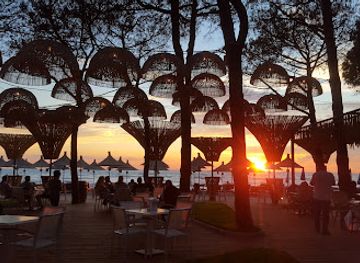
Sea Zone Restaurant
Discover exquisite seafood and authentic Albanian cuisine at Sea Zone Restaurant with breathtaking views of the Adriatic coast.
-
Restaurant
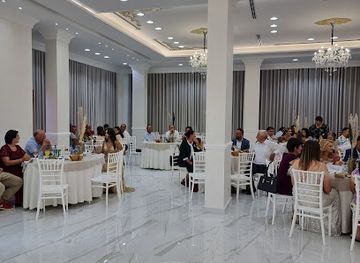
Bar-Restaurant Kadri Spahiu
Experience authentic Albanian cuisine at Bar-Restaurant Kadri Spahiu in Rrogozhinë - where tradition meets taste.
-
Restaurant
Restorant Memolla
Experience authentic Albanian flavors at Restorant Memolla in Rrogozhinë - where tradition meets taste.
-
Restaurant
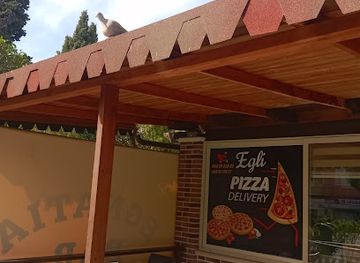
Pizzeri Restorant Egli
Experience the best of Albanian cuisine at Pizzeri Restorant Egli - where tradition meets flavor in every bite.
Best bars in Rrogozhina Region
Rrogozhina is not a dedicated nightlife destination, and evenings are generally quieter than in Durrës, Tirana or Albania’s larger resort towns. Spille has the municipality’s most noticeable seasonal evening atmosphere, with cafés, ice-cream spots and seaside restaurants providing places to sit after sunset during the main summer period. In Rrogozhinë and the inland villages, social life is more likely to centre on traditional cafés, small bars and family gatherings than on purpose-built clubs or organised nightlife districts. Entertainment, opening patterns and music can vary considerably outside the high season. Travellers seeking a larger choice of bars, live entertainment or late-night venues will generally need to travel to a neighbouring urban centre, rather than expect such facilities within the rural parts of the municipality.
-
Bar
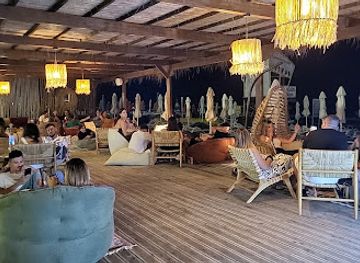
Shisha Zone
Experience the best of Golem at Shisha Zone, a vibrant bar offering exquisite shisha flavors and a lively atmosphere near the beach.
Best nightclubs in Rrogozhina Region
Rrogozhina is not a dedicated nightlife destination, and evenings are generally quieter than in Durrës, Tirana or Albania’s larger resort towns. Spille has the municipality’s most noticeable seasonal evening atmosphere, with cafés, ice-cream spots and seaside restaurants providing places to sit after sunset during the main summer period. In Rrogozhinë and the inland villages, social life is more likely to centre on traditional cafés, small bars and family gatherings than on purpose-built clubs or organised nightlife districts. Entertainment, opening patterns and music can vary considerably outside the high season. Travellers seeking a larger choice of bars, live entertainment or late-night venues will generally need to travel to a neighbouring urban centre, rather than expect such facilities within the rural parts of the municipality.
-
Bar
Rrogozhinë
Experience the lively nightlife of Rrogozhinë, Albania, with its welcoming bars, local flavors, and friendly atmosphere perfect for unforgettable evenings.
-
Bar
Bar Parku
Experience the lively atmosphere of Bar Parku in Rrogozhinë, where locals gather for unforgettable nights filled with drinks and camaraderie.
-
Bar
Bar Rinia Rrogozhinë
Discover the lively atmosphere and local flavors at Bar Rinia Rrogozhinë, a must-visit spot in the heart of Albania's nightlife.
-
Pizza
PlayZone Rrogozhinë
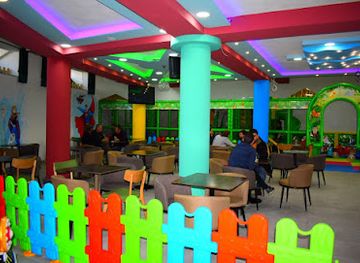
Discover a delightful fusion of pizza, coffee, and play at PlayZone Rrogozhinë, the ultimate destination for families in Albania.
Best shops in Rrogozhina Region
Shopping in Rrogozhina Region is practical rather than extensive, with everyday supplies, fresh produce and small independent businesses concentrated in Rrogozhinë, Spille and the larger villages. Visitors may find seasonal fruit and vegetables, bread, dairy products, olive oil and other Albanian foodstuffs through local shops or informal roadside sellers, although product availability changes with the season. Coastal businesses in Spille also carry basic beach goods and refreshments during the summer. The area is not known for a large permanent craft market or a specialised shopping district, so travellers seeking a broader selection of clothing, equipment or gifts may find more choice in Kavajë, Durrës or Lushnjë outside the municipality. Buying directly from small producers should be approached respectfully, with attention to hygiene, labelling and agreed prices.
-
Home goods store
Artikuj të Ndryshëm Liljana
Explore unique home goods and traditional crafts at Artikuj të Ndryshëm Liljana in Rrogozhinë, Albania - a must-visit for local treasures.
Get your free copy of our complete guide to Rrogozhina Region, delivered straight to you.
Everything on this page, from attractions and restaurants to essentials and local phrases, in one PDF you can read offline, print or share.
Already have an account? Sign in
Your Rrogozhina Region guide is ready.
We'll send it to · Not you? Sign out

Getting your guide ready…
We are putting together a fresh copy of the Rrogozhina Region guide. This can take up to a minute.
This can take a few moments. If your browser asks, choose Allow so the download can start. You'll find the guide in your Downloads folder.
Nothing happened? Download it again
Sorry, the guide is taking longer than usual. Please try again in a minute, or get it by email instead.
Rrogozhina Region essentials
Currency and Payment
Safety
Emergency Situations
Do's and Don'ts
Local Tips
From Eve
Local phrases worth knowing
You don't need to get them perfect. A few words go a long way, and locals appreciate the effort.
Basics
| English | Local | Say it |
|---|---|---|
| Hello | Përshëndetje | [puhr-shuhn-deht-yeh] |
| Goodbye | Mirupafshim | [mee-roo-pahf-sheem] |
| Yes | Po | [poh] |
| No | Jo | [yoh] |
| Please/You're welcome | Ju lutem | [yoo loo-tehm] |
| Thank you | Faleminderit | [fah-leh-meen-deh-reet] |
| Excuse me/Sorry | Më falni | [muh fahl-nee] |
| How are you? | Si jeni? | [see yeh-nee] |
| Fine. And you? | Mirë. Dhe ju? | [mee-ruh deh yoo] |
| Do you speak English? | A flisni anglisht? | [ah flees-nee ahng-leesht] |
| I don't understand | Nuk kuptoj | [nook koop-toy] |
Eating & Drinking
| English | Local | Say it |
|---|---|---|
| I'd like to see the menu, please | Dëshiroj të shoh menunë, ju lutem | [duh-shee-rohy tuh shoh meh-noo-neh yoo loo-tehm] |
| I don't eat meat | Nuk ha mish | [nook hah meesh] |
| Cheers! | Shëndeti! | [shuhn-deh-tee] |
| I would like to pay, please | Dua të paguaj, ju lutem | [doo-ah tuh pah-gwahy yoo loo-tehm] |
Emergencies
| English | Local | Say it |
|---|---|---|
| Help! | Ndihmë! | [ndeeh-muh] |
| Go away! | Largohu! | [lah-r-goh-hoo] |
| Call the Police! | Thirrni Policinë! | [thee-r-nee poh-lee-tsee-neh] |
| Call a doctor! | Thirrni një mjek! | [thee-r-nee nyuh myehk] |
| I'm lost | Jam humbur | [yahm hoom-boo-r] |
| I'm ill | Jam i sëmurë | [yahm ee sah-moo-rah] |
Shopping
| English | Local | Say it |
|---|---|---|
| I'd like to buy... | Dëshiroj të blej... | [duh-shee-rohy tuh bleh] |
| I'm just looking | Po shikoj vetëm | [poh shee-koy veht-uhm] |
| How much is it? | Sa kushton? | [sah kooshtohn] |
| That's too expensive | Është shumë e shtrenjtë | [uh-shtuh shoo-muh eh shtrehn-jteh] |
| Can you lower the price? | A mund të zbresni çmimin? | [ah moon-duh tuh zbreh-snee ch-mee-meen] |
Time & Numbers
| English | Local | Say it |
|---|---|---|
| What time is it? | Sa është ora? | [sah uh-shtuh oh-rah] |
| It's one o'clock | Është një ora | [uh-shtuh nyuh oh-rah] |
| Half past (10) | Një e gjysmë (10) | [nyuh eh gjuhs-muh] |
| Morning | Mëngjes | [muhn-gyes] |
| Afternoon | Pasdite | [pahs-dee-teh] |
| Evening | Mbrëmje | [uhm-bruhm-yeh] |
| Yesterday | Dje | [dyeh] |
| Today | Sot | [soht] |
| Tomorrow | Nesër | [neh-sahr] |
| 1 | Një | [nyuh] |
| 2 | Dy | [duh] |
| 3 | Tre | [treh] |
| 4 | Katër | [kah-tuh] |
| 5 | Pesë | [peh-suh] |
| 6 | Gjashtë | [gjuhsh-tuh] |
| 7 | Shtatë | [shtah-tuh] |
| 8 | Tetë | [teh-tuh] |
| 9 | Nëntë | [nuhn-tuh] |
| 10 | Dhjetë | [theh-tuh] |
Transport & Directions
| English | Local | Say it |
|---|---|---|
| Where's a/the...? | Ku është një/...? | [koo uh-shtuh nyuh] |
| What's the address? | Çfarë është adresa? | [ch-fah-ruh uh-shtuh ah-dreh-sah] |
| Can you show me (on the map)? | A mund të ma tregoni (në hartë)? | [ah moon-duh tuh mah troh-goh-nee nuh hahr-tuh] |
| When's the next (bus)? | Kur është autobusi i ardhshëm? | [koor uh-shtuh ah-oo-toh-boo-see ee ah-rdhs-huhm] |
| A ticket (to ....) | Një biletë (në ...) | [nyuh bee-leh-tuh nuh] |
History of Rrogozhina Region
The Shkumbin Corridor
Rrogozhina’s historical importance is closely connected with the lower Shkumbin River, a natural east-west route through central Albania. The wider Shkumbin valley formed part of the movement corridor associated with the ancient Via Egnatia, which linked the Adriatic with the Balkans and the eastern Mediterranean. While the best-known archaeological remains of the route lie elsewhere in Albania and North Macedonia, the river’s lower course helped connect inland communities with the coast. This geography shaped settlement, agriculture, river crossings and commercial movement long before the modern town of Rrogozhinë developed.
Bashtovë Castle and Coastal Trade
Bashtovë Castle is the clearest surviving expression of the region’s medieval and early modern strategic role. The fortress stands on the plain near the lower Shkumbin, close to routes leading between the river, the coast and inland Albania. Its origins are generally associated with the late medieval period, although the precise sequence of construction and control is discussed in historical accounts. The castle was later incorporated into the Ottoman sphere and served a landscape in which river transport, farming and regional trade mattered as much as military defence. Its position, rather than monumental decoration, explains much of its significance.
Ottoman Administration and Rural Life
Under Ottoman rule, the settlements of the Rrogozhinë area formed part of a predominantly rural landscape shaped by agriculture, local religious communities and routes between the central Albanian lowlands and the coast. Villages depended on cultivated land, livestock and seasonal exchange, while the Shkumbin remained an important geographical reference. The area’s identity was not built around a single large historic city; instead, it developed through dispersed settlements and farming communities. This rural pattern remains visible in the fields, village roads and small-scale production surrounding modern Rrogozhinë and Spille.
Modern Municipality and Coastal Development
Rrogozhinë became part of Albania’s modern administrative evolution through the changing district and municipality structures of the twentieth century. During the socialist period, agriculture and collective production strongly influenced the lowland landscape, while later decentralisation and private development reshaped village economies. Spille grew as a domestic seaside destination, particularly during the warmer months, without acquiring the scale of Albania’s larger resort towns. The current Rrogozhinë Municipality was established in the post-2015 local-government reorganisation, bringing several former administrative units under one authority and joining coastal, riverine and inland rural communities.
Heritage and the Contemporary Landscape
Today, the area’s heritage is expressed through the relationship between Bashtovë Castle, the Shkumbin corridor, village settlement and the agricultural plain. Coastal development and seasonal tourism have added new pressures and opportunities, while the continuing importance of farming keeps much of the interior distinctly rural. Rrogozhina’s historical interest therefore lies less in a dense concentration of monuments than in the way transport routes, river geography, coastal access and land use have shaped a connected landscape over successive periods.
Rrogozhina Region in Photos
Browse through our photo collection highlighting the charm and character of the destination.
Cities in Rrogozhina Region
The towns and cities of Rrogozhina Region, and the easiest places to base yourself.

Swipe for more cities
Neighbouring destination travel guides
The closest destinations to Rrogozhina Region, if you have time for more than one.
-

-

-

-

-


Swipe for more destinations
Explore more

Explore more of Mysia
Discover the hidden charm of Mysia, Albania - a blend of ancient history, stunning landscapes, and vibrant culture, offering an unforgettable travel experience.
Explore Mysia
Explore more of Albania
Discover Albania: A land of untamed beauty, rich history, and warm hospitality, offering stunning beaches, rugged mountains, and vibrant cities.
Explore Albania