

Tomorr Mountain Travel Guide - Free Web & App
Your ultimate guide to Tomorr Mountain. Discover top landmarks, proposed trips, and local tips. Free on the web or via the Evendo companion app.


Tomorr Mountain in Albania offers limestone peaks, Bektashi heritage, mountain walks, sweeping views and access to the historic city of Berat.
Mountain and Myth
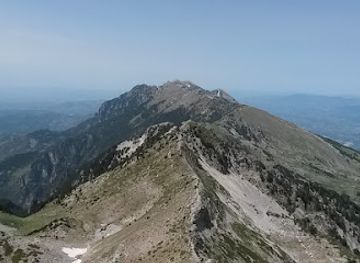
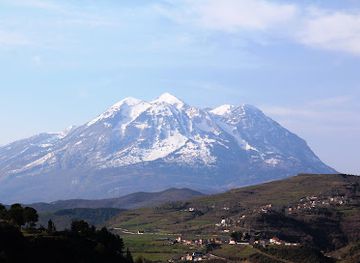
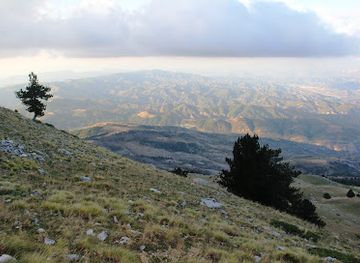
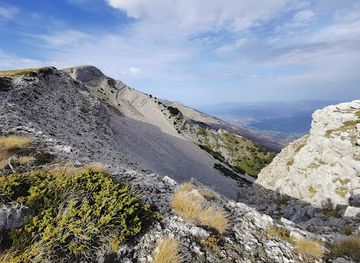
Rising to 2,416 metres in south-central Albania, Tomorr Mountain is a broad limestone massif whose ridges dominate the landscape east of Berat. The mountain lies within Mount Tomorr National Park, a largely rural protected area of steep slopes, open grassland, beech woodland and rocky uplands. Its summit area is exposed and austere, while lower elevations are shaped by forests, pasture and scattered settlements. On clear days, the high ground provides expansive views across the valleys and mountains of southern Albania.Read more about Tomorr Mountain
A Sacred Landscape
Exploring the Mountain
When is the best time to visit Tomorr Mountain?
Best: May–June, September · 23–27°C| Month | High (°C) | Rainfall (mm) |
|---|---|---|
| January | 6 | 64 |
| February | 8 | 59 |
| March | 13 | 51 |
| April | 18 | 39 |
| May (best) | 23 | 26 |
| June (best) | 27 | 16 |
| July | 29 | 13 |
| August | 29 | 16 |
| September (best) | 25 | 27 |
| October | 18 | 48 |
| November | 12 | 62 |
| December | 7 | 70 |
Getting to and around Tomorr Mountain
How to get there
Transportation
Best attractions in Tomorr Mountain
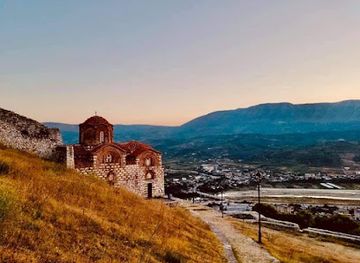
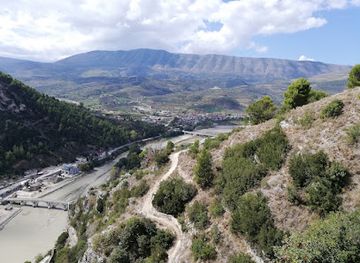
The principal attraction is the Tomorr massif itself, whose high limestone ridges and summit area provide a powerful walking and landscape experience within Mount Tomorr National Park. The Kulmak area is both a cultural destination and a starting point for exploring the mountain, with the Bektashi tekke drawing pilgrims and visitors interested in Albania’s spiritual heritage. Upland pasture, wooded slopes and broad views over the valleys around Berat and Poliçan create changing scenery as roads and tracks climb from the foothills. The mountain is also associated with Baba Tomor in Albanian folklore, adding a literary and symbolic dimension to the landscape. There is little conventional visitor infrastructure on the massif, so attractions are experienced through independent exploration, local guidance and visits to religious sites rather than through a sequence of formal museums or managed sightseeing facilities. Berat, outside the mountain area, provides the nearest major concentration of historic and cultural attractions.
-
Winery
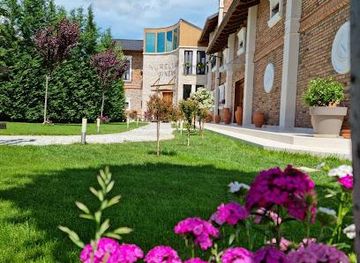
Nurellari Winery Cellar and Guest House
Discover the taste of Albania at Nurellari Winery: tours, tastings, and tradition in the heart of Berat's wine country.
-
Park
Lulishtja
Escape to Lulishtja Park in Berat: A serene oasis with lush greenery, stunning river views, and a vibrant local atmosphere. Perfect for relaxation and exploration.
-
Eastern Orthodox Church
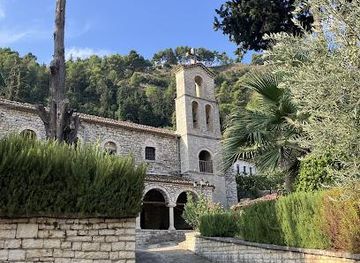
Church of St. Spiridon
Discover the serene beauty and spiritual heritage of the Church of St. Spiridon, an Orthodox gem in the heart of Berat, Albania.
-
Tourist attraction
Water Cistern
Explore the historical Water Cistern within Berat Castle, a testament to ancient engineering and the city's enduring legacy. A unique glimpse into the past.
Best landmarks in Tomorr Mountain
The defining natural landmark is Mount Tomorr’s 2,416-metre summit and the broad limestone massif surrounding it, a prominent feature of the landscape east of Berat. Its high ridges, exposed rock and open pasture contrast with forested lower slopes and help explain the mountain’s importance in local geography and folklore. The Kulmak tekke is the principal cultural landmark, representing the enduring Bektashi identity of Tomorr and its connection with pilgrimage to Abaz Aliu. The mountain is also tied to Baba Tomor, a legendary figure in Albanian tradition, giving the physical landscape a strong symbolic presence. Within the wider setting, the valleys and rural approaches around Berat and Poliçan reveal how settlements, grazing lands and mountain routes have developed together, although the most significant landmarks on Tomorr are natural and religious rather than architectural.
-
Castle
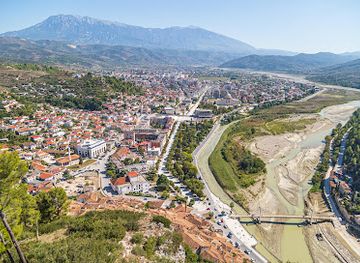
Berat Castle
Explore Berat Castle, a historic Albanian fortress with stunning views, Byzantine churches, Ottoman mosques, and a vibrant community within its walls.
-
Historical landmark
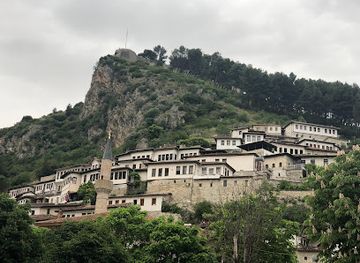
Old Town Berat
Discover the 'City of a Thousand Windows,' a UNESCO-listed gem with Ottoman architecture, cobblestone streets, and a rich cultural tapestry.
-
National reserve
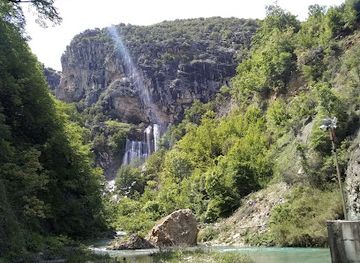
Sotire waterfall
Discover the unspoiled beauty of Sotire Waterfall in Gramsh, Albania – a serene escape into nature's embrace.
-
National park
Tomorri Mountain National Park
Discover dramatic landscapes, diverse wildlife, and spiritual heritage in Albania's Tomorri Mountain National Park, a haven for hikers and nature lovers.
Explore Tomorr Mountain on the map
Plan your trip on one map. See where the top attractions, landmarks, restaurants and hotels are, and book hotels and experiences in a few clicks.
Best hotels in Tomorr Mountain
Best restaurants in Tomorr Mountain
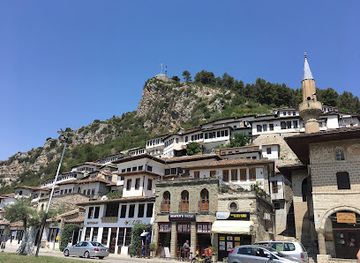
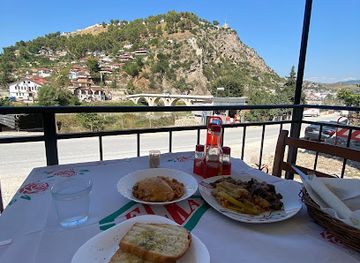
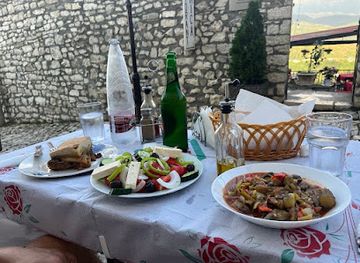
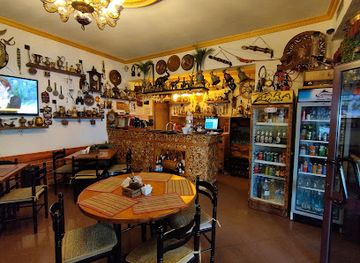
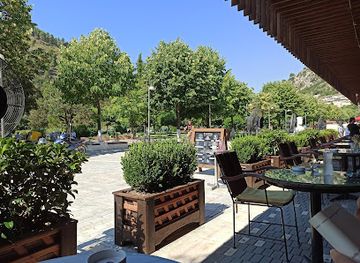
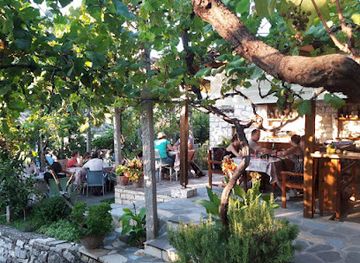
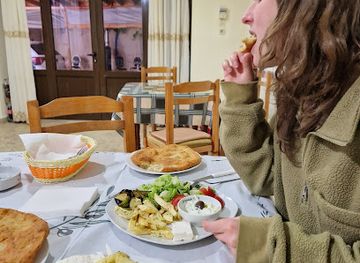
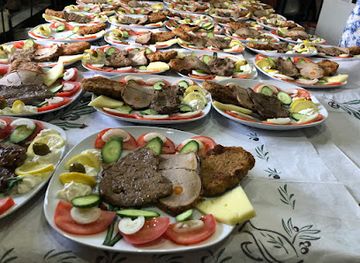
Dining options are limited on Tomorr Mountain itself and are concentrated in Berat, Poliçan and the surrounding villages rather than at remote viewpoints or upland tracks. Berat offers the widest choice, with restaurants and family-run establishments serving Albanian cooking influenced by the fertile valleys and pastoral hinterland. Typical regional meals may include grilled meats, qofte, byrek, seasonal vegetables, salads, yoghurt-based dishes and locally produced cheeses, while nearby rural communities may offer simpler home-style food by arrangement. Small cafés and village businesses can be useful before or after a mountain excursion, but visitors should not expect a continuous supply of food and drink on the massif. The Bektashi pilgrimage around Kulmak has its own communal atmosphere and food traditions, although visitors should follow local customs and should not assume that public catering is available outside the pilgrimage period.
-
Restaurant
Homemade Food Lili
Experience authentic Albanian cuisine at Homemade Food Lili in Berat – where every dish tells a story!
-
Traditional restaurant
Eni Traditional Food Berat
Discover the essence of Albanian cuisine at Eni Traditional Food in Berat – where tradition meets flavor.
-
Restaurant
Temi Albanian Food
Experience the authentic taste of Albania at Temi Albanian Food - where tradition meets flavor in a cozy setting.
-
Restaurant
Zgara Zaloshnja
Experience authentic Albanian flavors at Zgara Zaloshnja in Berat - a culinary haven with delicious grilled meats and traditional dishes.
Best bars in Tomorr Mountain
Tomorr Mountain has no developed nightlife scene, and evenings in the national park are generally quiet, dark and rural. After a day in the hills, the most characteristic option is a simple meal or drink at accommodation or a village establishment, where hospitality is more likely to centre on conversation and local life than on late-night entertainment. Berat is the main evening base, with cafés, restaurants and bars in and around the historic town offering a more sociable atmosphere, while Poliçan provides a smaller range of everyday venues. During the August Bektashi pilgrimage, Kulmak becomes lively during the daytime and evening through communal gatherings and religious observance, but this should not be confused with a permanent festival or nightclub district. Availability and opening patterns vary, particularly outside the main towns and pilgrimage period.
-
Restaurant
Bar Restaurant Piazza
Experience the authentic flavors of Albania at Bar Restaurant Piazza, a beloved dining destination in the heart of Berat.
-
Restaurant
Lorenc Garden Restaurant & Bar
Experience the rich flavors of Albanian cuisine in a serene garden setting at Lorenc Garden Restaurant & Bar in Berat.
-
Bar
Bar restorant luan mance
Discover authentic Albanian cuisine in the charming ambiance of Bar Restorant Luan Mance, a must-visit spot in Poliçan.
-
Restaurant
Ballkoni i Poliçanit
Discover the flavors of Albania at Ballkoni i Poliçanit, a delightful restaurant in Poliçan offering stunning views and authentic local cuisine.
Best nightclubs in Tomorr Mountain
Tomorr Mountain has no developed nightlife scene, and evenings in the national park are generally quiet, dark and rural. After a day in the hills, the most characteristic option is a simple meal or drink at accommodation or a village establishment, where hospitality is more likely to centre on conversation and local life than on late-night entertainment. Berat is the main evening base, with cafés, restaurants and bars in and around the historic town offering a more sociable atmosphere, while Poliçan provides a smaller range of everyday venues. During the August Bektashi pilgrimage, Kulmak becomes lively during the daytime and evening through communal gatherings and religious observance, but this should not be confused with a permanent festival or nightclub district. Availability and opening patterns vary, particularly outside the main towns and pilgrimage period.
-
Night club
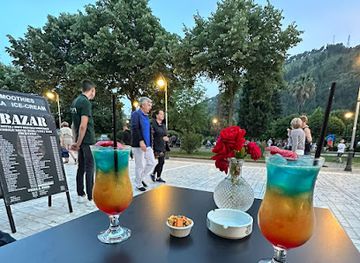
Bazar Bar Berat
Experience the vibrant nightlife of Berat at Bazar Bar, where cocktails, hookah, and delicious pizza await in a lively atmosphere.
-
Bar
Bar Shpëtimi
Experience the vibrant atmosphere of Bar Shpëtimi in Berat, where local drinks and warm hospitality await you.
-
Night club
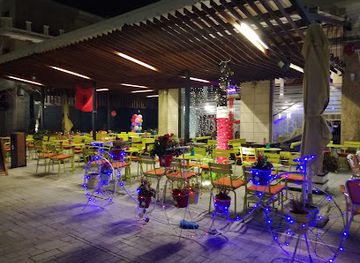
Funky Vibes - Lounge Bar&Shisha
Discover a vibrant nightlife experience at Funky Vibes - Lounge Bar & Shisha in Berat, where relaxation meets socializing in a funky atmosphere.
-
Lounge
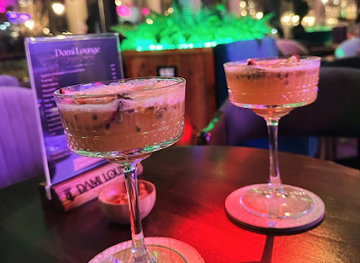
Dami Lounge
Discover the tranquil oasis of Dami Lounge in Berat, serving exquisite cocktails in a serene atmosphere perfect for relaxation.
Best shops in Tomorr Mountain
Shopping on Tomorr Mountain is limited to occasional local purchases and should not be treated as a retail destination. Visitors are more likely to find basic supplies in Berat, Poliçan or villages on the approaches, while Berat offers the broadest selection of food products, everyday goods, artisan items and souvenirs associated with central and southern Albania. Regional olive oil, honey, mountain herbs, preserves, cheeses and raki may be available through local producers or small shops, although selection varies by season and seller. Traditional textiles, handicrafts and religiously themed items may also appear around pilgrimage periods, but visitors should distinguish genuine local products from general tourist merchandise. Buying directly from small producers can support rural communities, provided that products, prices and transport arrangements are agreed clearly before purchase.
-
National park
Tomorri Mountain National Park
Experience the stunning beauty and tranquility of Tomorri Mountain National Park, a natural paradise in Albania perfect for outdoor adventures and relaxation.
-
Mountain range
Mount Tomorr
Adventure awaits at Mount Tomorr, Albania's breathtaking mountain range known for stunning vistas, rich biodiversity, and unforgettable hiking experiences.
-
Mountain peak
Maja e Tomorit
Explore Maja e Tomorit, Albania's stunning mountain peak, where breathtaking views and nature's tranquility await every adventurer.
-
Religious destination
Tyrbe e Abas Ali Tomorit
Experience the spiritual heritage and tranquil beauty of Tyrbe e Abas Ali Tomorit, a sacred destination in Ujanik, Albania, rich in history and culture.
Get your free copy of our complete guide to Tomorr Mountain, delivered straight to you.
Everything on this page, from attractions and restaurants to essentials and local phrases, in one PDF you can read offline, print or share.
Already have an account? Sign in
Your Tomorr Mountain guide is ready.
We'll send it to · Not you? Sign out

Getting your guide ready…
We are putting together a fresh copy of the Tomorr Mountain guide. This can take up to a minute.
This can take a few moments. If your browser asks, choose Allow so the download can start. You'll find the guide in your Downloads folder.
Nothing happened? Download it again
Sorry, the guide is taking longer than usual. Please try again in a minute, or get it by email instead.
Tomorr Mountain essentials
Currency and Payment
Safety
Emergency Situations
Do's and Don'ts
Local Tips
From Eve
Local phrases worth knowing
You don't need to get them perfect. A few words go a long way, and locals appreciate the effort.
Basics
| English | Local | Say it |
|---|---|---|
| Hello | Tungjatjeta | [toon-jah-tyeh-tah] |
| Goodbye | Mirupafshim | [mee-roo-pahf-sheem] |
| Yes | Po | [poh] |
| No | Jo | [yoh] |
| Please/You're welcome | Ju lutem | [yoo loo-tehm] |
| Thank you | Faleminderit | [fah-leh-meen-deh-reet] |
| Excuse me/Sorry | Më falni | [muh fahl-nee] |
| How are you? | Si jeni? | [see yeh-nee] |
| Fine. And you? | Mirë. Dhe ju? | [mee-ruh. dhe yoo] |
| Do you speak English? | A flisni anglisht? | [ah flees-nee ahn-gleesht] |
| I don't understand | Nuk kuptoj | [nook koop-toy] |
Eating & Drinking
| English | Local | Say it |
|---|---|---|
| I'd like to see the menu, please | Do të doja të shikoja menunë, ju lutem | [doh tuh doh-yah tuh shee-koh-yah meh-noo-nuh, yoo loo-tehm] |
| I don't eat meat | Unë nuk ha mish | [oo-nuh nook hah meesh] |
| Cheers! | Gëzuar! | [geh-zoo-ahr] |
| I would like to pay, please | Do të doja të paguaja, ju lutem | [doh tuh doh-yah tuh pah-gwah-yah, yoo loo-tehm] |
Emergencies
| English | Local | Say it |
|---|---|---|
| Help! | Ndihmë! | [ndee-muh] |
| Go away! | Shko larg! | [shkoh lahr-g] |
| Call the Police! | Thirr policinë! | [theer poh-lee-tsee-nuh] |
| Call a doctor! | Thirr një doktor! | [theer nyuh dohk-tohr] |
| I'm lost | Jam humbur | [yahm hoom-boor] |
| I'm ill | Jam i sëmurë | [yahm ee suh-moo-ruh] |
Shopping
| English | Local | Say it |
|---|---|---|
| I'd like to buy... | Do të doja të blenia... | [doh tuh doh-yah tuh bleh-nyah] |
| I'm just looking | Po shikoj vetëm | [poh shee-koy veh-tehm] |
| How much is it? | Sa kushton? | [sah koosh-tohn] |
| That's too expensive | Ky është shumë i shtrenjtë | [ky ehs-teh shoo-muh ee shtrehn-yteh] |
| Can you lower the price? | A mund ta ulni çmimin? | [ah moon-d tah ool-nee chmee-meen] |
Time & Numbers
| English | Local | Say it |
|---|---|---|
| What time is it? | Sa është ora? | [sah ehs-teh oh-rah] |
| It's one o'clock | Është një ora | [ehs-teh nyuh oh-rah] |
| Half past (10) | Njëmbëdhjetë | [nyuhm-buh-th-yeh-teh] |
| Morning | Mëngjes | [muhn-gyes] |
| Afternoon | Pasdite | [pahs-dee-teh] |
| Evening | Mbrëmje | [mbruhm-yeh] |
| Yesterday | Dje | [djeh] |
| Today | Sot | [soht] |
| Tomorrow | Nesër | [neh-sehr] |
| 1 | Një | [nyuh] |
| 2 | Dy | [duh] |
| 3 | Tre | [treh] |
| 4 | Katër | [ka-tuhr] |
| 5 | Pesë | [peh-seh] |
| 6 | Gjashtë | [gyahsht] |
| 7 | Shtatë | [shtah-tuh] |
| 8 | Tetë | [teh-tuh] |
| 9 | Nëntë | [nuhn-tuh] |
| 10 | Dhjetë | [th-yeh-tuh] |
Transport & Directions
| English | Local | Say it |
|---|---|---|
| Where's a/the...? | Ku është një/... | [koo ehs-teh nyuh/...] |
| What's the address? | Cila është adresa? | [chee-lah ehs-teh ah-deh-rah] |
| Can you show me (on the map)? | A mund të më tregoni (në hartë)? | [ah moon-d tuh muh troh-goh-nee (nuh hahr-teh)] |
| When's the next (bus)? | Kur është autobusi i ardhshëm? | [koor ehs-teh ow-toh-boo-see ee ahrd-shuhm] |
| A ticket (to ....) | Një biletë (në ....) | [nyuh bee-leh-teh (nuh ....)] |
History of Tomorr Mountain
A Limestone Mountain Landscape
Tomorr is part of the rugged mountain systems of southern Albania, formed from uplifted and folded rocks dominated in many areas by limestone. Geological processes created the massif’s steep faces, broken ridges and high, exposed summit terrain, while later erosion shaped the valleys and seasonal watercourses around its lower slopes. This geological foundation helps explain the contrast between rocky uplands, wooded hillsides and pasture used by local communities. The mountain’s physical form has influenced settlement, movement and land use for centuries, creating a landscape in which natural features and cultural traditions remain closely connected.
Early Communities and Mountain Use
The wider Tomorr region has long been occupied and traversed by communities living in the valleys and upland settlements of southern Albania. Mountain pastures supported seasonal grazing, while woodland supplied fuel, timber and other resources. The massif’s position between the interior valleys and the Berat area made it part of a wider regional landscape rather than an isolated peak. Surviving rural patterns, stone structures and old tracks reflect an economy historically based on agriculture, livestock and movement between lower settlements and summer pasture, although many traditional practices have changed as population and employment patterns have shifted.
Bektashi Heritage at Kulmak
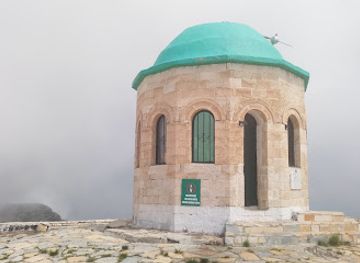
Tomorr’s most distinctive cultural history is connected with Bektashism, a Sufi tradition with a significant presence in Albania. The tekke at Kulmak became an important spiritual centre on the mountain, linking religious practice with the older symbolic importance of Tomorr in Albanian culture. The site is associated with Abaz Aliu, a revered figure in Bektashi tradition, and remains a destination for pilgrimage. The mountain’s religious identity is also expressed through Albanian folklore, particularly the figure of Baba Tomor, whose presence in traditional stories reinforces the idea of Tomorr as a powerful and spiritually charged landscape.
The August Pilgrimage Tradition
The annual Bektashi pilgrimage to Tomorr, traditionally held in August around the feast of Abaz Aliu, is the mountain’s most visible cultural gathering. Pilgrims travel to the Kulmak area for prayer, communal meals and family observances, while the event also draws visitors interested in Albanian religious culture. Activities associated with the pilgrimage take place within a living spiritual tradition rather than a staged historical performance. The gathering can transform the normally quiet mountain environment, bringing together communities from across Albania and the Albanian diaspora while reaffirming Tomorr’s place in national and regional cultural memory.
Protection and Contemporary Travel
Mount Tomorr National Park was established to protect the massif’s forests, highland habitats, geological character and cultural landscapes. Conservation now forms part of the mountain’s modern identity, although local pastoral use and access to religious sites remain important considerations. Tomorr has not developed into a resort with extensive visitor infrastructure; interest is instead centred on walking, scenery, pilgrimage and exploration from nearby settlements. Berat’s growing importance as a heritage destination has made the mountain more accessible to international visitors, while the national park setting requires travel that respects fragile upland environments and local communities.
Tomorr Mountain in Photos
Browse through our photo collection highlighting the charm and character of the destination.
Cities in Tomorr Mountain
The towns and cities of Tomorr Mountain, and the easiest places to base yourself.

Swipe for more cities
Neighbouring destination travel guides
The closest destinations to Tomorr Mountain, if you have time for more than one.
-

-
-

-

-


Swipe for more destinations
Explore more

Explore more of Gramsh
Discover the tranquil charm of Gramsh, Albania – a haven for nature lovers and history enthusiasts set amidst stunning landscapes and rich cultural heritage.
Explore Gramsh
Explore more of Albania
Discover Albania: A land of untamed beauty, rich history, and warm hospitality, offering stunning beaches, rugged mountains, and vibrant cities.
Explore Albania