

Rruga Palorto, Tepelene Travel Guide
Discover Gjirokastër, Albania's Stone City: a UNESCO site with Ottoman architecture, a historic castle, and a vibrant cultural heritage.
Gjirokastër, a UNESCO World Heritage site in southern Albania, is known as the 'Stone City' for its unique Ottoman-era architecture. Perched on a hillside overlooking the Drino Valley, its cobbled streets, distinctive stone houses, and imposing castle offer a glimpse into Albania's rich history and cultural heritage.
A brief summary to Rruga Palorto
- Gjirokastër, AL

Know before you go
Hi, I'm Eve. Here are a few practical things to know before exploring Rruga Palorto.
- Wear comfortable shoes to navigate the steep, cobbled streets of the Old Town.
- Visit Gjirokastër Castle for panoramic views of the city and the Drino Valley.
- Explore the Old Bazaar for local handicrafts, souvenirs, and a taste of traditional Albanian cuisine.
- Consider a day trip to the Blue Eye natural spring, located a short bus ride from Gjirokastër.
- Check out Skenduli House, a well-preserved Ottoman-era house showcasing intricate woodwork and traditional architecture.
Do you manage this location?
Take control to get all the benefits, like improved information, better appearance, and stronger visibility across AI-powered discovery. Learn more about listing your business on Evendo
Activate your presenceOther nearby places you may find interesting
The closest places of the same kind, if this one is not quite what you had in mind.
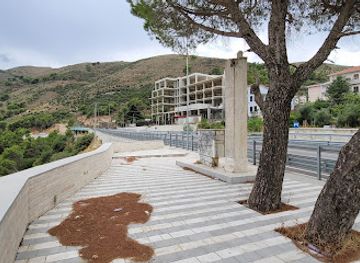
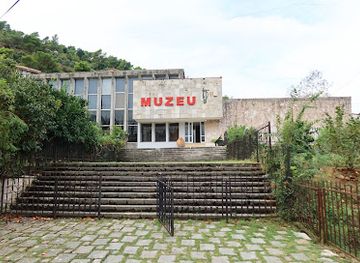
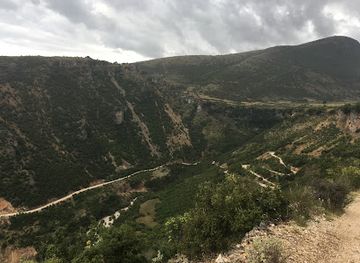
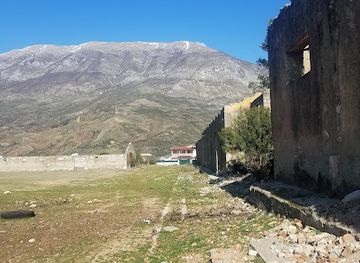
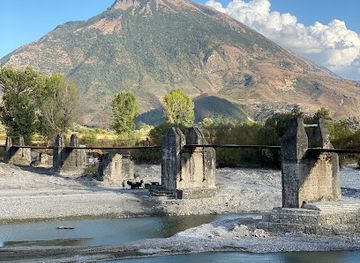
Explore Rruga Palorto on the Map
A handpicked selection of must-see spots near Rruga Palorto, mapped for you.
Getting There
-
Walking
Gjirokastër's Old Town is best explored on foot due to its narrow, cobbled streets. From Çerçiz Square, ascend towards the Old Bazaar. The main attractions, including Gjirokastër Castle, Skenduli House, and the Ethnographic Museum, are within walking distance of each other. Be prepared for steep inclines and uneven surfaces. Comfortable walking shoes are essential. There are no costs associated with walking around the Old Town.
-
Public Transport
Local buses connect the new town to the historic center. From the main bus station on Bulevardi 18 Shtatori, take a bus towards the Old Town. The bus will drop you off near Çerçiz Square, from where you can walk to the main attractions. A single bus fare costs approximately 30 Lek. Buses operate regularly throughout the day.
-
Taxi
Taxis are available throughout Gjirokastër and can be found at the River Bridge (Ura e Lumit) and Bulevardi 18 Shtatori. A short taxi ride from the new town to the Old Town costs around 500 Lek. Taxis are a convenient option for reaching attractions located further from the city center, such as Ali Pasha Bridge. Always agree on the fare before starting your journey. A 5km ride in Gjirokaster costs about 15.2 USD.
Discover more about Rruga Palorto













Your all‑in‑one travel companion app
Explore expert travel guides, compare and book tours, experiences, hotels, and more—all from the palm of your hand. Download now for seamless trip planning wherever your wanderlust takes you.


Explore More of Tepelene
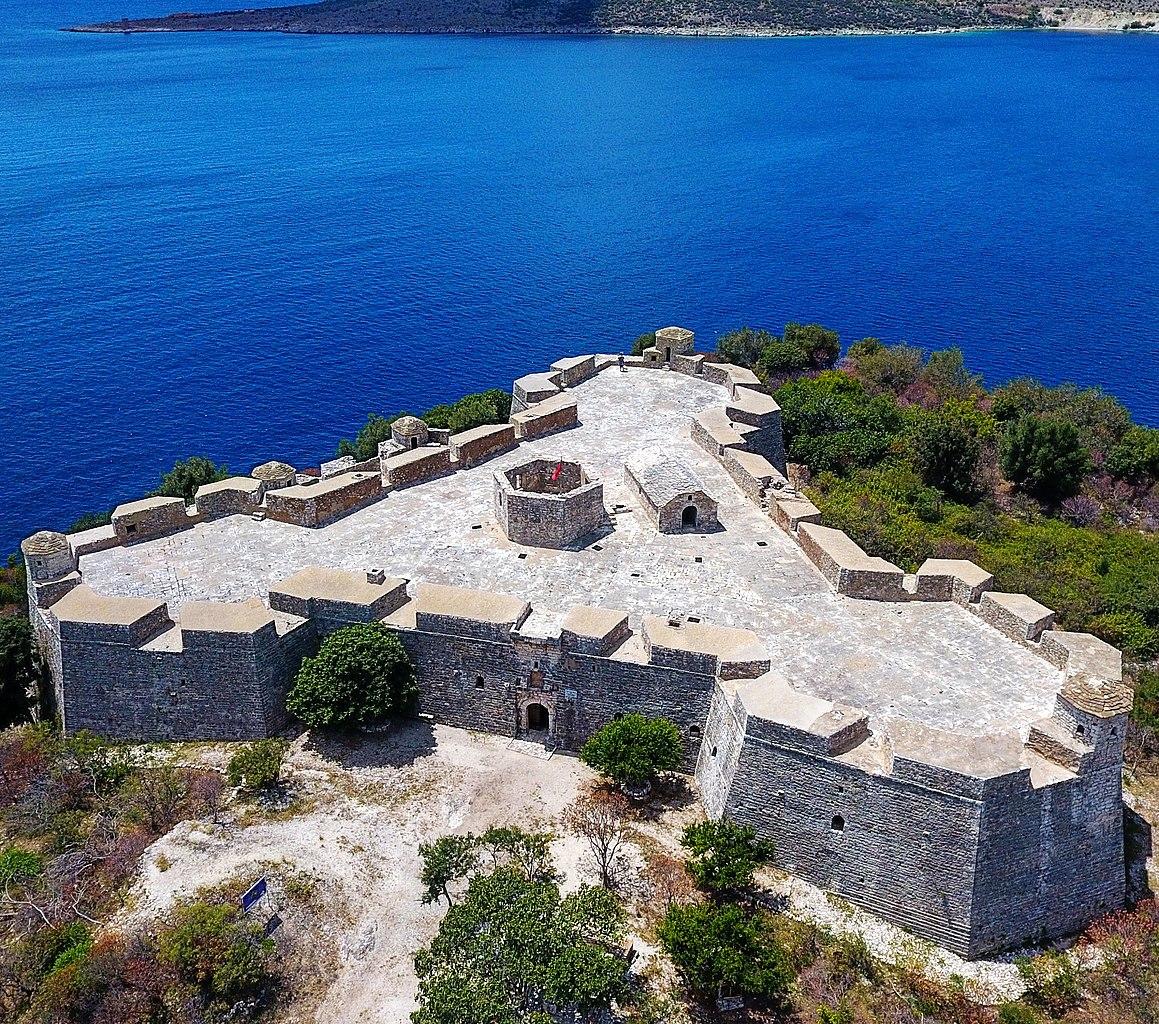
Looking beyond Rruga Palorto? Discover Tepelene for broader travel guides, local hot-spots, and regional highlights.
Explore Tepelene
Discover Albania's hidden landscapes and cultural heritage on horseback with guided tours suitable for all skill levels near Gjirokaster.

Discover Gjirokastër, Albania - a UNESCO World Heritage site with stunning Ottoman architecture, rich culture, and breathtaking landscapes.
