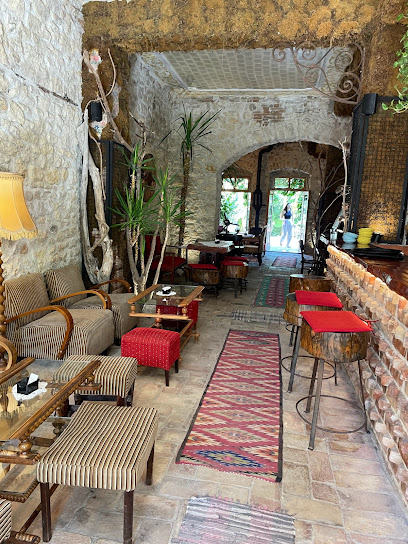
Byllis Archaeological Park: Echoes of Illyrian Grandeur
Uncover the secrets of Byllis Archaeological Park, a captivating journey through Illyrian, Roman, and Byzantine history in Albania.
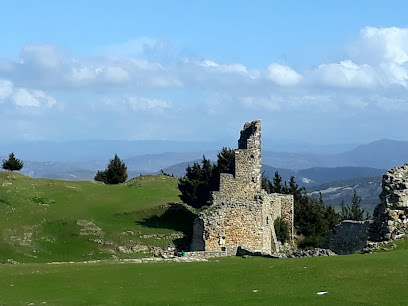
Explore the extensive ruins of Byllis, once the largest city in Southern Illyria, offering a glimpse into its Hellenistic and Roman past. Discover the remains of a theater, stadium, basilicas, and more, set against the stunning backdrop of the Vjosa River valley.
A brief summary to Byllis Archaeological Park
- GPRQ+R2W, Hekal, 9300, AL
- +355692158292
- Visit website
Local tips
- Visit early in the morning or late afternoon to avoid crowds and enjoy cooler temperatures.
- Wear comfortable shoes, as the terrain can be uneven and requires some walking.
- Bring a camera to capture the beautiful ruins and scenic views.
- Check for guided tour options to gain deeper insights into the site's history.

Getting There
-
Car
If driving, head towards Hekal. From Vlorë, take SH8 southeast. As you approach Hekal, follow signs for Byllis Archaeological Park. Free parking is available at the site.
-
Public Transport
Take a bus from Vlorë to Hekal. Buses depart regularly from Vlorë bus station; the fare is approximately 150 ALL. From Hekal, it's about a 20-minute walk to the park. Alternatively, hire a local taxi for around 300 ALL to the entrance.
Discover more about Byllis Archaeological Park
Iconic landmarks you can’t miss

Bashkia Patos
18.0 km
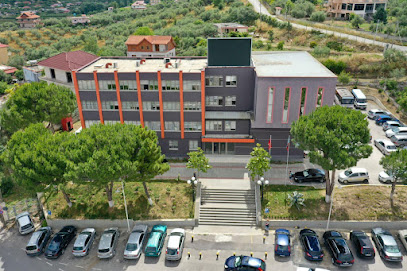
Explore Bashkia Patos, where governance meets culture in the heart of Albania, inviting tourists to discover its rich history and vibrant community.
Amantia
18.6 km
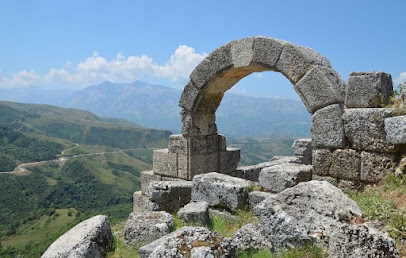
Discover Amantia, an ancient Illyrian city with a well-preserved stadium and stunning views near Vlorë, Albania. Explore its rich history and cultural heritage.
Patos City
18.7 km
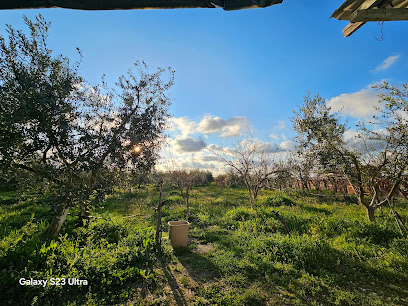
Discover tranquility in the heart of Patos at the City Park, a perfect escape for nature lovers and families.
Vodicë, Vlorë
19.5 km
Explore Vodicë, Vlorë: A historical Albanian village with traditional architecture, close to the Riviera's beaches and cultural festivals.

Discover Vlora
22.0 km
Experience the stunning beaches, rich history, and vibrant culture of Vlora, Albania, where the Adriatic and Ionian Seas meet.
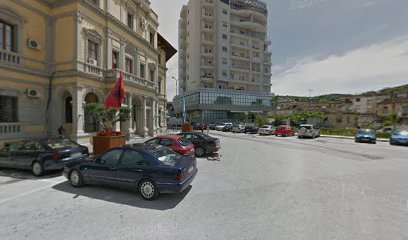
AGORA Restaurant/ Bed and Breakfast
22.2 km
Experience Albanian hospitality and cuisine at AGORA Restaurant & Bed and Breakfast in the heart of Vlorë. A cozy retreat for exploring the city.
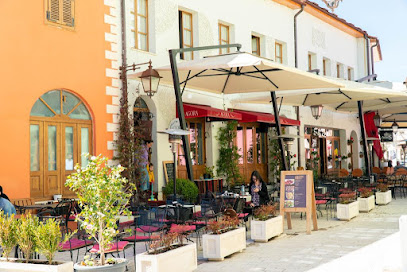
Old Clock Tower
22.2 km
Discover the historic Old Clock Tower in Vlorë, Albania, a landmark showcasing the city's rich culture, architectural beauty, and enduring spirit since the 19th century.
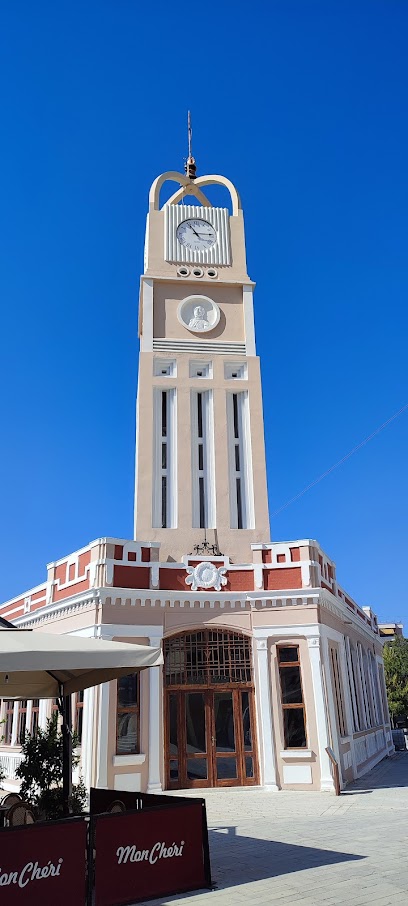
Flag's Square
22.3 km
Discover Flag's Square in Vlorë: a vibrant hub of Albanian history, culture, and local life, marked by the iconic Independence Monument.
Traditional Restaurant HODO Vlorë
22.3 km
Experience authentic Albanian flavors at Traditional Restaurant HODO Vlorë, where local ingredients and culinary traditions create unforgettable meals.
Kantina Balaj
22.3 km
Discover the rich flavors of Albanian wine at Kantina Balaj in Mifol, offering stunning views and unforgettable wine tastings in a serene setting.
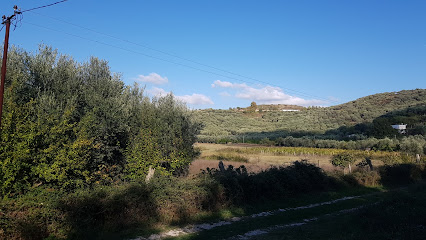
Vlorë City
22.3 km
Escape to Vlorë's central green space for relaxation and tranquility amidst the city's vibrant atmosphere and historical charm.
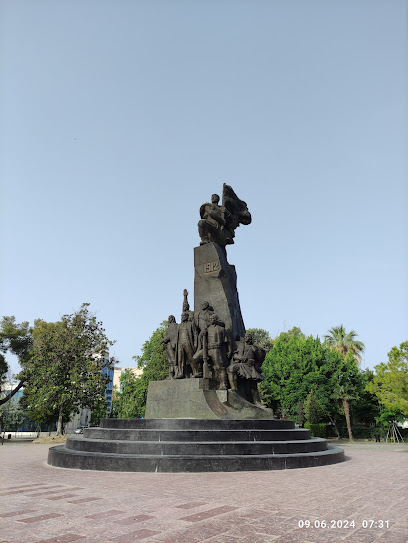
Bar Restorant Shpella e Fikut
22.8 km
Experience authentic Albanian cuisine with breathtaking coastal views at Bar Restorant Shpella e Fikut in Vlore-Kaninë.
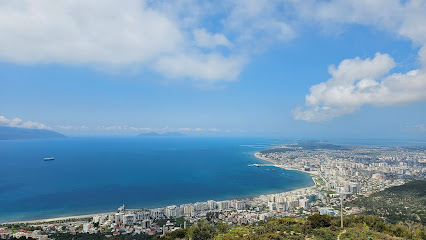
Bonaparte
23.1 km
Experience Vlora's culture at Bonaparte: an espresso bar, art cafe, and B&B with coastal views, local art, and a welcoming atmosphere.
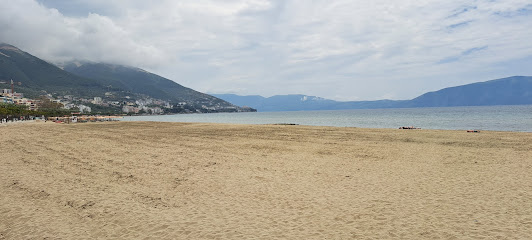
Danté Restaurant
23.1 km
Experience Albanian and Mediterranean flavors at Danté Restaurant in Vlorë. Fresh seafood, inviting ambiance, and picturesque views await!
PitaJoni Souvlaki, Bar & Food
23.2 km
Savor the flavors of Vlore at PitaJoni! Delicious souvlaki, kebabs, and grilled delights await in a vibrant and friendly atmosphere. Open daily!
Unmissable attractions to see

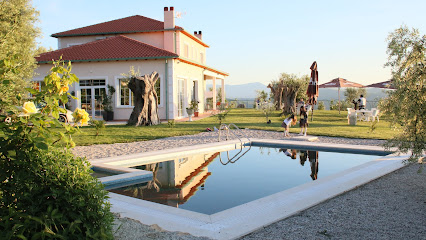
Agroturizëm Bylis
0.7 km
Discover the serene beauty and rich culture of Albania at Agroturizëm Bylis, a perfect retreat for nature lovers and cultural enthusiasts.
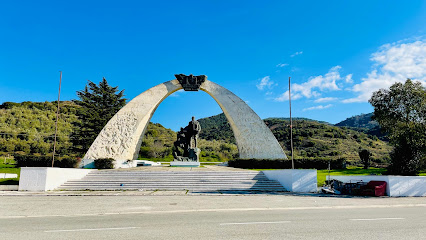
Drashovica Monument
16.6 km
Explore the Drashovica Monument, a historical landmark in Albania that reveals the rich heritage and stunning natural beauty of the region.
Kamcisht Berat
20.3 km
Experience the serene beauty of Kamcisht Park, a peaceful retreat in Albania perfect for relaxation, picnics, and nature walks.
Kanina Castle
21.4 km
Discover the enchanting Kanina Castle, a historical treasure in Albania offering breathtaking views and rich cultural heritage.
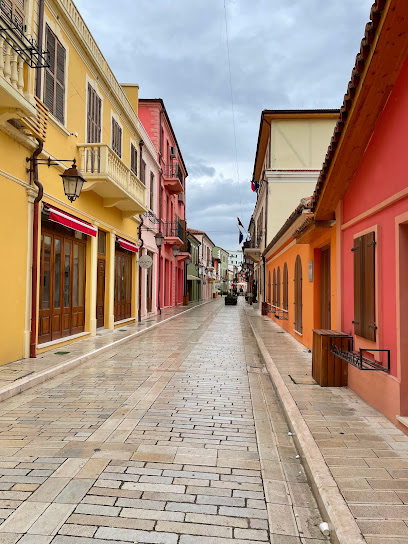
Vlora Old Town
22.1 km
Explore the historical allure of Vlora Old Town, a vibrant destination where ancient architecture meets the charm of the Adriatic coast.
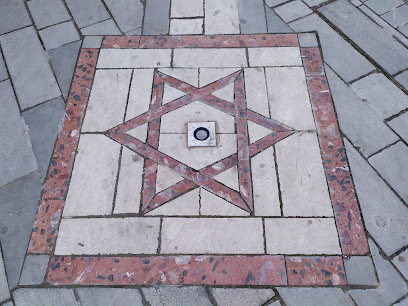
Jews' Alley
22.2 km
Explore Vlorë's Jews' Alley: A historical gem reflecting the city's diverse past and the enduring legacy of its Jewish community.
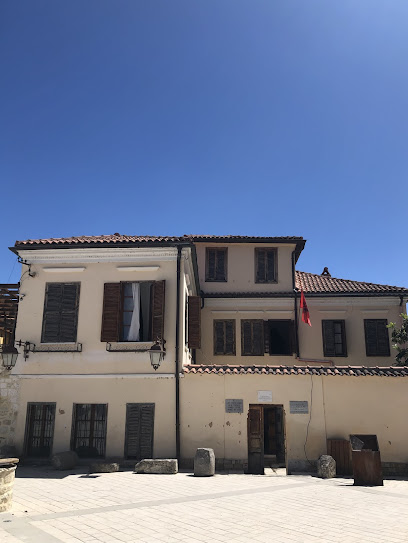
Muzeu Etnografik i Vlorës
22.2 km
Explore the Ethnographic Museum of Vlorë for an authentic insight into Albanian culture and history through captivating exhibits and local artifacts.
Muzeu Historik
22.2 km
Explore the historical richness of Vlorë at Muzeu Historik, where Albania's past comes alive through captivating exhibits and artifacts.
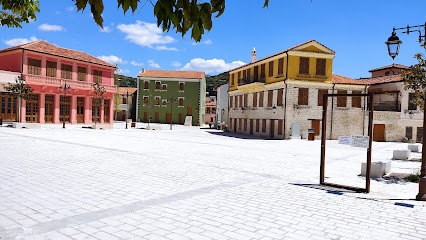
Kuzum Baba
22.2 km
Discover the serene beauty and spiritual significance of Kuzum Baba, a revered shrine in Vlorë, Albania, with stunning views of the Adriatic Sea.
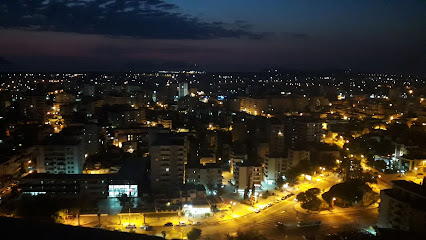
Independence Obelisk
22.3 km
Explore the Independence Obelisk in Vlorë, a significant historical landmark celebrating Albania's journey to freedom amidst beautiful landscapes.
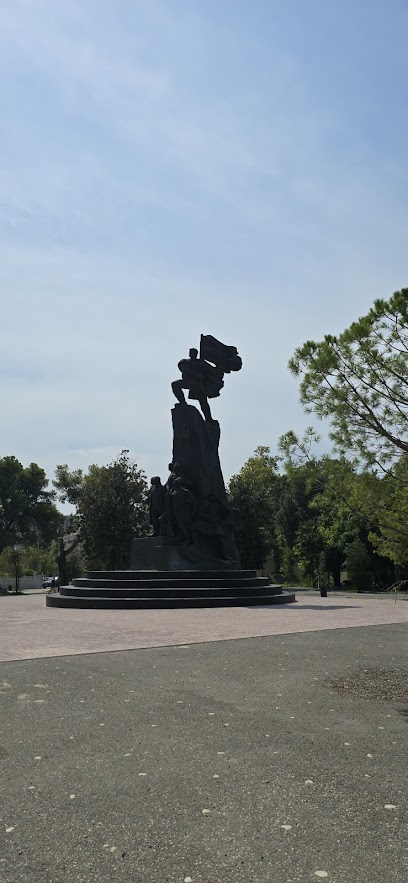
Independence Monument
22.3 km
Explore the Independence Monument in Vlora, a historic landmark symbolizing Albania's quest for freedom and a perfect spot for memorable moments.
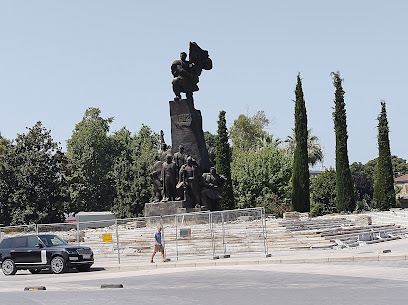
Varri i Ismail Qemalit
22.3 km
Visit the Tomb of Ismail Qemali in Vlorë, a monument honoring Albania's founding father and a symbol of the nation's independence.
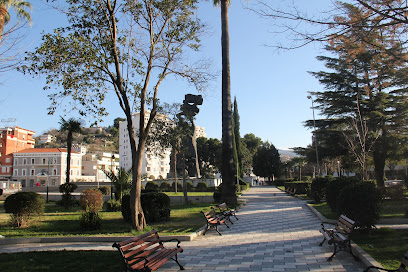
Shtëpia muze Eqerem Bej Vlora
22.3 km
Explore the beauty of Albanian heritage at Shtërpia Muze Eqerem Bej in Vlorë, where history comes alive through captivating exhibits and rich cultural stories.
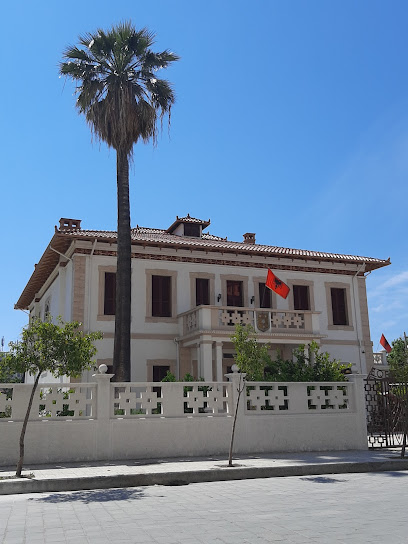
Muradie Mosque
22.4 km
Explore the Muradie Mosque in Vlorë, Albania - a stunning example of Ottoman architecture and a key cultural landmark in the heart of the city.
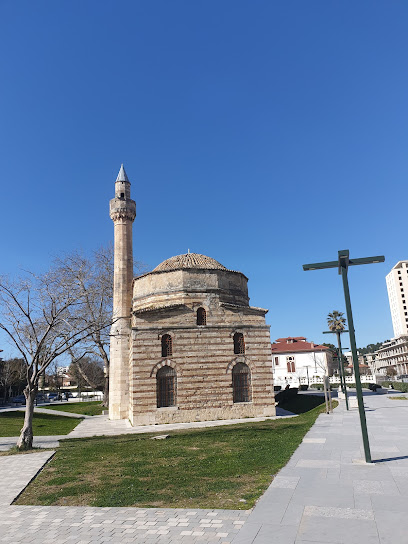
The wall ruins of the ancient city of Aulon ( VLORË)
22.4 km
Explore the ancient city of Aulon's wall ruins near Vlorë, Albania, and step back in time to discover its rich history and stunning views.
Essential places to dine

Bar Restorant Bylis
0.1 km
Discover authentic Albanian flavors at Bar Restorant Bylis amidst stunning ancient ruins in Hekal.
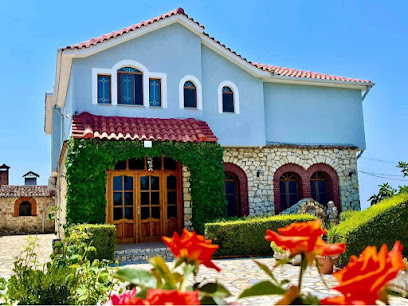
Autogrill 24
2.7 km
Experience authentic Albanian cuisine at Autogrill 24 in Klos – perfect for travelers seeking delicious meals in a cozy setting.
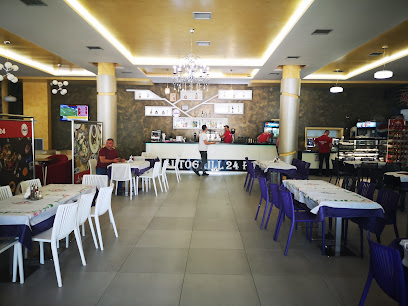
Bar Restorant Mane
3.3 km
Experience authentic Albanian cuisine at Bar Restorant Mane amidst stunning landscapes and warm hospitality.
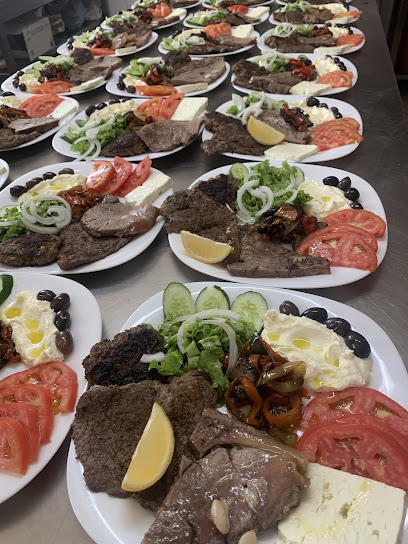
Luli Restaurant
3.7 km
Experience authentic Albanian cuisine at Luli Restaurant, where every dish tells a story of tradition and flavor.
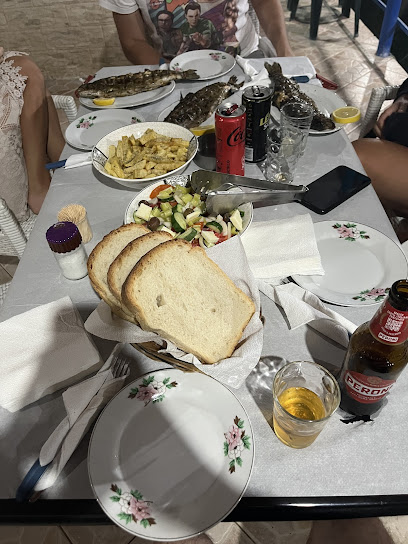
Bar Restaurant Hotel Pocemi
3.7 km
Discover authentic Mediterranean flavors at Bar Restaurant Hotel Pocemi amidst breathtaking landscapes in Albania.
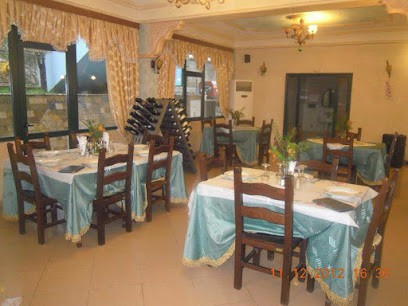
Bar Restaurant Klaudio
5.2 km
Discover authentic Albanian flavors at Bar Restaurant Klaudio in Ballsh, where delicious cuisine meets warm hospitality.
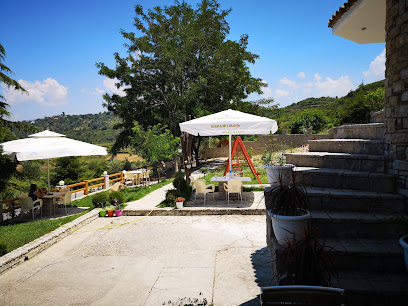
Bar Restaurant Tradita
6.2 km
Savor traditional Albanian cuisine in a lively bar setting at Bar Restaurant Tradita - where every meal tells a story.
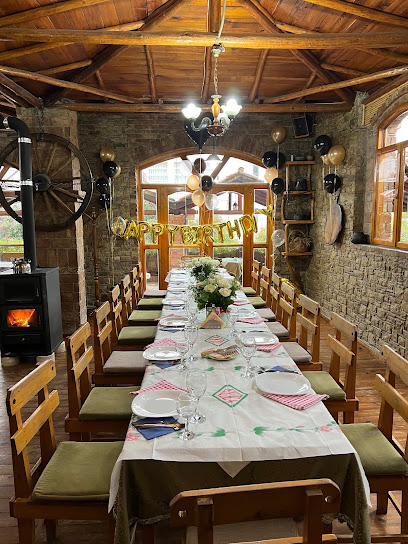
Bar Restaurant Antika
6.8 km
Discover authentic Albanian flavors at Bar Restaurant Antika in Fratar – a culinary gem offering delicious dishes in a cozy atmosphere.
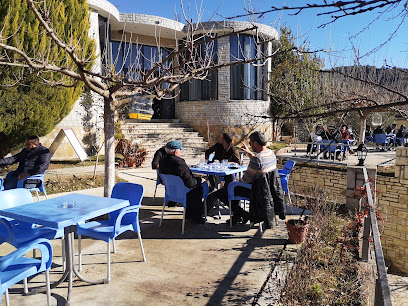
Grill 33
7.2 km
Discover authentic Albanian cuisine at Grill 33 in Cakran – where delicious grilled meats meet warm hospitality.
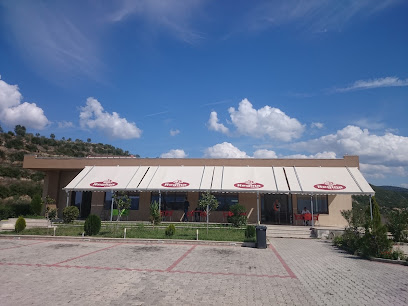
Bar Restorant Enrik Nukaj
8.4 km
Discover authentic Albanian flavors at Bar Restorant Enrik Nukaj in Zalmaj, where homemade dishes bring tradition to your table.
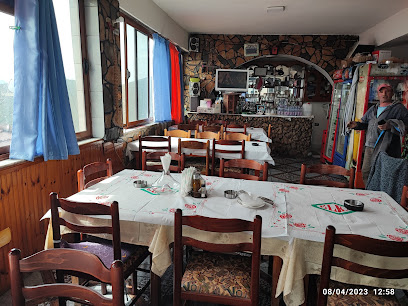
Bar & Restaurant Fusha
8.6 km
Discover authentic Albanian flavors at Bar & Restaurant Fusha in Tatoshaj - a grill paradise for every palate.
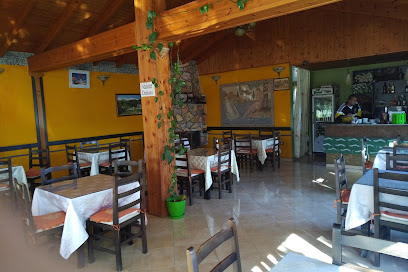
Bar Restaurant Belishova
9.9 km
Experience family-friendly dining at Bar Restaurant Belishova in Lapulec; savor authentic Albanian cuisine in a welcoming atmosphere.
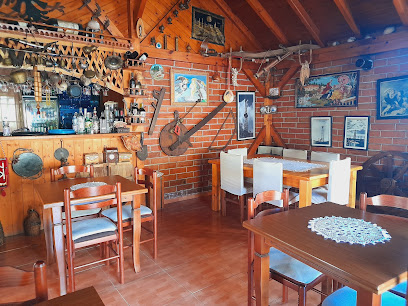
Restorant "1000 Buzëqeshje"
10.5 km
Discover authentic Albanian cuisine at Restaurant 1000 Buzëqeshje - where tradition meets taste in a welcoming atmosphere.
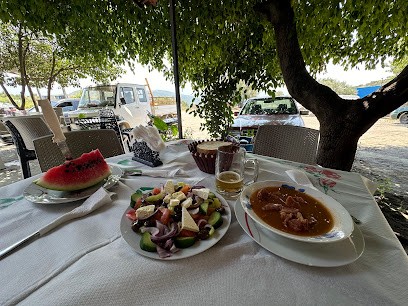
Lokali i Muharremit
12.1 km
Discover authentic Albanian cuisine at Lokali i Muharremit in Çorrush – a culinary haven for travelers seeking delicious flavors.
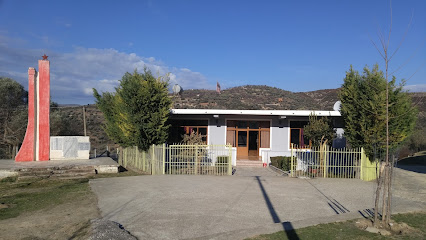
Vila Kapllanaj
15.4 km
Experience authentic Albanian cuisine at Vila Kapllanaj in Patos - where tradition meets taste in a cozy setting.
Markets, malls and hidden boutiques

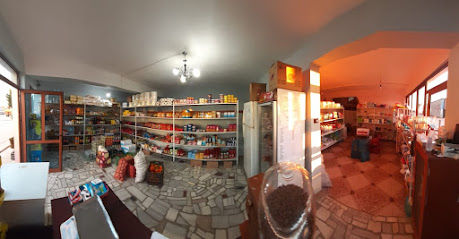
Market Merkaj
1.0 km
Explore the vibrant flavors and local culture at Market Merkaj, Albania's premier supermarket for authentic Albanian goods.
Ballsh
4.7 km
Explore the enchanting Ballsh, Albania, where cozy coffee shops meet the beauty of nature and warm local hospitality.
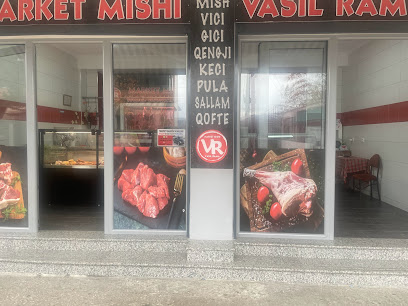
Market Mishi”Vasil Rama”
6.4 km
Discover the authentic flavors of Albania at Market Mishi 'Vasil Rama', a local butcher shop in Ballsh offering high-quality meats and local delicacies.
STIHL BALLSH
6.5 km
Explore STIHL BALLSH in Ballsh, Albania, where high-quality tools meet expert craftsmanship for professionals and enthusiasts alike.
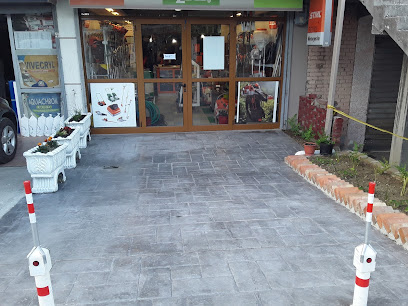
"Elektroshtepiake" Bejdaj
6.5 km
Experience modern shopping and local culture at 'Elektroshtepiake' Bejdaj, a premier shopping destination in Ballsh, Albania.
Electro Store Myftaraj
6.5 km
Explore Electro Store Myftaraj in Ballsh for the latest in electronics, top-notch service, and unbeatable prices.
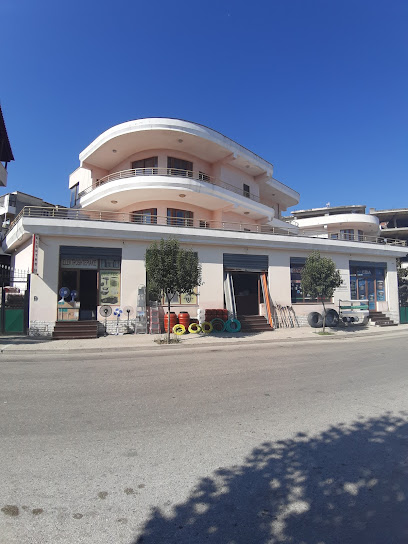
Supermarket ENMO
6.5 km
Discover the best of local and international products at Supermarket ENMO in Ballsh, your ultimate shopping destination!
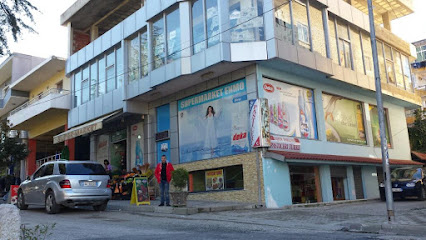
Mini Market Mesutaj
6.6 km
Explore Ballsh through Mini Market Mesutaj, your one-stop-shop for local flavors and essential goods in Albania.
Market, Coffe Neri
7.0 km
Discover the essence of Albanian culture at Market, Coffe Neri in Mallakaster, where local flavors and warm hospitality await.
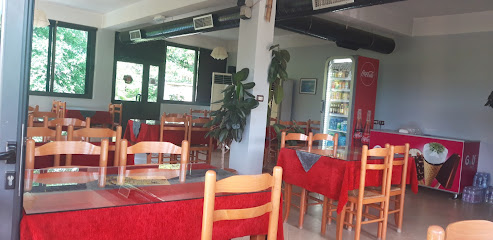
Market Hasanaj
7.0 km
Discover the vibrant flavors of Albania at Market Hasanaj, Mukaj's premier supermarket for local and international delicacies.
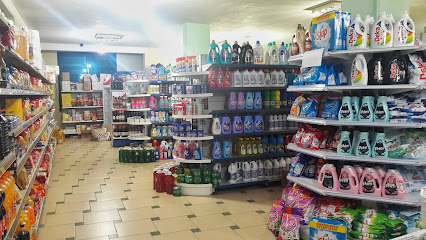
Fabrika e vajit te ullirit Arjan e Ervis Demiraj
7.5 km
Discover the authentic taste of Albanian olive oil at Fabrika e vajit te ullirit, a hidden gem for culinary enthusiasts in Usojë.
Fabrika e Vajit Të Ullirit "Sulaj Oil"
7.6 km
Explore traditional Albanian olive oil production at Fabrika e Vajit Të Ullirit 'Sulaj Oil' in Usojë, where quality meets heritage.
MARKET KIMO
13.9 km
Explore the essence of Albanian culture at Market Kimo, a vibrant supermarket offering fresh local produce and international delights.
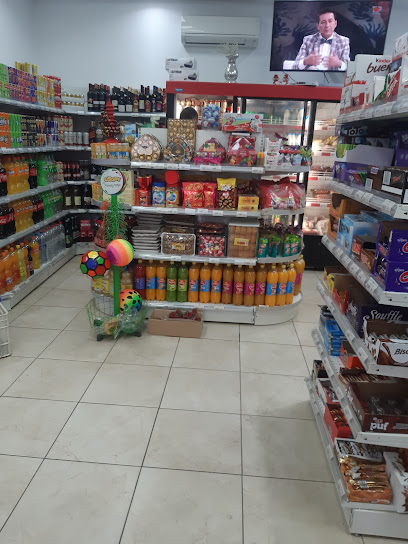
Tefta
18.1 km
Discover Tefta in Dukas, Albania – a vibrant department store offering a unique blend of local culture and diverse shopping experiences.
Lamaj SHPK
18.1 km
Discover a world of shopping, dining, and entertainment at Lamaj SHPK in Patos, Albania, where local culture meets modern retail.
Essential bars & hidden hideouts

Bar Restaurant Lenci
5.2 km
Experience the best of Albanian flavors at Bar Restaurant Lenci, a family-friendly dining spot in Ballsh with fresh, biologic cuisine.
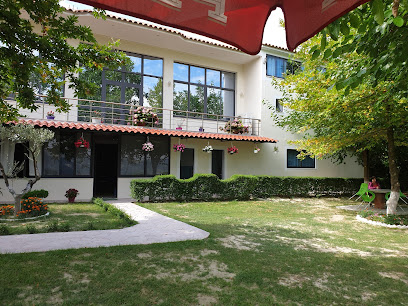
Bar Zheni
6.1 km
Discover Bar Zheni in Ballsh, a cozy bar offering a local taste of Albania with a warm atmosphere and friendly service.
bar piazza
6.3 km
Experience the warmth of Albanian hospitality at Bar Piazza in Fratar, where every sip tells a story and every moment is cherished.
Bar-restorant Roma
6.3 km
Experience the vibrant atmosphere and authentic flavors of Albania at Bar-restorant Roma in Ballsh, a perfect stop for food lovers.
Bar Smile
6.5 km
Discover the local charm of Bar Smile in Ballsh, where great drinks and friendly vibes create unforgettable moments in Albania.
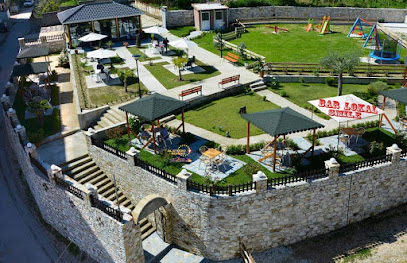
Night Club Niku
6.6 km
Discover the energetic nightlife of Ballsh at Night Club Niku, where good music, great drinks, and a lively atmosphere await you.
Velaj Guest House
12.3 km
Discover the charm of Cfir at Velaj Guest House, where authentic Albanian hospitality meets delicious cuisine. A perfect base for your adventures.
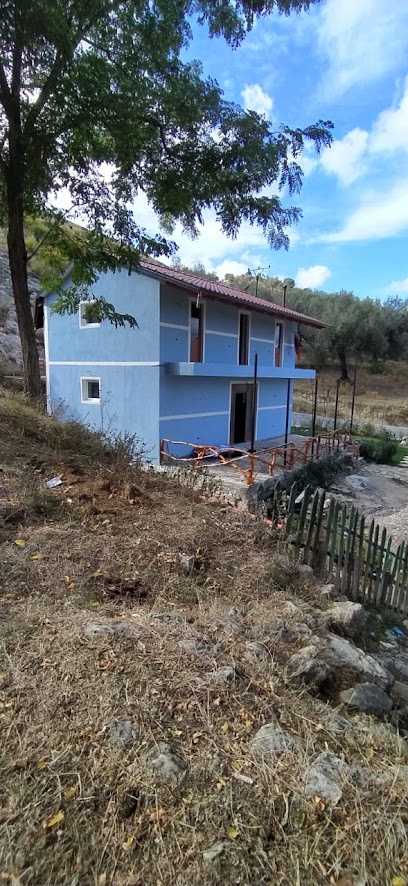
BAR ANI
18.3 km
Experience local culture and vibrant nightlife at BAR ANI in Patos, Albania, a perfect spot for drinks and socializing.
Bar Soni
18.4 km
Experience the heart of Patos at Bar Soni, where friendly service meets refreshing drinks in a cozy atmosphere for an unforgettable evening.
Bar Gjermani
18.8 km
Experience the vibrant atmosphere of Bar Gjermani in Patos, Albania, where local charm meets affordable drinks and friendly service.
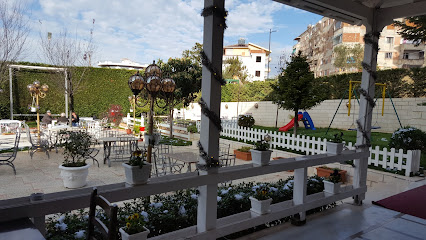
bar olsi
20.2 km
Discover the authentic flavors of Albania at Bar Olsi, a charming grill restaurant in Zharrëz that promises a delightful culinary adventure.
Bar & Mish Zgare,Edisoni
20.9 km
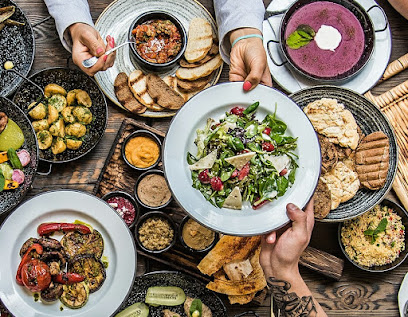
Discover the authentic flavors of Albania at Bar & Mish Zgare, the ultimate grill experience in Kafaraj.
bar
21.5 km
Experience the vibrant nightlife of Patos, Albania, at this charming bar offering local drinks and live music in a cozy atmosphere.
Te Beu Coffee & Wine Bar
22.1 km
Explore Vlorë with a visit to Te Beu Coffee & Wine Bar, where exquisite coffee and fine wines meet in a cozy, inviting atmosphere.
Komiteti Bar - Vlorë
22.2 km
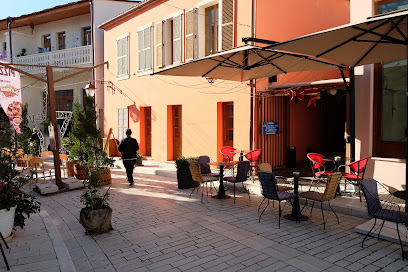
Experience the vibrant nightlife at Komiteti Bar in Vlorë, where traditional Albanian hospitality meets a modern bar scene.