
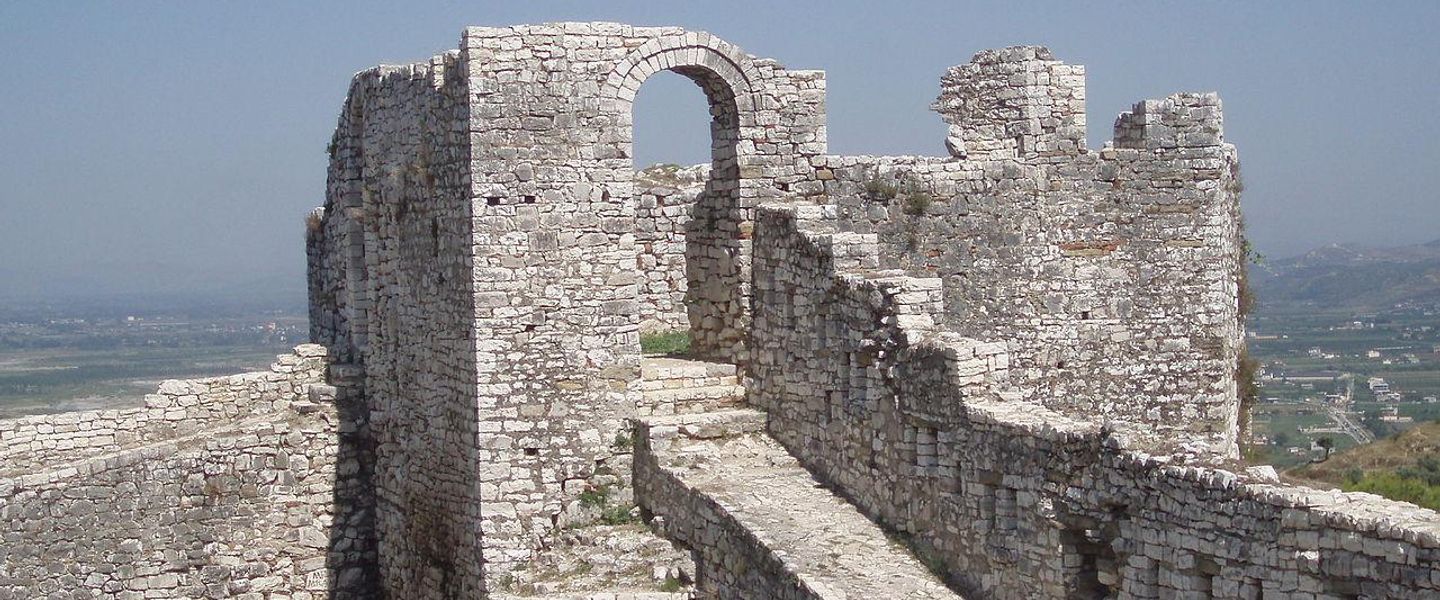
Toskëria, Albania Travel Guide
Discover the charming villages, ancient cities, and natural wonders of Toskëria, the picturesque and culturally rich heart of southern Albania.
Toskëria, located in the southern part of Albania, is a region rich in history, culture, and natural beauty. This area is known for its stunning landscapes, including rolling hills, lush forests, and pristine rivers. The region also boasts charming villages and towns that offer a glimpse into traditional Albanian life. Visitors to Toskëria can explore the ancient city of Gjirokastër, a UNESCO World Heritage Site. This city is famous for its well-preserved Ottoman architecture and its imposing castle, which offers breathtaking views of the surrounding area. Another highlight is the town of Përmet, known for its thermal baths and delicious cuisine. For nature lovers, the Vjosa River, one of the last wild rivers in Europe, runs through Toskëria. Its crystal-clear waters and picturesque surroundings make it a perfect spot for kayaking, rafting, or simply enjoying a peaceful day by the water. The region's diverse flora and fauna add to the allure, making it a haven for bird watchers and hikers alike.

Know before you go
Hi, I'm Eve. Here are a few practical things to know before exploring Toskëria.
- Visit Gjirokastër early in the morning to avoid the crowds and enjoy the cooler temperatures.
- Try the local cuisine in Përmet, especially the traditional gliko (fruit preserves) and raki (strong Albanian brandy).
- Bring comfortable walking shoes, as many of the region's attractions are best explored on foot.
- Check the weather forecast before planning outdoor activities along the Vjosa River.
- Learn a few basic Albanian phrases to enhance your interaction with the friendly locals.
Top City Travel Guides in Toskëria
The cities of Toskëria, and the easiest places to base yourself.



Destinations in Toskëria
Resorts, valleys and scenic spots worth a trip of their own.


Explore Toskëria: Things to Do, Places to Eat, Hotels & More
Handpicked recommendations for top attractions, local dining, accommodations, and more

Top Attractions & Sightseeing in Toskëria
Top-rated picks
Best Attractions

Tanners' Bridge
Discover Tanners' Bridge, a historic stone marvel in Tirana, Albania, blending stunning architecture with captivating local culture and scenic landscapes.

Castle of Kruja
Explore Kruja Castle: A historic Albanian fortress offering panoramic views and a glimpse into the nation's rich past.

Kanionet e Osumit Zabërzan
Discover the breathtaking Osumi Canyons: a geological marvel offering rafting, hiking, and stunning views in the heart of Albania's wilderness.

Palace of Culture
Discover Tirana's Palace of Culture: a monumental landmark housing the National Library and Opera, reflecting Albania's vibrant history and artistic soul.

Best landmarks in Toskëria
Top-rated picks
Best Landmarks

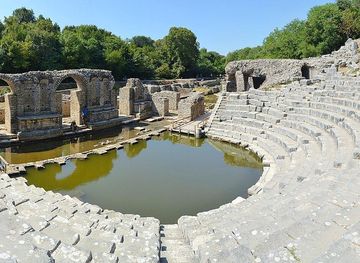
Butrint National Archaeological Park
Discover Butrint National Park: Where ancient civilizations meet stunning natural beauty on Albania's southern coast, a UNESCO World Heritage site.
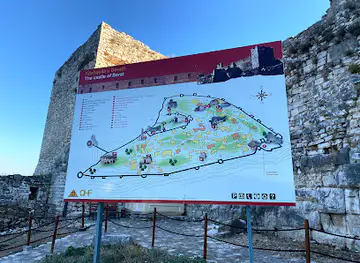
Berat Castle
Explore Berat Castle: A historic Albanian fortress with stunning views, Byzantine churches, Ottoman mosques, and a vibrant living community.

Castle of Gjirokastra
Explore a massive Balkan fortress in Gjirokastra, Albania, with centuries of history, stunning views, and unique museums within its walls.

Castle of Kruja
Explore Kruja Castle: a historic Albanian fortress offering stunning views, rich history, and a glimpse into the nation's heroic past.

Best restaurants in Toskëria
Top-rated picks
Best Restaurants

Haxhi
Experience authentic Albanian flavors at Haxhi in Saranda – where tradition meets stunning seaside views.

Temi Albanian Food
Experience authentic Albanian cuisine at Temi Albanian Food in Berat - where tradition meets flavor.

To Steki sti Gonia
Experience authentic Greek cuisine at To Steki sti Gonia in Himarë - where stunning views meet delicious flavors.

The Barrels Ms ( te Fuçite )
Discover authentic Albanian flavors at The Barrels Ms (te Fuçite), Gjirokaster's top-rated culinary destination.

Best bars in Toskëria
Top-rated picks
Best Bars
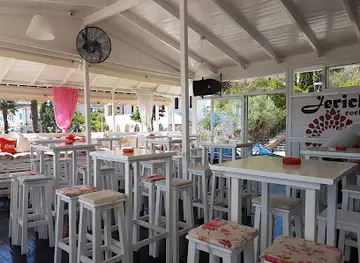
Jericho Cocktail Bar
Experience the vibrant ambiance and exquisite cocktails at Jericho Cocktail Bar, a must-visit destination along the stunning shores of Sarandë.

Oping's Cocktails & Beer
Discover the lively atmosphere and exquisite drinks at Oping's Cocktails & Beer, a top bar in the heart of Tirana, Albania.

Hangover Cocktail Bar
Discover Gjirokaster's nightlife at the Hangover Cocktail Bar, where unique cocktails meet a vibrant atmosphere in the heart of Albania.

Tipsy drinks and more
Experience the best cocktails in Saranda at Tipsy Drinks and More, where vibrant ambiance meets stunning coastal views.

Best nightclubs in Toskëria
Top-rated picks
Best Nightclubs

Hemingway Bar Tirana
Discover the enchanting atmosphere of Hemingway Bar Tirana, where jazz music and vibrant social life blend for an unforgettable night out.

Cinco Cavalli Premium Club
Dance the night away at Cinco Cavalli Premium Club, a top nightlife destination in Sauk, Albania, featuring electrifying music and an unforgettable atmosphere.

Living Room Antik
Experience the best of Tirana's nightlife at Living Room Antik, a premier night club and beer hall known for its creative cocktails and lively ambiance.

Whisky Bar Tirana
Discover the lively ambiance and extensive whisky selection at Whisky Bar Tirana, a premier nightlife spot in Albania's capital.

Best shops in Toskëria
Top-rated picks
Best Shops

Toptani
Discover Toptani Shopping Mall in Tirana, the ultimate destination for shopping, dining, and entertainment for tourists and locals alike.

Metropol Center
Discover the Metropol Center, Lushnjë's premier shopping destination, blending local charm with modern retail and dining experiences.

Memories Shop at Tirana Airport
Explore the Memories Shop at Tirana Airport for authentic Albanian souvenirs that capture the spirit of your travels.

ViaAnabel
Explore the charm of ViaAnabel, a unique consignment shop in Tirana offering vintage finds and sustainable shopping experiences.

Explore Toskëria on the Map
A handpicked selection of must-see spots in Toskëria, mapped for you.
Toskëria Essentials
-
Toskëria, located in southern Albania, is accessible by various means. The nearest international airport is Tirana International Airport (Nënë Tereza), approximately 200 kilometers away. From Tirana, you can take a bus or a taxi to Toskëria. The journey typically takes around 3 to 4 hours by road. Alternatively, you can rent a car for a more flexible travel experience. For those already in Albania, regional buses and minibuses (furgons) frequently travel to Toskëria from major cities like Tirana, Vlora, and Gjirokastër.
-
Once in Toskëria, getting around can be done by various means. Walking is a great option for exploring the town centers and nearby attractions. Local buses and minibuses (furgons) are available for longer distances and are quite affordable. Taxis are also readily available and can be hailed on the street or booked through apps. If you prefer driving, renting a car gives you the flexibility to explore more remote areas at your own pace. Bicycles can be rented in some towns for a more eco-friendly and scenic way to explore the region.
-
The official currency in Albania is the Albanian Lek (ALL). While credit cards are accepted in larger hotels, restaurants, and some shops, it is advisable to carry cash, especially in smaller establishments and rural areas. ATMs are available in most towns and cities in Toskëria, but it's a good idea to withdraw sufficient cash before traveling to more remote locations. Foreign currencies are generally not accepted, so ensure you have enough Albanian Lek for your transactions.
-
Toskëria is generally a safe destination for tourists. However, like any travel destination, it is advisable to take standard precautions. Avoid walking alone at night in unfamiliar areas and keep an eye on your belongings in crowded places. While Toskëria does not have specific high-crime areas targeting tourists, it is always best to stay vigilant and aware of your surroundings. Petty theft can occur, so keep your valuables secure.
-
In case of emergency, dial 112 for immediate assistance. This number connects you to police, medical, and fire services. Hospitals and medical facilities are available in Toskëria, with larger hospitals located in nearby cities like Gjirokastër and Vlora. It is recommended to have travel insurance that covers medical emergencies. Pharmacies are available in most towns where you can purchase over-the-counter medications for minor health issues.
-
Fashion: Do dress modestly, especially when visiting religious sites. Avoid wearing revealing clothing. Religion: Do respect local customs and traditions. Always cover your head when entering churches and mosques. Public Transport: Do be respectful and give up your seat to elderly passengers. Don’t eat or drink on public transport. Greetings: Do greet people with a handshake. A friendly 'Mirëdita' (Good day) is appreciated. Eating & Drinking: Do try local delicacies and accept food offerings graciously. Don’t refuse hospitality, as it is considered impolite.
-
To experience Toskëria like a local, visit the weekly markets where you can buy fresh produce and traditional Albanian goods. Engage with locals, as they are often friendly and willing to share stories about the region's history and culture. Don’t miss visiting the ancient ruins of Antigonea and the Ottoman-era town of Gjirokastër, both of which offer a glimpse into the area's rich history. For a unique experience, take a hike in the Bredhi i Hotovës-Dangelli National Park, known for its stunning landscapes and biodiversity.
When is the best time to visit Toskëria?
Useful Local Phrases for Toskëria
You don't need to speak the language perfectly. Even learning a few simple words can make conversations warmer—and locals usually appreciate the effort.
— Eve

Here are the phrases I use most often in Toskëria. Try a few—you'll be surprised how far they go! 😊
❤️
-
- HelloPërshëndetje
[Për-shen-deh-te] - GoodbyeMirupafshim
[Mee-roo-paf-sheem] - YesPo
[Poh] - NoJo
[Yo] - Please/You're welcomeTë lutem/Mirë se vini
[Tuh loo-tem/Meer-seh vee-nee] - Thank youFaleminderit
[Fah-leh-min-deh-reet] - Excuse me/SorryMë falni
[Muh fahl-nee] - How are you?Si jeni?
[See yeh-nee] - Fine. And you?Mirë. Dhe ti?
[Meer. Dhe tee] - Do you speak English?A flisni anglisht?
[Ah flee-snee ahn-gleesht] - I don't understandNuk kuptoj
[Nook koop-toy]
- HelloPërshëndetje
-
- I'd like to see the menu, pleaseDo doja të shoh menun, të lutem
[Doh doh-yah tuh shoh meh-noon, tuh loo-tem] - I don't eat meatNuk ha mish
[Nook hah meesh] - Cheers!Gëzuar!
[Guh-zoo-ar] - I would like to pay, pleaseDo doja të paguaj, të lutem
[Doh doh-yah tuh pah-goo-ah-y, tuh loo-tem]
- I'd like to see the menu, pleaseDo doja të shoh menun, të lutem
-
- Help!Ndihmë!
[Ndeem] - Go away!Shko larg!
[Shko larg] - Call the Police!Thirrni policinë!
[Theer-nee poh-lee-chee-neh] - Call a doctor!Thirrni një doktor!
[Theer-nee nyeh dok-tor] - I'm lostJam i humbur
[Yam ee hoom-boor] - I'm illJam i sëmurë
[Yam ee suh-moor]
- Help!Ndihmë!
-
- I'd like to buy...Do doja të blej...
[Doh doh-yah tuh bleh] - I'm just lookingPo shikoj vetëm
[Poh shee-koy veh-tem] - How much is it?Sa kushton?
[Sah koosh-ton] - That's too expensiveKjo është shumë e shtrenjtë
[Kyo esht shoom eh shtrayn-t] - Can you lower the price?A mund të ulni çmimin?
[Ah moond tuh ool-nee chmee-min]
- I'd like to buy...Do doja të blej...
-
- What time is it?Sa është ora?
[Sah esht oh-rah] - It's one o'clockËshtë një orë
[Esht nyeh oh-rah] - Half past (10)Pjesë pas (10)
[Pye-seh pahs (deh)] - MorningMëngjes
[Men-jes] - AfternoonDrekë
[Dreh-keh] - EveningMbrëmje
[Mbrum-yeh] - YesterdayDje
[Dyeh] - TodaySot
[Sot] - TomorrowNesër
[Neh-ser] - 1Një
[Nyeh] - 2Dy
[Dee] - 3Tre
[Tre] - 4Katër
[Kah-ter] - 5Pesë
[Pe-seh] - 6Gjashtë
[Jasht] - 7Shtatë
[Shtaht] - 8Tetë
[Teht] - 9Nëntë
[Nuhn-teh] - 10Dhjetë
[Dhee-eh-teh]
- What time is it?Sa është ora?
-
- Where's a/the...?Ku është një...?
[Koo esht nyeh] - What's the address?Cila është adresa?
[Tsee-lah esht ah-dreh-sah] - Can you show me (on the map)?A mund të më tregoni (në hartë)?
[Ah moond tuh meh treh-goh-nee (nuh hart)] - When's the next (bus)?Kur është autobusi tjetër?
[Koorr esht ah-oo-boo-see tee-eht-er] - A ticket (to ....)Një biletë (për ...)
[Nyeh bee-leht (puhr ...)]
- Where's a/the...?Ku është një...?
History of Toskëria
-
Toskëria, located in southern Albania, is historically known as the land of the Tosks, one of the two major Albanian subgroups. This region has been inhabited since ancient times, with evidence of Illyrian tribes that settled in the area. The cultural and linguistic traits of the Tosks have played a significant role in shaping the identity of the region.
-
The Ottoman Empire ruled over Toskëria from the late 14th century until the early 20th century. During this period, the region experienced significant changes, including the introduction of Islam and the development of unique architectural styles. The influence of the Ottomans is evident in the local cuisine, traditions, and historical buildings that still stand today.
-
In 1878, Toskëria played a pivotal role in the formation of the League of Prizren, an Albanian nationalist movement aimed at preserving Albanian territories and promoting cultural unity. The region's intellectuals and leaders were instrumental in advocating for Albanian autonomy and resisting foreign domination. This movement marked a significant step towards the eventual independence of Albania.
-
Toskëria was a key player in the struggle for Albanian independence in the early 20th century. Prominent figures from the region, such as Ismail Qemali, who declared Albanian independence in 1912, hailed from Toskëria. The region's contributions to the national cause are commemorated in various monuments and historical sites scattered across the area.
-
The late 19th and early 20th centuries saw a cultural renaissance in Toskëria, with a focus on the preservation and promotion of Albanian language and heritage. This period, known as the Albanian National Awakening, was marked by the publication of significant literary works and the establishment of schools that taught the Albanian language. This cultural revival played a crucial role in fostering a sense of national identity among the Tosks.
-
During World War II, Toskëria was a center of resistance against Axis occupation, with local partisans actively fighting against the invaders. After the war, Albania fell under communist rule, and Toskëria, like the rest of the country, underwent drastic changes. The communist regime implemented agrarian reforms and industrialization projects that transformed the region's economy and landscape. Despite the regime's fall in 1991, remnants of this era can still be seen in the region's infrastructure and societal structures.
-
Since the fall of communism, Toskëria has been undergoing a transformation, embracing democracy and market economy principles. The region has seen significant developments in tourism, with efforts to preserve and promote its rich historical and cultural heritage. Today, Toskëria is a vibrant area that attracts visitors with its picturesque landscapes, historical sites, and cultural festivals.
Neighbouring Regions of Toskëria
The closest regions to Toskëria, if you have time for more than one.


Your all‑in‑one travel companion app
Explore expert travel guides, compare and book tours, experiences, hotels, and more—all from the palm of your hand. Download now for seamless trip planning wherever your wanderlust takes you.


Explore More of Albania

Looking beyond Toskëria? Discover Albania for broader travel guides, local hot-spots, and regional highlights.
Explore AlbaniaToskëria in Photos
Browse through our photo collection highlighting the charm and character of the destination.


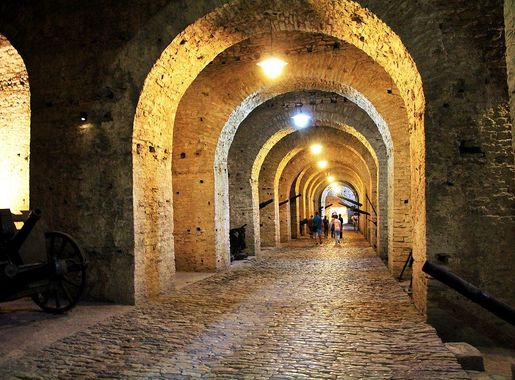
Toskëria: The Heart of Southern Albania
Toskëria, located in the southern part of Albania, is a region rich in history, culture, and natural beauty. This area is known for its stunning landscapes, including rolling hills, lush forests, and pristine rivers. The region also boasts charming villages and towns that offer a glimpse into traditional Albanian life. Visitors to Toskëria can explore the ancient city of Gjirokastër, a UNESCO World Heritage Site. This city is famous for its well-preserved Ottoman architecture and its imposing castle, which offers breathtaking views of the surrounding area. Another highlight is the town of Përmet, known for its thermal baths and delicious cuisine. For nature lovers, the Vjosa River, one of the last wild rivers in Europe, runs through Toskëria. Its crystal-clear waters and picturesque surroundings make it a perfect spot for kayaking, rafting, or simply enjoying a peaceful day by the water. The region's diverse flora and fauna add to the allure, making it a haven for bird watchers and hikers alike.