Gjirokastra Castle: A Balkan Fortress
Explore Gjirokastra Castle: A historic Balkan fortress with stunning views, military history, and cultural exhibits.
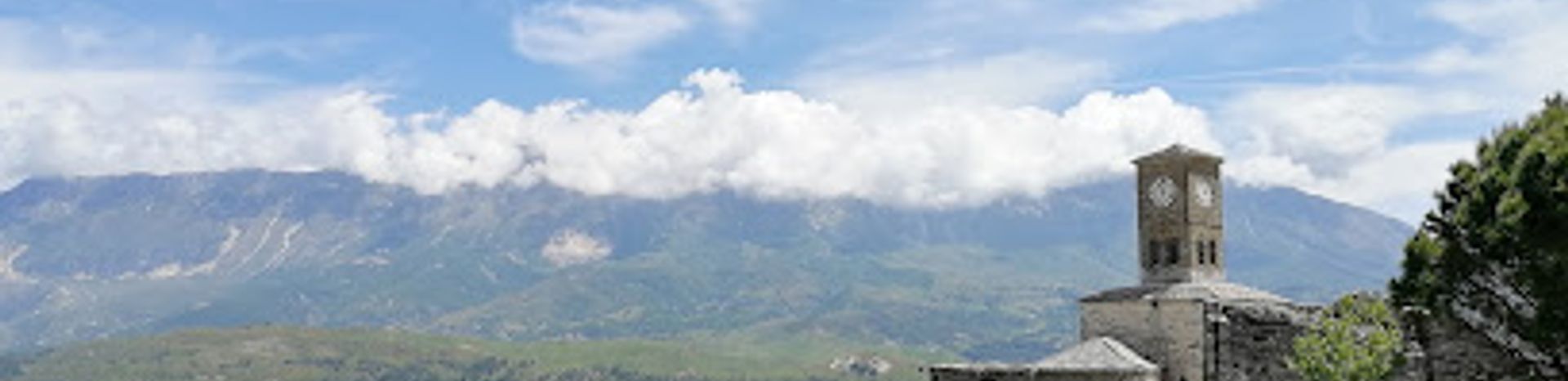
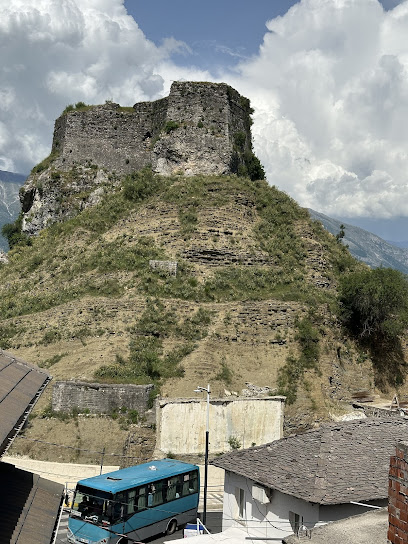
Gjirokastra Castle, a massive fortress overlooking the city, is the second largest in the Balkans. With origins dating back to the 12th century, it has served as a defensive structure, a prison, and now a museum showcasing the region's rich history and offering stunning views of the Drino Valley.
A brief summary to Castle of Gjirokastra
- Rruga Elvia Celebi, Gjirokaster, AL
- Visit website
Local tips
- Wear comfortable shoes, as the castle grounds involve walking on uneven cobblestone surfaces.
- Visit during the shoulder seasons (May/June or September) for pleasant weather and fewer crowds.
- Bring cash, as card payments may not be accepted for entrance fees or souvenirs.
- Allow at least 2-3 hours to fully explore the castle and its museums.

Getting There
-
Walking
From Gjirokastra's Old Bazaar, head uphill along the cobbled street, Rruga Elvia Celebi, lined with souvenir and art stalls. The walk to the castle's southern entrance takes approximately 10-15 minutes, though it is steep. Entrance fee is 400 Lek.
-
Public Transport
Local buses connect the new town to the old town. From the bus station in the lower part of the city, take the public bus that goes to the old town. Get off near the Old Bazaar and follow the walking directions to the castle. A bus ticket costs approximately 30 Lek.
-
Taxi
Taxis are readily available in Gjirokastra. A taxi from the new town or the bus station to the castle costs around 200-500 Lek. Negotiate the fare before starting the ride.
Discover more about Castle of Gjirokastra
Iconic landmarks you can’t miss

Bashteja e Teqesë
0.1 km
Explore Bashteja e Teqesë in Gjirokaster: A journey through Albania's rich history, showcasing stunning stonework and panoramic views.
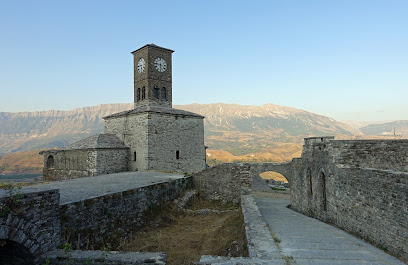
Vojsava Restaurant
0.1 km
Experience authentic Albanian cuisine at Vojsava Restaurant in Gjirokastër, where traditional flavors and warm hospitality create unforgettable memories.
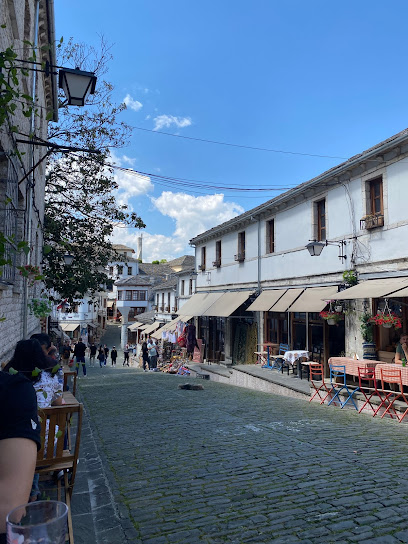
Taverna Murgana
0.1 km
Experience authentic Albanian cuisine in a charming setting with stunning views at Taverna Murgana, Gjirokastër. A culinary gem!
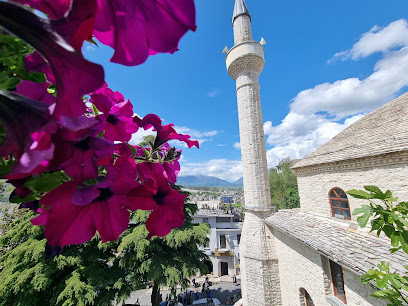
Hangover Cocktail Bar
0.2 km
Experience Gjirokaster's vibrant nightlife at Hangover Cocktail Bar, where expertly crafted cocktails meet lively music for unforgettable evenings.
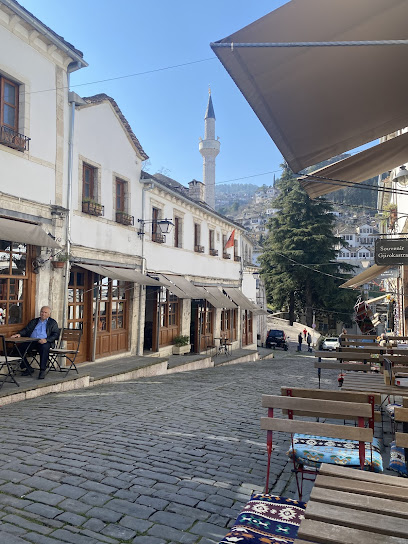
Mapo Restaurant
0.2 km
Experience authentic Albanian cuisine with a modern twist at Mapo Restaurant in Gjirokastra's charming old town. Open daily from 8 AM to 10 PM.
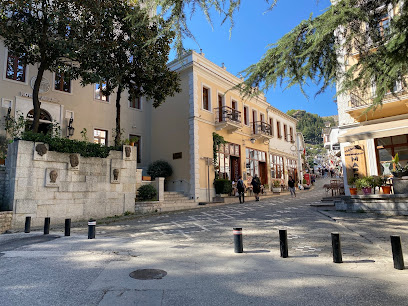
Hotel Old Bazaar 1790
0.2 km
Experience the charm of Gjirokastër at Hotel Old Bazaar 1790: Traditional Ottoman architecture, modern comforts, and a perfect location await!

Hotel Old Bazaar 1970
0.2 km
Experience authentic Albanian hospitality in the heart of Gjirokastër's Old Bazaar, a UNESCO World Heritage site steeped in history and culture.
Submarine 105
0.2 km
Experience authentic Albanian cuisine at Submarine 105 in Gjirokastra – where tradition meets flavor in a cozy, historic setting.
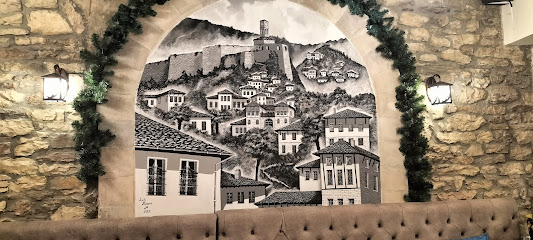
Girokastra
0.2 km
Discover the enchanting charm of Girokastra, a UNESCO World Heritage site showcasing Albania's rich history and stunning Ottoman architecture.
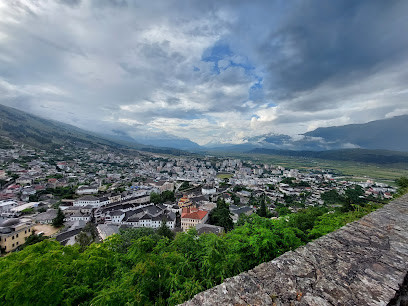
Visit Gjirokastra DMC
0.2 km
Uncover the rich heritage and stunning landscapes of Gjirokastra with C-Adventure, your gateway to unforgettable Albanian experiences.
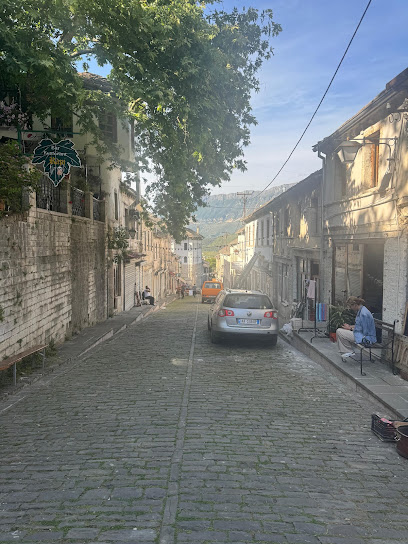
Corner of Bazaar
0.2 km
Experience authentic Albanian cuisine in a cozy setting at Corner of Bazaar, nestled in Gjirokastra's historic Old Bazaar.
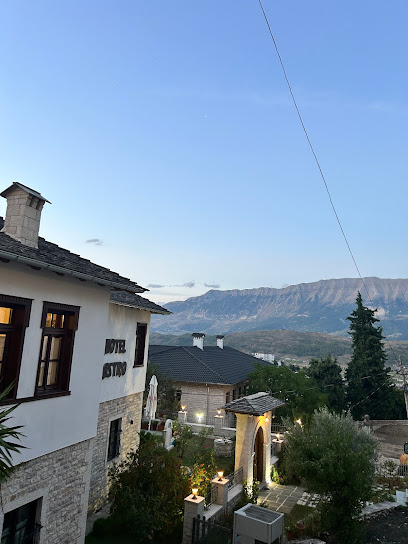
Hotel Kastro
0.2 km
Experience authentic Albanian hospitality in the heart of Gjirokastër at Hotel Kastro, offering comfort, convenience, and a prime location.
Guest House Urat
0.2 km
Discover the charm of Gjirokaster at Guest House Urat, where comfort meets culture in the heart of Albania's UNESCO World Heritage site.
Tourist Information Center
0.2 km
Your gateway to exploring Gjirokastër, a UNESCO World Heritage city. Get maps, tips, and insights for an unforgettable Albanian adventure.
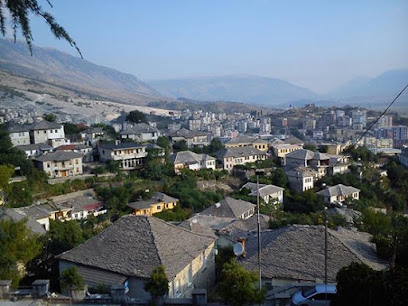
Taverna Lani
0.3 km
Experience authentic Albanian flavors at Taverna Lani in Gjirokastër. Fresh, local ingredients and traditional recipes create an unforgettable dining experience.
Unmissable attractions to see

Gjirokastër Museum
0.1 km
Explore the Gjirokastër Museum, a treasure trove of Albania's rich history and culture, nestled in the heart of a UNESCO World Heritage Site.
Muzeu i Armëve
0.1 km
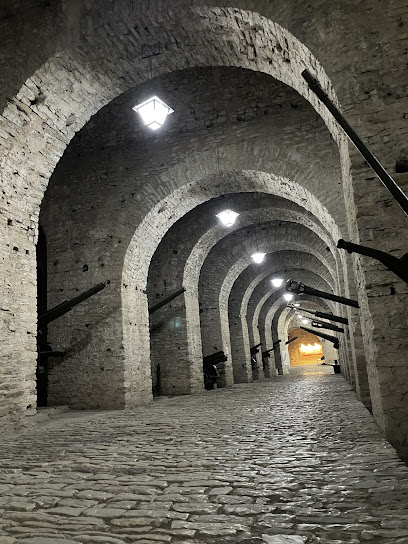
Explore the rich military history of Albania at the Museum of Arms in Gjirokaster, showcasing a remarkable collection of artifacts and weaponry.
Nostagia Tunnel
0.1 km
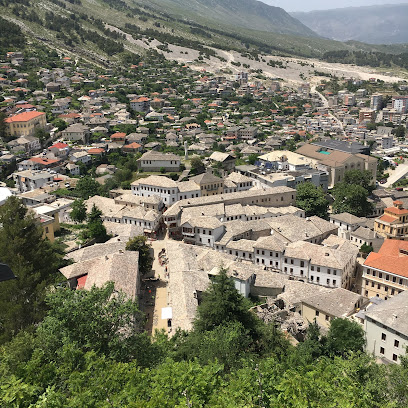
Step back in time at Gjirokaster's Nostalgia Tunnel, an immersive museum showcasing the city's rich history and cultural heritage.
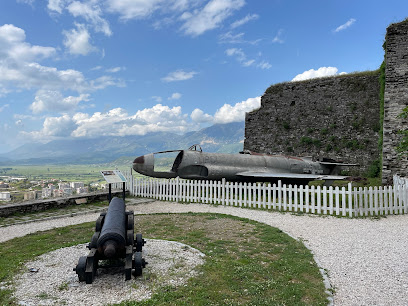
Lokid T-33
0.1 km
Discover the historical significance of Lokid T-33, a captivating landmark in the enchanting city of Gjirokastra, Albania.
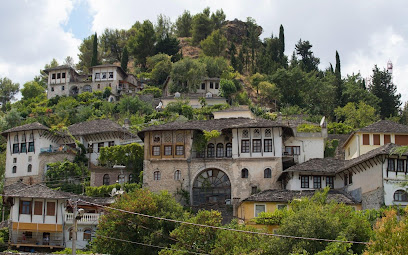
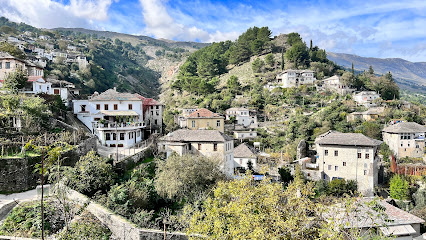
Gjirokastra Old Town
0.2 km
Discover the historical gems of Gjirokastra Old Town, a UNESCO World Heritage site with stunning Ottoman architecture and rich cultural experiences.
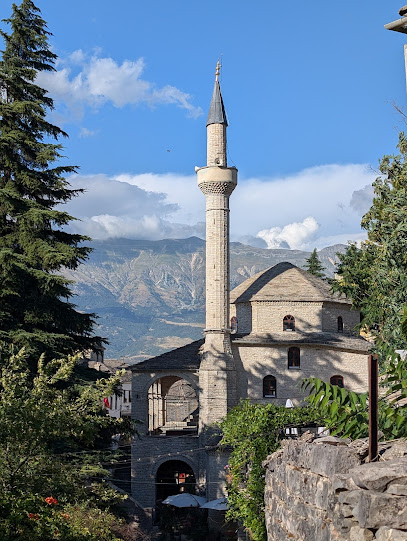
Xhamia e Pazarit
0.2 km
Discover the exquisite Xhamia e Pazarit in Gjirokaster, where history, spirituality, and architectural beauty come together in a serene setting.
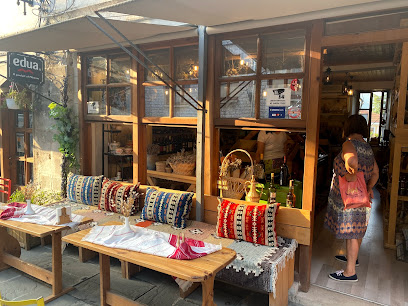
Gjirokastra Bazaar
0.2 km
Explore Gjirokastra Bazaar for authentic Albanian crafts, delicious local cuisine, and immerse yourself in a vibrant cultural experience.
View point
0.2 km
Experience breathtaking panoramic views of Gjirokaster's unique Ottoman architecture and rich history from this must-see vantage point.
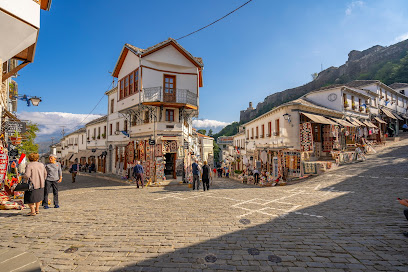
Qafa e Pazarit
0.2 km
Explore Qafa e Pazarit in Gjirokastra: a vibrant historical landmark with artisan shops, Ottoman architecture, and authentic Albanian culture.
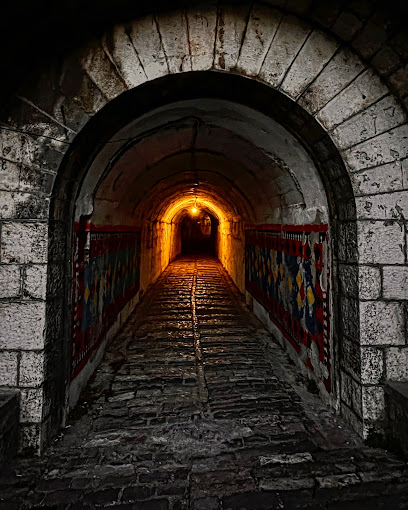
Tunel
0.2 km
Explore the captivating Tunnel of Gjirokastra—an intriguing blend of history and adventure in Albania's stunning landscape.
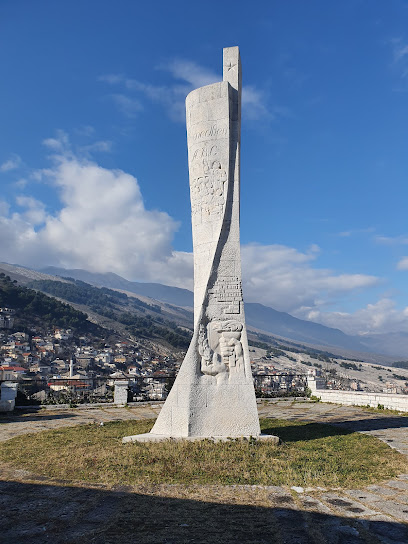
Gjirokastër Obelisk
0.2 km
Explore the Gjirokastër Obelisk, a historical landmark that encapsulates the rich cultural heritage of Albania amidst stunning landscapes.
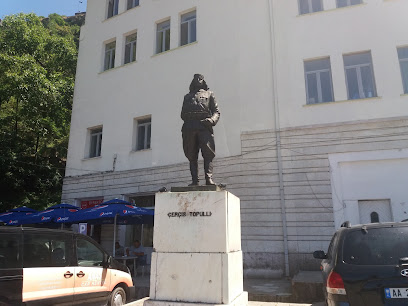
Çerçiz Topulli Square
0.2 km
Explore the historical charm of Çerçiz Topulli Square in Gjirokaster, a vibrant hub of culture, architecture, and local life in Albania.
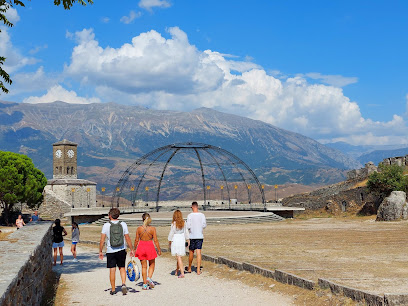
Skena e Festivalit Folklorik Gjirokastër
0.3 km
Experience Albania's vibrant cultural heritage at the Stage of the Folkloric Festival in Gjirokastër, a UNESCO World Heritage city.
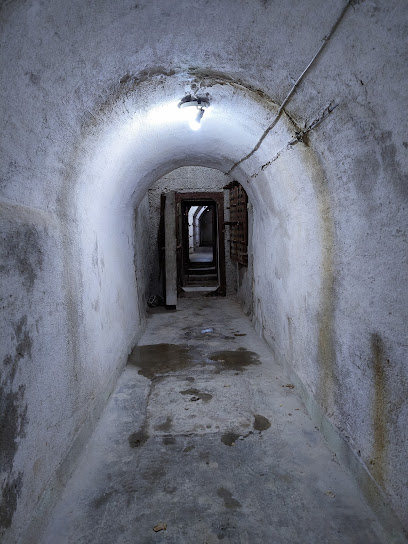
The cold war tunnel
0.3 km
Discover the Cold War Tunnel in Gjirokaster, a fascinating museum revealing the secrets of espionage and historical intrigue in Albania.
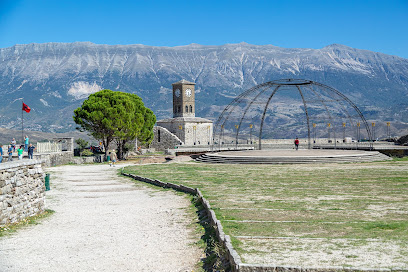
Kulla e Sahatit
0.3 km
Discover Gjirokastër's iconic Clock Tower: panoramic views, rich history, and a glimpse into Albania's cultural heritage in a UNESCO World Heritage city.
Essential places to dine

Restaurant Tradicional Odaja
0.1 km
Discover authentic Albanian flavors at Restaurant Tradicional Odaja in Gjirokaster - a culinary gem offering traditional dishes in a welcoming atmosphere.
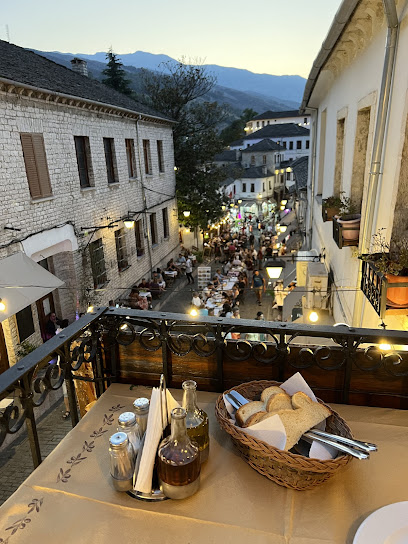
Furra Restaurant & Rooms
0.1 km
Discover authentic Albanian cuisine at Furra Restaurant & Rooms in Gjirokaster – where tradition meets taste in a charming setting.
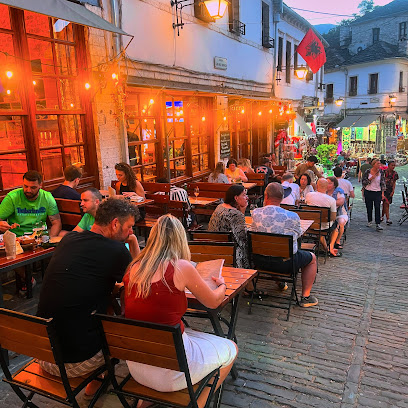
Restorant La Famiglia
0.1 km
Experience authentic Albanian cuisine at Restorant La Famiglia in Gjirokaster – where every dish tells a story.
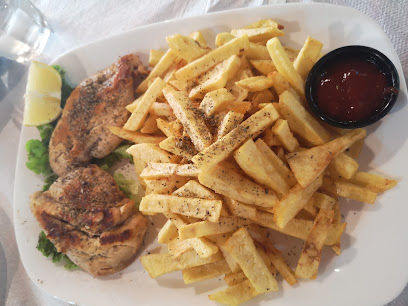
Grill House 13
0.2 km
Discover the authentic flavors of Albanian barbecue at Grill House 13 in Gjirokaster – where tradition meets taste.
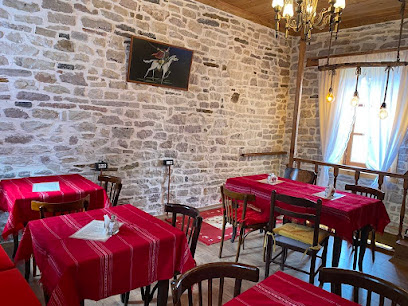
Checkin-Restaurant & Pizzeri
0.2 km
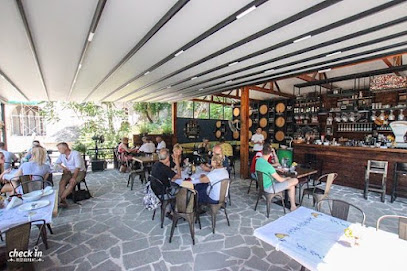
Experience authentic Albanian flavors at Checkin-Restaurant & Pizzeri in picturesque Gjirokaster - a culinary gem not to be missed!
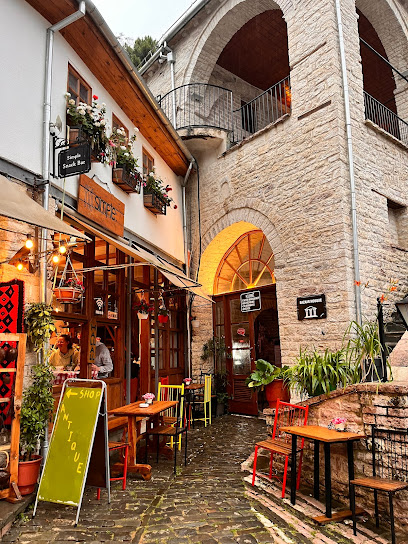
SIMPLE RESTAURANT
0.2 km
Experience the rich flavors of Albania at Simple Restaurant in Gjirokaster - a culinary delight for every traveler.
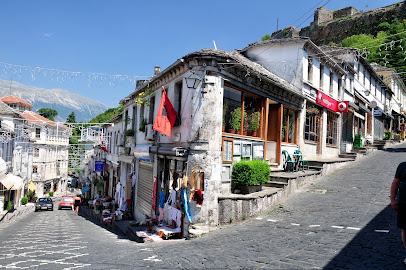
Restaurant Gjoça Tradicional
0.2 km
Savor the flavors of Albania at Restaurant Gjoça Tradicional in Gjirokaster - a true taste of local heritage.
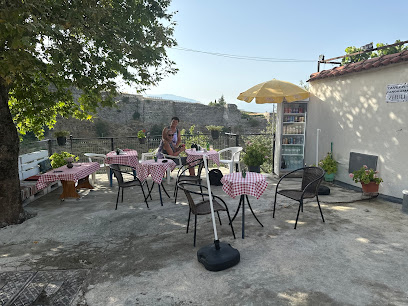
Taverna Panorama Zhuli
0.2 km
Experience authentic Albanian cuisine with breathtaking views at Taverna Panorama Zhuli in Gjirokaster.
Taverna Kuka
0.2 km
Discover authentic Albanian flavors at Taverna Kuka in Gjirokaster - where tradition meets taste.
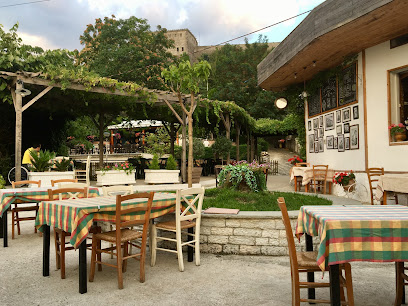
Restaurant Çajupi
0.2 km
Experience authentic Albanian cuisine at Restaurant Çajupi in Gjirokaster - where tradition meets taste.
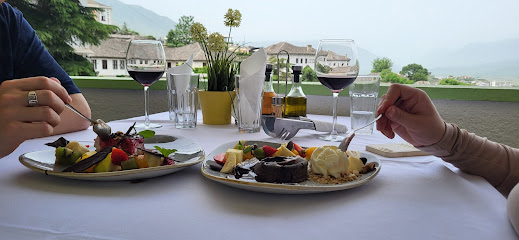
Rumors Restaurant Lounge
0.2 km
Discover exquisite Albanian cuisine at Rumors Restaurant Lounge in Gjirokaster – where tradition meets modern dining.
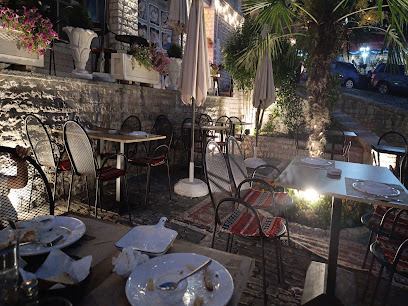
“Castle View” Grill
0.2 km
Experience culinary delights at Castle View Grill while enjoying breathtaking views of Gjirokastra's historic castle.
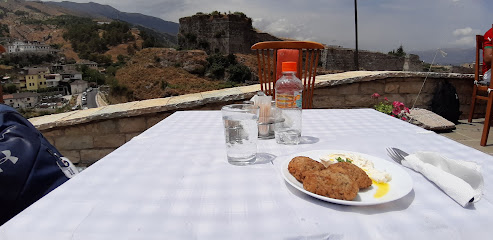
Restaurant "The Park"
0.2 km
Experience authentic Albanian cuisine with stunning views at Restaurant 'The Park' in Gjirokastra.
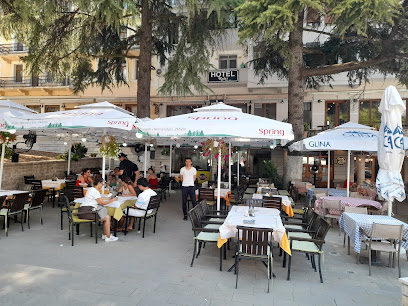
Sofra Bar Restaurant
0.2 km
Experience authentic Albanian flavors at Sofra Bar Restaurant in Gjirokaster - where tradition meets hospitality.
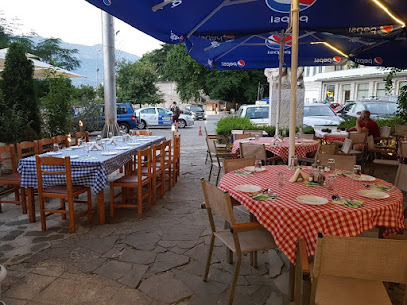
Restorant Tradicional Urat
0.2 km
Experience authentic Albanian flavors at Restorant Tradicional Urat in Gjirokaster - where tradition meets taste in a charming setting.
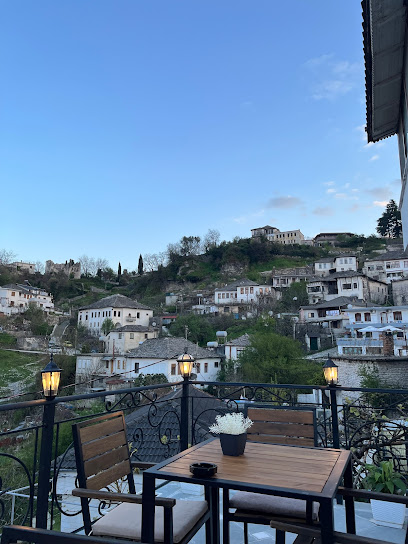
Markets, malls and hidden boutiques

Soni Photo Video
0.0 km
Experience the beauty of Gjirokaster through stunning photography and professional video editing at Soni Photo Video, your local expert in capturing memories.
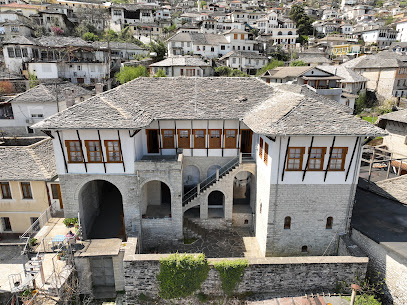
Mozaik Antik Gjirokaster
0.1 km
Explore a treasure trove of history at Mozaik Antik Gjirokaster, where unique antiques and vintage finds await in Albania's UNESCO gem.
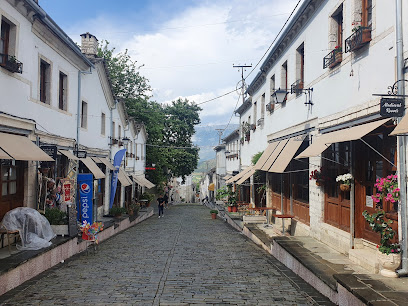
Edua Gjirokaster
0.1 km
Experience the best of Albanian cuisine at Edua Gjirokaster, where healthy dining meets vibrant local culture in a charming setting.
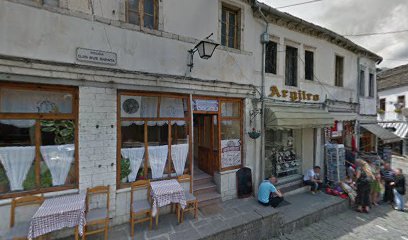
Jona Souvenir
0.2 km
Explore Jona Souvenir in Gjirokaster for authentic Albanian crafts and unique treasures that embody the rich culture and heritage of Albania.
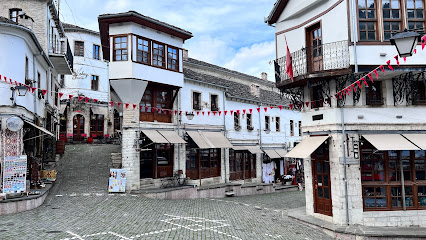
Artisan Shop
0.2 km
Discover authentic Albanian handmade crafts at the Artisan Shop in Gjirokaster, a must-visit destination for unique souvenirs.
Kodra Sweet hill
0.2 km
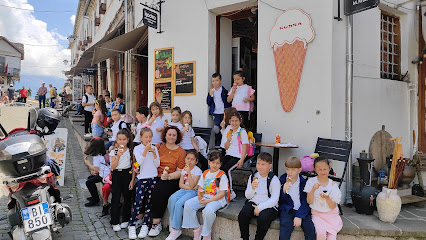
Experience the sweetness of Kodra Sweet Hill, a delightful ice cream shop in Gjirokastra, Albania, offering a variety of flavors amidst stunning scenic views.
Aquila Liquori A&N GLAUK
0.2 km
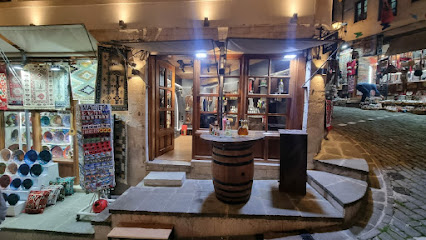
Discover the essence of Albanian culture at Aquila Liquori, a family-run liquor store in Gjirokaster offering a selection of local and international beverages.
Elinikon
0.2 km
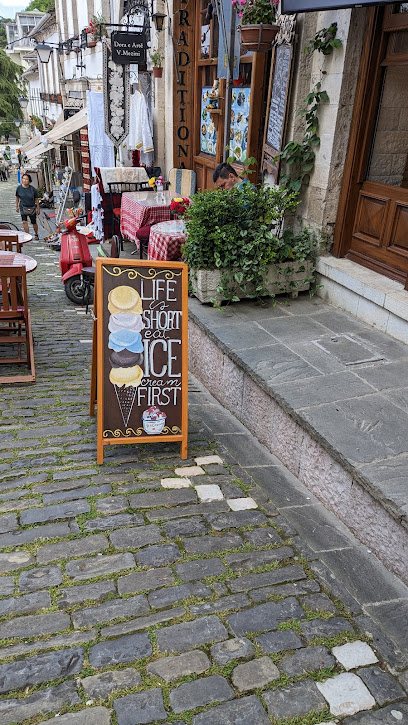
Experience the finest ice cream in Gjirokaster, Albania, at Elinikon, where delightful flavors and personal touches create a sweet escape.
Souvenir Gjirokastra
0.2 km
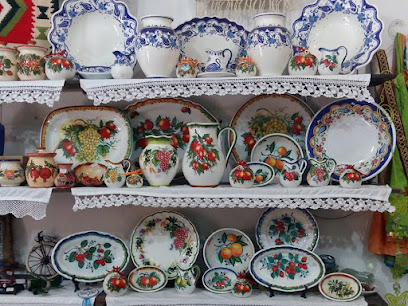
Explore the charm of Gjirokastra with unique souvenirs that celebrate Albanian culture and craftsmanship.
Bonna Design
0.2 km
Discover unique Albanian fashion at Bonna Design, a clothing store in Gjirokaster offering a blend of tradition and modernity.
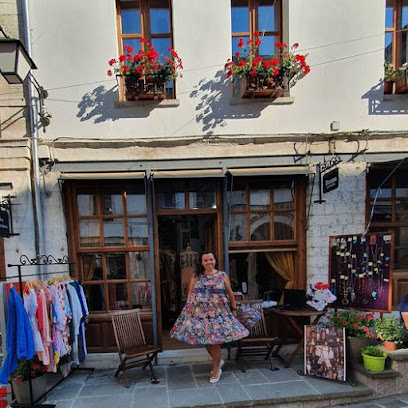
Take a memory
0.2 km
Explore handcrafted treasures at 'Take a Memory' in Gjirokaster, offering unique souvenirs that embody the charm and culture of Albania.
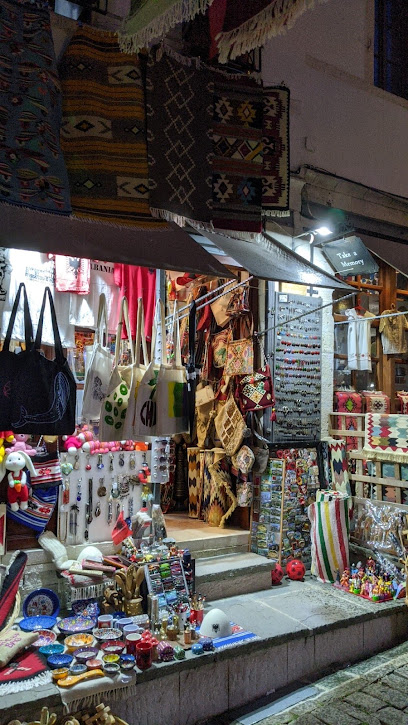
Lulu’s Spot
0.2 km
Discover unique handcrafted souvenirs that capture the spirit of Gjirokastër at Lulu's Spot, your go-to souvenir store in Albania.
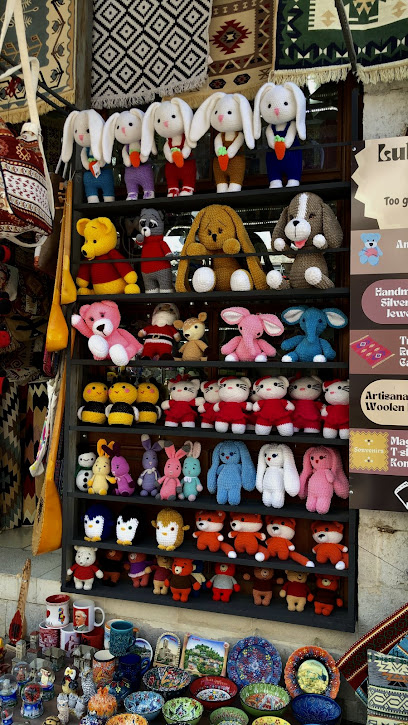
Alma Souvenir
0.2 km
Discover unique gifts and authentic Albanian crafts at Alma Souvenir in Gjirokaster, a perfect stop for memorable souvenirs.
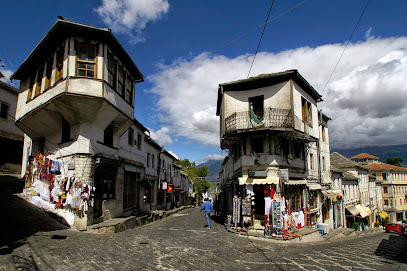
SOUVENIR AL KETA
0.2 km
Discover authentic Albanian crafts and gifts at Souvenir Al Keta, the heart of Gjirokaster's artisanal culture.
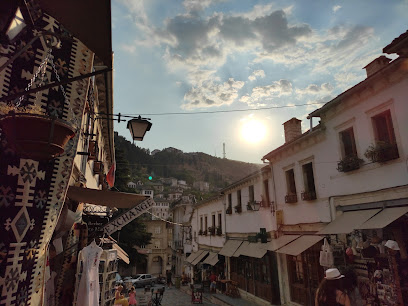
Fast Food Sara
0.2 km
Experience the vibrant flavors of Gjirokaster at Fast Food Sara, where quick bites meet Albanian culinary traditions in a cozy atmosphere.
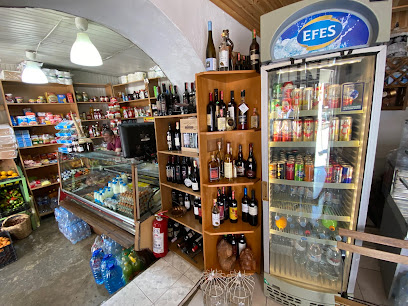
Essential bars & hidden hideouts

Grey Stone Bar
0.1 km
Experience Gjirokaster's nightlife at Grey Stone Bar, a vibrant spot for drinks, local culture, and unforgettable social moments.
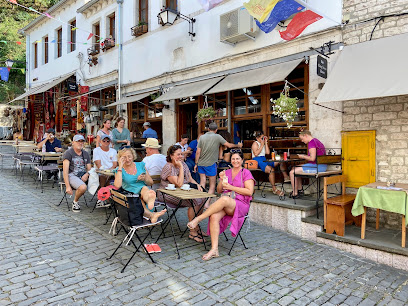
Old Town 13
0.2 km
Experience authentic Albanian flavors at Old Town 13, Gjirokaster's culinary gem offering delicious grilled dishes and a vibrant bar atmosphere.
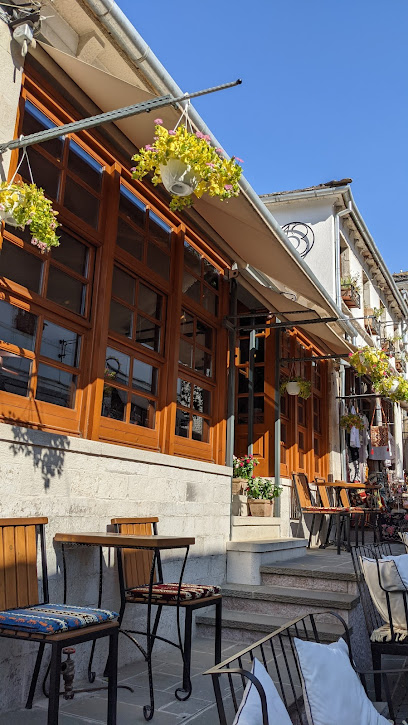
Bar Cafè Kotoni
0.2 km
Discover the vibrant atmosphere of Bar Cafè Kotoni, a must-visit bar in Gjirokaster for relaxing drinks and local charm.
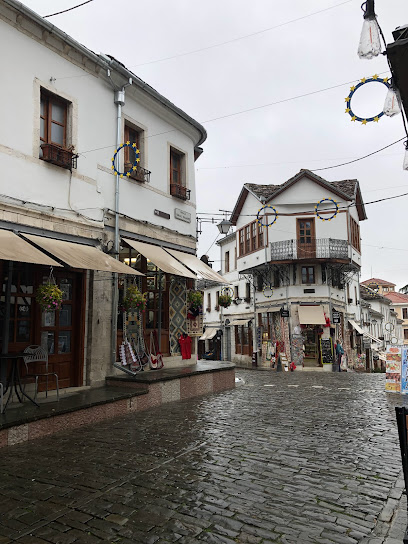
Bar cafe çoçoli
0.2 km
Experience the vibrant atmosphere of Bar Cafe Çoçoli in Gjirokaster, where local culture meets delightful refreshments.
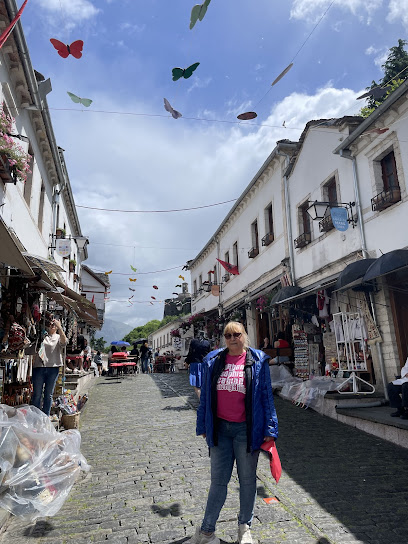
Komiteti Bar - Gjirokastër
0.2 km
Discover the lively Komiteti Bar in Gjirokastër, where traditional charm meets vibrant nightlife in a welcoming atmosphere.
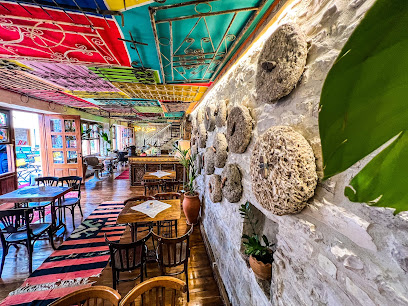
Gallery Irish Pub
0.2 km
Discover the vibrant spirit of Ireland at Gallery Irish Pub in Gjirokaster, where delightful drinks, live music, and warm hospitality await.
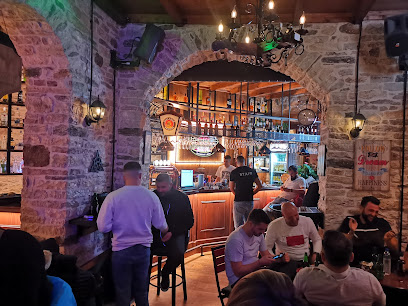
The Black Rose Pub
0.2 km
Experience the authentic taste of Albanian cuisine at The Black Rose Pub, Gjirokaster's top grill and bar destination.
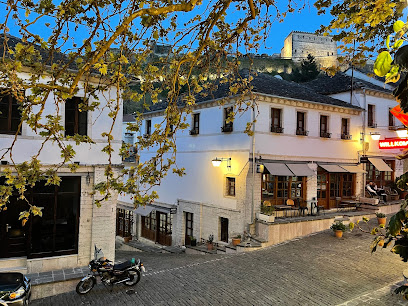
Babameto 2 - Cocktail Bar & Restaurant
0.2 km
Discover Babameto 2 in Gjirokaster, where vibrant cocktails meet delicious cuisine in a lively setting, perfect for all times of the day.
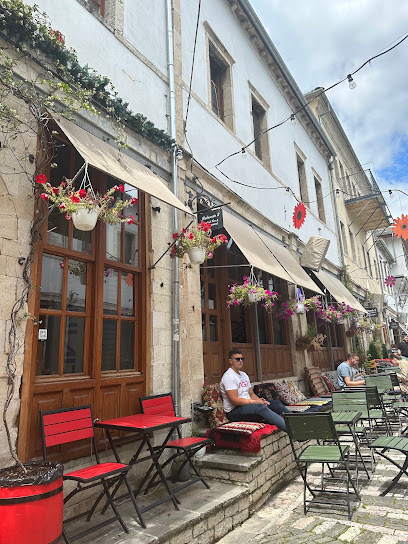
O’clock
0.2 km
Discover the charm of O’clock in Gjirokaster, where refreshing drinks meet a vibrant atmosphere, perfect for unwinding and connecting with friends.
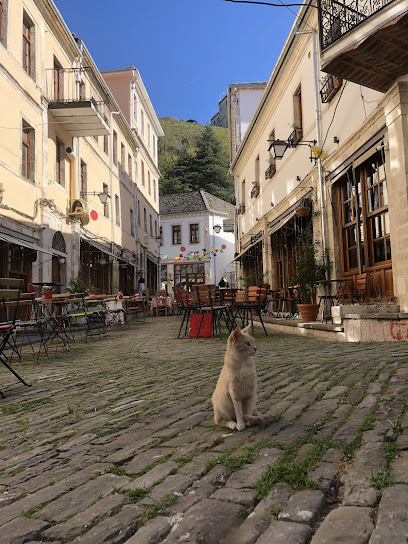
Classic Coffee Bar
0.7 km
Experience the rich flavors of Gjirokaster at Classic Coffee Bar, where every sip of coffee is a journey through Albanian culture.
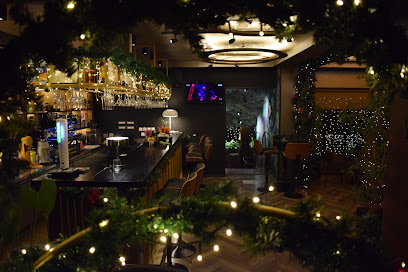
Kastro bar
0.8 km
Experience the vibrant nightlife of Gjirokaster at Kastro Bar, where tradition meets modernity in a cozy atmosphere with exquisite drinks.
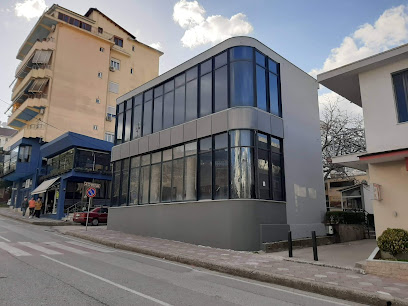
Bar Center
0.8 km
Experience the vibrant atmosphere of Bar Center in Gjirokaster, where friendly service and local flavors await you.
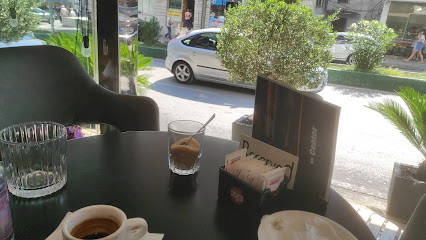
Bar Shtaka
1.1 km
Experience the heart of Gjirokaster at Bar Shtaka, where local flavors and a vibrant atmosphere come together for an unforgettable visit.
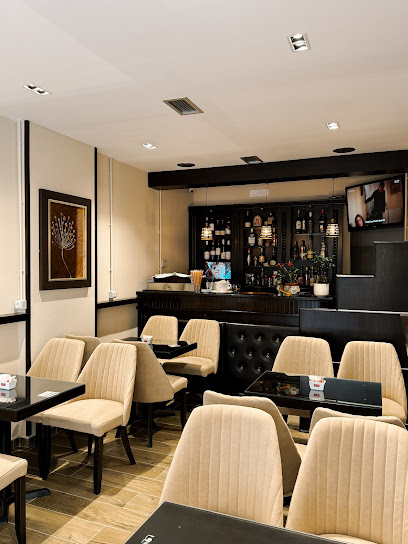
Bar Restorant Gjirokaster Rapi
1.2 km
Experience the essence of Albanian cuisine at Bar Restorant Gjirokaster Rapi, a culinary haven in the heart of Gjirokaster.
Oazi Bar
1.3 km
Experience the authentic Albanian nightlife at Oazi Bar, a local favorite in Gjirokaster offering delightful drinks and a welcoming atmosphere.