
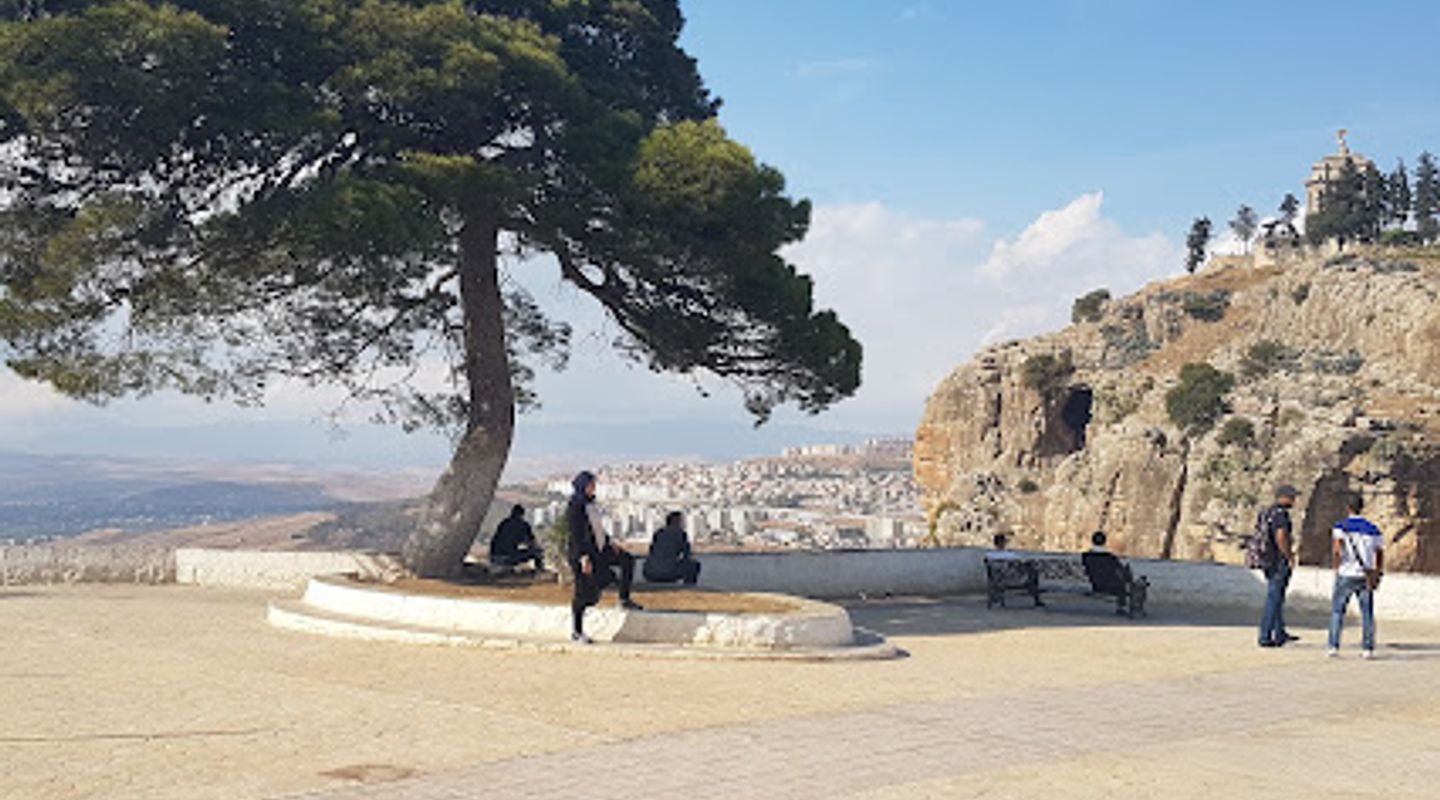
Cirta Museum, Constantine Travel Guide
Explore Constantine's rich past at the Cirta Museum, showcasing artifacts from Numidian, Roman, and later periods.
The Cirta Museum in Constantine chronicles the city's extensive history, from prehistoric times through Numidian, Roman, Ottoman, and colonial periods. It features a diverse collection of artifacts, including Roman mosaics, Berber pottery, and Numidian relics, offering insights into the cultures that have shaped Constantine.
A brief summary to Cirta Museum
- 9J74+5W6, Constantine, Constantine, DZ
- Click to display
- Monday 8 am-12 pm
- Tuesday 8 am-12 pm
- Wednesday 8 am-12 pm
- Thursday 8 am-12 pm
- Saturday 8 am-12 pm
- Sunday 8 am-12 pm

Know before you go
Hi, I'm Eve. Here are a few practical things to know before exploring Cirta Museum.
- Visit on weekdays for a less crowded experience.
- Check the museum's hours before visiting, as they may vary, especially on Fridays.
- Explore nearby historical landmarks after your museum visit.
Do you manage this location?
Take control to get all the benefits, like improved information, better appearance, and stronger visibility across AI-powered discovery. Learn more about listing your business on Evendo
Activate your presenceOther nearby places you may find interesting
The closest places of the same kind, if this one is not quite what you had in mind.

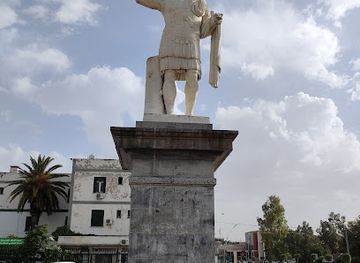
Explore Cirta Museum on the Map
A handpicked selection of must-see spots near Cirta Museum, mapped for you.
Unlock the Best of Cirta Museum
Buy tickets
-
No tickets available
Book tours with entry


Book tours without entry
-
No tours available
Getting There
-
Walking
The Cirta Museum is centrally located on Place des Martyrs, making it easily accessible on foot from many points in Constantine's city center. From the Casbah or the city's iconic bridges, walk towards Place des Martyrs. The museum's simple yet elegant architecture offers a view of the Rhummel Gorge. No costs are involved.
-
Public Transport
Constantine has a modern tramway system that connects important areas of the city. Use the tram to reach a stop near Place des Martyrs. From there, it's a short walk to the Cirta Museum. Tram fares are reasonably priced. A single fare should cost around 50 DZD.
-
Taxi
Taxis are readily available in Constantine. Hail a taxi from anywhere in the city and ask to be taken to the Cirta Museum on Place des Martyrs. Agree on the fare beforehand, or ensure the meter is running. A short taxi ride within the city center should cost approximately 200-300 DZD.
Discover more about Cirta Museum













Your all‑in‑one travel companion app
Explore expert travel guides, compare and book tours, experiences, hotels, and more—all from the palm of your hand. Download now for seamless trip planning wherever your wanderlust takes you.


Explore More of Constantine
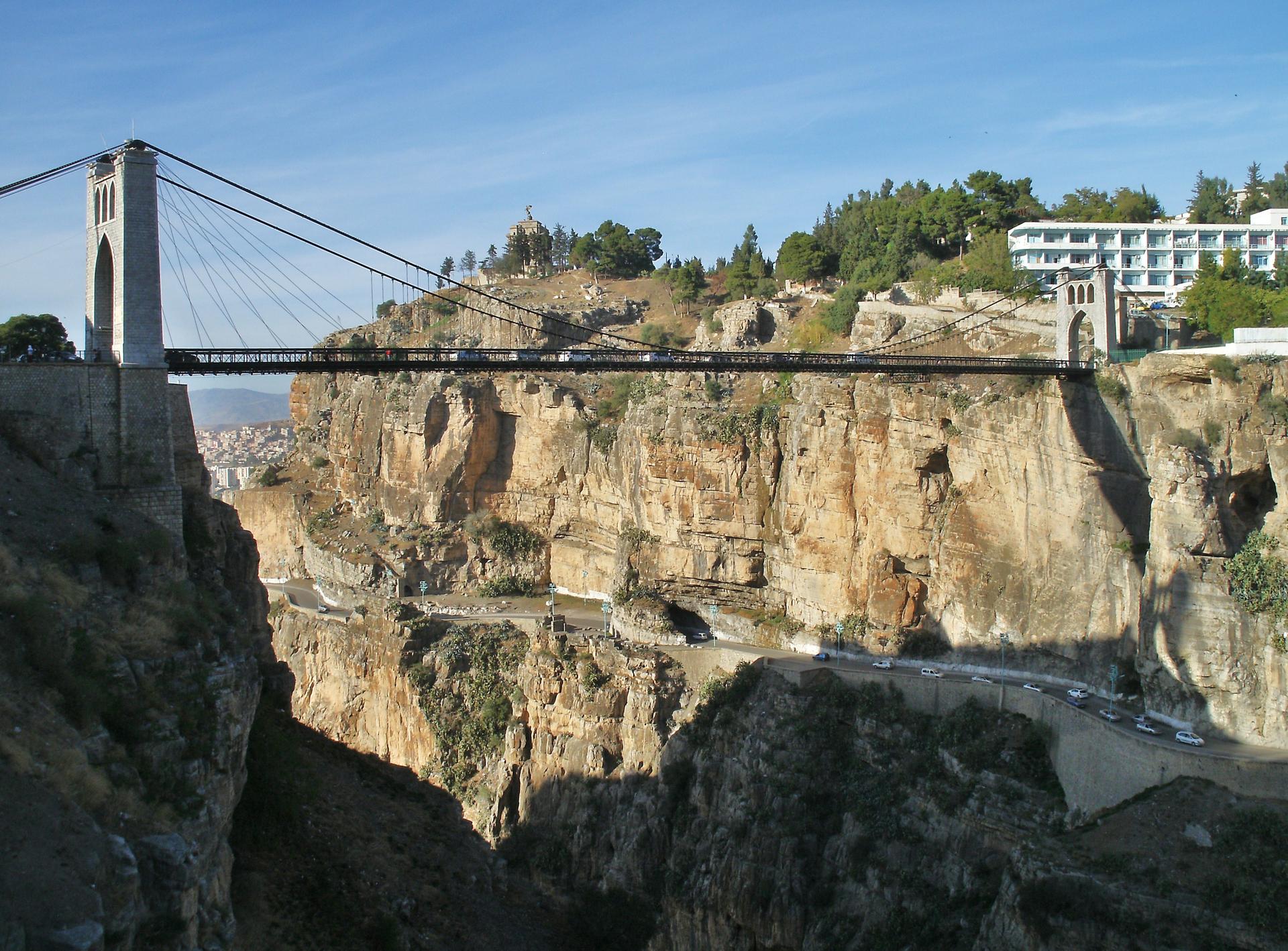
Looking beyond Cirta Museum? Discover Constantine for broader travel guides, local hot-spots, and regional highlights.
Explore Constantine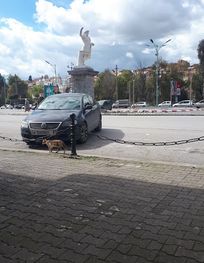
A historical landmark in Constantine, Algeria, honoring the Roman emperor and the city's namesake.

Immerse yourself in Algerian culture at this Constantine center, showcasing art, heritage, and community engagement through exhibitions and workshops.
