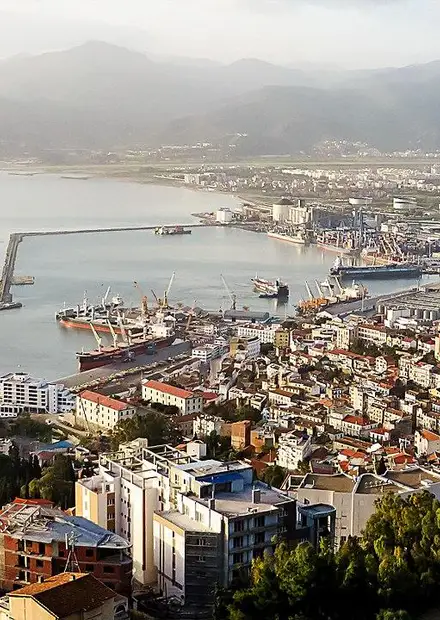
Best Landmarks in Soummam Valley
Planning a trip to Soummam Valley? Discover the best landmarks in Soummam Valley with history, expert tips, and routes. Free on web or the Evendo app.


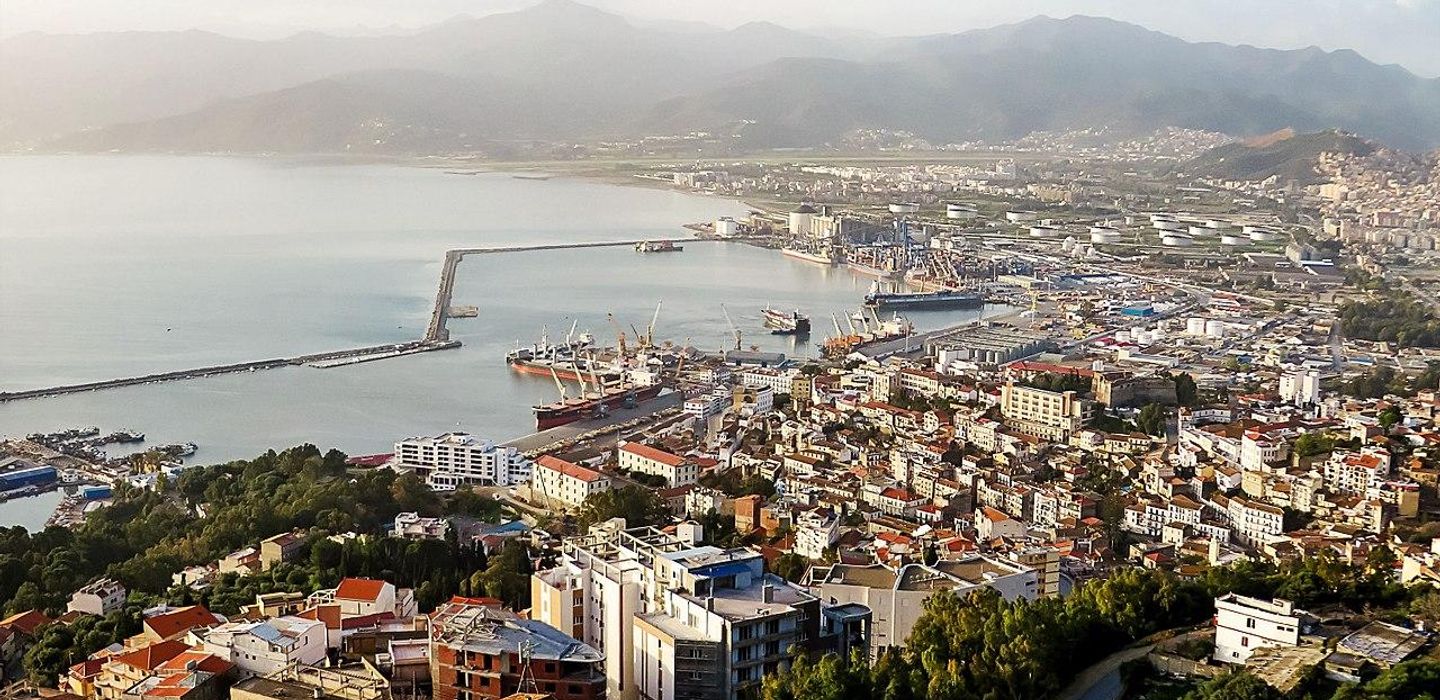
The best landmarks in Soummam Valley
- Top rated
- Closest to the centre
- A–Z
24 landmarks
-
Historical landmark4.5★6,930 reviews
Martyrs Memorial
The Martyrs Memorial (Maqam Echahid) in Algiers commemorates the Algerian War of Independence. This iconic monument, featuring three soaring concrete palm leaves, honors the sacrifices made during the nation's struggle for freedom and offers panoramic views of the city.
Open 24 hours
-
Botanical garden4.5★6,637 reviews
Botanical Garden Hamma
The Botanical Garden Hamma, also known as Jardin d'Essai du Hamma, is a sprawling 54-hectare garden in Algiers, Algeria. Established in 1832, it features diverse plant species, shaded walkways, fountains, a zoo, and art museums, offering a tranquil escape within the city.
Daily 10:00–18:00
-
Fortress4.5★3,357 reviews
Fort of Santa Cruz
Perched atop the Aïdour mountain, the Fort of Santa Cruz offers panoramic views of Oran and the Mediterranean Sea. Built by the Spanish in the 16th and 17th centuries, it's a testament to the city's strategic importance and a captivating historical landmark.
Daily 10:00–19:00
-
Basilica4.5★2,612 reviews
Church of Notre Dame d'Afrique
Perched atop a cliff overlooking the Bay of Algiers, Notre Dame d'Afrique is a stunning basilica blending Roman, Byzantine, and Moorish architectural styles. Inaugurated in 1872, it stands as a symbol of religious tolerance and a testament to Algeria's rich history, offering breathtaking panoramic views and a serene atmosphere.
-
Historical place4.4★1,465 reviews
Royal Mausoleum of Mauritania
The Royal Mausoleum of Mauritania, near Sidi Rached, Algeria, is an ancient funerary monument believed to be the final resting place of King Juba II and Queen Cleopatra Selene II, daughter of the famed Cleopatra VII of Egypt and Mark Antony. Built in 3 BC, the mausoleum showcases a blend of Berber, Egyptian, Greek, and Roman architectural styles.
Daily 9:00–19:30
-
Drinking water fountain4.2★1,551 reviews
Ain El Fouara Fountain
The Ain El Fouara Fountain, a prominent landmark in Sétif, Algeria, features a statue sculpted in 1898 by French artist Francis de Saint-Vidal. The fountain, with its controversial statue of a nude woman, has become an integral part of the city's identity, serving as a popular meeting point and a symbol of continuity.
Daily 9:00–17:00
-
Bridge4.6★1,092 reviews
Sidi M'Cid Bridge
The Sidi M'Cid Bridge is an iconic symbol of Constantine, Algeria, dramatically spanning the Rhumel River gorge. Opened in 1912, this hybrid cable-stayed suspension bridge offers stunning views and connects the Casbah to Sidi M'Cid hill. Once the world's highest bridge, it remains a testament to engineering ingenuity.
Open 24 hours
-
Mosque4.6★540 reviews
The Great Mosque
The Great Mosque of Algiers, also known as Djamaa el Kebir, is a historic mosque located in the heart of the Casbah. Dating back to 1097, it stands as one of the oldest mosques in Algeria and a significant example of Almoravid architecture, despite later additions and reconstructions.
Daily 3:30–23:00
-
Historical place4.4★345 reviews
Beni Hammad Fort
Beni Hammad Fort, or Al Qal'a of Beni Hammad, is a ruined fortified city in Algeria that once served as the first capital of the Hammadid dynasty in the 11th century. Now a UNESCO World Heritage site, it offers a fascinating look into a significant period of Islamic civilization in North Africa.
-
Mosque4.4★223 reviews
مسجد سيدي بومدين Sidi Boumediene Mosque
The Sidi Boumediene Mosque in Tlemcen, Algeria, is a historic Islamic complex dedicated to the Sufi saint Abu Madyan. Founded in 1339 by the Marinid rulers, it showcases exquisite Moorish architecture, intricate tile work, and a serene atmosphere, making it a significant religious and cultural site.


Raïs Palace
The Raïs Palace, also known as Bastion 23, is a historic complex in the lower Casbah of Algiers. Comprising three palaces and six fishermen's houses dating back to the Ottoman era (16th-18th centuries), it stands as a testament to the city's rich maritime history and architectural heritage. Today, it serves as a cultural center, hosting art exhibitions and performances.
Mon–Sat 9:00–17:00

Belzma National Park
Nestled in the Aurès Mountains of Batna Province, Algeria, Belzma National Park is a natural treasure established in 1984. Encompassing over 262 square kilometers, the park boasts diverse ecosystems, from rugged peaks to verdant forests, supporting a rich variety of flora and fauna. It's a haven for nature lovers, hikers, and birdwatchers.

Palace of the Dey
The Palace of the Dey, located in the Casbah of Algiers, offers a fascinating look into the city's Ottoman history. Once the residence of the Dey, the ruler of Algiers under Ottoman rule, the palace showcases traditional architecture and provides insights into the political and cultural life of the era.

Place du 1er Novembre
Place du 1er Novembre, historically known as Place d'Armes, is the central square in Oran, Algeria. Framed by colonial architecture, it's a vibrant hub where locals and tourists mingle, surrounded by significant landmarks like the Town Hall and Opera House. The square serves as a key light rail station, offering a glimpse into Oran's rich history and culture.

Severan Temple
The Severan Temple in Djemila, Algeria, stands as a remarkable testament to Roman architecture and history. This well-preserved temple offers visitors a captivating glimpse into the life and culture of a Roman colony, showcasing intricate stonework and a rich historical backdrop.
Daily 8:00–19:00

Bordj Ettork, Turkish Fort
Bordj Ettork, also known as the Turkish Fort, is a historical landmark in Mostaganem, Algeria, offering panoramic views of the city and the Mediterranean Sea. Built during the Ottoman era in the 16th century, the fort showcases the military architecture of the time and provides insights into Algeria's rich cultural heritage.
Mon–Thu 8:00–16:00 · Sun 8:00–16:00

Dar Hassan Pacha
Dar Hassan Pacha is an 18th-century palace in the heart of Algiers' Casbah, a UNESCO World Heritage site. Built in 1791, it reflects a rich history, having served as a residence for Hassan III Pasha and later as the winter home for the French Governor of Algiers. Its architecture showcases a blend of Algerian and European influences.
Mon–Thu 9:30–17:30 · Sat 9:30–17:30

La vache qui pleure
La Vache Qui Pleure, or 'The Crying Cow,' is a captivating historical landmark in Djanet, Algeria, featuring ancient rock engravings set against the stunning Sahara Desert backdrop. The site showcases Neolithic art dating back over 7,000 years, depicting a herd of cattle with one cow shedding a tear, inspiring local legends and interpretations. It's a must-visit destination for those seeking to connect with the region's rich cultural and geological history.
Open 24 hours

Bab El Fouka
Bab El Fouka, also known as the Upper Gate, stands as a historical landmark in Béjaïa, Algeria. This ancient gate offers a glimpse into the city's rich past and provides stunning views of the surrounding landscape. It's a popular spot for tourists seeking to connect with the history and culture of Béjaïa.
Open 24 hours

Oued Soummam
Oued Soummam, a 65 km river in northern Algeria, is more than just a waterway; it's a historical and ecological landmark. Originating from the confluence of Oued Sahel and Bou Sellam, it flows into the Mediterranean Sea at Béjaïa, offering scenic beauty and a glimpse into Algeria's past.

Porte du Santon
The Porte du Santon, or Santon Gate, is a historical landmark in Oran, Algeria, dating back to 1754. Built by the Spanish at the foot of Mount Murdjadjo, it once served as a fort to protect the city. Today, it stands as a testament to Oran's rich architectural and cultural heritage, inviting visitors to explore its storied past.
Daily 8:00–15:30

Maison du Congrès de la Soummam
The Maison du Congrès de la Soummam, located in the village of Ifri near Ouzellaguen, is a historical landmark of immense significance to Algeria. It was here, on August 20, 1956, that the leaders of the Algerian Revolution convened the secret Soummam Congress, a pivotal event that shaped the nation's fight for independence. Today, the house stands as a museum and memorial, commemorating the heroes and decisions made within its walls.

معلم سيبيون الافريقي؛LE MAUSOLEE DE SCIPION LAFRICAN
The Mausoleum of Scipion l'Africain, located in Sétif, Algeria, is a historical monument dating back to Roman times. Despite its name, the monument's true origins and the identity of the person it was built for remain a mystery, adding to its allure. It offers a glimpse into the Roman presence in North Africa and sparks curiosity about the lives of those who inhabited this land centuries ago.

SGH_RAMDANE
SGH_RAMDANE is a notable tourist attraction in Meskiana, Algeria, celebrated for its cultural significance and scenic beauty. It offers a serene escape with opportunities to explore local traditions and landscapes.
Explore Soummam Valley on the map
A handpicked selection of must-see spots in Soummam Valley, mapped for you.
More about Soummam Valley
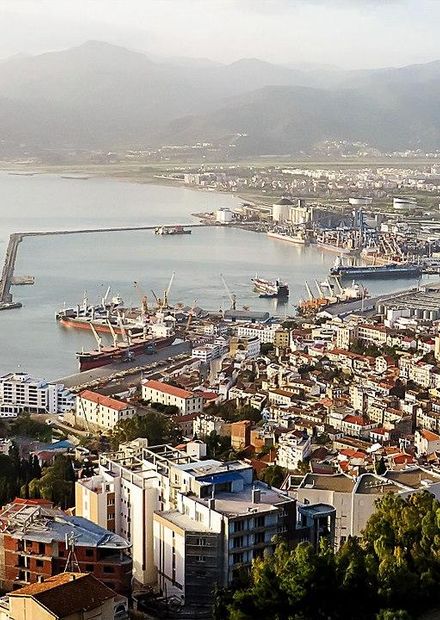
Soummam Valley travel guide
Explore Algeria's Soummam Valley for Kabyle villages, olive groves, river landscapes, Béjaïa heritage and the history of the 1956 Soummam Conference.
Tell me more about Soummam ValleyMore to explore in Soummam Valley

 Best attractions in Soummam Valley

 Best shops in Soummam Valley

 Best bars in Soummam Valley

 Best restaurants in Soummam Valley

 Best nightclubs in Soummam Valley

 Best experiences in Soummam Valley

 Best hotels in Soummam Valley
Explore more
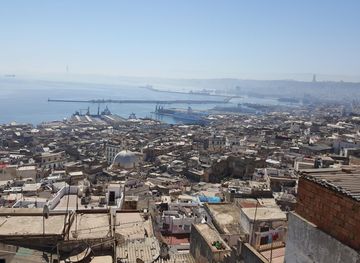
Explore more of Algeria
Discover Algeria: A captivating blend of ancient history, stunning landscapes, and vibrant culture. From the Sahara desert to Mediterranean coasts, adventure awaits.
Explore Algeria
Getting your guide ready…
We are putting together a fresh copy of the Soummam Valley guide. This can take up to a minute.
This can take a few moments. If your browser asks, choose Allow so the download can start. You'll find the guide in your Downloads folder.
Nothing happened? Download it again
Sorry, the guide is taking longer than usual. Please try again in a minute, or get it by email instead.