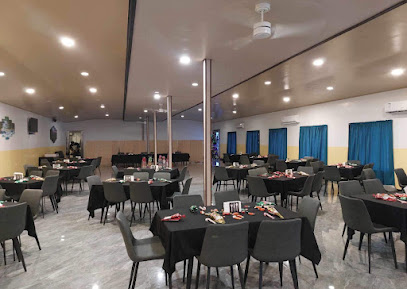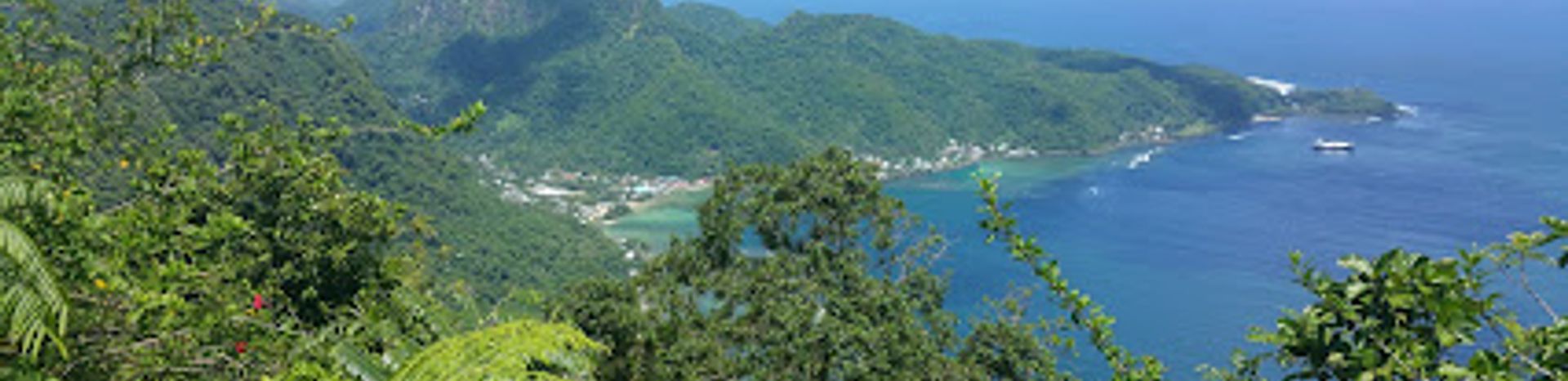
National Park of American Samoa: A Polynesian Paradise
Explore a remote South Pacific paradise: rainforests, coral reefs, and the vibrant Samoan culture await in the National Park of American Samoa.
Discover the National Park of American Samoa, a unique blend of Polynesian culture and stunning natural beauty. Explore rainforests, coral reefs, and remote islands, experiencing the Samoan way of life in this untouched paradise.
A brief summary to National Park of American Samoa
- P8R7+RJC, Vatia, AS
- +1684-633-7082
- Visit website
Local tips
- Respect local customs by asking permission before taking photos or entering village areas.
- Carry plenty of water and wear sunscreen, sunglasses, and a hat to protect yourself from the tropical climate.
- Be aware of the tidal movements and currents, especially when swimming or snorkeling.
- Pack insect repellent, particularly when hiking through the rainforest.
- Visit the National Park of American Samoa Visitor Center in Pago Pago for information and guidance.

Getting There
-
Public Transport
From Pago Pago International Airport or the Fagatogo Market, take an aiga bus towards Vatia. These colorful buses are a common and affordable way to reach the park. Look for buses labeled with signage for Vatia. Be prepared to wait up to an hour, as there are no fixed schedules. The fare ranges from $0.50 to $2.00. Aiga buses do not operate on Sundays.
-
Taxi
Taxis are available at Pago Pago International Airport and throughout Tutuila. Confirm the fare before starting your journey. A taxi from the airport to Vatia, located within the park, will cost approximately $40-$50. Taxi rates in American Samoa are government-regulated. Charter rates are around $15.00 per hour, with a waiting charge of $3.75 per 15 minutes.
-
Car Rental
Several car rental agencies are available near Pago Pago International Airport. Renting a car is recommended for exploring Tutuila Island at your own pace. From the airport, follow Route 001 towards the north of the island. The drive to Vatia takes approximately 45 minutes to an hour. Be aware that the island speed limit is 25 mph. Parking is limited at trailheads and popular sites.
Discover more about National Park of American Samoa
Iconic landmarks you can’t miss

Port of Pago Pago
2.1 km
Discover the heart of American Samoa at the Port of Pago Pago: where stunning scenery meets rich maritime history and vibrant Polynesian culture.
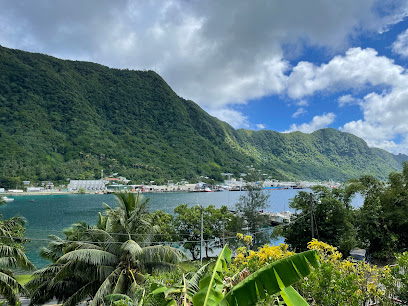
Sadies Thompson Inn
2.2 km
Step back in time at the Sadie Thompson Inn, where history meets modern comfort in the heart of Pago Pago, American Samoa.
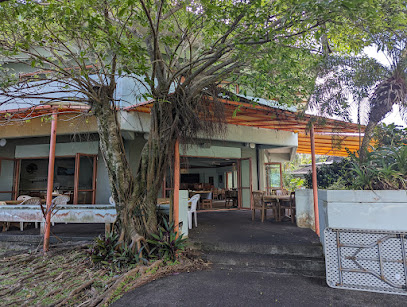
American Samoa Visitors Bureau (ASVB)
2.2 km
Your starting point for exploring the stunning beauty & vibrant culture of American Samoa. Expert travel info, maps, & local tips await!
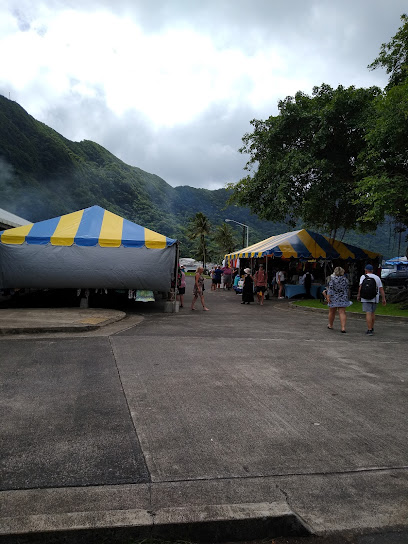
Downtown Ink Tattoo Studio
2.2 km
Experience the essence of American Samoa through stunning body art at Downtown Ink Tattoo Studio, where every tattoo tells a story.

Fagatogo Square
2.2 km
Experience the heart of American Samoa at Fagatogo Square, a vibrant hub for shopping, dining, and local culture in Pago Pago.
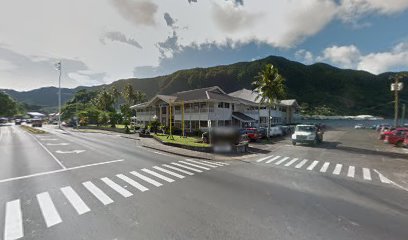
Western Union
2.2 km
Reliable money transfers in Pago Pago, connecting you to the world with trusted financial services near the Post Office.
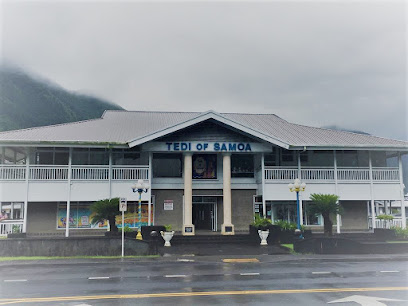
Tedi Of Samoa
2.2 km
Experience Samoan culture and modern shopping at Tedi Of Samoa in Fagatogo, offering local crafts, souvenirs, and everyday essentials.

Sadie's by the Sea
2.3 km
Experience beachfront bliss at Sadie's by the Sea in Pago Pago, American Samoa. Relax, explore, and immerse yourself in island charm.
High Court of American Samoa
2.3 km
Discover the High Court of American Samoa in Fagatogo, where Samoan tradition meets U.S. law in a historic setting.
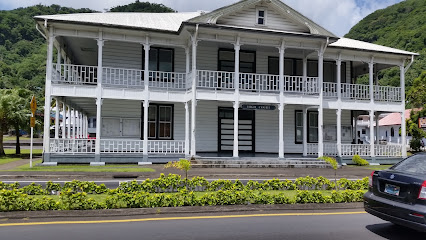
Unmissable attractions to see

Mount 'Alava
0.8 km
Hike to panoramic views atop Tutuila's iconic Mount 'Alava, explore rainforest trails, and discover American Samoa's natural beauty.
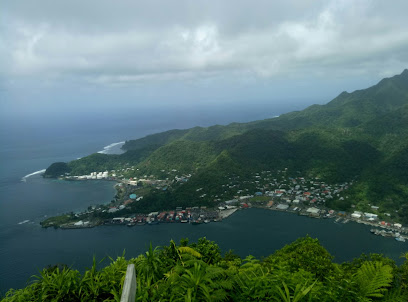
Pago Pago Harbour
1.7 km
Discover Pago Pago Harbour: A stunning volcanic harbor steeped in history, offering natural beauty and a vibrant gateway to American Samoa.
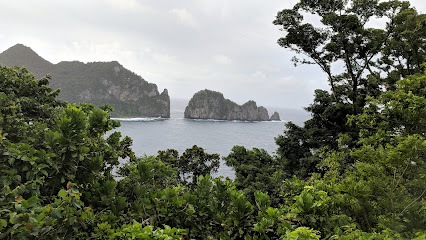
Tufu Beach
1.8 km
Discover Tufu Beach in Vatia, American Samoa: a secluded, rocky haven with stunning coastal views and tranquil escape.
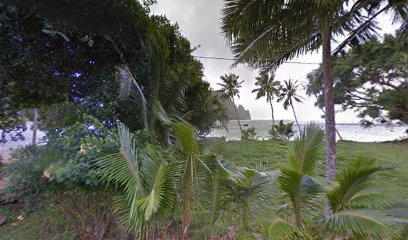
Vatia Bay
1.9 km
Discover Vatia Bay: A picturesque Samoan escape with stunning scenery, rich history, and tranquil waters, perfect for nature lovers and cultural explorers.
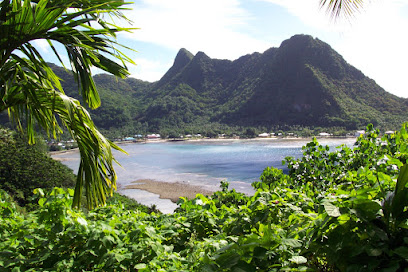
Tuafanua Trailhead
1.9 km
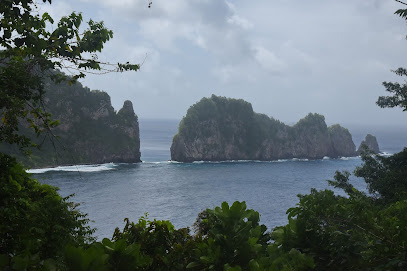
Hike through lush rainforest to a secluded beach on the Tuafanua Trail, offering stunning views of Pola Island in American Samoa's National Park.
Tauese P. F. Sunia Ocean Center
2.1 km
Discover American Samoa's marine wonders at the Tauese P. F. Sunia Ocean Center. Engaging exhibits for all ages!
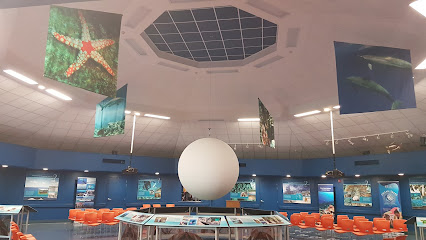
National Park of American Samoa Visitor Center
2.2 km
Discover the wonders of American Samoa's rainforests, reefs, and culture at the National Park Visitor Center in Fagatogo.
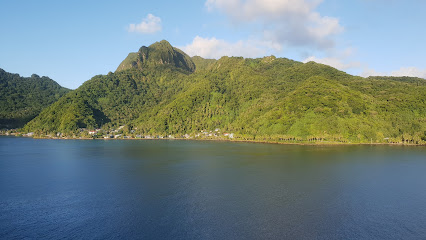
Fagatogo Market
2.2 km
Experience the vibrant culture of American Samoa at Fagatogo Market, offering fresh produce, local crafts, and a taste of island life.
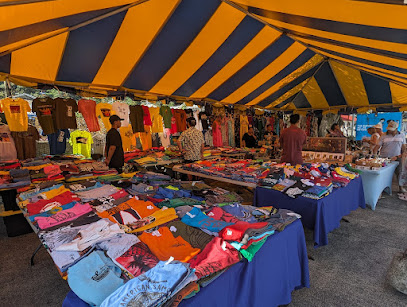
Jean P Haydon Museum
2.2 km
Explore American Samoa's rich cultural heritage at the Jean P. Haydon Museum in Fagatogo. Discover traditional artifacts, historical exhibits, and unique art pieces.
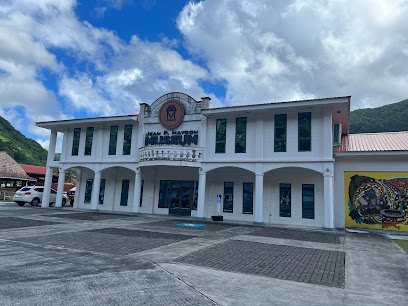
Fautasi boat Samoa
2.3 km
Experience Samoan maritime culture: witness the Fautasi boat, a symbol of tradition, teamwork, and enduring community spirit in Aua.
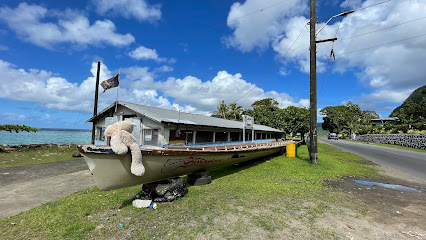
Utulei Park
2.6 km
Discover Utulei Park: A historic seaside park in American Samoa offering relaxation, recreation, and stunning ocean views.
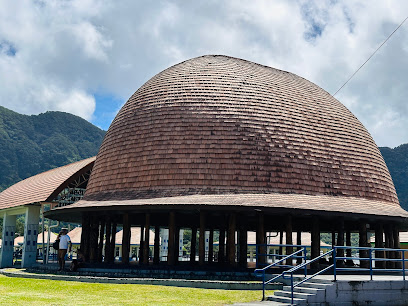
Su'igaula Park
2.6 km
Discover Su'igaula Park in Utulei: A serene escape offering lush greenery, stunning views, and a refreshing retreat in American Samoa.
Vai'ava Strait National Natural Landmark
2.7 km
Discover dramatic volcanic cliffs, nesting seabirds, and stunning Pacific views at this American Samoa natural landmark.
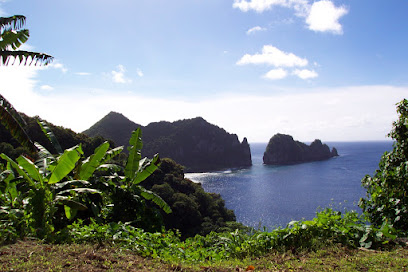
Utulei, Su'igaula
2.8 km
Discover Utulei, American Samoa: Where stunning coastal views meet rich Samoan culture and history in a tranquil island setting.
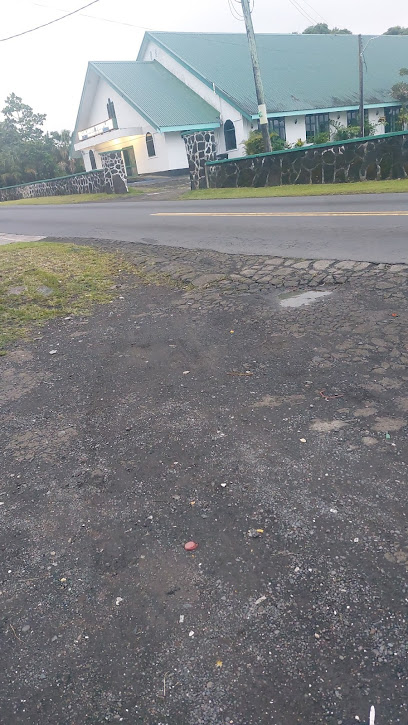
Pola Island Viewpoint
2.8 km
Experience breathtaking panoramic views of Pola Island and the stunning Vai'ava Strait from this tranquil viewpoint in Vatia, American Samoa.
Essential places to dine

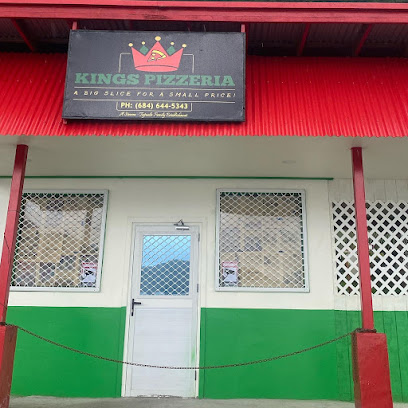
Kings Pizzeria
1.3 km
Experience mouthwatering pizza perfection at Kings Pizzeria in Leloaloa - where tradition meets flavor in every slice.
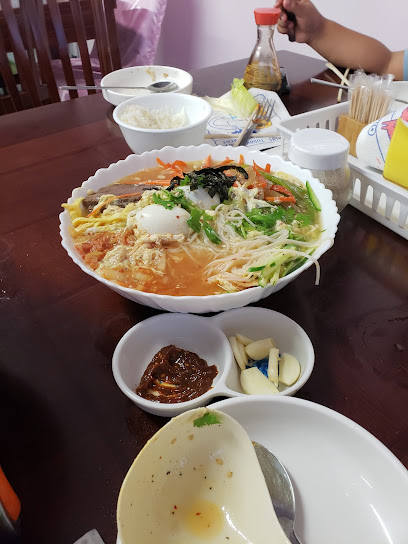
Moon Korean Restaurant
1.4 km
Discover authentic Korean cuisine at Moon Korean Restaurant in Leloaloa—where every dish tells a story of tradition and flavor.
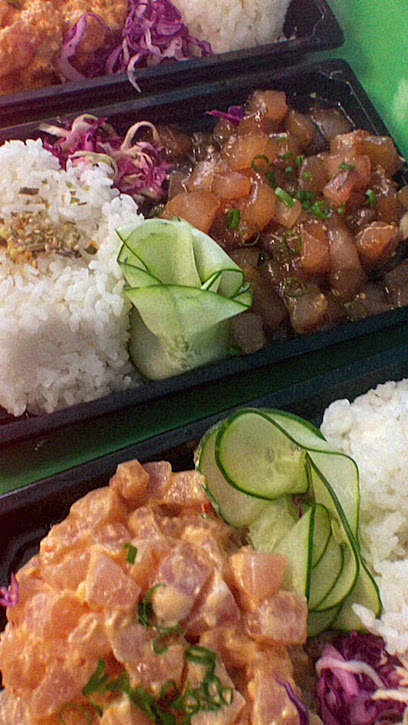
Fagatogo Fish Market
2.2 km
Discover Fagatogo Fish Market: A vibrant destination for fresh seafood and authentic local culture in Eastern District.
Fiafia Restaurant
2.2 km
Discover authentic Asian cuisine at Fiafia Restaurant in Fagatogo, where every dish tells a story of rich flavors and cultural heritage.
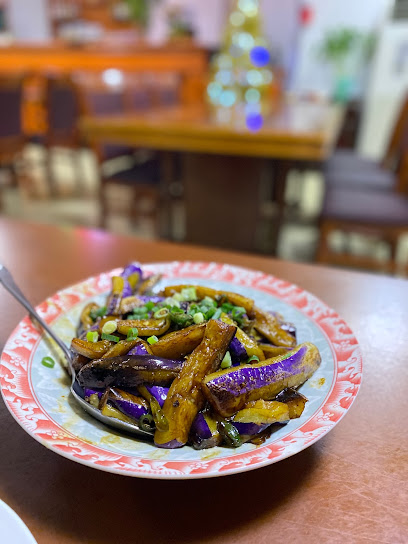
Little Mexico
2.2 km
Savor authentic Mexican cuisine in a vibrant setting at Little Mexico - your gateway to delicious flavors in Fagatogo.
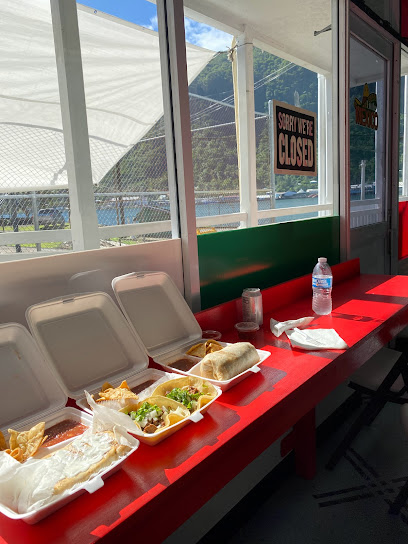
Matai Restaurant
2.2 km
Experience the best of American and Chinese cuisine at Matai Restaurant in Fagatogo - where flavors unite in a delightful dining adventure.
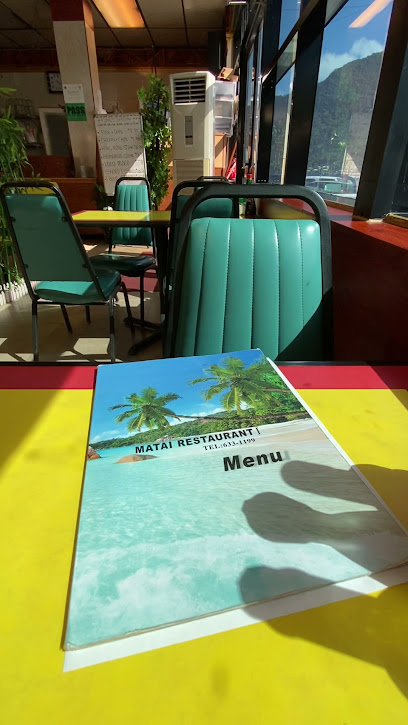
Goat Island Cafe
2.3 km
Savor authentic Samoan flavors at Goat Island Cafe - where every dish tells a story.
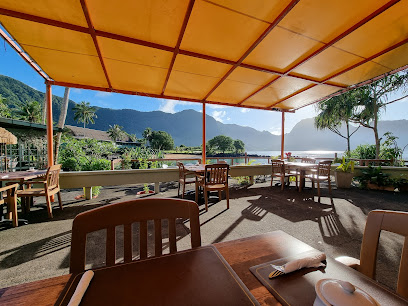
Evie's Mexican Food
2.4 km
Experience authentic Mexican flavors at Evie's Mexican Food in Pago Pago - where every bite brings you closer to Mexico!
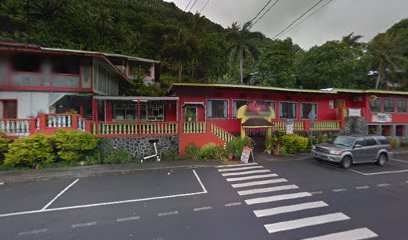
Emelio's Restaurant
2.4 km
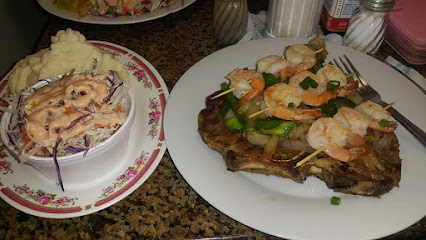
Experience the authentic taste of Samoa at Emelio's Restaurant, where local ingredients meet culinary creativity in every dish.
Markets, malls and hidden boutiques

‘ai Love Boba (east)
1.2 km
Discover the vibrant flavors of the tropics at ‘ai Love Boba (East), a fast-food haven for boba enthusiasts and food lovers alike.
Huang mart (wholesale and retail)
1.4 km
Explore the convenience of Huang Mart in Leloaloa, your one-stop shop for snacks, drinks, and essentials during your travels in the Eastern District.
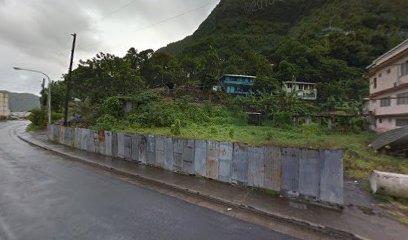
Sallie's
1.4 km
Discover local charm and essential supplies at Sallie's Convenience Store in Vatia, your go-to stop for snacks and souvenirs in the Eastern District.
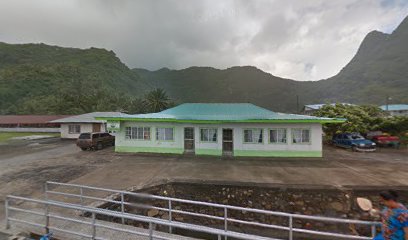
LYC (SJ MART)
1.5 km
Discover local culture and unique souvenirs at LYC (SJ MART) in Leloaloa, a must-visit shopping destination for tourists.
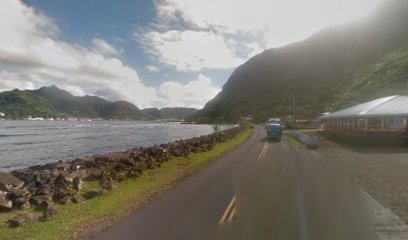
XABOR
1.5 km
Discover XABOR in Pago Pago, the ultimate print shop for personalized quality prints and local artistry in American Samoa.
Paradise Pizza
1.9 km
Experience the vibrant flavors of the Pacific at Paradise Pizza, where every slice tells a story of freshness and creativity.
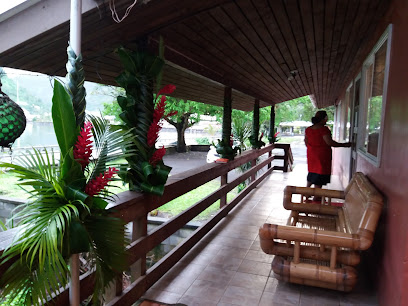
Tutuila Store
1.9 km
Tutuila Store in Leloaloa: Your go-to convenience store for local snacks, essentials, and a taste of American Samoa's vibrant culture.
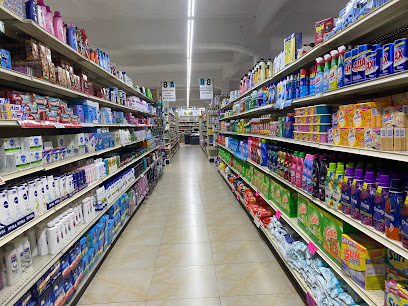
The Toolshop
2.1 km
Explore Fagatogo's trusted hardware store, The Toolshop, for all your DIY needs and quality tools during your visit to American Samoa.
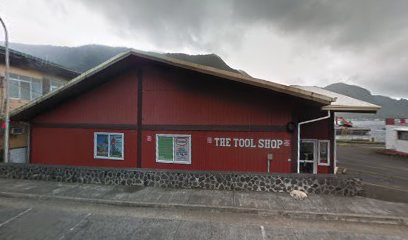
Manu’a Store
2.2 km
Discover the essence of Samoan culture at Manu’a Store, a unique clothing store in Fagatogo offering a variety of stylish apparel and local crafts.
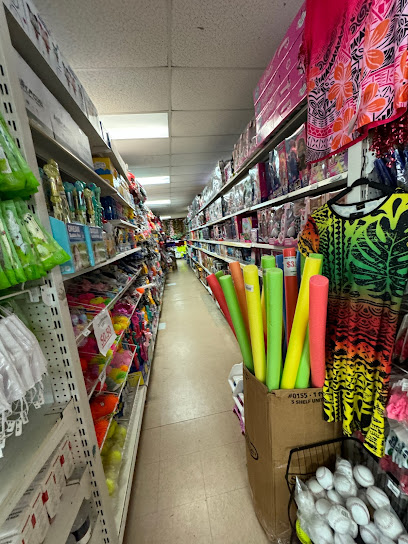
EZFIX (Fagatogo)
2.2 km
Explore Fagatogo with confidence—EZFIX offers expert mobile and computer repair services to keep you connected during your travels.
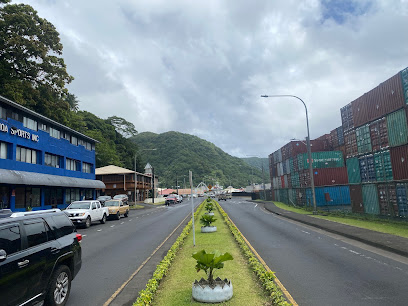
Trophies & Things
2.3 km
Explore Trophies & Things in Fagatogo for unique trophies and memorabilia celebrating the spirit of the Pacific Islands.

Tutuila Print
2.3 km
Immerse yourself in the vibrant culture of American Samoa at Tutuila Print, where local artistry meets unique souvenirs.
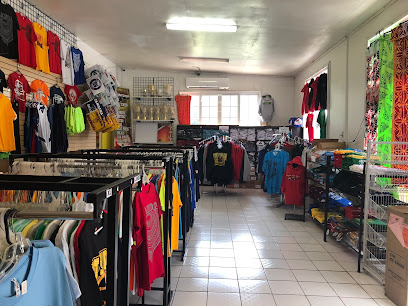
A Java Inc.
2.4 km
Discover A Java Inc. in Fagatogo for exceptional printing services and a friendly atmosphere, perfect for all your printing needs.
UPC Oasis
2.4 km
Discover unique local crafts and essentials at UPC Oasis, a general store in Pago Pago, blending culture with convenience for every traveler.
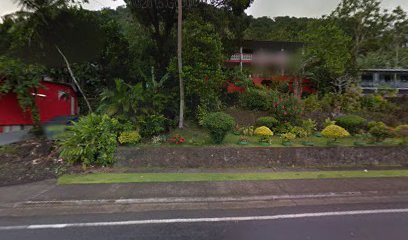
Solei Company
2.4 km
Explore the vibrant world of floral beauty and unique gifts at Solei Company in Pago Pago, a must-visit destination for every traveler.

Essential bars & hidden hideouts

Bee’z Beauty Bar
2.2 km
Discover relaxation and rejuvenation at Bee’z Beauty Bar in Fagatogo, the ultimate beauty salon for tourists seeking pampering and self-care.
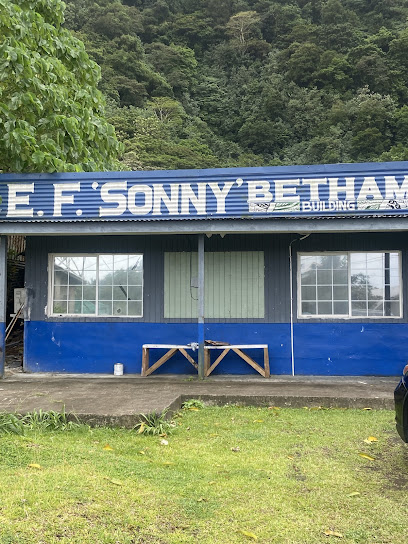
DDW
2.6 km
Discover the best seafood dining experience in Pago Pago at DDW, where fresh flavors and island vibes come together in perfect harmony.
South Pago Fusion
2.6 km
Discover the delightful fusion of local flavors and international cuisine at South Pago Fusion, your top takeout destination in Pago Pago.
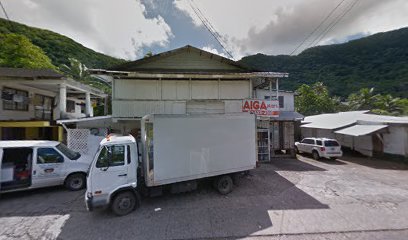
DDW Restaurant
2.7 km
Experience the culinary delights of the Eastern District at DDW Restaurant, a local favorite offering stunning views and delicious dishes.
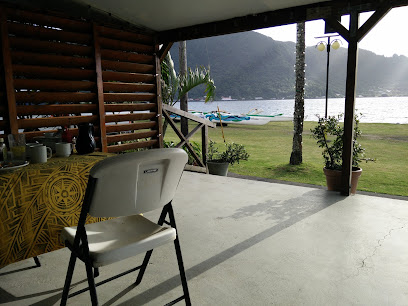
Fast Food EOB
2.7 km
Explore Utulei's vibrant fast food scene at Fast Food EOB, where convenience meets flavor for every traveler.
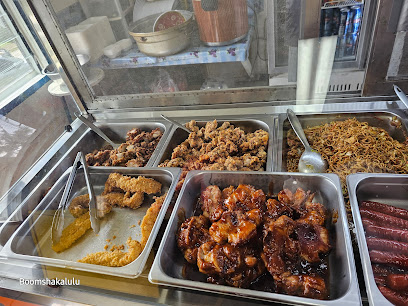
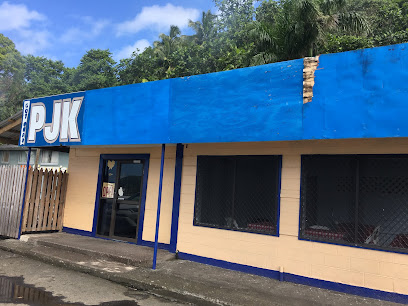
PJK Fish Market
2.8 km
Savor the Pacific's freshest seafood at PJK Fish Market in Utulei, where local flavors and vibrant culture meet.
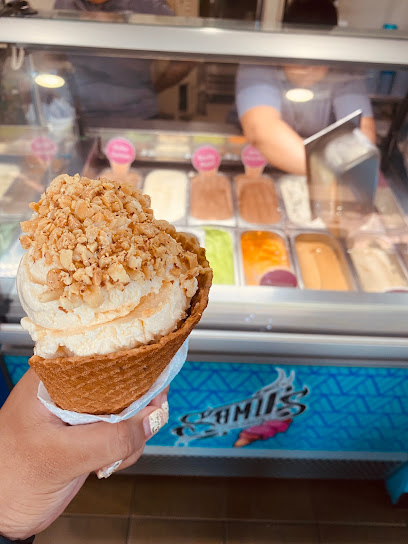
Samus Ice Cream
2.9 km
Experience the delightful flavors of Samus Ice Cream in Utulei, where each scoop is a taste of paradise.
Nightclubs & after hour spots

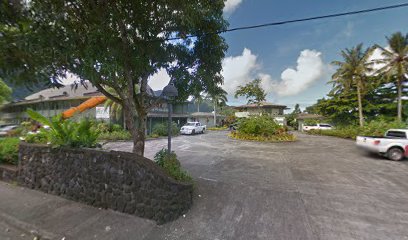
Rotary Club of Pago Pago Club Room
2.3 km
Experience the heart of American Samoa's community and culture at the Rotary Club of Pago Pago Club Room, where service meets spirit.
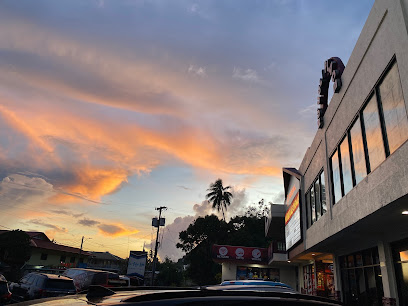
Regal Nu'uuli Place Twin
6.9 km
Discover the cinematic charm of Regal Nu'uuli Place Twin, where the latest films meet a vibrant local culture in the heart of Pago Pago.
Paradise Bar & Grill
7.2 km
Experience the vibrant atmosphere of Paradise Bar & Grill in Nu'uuli, where tropical vibes meet live music and delicious cuisine.
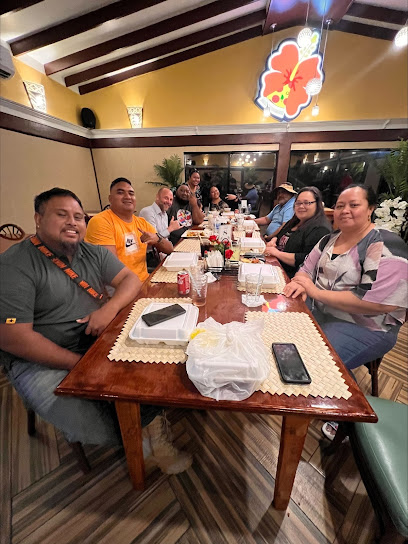
Lions Club of Pago Pago Den
7.7 km
Explore the heart of Tafuna at the Lions Club of Pago Pago Den, where community spirit and charitable efforts come together.
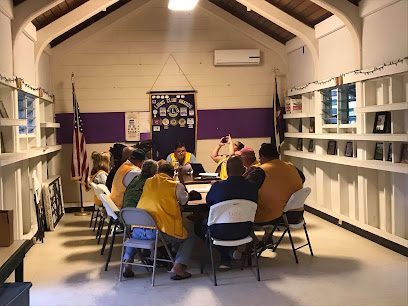
Naomi namz Taalas
8.4 km
Discover the vibrant nightlife at Naomi namz Taalas, the premier night club in Tafuna, where energy meets culture in every beat.
Oasis
8.4 km
Experience the authentic flavors of Korea at Oasis in Tafuna, where every dish tells a story in a vibrant and welcoming atmosphere.
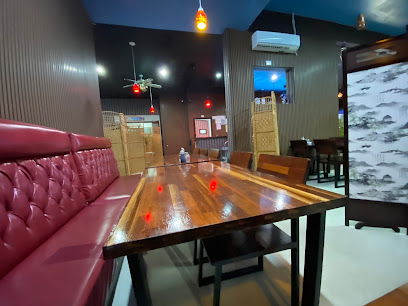
Flame Night Club
8.5 km
Discover the electrifying nightlife at Flame Night Club, the ultimate destination for music, dance, and unforgettable experiences in Tafuna.
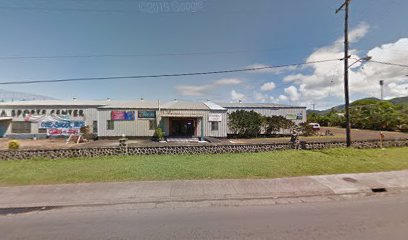
Naomi
9.4 km
Discover the vibrant nightlife at Naomi, Tafuna's premier night club, where music, dance, and local culture come together for an unforgettable experience.
Good Vibes Bar And Grill
9.7 km
Experience the taste of family-friendly dining at Good Vibes Bar And Grill in Tafuna, American Samoa, where delicious meals meet a warm atmosphere.