

Free Maundays Bay Travel Guide & Mobile App
Explore Maundays Bay with free travel guides. Discover regional history, expert tips, proposed trips, and audio guides on web or mobile app.


Maundays Bay in Anguilla pairs calm Caribbean swimming, sunset beaches and resort dining with easy access to the island’s wider coastal heritage.
Read more about Maundays Bay
When is the best time to visit Maundays Bay?
Best: January–March · 28–29°C| Month | High (°C) | Rainfall (mm) |
|---|---|---|
| January (best) | 28 | 50 |
| February (best) | 28 | 45 |
| March (best) | 29 | 40 |
| April | 29 | 50 |
| May | 30 | 70 |
| June | 31 | 90 |
| July | 32 | 100 |
| August | 32 | 110 |
| September | 31 | 120 |
| October | 31 | 110 |
| November | 30 | 80 |
| December | 29 | 60 |
Getting to and around Maundays Bay
How to get there
Transportation
Top city travel guides in Maundays Bay
The cities of Maundays Bay, and the easiest places to base yourself.
-
-


Swipe for more cities
Destinations in Maundays Bay
Resorts, valleys and scenic spots worth a trip of their own.
-

-


Swipe for more destinations
Best attractions in Maundays Bay
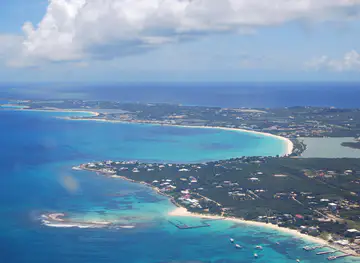
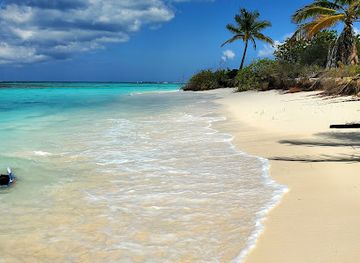
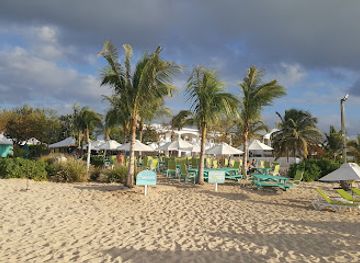
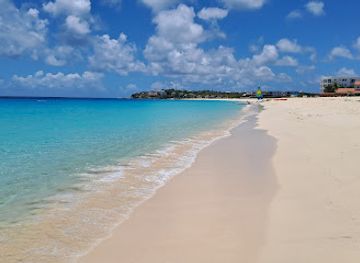
The main attraction at Maundays Bay is the bay itself: a broad, pale beach with generally calm water, open western views and conditions suited to swimming, gentle paddling and relaxed shoreline walks when the sea is settled. Cap Juluca provides the area’s principal resort setting, with low-rise buildings, landscaped grounds and Moorish-influenced details that are distinctive within Anguilla’s hospitality landscape. The locality is deliberately quiet, so visitors should not expect a museum quarter, amusement complex or busy marina. Nearby Cove Bay and Meads Bay, both outside Maundays Bay, offer additional beaches and dining possibilities, while the rest of Anguilla provides access to salt ponds, churches, small settlements, archaeological places and other shorelines. Water-based activities may be available through accommodation or local operators, but schedules and weather suitability vary. A car or taxi makes it practical to combine the bay with island-wide excursions rather than treating it as an attraction-filled town. The area’s value lies in its setting, calm pace and access to Anguilla’s wider coastal and cultural character.
-
Restaurant
Sunshine Shack
Anguilla's iconic beach bar on Rendezvous Bay: BBQ, reggae tunes, and good vibes with Garvey Lake. A must-visit!
-
 Resort hotel
Aurora Anguilla Resort & Golf Club
Experience luxury and recreation at Aurora Anguilla Resort & Golf Club, offering pristine beaches, golf, spa, and diverse activities on Rendezvous Bay.
-
Bay
Shoal Bay
Discover Anguilla's crown jewel: Shoal Bay, where powdery sands meet turquoise waters for the ultimate Caribbean beach escape.
-
Park and Garden
Meads Bay Beach
Discover Anguilla's Meads Bay: Pristine sands, tranquil turquoise waters, and luxurious beachfront experiences await in this Caribbean paradise.

Best landmarks in Maundays Bay
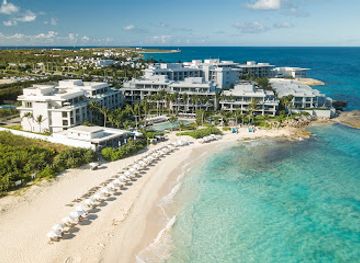
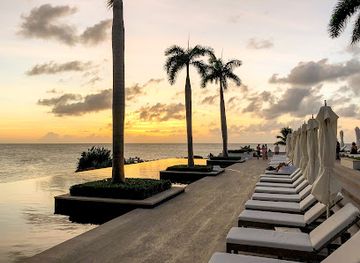
Maundays Bay’s most recognisable landmark is the sweeping crescent of pale sand and sheltered water that gives the locality its name. Its western orientation creates a memorable natural view at sunset, with the flat horizon and changing light forming a stronger visual feature than any single monument. Cap Juluca is the bay’s principal architectural landmark, distinguished by its low-slung white buildings, domes, arches and Moorish-inspired design. The resort’s architecture has become closely identified with the shoreline while retaining a relatively low profile. Beyond the immediate bay, Anguilla’s most important landmarks are dispersed across the island rather than concentrated here, including historic churches, old plantation-era structures, salt ponds and coastal working places. These should be visited as wider-island excursions and not assumed to lie within Maundays Bay. The locality’s significance is therefore primarily geographical and architectural: a sheltered western Caribbean beach framed by carefully planned resort buildings and open sea views.
-
Hotel
Four Seasons Resort and Residences Anguilla
Discover unparalleled luxury and relaxation at Four Seasons Resort and Residences Anguilla, where stunning beaches meet world-class amenities.
-
Restaurant
Blanchards Restaurant and Beach Shack
Experience the best of Caribbean cuisine at Blanchards Restaurant and Beach Shack, where stunning views meet delicious flavors in Anguilla.
-
Hotel
Cap Juluca, A Belmond Hotel, Anguilla
Experience barefoot luxury on Anguilla's Maundays Bay at Cap Juluca, a Belmond Hotel, with pristine sands, turquoise waters, and Moorish-inspired charm.
-
Bar
Elvis Beach Bar
Experience the best of beachside relaxation and vibrant entertainment at Elvis Beach Bar in Anguilla, where delicious food and refreshing drinks await.
Explore Maundays Bay on the map
Plan your trip on one map. See where the top cities, national parks and sights are, and book hotels and experiences in a few clicks.
Best hotels in Maundays Bay
Best restaurants in Maundays Bay
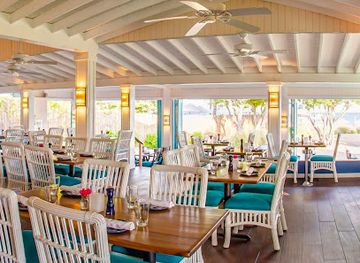
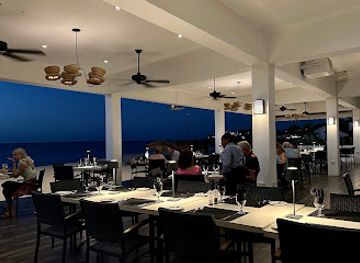
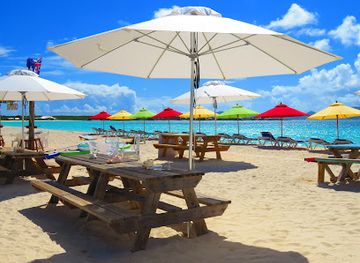
Dining in Maundays Bay is centred on resort restaurants and the polished, largely international style of cooking expected from a high-end coastal base. Menus commonly draw on Caribbean ingredients such as seafood, tropical fruit, herbs and locally familiar produce, while also offering European, North American and contemporary dishes for an international clientele. Nearby coastal areas, including Meads Bay and Cove Bay outside Maundays Bay, provide further restaurants and casual beach dining, though the selection and operating arrangements can change seasonally. Anguilla’s wider food culture is particularly associated with fresh fish, lobster when in season and crayfish, as well as grilled dishes, rice-based plates and Caribbean-influenced home cooking. Local food stalls and informal establishments elsewhere on the island may offer a more everyday expression of Anguillian cuisine than resort dining. Reservations are sensible for sunset meals or special occasions, and visitors should confirm currency, service charges and transport arrangements when dining away from their accommodation.
-
Restaurant
Blanchards Restaurant and Beach Shack
Experience the best of Caribbean dining at Blanchards Restaurant and Beach Shack in Meads Bay, where flavor meets paradise.
-
Restaurant
Straw Hat Restaurant
Experience exquisite Caribbean cuisine with breathtaking beachfront views at Straw Hat Restaurant in Meads Bay.
-
Restaurant
Sunshine Shack
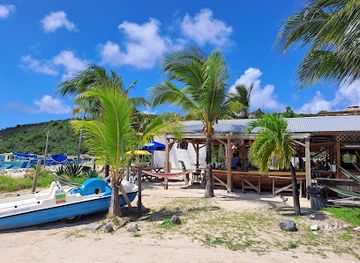
Experience authentic Caribbean flavors at Sunshine Shack on Rendezvous Bay Beach - where great food meets stunning ocean views.
-
Restaurant
Ocean Echo Anguilla
Discover authentic Caribbean cuisine with stunning ocean views at Ocean Echo Anguilla – where every meal feels like a vacation.
Best bars in Maundays Bay
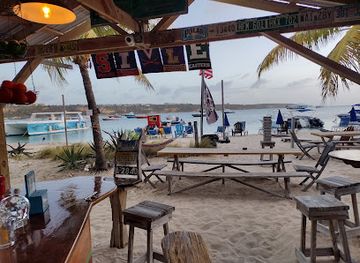
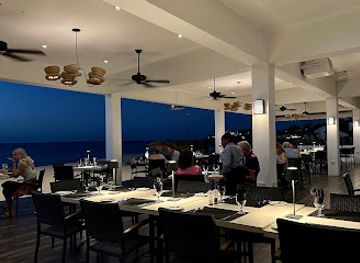
Maundays Bay has a restrained evening scene rather than a dedicated nightclub district. Resort bars provide cocktails, wine and Caribbean-influenced drinks, often with sunset views, while evenings commonly revolve around dinner, conversation and occasional live music. Nearby Meads Bay and other western coastal areas outside Maundays Bay add further hotel bars, restaurants and relaxed seaside venues, but nightlife remains dispersed and relatively low-key compared with larger Caribbean resort centres. Anguilla’s musical traditions, including calypso, reggae and soca, may feature in live performances or seasonal events, although entertainment schedules are subject to change. Visitors seeking a late night should arrange transport in advance, particularly when returning along poorly lit roads. The island also has rum and locally influenced cocktail traditions, but drinking is not necessary to appreciate the area’s evening appeal, which is chiefly based on the western sunset, unhurried dining and the sound of the sea.
-
Hotel
Cap Juluca, A Belmond Hotel, Anguilla
Experience unparalleled luxury and tranquility at Cap Juluca, A Belmond Hotel, nestled on the stunning shores of Maundays Bay in Anguilla.
-
Bar
Elvis Beach Bar
Experience the vibrant atmosphere of Elvis Beach Bar in Anguilla, where delicious food, stunning views, and lively entertainment await.
-
Restaurant
Straw Hat Restaurant
Experience the exquisite flavors of Anguilla at Straw Hat Restaurant, where fresh seafood meets stunning beachfront views.
-
Restaurant
Sunshine Shack
Discover the vibrant flavors of the Caribbean at Sunshine Shack, a beachfront restaurant that offers a unique dining experience in Anguilla.
Best nightclubs in Maundays Bay
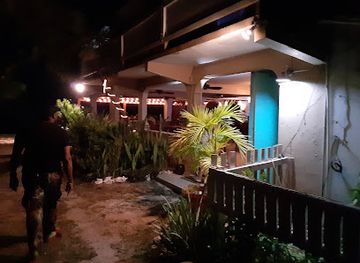
Maundays Bay has a restrained evening scene rather than a dedicated nightclub district. Resort bars provide cocktails, wine and Caribbean-influenced drinks, often with sunset views, while evenings commonly revolve around dinner, conversation and occasional live music. Nearby Meads Bay and other western coastal areas outside Maundays Bay add further hotel bars, restaurants and relaxed seaside venues, but nightlife remains dispersed and relatively low-key compared with larger Caribbean resort centres. Anguilla’s musical traditions, including calypso, reggae and soca, may feature in live performances or seasonal events, although entertainment schedules are subject to change. Visitors seeking a late night should arrange transport in advance, particularly when returning along poorly lit roads. The island also has rum and locally influenced cocktail traditions, but drinking is not necessary to appreciate the area’s evening appeal, which is chiefly based on the western sunset, unhurried dining and the sound of the sea.
-
Bar
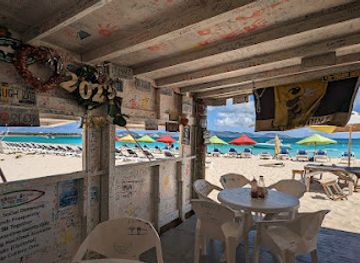
Elvis Beach Bar
Discover the vibrant atmosphere and delicious Caribbean cuisine at Elvis Beach Bar, the perfect spot to relax and enjoy the stunning views of Sandy Ground, Anguilla.
-
Live music bar
Bankie Banx's Dune Preserve
Discover the vibrant music and delicious cuisine of Bankie Banx's Dune Preserve on Anguilla's stunning Rendezvous Bay, a must-visit for all tourists.
-
Bar
SandBar
Discover the vibrant atmosphere of SandBar in Anguilla, where refreshing cocktails meet breathtaking Caribbean views for an unforgettable experience.
-
Restaurant
Sunset Lounge
Experience culinary excellence at Sunset Lounge in Anguilla, where breathtaking views and exquisite flavors combine for an unforgettable dining experience.


Best shops in Maundays Bay
Shopping in Maundays Bay is limited and primarily connected with resort boutiques, gifts, beachwear and convenience purchases rather than a conventional retail centre. Visitors seeking local products, art, jewellery, books or larger food supplies will find a broader choice in Anguilla’s settlements and market areas, particularly around The Valley and other established communities outside the bay. Island-made or locally themed purchases may include art, handicrafts, woven items, jewellery, hot sauces, rum-based products and packaged foods, although stock varies between shops and seasons. Small independent galleries and craft outlets offer a more distinctive alternative to standard resort souvenirs, while supermarkets are useful for practical provisions. The area is not known for extensive luxury shopping, so it is better suited to selecting a few carefully chosen gifts than to a dedicated shopping itinerary. Ask whether locally made goods are genuinely produced in Anguilla and pack fragile purchases securely for onward travel.
-
Live music bar
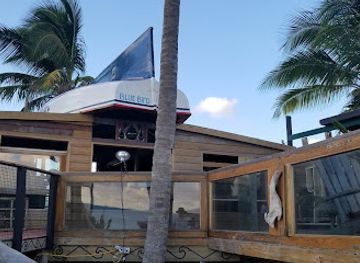
Bankie Banx's Dune Preserve
Experience the vibrant culture and delicious cuisine at Bankie Banx's Dune Preserve, Anguilla's premier live music bar and restaurant.
-
Supermarket
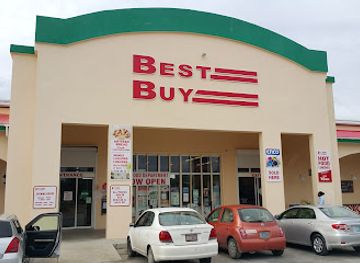
Best Buy West
Experience the best of Anguilla's local and international flavors at Best Buy West, your essential supermarket for groceries and more.
-
Gift shop
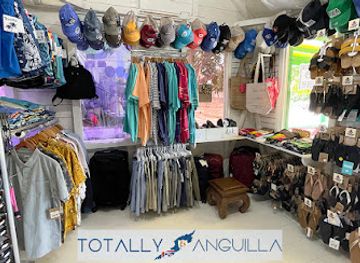
Irie Life
Explore Irie Life in Anguilla: A vibrant gift shop showcasing local artisans' creations and unique souvenirs to cherish your island memories.
-
Bakery
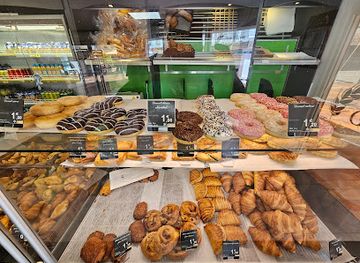
Hall’s Unique Bakery
Discover the essence of Anguilla at Hall’s Unique Bakery, where fresh, local flavors meet delightful baked goods in a cozy atmosphere.
Get your free copy of our complete guide to Maundays Bay, delivered straight to you.
Everything on this page, from attractions and restaurants to essentials and local phrases, in one PDF you can read offline, print or share.
Already have an account? Sign in
Your Maundays Bay guide is ready.
We'll send it to · Not you? Sign out

Getting your guide ready…
We are putting together a fresh copy of the Maundays Bay guide. This can take up to a minute.
This can take a few moments. If your browser asks, choose Allow so the download can start. You'll find the guide in your Downloads folder.
Nothing happened? Download it again
Sorry, the guide is taking longer than usual. Please try again in a minute, or get it by email instead.
Maundays Bay essentials
Currency and Payment
Safety
Emergency Situations
Do's and Don'ts
Local Tips
From Eve
Local phrases worth knowing
You don't need to get them perfect. A few words go a long way, and locals appreciate the effort.
Basics
| English | Local | Say it |
|---|---|---|
| Hello | Hola | [Ola] |
| Goodbye | Adiós | [Adee-oss] |
| Yes | Sí | [See] |
| No | No | [No] |
| Please/You're welcome | Por favor/De nada | [Por fah-vor/Deh nah-da] |
| Thank you | Gracias | [Gra-thee-as] |
| Excuse me/Sorry | Perdón | [Pair-dohn] |
| How are you? | ¿Cómo estás? | [Koh-moh es-tas] |
| Fine. And you? | Bien. ¿Y tú? | [Bee-en. Ee too] |
| Do you speak English? | ¿Hablas inglés? | [Ah-blas een-glez] |
| I don't understand | No entiendo | [No en-tee-en-doh] |
Eating & Drinking
| English | Local | Say it |
|---|---|---|
| I'd like to see the menu, please | Me gustaría ver el menú, por favor | [May goos-tah-ree-ah vair el meh-noo, por fah-vor] |
| I don't eat meat | No como carne | [No koh-mo kar-neh] |
| Cheers! | ¡Salud! | [Sah-lood] |
| I would like to pay, please | Me gustaría pagar, por favor | [May goos-tah-ree-ah pah-gar, por fah-vor] |
Emergencies
| English | Local | Say it |
|---|---|---|
| Help! | ¡Ayuda! | [Ah-yoo-dah] |
| Go away! | ¡Vete! | [Veh-teh] |
| Call the Police! | ¡Llama a la policía! | [Yah-mah ah lah poh-lee-see-ah] |
| Call a doctor! | ¡Llama a un doctor! | [Yah-mah ah oon dok-tor] |
| I'm lost | Estoy perdido | [Es-toy pair-dee-doh] |
| I'm ill | Estoy enfermo | [Es-toy en-fair-mo] |
Shopping
| English | Local | Say it |
|---|---|---|
| I'd like to buy... | Me gustaría comprar... | [May goos-tah-ree-ah kom-prar] |
| I'm just looking | Solo estoy mirando | [So-lo es-toy mee-ran-do] |
| How much is it? | ¿Cuánto cuesta? | [Kwan-toh kwes-tah] |
| That's too expensive | Eso es muy caro | [Eh-so es moo-ee kah-roh] |
| Can you lower the price? | ¿Puedes bajar el precio? | [Pweh-des bah-har el preh-sio] |
Time & Numbers
| English | Local | Say it |
|---|---|---|
| What time is it? | ¿Qué hora es? | [Keh or-ah es] |
| It's one o'clock | Es la una | [Es lah oo-nah] |
| Half past (10) | Y media (10) | [Ee meh-dee-ah (10)] |
| Morning | Mañana | [Mah-nyah-nah] |
| Afternoon | Tarde | [Tar-deh] |
| Evening | Noche | [No-cheh] |
| Yesterday | Ayer | [Ah-yer] |
| Today | Hoy | [Oy] |
| Tomorrow | Mañana | [Mah-nyah-nah] |
| 1 | Uno | [Oo-no] |
| 2 | Dos | [Dohs] |
| 3 | Tres | [Tress] |
| 4 | Cuatro | [Kwah-tro] |
| 5 | Cinco | [Seen-koh] |
| 6 | Seis | [Says] |
| 7 | Siete | [Syet-eh] |
| 8 | Ocho | [Oh-cho] |
| 9 | Nueve | [Nweh-veh] |
| 10 | Diez | [Dyez] |
Transport & Directions
| English | Local | Say it |
|---|---|---|
| Where's a/the...? | ¿Dónde está un/una...? | [Dohn-deh es-tah oon/oo-nah] |
| What's the address? | ¿Cuál es la dirección? | [Kwahl es lah dee-rek-see-on] |
| Can you show me (on the map)? | ¿Puedes mostrarme (en el mapa)? | [Pweh-des mos-trar-meh (en el mah-pah)] |
| When's the next (bus)? | ¿Cuándo es el próximo (autobús)? | [Kwan-doh es el prok-see-mo (ow-toh-boos)] |
| A ticket (to ....) | Un boleto (a ....) | [Oon boh-leh-toh (ah ....)] |
History of Maundays Bay
Amerindian Settlement and Archaeological Anguilla
Long before European colonisation, Anguilla was inhabited by Indigenous peoples who travelled throughout the Lesser Antilles by canoe. Archaeological evidence across the island, including settlement remains, pottery and tools, records communities connected to wider Caribbean networks. The low limestone terrain, sheltered coves and marine resources that define Maundays Bay would have formed part of this larger island environment. Much of the visible historical landscape has been altered by later settlement, but Anguilla’s archaeological record remains important for understanding the island as a lived-in Caribbean place rather than an empty shore encountered by Europeans.
European Colonisation and the English Settlement
English settlers established a permanent presence on Anguilla during the seventeenth century, and the island became linked politically and economically with the wider British Caribbean. Its dry climate limited plantation agriculture compared with wetter islands, encouraging a mixed economy based on small-scale farming, fishing, seafaring and trade. Coastal bays served as landing places and working parts of island life, although Maundays Bay later became better known for tourism than for a large historic port. The island’s English cultural and political inheritance remains visible in its language, legal traditions and relationship with Britain.
Salt, Fishing and Maritime Livelihoods
For much of its history Anguilla relied on activities closely tied to the sea and its arid landscape. Salt was harvested from ponds, fishing supported coastal communities, and islanders developed seafaring links with neighbouring islands and distant markets. These industries were rarely concentrated in Maundays Bay alone; they formed part of a dispersed island economy in which beaches, ponds, small harbours and village communities had different roles. Their legacy survives in Anguilla’s maritime traditions, seafood culture and continuing attachment to the coast, even as tourism has become the dominant economic force.
The Anguilla Revolution of 1967
In 1967 Anguilla’s residents rebelled against the constitutional arrangement that had joined Anguilla with Saint Kitts and Nevis. The protest reflected concerns about political representation, local autonomy and the island’s future. British forces intervened later that year, and Anguilla subsequently developed its present status as a separate British Overseas Territory. The revolution is a central part of modern Anguillian identity and helps explain the island’s strong emphasis on self-government and local decision-making. Its political significance extends far beyond Maundays Bay, shaping the context in which the resort area developed.
Tourism and the Transformation of Maundays Bay
From the later twentieth century, Anguilla’s beaches and calm waters attracted a growing international clientele, and Maundays Bay became associated with high-end, low-rise resort development. Cap Juluca helped establish the bay’s architectural and hospitality identity, presenting a carefully planned coastal setting rather than a dense urban resort. Tourism brought new employment, investment and infrastructure while leaving the island’s villages, churches, fishing traditions and dry scrub landscapes in place. Today Maundays Bay represents one strand of Anguilla’s economy: internationally oriented hospitality set within a territory whose broader history remains distinctly local.
Maundays Bay in Photos
Browse through our photo collection highlighting the charm and character of the destination.
Neighbouring regions of Maundays Bay
The closest regions to Maundays Bay, if you have time for more than one.
-

-

-

-

-


Swipe for more regions
Explore more

Explore more of Anguilla
Discover Anguilla: Caribbean's best-kept secret with stunning beaches, rich culture, and endless adventure opportunities. Perfect for a serene and luxurious getaway.
Explore Anguilla