

Free Blowing Point Travel Guide & Mobile App
Explore Blowing Point with free travel guides. Discover regional history, expert tips, proposed trips, and audio guides on web or mobile app.


Blowing Point, Anguilla, combines a Caribbean ferry gateway with quiet beaches, sea views, island history and easy access to the west coast.
Read more about Blowing Point
When is the best time to visit Blowing Point?
Best: January–March · 28–29°C| Month | High (°C) | Rainfall (mm) |
|---|---|---|
| January (best) | 28 | 70 |
| February (best) | 29 | 60 |
| March (best) | 29 | 60 |
| April | 30 | 70 |
| May | 31 | 80 |
| June | 32 | 90 |
| July | 32 | 100 |
| August | 32 | 110 |
| September | 32 | 120 |
| October | 31 | 110 |
| November | 30 | 100 |
| December | 29 | 90 |
Getting to and around Blowing Point
How to get there
Transportation
Top city travel guides in Blowing Point
The cities of Blowing Point, and the easiest places to base yourself.
-

-


Swipe for more cities
Destinations in Blowing Point
Resorts, valleys and scenic spots worth a trip of their own.

Swipe for more destinations
Best attractions in Blowing Point
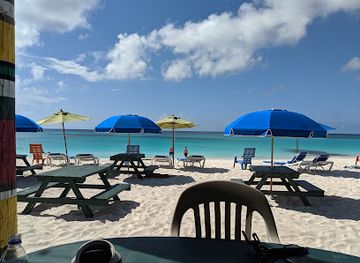
Blowing Point’s attractions are coastal and maritime rather than urban. The ferry terminal is the settlement’s defining visitor facility, providing a working view of passenger boats, arrivals and the short sea link with Saint Martin. Blowing Point Beach offers a quieter setting for walking, sea views and relaxed time by the water, although visitors should judge swimming conditions locally and expect limited shade. The shoreline and low coral-limestone landscape also make the area a useful starting point for exploring Anguilla’s south-western coast by car or taxi. Visitors interested in boats can arrange island excursions through established local providers, subject to weather and sea conditions. The wider island’s beaches, archaeological sites and heritage attractions lie beyond Blowing Point and are best treated as separate excursions rather than assumed to be within the settlement. There are no major museums, large shopping complexes or amusement parks here; the appeal is the combination of a working port, open coastal scenery and proximity to Anguilla’s resort and beach districts. Travellers with time between ferry movements can observe the passage of local life around the waterfront, but should remember that port and immigration areas may have controlled access.
-
Live music bar
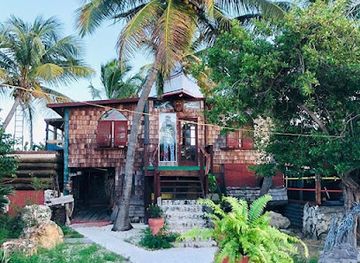
Bankie Banx's Dune Preserve
Experience the legendary Dune Preserve on Anguilla's Rendezvous Bay: live music, Caribbean vibes, and stunning ocean views await!
-
Tourist attraction
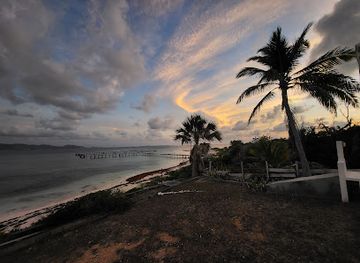
Christian’s Cove
Discover the serene beauty of Christian's Cove in Anguilla: soft sands, turquoise waters, vibrant marine life, and unforgettable sunsets.
Best landmarks in Blowing Point
Blowing Point’s principal landmark is its passenger-ferry terminal, a practical piece of waterfront infrastructure that gives the settlement its regional importance and expresses Anguilla’s continuing connection with neighbouring Saint Martin. The terminal is less a monumental building than a recognisable point of arrival, departure and border control. Blowing Point Beach provides the area’s clearest natural landmark, with a low shoreline, open Caribbean views and the visual presence of boats moving between islands. The surrounding flat coral-limestone terrain is characteristic of Anguilla’s south-western coast, where the absence of high mountains creates broad horizons and strong exposure to sun and wind. The settlement’s value lies in this combination of working maritime landscape and modest beach environment rather than in a large collection of historic architecture. Important heritage places elsewhere on Anguilla, including the island’s historic churches and archaeological sites, should be visited as separate excursions rather than attributed to Blowing Point.
-
Hotel
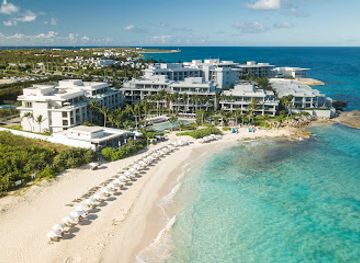
Four Seasons Resort and Residences Anguilla
Experience luxury and tranquility at Four Seasons Resort and Residences Anguilla, where breathtaking views and world-class amenities await.
-
 Hotel
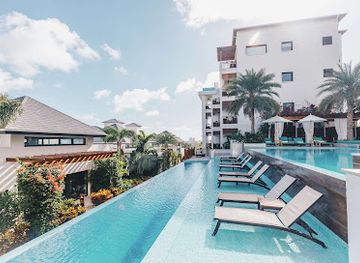
HotelCap Juluca, A Belmond Hotel, Anguilla
Experience the ultimate luxury and tranquility at Cap Juluca, A Belmond Hotel, where stunning beaches and exceptional service meet.
-
Hotel
Zemi Beach House, LXR Hotels & Resorts
Experience beachfront luxury at Zemi Beach House on Anguilla's Shoal Bay East, offering pristine sands, turquoise waters, and exceptional Caribbean hospitality.
-
Beach
Shoal Bay Beach
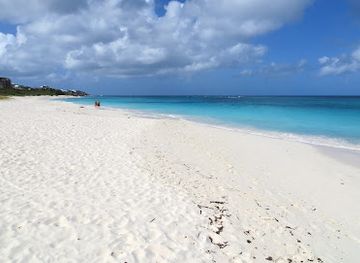
Experience the breathtaking beauty of Shoal Bay Beach, a Caribbean paradise with pristine sands, turquoise waters, and vibrant marine life.
Explore Blowing Point on the map
Plan your trip on one map. See where the top cities, national parks and sights are, and book hotels and experiences in a few clicks.
Best hotels in Blowing Point
Best restaurants in Blowing Point
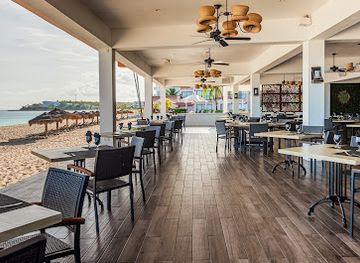
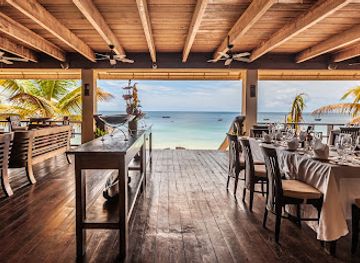
Dining in Blowing Point is relatively small-scale and closely connected with the ferry traffic, local residences and nearby accommodation. Expect casual Caribbean cooking, grilled fish, seafood, chicken, rice dishes, salads, sandwiches and cold drinks rather than a concentrated restaurant quarter. Anguilla’s wider culinary identity is strongly associated with seafood, including lobster when in season, snapper and other locally landed fish, as well as crayfish and traditional dishes such as peas and rice, Johnny cakes and goat preparations. Availability and sourcing vary, so menus should be read as contemporary island dining rather than a single fixed Blowing Point cuisine. Restaurants and beach venues elsewhere along Anguilla’s western and southern coasts provide a broader range, from informal rum-shack-style settings to polished resort dining, but they require transport from the ferry area. Visitors using the port should allow time for border procedures and onward travel instead of assuming that every establishment will be open precisely around ferry arrivals.
-
Restaurant
Straw Hat Restaurant
Experience exquisite Caribbean cuisine with breathtaking ocean views at Straw Hat Restaurant in Meads Bay, Anguilla.
-
Restaurant
Da'Vida
Discover exquisite Caribbean dining at Da'Vida in Anguilla - where flavor meets breathtaking ocean views.
-
Restaurant
Roy's Bayside Grill
Experience delightful Caribbean flavors at Roy's Bayside Grill in Anguilla – where great food meets stunning seaside views.
-
Restaurant
Sunshine Shack
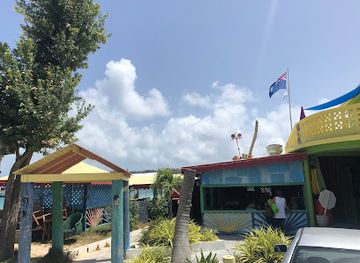
Experience exquisite Caribbean flavors at Sunshine Shack by Rendezvous Bay Beach - where culinary delight meets breathtaking ocean views.
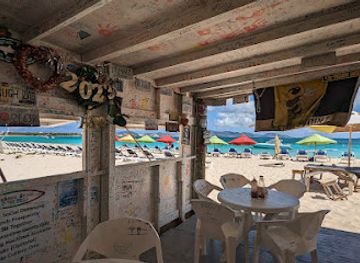
Best bars in Blowing Point
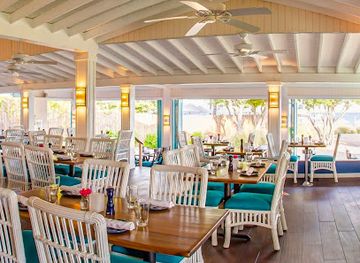
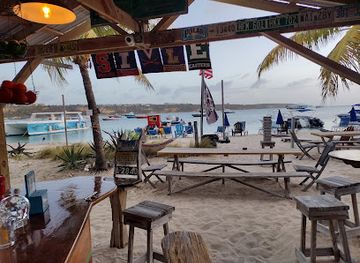
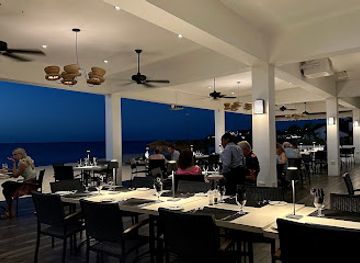
Blowing Point does not have a major nightclub district. Evening life is generally low-key, centred on casual restaurants, beach bars, hotel lounges and occasional live music rather than late-night entertainment concentrated around the ferry terminal. Visitors can expect rum-based drinks, beer, wine and simple cocktails, with the liveliest evenings often linked to dining venues or seasonal performances across the island. The broader west-coast resort area offers more choice for an evening out, but venues are dispersed and opening arrangements can change, so taxis and advance checks are useful. Quiet waterfront areas should not be treated as public party spaces, and visitors should drink responsibly, arrange transport before leaving and avoid walking unfamiliar unlit roads late at night.
-
Bar
Blanchards Restaurant and Beach Shack
Savor the best of Caribbean cuisine at Blanchards Restaurant and Beach Shack, where breathtaking beach views meet delightful culinary creations.
-
Bar
Elvis Beach Bar
Discover the vibrant charm of Elvis Beach Bar in Anguilla, where delicious food and refreshing drinks meet stunning beach views.
-
Restaurant
Straw Hat Restaurant
Savor Caribbean cuisine with breathtaking views at Straw Hat Restaurant in Meads Bay, a must-visit for food lovers in Anguilla.
-
Restaurant
Sunshine Shack
Experience the flavors of the Caribbean at Sunshine Shack, a vibrant beach bar on Rendezvous Bay offering local cuisine and breathtaking ocean views.
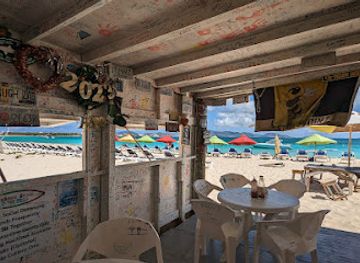
Best nightclubs in Blowing Point
Blowing Point does not have a major nightclub district. Evening life is generally low-key, centred on casual restaurants, beach bars, hotel lounges and occasional live music rather than late-night entertainment concentrated around the ferry terminal. Visitors can expect rum-based drinks, beer, wine and simple cocktails, with the liveliest evenings often linked to dining venues or seasonal performances across the island. The broader west-coast resort area offers more choice for an evening out, but venues are dispersed and opening arrangements can change, so taxis and advance checks are useful. Quiet waterfront areas should not be treated as public party spaces, and visitors should drink responsibly, arrange transport before leaving and avoid walking unfamiliar unlit roads late at night.
-
Bar
Elvis Beach Bar
Discover the vibrant atmosphere of Elvis Beach Bar in Anguilla, where delicious food meets refreshing cocktails in a stunning beach setting.
-
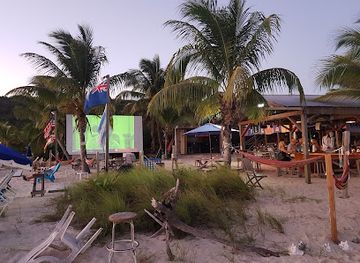
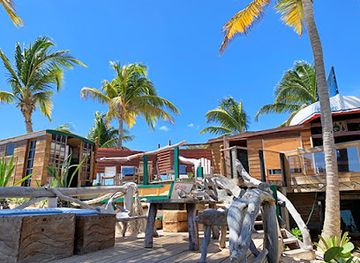
Live music bar
Bankie Banx's Dune Preserve
Discover the vibrant spirit of Anguilla at Bankie Banx's Dune Preserve, where live music, delicious Caribbean cuisine, and breathtaking beach views await.
-
Bar
SandBar
Discover the vibrant beach bar culture at SandBar in Anguilla, where live music, refreshing cocktails, and stunning sunset views await.
-
Grill
Gwen's Reggae Bar and Grill
Experience the vibrant flavors and rhythms of the Caribbean at Gwen's Reggae Bar and Grill in Anguilla.
Best shops in Blowing Point
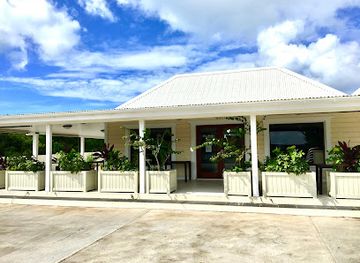
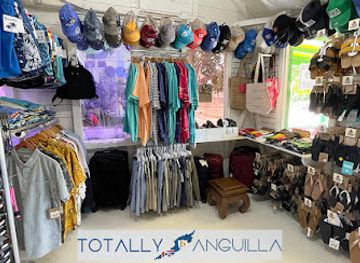
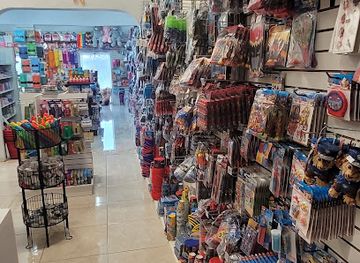
Shopping in Blowing Point is limited and practical, reflecting its character as a ferry settlement rather than a major retail centre. Visitors may find small convenience shops, local services, beach necessities and occasional island-made products, while the most dependable choice of groceries, gifts, galleries and independent retail is spread through other populated parts of Anguilla. Useful purchases include locally produced food items, rum, hot sauces, artwork, ceramics, jewellery and beach clothing, although stock varies between businesses. The ferry area may offer opportunities for last-minute essentials, but it is not a substitute for a planned shopping trip elsewhere on the island. Visitors should support legitimate local vendors, ask about materials before buying crafts and avoid purchasing coral, shells or other protected natural objects. For fresh produce and a wider selection of island goods, seek established shops and markets open to visitors rather than buying from informal sellers at the port.
-
Bakery
The Village Bakehouse
Discover the sweet flavors of Anguilla at The Village Bakehouse, a bakery paradise for tourists seeking authentic Caribbean treats.
-
Hardware Shop
ABC Supplies
ABC Supplies in The Valley, Anguilla: Your one-stop hardware shop for all DIY projects and home improvement needs.
-
Gift shop
Irie Life
Explore Irie Life, a charming gift shop in Anguilla, offering unique local crafts and souvenirs that capture the essence of Caribbean culture.
-
Gift shop
GAB's Party Essentials
GAB's Party Essentials: Your ultimate destination for party supplies, baby clothing, baking essentials, and more in Anguilla.

Get your free copy of our complete guide to Blowing Point, delivered straight to you.
Everything on this page, from attractions and restaurants to essentials and local phrases, in one PDF you can read offline, print or share.
Already have an account? Sign in
Your Blowing Point guide is ready.
We'll send it to · Not you? Sign out

Getting your guide ready…
We are putting together a fresh copy of the Blowing Point guide. This can take up to a minute.
This can take a few moments. If your browser asks, choose Allow so the download can start. You'll find the guide in your Downloads folder.
Nothing happened? Download it again
Sorry, the guide is taking longer than usual. Please try again in a minute, or get it by email instead.
Blowing Point essentials
Currency and Payment
Safety
Emergency Situations
Do's and Don'ts
Local Tips
From Eve
Local phrases worth knowing
You don't need to get them perfect. A few words go a long way, and locals appreciate the effort.
Basics
| English | Local | Say it |
|---|---|---|
| Hello | Hello | [Heh-lo] |
| Goodbye | Bye | [Bah-ee] |
| Yes | Yeah | [Yeh] |
| No | No | [No] |
| Please/You're welcome | Please | [Pleez] |
| Thank you | Thank you | [Tangk yuh] |
| Excuse me/Sorry | Excuse me | [Eks-kyoos mee] |
| How are you? | How yuh doing? | [How yuh doin?] |
| Fine. And you? | Fine. An yuh? | [Fain. An yuh?] |
| Do you speak English? | Yuh speak English? | [Yuh speek Ing-lish?] |
| I don't understand | I noh understand | [I noh un-der-stand] |
Eating & Drinking
| English | Local | Say it |
|---|---|---|
| I'd like to see the menu, please | Can I see the menu, please? | [Kan I see de men-yu, pleez?] |
| I don't eat meat | I noh eat meat | [I noh eet meet] |
| Cheers! | Cheers! | [Cheers] |
| I would like to pay, please | I would like to pay, please | [I wud laik to pay, pleez] |
Emergencies
| English | Local | Say it |
|---|---|---|
| Help! | Help! | [Help] |
| Go away! | Go way! | [Go weh] |
| Call the Police! | Call di Police! | [Kol di Po-leec] |
| Call a doctor! | Call a doctor! | [Kol a dok-tah] |
| I'm lost | I lost | [I lost] |
| I'm ill | I sick | [I sik] |
Shopping
| English | Local | Say it |
|---|---|---|
| I'd like to buy... | I would like to buy... | [I wud laik to bai...] |
| I'm just looking | I just looking | [I jast luking] |
| How much is it? | How much it cost? | [How much it kost?] |
| That's too expensive | Dat too expensive | [Dat too eks-pensiv] |
| Can you lower the price? | Can yuh lower di price? | [Kan yuh lo-wah di prais?] |
Time & Numbers
| English | Local | Say it |
|---|---|---|
| What time is it? | Wha time it is? | [Wha taim it is?] |
| It's one o'clock | It one o'clock | [It wan o'clock] |
| Half past (10) | Half past ten | [Half past ten] |
| Morning | Morning | [Morn-ing] |
| Afternoon | Afternoon | [Af-ter-noon] |
| Evening | Evening | [Eve-ning] |
| Yesterday | Yesterday | [Yes-ter-day] |
| Today | Today | [To-day] |
| Tomorrow | Tomorrow | [To-mor-row] |
| 1 | One | [Wan] |
| 2 | Two | [Too] |
| 3 | Three | [Three] |
| 4 | Four | [Four] |
| 5 | Five | [Fahiv] |
| 6 | Six | [Six] |
| 7 | Seven | [Sev-en] |
| 8 | Eight | [Eight] |
| 9 | Nine | [Nain] |
| 10 | Ten | [Ten] |
Transport & Directions
| English | Local | Say it |
|---|---|---|
| Where's a/the...? | Wha de...? | [Wha de...?] |
| What's the address? | Wha di address? | [Wha di ad-dress?] |
| Can you show me (on the map)? | Can yuh show me (on di map)? | [Kan yuh sho me (on di map)?] |
| When's the next (bus)? | Wha time di next (bus)? | [Wha taim di next (bus)?] |
| A ticket (to ....) | A ticket (to ....) | [A tik-it (to ....)] |
History of Blowing Point
Indigenous Settlement Before European Colonisation
Long before European settlement, Anguilla was visited and inhabited by Indigenous peoples from the wider Caribbean. Archaeological evidence across the island records villages, tools, pottery and shell remains associated with pre-colonial communities whose lives depended on fishing, gathering and cultivation. Blowing Point’s coastal position would have formed part of the island’s wider maritime landscape, although the modern ferry settlement should not be confused with a single documented ancient town. The surviving archaeological record establishes Anguilla as part of an interconnected Caribbean world rather than an empty island awaiting European arrival.
English Colonisation and Small-Island Society
English settlers established a permanent colonial presence on Anguilla in the seventeenth century, and the island subsequently developed within the British Caribbean. Its dry climate and thin soils limited large-scale plantation agriculture compared with some neighbouring islands, encouraging a more dispersed economy based on small farming, livestock, fishing and seafaring. Coastal settlements such as Blowing Point were shaped by movement between Anguilla and nearby islands. The island’s links with Saint Martin and other neighbouring territories remained important for trade, work and family connections even when formal political boundaries divided the region.
Salt, Fishing and Maritime Livelihoods
For much of its modern history, Anguilla relied on practical maritime and agricultural activities rather than a single dominant plantation crop. Salt gathering from ponds, fishing, boat work and small-scale farming formed part of the island’s economic life, while men from Anguilla often travelled by sea in search of employment. Blowing Point’s position on the south-west coast placed it within this wider maritime culture. Although tourism has transformed the island’s economy, the ferry traffic and continuing importance of boats preserve a visible connection with the seafaring traditions that supported earlier generations.
Political Separation from Saint Christopher-Nevis-Anguilla
Anguilla was administered for a period within the associated state of Saint Christopher-Nevis-Anguilla, but local opposition to that arrangement intensified in the 1960s. In 1967, Anguillans expelled the small police force stationed on the island, and a referendum later supported separation. British forces arrived in 1969, an episode remembered as the Anguilla Revolution. The island eventually became a separate British dependency, now a British Overseas Territory. Blowing Point’s contemporary role as a maritime arrival point offers a practical reminder of Anguilla’s continuing connections with neighbouring islands while its own constitutional identity remains distinct.
Tourism and the Transformation of the Coast
From the late twentieth century onwards, tourism became increasingly important to Anguilla, bringing new accommodation, restaurants, transport services and international connections. The island’s beaches, warm climate and relatively low-density development encouraged a resort economy different from the more urbanised character of nearby Saint Martin. Blowing Point benefited directly from this change because its ferry terminal became a principal arrival route for visitors crossing from Marigot. The settlement therefore links older coastal livelihoods with a modern tourism system in which ferries, taxis, restaurants and beach accommodation are central to the local economy.
Blowing Point as a Contemporary Ferry Gateway
Today, Blowing Point is most widely recognised as Anguilla’s principal passenger-ferry gateway to Saint Martin. The crossing supports tourism, local movement and commercial connections between neighbouring islands, while the terminal’s operation is tied to border control and changing sea conditions. Its importance is practical as well as symbolic: visitors often encounter Anguilla here before reaching the island’s villages, beaches and resorts. The waterfront’s current role reflects a long regional pattern of Caribbean mobility, in which short sea passages have connected communities more effectively than the small island’s limited road network alone.
Blowing Point in Photos
Browse through our photo collection highlighting the charm and character of the destination.
Neighbouring regions of Blowing Point
The closest regions to Blowing Point, if you have time for more than one.
-

-

-

-

-


Swipe for more regions
Explore more

Explore more of Anguilla
Discover Anguilla: Caribbean's best-kept secret with stunning beaches, rich culture, and endless adventure opportunities. Perfect for a serene and luxurious getaway.
Explore Anguilla