

Free Sandy Ground Travel Guide & Mobile App
Explore Sandy Ground with free travel guides. Discover regional history, expert tips, proposed trips, and audio guides on web or mobile app.


Sandy Ground, Anguilla, combines a working harbour, historic salt pond, beachside dining and relaxed evening life on the island’s northern coast.
Read more about Sandy Ground
When is the best time to visit Sandy Ground?
Best: January–March · 28°C| Month | High (°C) | Rainfall (mm) |
|---|---|---|
| January (best) | 28 | 60 |
| February (best) | 28 | 50 |
| March (best) | 28 | 50 |
| April | 29 | 50 |
| May | 30 | 70 |
| June | 30 | 90 |
| July | 31 | 100 |
| August | 31 | 110 |
| September | 31 | 120 |
| October | 30 | 110 |
| November | 29 | 90 |
| December | 28 | 70 |
Getting to and around Sandy Ground
How to get there
Transportation
Top city travel guides in Sandy Ground
The cities of Sandy Ground, and the easiest places to base yourself.
-

-


Swipe for more cities
Best attractions in Sandy Ground
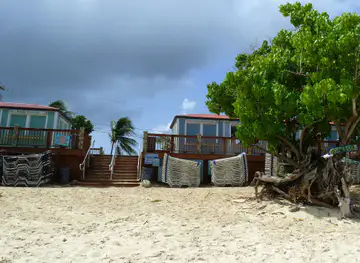
Sandy Ground’s attractions are compact and closely connected to its coastal setting. The salt pond behind the settlement is the most distinctive natural and historical feature, showing how Anguilla’s dry climate once supported salt making and offering an instructive contrast with the sea beyond. Sandy Ground Beach provides a convenient place for a walk, a swim when conditions are suitable and views of the harbour, while the waterfront itself provides an opportunity to observe the island’s continuing relationship with fishing and small boats. The village’s principal visitor activity is atmospheric rather than monumental: eating beside the water, watching the light change over the inlet and joining the local evening flow. Boating and marine excursions may be arranged through island operators, subject to weather and current availability, but Sandy Ground should not be confused with Blowing Point Ferry Terminal or with attractions in other parts of Anguilla. Visitors interested in museums, archaeological remains, major beaches or island-wide nature experiences will need to travel beyond the village. Its value lies in combining a working harbour, a historic industrial landscape and a concentrated choice of waterfront hospitality within a small, walkable setting.
-
Bar
Elvis Beach Bar
Experience the ultimate Caribbean beach vibe at Elvis Beach Bar in Anguilla. Sun, sand, rum punch, and unforgettable memories await!
-
Live music bar
Bankie Banx's Dune Preserve
Experience the ultimate Caribbean vibe at Bankie Banx's Dune Preserve, Anguilla's iconic beach bar with live music, delicious food, and stunning views.
-
Boat tour agency
Tradition Sailing Charters Anguilla
Experience the romance of a Caribbean past with Tradition Sailing Charters, offering unforgettable sailing adventures in Anguilla's stunning waters.
-
Dive shop
Scuba Shack Owned & Operated by Shoal Bay Scuba
Explore Anguilla's underwater paradise with Scuba Shack: PADI dive center offering daily dive trips, snorkeling, and PADI courses on Sandy Ground.


Best landmarks in Sandy Ground
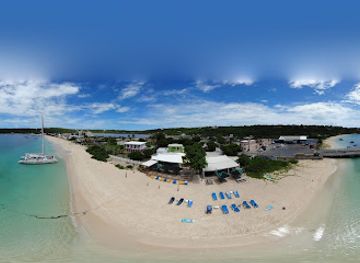
Sandy Ground’s most important landmarks are modest in scale but closely tied to the settlement’s history and geography. The salt pond is the defining physical feature: its shallow basin and bright, open setting preserve the landscape associated with Anguilla’s former salt industry. Beside it, Sandy Ground harbour gives the village its maritime character, with working boats and coastal activity rather than grand port architecture. Sandy Ground Beach forms the settlement’s public seaward edge and provides a clear visual relationship between the village, the inlet and the open Caribbean. Together, these features explain why the locality developed here and why its identity remains different from Anguilla’s inland communities. The village is not dominated by a castle, cathedral or monumental civic building; its significance is found in a living coastal landscape where industry, fishing, recreation and hospitality occupy the same small area. Visitors should distinguish these local landmarks from Anguilla’s historic churches, museums and archaeological sites elsewhere on the island, which require separate journeys.
-
Hotel
Four Seasons Resort and Residences Anguilla
Discover unparalleled luxury and breathtaking views at Four Seasons Resort and Residences Anguilla, the ultimate destination for relaxation and indulgence.
-
 Hotel
Cap Juluca, A Belmond Hotel, Anguilla
Experience the epitome of luxury at Cap Juluca, A Belmond Hotel, where stunning beaches and exceptional service create the perfect Caribbean getaway.
-
Bar
Elvis Beach Bar
Discover the vibrant atmosphere of Elvis Beach Bar in Anguilla, where delicious food, refreshing drinks, and stunning ocean views await travelers.
-
Restaurant
Roy's Bayside Grill
Discover the flavors of Anguilla at Roy's Bayside Grill, where delicious cuisine meets breathtaking views in a vibrant atmosphere.


Explore Sandy Ground on the map
Plan your trip on one map. See where the top cities, national parks and sights are, and book hotels and experiences in a few clicks.
Best hotels in Sandy Ground
Best restaurants in Sandy Ground
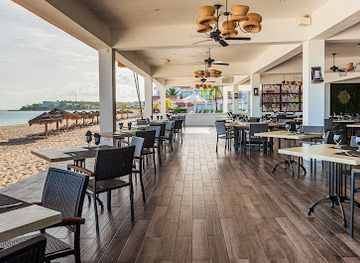
Dining in Sandy Ground is strongly shaped by the harbour, with casual waterfront restaurants and bars providing the village’s most recognisable culinary experience. Menus commonly reflect Anguilla’s wider Caribbean food culture through locally influenced seafood, grilled fish, shellfish, fritters, salads, rice dishes and hearty island cooking, alongside familiar international choices for visitors. Freshness and availability can vary with weather, fishing conditions and supply, so a particular catch should not be assumed on every visit. The village is well suited to a relaxed lunch, an early evening meal or a longer dinner overlooking the water. Anguilla’s broader food identity also includes peas and rice, johnnycakes, goat dishes and spiced Caribbean preparations, though not every dish is exclusive to Sandy Ground or the island. Travellers can supplement restaurant meals with produce and provisions bought elsewhere on Anguilla, while hotel and resort dining in other settlements offers a more formal contrast. Reservations may be sensible at busy times, but current menus, opening arrangements and payment methods should be confirmed directly.
-
Restaurant
Blanchards Restaurant and Beach Shack
Experience the best of Caribbean cuisine at Blanchards Restaurant and Beach Shack in Anguilla's Meads Bay - where flavor meets paradise.
-
Restaurant
Elvis Beach Bar
Experience Caribbean bliss at Elvis Beach Bar in Anguilla - where delicious food meets stunning beachfront views for an unforgettable getaway.
-
Restaurant
Straw Hat Restaurant
Experience exquisite seafood and breathtaking views at Straw Hat Restaurant in Anguilla - a culinary paradise by the sea.
-
Restaurant
Da'Vida
Discover Da'Vida in Anguilla: A beachfront restaurant offering exquisite local cuisine and stunning ocean views for an unforgettable dining experience.



Best bars in Sandy Ground
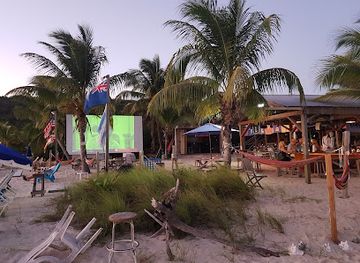
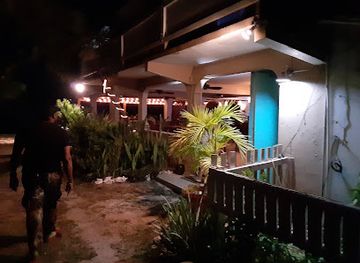
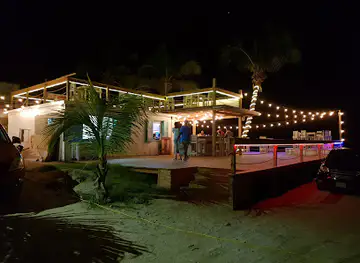
Sandy Ground is one of Anguilla’s principal evening gathering places, although its nightlife is more associated with waterfront restaurants, informal bars, live music and conversation than with a large nightclub circuit. After sunset, the harbour becomes the setting for drinks, dinner and occasional music, with the pace varying according to the season, day of the week and scheduled performances. The village’s atmosphere is social without requiring visitors to drink, and a meal or walk by the water can be as representative of the local evening scene as a late bar visit. Anguilla’s entertainment calendar and individual venues can change, so current music nights and closing arrangements should be checked locally. Visitors staying outside Sandy Ground should arrange a return taxi in advance, particularly late at night, because the island’s roads and transport services are quieter after the main dinner period. Respect for nearby homes and harbour operations is important when departing.
-
Bar
Blanchards Restaurant and Beach Shack
Experience the essence of Caribbean dining with stunning views at Blanchards Restaurant and Beach Shack in Anguilla.
-
Bar
Elvis Beach Bar
Experience the vibrant charm of Elvis Beach Bar in Anguilla, where stunning views, delicious cuisine, and live music create the ultimate tropical getaway.
-
Restaurant
Straw Hat Restaurant
Experience exquisite island dining at Straw Hat Restaurant in Meads Bay, Anguilla, where culinary artistry meets breathtaking ocean views.
-
Restaurant
Sunshine Shack
Discover the laid-back charm and delectable flavors of Sunshine Shack on Rendezvous Bay Beach, Anguilla's ultimate beachside dining experience.


Best nightclubs in Sandy Ground
Sandy Ground is one of Anguilla’s principal evening gathering places, although its nightlife is more associated with waterfront restaurants, informal bars, live music and conversation than with a large nightclub circuit. After sunset, the harbour becomes the setting for drinks, dinner and occasional music, with the pace varying according to the season, day of the week and scheduled performances. The village’s atmosphere is social without requiring visitors to drink, and a meal or walk by the water can be as representative of the local evening scene as a late bar visit. Anguilla’s entertainment calendar and individual venues can change, so current music nights and closing arrangements should be checked locally. Visitors staying outside Sandy Ground should arrange a return taxi in advance, particularly late at night, because the island’s roads and transport services are quieter after the main dinner period. Respect for nearby homes and harbour operations is important when departing.
-
Bar
Elvis Beach Bar
Unwind at Elvis Beach Bar, where Caribbean charm meets vibrant nightlife, delicious food, and stunning ocean views in Sandy Ground, Anguilla.
-
Bar
SandBar
Experience the vibrant atmosphere of SandBar in Anguilla, where stunning views, live music, and delicious food come together for an unforgettable beachside escape.
-
Lounge
Lit lounge
Experience vibrant nightlife at Lit Lounge in Sandy Ground, Anguilla – a perfect blend of cocktails, music, and island spirit.
-
Restaurant
Waves Anguilla
Experience the flavors of the Caribbean at Waves Anguilla, where fresh seafood and stunning ocean views create unforgettable moments.

Best shops in Sandy Ground
Shopping in Sandy Ground is limited and informal rather than centred on a large retail district. Visitors are more likely to find small convenience outlets, beach-oriented items, island souvenirs and locally useful provisions than extensive fashion or luxury shopping. The village is a practical place to browse after a meal, but dedicated shoppers should travel to other Anguillian settlements for a wider selection of galleries, crafts, jewellery, art and food products. Regional purchases may include rum, spices, sauces, artwork, handmade items and Caribbean-inspired gifts, though stock differs between businesses and is subject to seasonal availability. Markets and independent shops elsewhere on the island can offer a broader sense of local production, while high-value purchases should be made from established retailers with clear payment and returns policies. Keep fragile or heat-sensitive goods protected when walking beside the water, and carry small amounts of cash for modest purchases where card facilities are not available.
-
Gift shop
Irie Life
Explore Irie Life in Anguilla for unique gifts and local crafts that embody the Caribbean spirit in every piece.
-
Bakery
Hall’s Unique Bakery
Savor the taste of Anguilla at Hall's Unique Bakery, where every bite is a delightful experience of freshly baked goods and local flavors.
-
Gift shop
GAB's Party Essentials
Explore GAB's Party Essentials in Anguilla for all your celebration needs, from party supplies to unique gifts and seasonal treasures.
-
Gift shop
Sea Spray Gift Shop
Explore the vibrant culture of Anguilla through unique gifts and authentic local crafts at Sea Spray Gift Shop.


Get your free copy of our complete guide to Sandy Ground, delivered straight to you.
Everything on this page, from attractions and restaurants to essentials and local phrases, in one PDF you can read offline, print or share.
Already have an account? Sign in
Your Sandy Ground guide is ready.
We'll send it to · Not you? Sign out

Getting your guide ready…
We are putting together a fresh copy of the Sandy Ground guide. This can take up to a minute.
This can take a few moments. If your browser asks, choose Allow so the download can start. You'll find the guide in your Downloads folder.
Nothing happened? Download it again
Sorry, the guide is taking longer than usual. Please try again in a minute, or get it by email instead.
Sandy Ground essentials
Currency and Payment
Safety
Emergency Situations
Do's and Don'ts
Local Tips
From Eve
Local phrases worth knowing
You don't need to get them perfect. A few words go a long way, and locals appreciate the effort.
Basics
| English | Local | Say it |
|---|---|---|
| Hello | Hello | [Heh-lo] |
| Goodbye | Bye | [Bye] |
| Yes | Yes | [Yes] |
| No | No | [No] |
| Please/You're welcome | Please | [Pleez] |
| Thank you | Thank you | [Thank yuh] |
| Excuse me/Sorry | Sorry | [Sah-ree] |
| How are you? | How you doin'? | [How yuh doin'?] |
| Fine. And you? | Fine. And you? | [Fine. An' yuh?] |
| Do you speak English? | You speak English? | [Yuh speak English?] |
| I don't understand | I no understand | [I no undahstand] |
Eating & Drinking
| English | Local | Say it |
|---|---|---|
| I'd like to see the menu, please | Can I see the menu, please? | [Can I see di menu, pleez?] |
| I don't eat meat | I no eat meat | [I no eat meat] |
| Cheers! | Cheers! | [Cheers!] |
| I would like to pay, please | I would like to pay, please | [I would like to pay, pleez] |
Emergencies
| English | Local | Say it |
|---|---|---|
| Help! | Help! | [Help!] |
| Go away! | Get away! | [Get away!] |
| Call the Police! | Call di Police! | [Call di Police!] |
| Call a doctor! | Call a doctor! | [Call a doctah!] |
| I'm lost | I lost | [I lost] |
| I'm ill | I sick | [I sick] |
Shopping
| English | Local | Say it |
|---|---|---|
| I'd like to buy... | I want to buy... | [I want to buy...] |
| I'm just looking | I just looking | [I just looking] |
| How much is it? | How much dat? | [How much dat?] |
| That's too expensive | Dat too expensive | [Dat too expensiv] |
| Can you lower the price? | Can you lower di price? | [Can yuh lower di price?] |
Time & Numbers
| English | Local | Say it |
|---|---|---|
| What time is it? | Wha time it? | [Wha time it?] |
| It's one o'clock | It one o'clock | [It one o'clock] |
| Half past (10) | Half past ten | [Half past ten] |
| Morning | Mornin' | [Mornin'] |
| Afternoon | Afternoon | [Afternoon] |
| Evening | Evenin' | [Evenin'] |
| Yesterday | Yesterday | [Yesterday] |
| Today | Today | [Today] |
| Tomorrow | Tomorrow | [Tomorrow] |
| 1 | One | [One] |
| 2 | Two | [Two] |
| 3 | Three | [Three] |
| 4 | Four | [Four] |
| 5 | Five | [Five] |
| 6 | Six | [Six] |
| 7 | Seven | [Seven] |
| 8 | Eight | [Eight] |
| 9 | Nine | [Nine] |
| 10 | Ten | [Ten] |
Transport & Directions
| English | Local | Say it |
|---|---|---|
| Where's a/the...? | Where di...? | [Where di...?] |
| What's the address? | Wha di address? | [Wha di address?] |
| Can you show me (on the map)? | Can yuh show me (on di map)? | [Can yuh show me (on di map)?] |
| When's the next (bus)? | When di next (bus)? | [When di next (bus)?] |
| A ticket (to ....) | One ticket (to ....) | [One ticket (to ....)] |
History of Sandy Ground
Indigenous Settlement and Caribbean Networks
Long before European colonisation, Anguilla was inhabited by Indigenous peoples whose settlements and material culture formed part of wider Caribbean exchange networks. Sandy Ground’s sheltered coastal setting would have been relevant to fishing, transport and access to marine resources, although the village’s modern name and present form are much later. Archaeological evidence elsewhere on Anguilla provides the clearest record of these early communities, while the coastline around Sandy Ground remains a reminder that the island’s history has always been closely tied to the sea.
European Colonisation and an Agricultural Island
English settlers established a permanent presence on Anguilla during the seventeenth century, and the island subsequently developed within the British Caribbean world. Sandy Ground grew as a coastal settlement serving maritime movement and local livelihoods rather than as a large colonial town. Anguilla’s dry climate limited plantation agriculture compared with wetter islands, but small-scale farming, livestock keeping, fishing and seaborne trade shaped community life. The absence of a major colonial capital helped preserve the dispersed character that still distinguishes much of the island.
Salt Making at Sandy Ground
The salt pond beside Sandy Ground reflects an important historic use of Anguilla’s naturally saline environment. Salt was produced by allowing seawater to evaporate in shallow ponds, and the finished product could be handled through the nearby harbour. This activity depended on intense sun, wind and careful seasonal labour, all characteristic of Anguilla’s dry northern climate. Although salt production is no longer the village’s main economic activity, the pond remains a physical record of an industry that connected Sandy Ground to local provisioning and regional maritime trade.
Fishing, Seafaring and Migration
For generations, fishing and small-scale seafaring provided food, income and connections with neighbouring islands. Sandy Ground’s harbour supported boats and maritime activity, while Anguillian families also developed strong links through migration and return journeys across the eastern Caribbean and beyond. These movements influenced household life, architecture, religious practice and economic opportunity. The village’s restaurants, boats and waterfront sociability continue to express this maritime heritage, even though tourism and overseas employment have become more prominent parts of Anguilla’s modern economy.
The 1967 Anguilla Revolution
In 1967, Anguilla’s population rejected the island’s incorporation into the associated state of Saint Christopher-Nevis-Anguilla, beginning a political movement that eventually led to Anguilla becoming a separate British dependency. The revolution was island-wide rather than confined to Sandy Ground, but the village’s harbour and coastal position formed part of the practical geography of an island whose external connections were crucial. Anguilla’s constitutional status was formally regularised through the Anguilla Constitution of 1982, and the episode remains central to local historical identity.
Tourism and the Contemporary Waterfront
From the late twentieth century, tourism expanded alongside Anguilla’s established fishing, service and overseas-connected economy. Sandy Ground became one of the island’s principal clusters of casual restaurants, bars and waterside social life, while retaining a harbour and working-community character. The settlement illustrates Anguilla’s gradual tourism transformation: development has brought visitor facilities, but the village’s appeal still depends on its salt pond, boats, low-rise setting and relationship with local community life rather than on a large urban resort.
Sandy Ground in Photos
Browse through our photo collection highlighting the charm and character of the destination.
Neighbouring regions of Sandy Ground
The closest regions to Sandy Ground, if you have time for more than one.
-

-

-

-

-


Swipe for more regions
Explore more

Explore more of Anguilla
Discover Anguilla: Caribbean's best-kept secret with stunning beaches, rich culture, and endless adventure opportunities. Perfect for a serene and luxurious getaway.
Explore Anguilla