

Free Crocus Hill Travel Guide & Mobile App
Explore Crocus Hill with free travel guides. Discover regional history, expert tips, proposed trips, and audio guides on web or mobile app.


Crocus Hill, Anguilla, combines historic buildings, elevated island views, Crocus Bay and a quieter gateway to the island’s central heritage.
Read more about Crocus Hill
When is the best time to visit Crocus Hill?
Best: January–March · 28–29°C| Month | High (°C) | Rainfall (mm) |
|---|---|---|
| January (best) | 28 | 55 |
| February (best) | 28 | 45 |
| March (best) | 29 | 50 |
| April | 29 | 60 |
| May | 30 | 80 |
| June | 30 | 80 |
| July | 31 | 85 |
| August | 31 | 95 |
| September | 31 | 110 |
| October | 30 | 120 |
| November | 29 | 100 |
| December | 28 | 75 |
Getting to and around Crocus Hill
How to get there
Transportation
Top city travel guides in Crocus Hill
The cities of Crocus Hill, and the easiest places to base yourself.

Swipe for more cities
Best attractions in Crocus Hill
Crocus Hill’s attractions are concentrated around its historic settlement, elevated views and relationship with Crocus Bay. The hill itself rewards a slow exploration of local roads and viewpoints, while Crocus Bay below provides a sheltered coastal setting for swimming when conditions allow, kayaking, boating and quiet time by the water. The area’s heritage is represented by the Old Courthouse and Ebenezer Methodist Church, buildings that help explain Crocus Hill’s former civic and religious importance. Visitors interested in Anguella’s wider story can combine the district with museums and cultural sites in nearby The Valley, which is outside Crocus Hill but easily reached by road. The surrounding landscape is well suited to short walks, landscape photography and observing the island’s dry limestone vegetation rather than strenuous hiking. There are no large theme parks or major resort complexes within the district; its appeal lies in a compact blend of community history, coastal access and open island views. Small-boat excursions may explore the nearby shoreline and offshore waters, subject to conditions and operator arrangements.
-
Scenic point
Anguilla Arch
Discover the breathtaking Anguilla Arch, a natural wonder offering stunning Caribbean views and a tranquil escape on Anguilla's southwest coast.
-
Beach
Little Bay
Discover Anguilla's hidden gem: Little Bay, a secluded beach paradise with crystal-clear waters, stunning cliffs, and vibrant marine life.
-
Rendezvous Beach
Experience Anguilla's Rendezvous Beach: a two-mile stretch of pristine sands, tranquil waters, and breathtaking sunsets on the Caribbean coast.
-
Boat tour agency
Tradition Sailing Charters Anguilla
Experience Anguilla's maritime history with Tradition Sailing Charters. Day sails, sunset cruises, and private charters await in the Caribbean sun.


Best landmarks in Crocus Hill
Crocus Hill’s most recognisable landmark is the hill itself, the highest natural point on Anguilla and a useful geographical reference above the north-central coast. Its elevation is modest, but the open terrain gives broad views towards Crocus Bay and the surrounding Caribbean waters. The Old Courthouse is significant for the area’s former role in Anguilla’s civic administration, while Ebenezer Methodist Church represents the religious and community institutions that shaped the historic settlement. Together, these buildings are more important for their local associations and surviving character than for monumental scale. Crocus Bay forms the district’s principal natural landmark, with its sheltered curve of sand contrasting with the exposed limestone slopes above. The visual relationship between courthouse, church, hill and bay conveys how public life, settlement and maritime access were linked in a small island community. Visitors should treat the historic structures as living parts of the community and check access arrangements rather than assuming that every building is open for interior visits.
-
Hotel
Four Seasons Resort and Residences Anguilla
Experience unparalleled luxury at Four Seasons Resort and Residences Anguilla, featuring stunning beaches, world-class dining, and exceptional spa services.
-
 Hotel
Cap Juluca, A Belmond Hotel, Anguilla
Experience barefoot luxury at Cap Juluca, Anguilla: pristine beach, turquoise waters, and world-class service in a serene Caribbean setting.
-
Bar
Elvis Beach Bar
Experience the ultimate Caribbean vibe at Elvis' Beach Bar in Anguilla, where the rum is smooth, the music is live, and the sunsets are unforgettable.
-
Hotel
Zemi Beach House, LXR Hotels & Resorts
Experience unparalleled luxury at Zemi Beach House, a premier hotel on Anguilla's Shoal Bay East, where breathtaking beauty meets exceptional service.


Explore Crocus Hill on the map
Plan your trip on one map. See where the top cities, national parks and sights are, and book hotels and experiences in a few clicks.
Best hotels in Crocus Hill
Best restaurants in Crocus Hill
Dining in Crocus Hill is relatively small-scale and closely connected to the wider Anguilla food scene rather than concentrated in a large restaurant quarter. Visitors can look for Caribbean cooking based on fresh fish, grilled meats, rice, peas, vegetables and locally familiar ground provisions, alongside lighter beach food around Crocus Bay when establishments are operating. Anguilla’s broader culinary identity also includes crayfish and lobster when in season and legally available, conch preparations, johnnycakes and rum-based drinks, although not every dish is exclusive to Crocus Hill. Nearby The Valley and the island’s resort and coastal districts provide a wider range of cafés, casual restaurants and formal dining rooms. Local food stalls, small family-run eateries and seafood-oriented meals may have variable hours, so visitors should not rely on late service in the hill area. Confirm menus, payment methods and opening arrangements locally, particularly outside the main tourist season.
-
Restaurant
Straw Hat Restaurant
Experience exquisite dining at Straw Hat Restaurant in Anguilla - where fresh flavors meet stunning ocean views.
-
Restaurant
Ken's BBQ
Experience authentic Caribbean barbecue at Ken's BBQ in Anguilla—where flavor meets tradition in a cozy setting.
-
Restaurant
Da'Vida
Experience exquisite Caribbean cuisine with breathtaking views at Da'Vida in Anguilla – a must-visit culinary gem.
-
Restaurant
Sunshine Shack
Discover the authentic taste of Anguilla at Sunshine Shack—where fresh seafood meets breathtaking beach views.


Best bars in Crocus Hill
Crocus Hill has a subdued evening character rather than a dedicated nightclub scene. The most relevant local options are informal drinks with a meal, small bars and social venues connected with the bay or nearby settlements, while larger nightlife choices are generally found elsewhere on Anguilla. The Valley and resort areas outside Crocus Hill offer more evening restaurants, hotel bars, occasional live music and venues that remain open later, but the island’s nightlife is typically dispersed rather than organised around a single entertainment district. Traditional rum drinks, beer and relaxed conversation are more representative of the local evening rhythm than a dense club circuit. Arrange a taxi or designated driver in advance, as roads are dark in places and public transport is limited at night. Check current opening arrangements locally, since smaller venues and seasonal businesses may not operate every evening.
-
Bar
Blanchards Restaurant and Beach Shack
Experience the flavors of the Caribbean at Blanchards Restaurant and Beach Shack, where beachside dining meets culinary excellence in Anguilla.
-
Bar
Elvis Beach Bar
Experience the vibrant atmosphere of Elvis Beach Bar in Anguilla, where delicious cuisine meets stunning ocean views and unforgettable Caribbean vibes.
-
Restaurant
Straw Hat Restaurant
Experience exquisite dining at Straw Hat Restaurant in Anguilla, where local flavors meet breathtaking ocean views for an unforgettable culinary journey.
-
Restaurant
Da'Vida
Experience the best of Caribbean cuisine at Da'Vida, where exquisite flavors meet breathtaking views in the heart of Anguilla.


Best nightclubs in Crocus Hill
Crocus Hill has a subdued evening character rather than a dedicated nightclub scene. The most relevant local options are informal drinks with a meal, small bars and social venues connected with the bay or nearby settlements, while larger nightlife choices are generally found elsewhere on Anguilla. The Valley and resort areas outside Crocus Hill offer more evening restaurants, hotel bars, occasional live music and venues that remain open later, but the island’s nightlife is typically dispersed rather than organised around a single entertainment district. Traditional rum drinks, beer and relaxed conversation are more representative of the local evening rhythm than a dense club circuit. Arrange a taxi or designated driver in advance, as roads are dark in places and public transport is limited at night. Check current opening arrangements locally, since smaller venues and seasonal businesses may not operate every evening.
-
Bar
Elvis Beach Bar
Experience the vibrant atmosphere of Elvis Beach Bar in Anguilla, where delicious Caribbean cuisine meets stunning beachfront views.
-
Live music bar
Bankie Banx's Dune Preserve
Discover the vibrant spirit of Anguilla at Bankie Banx's Dune Preserve, a lively live music bar and restaurant on Rendezvous Bay.
-
Bar
SandBar
Discover the vibrant atmosphere, delicious cocktails, and stunning beachfront views at SandBar, the ultimate bar experience in Anguilla.
-
Grill
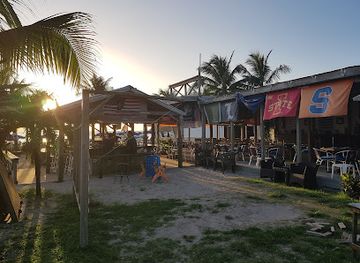
Gwen's Reggae Bar and Grill
Gwen's Reggae Bar and Grill in Anguilla: A vibrant beachside dining experience featuring Caribbean flavors and live reggae music.


Best shops in Crocus Hill
Shopping in Crocus Hill is limited and primarily practical, with no large retail district or extensive concentration of galleries. Visitors may find small local vendors, casual stalls or produce offerings at changing times, while the most reliable selection of groceries, pharmacies, gifts and everyday supplies is generally available in nearby The Valley and other larger settlements outside the district. Anguilla-inspired purchases can include local food products, rum, hot sauces, art, handmade crafts, jewellery and beachwear, although choice varies between businesses and seasons. Island-made work is worth distinguishing from generic Caribbean merchandise, and asking about materials and provenance is appropriate. Markets and small vendors may prefer cash in East Caribbean dollars or United States dollars, whereas established shops are more likely to accept cards. Do not remove shells, coral or archaeological material from beaches or historic sites; responsible souvenirs are those purchased from local makers or legitimate retailers.
-
Supermarket
JW Proctors Grocery Store
Experience local flavors at JW Proctors Grocery Store, the ideal supermarket for tourists in Anguilla, combining convenience with a taste of island life.
-
Hardware Shop
ABC Supplies
Discover ABC Supplies, Anguilla's essential hardware shop, offering a wide range of tools and supplies for your home improvement needs.
-
Shop Supermarket Furniture Shop
BIG STORE
Explore the Big Store in Anguilla for a diverse shopping experience, from fresh groceries to unique local crafts.
-
Gift shop
Irie Life
Explore Irie Life in Anguilla for unique crafts, souvenirs, and local artistry that captures the spirit of the Caribbean.


Get your free copy of our complete guide to Crocus Hill, delivered straight to you.
Everything on this page, from attractions and restaurants to essentials and local phrases, in one PDF you can read offline, print or share.
Already have an account? Sign in
Your Crocus Hill guide is ready.
We'll send it to · Not you? Sign out

Getting your guide ready…
We are putting together a fresh copy of the Crocus Hill guide. This can take up to a minute.
This can take a few moments. If your browser asks, choose Allow so the download can start. You'll find the guide in your Downloads folder.
Nothing happened? Download it again
Sorry, the guide is taking longer than usual. Please try again in a minute, or get it by email instead.
Crocus Hill essentials
Currency and Payment
Safety
Emergency Situations
Do's and Don'ts
Local Tips
From Eve
Local phrases worth knowing
You don't need to get them perfect. A few words go a long way, and locals appreciate the effort.
Basics
| English | Local | Say it |
|---|---|---|
| Hello | Hello | [Heh-lo] |
| Goodbye | Goodbye | [Guhd-bye] |
| Yes | Yes | [Yes] |
| No | No | [No] |
| Please/You're welcome | Please/You’re welcome | [Pleez/Yooh're wel-kum] |
| Thank you | Thank you | [Thangk yoo] |
| Excuse me/Sorry | Excuse me/Sorry | [Ex-kyoos mee/Sor-ree] |
| How are you? | How are you? | [How ah yuh?] |
| Fine. And you? | Fine. And you? | [Fine. An yuh?] |
| Do you speak English? | Do you speak English? | [Do yuh speek Ing-lish?] |
| I don't understand | I don't understand | [I dohn' un-der-stan'] |
Eating & Drinking
| English | Local | Say it |
|---|---|---|
| I'd like to see the menu, please | I'd like to see the menu, please | [Ayd laik tu see thuh men-yoo, pleez] |
| I don't eat meat | I don't eat meat | [I dohn' eet meet] |
| Cheers! | Cheers! | [Cheerz] |
| I would like to pay, please | I would like to pay, please | [I wud laik tu pay, pleez] |
Emergencies
| English | Local | Say it |
|---|---|---|
| Help! | Help! | [Help!] |
| Go away! | Go away! | [Go aw-ay!] |
| Call the Police! | Call the Police! | [Call thuh Po-lees!] |
| Call a doctor! | Call a doctor! | [Call a dok-tuh!] |
| I'm lost | I'm lost | [I'm lost] |
| I'm ill | I'm ill | [I'm il] |
Shopping
| English | Local | Say it |
|---|---|---|
| I'd like to buy... | I'd like to buy... | [Ayd laik tu buy...] |
| I'm just looking | I'm just looking | [I'm just luk-ing] |
| How much is it? | How much is it? | [How muhch iz it?] |
| That's too expensive | That's too expensive | [Thaht's tu ex-pens-iv] |
| Can you lower the price? | Can you lower the price? | [Can yuh loh-er thuh prys?] |
Time & Numbers
| English | Local | Say it |
|---|---|---|
| What time is it? | What time is it? | [What taim iz it?] |
| It's one o'clock | It's one o'clock | [It's wun o'clok] |
| Half past (10) | Half past (10) | [Haf past (ten)] |
| Morning | Morning | [Morn-ing] |
| Afternoon | Afternoon | [Af-ter-noon] |
| Evening | Evening | [Eve-ning] |
| Yesterday | Yesterday | [Yes-ter-day] |
| Today | Today | [To-day] |
| Tomorrow | Tomorrow | [To-mor-row] |
| 1 | 1 | [One] |
| 2 | 2 | [Too] |
| 3 | 3 | [Three] |
| 4 | 4 | [Four] |
| 5 | 5 | [Five] |
| 6 | 6 | [Six] |
| 7 | 7 | [Seven] |
| 8 | 8 | [Eight] |
| 9 | 9 | [Nine] |
| 10 | 10 | [Ten] |
Transport & Directions
| English | Local | Say it |
|---|---|---|
| Where's a/the...? | Where's a/the...? | [Whehr's a/the...?] |
| What's the address? | What's the address? | [What's thuh ad-dress?] |
| Can you show me (on the map)? | Can you show me (on the map)? | [Can yuh show mee (on thuh map)?] |
| When's the next (bus)? | When's the next (bus)? | [When's thuh nekst (bus)?] |
| A ticket (to ....) | A ticket (to ....) | [A tikit (to ....)] |
History of Crocus Hill
Indigenous Caribbean Settlement
Long before European colonisation, Anguilla was visited and settled by Indigenous peoples associated with the wider Taíno and eastern Caribbean world. The island’s freshwater scarcity meant that settlements depended on coastal resources, rainwater and carefully chosen sites. Crocus Hill and Crocus Bay formed part of a landscape linking elevated ground with a sheltered shore, a combination useful for observation, movement and access to marine food. Archaeological evidence across Anguilla demonstrates this earlier occupation, even though the surviving historic buildings around Crocus Hill belong to a much later period.
European Colonisation and English Settlement
English colonists established a permanent presence on Anguilla during the seventeenth century, introducing new patterns of landholding, Christianity and agriculture. The island’s thin soils and limited rainfall restricted large-scale plantation development, so communities remained relatively dispersed and relied on small farming, livestock, fishing and maritime exchange. Crocus Hill’s elevated position and proximity to a useful bay helped it develop as an important settlement within this early colonial landscape.
Crocus Hill as an Early Administrative Centre
During the colonial period, Crocus Hill served as an important administrative and civic centre before governmental functions became concentrated in The Valley. The Old Courthouse and related historic associations reflect the way justice and local administration were organised in a small British Caribbean territory. The area’s importance was practical rather than grand: officials, worshippers, farmers, sailors and residents used the hill and its approaches as part of everyday public life.
Nineteenth-Century Religious and Community Life
Nineteenth-century Anguilla saw the consolidation of Protestant churches and other community institutions that shaped education, social organisation and local identity. Ebenezer Methodist Church at Crocus Hill is a surviving reminder of this period, when religious buildings often served as some of the most durable public structures in small island settlements. Their presence also reflects the close relationship between worship, family networks and community governance in Anguilla’s villages.
Agriculture, Salt and Maritime Livelihoods
For much of its history, Anguilla’s economy depended on a combination of subsistence agriculture, livestock keeping, fishing, seafaring and salt production rather than a single dominant industry. Crocus Hill’s relationship with Crocus Bay illustrates this mixed economy: the hill provided settlement and outlook, while the coast connected residents to fishing and transport. Droughts, hurricanes and limited arable land repeatedly encouraged islanders to diversify their livelihoods and maintain links with neighbouring Caribbean territories.
Modern Anguilla and the Growth of Tourism
Anguilla’s modern political and economic identity developed through the twentieth century, including its separation from the associated state of Saint Christopher-Nevis-Anguilla in 1971 and its continuing status as a British Overseas Territory. Later growth in tourism transformed the island’s coastal economy, but Crocus Hill retained a more residential and historic character than the principal resort areas. Today, its heritage buildings and Crocus Bay connect Anguilla’s administrative past with a visitor economy centred on beaches, boating, food and cultural landscapes.
Crocus Hill in Photos
Browse through our photo collection highlighting the charm and character of the destination.
Neighbouring regions of Crocus Hill
The closest regions to Crocus Hill, if you have time for more than one.
-

-

-

-

-


Swipe for more regions
Explore more

Explore more of Anguilla
Discover Anguilla: Caribbean's best-kept secret with stunning beaches, rich culture, and endless adventure opportunities. Perfect for a serene and luxurious getaway.
Explore Anguilla