

Free Sombrero Island Travel Guide & Mobile App
Explore Sombrero Island with free travel guides. Discover regional history, expert tips, proposed trips, and audio guides on web or mobile app.





Sombrero Island, Anguilla’s remote northern outpost, offers lighthouse history, seabird habitat and demanding maritime exploration for authorised visitors.
Read more about Sombrero Island
When is the best time to visit Sombrero Island?
Best: January–March · 27°C| Month | High (°C) | Rainfall (mm) |
|---|---|---|
| January (best) | 27 | 45 |
| February (best) | 27 | 40 |
| March (best) | 27 | 35 |
| April | 28 | 40 |
| May | 28 | 45 |
| June | 29 | 55 |
| July | 30 | 60 |
| August | 30 | 65 |
| September | 30 | 70 |
| October | 29 | 65 |
| November | 28 | 60 |
| December | 27 | 50 |
Getting to and around Sombrero Island
How to get there
Transportation
Best attractions in Sombrero Island
Sombrero’s attractions are its remoteness, maritime history and wildlife rather than a conventional collection of visitor facilities. The lighthouse is the island’s most recognisable feature, connecting the rocky outpost with the history of Caribbean navigation, while the former guano and phosphate workings provide a stark reminder of nineteenth-century resource extraction. Offshore viewing can reveal the island’s low limestone profile, cliffs and seabird habitat without imposing the risks of a landing. Where authorised and safe, an expedition may include natural-history observation and interpretation of the island’s industrial remains, but there are no museums, beaches with services, marked trails or family attractions. The surrounding sea is part of the experience: vessel handling, weather and conservation shape every visit. Because Sombrero is uninhabited and access is demanding, its value lies in responsible exploration and landscape interpretation, not in the number of sights that can be ticked off in a day.
-
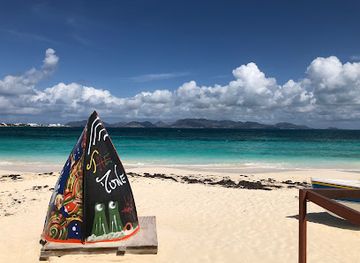
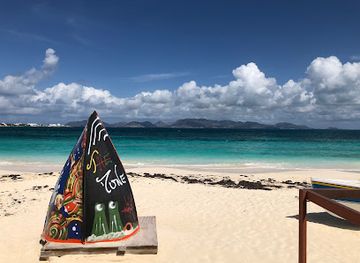
Bankie Banx's Dune Preserve
Experience the magic of Bankie Banx's Dune Preserve: a legendary beach bar with live music, Caribbean vibes, and stunning Rendezvous Bay sunsets.
-
Scenic point
Anguilla Arch
Discover Anguilla's iconic Arch: A breathtaking natural wonder offering stunning views, tranquil beauty, and unforgettable Caribbean sunsets.
-
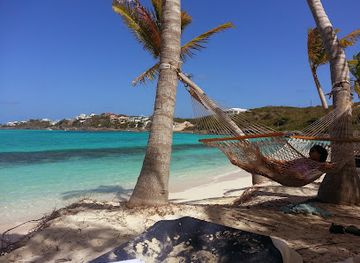
Beach
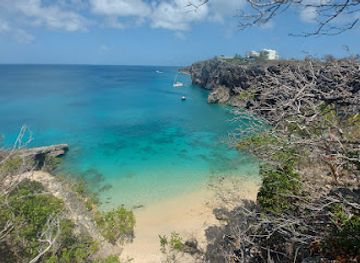
Little Bay
Discover Anguilla's hidden paradise: Little Bay, where turquoise waters meet dramatic cliffs for an unforgettable Caribbean escape.
-
Stadium
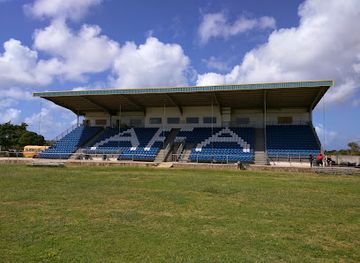
J. Ronald Webster Park
Discover J. Ronald Webster Park in Anguilla: a historical landmark and vibrant community hub hosting sports, events, and cultural celebrations.

Best landmarks in Sombrero Island
The Sombrero lighthouse is the island’s defining landmark, standing as a practical reminder of the shipping routes and navigational hazards of the northern Caribbean. Its significance is maritime rather than civic: there is no surrounding town, harbour or settled community. The island’s low limestone mass, exposed rocky margins and isolated profile are themselves important geographical landmarks, especially when viewed from the sea. Remains associated with nineteenth-century guano and phosphate extraction add an industrial dimension, recording the period when the island supported a temporary workforce and export activity. These structures and traces should be viewed conservatively, since weathering, unstable ground and access restrictions may apply. Sombrero’s seabird colonies and open horizon also form part of its visual identity, but they are living ecological features rather than objects for close approach. Together, the lighthouse, mining legacy and austere island landscape express Sombrero’s role as Anguilla’s remote northern outpost.
-
Scenic point
Anguilla Arch
Discover the iconic Anguilla Arch: a breathtaking natural wonder offering stunning Caribbean views and a tranquil escape on Anguilla's west end.
-
Island
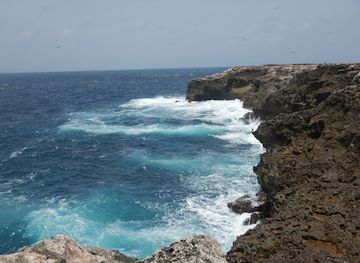
Sombrero
Experience the pristine beauty and tranquility of Sombrero Island in Anguilla, a hidden paradise perfect for relaxation and adventure.
-
 Historical landmark
Sombrero Lighthouse
Discover Sombrero Lighthouse: Where maritime history meets untouched nature in the heart of the Caribbean.

Explore Sombrero Island on the map
Plan your trip on one map. See where the top cities, national parks and sights are, and book hotels and experiences in a few clicks.
Best hotels in Sombrero Island
Best restaurants in Sombrero Island
Sombrero Island has no restaurants, cafés, shops, farms or established food culture for visitors. Food and water must be obtained on Anguilla’s inhabited main island, outside this region, and carried aboard an appropriately equipped vessel. An expedition meal is therefore a practical matter of provisioning rather than a dining experience. Visitors basing themselves on the main island can explore Anguilla’s wider culinary traditions, including seafood, grilled dishes, Caribbean cooking, bakeries, beach dining and restaurants serving international food, but those experiences should not be attributed to Sombrero itself. Pack food that travels safely in heat, keep all waste secured against wind and wildlife, and remove packaging from the island. Freshwater is not a dependable natural resource on Sombrero, making adequate drinking supplies essential for any authorised visit.
-
Restaurant
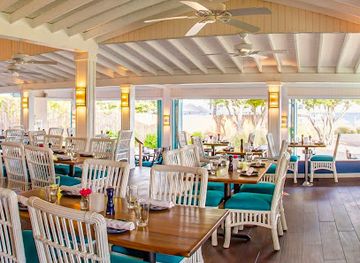
Blanchards Restaurant and Beach Shack
Discover exquisite Caribbean flavors at Blanchards Restaurant and Beach Shack, your ultimate dining destination in beautiful Anguilla.
-
Restaurant
Straw Hat Restaurant
Experience exquisite Caribbean cuisine at Straw Hat Restaurant in Meads Bay, Anguilla - where every meal is paired with stunning ocean views.
-
Restaurant
Da'Vida
Discover exquisite Caribbean cuisine and stunning ocean views at Da'Vida in Anguilla—a perfect blend of flavor and ambiance.
-
Restaurant
Sunshine Shack
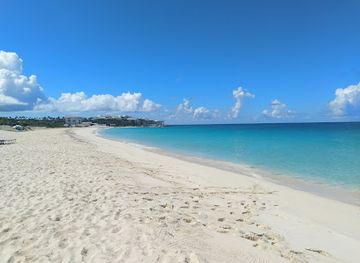
Experience authentic Caribbean cuisine at Sunshine Shack on Rendezvous Bay Beach in Anguilla - where delicious flavors meet breathtaking ocean views.
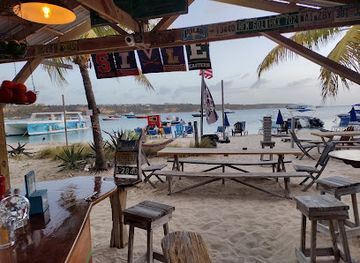
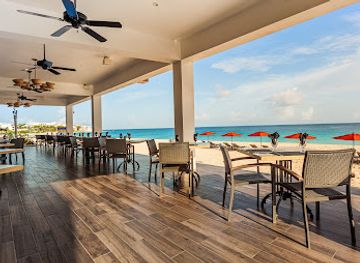
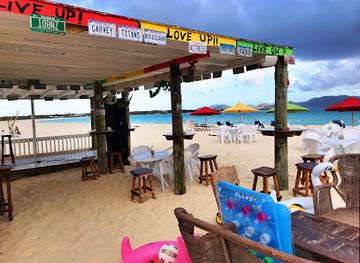
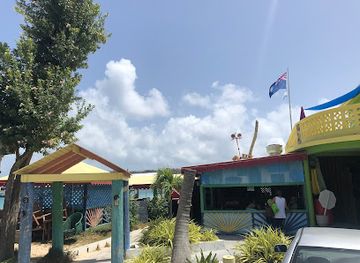
Best bars in Sombrero Island
Sombrero has no residents, bars, pubs, nightclubs or evening entertainment. Visits are generally planned around daylight, sea conditions and safe navigation, with no basis for remaining ashore after dark. Evening social life, music venues and beach bars are found on Anguilla’s main island, outside the Sombrero Island region, rather than at this remote outpost. Visitors should not treat a Sombrero expedition as part of a nightlife itinerary: the appropriate evening activity is usually returning safely to the main island, checking weather and securing equipment for a possible later departure. Any vessel operator should establish a firm daylight schedule and contingency plan, since darkness, swell and the absence of shore facilities make an unplanned late return particularly hazardous.
-
Bar
Elvis Beach Bar
Discover the vibrant atmosphere and delicious cuisine at Elvis Beach Bar, your ultimate beachside getaway in Anguilla.
-
Restaurant
Straw Hat Restaurant
Experience culinary excellence with breathtaking ocean views at Straw Hat Restaurant in Anguilla, a must-visit for food lovers.
-
Restaurant
Sunshine Shack
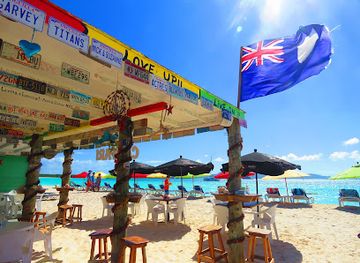
Discover Sunshine Shack, a beachside restaurant in Anguilla serving fresh local cuisine with stunning views of Rendezvous Bay.
-
Bar
Roy's Bayside Grill
Discover the flavors of Anguilla at Roy's Bayside Grill, where stunning views and delicious cuisine meet in a vibrant atmosphere.
Best nightclubs in Sombrero Island
Sombrero has no residents, bars, pubs, nightclubs or evening entertainment. Visits are generally planned around daylight, sea conditions and safe navigation, with no basis for remaining ashore after dark. Evening social life, music venues and beach bars are found on Anguilla’s main island, outside the Sombrero Island region, rather than at this remote outpost. Visitors should not treat a Sombrero expedition as part of a nightlife itinerary: the appropriate evening activity is usually returning safely to the main island, checking weather and securing equipment for a possible later departure. Any vessel operator should establish a firm daylight schedule and contingency plan, since darkness, swell and the absence of shore facilities make an unplanned late return particularly hazardous.
-
Bar
Elvis Beach Bar
Experience the vibrant spirit of Anguilla at Elvis Beach Bar, where delicious Caribbean cuisine meets stunning ocean views.
-
Live music bar
Bankie Banx's Dune Preserve
Discover the lively ambiance at Bankie Banx's Dune Preserve in Anguilla, where live music meets Caribbean cuisine for an unforgettable experience.
-
Grill
Gwen's Reggae Bar and Grill
Discover the vibrant flavors and rhythms of the Caribbean at Gwen's Reggae Bar and Grill in Anguilla, an unforgettable dining experience awaits.
-
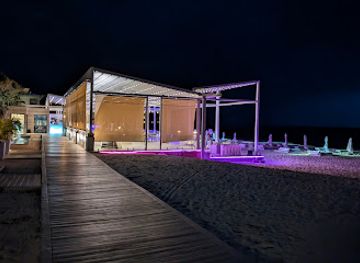
Restaurant
Savi Beach Club
Discover Savi Beach Club in Anguilla, where diverse cuisines meet breathtaking ocean views for an unforgettable dining experience.

Best shops in Sombrero Island
Sombrero has no shops, market, craft workshops or opportunities to buy souvenirs. All shopping and expedition provisioning must be completed on Anguilla’s inhabited main island, outside this region, before departure. Visitors should obtain water, packed food, sun protection, suitable footwear, communications supplies and any required safety equipment in advance rather than expecting an onboard or shore-based supply point. The most appropriate memento of Sombrero is a photograph or responsibly produced interpretation, not a stone, piece of guano, shell, historic fragment or wildlife item removed from the island. Local products and crafts associated with wider Anguilla may be available on the main island, but they are not products of Sombrero itself. Advance planning is particularly important because a missed item cannot be replaced once a boat has left the territory’s main settlement areas.
-
Gift shop
Irie Life
Explore Irie Life in Anguilla – a vibrant gift shop offering unique souvenirs and local crafts for an unforgettable island experience.
-
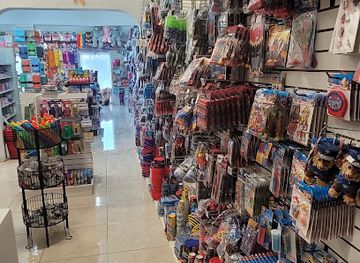
Gift shop
GAB's Party Essentials
Shop at GAB's Party Essentials in Anguilla for unique gifts, party supplies, and creative crafts that capture the island's vibrant spirit.
-
Gift shop
Sea Spray Gift Shop
Explore Sea Spray Gift Shop in Anguilla for authentic souvenirs and unique local gifts that capture the island's vibrant spirit.
-
Gift shop
Anguilla Sands and Salts
Explore Anguilla Sands and Salts for unique souvenirs that embody the beauty and culture of Anguilla, perfect for cherished memories.



Get your free copy of our complete guide to Sombrero Island, delivered straight to you.
Everything on this page, from attractions and restaurants to essentials and local phrases, in one PDF you can read offline, print or share.
Already have an account? Sign in
Your Sombrero Island guide is ready.
We'll send it to · Not you? Sign out

Getting your guide ready…
We are putting together a fresh copy of the Sombrero Island guide. This can take up to a minute.
This can take a few moments. If your browser asks, choose Allow so the download can start. You'll find the guide in your Downloads folder.
Nothing happened? Download it again
Sorry, the guide is taking longer than usual. Please try again in a minute, or get it by email instead.
Sombrero Island essentials
Currency and Payment
Safety
Emergency Situations
Do's and Don'ts
Local Tips
From Eve
Local phrases worth knowing
You don't need to get them perfect. A few words go a long way, and locals appreciate the effort.
Basics
| English | Local | Say it |
|---|---|---|
| Hello | Hello | [Heh-loh] |
| Goodbye | Goodbye | [Good-bye] |
| Yes | Yes | [Yes] |
| No | No | [No] |
| Please/You're welcome | Please/You’re welcome | [Pleez/You’re welcome] |
| Thank you | Thank you | [Thank you] |
| Excuse me/Sorry | Excuse me/Sorry | [Ex-kyoos mee/Saw-ree] |
| How are you? | How are you? | [How are you?] |
| Fine. And you? | Fine. And you? | [Fine. And you?] |
| Do you speak English? | Do you speak English? | [Do you speak English?] |
| I don't understand | I don't understand | [I don't un-der-stand] |
Eating & Drinking
| English | Local | Say it |
|---|---|---|
| I'd like to see the menu, please | I’d like to see the menu, please | [I’d laik to si the men-yu, pleez] |
| I don't eat meat | I don't eat meat | [I don’t eet meet] |
| Cheers! | Cheers! | [Cheers!] |
| I would like to pay, please | I would like to pay, please | [I wud laik to pay, pleez] |
Emergencies
| English | Local | Say it |
|---|---|---|
| Help! | Help! | [Help!] |
| Go away! | Go away! | [Go away!] |
| Call the Police! | Call the Police! | [Call the Po-leese!] |
| Call a doctor! | Call a doctor! | [Call a doc-tor!] |
| I'm lost | I’m lost | [I’m lost] |
| I'm ill | I’m ill | [I’m ill] |
Shopping
| English | Local | Say it |
|---|---|---|
| I'd like to buy... | I’d like to buy... | [I’d laik to bai...] |
| I'm just looking | I’m just looking | [I’m just luk-ing] |
| How much is it? | How much is it? | [How much is it?] |
| That's too expensive | That’s too expensive | [That’s too ex-pen-siv] |
| Can you lower the price? | Can you lower the price? | [Can you low-er the price?] |
Time & Numbers
| English | Local | Say it |
|---|---|---|
| What time is it? | What time is it? | [What time is it?] |
| It's one o'clock | It’s one o’clock | [It’s wun o’clock] |
| Half past (10) | Half past (10) | [Half past (ten)] |
| Morning | Morning | [Morn-ing] |
| Afternoon | Afternoon | [Af-ter-noon] |
| Evening | Evening | [Eve-ning] |
| Yesterday | Yesterday | [Yes-ter-day] |
| Today | Today | [To-day] |
| Tomorrow | Tomorrow | [To-mor-row] |
| 1 | 1 | [One] |
| 2 | 2 | [Two] |
| 3 | 3 | [Three] |
| 4 | 4 | [Four] |
| 5 | 5 | [Five] |
| 6 | 6 | [Six] |
| 7 | 7 | [Seven] |
| 8 | 8 | [Eight] |
| 9 | 9 | [Nine] |
| 10 | 10 | [Ten] |
Transport & Directions
| English | Local | Say it |
|---|---|---|
| Where's a/the...? | Where's a/the...? | [Where's a/the...?] |
| What's the address? | What's the address? | [What's the ad-dress?] |
| Can you show me (on the map)? | Can you show me (on the map)? | [Can you sho me (on the map)?] |
| When's the next (bus)? | When's the next (bus)? | [When's the next (bus)?] |
| A ticket (to....) | A ticket (to....) | [A tick-et (to....)] |
History of Sombrero Island
A Remote Limestone Island in Anguilla’s Territory
Sombrero is a small, exposed limestone island forming part of the British Overseas Territory of Anguilla. Its low relief, scant freshwater and distance from the inhabited main island have always limited permanent settlement. The island’s position in the northern Caribbean, close to regional shipping routes, gave it a significance greater than its size. Its isolation also helped preserve a stark landscape and made maritime navigation, rather than agriculture or settlement, central to its historical importance.
Nineteenth-Century Guano and Phosphate Mining
Sombrero became commercially important during the nineteenth century through the extraction of guano, the accumulated remains of seabirds, which was valued as a fertiliser. Phosphate mining required workers, equipment and transport to be brought to an otherwise inhospitable island. The industry altered the terrain and connected Sombrero to international agricultural markets. Its legacy survives in the island’s industrial history and in the recognition that seabird colonies, once exploited commercially, are now valuable ecological assets.
The Lighthouse and Maritime Navigation
A lighthouse was established on Sombrero in the nineteenth century to assist vessels navigating the waters around Anguilla and the north-eastern Caribbean. The station reflected the dangers of offshore reefs, isolated rocks and poorly charted approaches during an era when shipping relied heavily on visible coastal lights. The present lighthouse structure is associated with the island’s continuing navigational role, although it should be regarded as an operational and heritage feature rather than an automatically accessible visitor attraction.
Workers, Supply Routes and an Industrial Outpost
During the mining period, Sombrero functioned as a small industrial outpost rather than a settled community. Workers and provisions had to arrive by sea, and the island’s lack of natural resources made the operation dependent on regular maritime supply. This history illustrates how commercial ventures extended into remote Caribbean environments during the nineteenth century. It also helps explain why Sombrero’s surviving traces are primarily associated with extraction, navigation and temporary occupation rather than with villages, churches or family agriculture.
The Decline of Mining and Return to Isolation
As guano and phosphate extraction ceased to be commercially viable, Sombrero lost its industrial purpose and its working population disappeared. Without a permanent community or substantial infrastructure, the island returned to a largely uninhabited condition. The end of mining reduced direct human pressure but left a transformed landscape and historical structures. For present-day visitors, Sombrero’s character is consequently defined by the contrast between its former industrial use and its current importance as a remote maritime and wildlife site.
Conservation and Seabird Habitat
Sombrero’s isolation has made it significant for seabirds and other coastal wildlife. Contemporary interest therefore centres on conservation, responsible access and the protection of nesting areas and surrounding marine habitat. The island represents a wider change in attitudes: a place once valued chiefly for its mineral resources is now understood as an ecological asset within Anguilla’s territory. Any modern visit must take account of seasonal wildlife sensitivity, biosecurity, landing restrictions and the need to leave the island’s natural and historic features undisturbed.
Sombrero Island in Photos
Browse through our photo collection highlighting the charm and character of the destination.
Neighbouring regions of Sombrero Island
The closest regions to Sombrero Island, if you have time for more than one.
-

-

-

-

-


Swipe for more regions
Explore more

Explore more of Anguilla
Discover Anguilla: Caribbean's best-kept secret with stunning beaches, rich culture, and endless adventure opportunities. Perfect for a serene and luxurious getaway.
Explore Anguilla