

Free Jolly Harbour Travel Guide & Mobile App
Plan your Jolly Harbour trip with Evendo. Get free guides to top attractions, restaurants, hotels, and bars. Web access or download the mobile app.


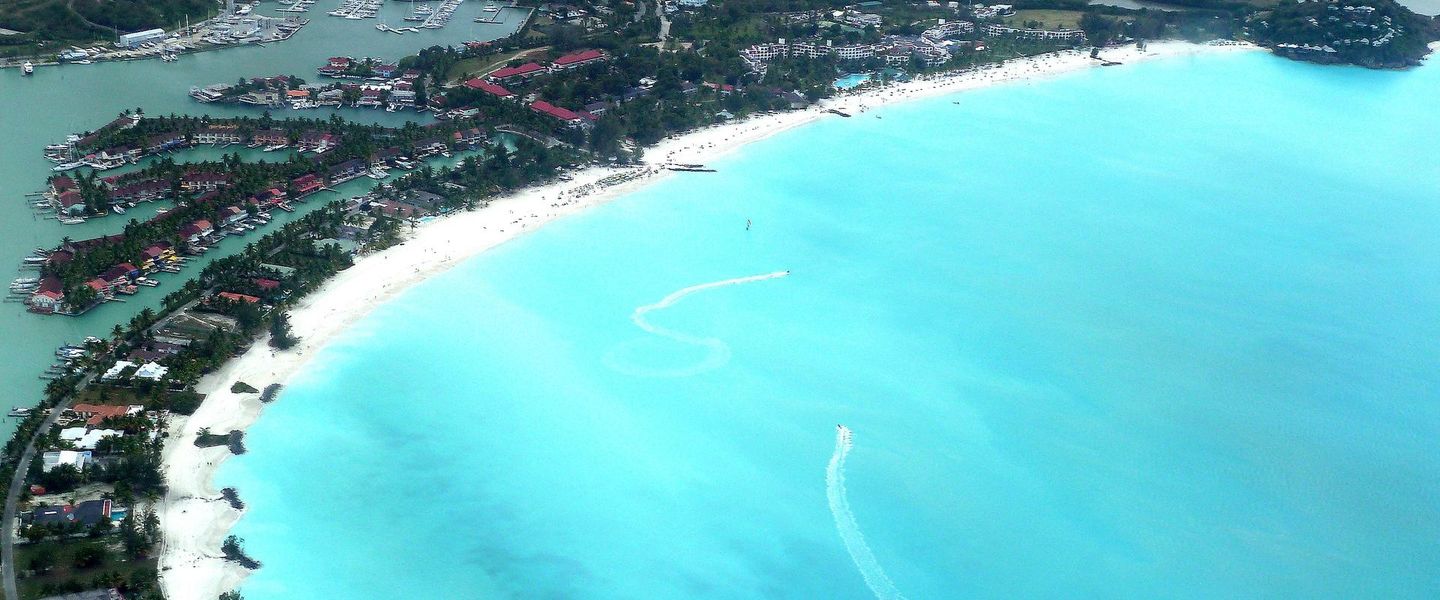


Jolly Harbour, Antigua and Barbuda, combines marina life, Caribbean beaches, sailing, local cuisine and easy access to the island’s west-coast sights.
Marina and Coastal Setting
Jolly Harbour occupies a sheltered area on Antigua’s west coast, where a purpose-built marina, residential neighbourhoods and a broad sweep of beach meet the Caribbean Sea. The community is less a traditional town than a planned waterfront settlement, shaped around boating, holiday accommodation and everyday services. Its canals lead inland from the harbour, while Jolly Beach provides a long, sandy shoreline west of the marina. The setting is especially associated with sailing, swimming, sunset views and relaxed days beside the water.Read more about Jolly Harbour
Beaches and Island Character
Gateway to Antigua’s Heritage
When is the best time to visit Jolly Harbour?
Best: April–June · 30–31°C| Month | High (°C) | Rainfall (mm) |
|---|---|---|
| January | 29 | 70 |
| February | 29 | 60 |
| March | 29 | 50 |
| April (best) | 30 | 40 |
| May (best) | 30 | 30 |
| June (best) | 31 | 30 |
| July | 31 | 30 |
| August | 31 | 30 |
| September | 31 | 30 |
| October | 30 | 40 |
| November | 30 | 50 |
| December | 29 | 60 |
Getting to and around Jolly Harbour
How to get there
Transportation
Best attractions in Jolly Harbour
Jolly Harbour’s principal attractions centre on its coastal setting rather than a dense collection of museums or historic buildings. Jolly Beach stretches beside the marina development and is associated with swimming, sunbathing and broad west-coast sunsets, while the harbour itself offers canals, moorings and a distinctly maritime atmosphere. Nearby Valley Church Beach and Darkwood Beach provide further opportunities to experience Antigua’s leeward shoreline, each with its own stretch of sand and open sea views. Visitors interested in the island’s past can travel beyond the community to sites such as Betty’s Hope, Antigua’s former sugar estate, or Nelson’s Dockyard in English Harbour, although these are separate excursions rather than Jolly Harbour attractions. The local appeal lies in combining easy beach time with sailing, coastal drives and access to Antigua’s wider historical and natural landscape.
-
Beach
Darkwood Beach
Discover Antigua's hidden gem: Darkwood Beach, where pristine sands, turquoise waters, and stunning sunsets create unforgettable memories.
9 min drive · 2.9 km from city centre
-
Beach
Ffryes Beach
Escape to Ffryes Beach in Antigua: powdery sands, tranquil waters, and breathtaking sunsets await on this serene Caribbean paradise.
6 min drive · 2.0 km from city centre
-
Bay
Valley Church Bay
Escape to Valley Church Bay in Antigua: a serene beach haven with soft sands, calm waters, and breathtaking sunsets. Your tranquil island getaway awaits!
16 min walk · 1.3 km from city centre
-
Tour operator
268 Buggies
Discover Antigua's hidden trails and untouched beaches with an exhilarating off-road buggy adventure. Tours available for all skill levels.
7 min drive · 2.2 km from city centre


Best landmarks in Jolly Harbour
Jolly Harbour’s most recognisable built landmark is its marina, a planned network of canals, docks and waterfront buildings that expresses the community’s modern identity as a sailing and residential centre. Jolly Beach is the area’s defining natural landmark, forming a broad coastal edge rather than a historic monument. For architectural and historical context, visitors need to travel beyond the settlement. Betty’s Hope preserves the remains of a former sugar plantation, including stone structures and windmill towers associated with Antigua’s plantation economy. Nelson’s Dockyard in English Harbour is the island’s most significant maritime heritage site, with restored Georgian naval buildings, storehouses and waterfront works linked to Britain’s Caribbean fleet. St John’s Cathedral, in the capital, represents another important layer of Antiguan civic and religious history. These sites place Jolly Harbour’s contemporary marina landscape within the island’s longer story of sugar, seafaring and colonial power.
-
 Hotel
Jolly Beach Resort & Spa
Discover the ultimate tropical escape at Jolly Beach Resort & Spa, where stunning beaches and vibrant culture combine for an unforgettable experience in Antigua.
2 min walk · 0.2 km from city centre
-
Restaurant
Al Porto
Experience the authentic taste of Italy at Al Porto, a charming waterfront restaurant in Jolly Harbour, perfect for food lovers and coastal views.
7 min walk · 0.6 km from city centre
-
Restaurant
Sheer Rocks
Experience the exquisite flavors and stunning views at Sheer Rocks, a premier dining destination in Antigua's paradise.
5 min drive · 1.6 km from city centre
-
Supermarket
Epicurean Fine Foods & Pharmacy
Discover the ultimate convenience at Epicurean Fine Foods & Pharmacy in Jolly Harbour, where quality grocery shopping meets local charm.
5 min walk · 0.4 km from city centre


Explore Jolly Harbour on the map
Plan your Jolly Harbour trip on one map. See where the top attractions, landmarks, restaurants, bars and hotels are, find what's near where you're staying, and book hotels and experiences in a few clicks.
Best hotels in Jolly Harbour
Best restaurants in Jolly Harbour
Dining in Jolly Harbour is shaped by its marina setting, with restaurants and casual waterfront venues serving visitors, boat crews and residents. Menus commonly draw on Caribbean ingredients such as fresh fish, lobster when in season, conch, chicken, rice, plantain and locally grown produce, alongside international dishes associated with a holiday community. Traditional Antiguan flavours may include fungi and pepper, ducana, goat water and the island’s celebrated black pineapple, though availability varies by establishment and season. The marina is useful for relaxed breakfasts, lunches and evening meals, while roadside stalls and small local eateries elsewhere on the island offer a more informal taste of everyday cooking. In nearby villages, visitors may find grilled seafood and simple Caribbean plates rather than formal dining rooms. Reservations and payment options can vary between venues, especially outside the main marina area.
-
Restaurant
Al Porto
Experience authentic Italian cuisine at Al Porto in Jolly Harbour – where stunning views meet culinary excellence.
7 min walk · 0.6 km from city centre
-
Restaurant
Sheer Rocks
Experience exquisite tapas and stunning views at Sheer Rocks on Ffryes Beach - where fine dining meets tropical paradise.
5 min drive · 1.6 km from city centre
-
Grill
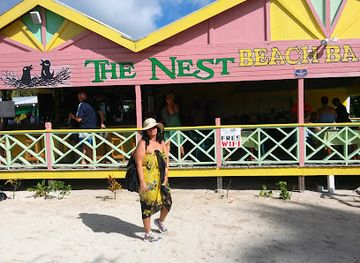
The Nest -Beach Bar, Antigua
Experience the ultimate beachside dining at The Nest - Beach Bar in Antigua, where great food meets stunning ocean views.
12 min walk · 1.0 km from city centre
-
Caribbean
Ffryes Beach Bar/ Dennis Restaurant
Discover Ffryes Beach Bar & Dennis Restaurant: A culinary oasis on Antigua's stunning coastline serving up Caribbean flavors and breathtaking ocean views.
6 min drive · 1.9 km from city centre


Best bars in Jolly Harbour
Evenings in Jolly Harbour generally revolve around marina restaurants, casual bars and waterfront socialising rather than a concentrated nightclub district. The atmosphere is relaxed, with visitors gathering for drinks after sailing, sunset views and informal live entertainment when arranged by individual venues. The community’s canals and harbour provide a calmer setting than the larger evening scenes associated with parts of St John’s or English Harbour, and nightlife can be seasonal or quieter outside peak visitor periods. Nearby resorts and west-coast establishments may offer music, themed evenings or dancing, but schedules change and should be checked locally. Antigua’s wider entertainment calendar can include live calypso, soca and reggae, while English Harbour is known for a more developed cluster of bars and evening venues. Arrange a taxi for late returns, as walking between scattered locations after dark is not always practical.
-
Grill
The Nest -Beach Bar, Antigua
Experience the vibrant atmosphere and delicious grill offerings at The Nest Beach Bar in Antigua, your ultimate beachside getaway.
12 min walk · 1.0 km from city centre
-
Caribbean
Ffryes Beach Bar/ Dennis Restaurant
Savor the best Caribbean cuisine with stunning beach views at Ffryes Beach Bar and Dennis Restaurant in Saint Mary.
6 min drive · 1.9 km from city centre
-
Restaurant
Darkwood Beach Bar and Restaurant
Experience the best of Caribbean dining at Darkwood Beach Bar and Restaurant, where stunning ocean views meet mouth-watering local cuisine.
9 min drive · 3.0 km from city centre
-
Caribbean
Miracles of the Caribbean Restaurant and Bar
Experience the authentic flavors of the Caribbean at Miracles of the Caribbean Restaurant and Bar in Bolands, where every meal is a celebration.
8 min walk · 0.7 km from city centre


Best nightclubs in Jolly Harbour
Evenings in Jolly Harbour generally revolve around marina restaurants, casual bars and waterfront socialising rather than a concentrated nightclub district. The atmosphere is relaxed, with visitors gathering for drinks after sailing, sunset views and informal live entertainment when arranged by individual venues. The community’s canals and harbour provide a calmer setting than the larger evening scenes associated with parts of St John’s or English Harbour, and nightlife can be seasonal or quieter outside peak visitor periods. Nearby resorts and west-coast establishments may offer music, themed evenings or dancing, but schedules change and should be checked locally. Antigua’s wider entertainment calendar can include live calypso, soca and reggae, while English Harbour is known for a more developed cluster of bars and evening venues. Arrange a taxi for late returns, as walking between scattered locations after dark is not always practical.
-
Grill
The Nest -Beach Bar, Antigua
Experience the vibrant atmosphere and fresh grilled delights at The Nest Beach Bar in Antigua, where relaxation meets culinary excellence by the sea.
12 min walk · 1.0 km from city centre
-
Bar
Jolly Beach
Discover the vibrant culture, stunning scenery, and exciting activities at Jolly Beach, Antigua's premier destination for relaxation and adventure.
4 min walk · 0.3 km from city centre
-
Night club
The Boardroom - The Premium Gentleman's Club
Experience vibrant nightlife at The Boardroom, Jolly Harbour's premier gentleman's club offering fine dining and unforgettable entertainment.
9 min walk · 0.7 km from city centre
-
Restaurant
Samsara restaurant louge bar
Experience the perfect blend of Caribbean flavors and international cuisine at Samsara Restaurant Lounge Bar in Jolly Harbour.
10 min walk · 0.8 km from city centre



Best shops in Jolly Harbour
Shopping in Jolly Harbour is concentrated around the marina and its associated commercial areas, where visitors can find practical supplies, beachwear, gifts, food and services for people staying on boats or in nearby accommodation. The retail atmosphere is small-scale and functional rather than comparable with a major city shopping district. Local products to look for across Antigua include rum, hot sauces, spices, tropical preserves, crafts, jewellery and artwork, while woven items and woodwork may be available from individual makers or island markets. For a broader selection of souvenirs and locally produced goods, St John’s has markets and independent retailers, while the public market area is particularly useful for fresh produce and an everyday view of island commerce. Visitors should distinguish genuinely Antiguan products from imported beach merchandise and ask sellers about materials, provenance and care before purchasing.
-
Supermarket
Epicurean Fine Foods & Pharmacy
Explore the vibrant flavors of Antigua at Epicurean Fine Foods & Pharmacy in Jolly Harbour, a culinary treasure for tourists and locals alike.
5 min walk · 0.4 km from city centre
-
Boat accessories supplier
Budget Marine
Discover Budget Marine in Jolly Harbour for top-quality boat accessories and expert advice to enhance your Caribbean adventures.
7 min walk · 0.5 km from city centre
-
Shopping mall
Antigua Estates
Discover the vibrant shopping experience at Antigua Estates in Jolly Harbour, where local artisans meet international brands amidst stunning island scenery.
5 min walk · 0.4 km from city centre
-
Shopping mall
Jolly Harbour Commercial Centre
Explore the Jolly Harbour Commercial Centre for a unique shopping and dining experience, blending local charm with international flair in beautiful Antigua.
5 min walk · 0.4 km from city centre


Get your free copy of our complete guide to Jolly Harbour, delivered straight to you.
Everything on this page, from attractions and restaurants to essentials and local phrases, in one PDF you can read offline, print or share.
Already have an account? Sign in
Your Jolly Harbour guide is ready.
We'll send it to · Not you? Sign out

Getting your guide ready…
We are putting together a fresh copy of the Jolly Harbour guide. This can take up to a minute.
This can take a few moments. If your browser asks, choose Allow so the download can start. You'll find the guide in your Downloads folder.
Nothing happened? Download it again
Sorry, the guide is taking longer than usual. Please try again in a minute, or get it by email instead.
Jolly Harbour essentials
Currency and Payment
Safety
Emergency Situations
Do's and Don'ts
Local Tips
From Eve
Local phrases worth knowing
You don't need to get them perfect. A few words go a long way, and locals appreciate the effort.
Basics
| English | Local | Say it |
|---|---|---|
| Hello | Wadadli | [wa-da-dlee] |
| Goodbye | Leh we meet up | [lay we meet up] |
| Yes | Yeah man | [yeah man] |
| No | Nah man | [nah man] |
| Please/You're welcome | Leh we | [lay we] |
| Thank you | Tank yuh | [tank yuh] |
| Excuse me/Sorry | Sarry | [sah-ree] |
| How are you? | Ayo good? | [ah-yo good?] |
| Fine. And you? | Mi good. An yuh? | [mee good. an yuh?] |
| Do you speak English? | Yuh speak English? | [yuh speak English?] |
| I don't understand | Mi nah understan | [mee nah un-der-stan] |
Eating & Drinking
| English | Local | Say it |
|---|---|---|
| I'd like to see the menu, please | Mi wah see di menu, please | [mee wa see dee men-yu, please] |
| I don't eat meat | Mi nah eat meat | [mee nah eet meet] |
| Cheers! | Cheers! | [Cheers!] |
| I would like to pay, please | Mi wah pay, please | [mee wa pay, please] |
Emergencies
| English | Local | Say it |
|---|---|---|
| Help! | Help! | [Help!] |
| Go away! | Gweh! | [gweh!] |
| Call the Police! | Call de Police! | [Call dee Police!] |
| Call a doctor! | Call a doctor! | [Call a doctor!] |
| I'm lost | Mi loss | [mee loss] |
| I'm ill | Mi sick | [mee sik] |
Shopping
| English | Local | Say it |
|---|---|---|
| I'd like to buy... | Mi wah buy... | [mee wa buy...] |
| I'm just looking | Mi jus looking | [mee jus looking] |
| How much is it? | How much dat deh? | [How much dat deh?] |
| That's too expensive | Dat too dear | [dat too dear] |
| Can you lower the price? | Yuh cud drop di price? | [yuh kud drop dee price?] |
Time & Numbers
| English | Local | Say it |
|---|---|---|
| What time is it? | Ayo wa time? | [ah-yo wa time?] |
| It's one o'clock | It's one o'clock | [It's one o'clock] |
| Half past (10) | Half pas ten | [Half pas ten] |
| Morning | Mahnin | [mahn-in] |
| Afternoon | Afternoon | [Afternoon] |
| Evening | Evenin | [even-in] |
| Yesterday | Yestadeh | [yes-ta-deh] |
| Today | Today | [Today] |
| Tomorrow | Tomorrow | [Tomorrow] |
| 1 | One | [wun] |
| 2 | Two | [too] |
| 3 | Tree | [tree] |
| 4 | Fo' | [fo] |
| 5 | Five | [fiv] |
| 6 | Six | [siks] |
| 7 | Seven | [sev-en] |
| 8 | Eight | [ate] |
| 9 | Nine | [nine] |
| 10 | Ten | [ten] |
Transport & Directions
| English | Local | Say it |
|---|---|---|
| Where's a/the...? | Wey di...deh? | [way dee...deh?] |
| What's the address? | Wah di address deh? | [wa dee address deh?] |
| Can you show me (on the map)? | Yuh cud show mi (pan di map)? | [yuh kud show mee (pan dee map)?] |
| When's the next (bus)? | When de nex (bus)? | [When dee nex (bus)?] |
| A ticket (to ....) | A ticket (to ....) | [A ticket (to ....)] |
History of Jolly Harbour
Indigenous Settlement of Antigua
Antigua was inhabited long before European colonisation by Indigenous peoples whose settlements and archaeological remains reveal changing patterns of Caribbean life. Earlier communities associated with the Archaic period were followed by ceramic-using societies, including groups often identified in historical accounts as Arawak and later Kalinago. These communities used the island’s marine resources, cultivated crops and travelled between settlements by canoe. Jolly Harbour itself is primarily known as a modern waterfront development, so its visible built environment does not preserve a substantial historic town centre from this period. Nevertheless, the harbour, beaches and nearby coastal waters belong to the same island landscape that supported Indigenous fishing, movement and settlement for centuries.
English Colonisation and Sugar
English settlement began in Antigua in 1632, after which the island was reorganised around plantation agriculture and maritime defence. Sugar became the dominant crop, and the economy depended heavily on the forced labour of enslaved Africans. Across Antigua, estates occupied fertile valleys and hills, while ports and coastal anchorages connected plantation production with Atlantic trade. The area around present-day Jolly Harbour formed part of the island’s wider west-coast agricultural landscape rather than an independent historic city. Antigua’s plantation system left an enduring mark on landholding, population and architecture, even where later development has replaced or obscured earlier agricultural structures.
Emancipation and Rural Change
The abolition of slavery in the British Empire in 1834, followed by a period of apprenticeship and full emancipation in 1838, transformed Antigua’s social and economic order. Formerly enslaved communities sought greater control over work, land and family life, while plantation owners continued to manage an economy centred on sugar. Villages, churches and smallholdings became important expressions of community life beyond the estates. During the nineteenth and early twentieth centuries, Antigua remained closely tied to sugar production, though the industry faced financial pressures and changing international conditions. The west coast around Jolly Harbour was still rural, with its identity shaped more by agriculture and coastline than by tourism.
From Sugar Island to Tourism
During the twentieth century, Antigua’s economy gradually diversified as sugar declined and tourism expanded. Improved roads, an international airport and investment in coastal infrastructure made beaches and sheltered harbours increasingly important to the island’s future. The country’s independence from Britain in 1981 formed part of this wider period of national development and economic transition. Antigua and Barbuda began presenting its coastline not only as a working maritime environment but also as a setting for hotels, sailing and leisure. This shift altered parts of the west coast, where agricultural land and undeveloped shorelines increasingly stood alongside visitor facilities.
The Modern Jolly Harbour Development
Jolly Harbour emerged in the late twentieth century as a planned marina and residential resort community rather than through the gradual growth of a traditional Antiguan village. Its canals, moorings, homes, commercial services and beach facilities were designed around recreational boating and coastal tourism. The development reflects Antigua’s move towards a service-based economy while retaining links to the island’s seafaring culture. Today, Jolly Harbour’s history is therefore best understood through the contrast between its modern built landscape and the older layers of Antigua nearby: plantation remains, fishing communities, parish churches, military sites and the historic dockyard district that document earlier phases of the island’s development.
Jolly Harbour in Photos
Browse through our photo collection highlighting the charm and character of the destination.
Cities near Jolly Harbour
The closest cities to Jolly Harbour, if you have time for more than one stop.
-

-
-

-

-


Swipe for more cities
Explore more
Explore more of Antigua and Barbuda
Discover Antigua and Barbuda's 365 beaches, vibrant culture, and rich history. Perfect for sun-seekers, nature lovers, and sailing enthusiasts in the Caribbean.
Explore Antigua and Barbuda