

Free Gingerland Travel Guide & Mobile App
Plan your Gingerland trip with Evendo. Get free guides to top attractions, restaurants, hotels, and bars. Web access or download the mobile app.


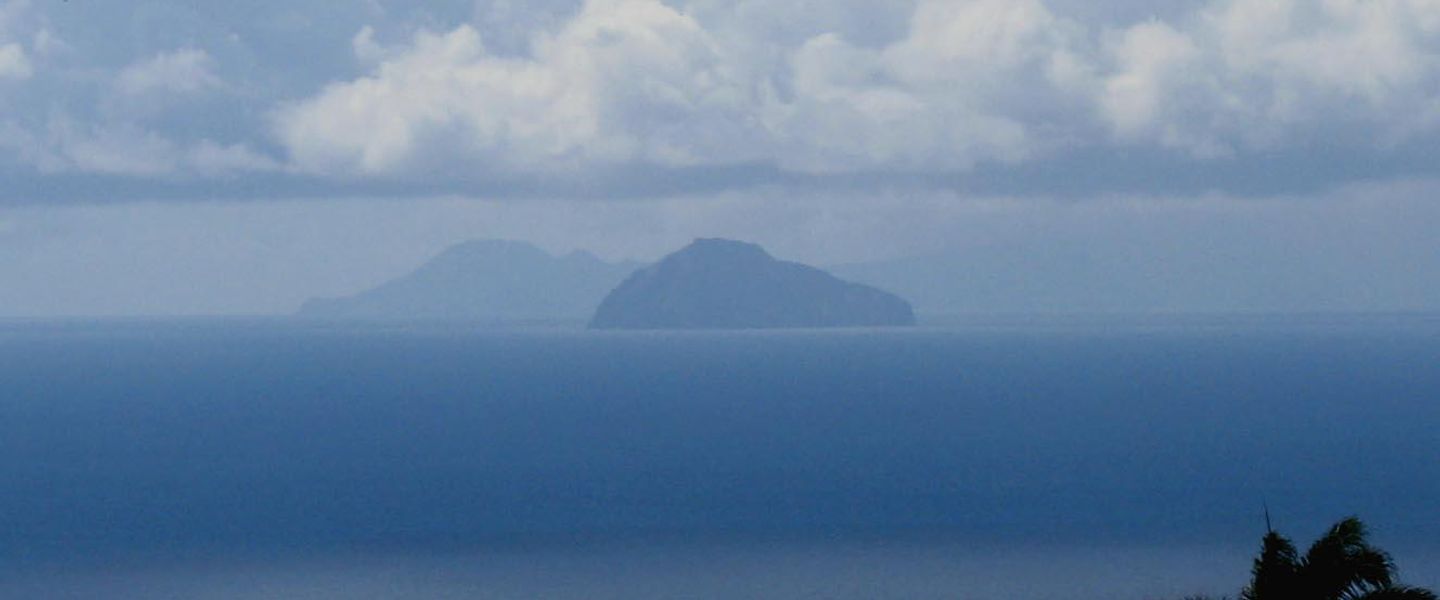


Gingerland, Nevis, offers rainforest walks, Nevis Peak views, historic estates, botanical gardens and a peaceful gateway to Saint Kitts and Nevis culture.
Volcanic Slopes and Village Life
Gingerland lies on the fertile eastern and southern slopes of Nevis, where narrow roads climb through banana gardens, pasture and remnants of the island’s former sugar estates. Although it is often described as a village, the name also refers to the surrounding parish of Saint George Gingerland, a spacious rural district rather than a compact urban centre. The landscape is dominated by Nevis Peak, whose forested summit rises above the island and gives the area its cool, misty character.Read more about Gingerland
Gardens, Estates and Sacred Places
A Rural Base for Exploring Nevis
When is the best time to visit Gingerland?
Best: June–August · 28°C| Month | High (°C) | Rainfall (mm) |
|---|---|---|
| January | 27 | 103 |
| February | 27 | 80 |
| March | 28 | 69 |
| April | 28 | 50 |
| May | 28 | 28 |
| June (best) | 28 | 17 |
| July (best) | 28 | 16 |
| August (best) | 28 | 17 |
| September | 28 | 21 |
| October | 28 | 37 |
| November | 28 | 63 |
| December | 27 | 93 |
Getting to and around Gingerland
How to get there
Transportation
Best attractions in Gingerland
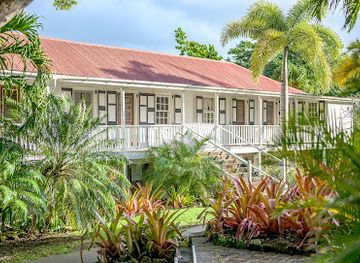
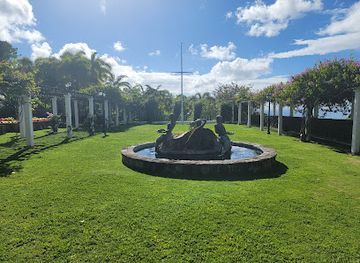
Gingerland’s principal attractions are scattered through a green upland landscape rather than gathered around a central square. Nevis Botanical Gardens, developed on the former Montpelier Estate, combines tropical plantings with estate scenery and views towards Nevis Peak. The slopes also provide access to the challenging Nevis Peak trail, where guided walks pass from cultivated land into rainforest and cloud forest. Historic plantation properties such as Golden Rock Inn contribute gardens, old stonework and a sense of the island’s sugar-era geography, while smaller villages and churches reveal everyday Nevisian life. Roadside viewpoints across the eastern and southern slopes open towards the sea and, in clear weather, Saint Kitts. Gingerland is also well placed for exploring the island’s wider heritage, including Charlestown’s museums and waterfront, although these are outside the district. The appeal is the relationship between volcanic terrain, botanical richness, village roads and the surviving traces of plantation history.
-
Botanical garden
Botanical Gardens of Nevis
Explore the lush beauty and cultural richness of the Botanical Gardens of Nevis, a tropical paradise in the heart of the Caribbean.
15 min drive · 4.9 km from city centre
-
Museum
New River Estate
Explore the rich history of the coconut industry at New River Estate, a captivating museum in the heart of St. Kitts & Nevis.
5 min drive · 1.7 km from city centre
-
Hiking area
Mt Nevis Summit Trailhead
Explore the breathtaking Mt Nevis Summit Trailhead, a premier hiking destination offering stunning views and rich natural experiences in St. Kitts and Nevis.
9 min drive · 3.0 km from city centre
-
 Hiking area
Russell's Rest Trailhead
Discover the stunning landscapes and rich biodiversity of Russell's Rest Trailhead, a perfect hiking destination in St. Kitts & Nevis.
13 min drive · 4.4 km from city centre


Best landmarks in Gingerland
Gingerland’s landmarks are closely linked to Nevis’s plantation landscape and religious communities. Nevis Botanical Gardens occupies part of the historic Montpelier Estate, where cultivated gardens now share space with traces of the former agricultural property. Old stone estate buildings, walls and works around Gingerland and neighbouring upland settlements preserve the material evidence of sugar production, although not every ruin is formally open or interpreted. Churches such as the Anglican and Methodist foundations in the district remain important markers of village life and post-emancipation community history. Nevis Peak is the dominant natural landmark, rising above the parish as a volcanic mass cloaked in forest rather than as a built monument. Golden Rock’s historic estate setting, with its old stone elements and gardens, further illustrates how Nevis’s plantation architecture has been adapted within the island’s modern hospitality landscape.
-
Hotel
Golden Rock Inn
Experience the charm of Golden Rock Inn, a tropical retreat in Nevis combining rustic elegance, lush gardens, and exquisite dining.
6 min drive · 2.1 km from city centre
-
Hotel
Montpelier Plantation & Beach
Discover the luxurious blend of history and modern comfort at Montpelier Plantation & Beach, a serene paradise on Nevis.
13 min drive · 4.4 km from city centre
-
Hotel
The Hermitage Inn
Experience the perfect blend of history and tropical luxury at The Hermitage Inn in Gingerland, St. Kitts.
12 min drive · 4.0 km from city centre
-
Botanical garden
Nevis Botanical Gardens
Explore the enchanting Nevis Botanical Gardens, where tropical beauty meets artistic expression in a serene Caribbean paradise.
15 min drive · 4.9 km from city centre

Explore Gingerland on the map
Plan your Gingerland trip on one map. See where the top attractions, landmarks, restaurants, bars and hotels are, find what's near where you're staying, and book hotels and experiences in a few clicks.
Best hotels in Gingerland
Best restaurants in Gingerland
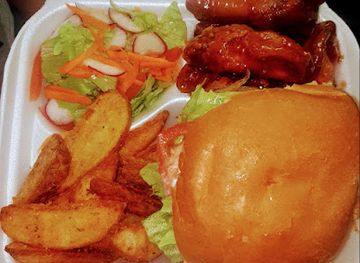
Dining in Gingerland is predominantly small-scale and local, with food served through guesthouses, independent eateries and informal roadside businesses rather than a dense restaurant quarter. Nevisian cooking reflects the island’s Caribbean setting and farming traditions: fresh fish, goat water, rice and peas, plantain, ground provisions, seasoned meats and pepper sauces appear alongside produce grown on the island. Travellers may encounter grilled seafood, roti and other wider Caribbean influences, while rum and fruit drinks are familiar accompaniments. The most atmospheric meals are often connected to plantation-style properties or open-air settings, though choices and opening patterns can be limited in the rural hills. Charlestown and the coastal areas provide a broader range of restaurants, cafés and bars, making them useful for a more varied evening meal. Local advice is valuable for identifying current food stalls and community events without assuming every establishment operates daily.
-
Restaurant
Bananas Restaurant
Experience exquisite Caribbean cuisine at Bananas Restaurant in Nevis - where every meal is a celebration of local flavors and breathtaking views.
17 min drive · 5.7 km from city centre
-
Restaurant
The Rocks
Discover exquisite dining at The Rocks in Nevis—where local flavors meet breathtaking views for an unforgettable culinary experience.
6 min drive · 2.1 km from city centre
-
Restaurant
Esmie's Sunrise Superette & Snackette
Discover local flavors at Esmie's Sunrise Superette & Snackette in Whitehall – where every bite tells a story!
10 min drive · 3.3 km from city centre
-
Eclectic
Restaurant at Montpelier Plantation Inn
Experience eclectic cuisine amidst stunning views at Montpelier Plantation Inn's renowned restaurant in St. Kitts.
13 min drive · 4.4 km from city centre


Best bars in Gingerland
Gingerland has a quiet evening character rather than a concentrated nightclub scene. Social life is found in small local bars, guesthouse lounges, informal gatherings and occasional community or cultural events, where conversation and music matter more than late-night clubbing. Traditional Caribbean sounds, including calypso and soca, may be heard during seasonal celebrations and island events, while live entertainment is more likely to be occasional than nightly in the rural district. Charlestown and the coastal resort areas offer a wider selection of bars and places for an evening drink, though Nevis generally favours relaxed, early-evening sociability over a large club circuit. Visitors should respect the pace of village communities, arrange transport before drinking and avoid assuming that venues in Gingerland keep the same hours or offer the same entertainment found in busier Caribbean destinations.
-
Bar
Passion Bar & Grill
Experience the vibrant culinary scene at Passion Bar & Grill, a must-visit destination in the heart of Pond Hill, St. Kitts & Nevis.
12 min drive · 3.9 km from city centre
-
Bar
Sandy's Fried Chicken
Discover the authentic taste of the Caribbean at Sandy's Fried Chicken, a local bar known for its delicious fried chicken and vibrant atmosphere.
17 min drive · 5.6 km from city centre
-
Restaurant
Hill Top Bar and Restaurant
Experience the flavors of the Caribbean at Hill Top Bar and Restaurant, where breathtaking views meet delightful dining in St. Kitts.
10 min drive · 3.5 km from city centre
-
Sports bar
Gabriella's Sports Bar
Experience the thrill of sports and delicious fast food at Gabriella's Sports Bar in Pond Hill, Nevis - the ultimate hangout for every sports fan.
11 min drive · 3.7 km from city centre


Best nightclubs in Gingerland
Gingerland has a quiet evening character rather than a concentrated nightclub scene. Social life is found in small local bars, guesthouse lounges, informal gatherings and occasional community or cultural events, where conversation and music matter more than late-night clubbing. Traditional Caribbean sounds, including calypso and soca, may be heard during seasonal celebrations and island events, while live entertainment is more likely to be occasional than nightly in the rural district. Charlestown and the coastal resort areas offer a wider selection of bars and places for an evening drink, though Nevis generally favours relaxed, early-evening sociability over a large club circuit. Visitors should respect the pace of village communities, arrange transport before drinking and avoid assuming that venues in Gingerland keep the same hours or offer the same entertainment found in busier Caribbean destinations.
-
Sports bar
Gabriella's Sports Bar
Experience the thrill of sports and savor delicious fast food at Gabriella's Sports Bar in Pond Hill, Nevis.
11 min drive · 3.7 km from city centre
-
Bar
Kaiso Bar & Lounge
Experience vibrant nightlife and tropical flavors at Kaiso Bar & Lounge, the perfect spot for relaxation and entertainment in Nevis.
12 min drive · 4.1 km from city centre
-
Bar
Lindbergh landing
Experience the vibrant atmosphere and stunning views at Lindbergh Landing, a must-visit bar in the heart of St. Kitts & Nevis.
14 min drive · 4.8 km from city centre
Best shops in Gingerland
Shopping in Gingerland is modest and practical, centred on small village shops, roadside stalls and locally produced provisions rather than a dedicated retail district. Fresh fruit, vegetables, spices and rum-related products reflect Nevis’s agricultural character, while craft goods and locally made souvenirs may be found through independent sellers or at island-wide cultural events. For a broader selection of groceries, gifts, clothing and everyday services, Charlestown is the main commercial centre on Nevis. Visitors interested in authentic purchases should ask whether food or craft products are locally made and carry Eastern Caribbean dollars for small transactions. The most distinctive shopping is often seasonal or informal, including produce sold directly from farms and handmade items encountered through community markets. Larger resort areas may offer more polished souvenirs, but Gingerland’s retail experience is defined by its connection to village life and the island’s cultivated landscape.
-
Home goods store
Horsfords Hardware Store
Explore a diverse selection of home goods and tools at Horsfords Hardware Store in Church Ground, St. Kitts & Nevis, perfect for all your DIY needs.
21 min drive · 6.9 km from city centre
-
Gift shop
Kennedy’s Hand Craft Center
Discover the vibrant artistry of St. Kitts & Nevis at Kennedy’s Hand Craft Center, where every handcrafted item tells a unique story.
5 min drive · 1.6 km from city centre
-
Body piercing shop
Unique Enterprises
Explore Unique Enterprises in St. Kitts & Nevis, where body piercing artistry meets local craftsmanship for a one-of-a-kind shopping experience.
17 min drive · 5.6 km from city centre
-
Store
Bob's Seamoss
Experience the health benefits of seamoss at Bob's Seamoss, a local store in St. Kitts & Nevis offering an array of nutritious products.
9 min drive · 2.9 km from city centre


Get your free copy of our complete guide to Gingerland, delivered straight to you.
Everything on this page, from attractions and restaurants to essentials and local phrases, in one PDF you can read offline, print or share.
Already have an account? Sign in
Your Gingerland guide is ready.
We'll send it to · Not you? Sign out

Getting your guide ready…
We are putting together a fresh copy of the Gingerland guide. This can take up to a minute.
This can take a few moments. If your browser asks, choose Allow so the download can start. You'll find the guide in your Downloads folder.
Nothing happened? Download it again
Sorry, the guide is taking longer than usual. Please try again in a minute, or get it by email instead.
Gingerland essentials
Currency and Payment
Safety
Emergency Situations
Do's and Don'ts
Local Tips
From Eve
Local phrases worth knowing
You don't need to get them perfect. A few words go a long way, and locals appreciate the effort.
Basics
| English | Local | Say it |
|---|---|---|
| Hello | Hello | [Heh-low] |
| Goodbye | Goodbye | [Gud-bye] |
| Yes | Yes | [Yehs] |
| No | No | [Noh] |
| Please/You're welcome | Please/You're welcome | [Pleez/Yoo-ah wel-kum] |
| Thank you | Thank you | [Tank yoo] |
| Excuse me/Sorry | Excuse me/Sorry | [Eks-kyoos mi/Saw-ree] |
| How are you? | How are you? | [How a yoo?] |
| Fine. And you? | Fine. And you? | [Fyn. And yoo?] |
| Do you speak English? | Do you speak English? | [Doo yoo speek Ing-glish?] |
| I don't understand | I don't understand | [I dohnt und-er-stahnd] |
Eating & Drinking
| English | Local | Say it |
|---|---|---|
| I'd like to see the menu, please | I'd like to see the menu, please | [I'd lyk to see the mye-nyoo, pleez] |
| I don't eat meat | I don't eat meat | [I dohnt eet meet] |
| Cheers! | Cheers! | [Chee-ers!] |
| I would like to pay, please | I would like to pay, please | [I wood lyk to pay, pleez] |
Emergencies
| English | Local | Say it |
|---|---|---|
| Help! | Help! | [Help!] |
| Go away! | Go away! | [Go ah-way!] |
| Call the Police! | Call the Police! | [Kawl the Po-lees!] |
| Call a doctor! | Call a doctor! | [Kawl ah dok-tor!] |
| I'm lost | I'm lost | [I'm lawst] |
| I'm ill | I'm ill | [I'm eel] |
Shopping
| English | Local | Say it |
|---|---|---|
| I'd like to buy... | I'd like to buy... | [I'd lyk to by...] |
| I'm just looking | I'm just looking | [I'm jost look-ing] |
| How much is it? | How much is it? | [How much iz it?] |
| That's too expensive | That's too expensive | [That's too ex-pen-siv] |
| Can you lower the price? | Can you lower the price? | [Can yoo loh-er the pryce?] |
Time & Numbers
| English | Local | Say it |
|---|---|---|
| What time is it? | What time is it? | [What tym iz it?] |
| It's one o'clock | It's one o'clock | [It's wun o'klok] |
| Half past (10) | Half past (10) | [Haf past (10)] |
| Morning | Morning | [Morn-ing] |
| Afternoon | Afternoon | [Af-ter-noon] |
| Evening | Evening | [Ee-ven-ing] |
| Yesterday | Yesterday | [Yes-ter-day] |
| Today | Today | [Toh-day] |
| Tomorrow | Tomorrow | [Toh-mor-row] |
| 1 | 1 | [Wun] |
| 2 | 2 | [Too] |
| 3 | 3 | [Tree] |
| 4 | 4 | [For] |
| 5 | 5 | [Fyv] |
| 6 | 6 | [Siks] |
| 7 | 7 | [Sev-en] |
| 8 | 8 | [Ayt] |
| 9 | 9 | [Nyn] |
| 10 | 10 | [Ten] |
Transport & Directions
| English | Local | Say it |
|---|---|---|
| Where's a/the...? | Where's a/the...? | [Ware's ah/the...?] |
| What's the address? | What's the address? | [Wuts the ad-dress?] |
| Can you show me (on the map)? | Can you show me (on the map)? | [Can yoo show mi (on the map)?] |
| When's the next (bus)? | When's the next (bus)? | [When's the nekst (bus)?] |
| A ticket (to ....) | A ticket (to ....) | [Ah tik-et (to ....)] |
History of Gingerland
Indigenous Nevis Before European Settlement
Nevis was inhabited long before European colonisation by Indigenous peoples who used its fertile volcanic slopes, coastal waters and freshwater resources. Archaeological evidence records settlement and movement across the island, while the name Nevis is generally linked to the Spanish description Nuestra Señora de las Nieves, referring to the cloud-covered mountain. The interior around present-day Gingerland would have offered productive soils and access to forest resources, although the modern plantation landscape did not yet exist. European arrival brought profound disruption through disease, violence, enslavement and the reorganisation of land and labour under colonial rule.
Sugar Plantations Shape Gingerland
From the seventeenth century, English colonists developed Nevis around sugar cultivation, using enslaved African labour to clear land, build estates and operate mills. The slopes and valleys of what became Saint George Gingerland were divided among plantations, many of which combined cultivated fields with stone buildings, water systems and processing works. Sugar wealth connected Nevis to Atlantic trade, while the enslaved majority created enduring African-Caribbean traditions that remain central to the island’s culture. Estate ruins, old roads and surviving historic properties in the Gingerland district are physical reminders of this economic and social order.
Emancipation and Rural Communities
The abolition of slavery in the British Empire in 1834, followed by full emancipation in 1838, transformed life on Nevis. Formerly enslaved people sought greater independence through small-scale farming, wage labour and village communities, although plantation ownership and economic inequality continued. Gingerland developed as one of the island’s important rural districts, with churches, schools and local settlements providing social institutions beyond the estate system. Crops such as sugar, cotton and provisions shaped the changing countryside, while family networks and religious life helped establish the community patterns visible across the parish today.
Decline of Sugar and New Livelihoods
Nevis’s sugar industry weakened during the twentieth century as production became less competitive and plantation operations contracted. The closure of the island’s sugar industry in the 1950s ended the economic system that had dominated Nevis for centuries, leaving estate lands, machinery and stone structures as part of the rural landscape. Gingerland’s economy increasingly drew on small farming, public employment, services and tourism. Former estates were adapted for gardens, accommodation and heritage uses, allowing parts of the plantation landscape to survive in new forms without erasing the difficult history associated with it.
Gingerland in Contemporary Nevis
Today Gingerland is part of the Federation of Saint Kitts and Nevis and remains primarily a residential and agricultural district on Nevis, whose local affairs are administered through the Nevis Island Administration. The community is recognised for its elevated setting, churches, gardens and access to Nevis Peak rather than for dense urban development. Heritage properties and nature-based attractions have broadened the area’s visitor economy, while everyday village life continues alongside tourism. The result is a landscape where plantation traces, small farms, religious institutions and volcanic forest exist within a distinctly Nevisian rural setting.
Gingerland in Photos
Browse through our photo collection highlighting the charm and character of the destination.
Cities near Gingerland
The closest cities to Gingerland, if you have time for more than one stop.
-

-
-

-

-


Swipe for more cities
Explore more

Explore more of Saint Kitts and Nevis
Discover the pristine beaches, lush landscapes, and rich history of Saint Kitts and Nevis, a hidden gem in the Caribbean offering adventure and relaxation.
Explore Saint Kitts and Nevis